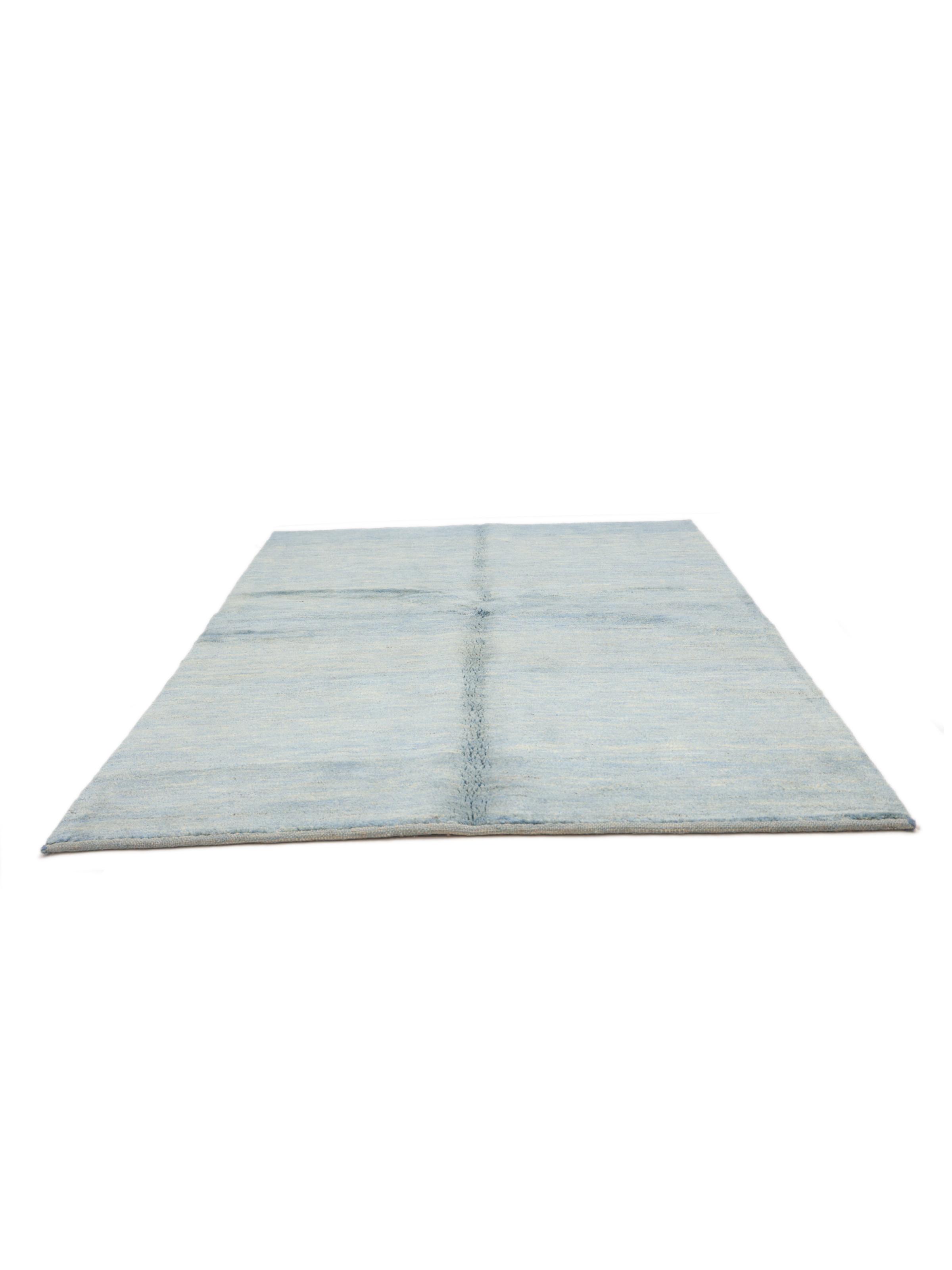
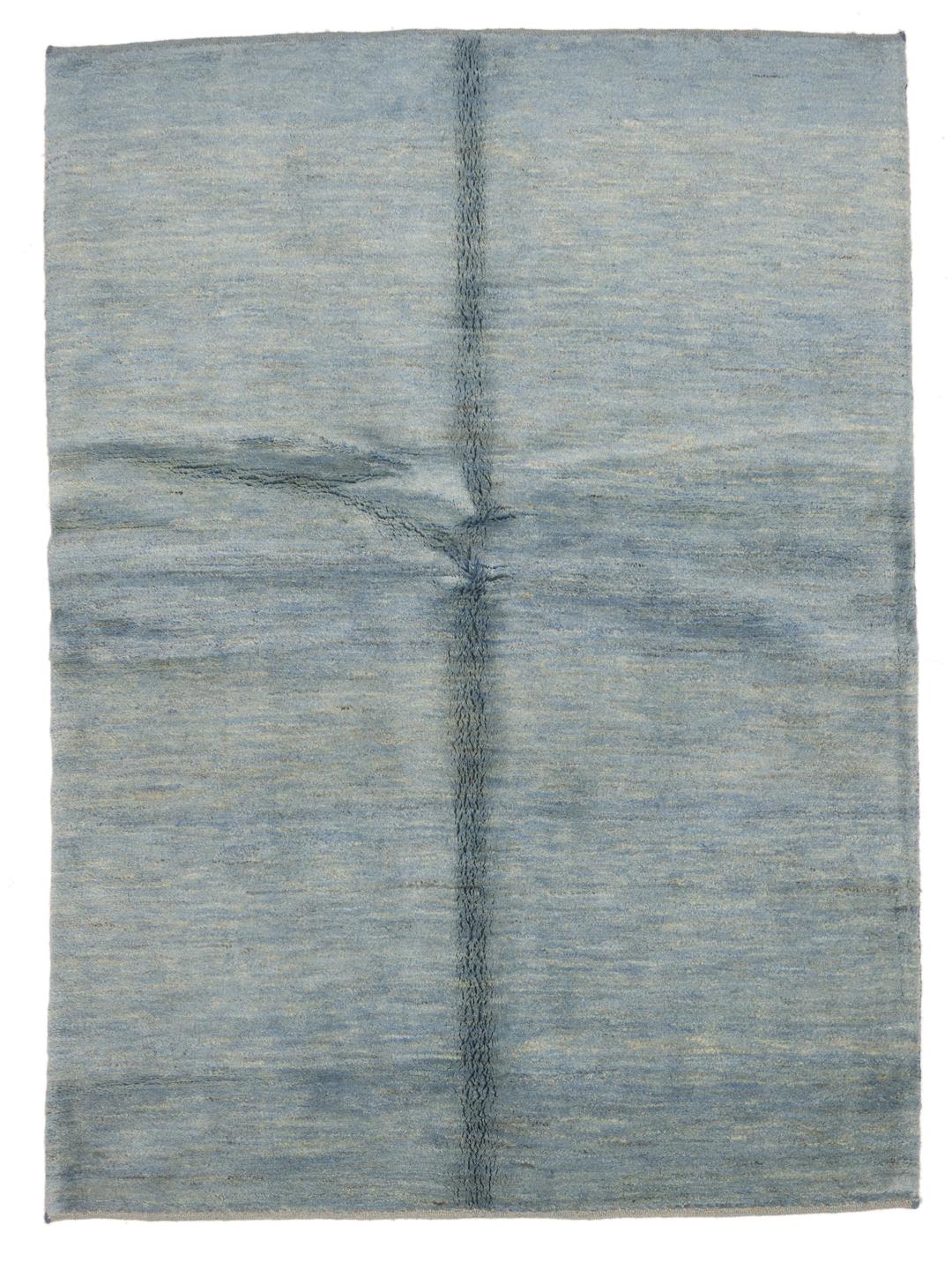
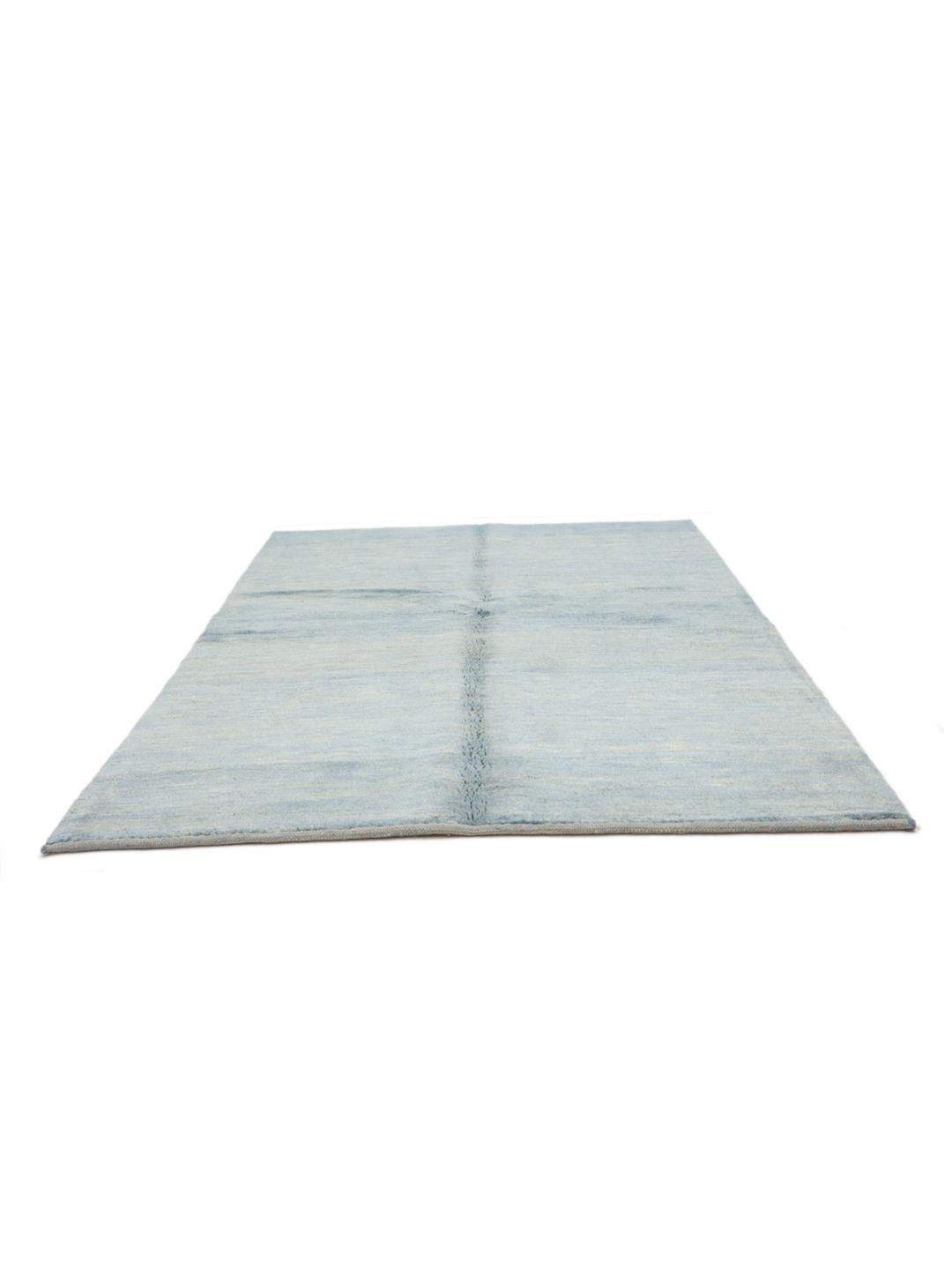
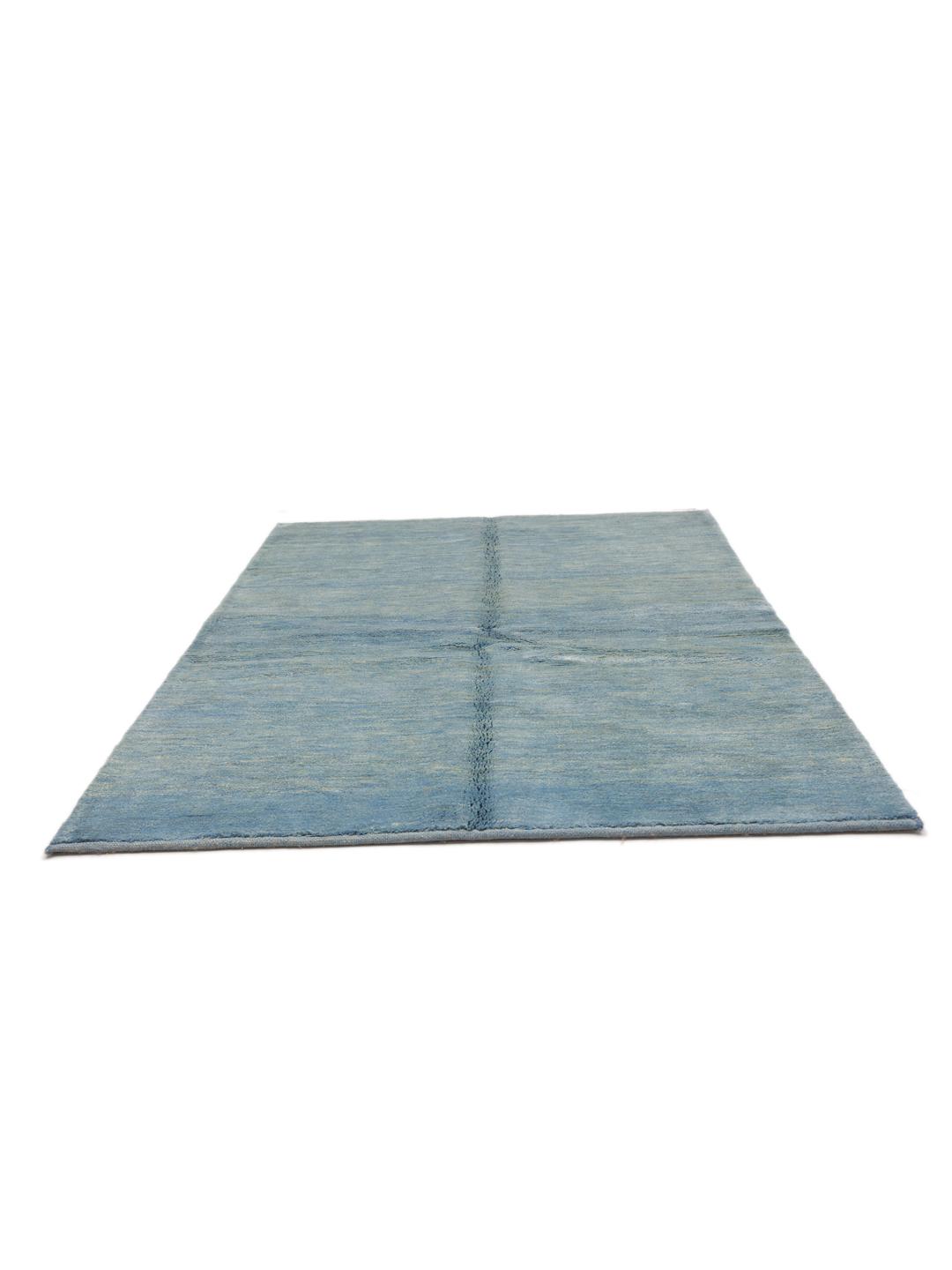
Gabbeh rugs have a long and storied history, originating from the nomadic tribes of the Middle East. Traditionally, these rugs were created by women for personal use within the family, serving as practical, comfortable bedding and floor coverings during long migrations. Unlike more formal urban rugs, the Gabbeh was a medium for personal storytelling and artistic expression.
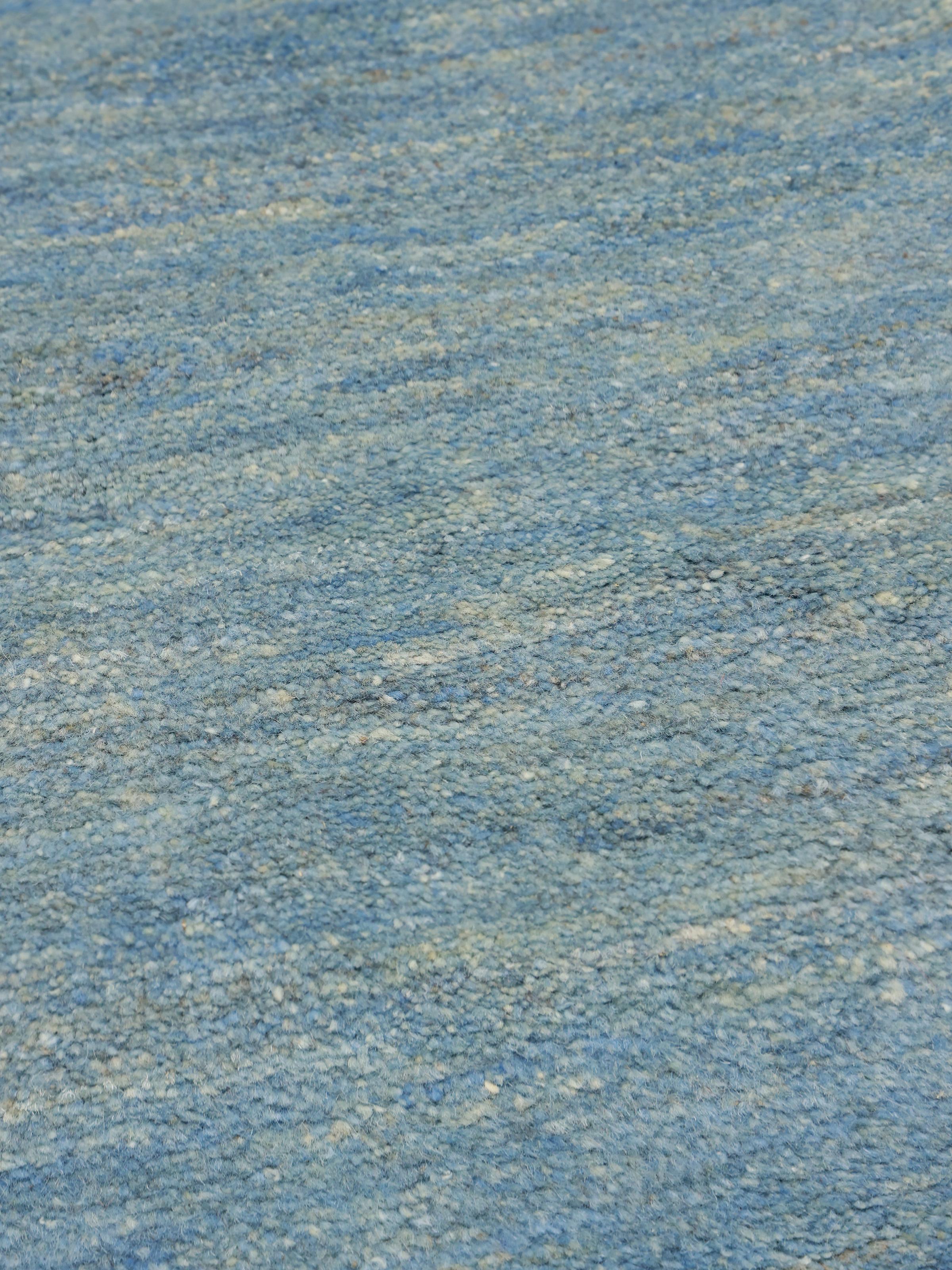
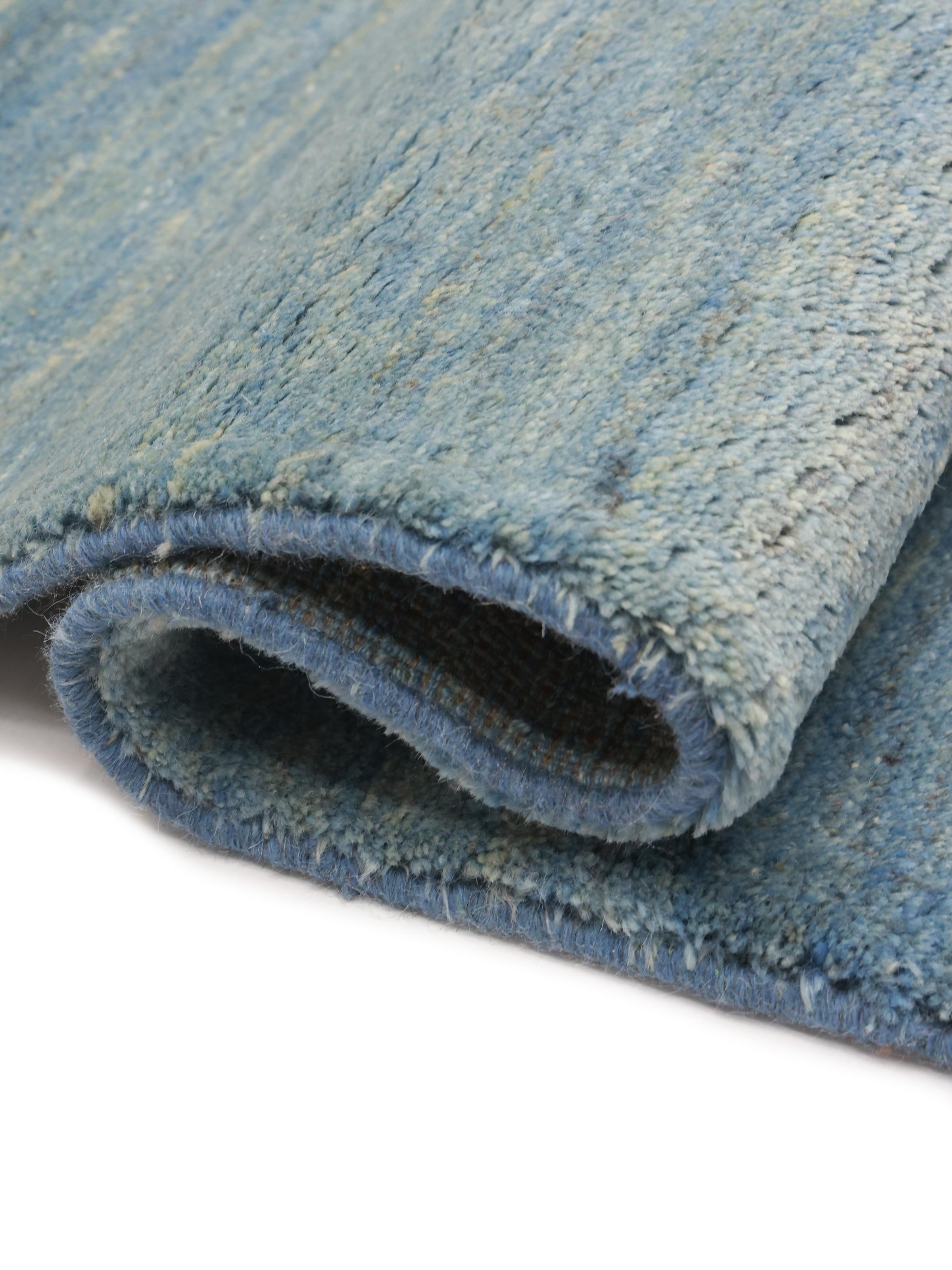
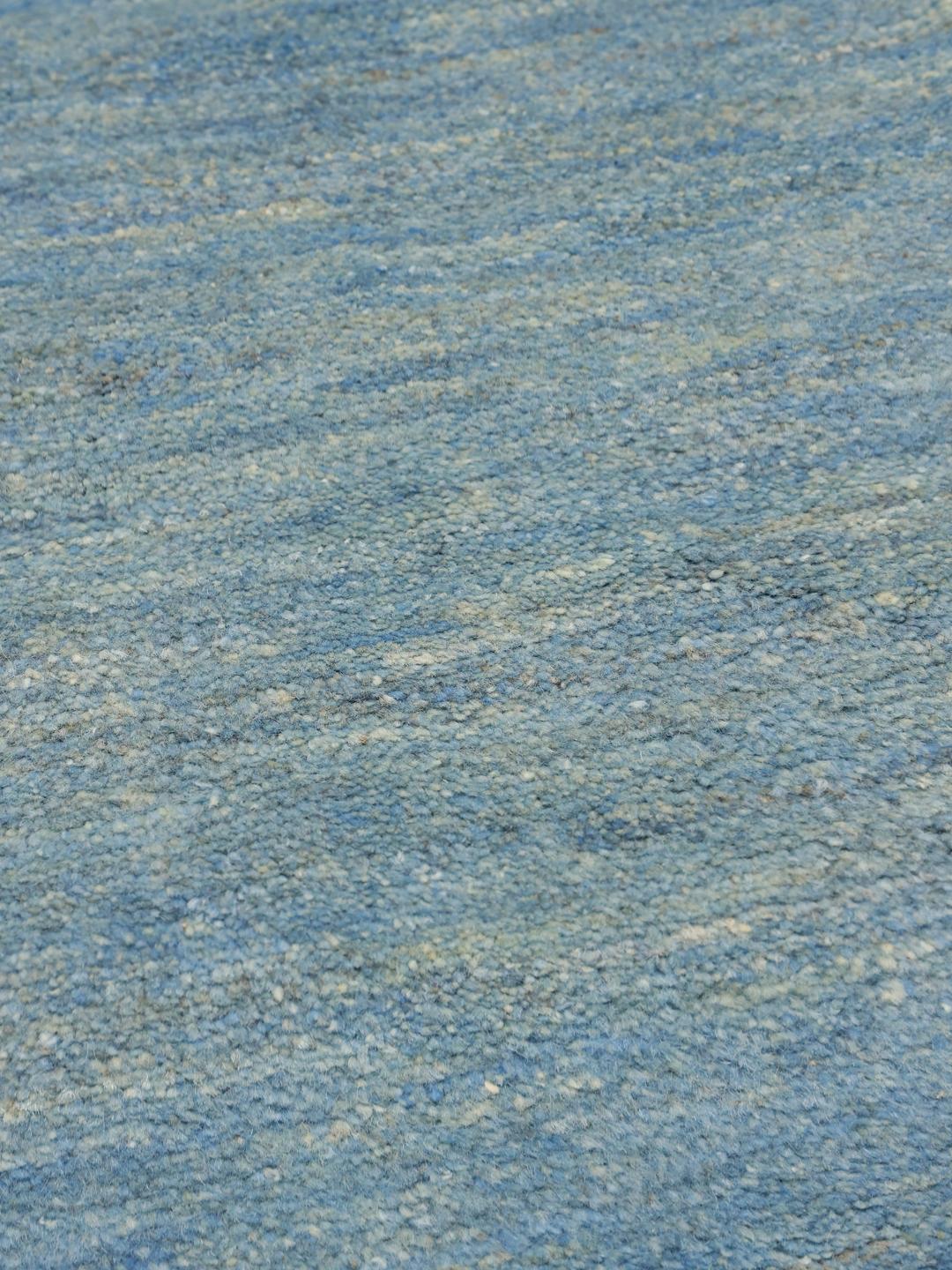
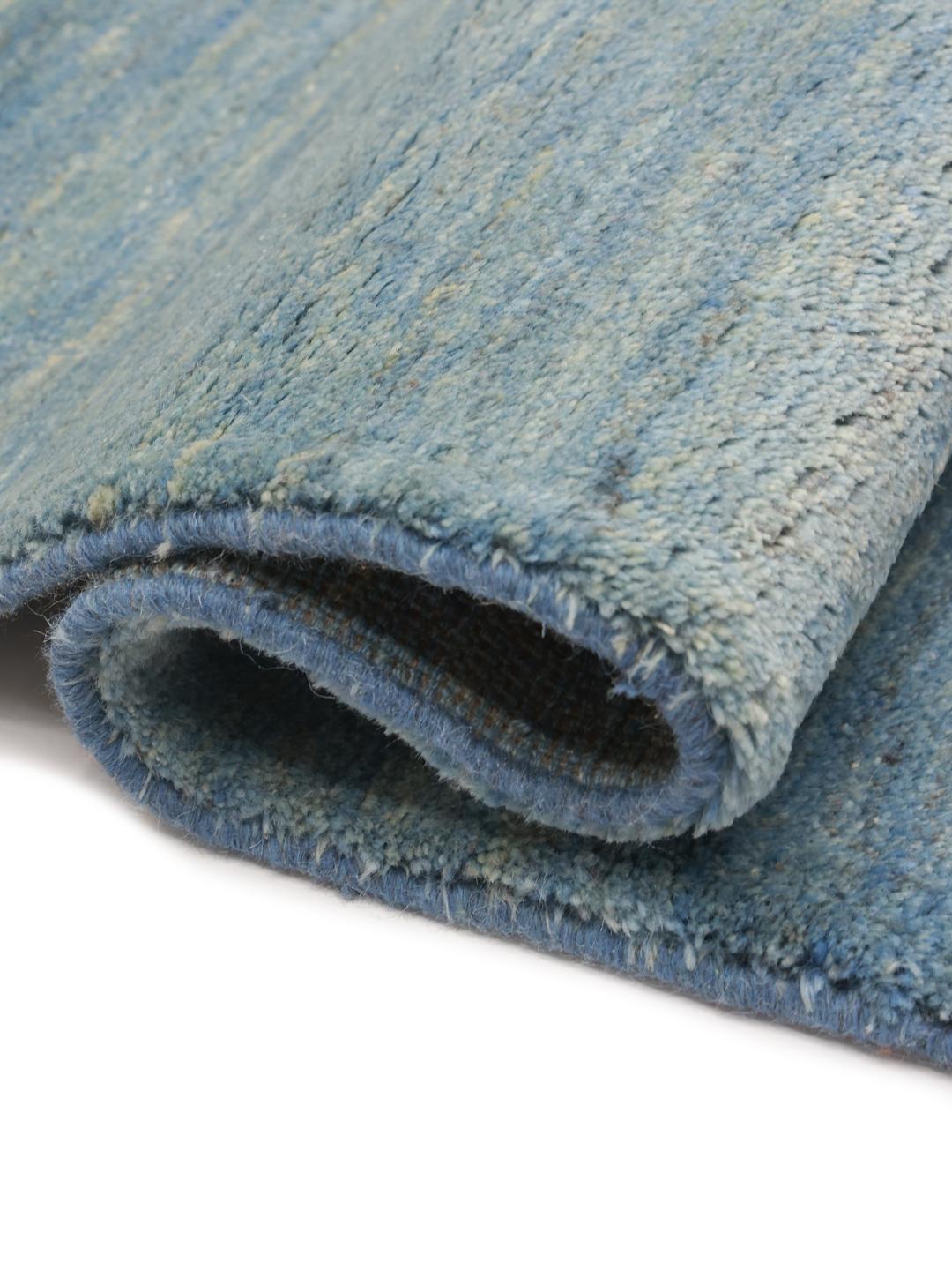
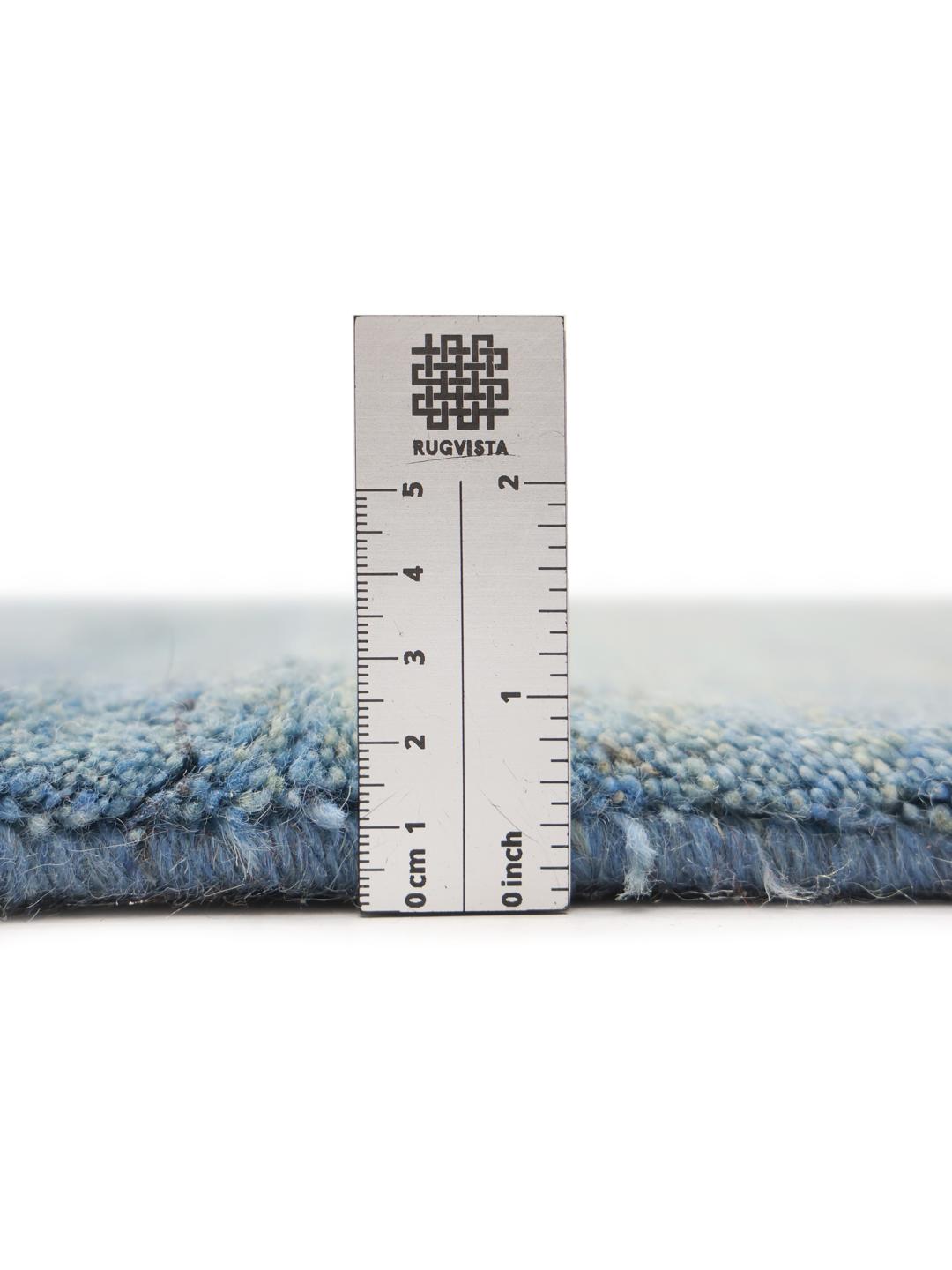
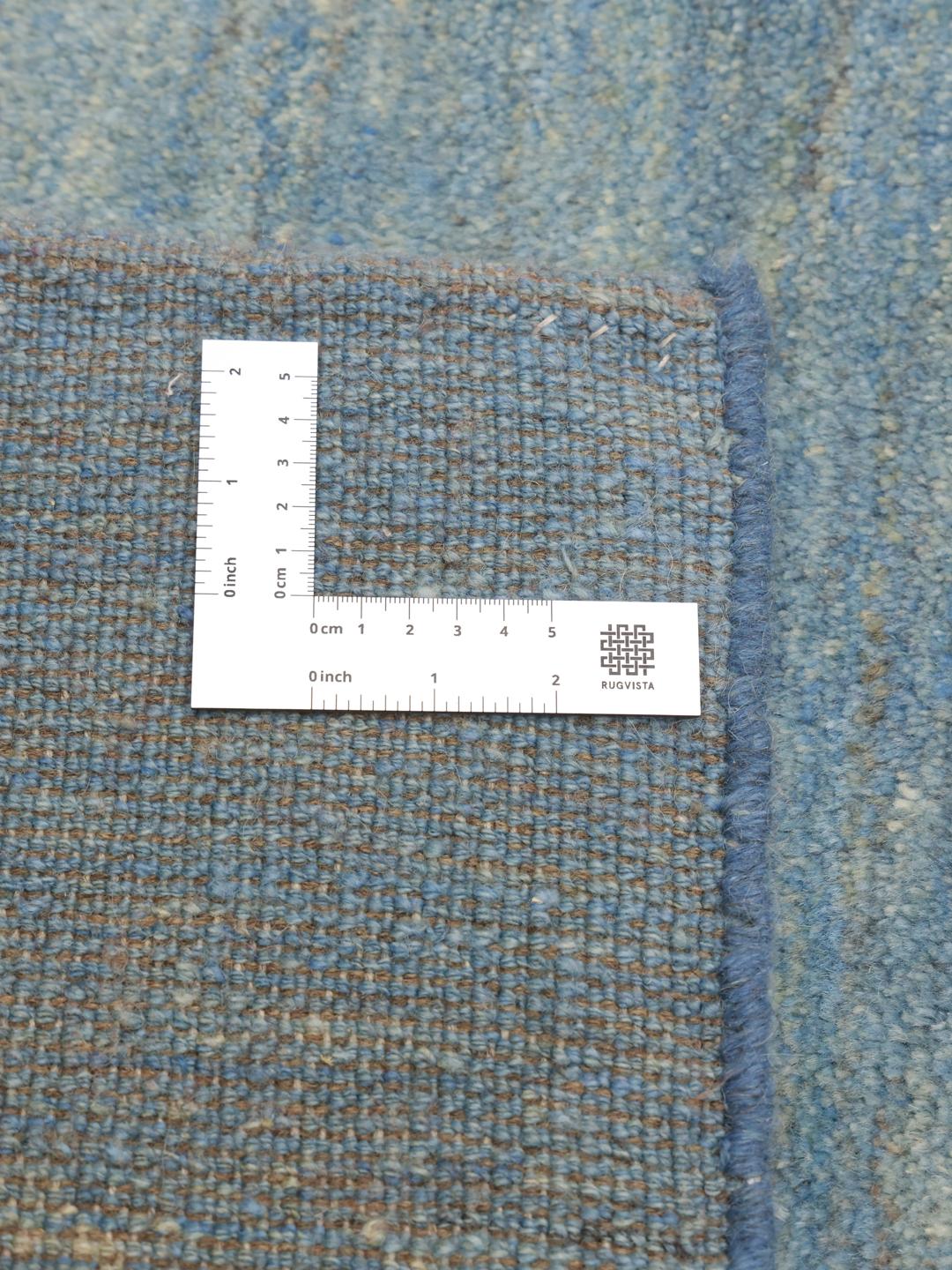
The term Gabbeh refers to a specific style of weaving that emphasises a thicker, coarser pile and a simpler, more abstract aesthetic. This style prioritises the natural quality of the wool and the depth of the dye, resulting in a rug that feels more organic and less rigid than traditional city-made pieces. This approach allows the natural characteristics of the fibre to shine.
Visually, Gabbeh rugs are known for their minimalist yet powerful designs. They often feature large, open fields of colour, sometimes accented with stylised, simplified motifs representing nature or tribal symbols. The use of space in these rugs is intentional, creating a sense of calm and visual balance that complements modern and rustic interiors alike.
Owning a Gabbeh rug is a way of connecting with a vibrant cultural heritage that values human touch over uniformity. These rugs are highly prized by collectors for their authenticity and the skill required to produce them. Each piece represents a bridge between ancient nomadic traditions and contemporary living, offering a grounded and storied addition to any home.