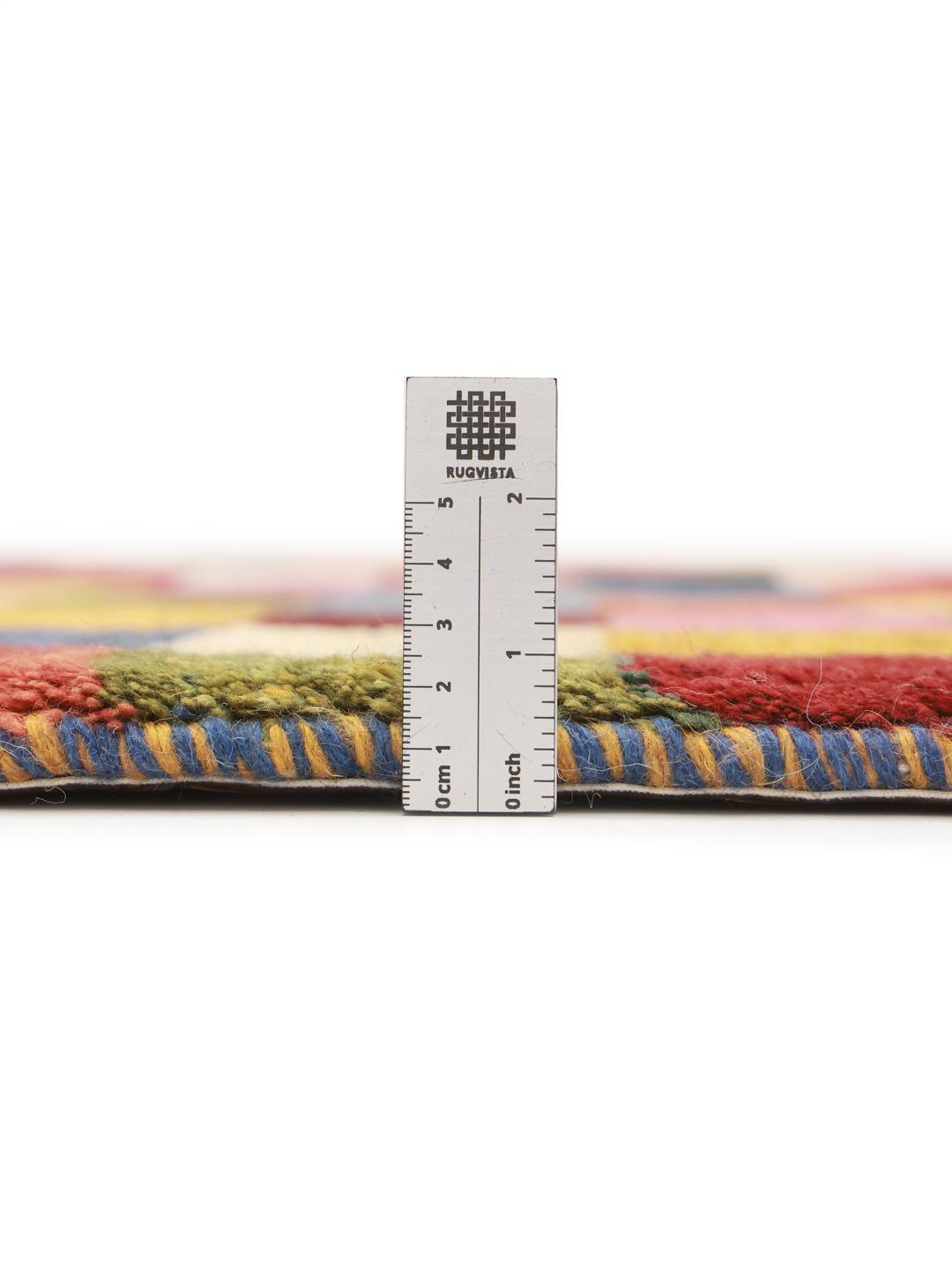
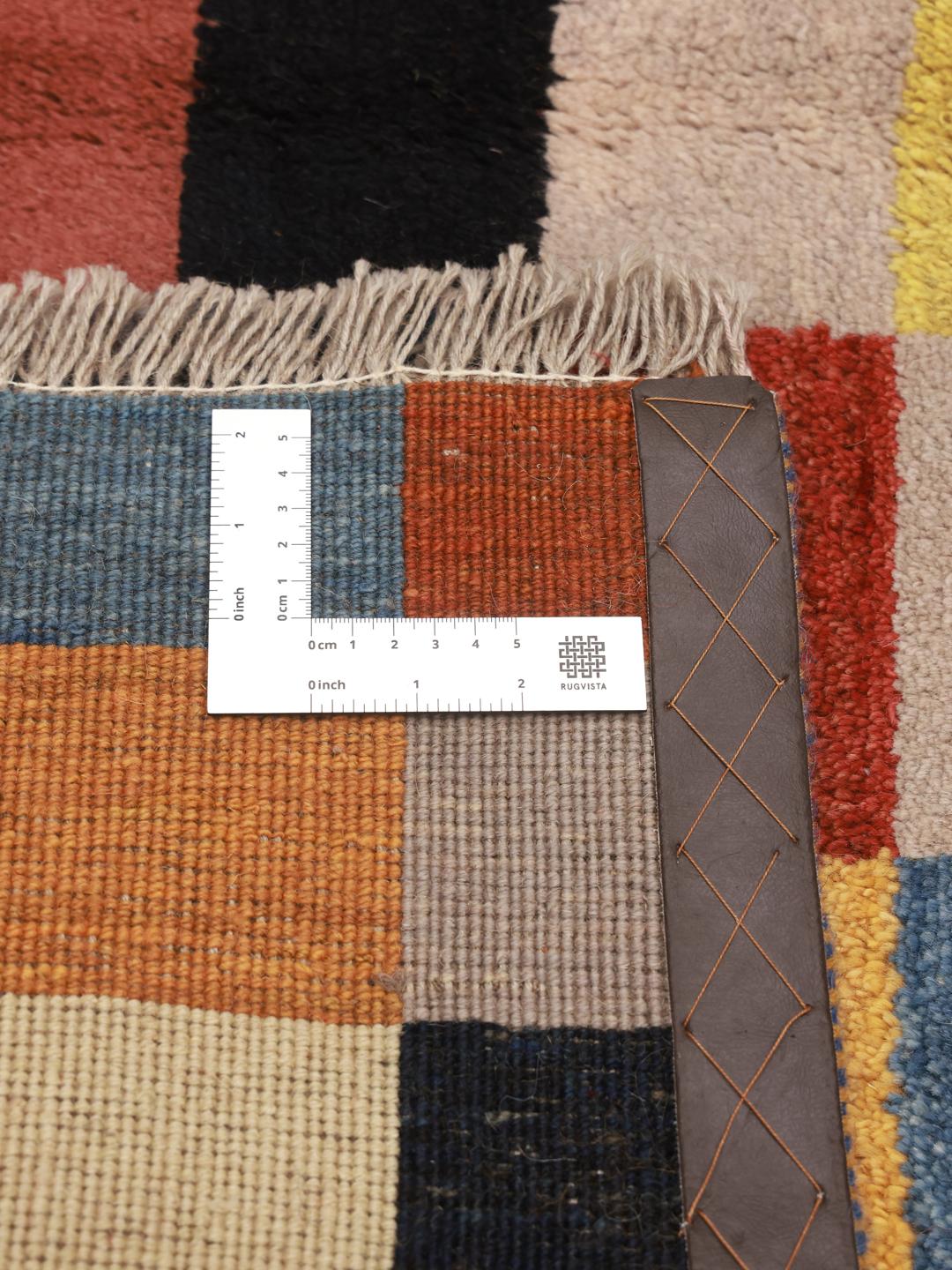
The Gabbeh tradition finds its roots in the nomadic cultures of the Middle East. Historically, these rugs were woven by tribal women primarily for their own family use rather than for trade, which allowed for a high degree of creative freedom. Unlike more formal urban carpets, Gabbehs are celebrated for their raw, spontaneous spirit and their reflection of the weaver's personal environment.
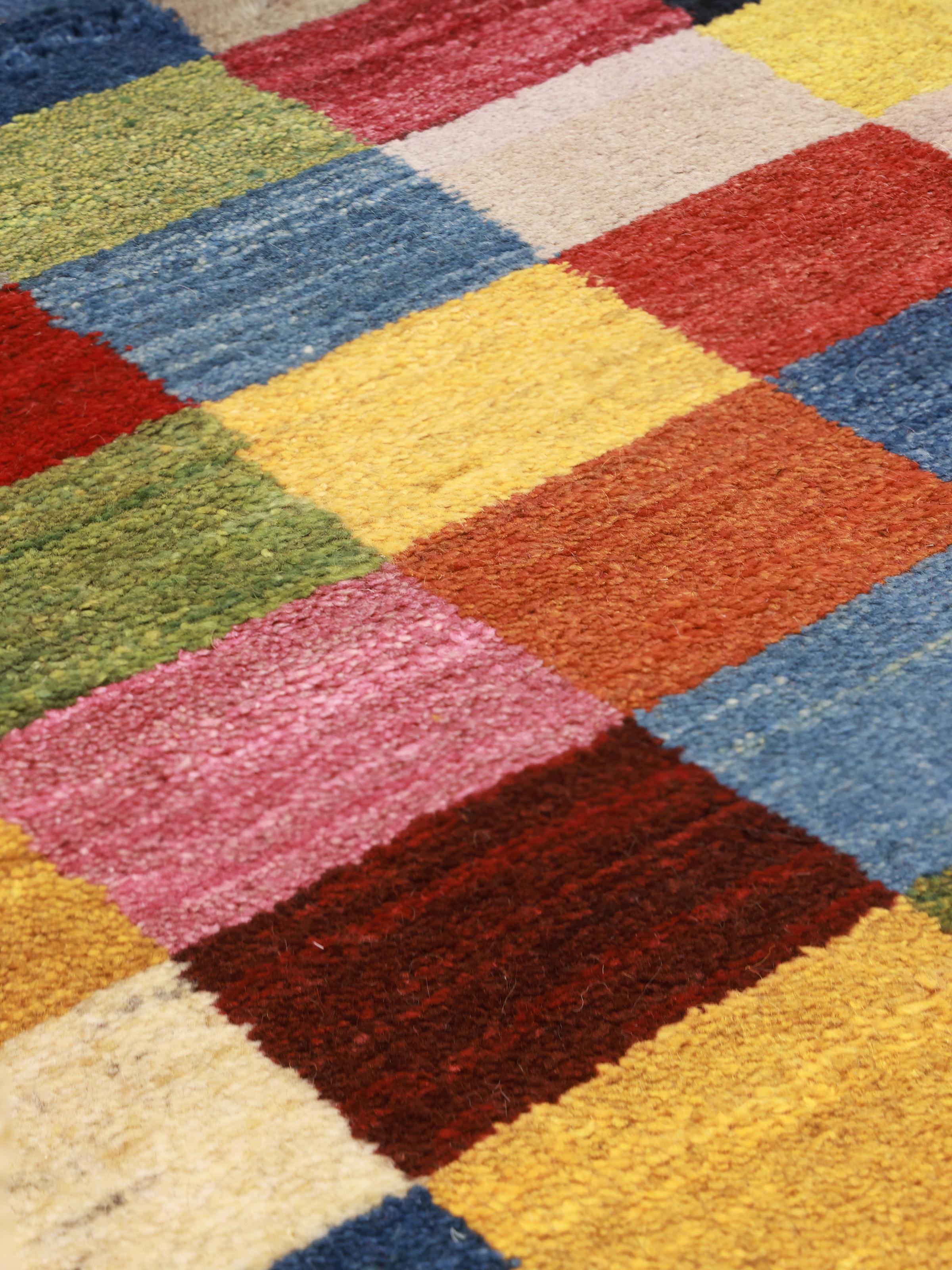
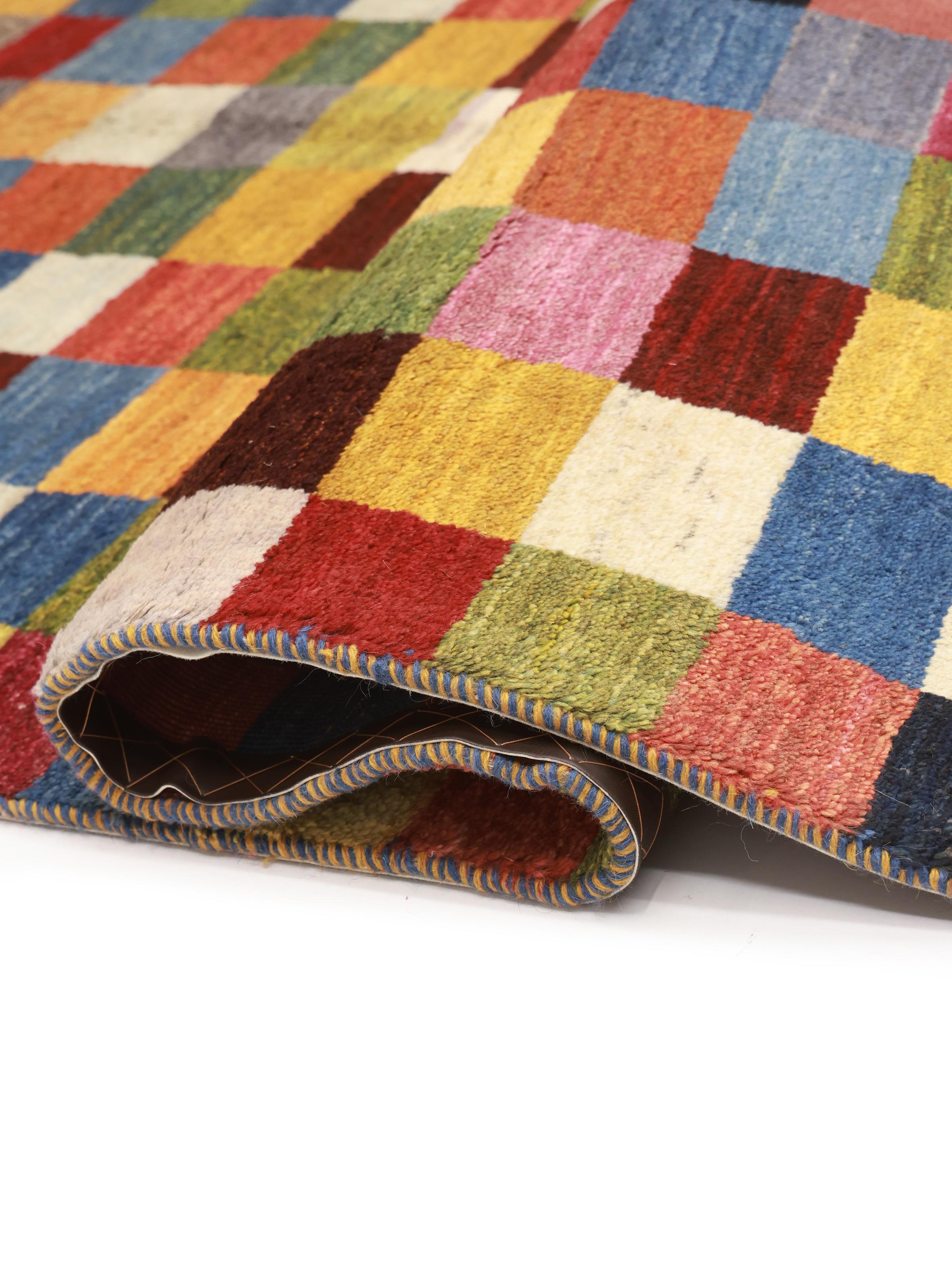
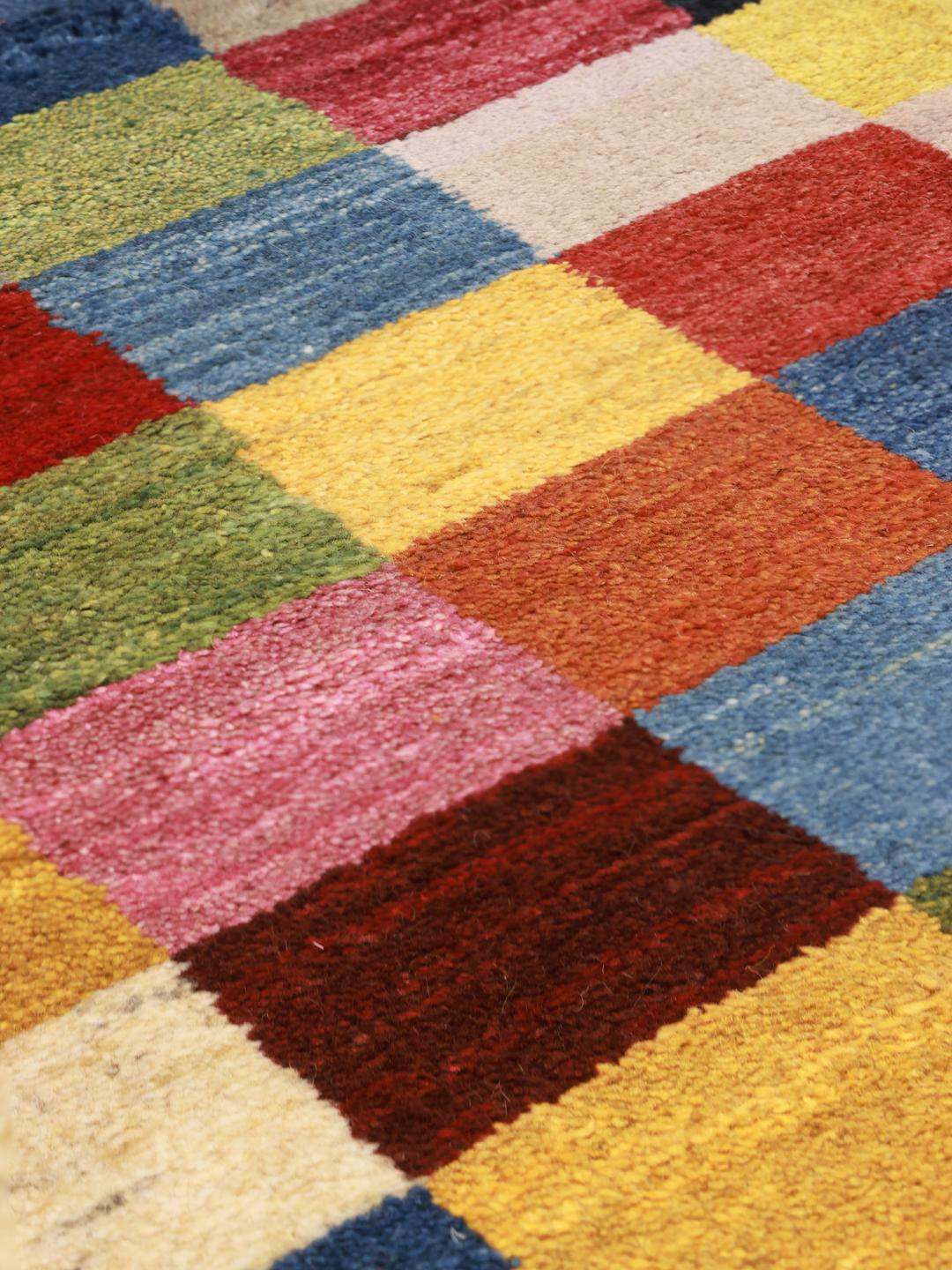
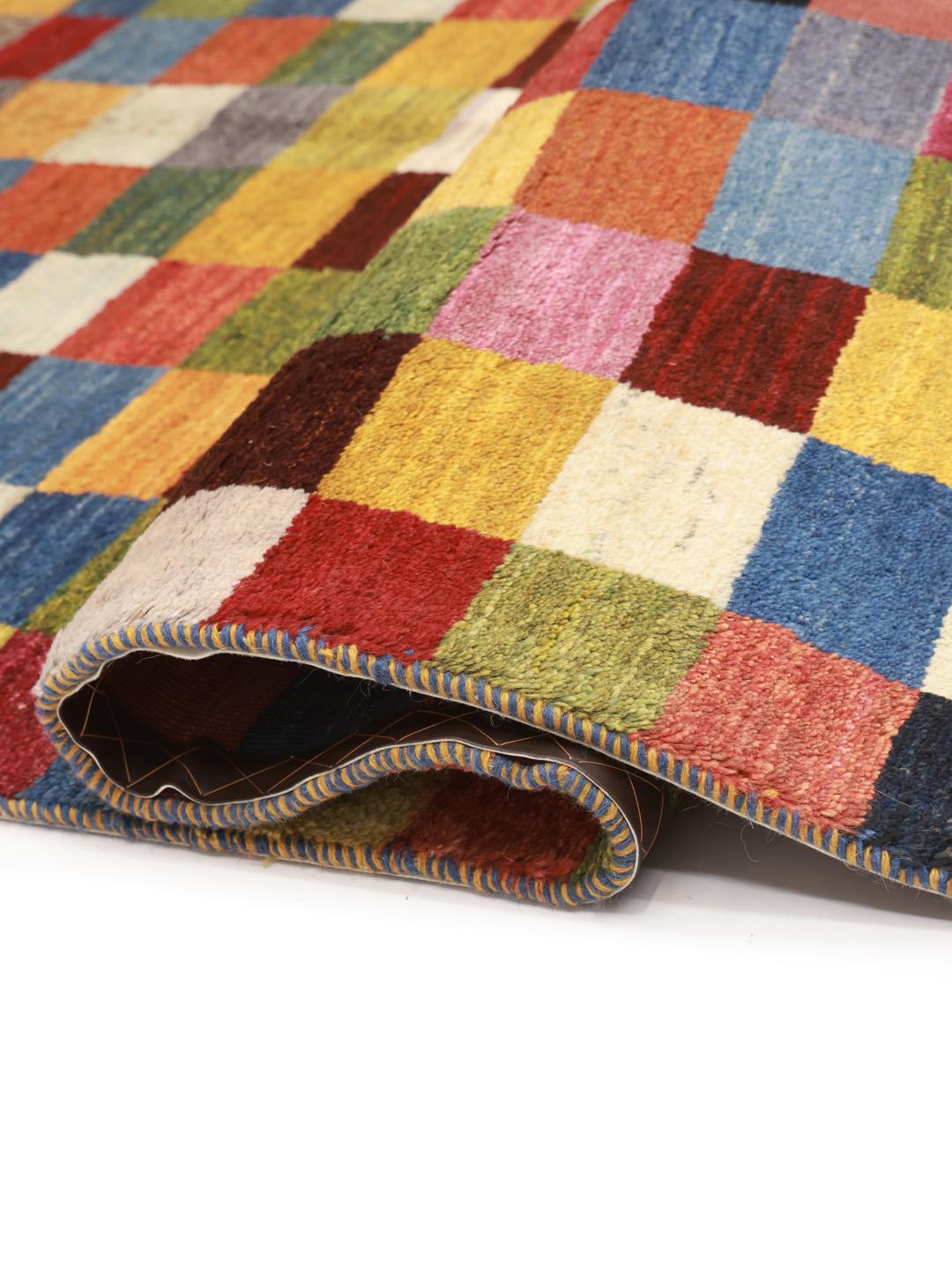
The term Gabbeh itself refers to a 'raw' or 'natural' style, typically characterised by a thicker, longer pile and a simpler, more abstract aesthetic. The construction is intentionally robust, utilising a sturdy foundation that supports the heavy, soft wool pile. This technical approach creates a rug that is not only visually striking but also incredibly durable and practical for everyday living.
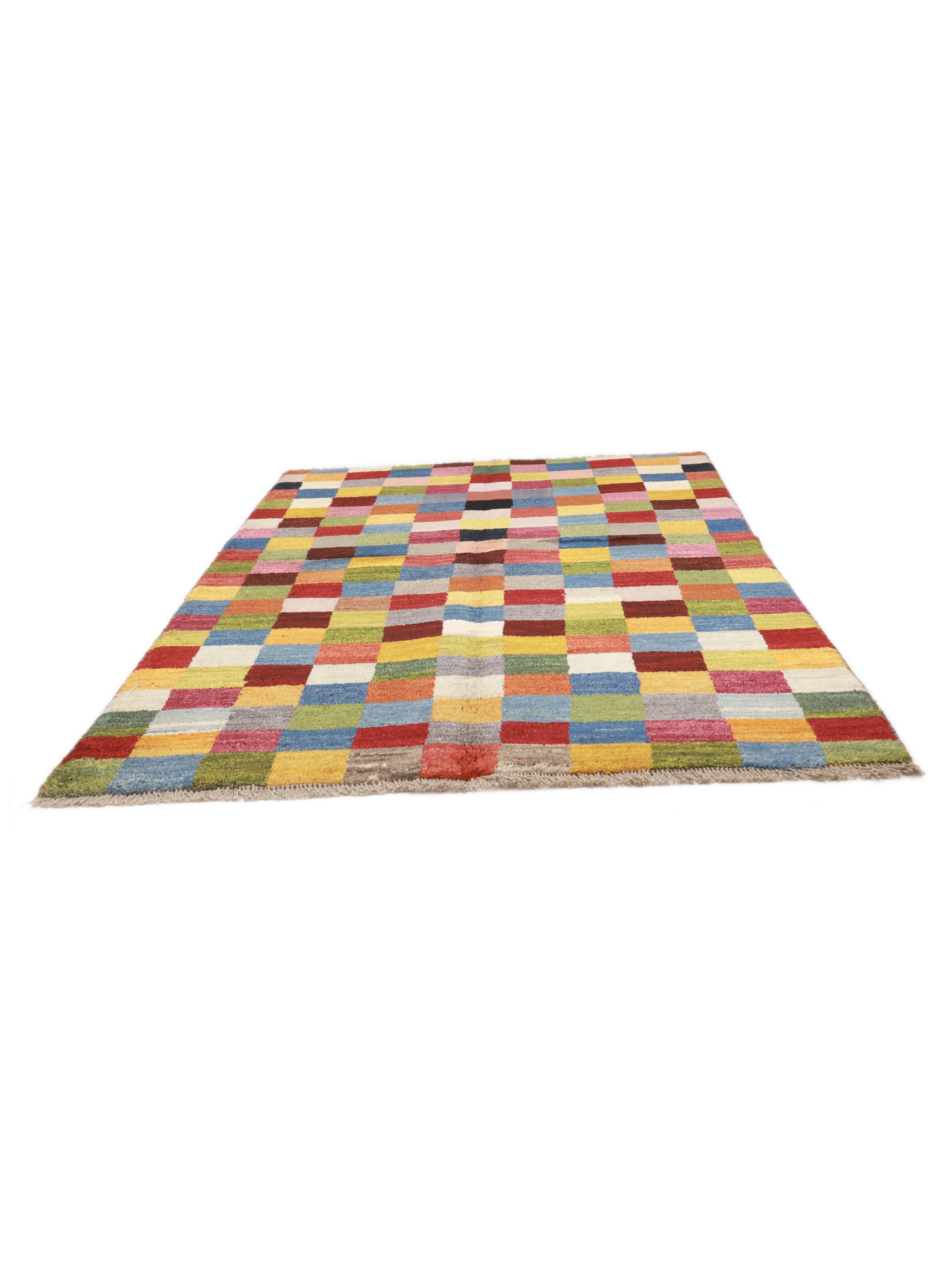
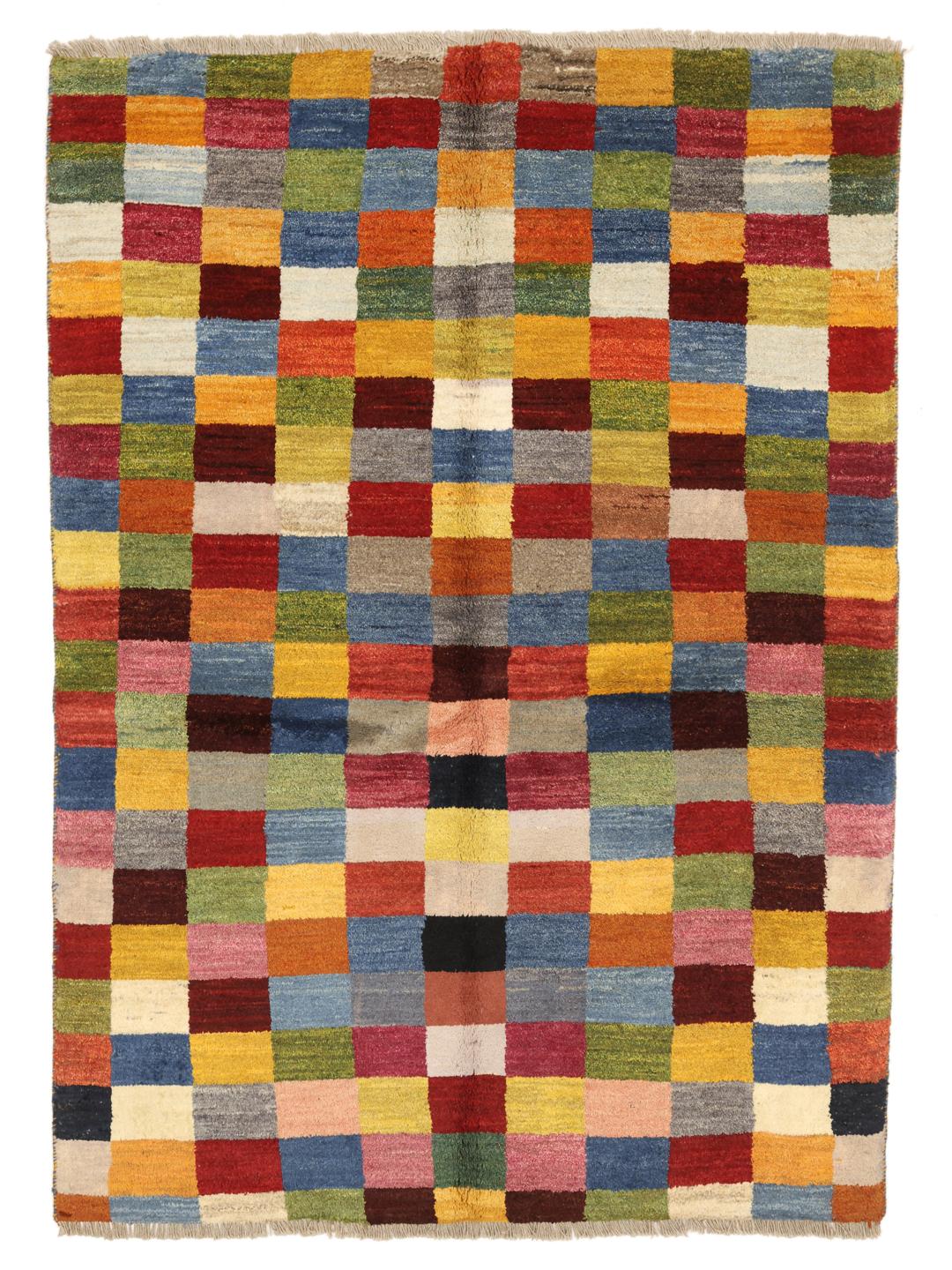
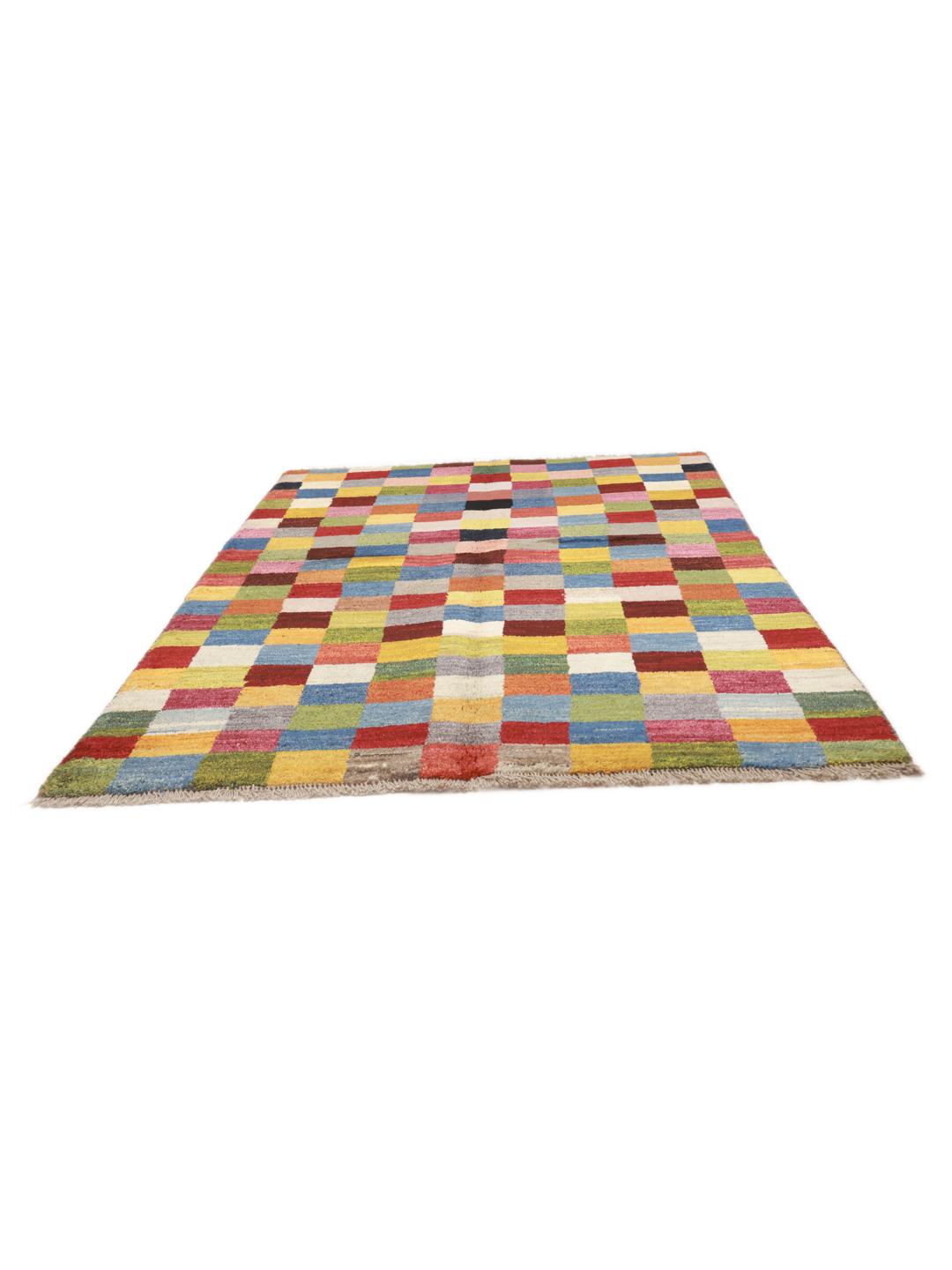
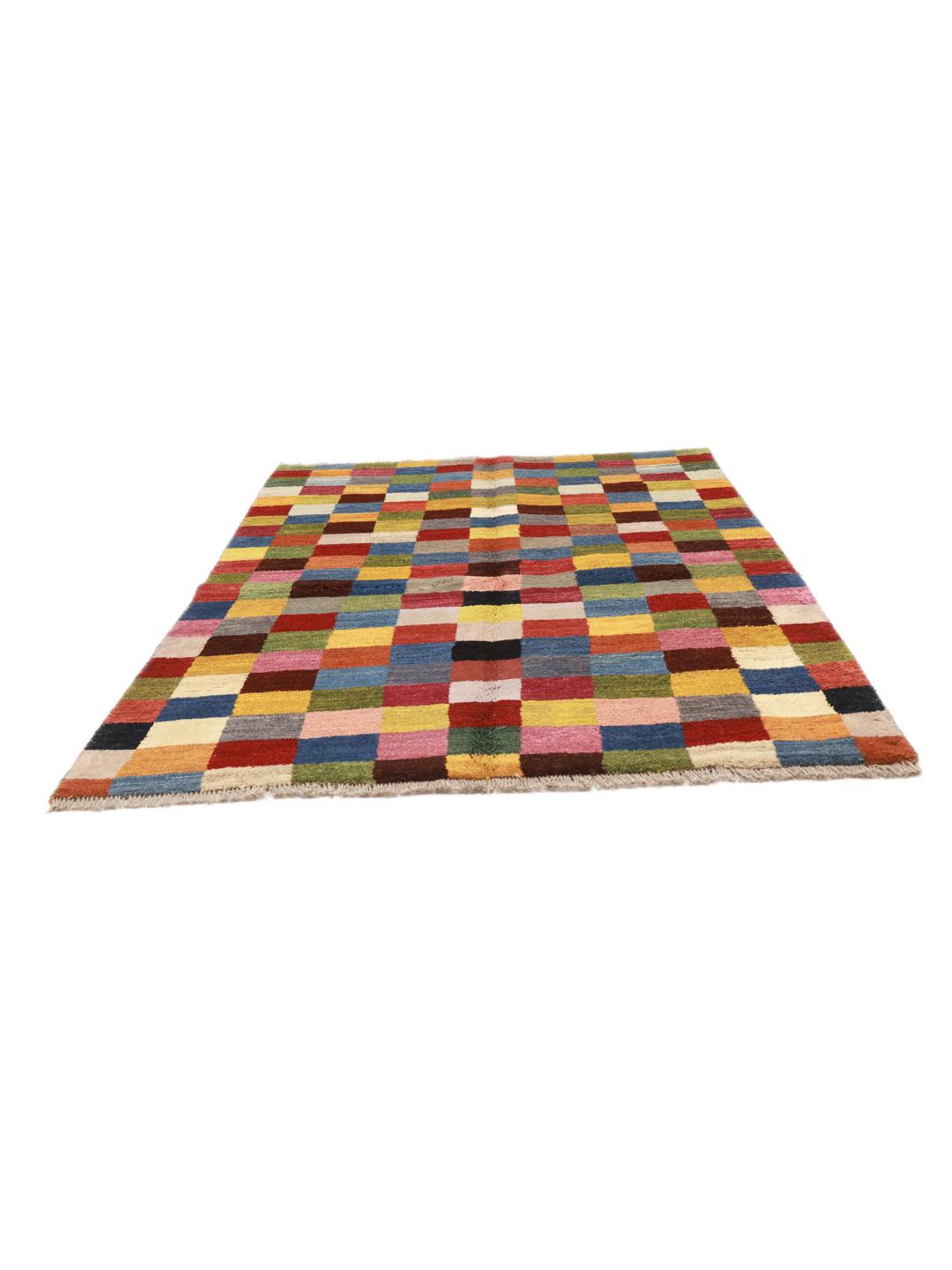
Visually, these rugs are defined by their bold use of colour and geometric simplicity. While traditional versions often featured sparse, stylised motifs of animals or plants, contemporary interpretations like this checkered design highlight the tradition's adaptability. The vibrant, contrasting squares demonstrate how the craft has evolved to incorporate a more graphic, modern sensibility while maintaining its ancestral roots.
Collecting a Gabbeh is an act of preserving a piece of cultural history. These rugs are highly valued for their authenticity and the human story woven into every thread. When you bring a Gabbeh into your home, you are acquiring a piece of artistic heritage that celebrates the skill of the artisan and the enduring beauty of hand-wrought textiles.