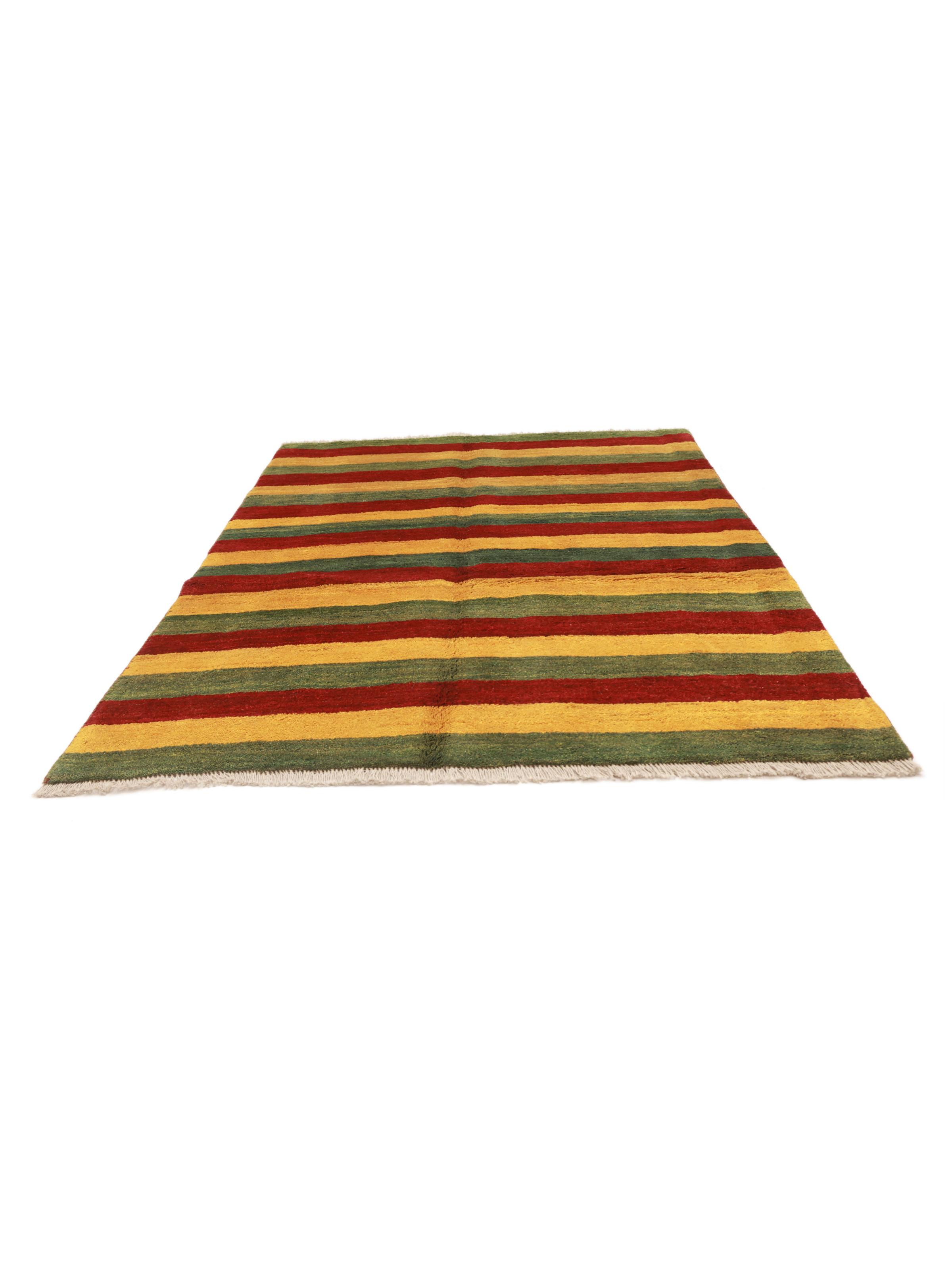
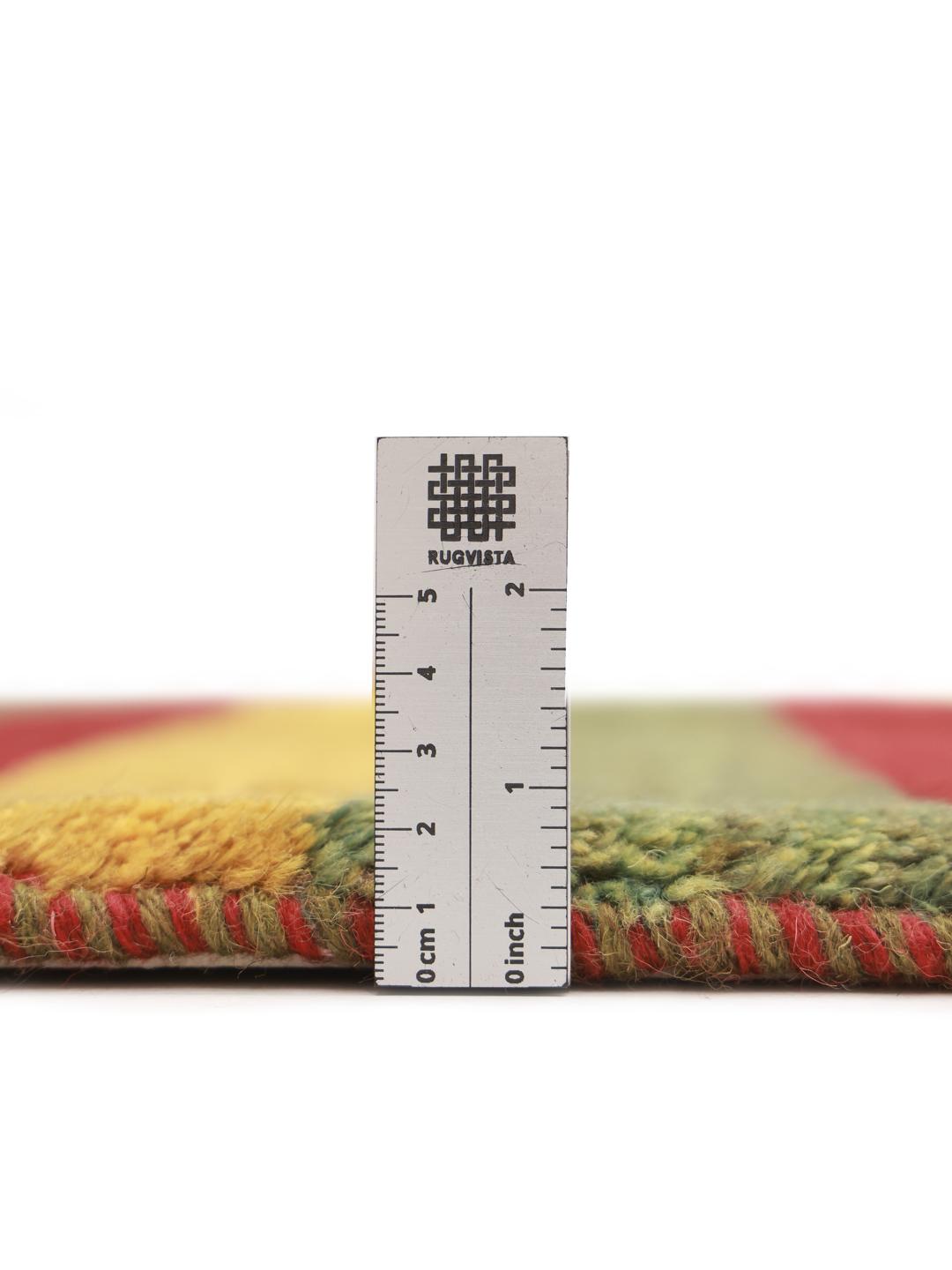
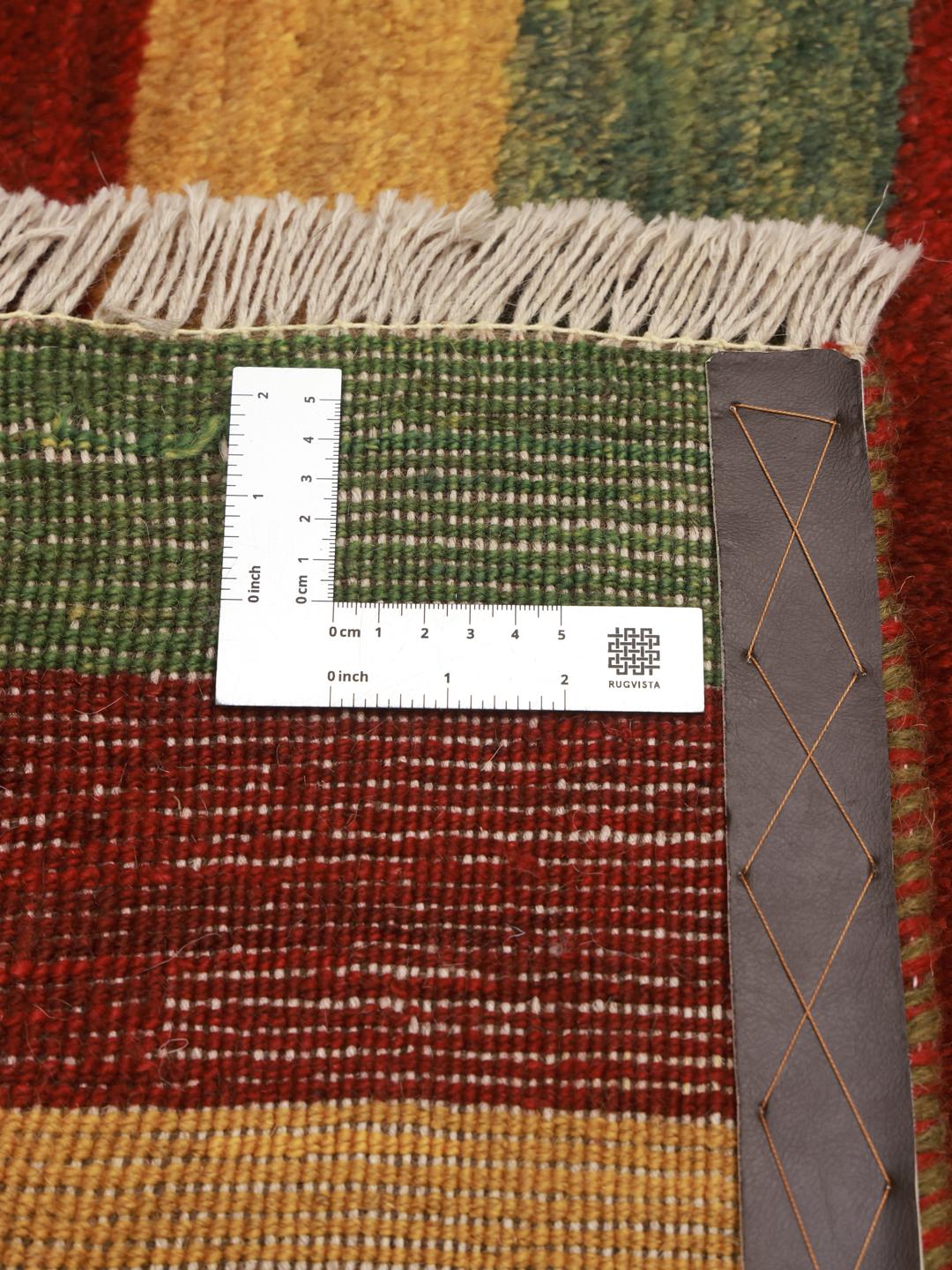
The Gabbeh tradition traces its roots to the nomadic tribes of the Middle East, where weavers created these rugs primarily for their own domestic use. Unlike more formal urban carpets, Gabbehs were traditionally woven as thick, protective floor coverings that provided insulation and comfort against the harsh, cold floors of mountain tents.
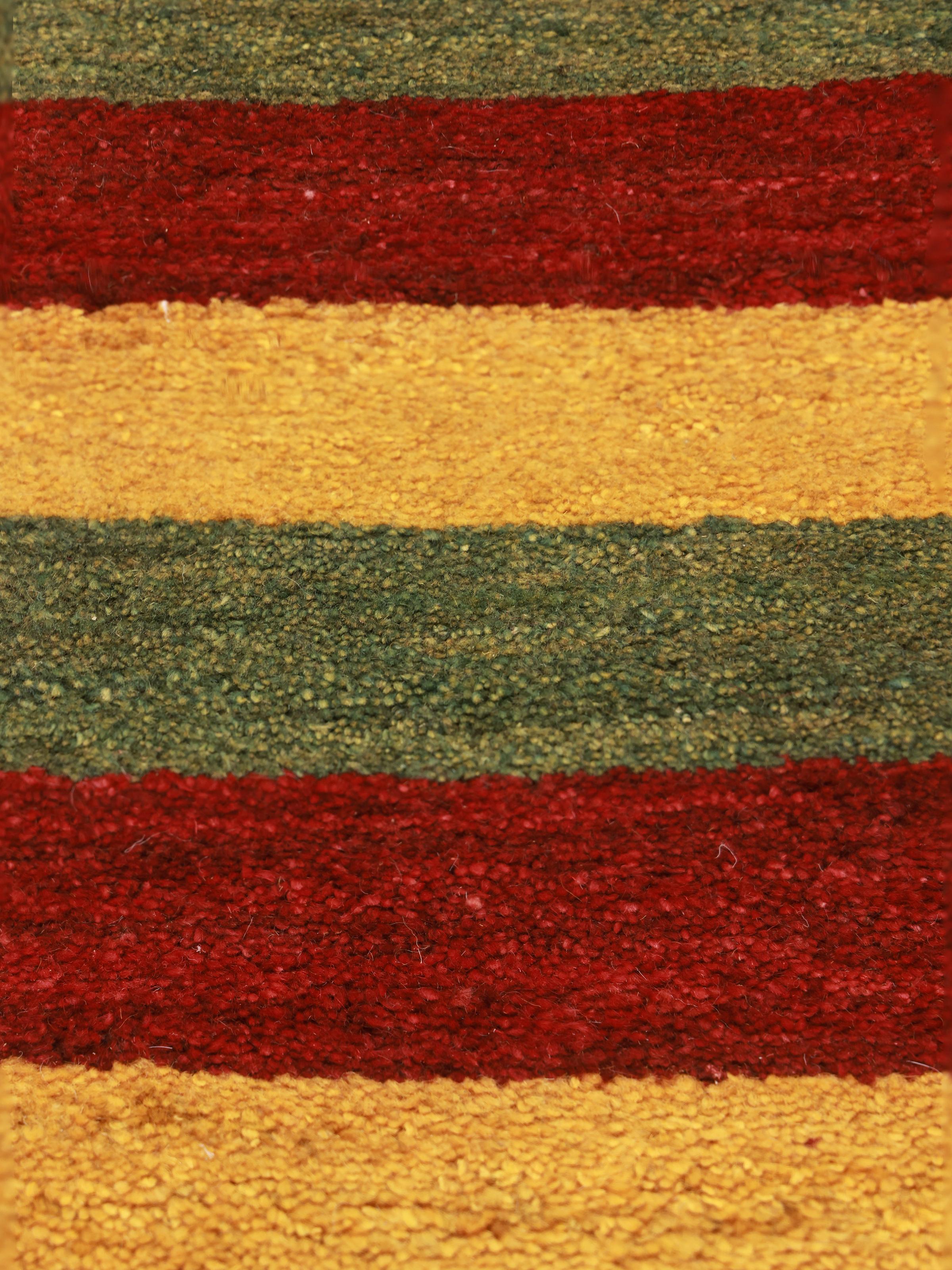
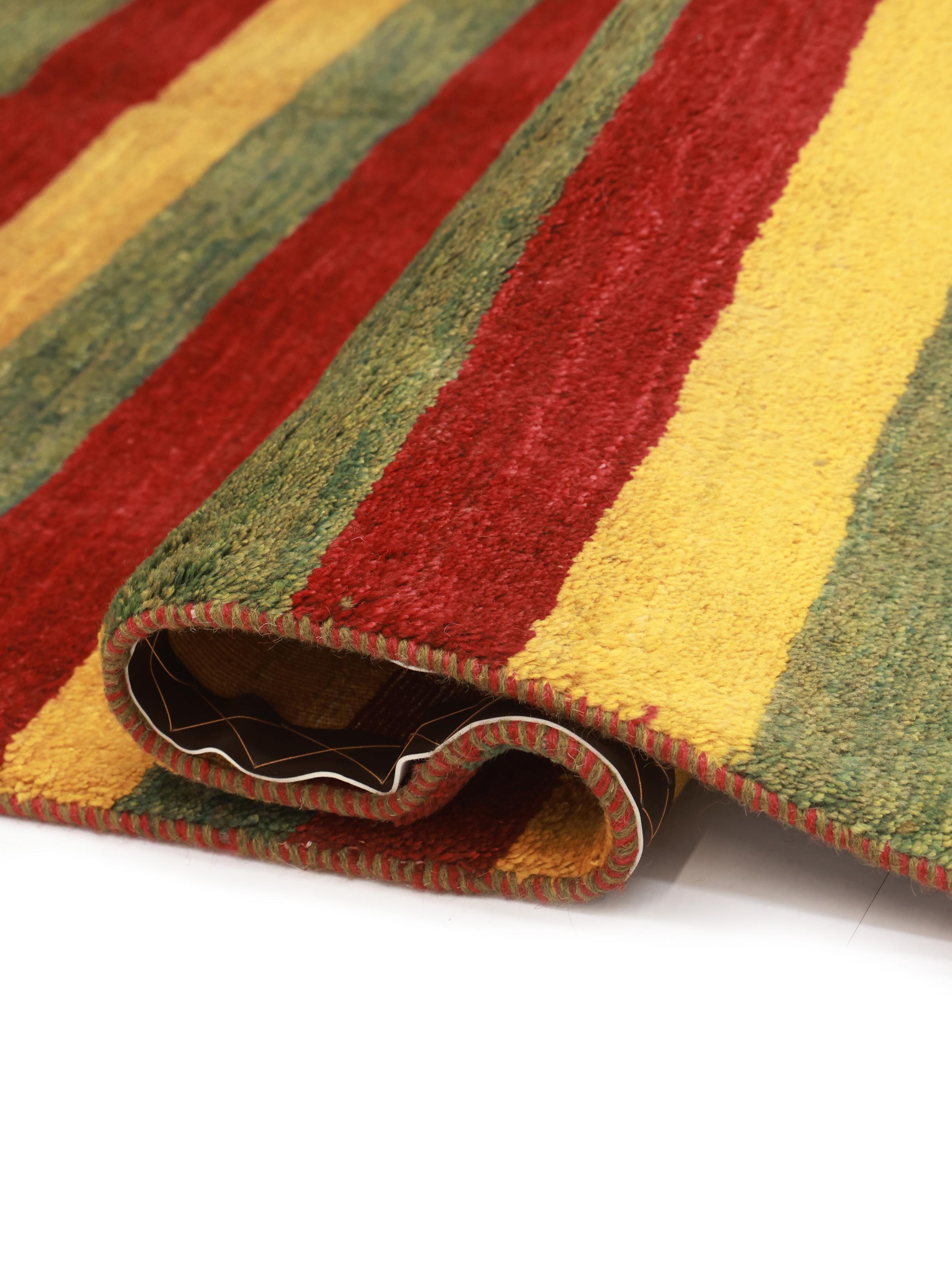
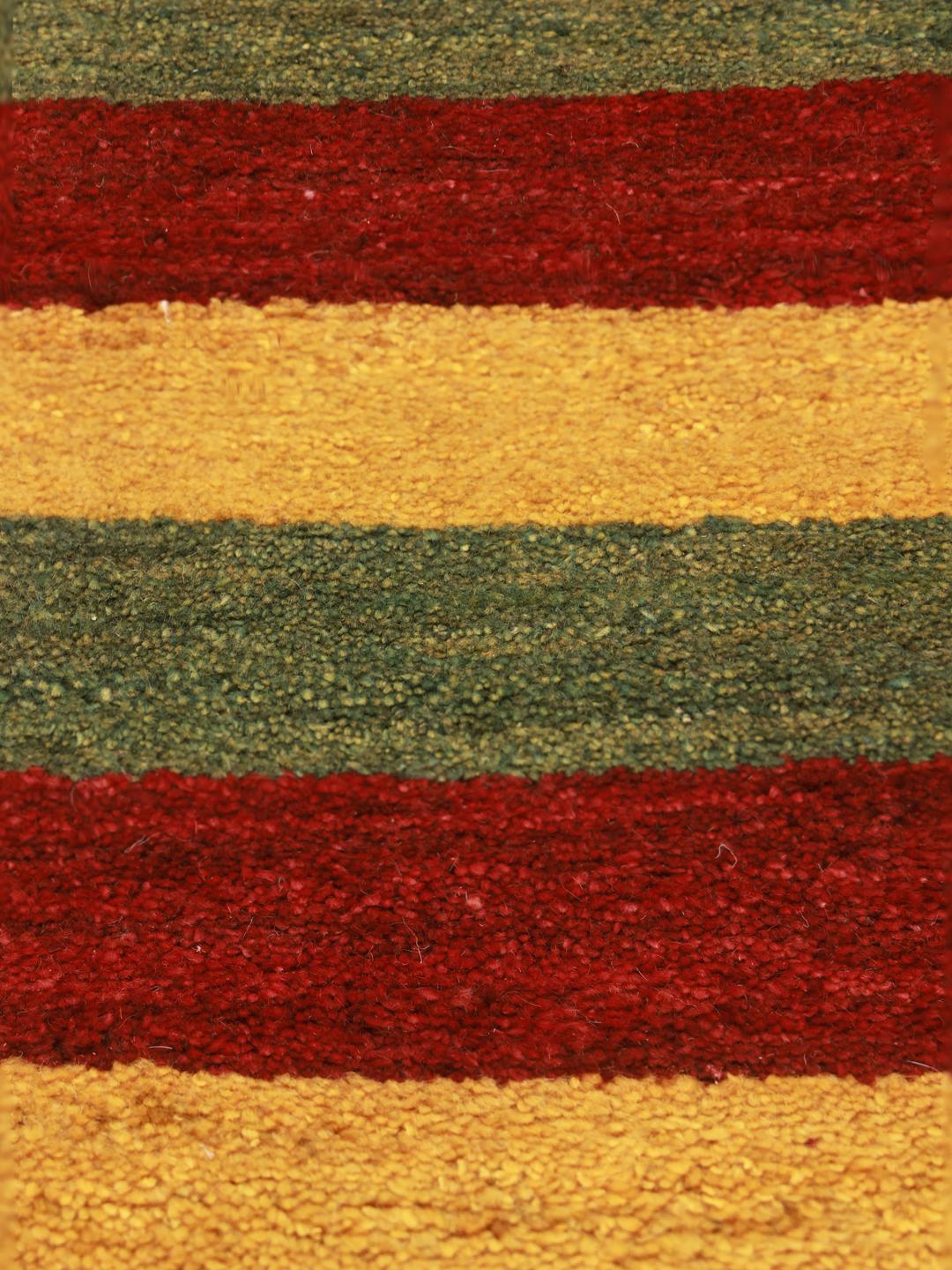
The term itself refers to the rug's raw and unrefined quality, which historically meant a longer pile and a simpler, more spontaneous approach to design. While they started as utilitarian items, their aesthetic strength—defined by high-quality wool and bold, uninhibited use of natural dyes—eventually captured the attention of collectors worldwide.
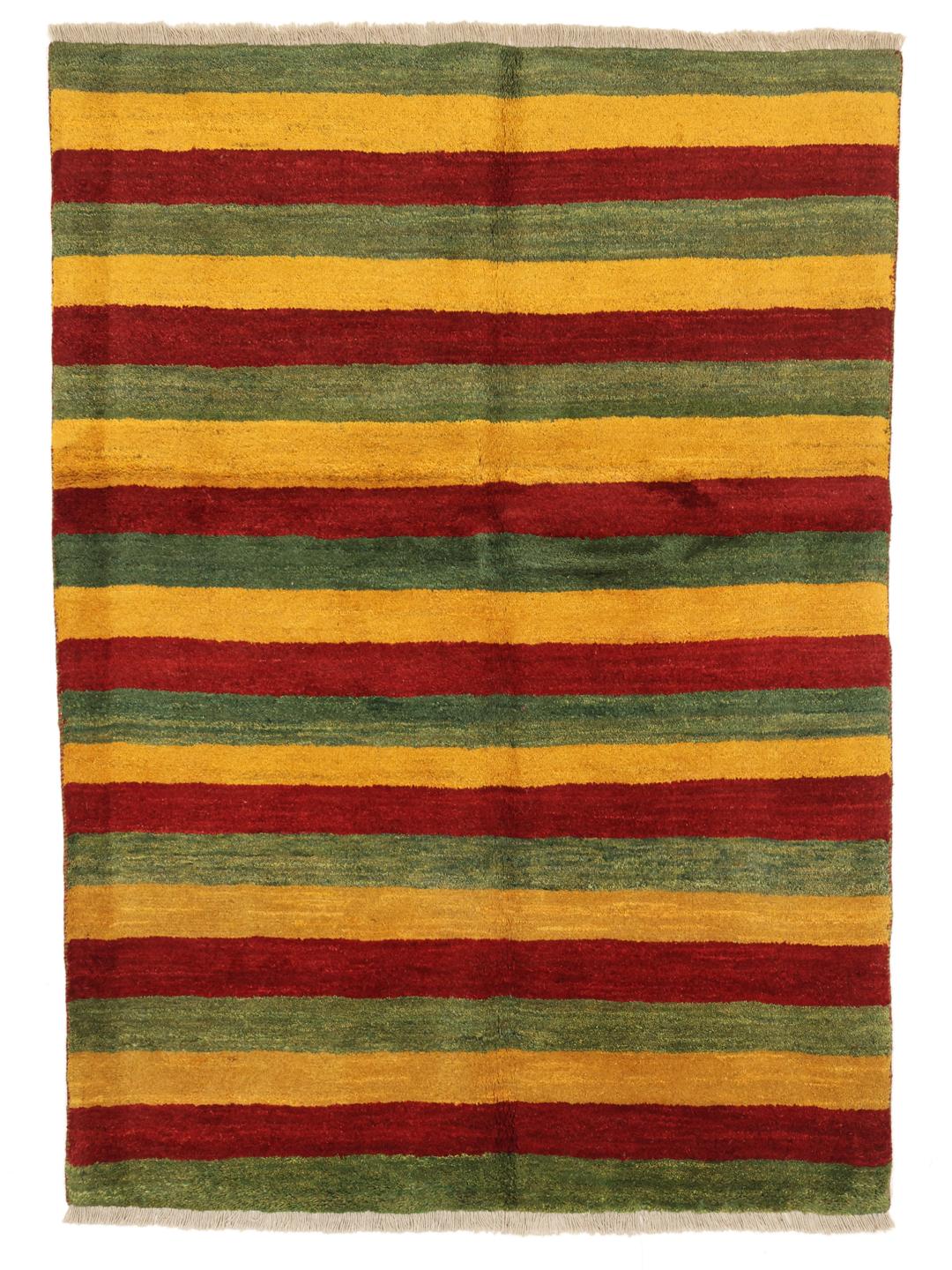
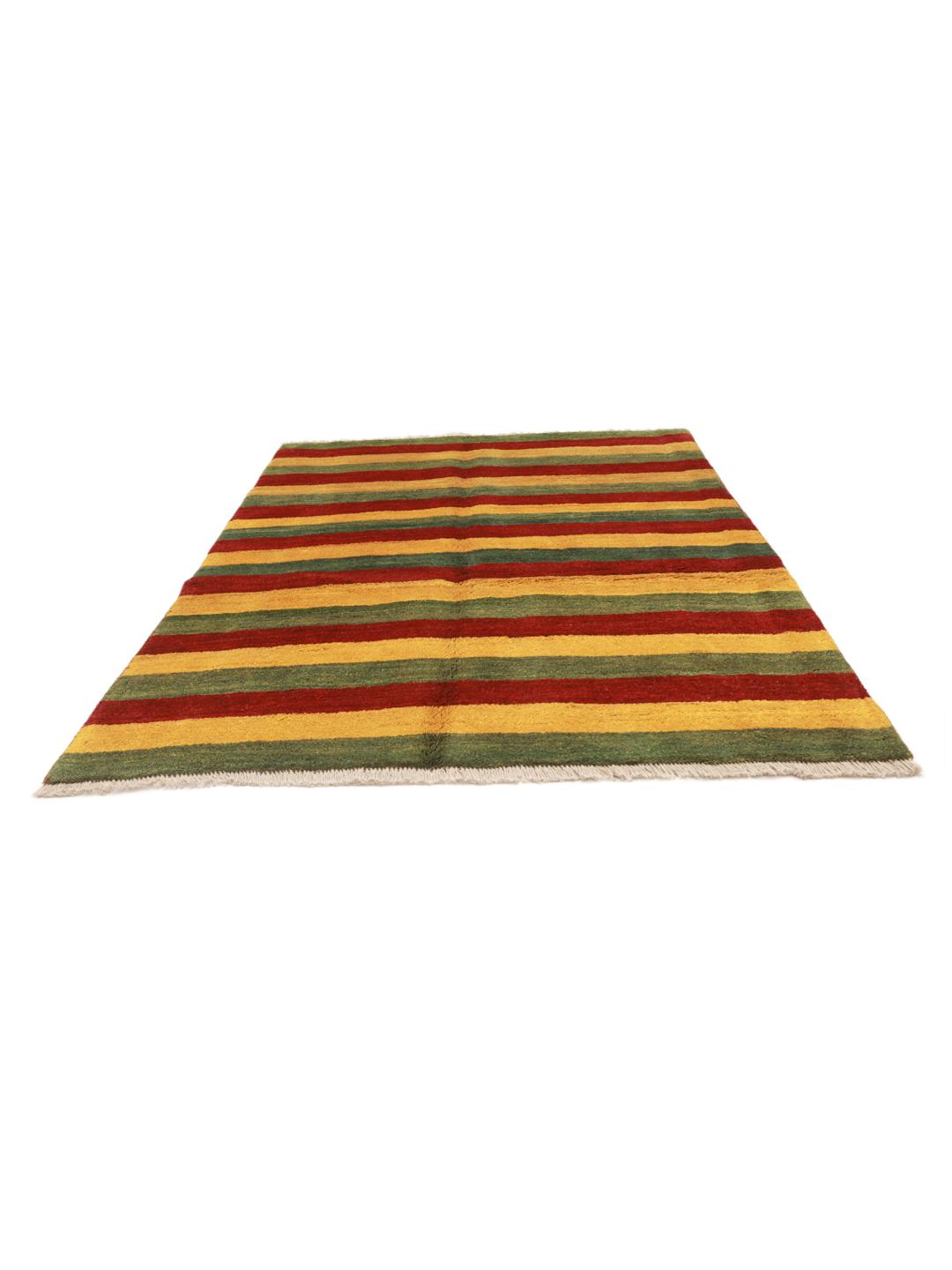
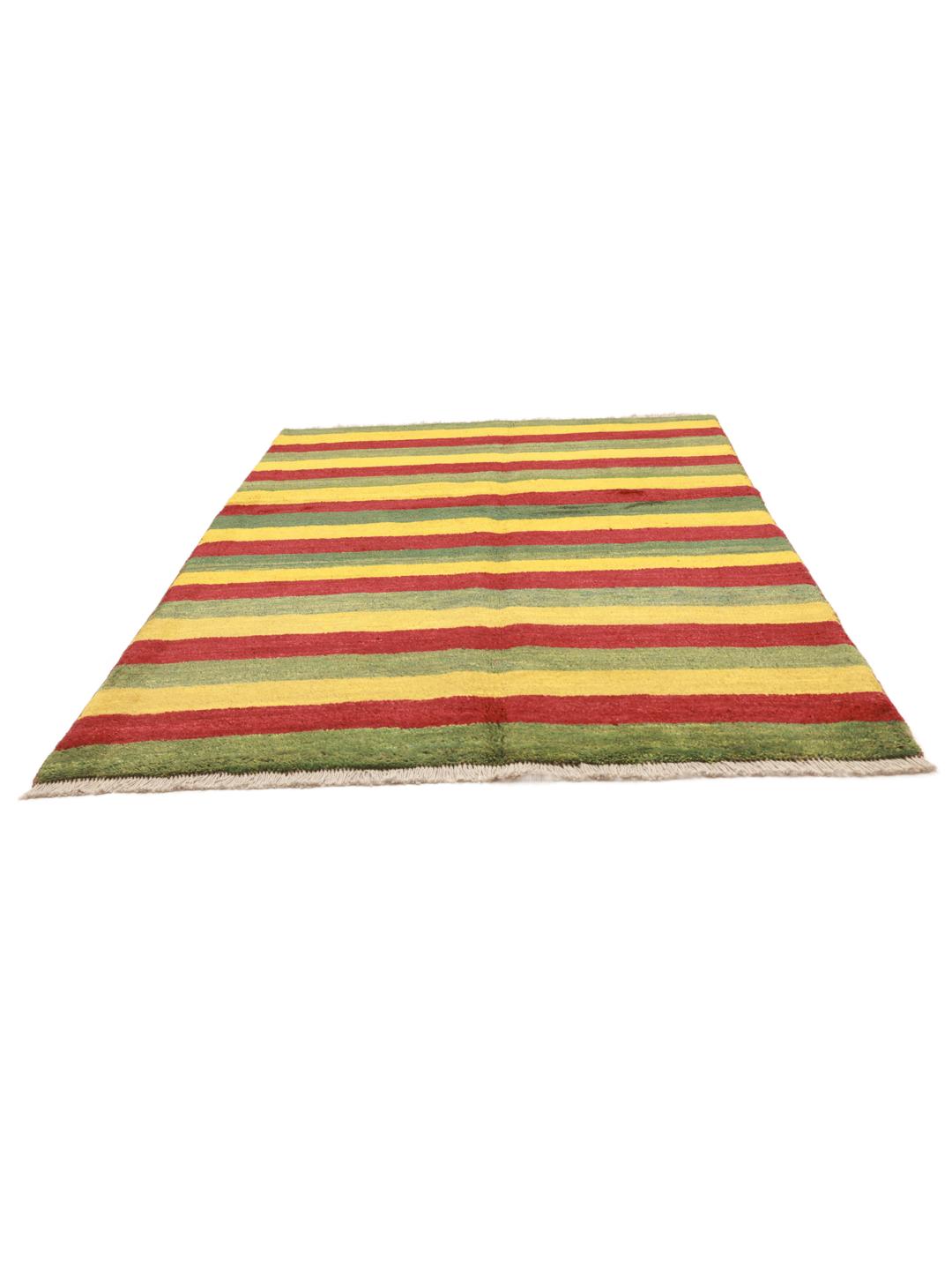
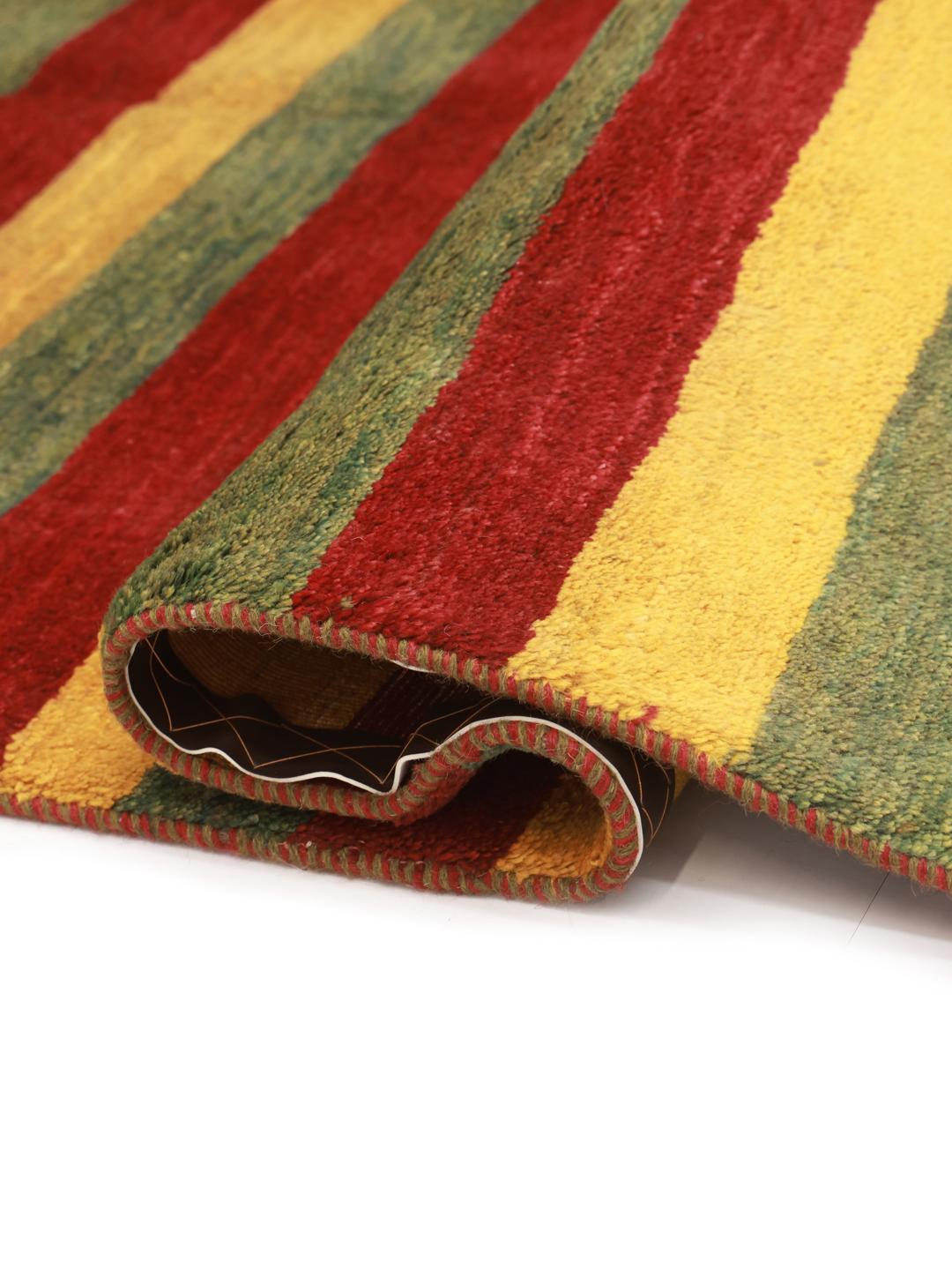
Signature design elements of the Gabbeh often involve simplified, geometric motifs or, as seen here, striking bands of colour that celebrate the beauty of the wool itself. These rugs are not constrained by the rigid floral patterns found in traditional city carpets, allowing for a more primitive, artistic expression that feels remarkably modern in today's interiors.
Collectors value these rugs for their authenticity and the human story behind every knot. Owning a piece from this tradition is an acknowledgment of a craft that prioritises the intuition of the maker over mass production, resulting in a floor covering that functions as a genuine piece of cultural heritage.