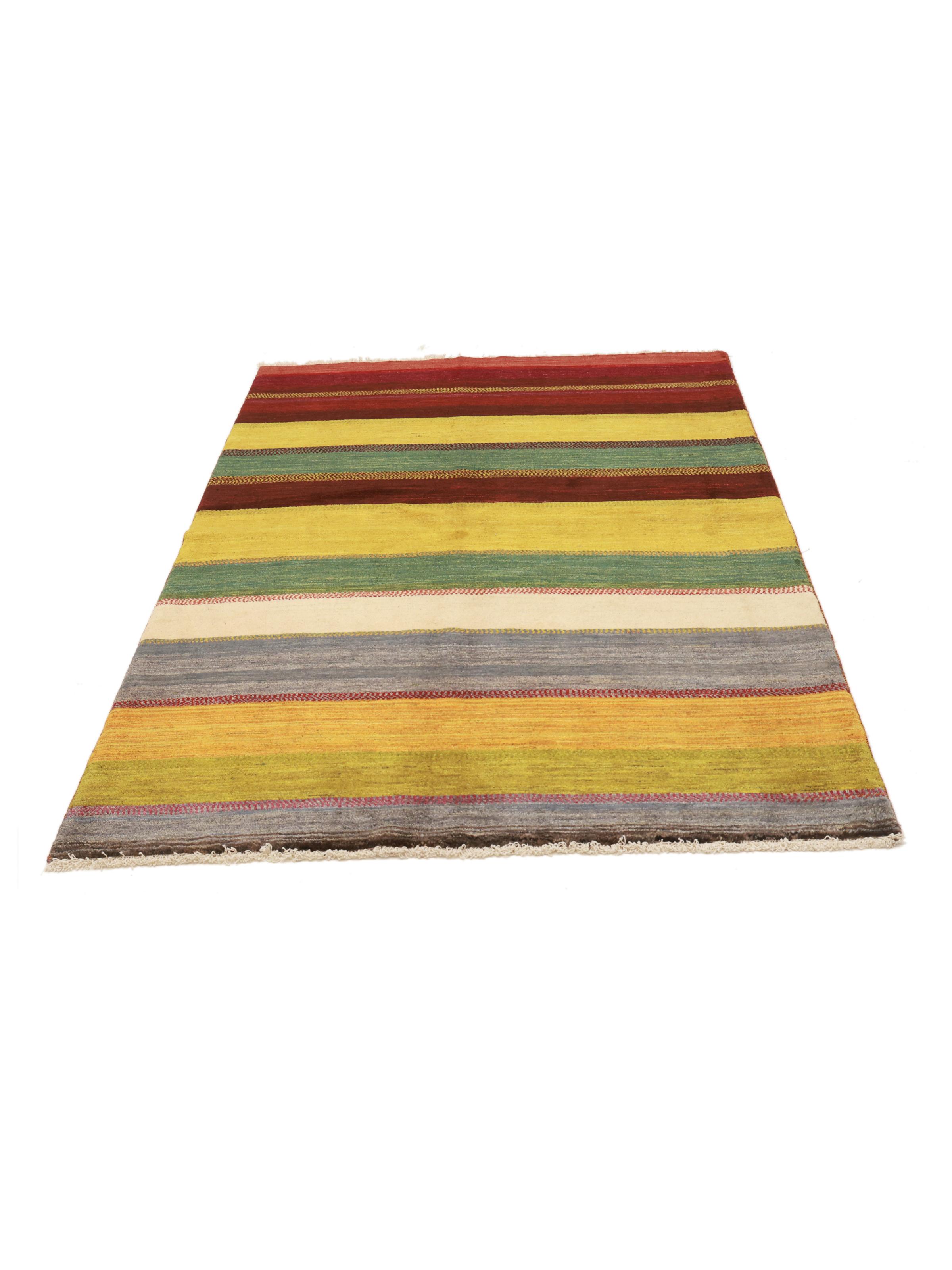
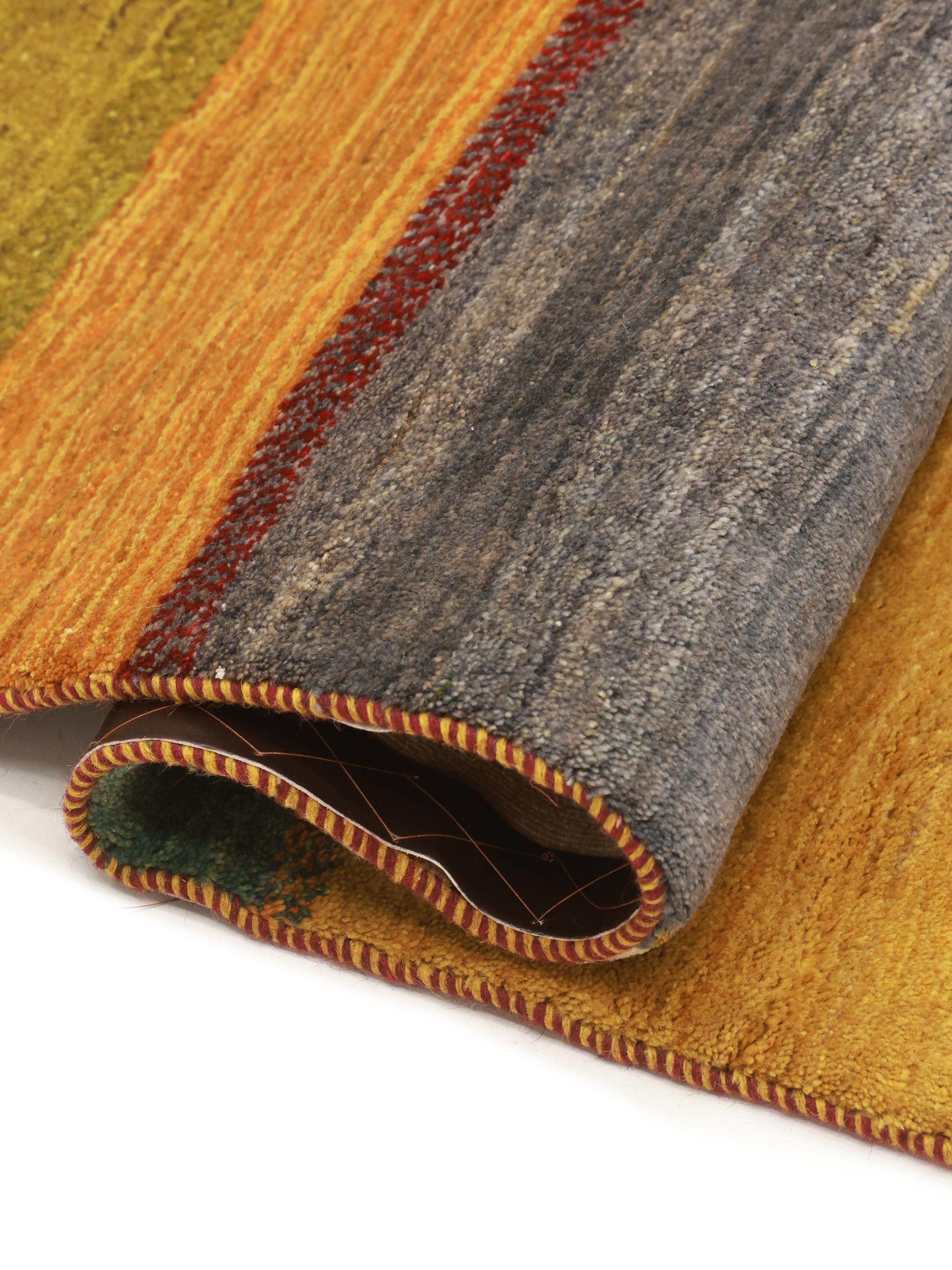
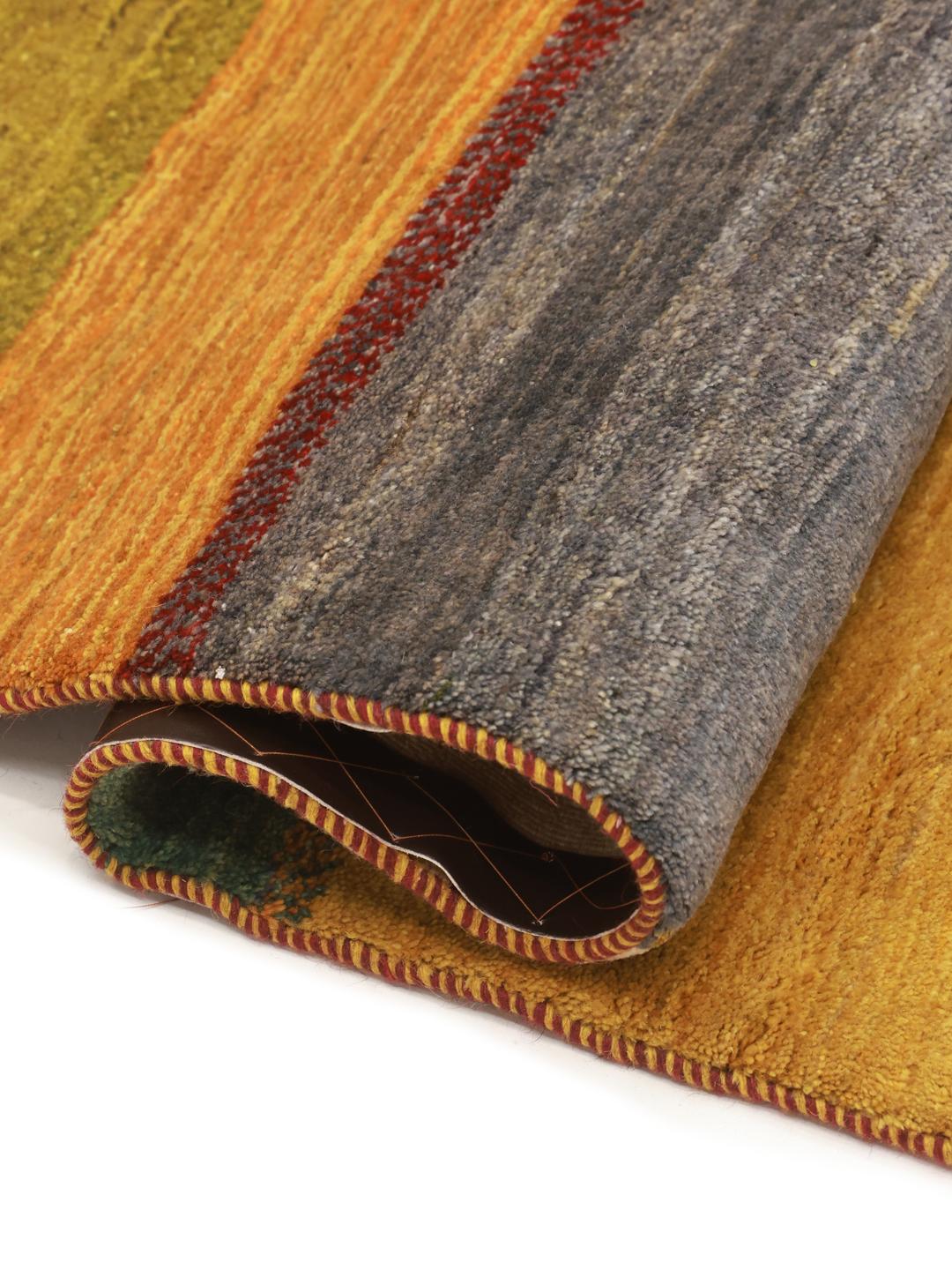
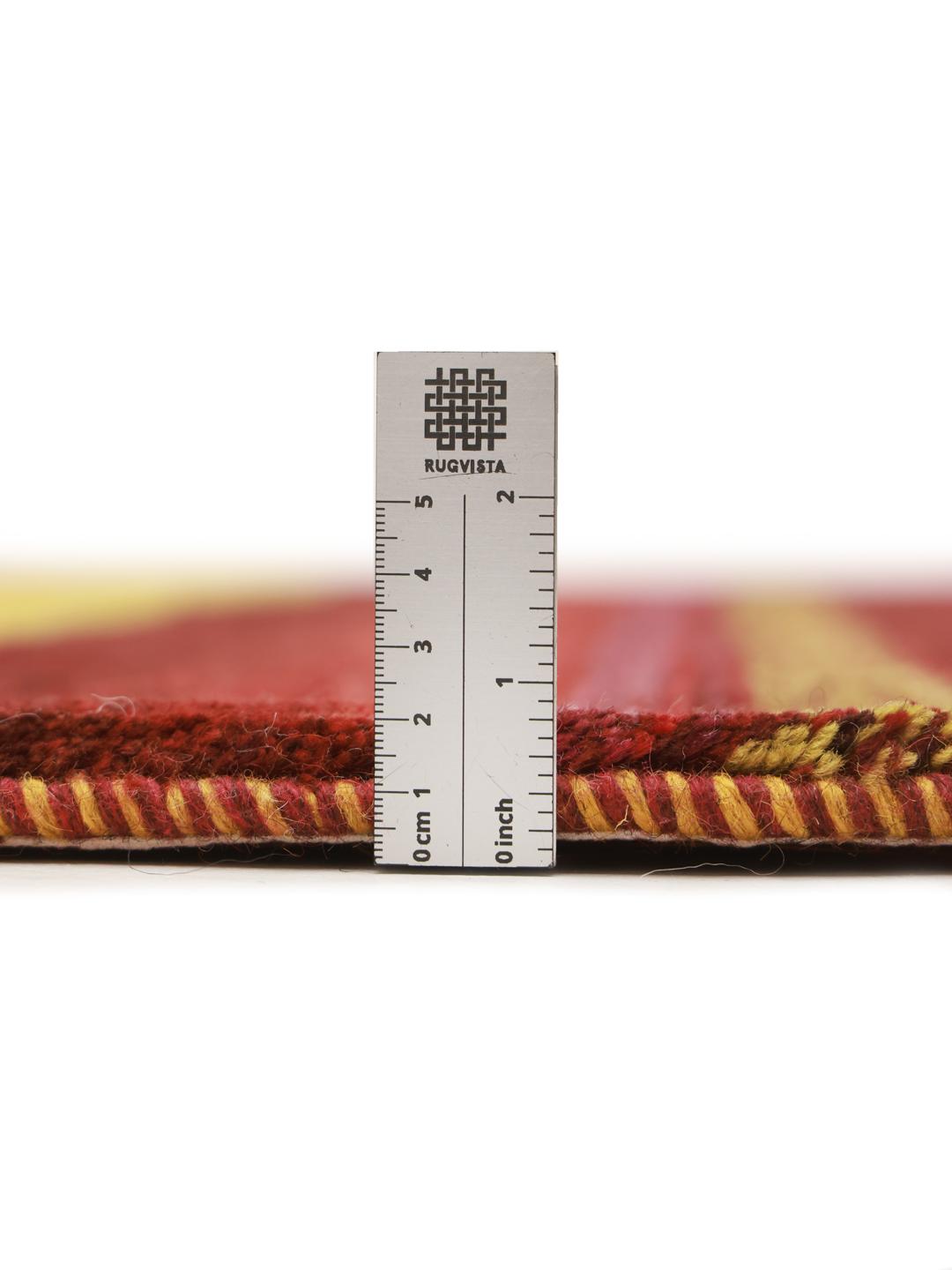
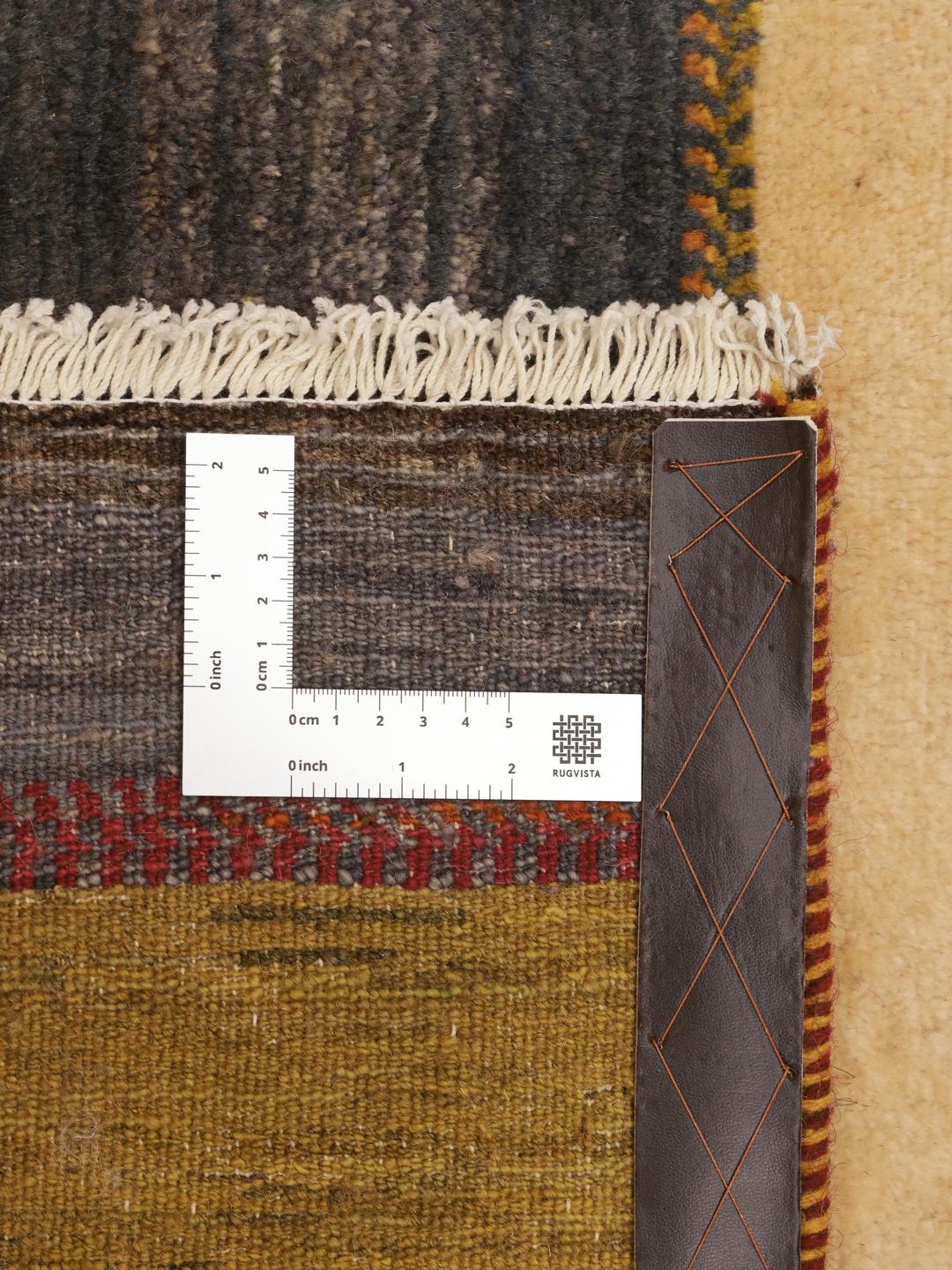
The Gabbeh rug tradition originates from the nomadic tribes of the Middle East, where weavers created these pieces primarily for personal use within their tents. Historically, these rugs served as essential bedding and floor coverings, prized for their thick, protective pile that offered insulation against the cold ground.
The term Gabbeh is derived from a word meaning raw, natural, or unfinished, which reflects the authentic, unpretentious nature of these rugs. Unlike more formal, city-made carpets, traditional Gabbeh rugs were often woven from memory and instinct rather than pre-drawn patterns, allowing the weaver to express personal narratives through simple, bold forms.
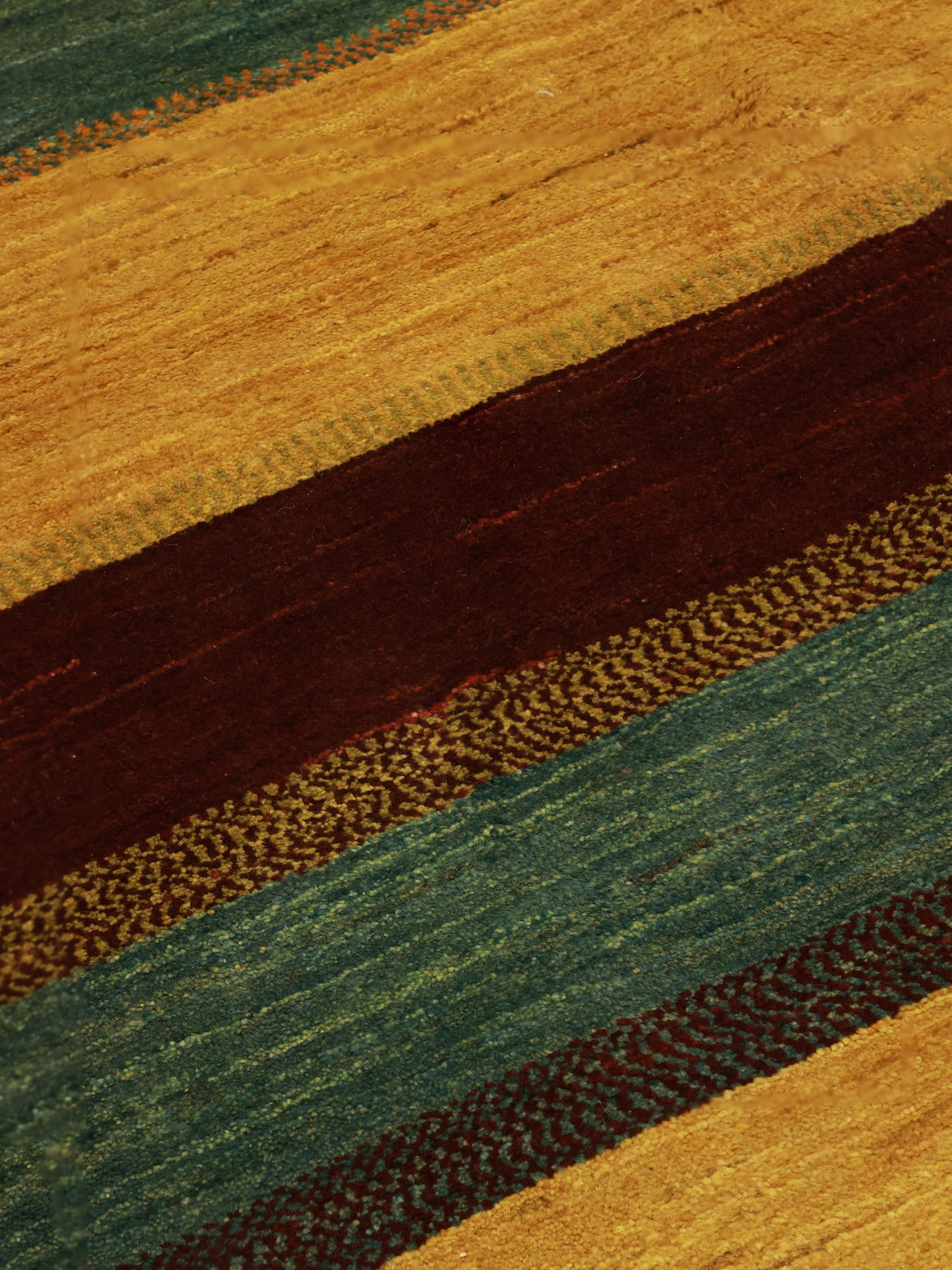
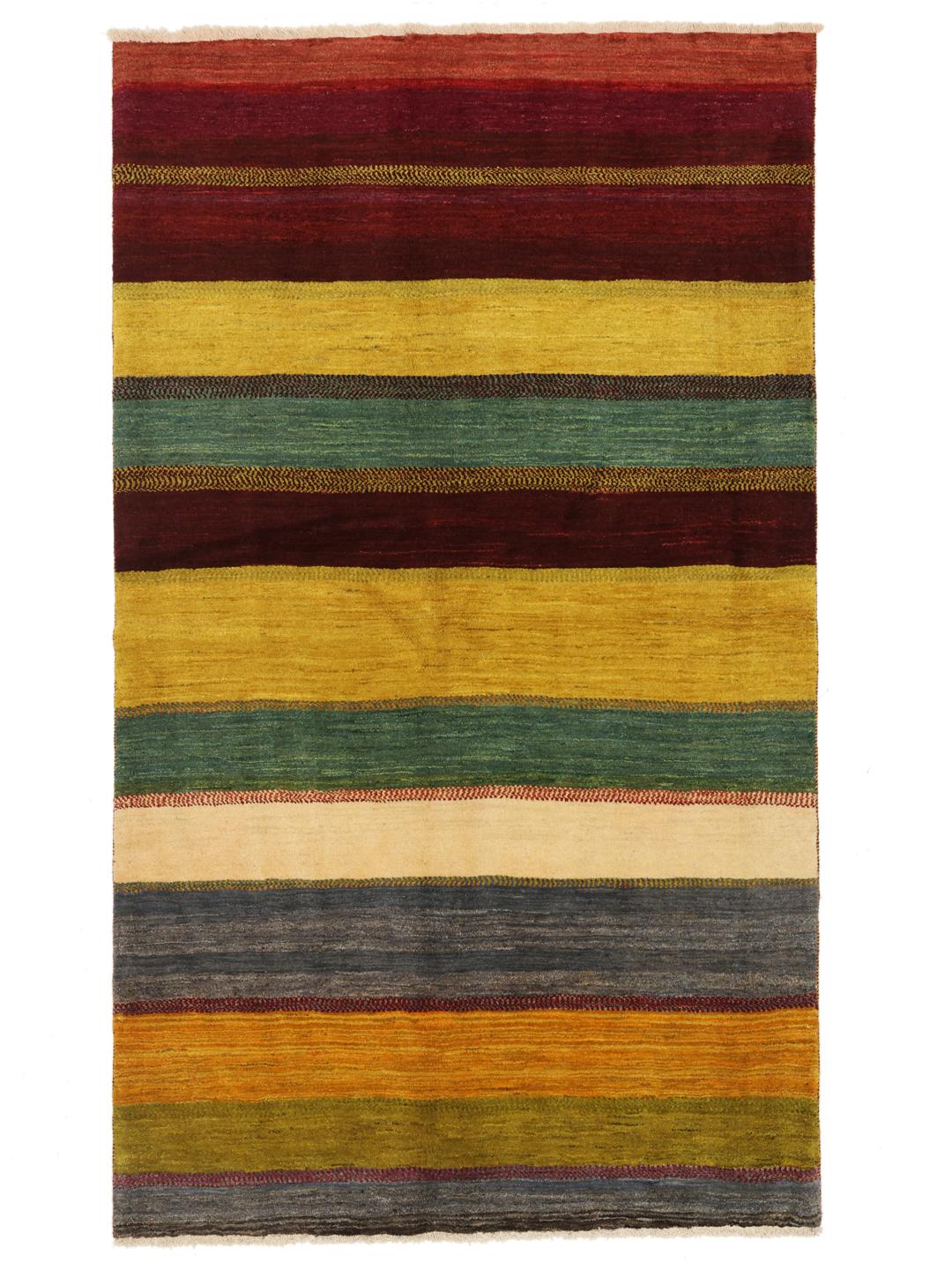
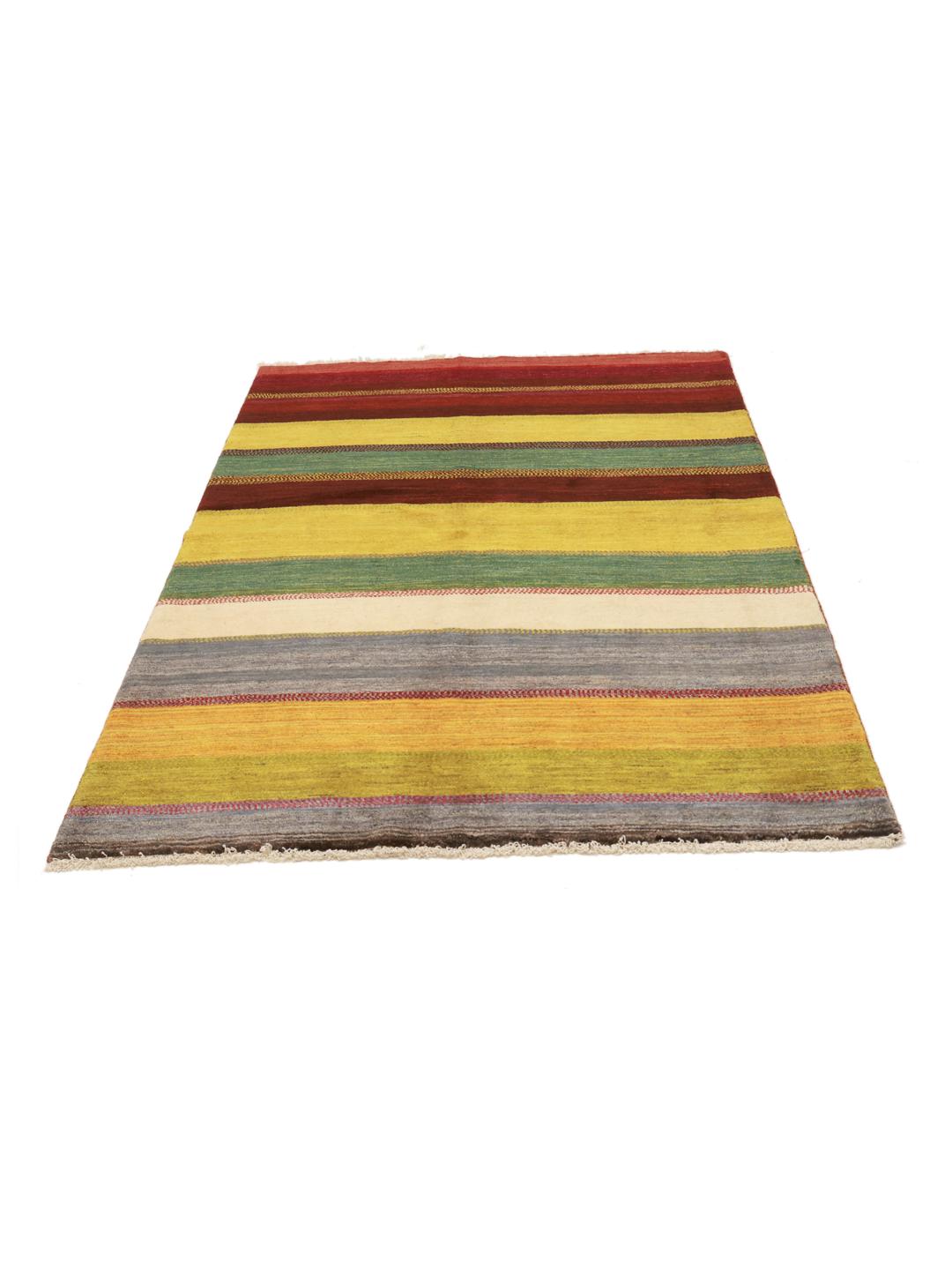
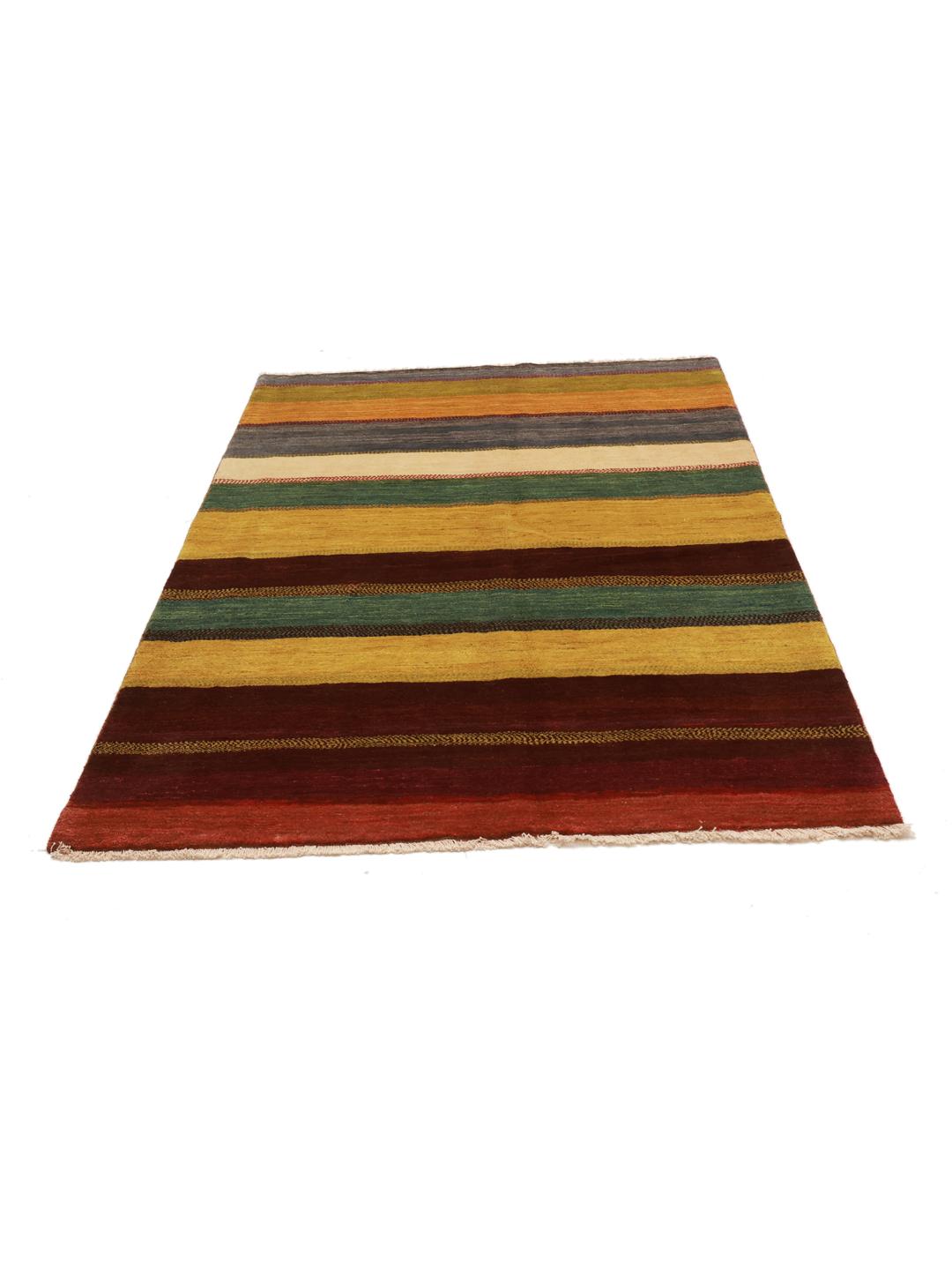
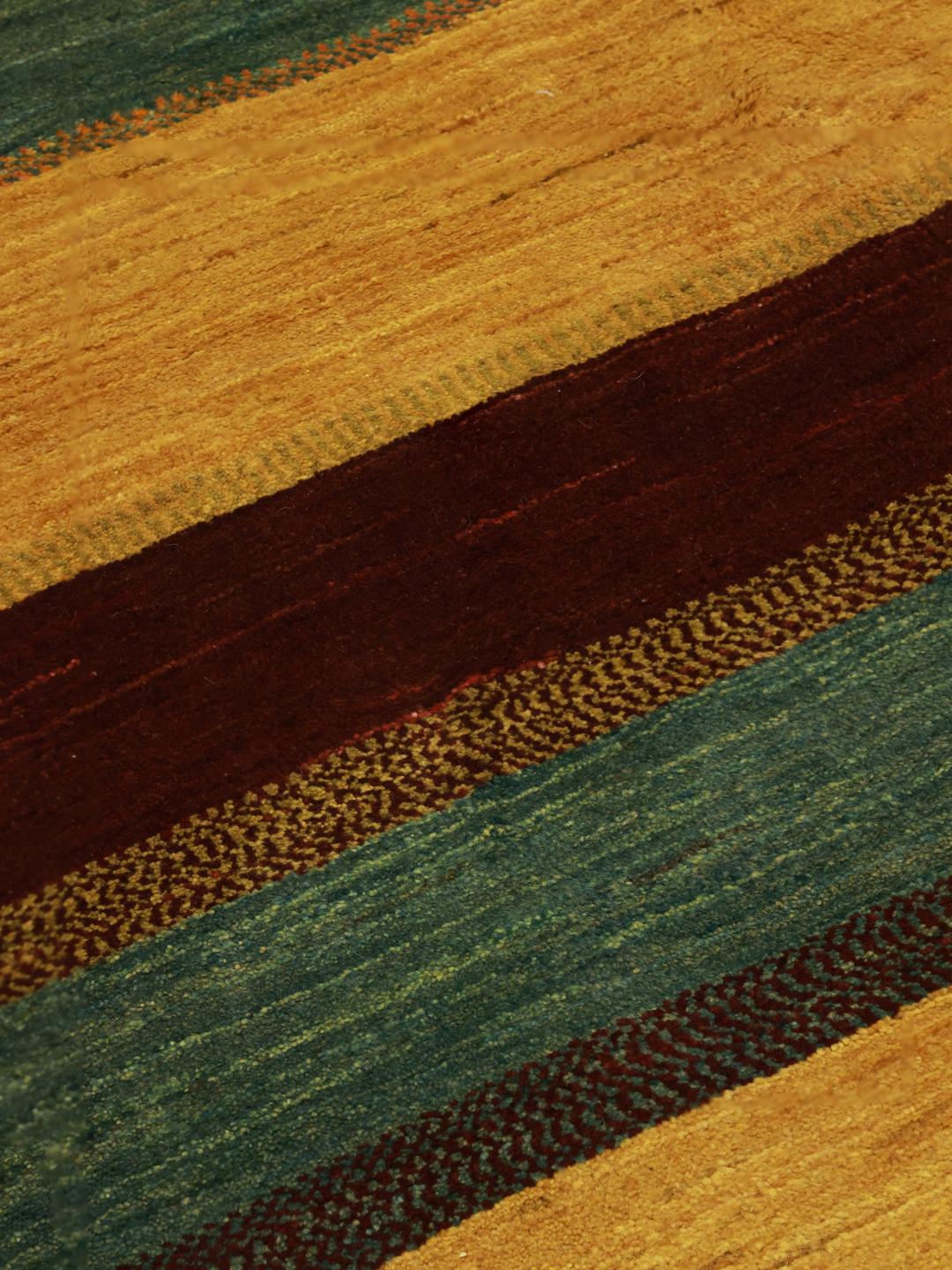
Visually, Gabbeh rugs are defined by their minimalist or abstract designs, often incorporating geometric shapes, simple stripes, or highly stylised depictions of nature. The use of natural, hand-spun wool and vibrant, earthy dyes derived from local plants and minerals is central to the tradition, giving each rug its signature depth of colour.
Today, these rugs are highly valued by collectors for their cultural significance and their ability to bridge the gap between ancient nomadic heritage and modern aesthetics. Owning a Gabbeh is not just about acquiring a floor covering, but about preserving a legacy of skill and spontaneity that has been passed down through generations of talented weavers.