Gabbeh rugs have a storied history rooted in the nomadic cultures of the Middle East. Originally woven for personal use by tribal weavers, these rugs were designed to provide warmth and comfort in the harsh, variable climates of the region. Unlike more formal, city-made rugs, these pieces were expressions of the weaver's personal creativity and environment.
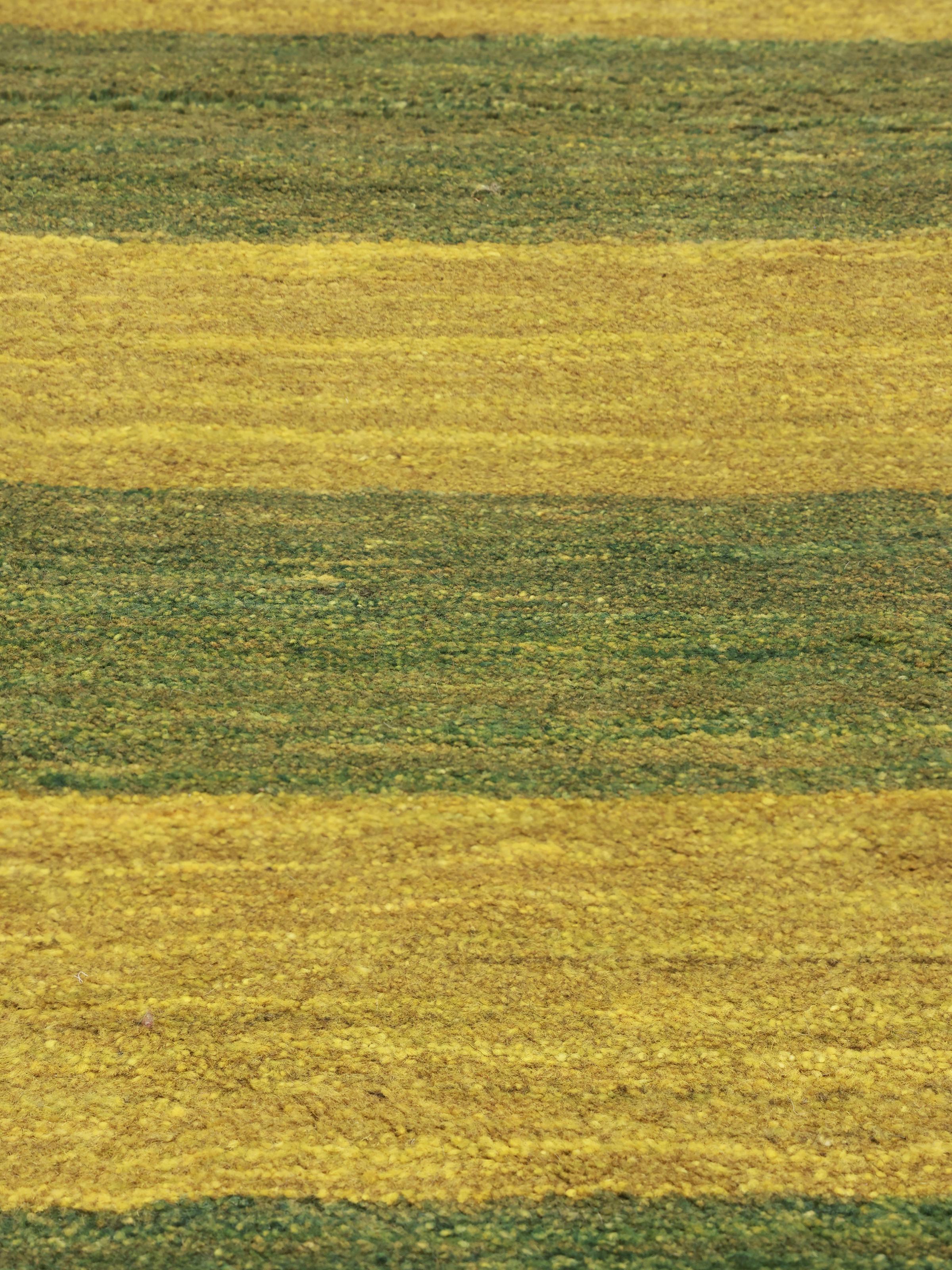
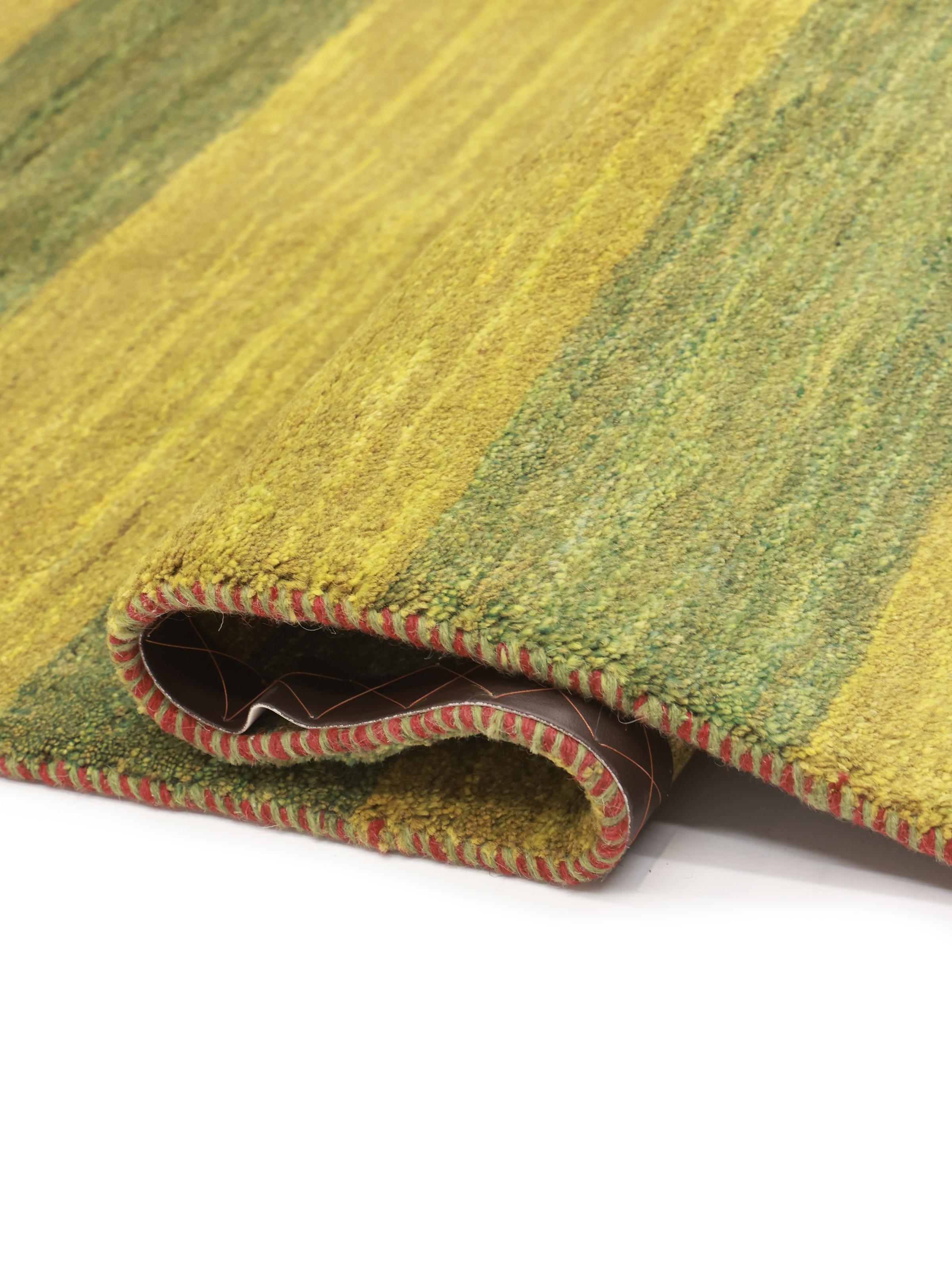
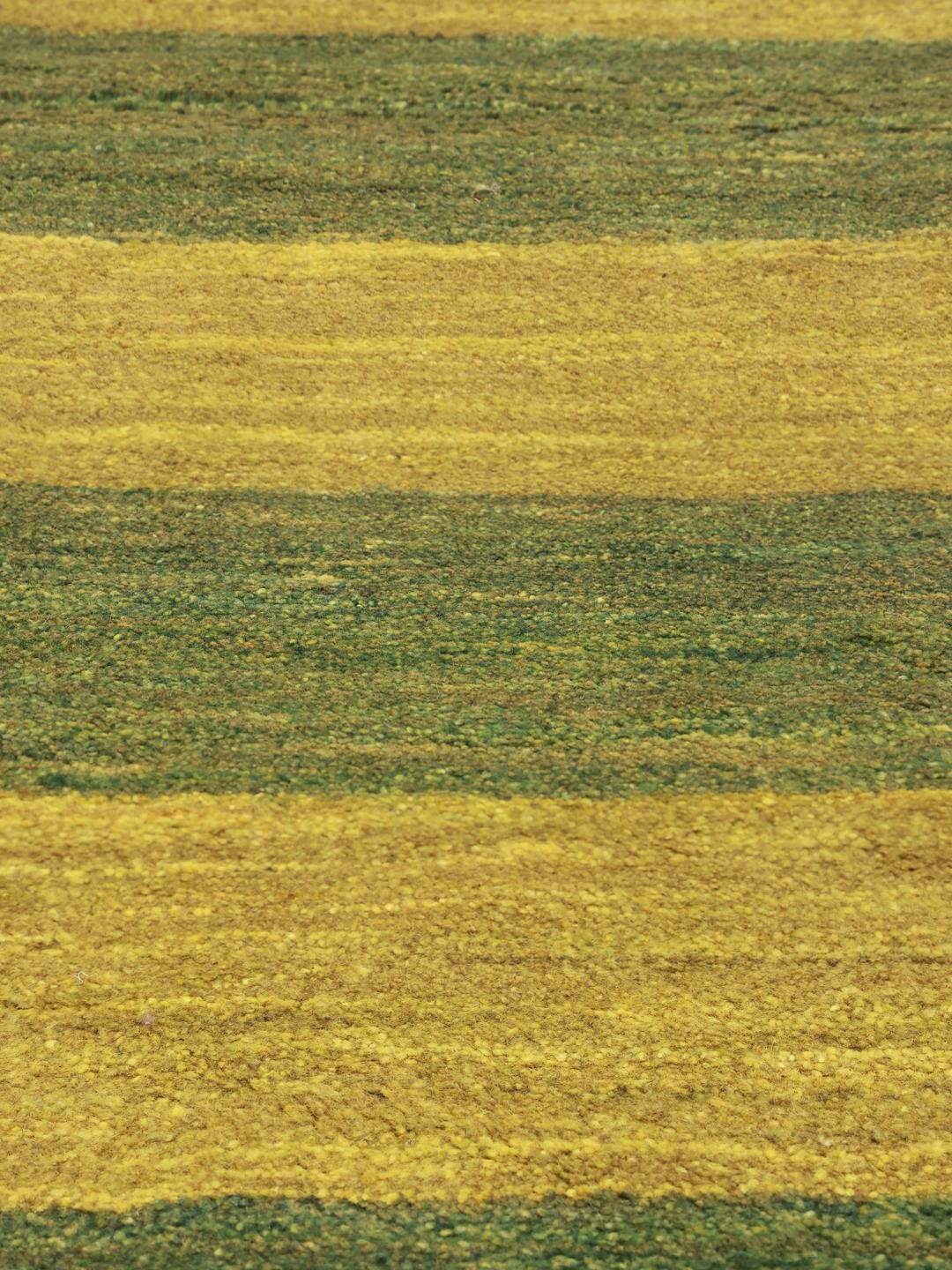
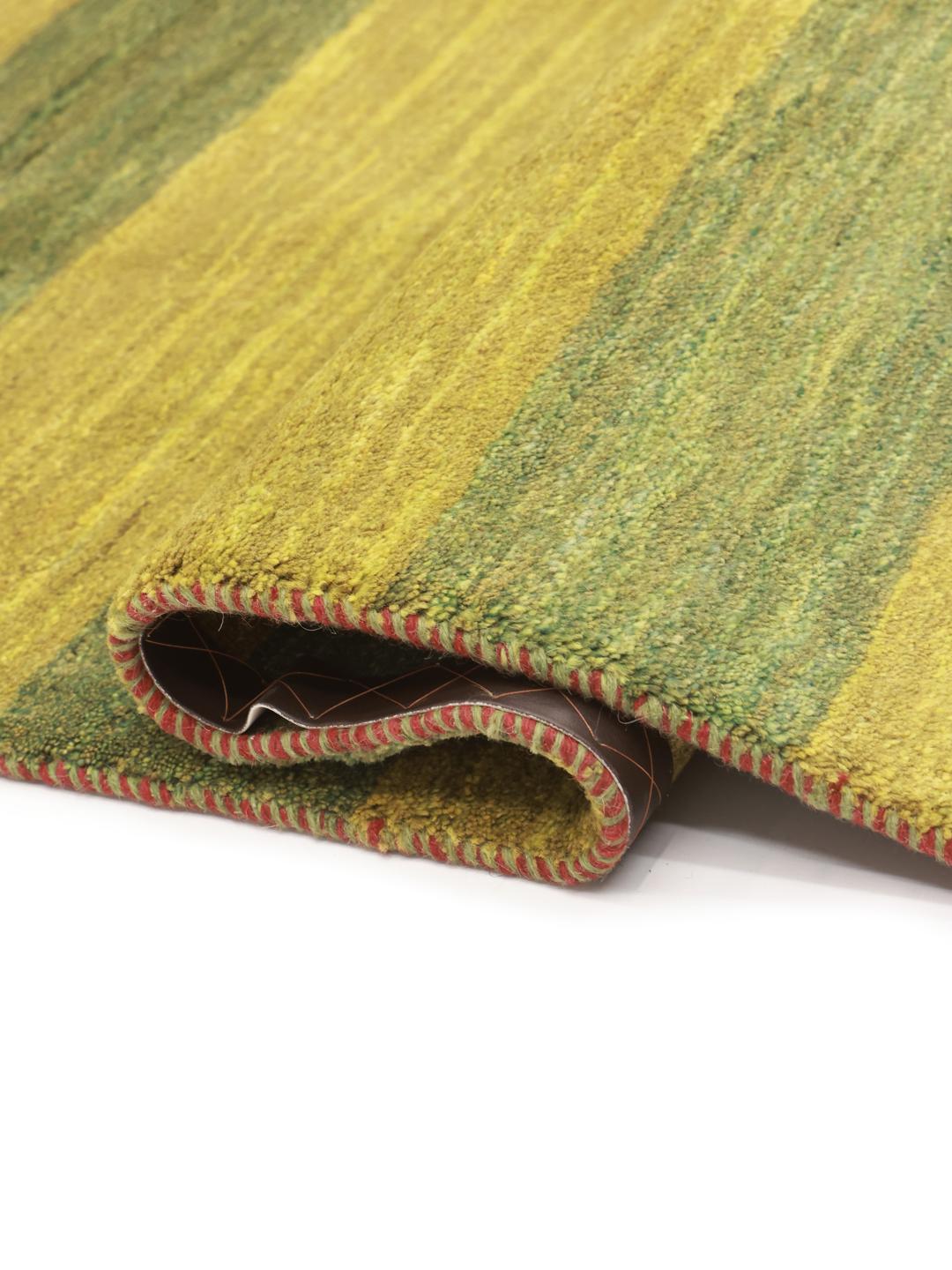
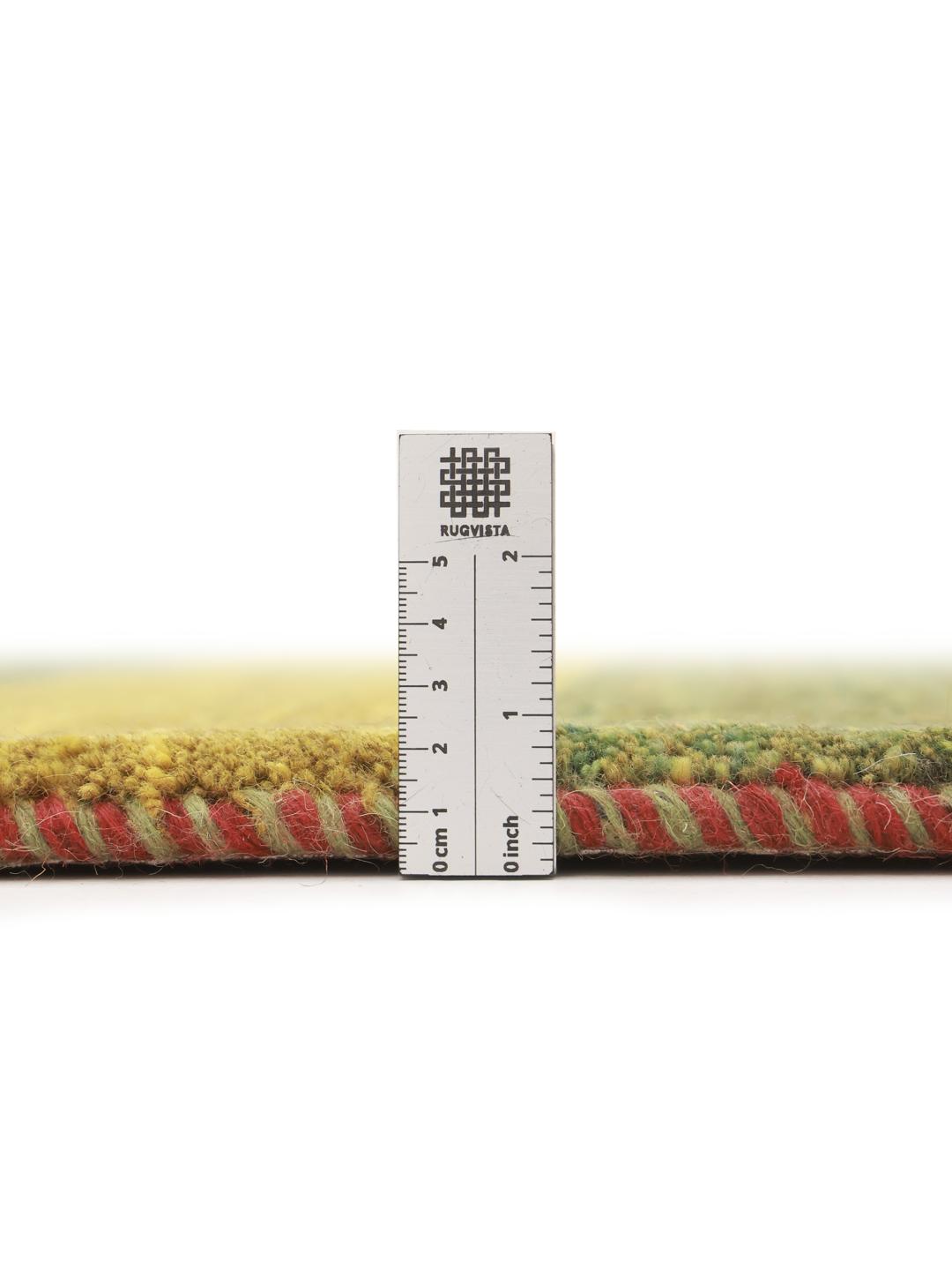
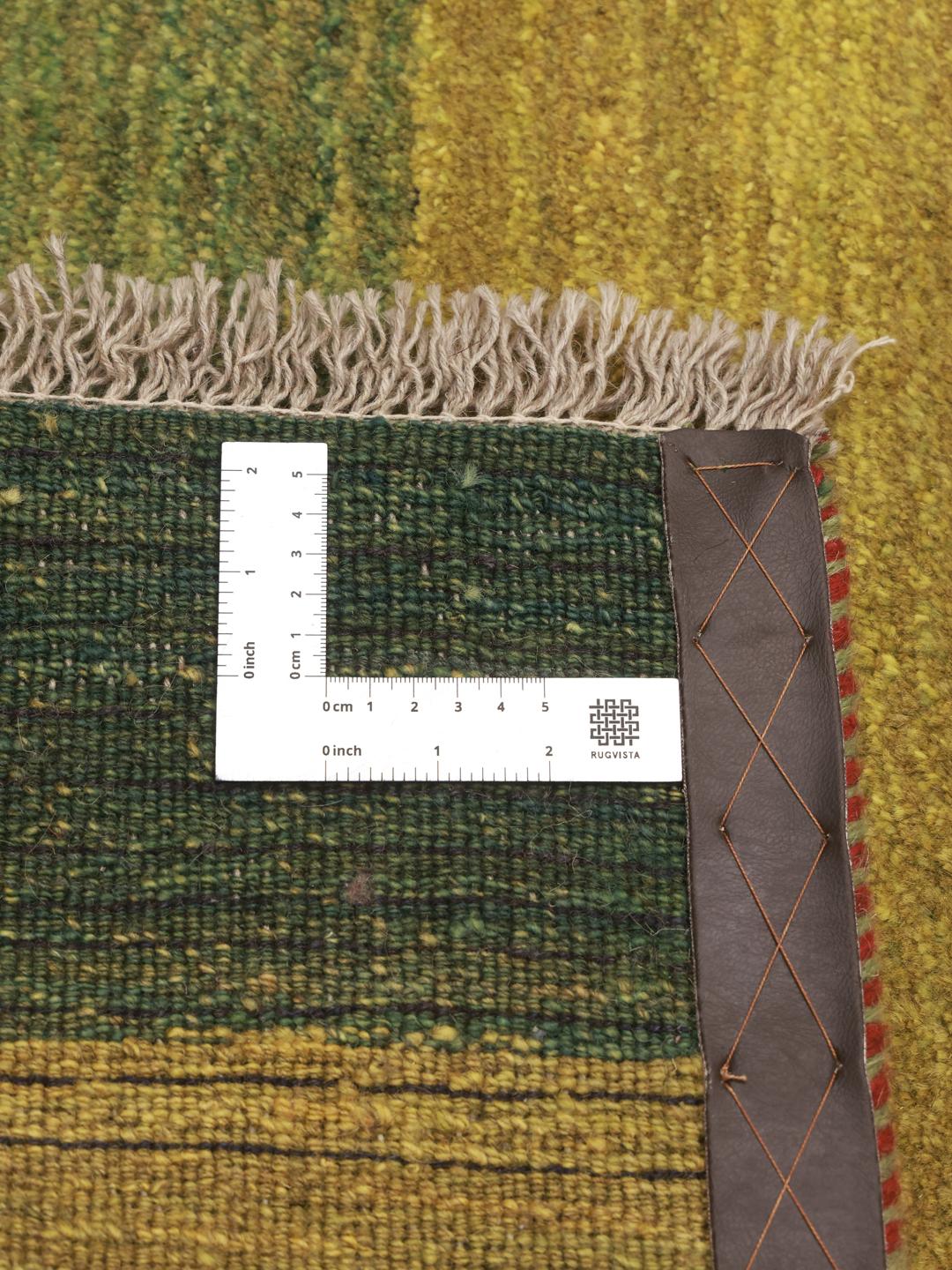
The term Gabbeh itself refers to a style that is traditionally thicker and more loosely knotted than other regional textiles. This specific construction technique creates a pile that is exceptionally soft and plush, which is why these rugs have remained popular for centuries. The focus has always been on the quality of the Wool and the depth of the colour, rather than rigid, complex patterns.
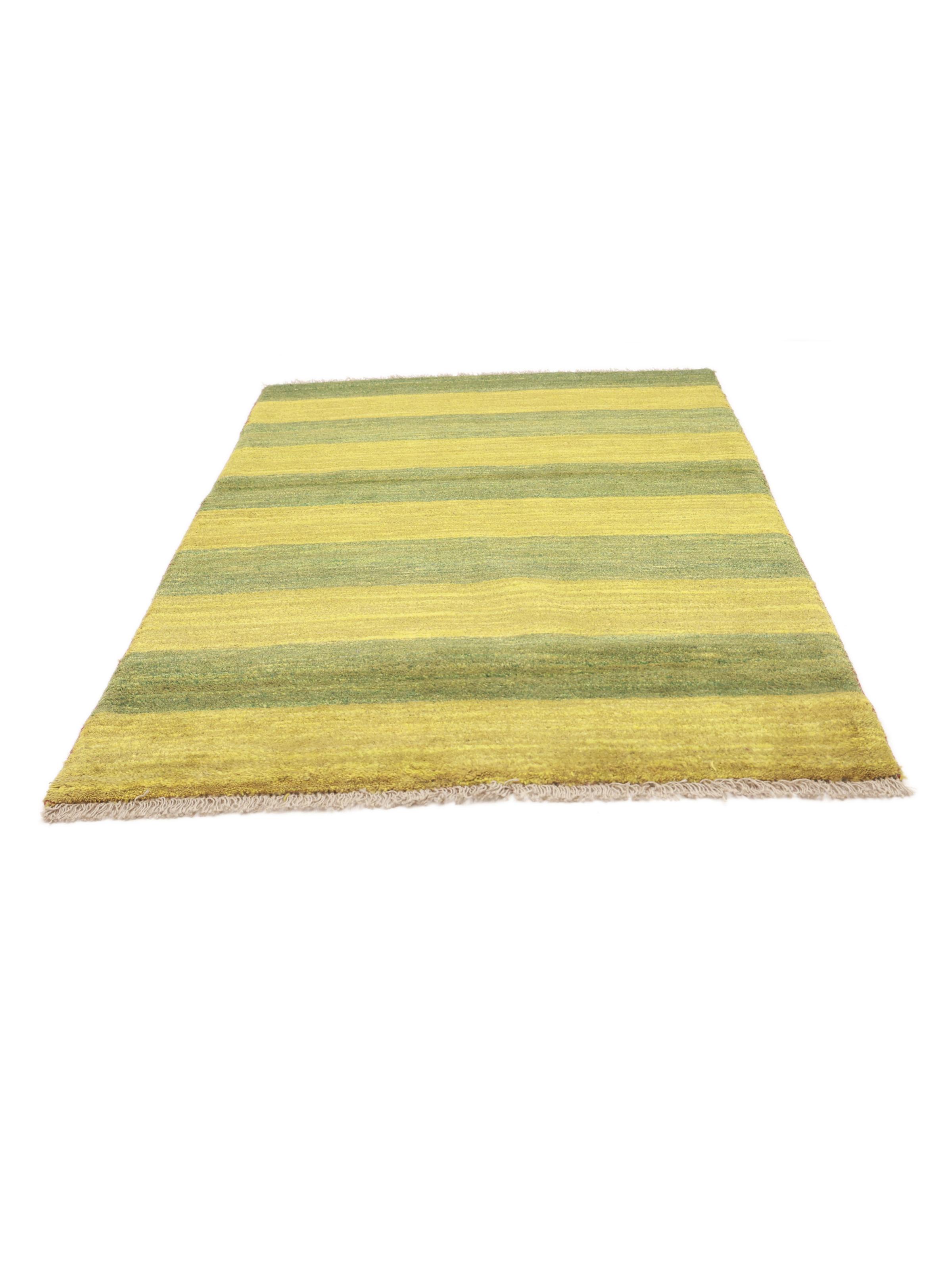
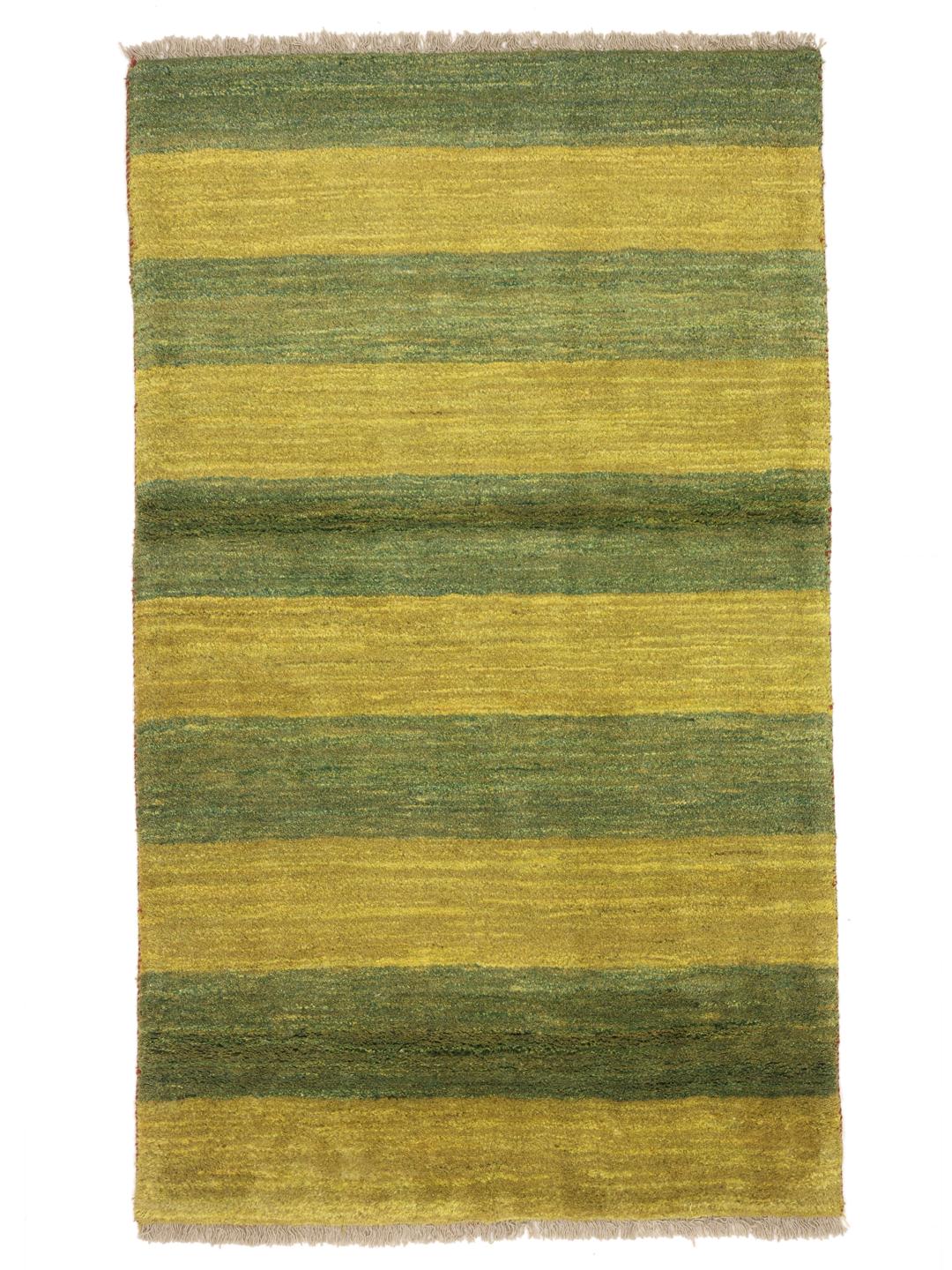
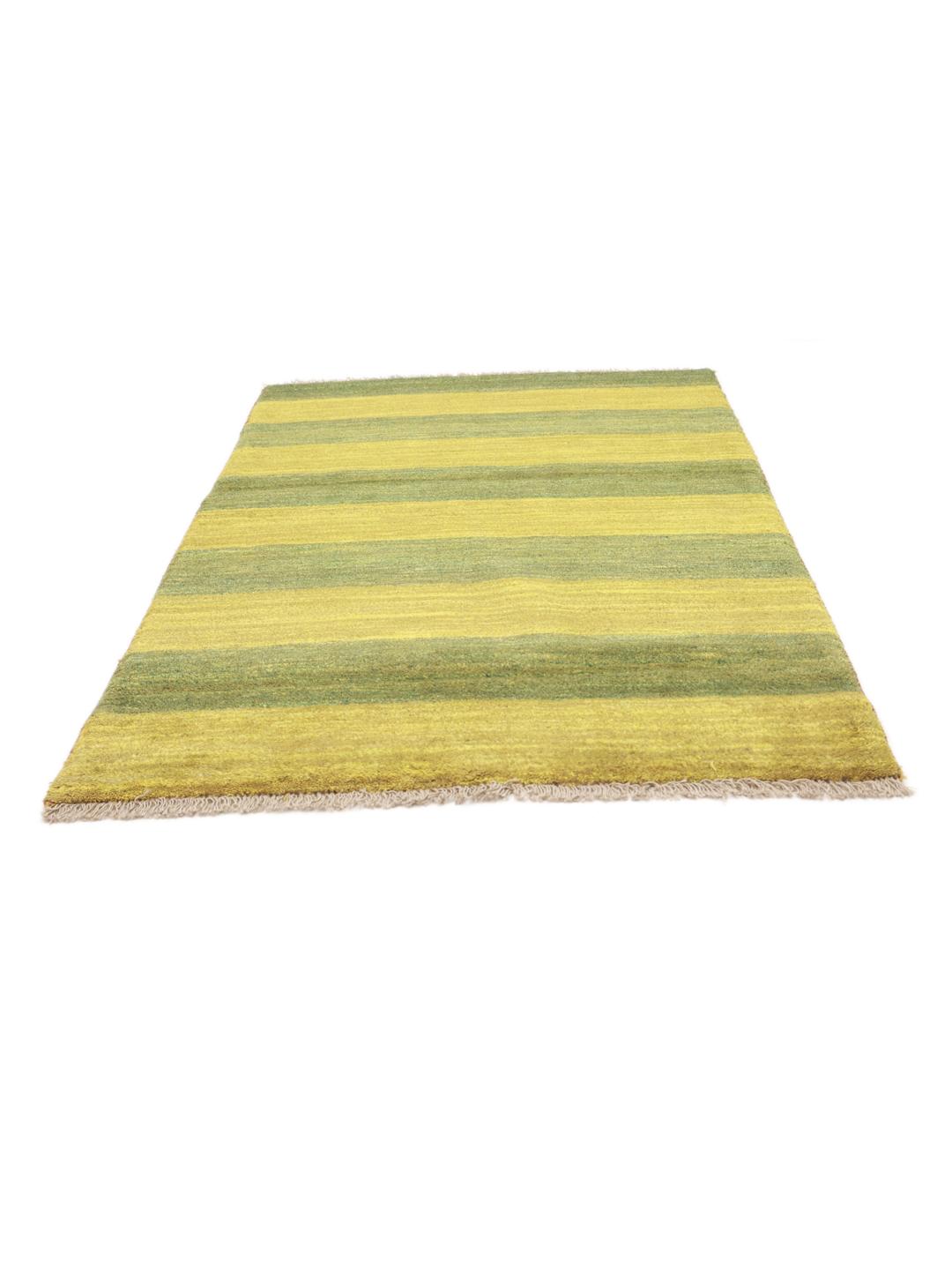
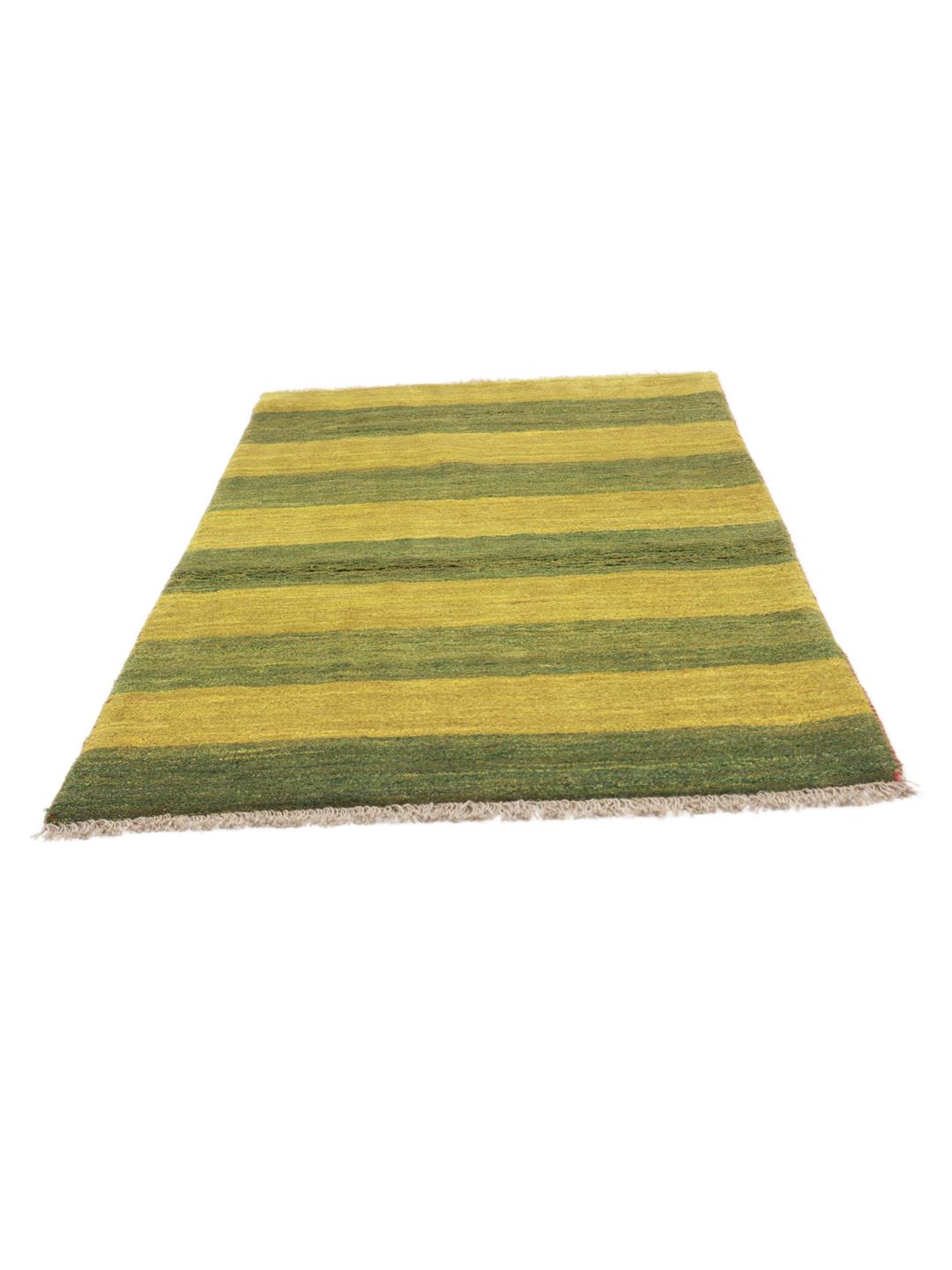
Visually, these rugs are defined by their simplicity and use of colour. You will often find bold, geometric, or abstract designs that reflect the surrounding landscape, from the desert sands to the lush mountain pastures. The use of repeating stripes or open fields of colour is a hallmark of the style, allowing the natural lustre of the Wool to take centre stage.
Today, these rugs are highly valued by collectors and homeowners alike for their authenticity and connection to ancient craft traditions. Owning a piece like this is an investment in human skill and cultural history. It serves as a reminder of a way of life that values patience, natural materials, and the enduring beauty of handmade objects.