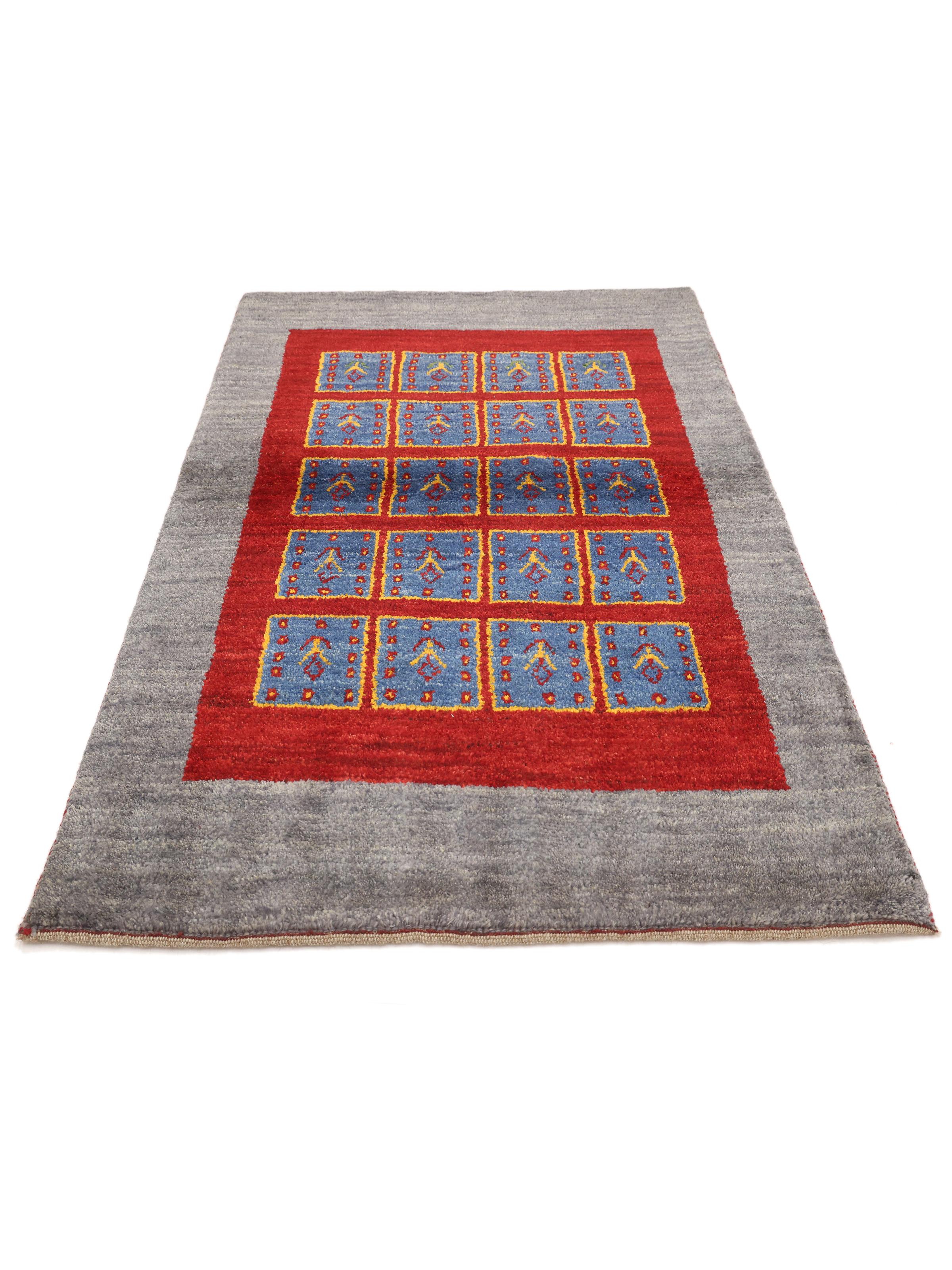
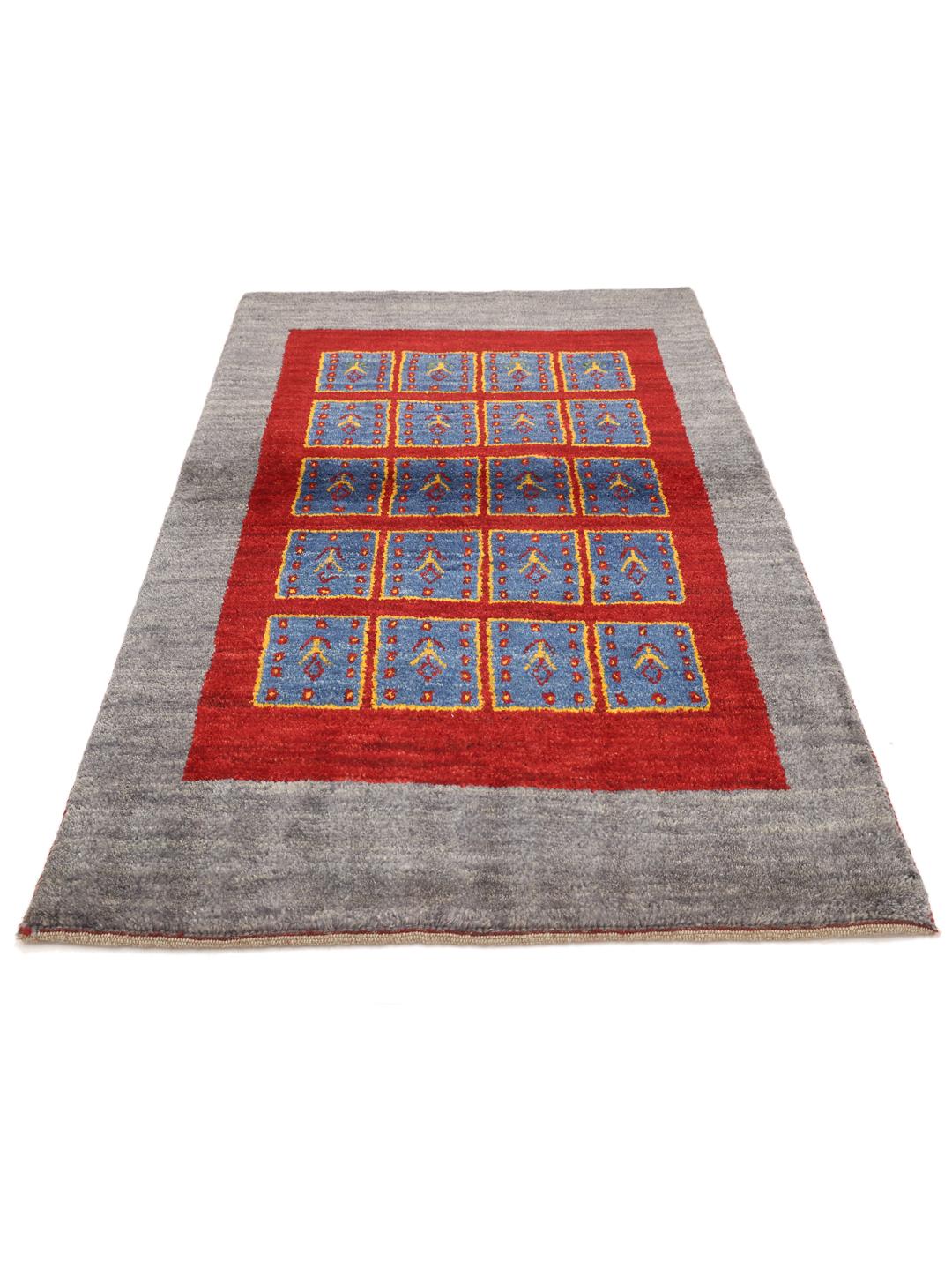
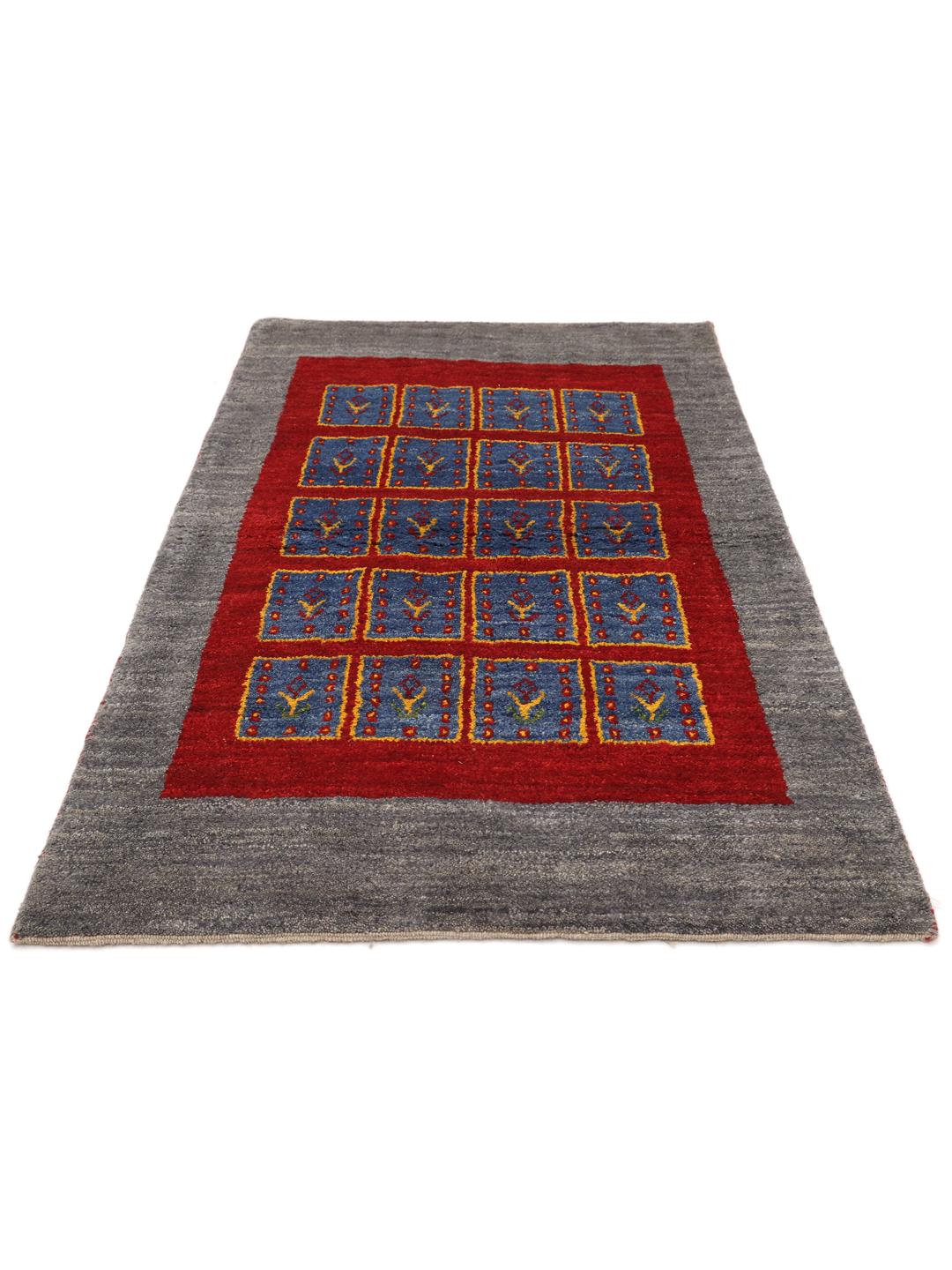
Gabbeh rugs have long been synonymous with the nomadic tribes of the Middle East, representing a tradition where weaving is as much about storytelling as it is about utility. Unlike more formal urban carpets, these rugs were historically created by tribal weavers for personal use, allowing them to experiment with freer, more spontaneous designs that reflect their daily environment and cultural experiences.
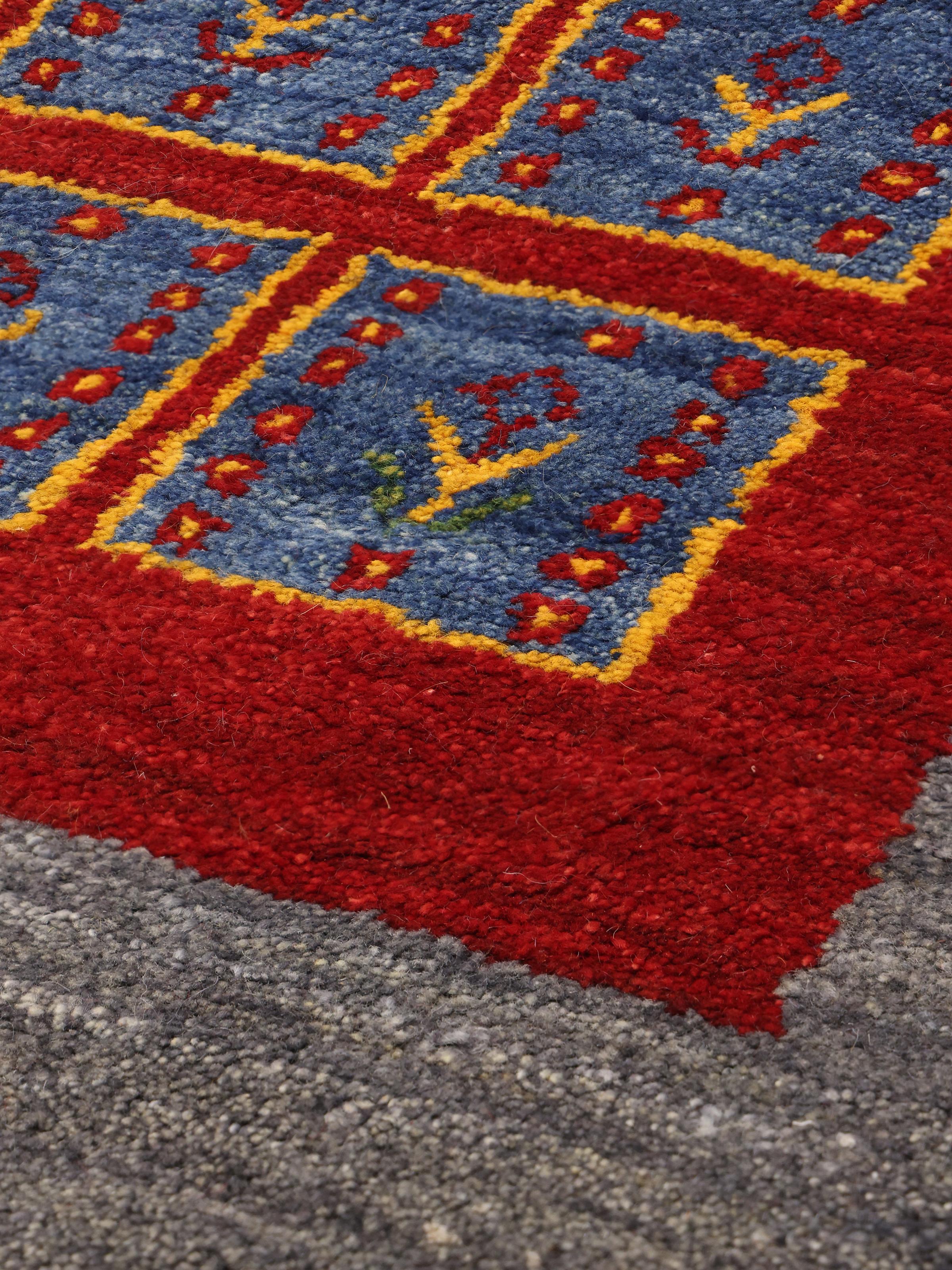
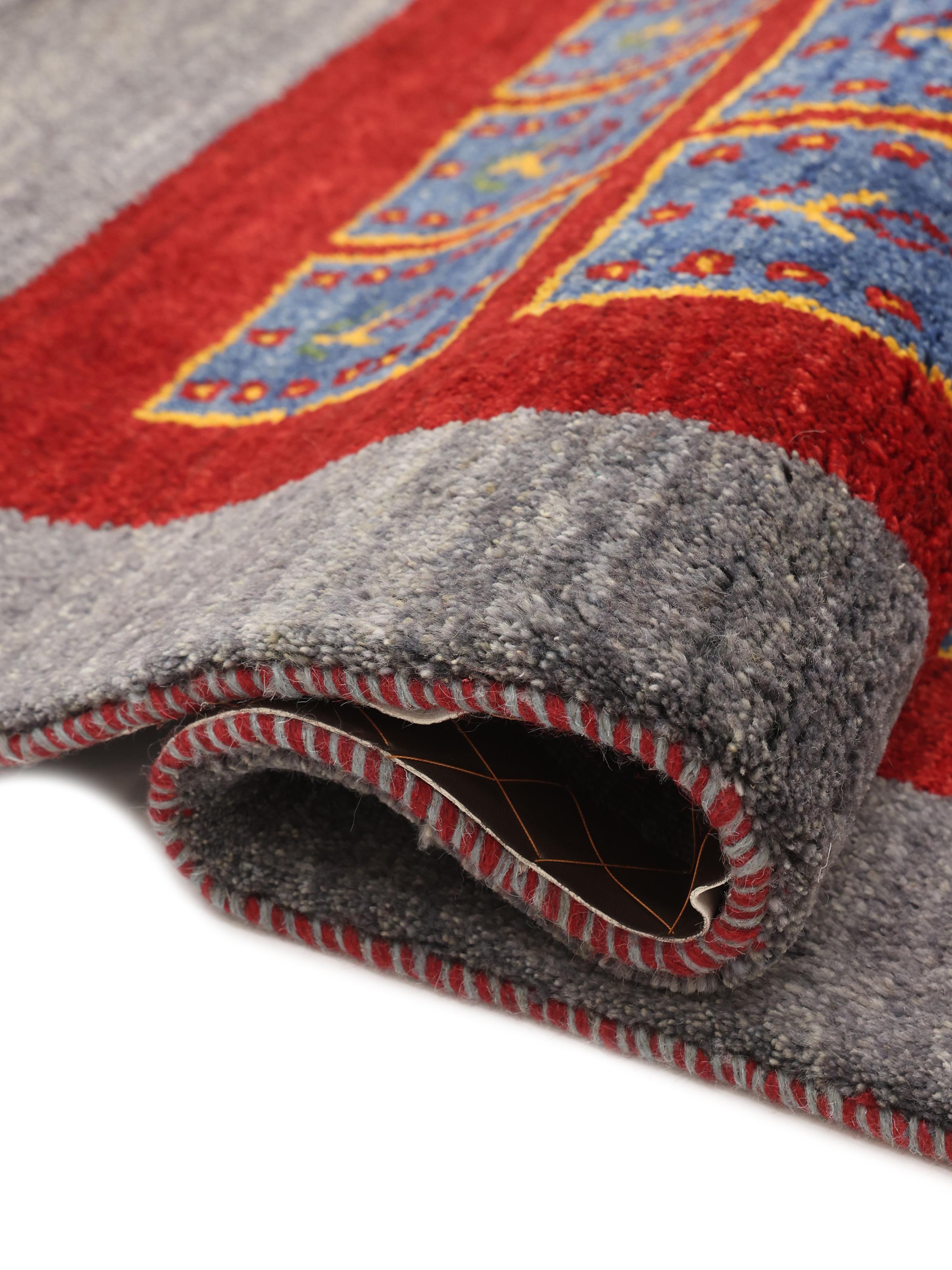
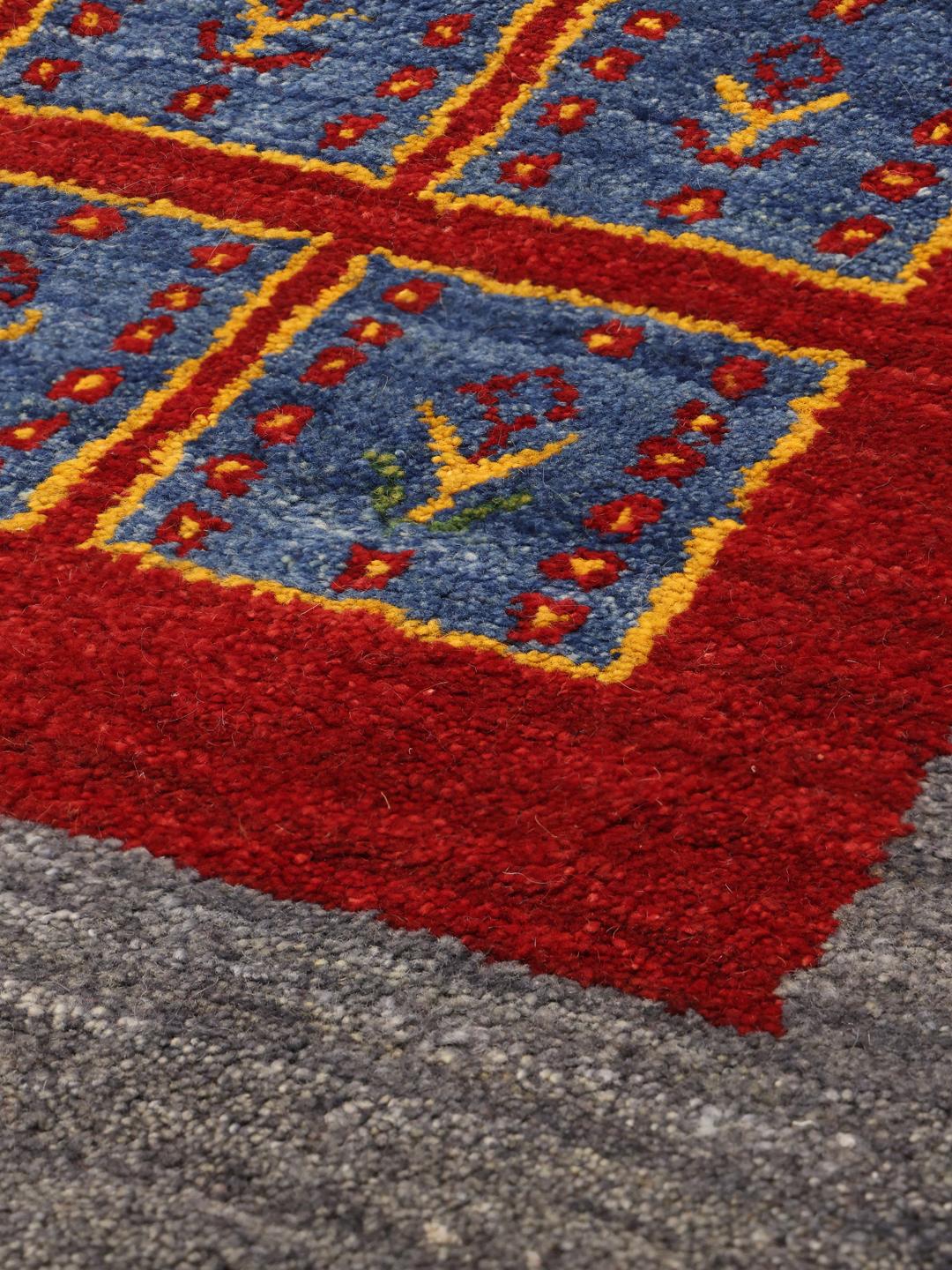
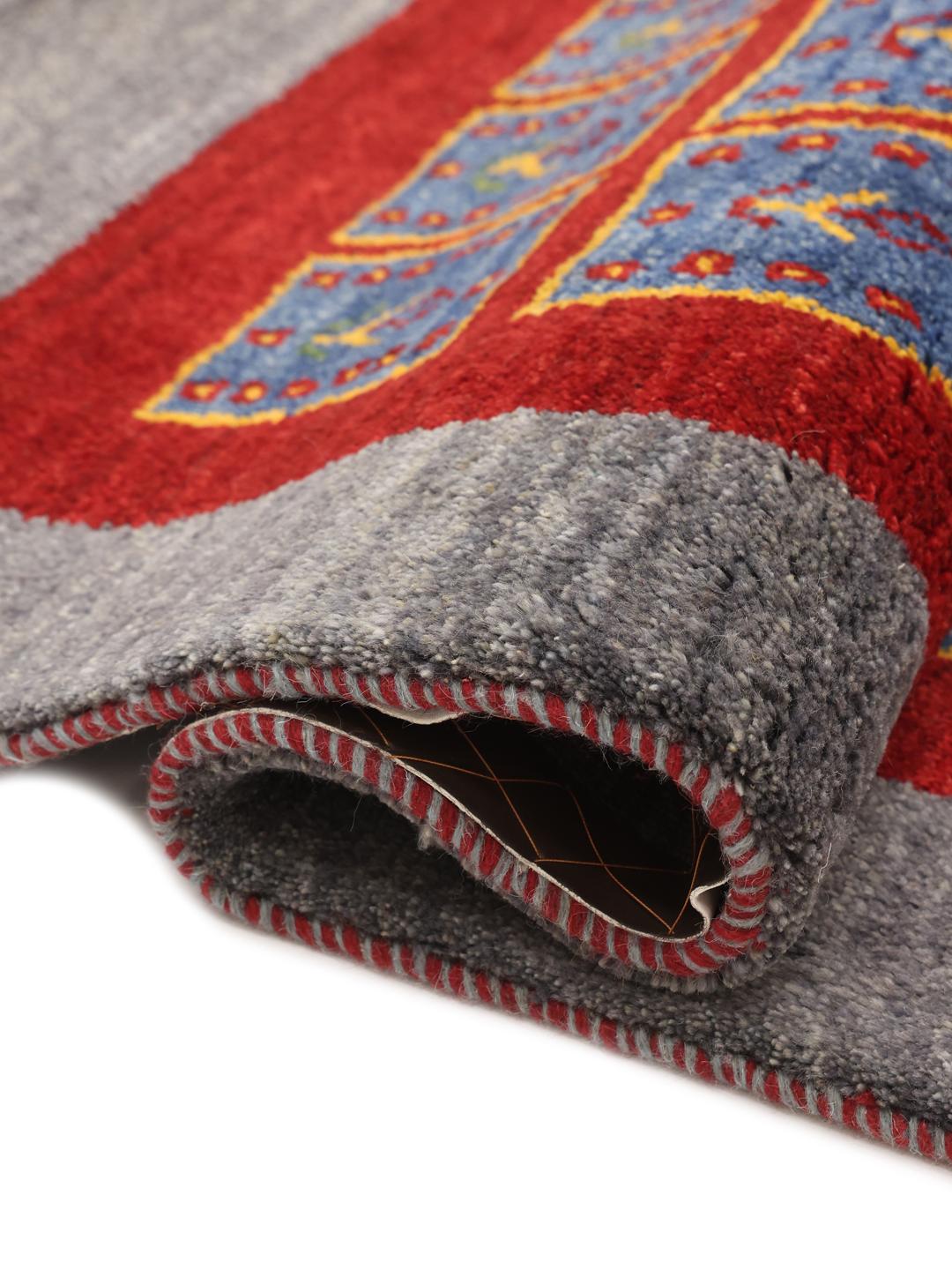
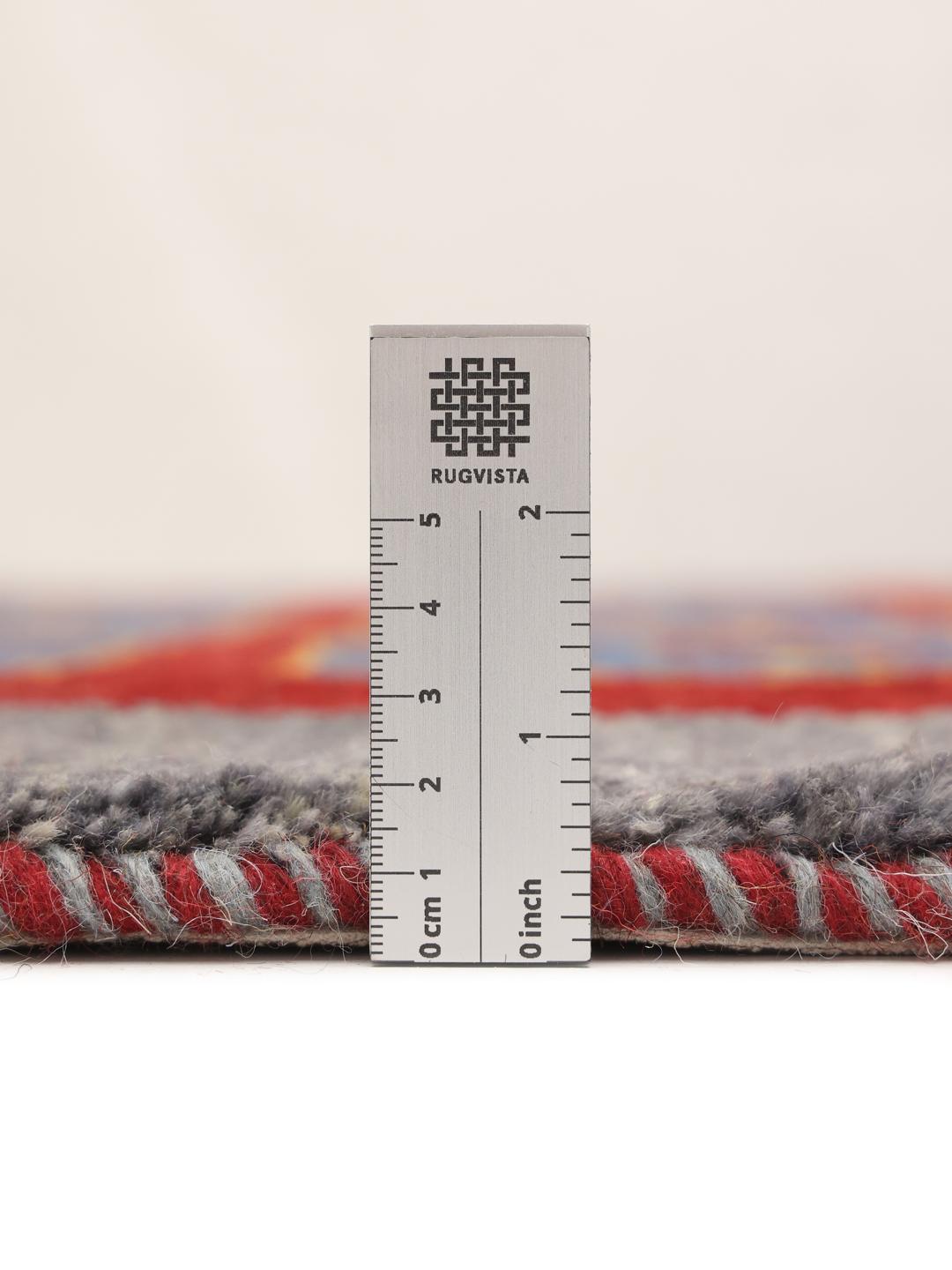
The term Gabbeh refers to a specific style of pile rug that is characterised by its thicker, coarser weave compared to traditional city-made carpets. This construction is intentional, as it provides both warmth and a deeply comfortable, cushioned feel. The 20 mm pile height found in this piece is a hallmark of the tradition, designed to offer maximum insulation against cold floors in rugged landscapes.
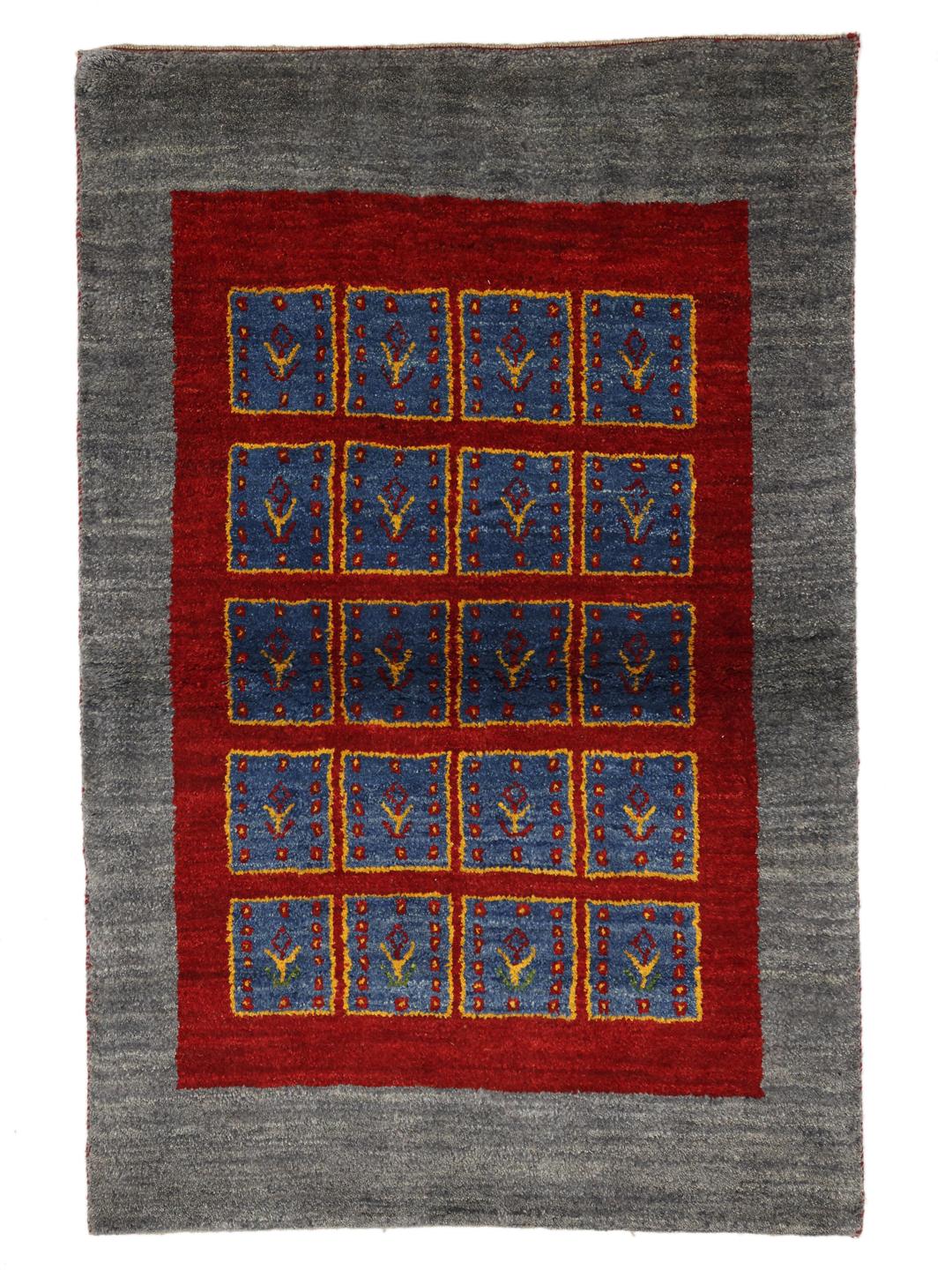
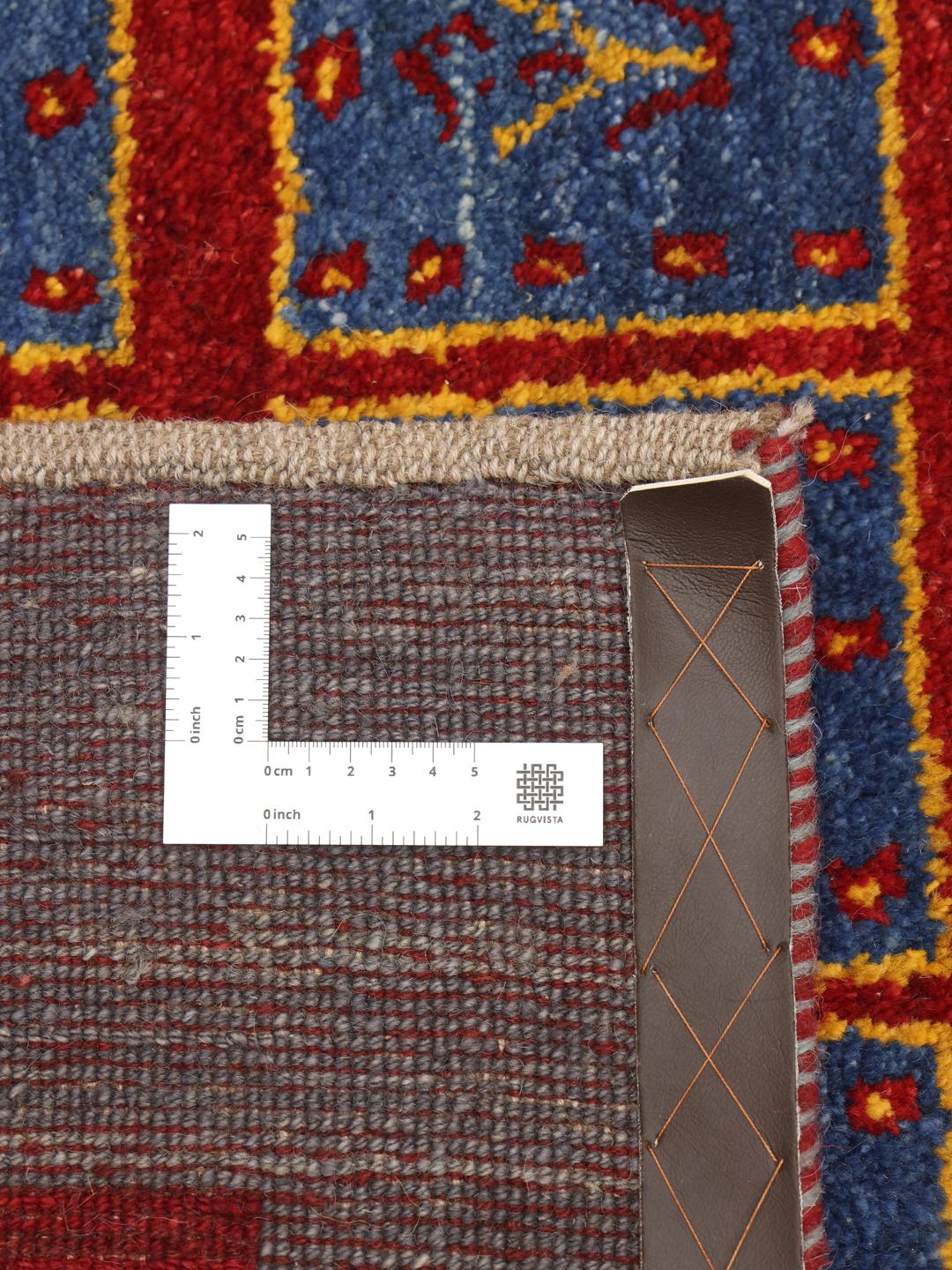
Visually, these rugs are known for their bold, artistic use of colour and simplified geometric motifs. While they often feature fields of solid, rich colours, they are frequently accented with symbolic patterns that carry deep, personal meaning for the weaver. The use of vibrant, saturated tones is a signature of the style, often achieved through natural dyes that develop a beautiful character over time.
Owning a Gabbeh is an opportunity to connect with a legacy of independent artistry. Because they were traditionally woven without the use of pre-drawn patterns, each rug is an unrehearsed, authentic reflection of the weaver's vision. To collect a Gabbeh is to value the human element behind the craft, preserving a piece of cultural history that remains as relevant and striking in a modern home as it was in its traditional origin.