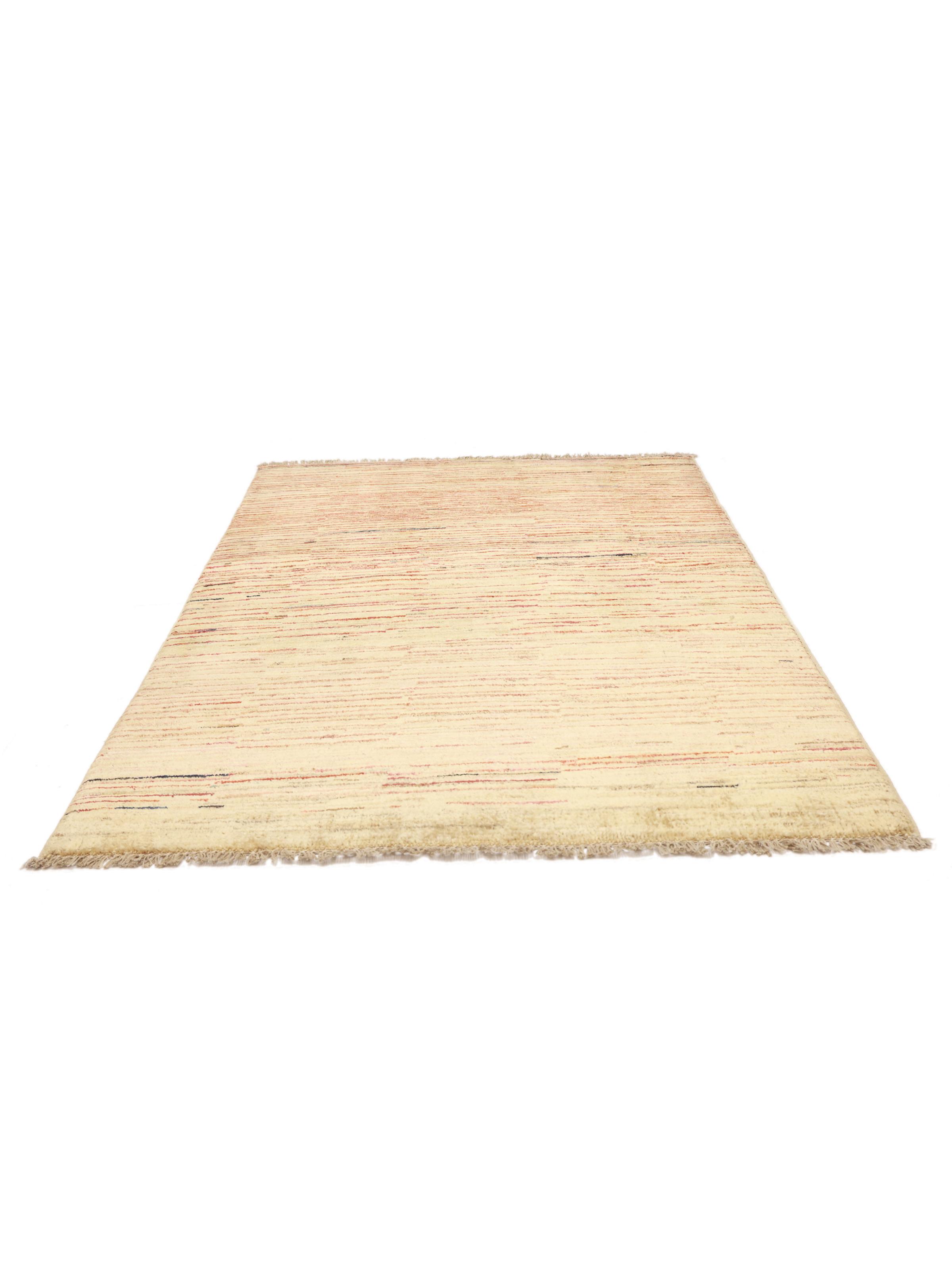
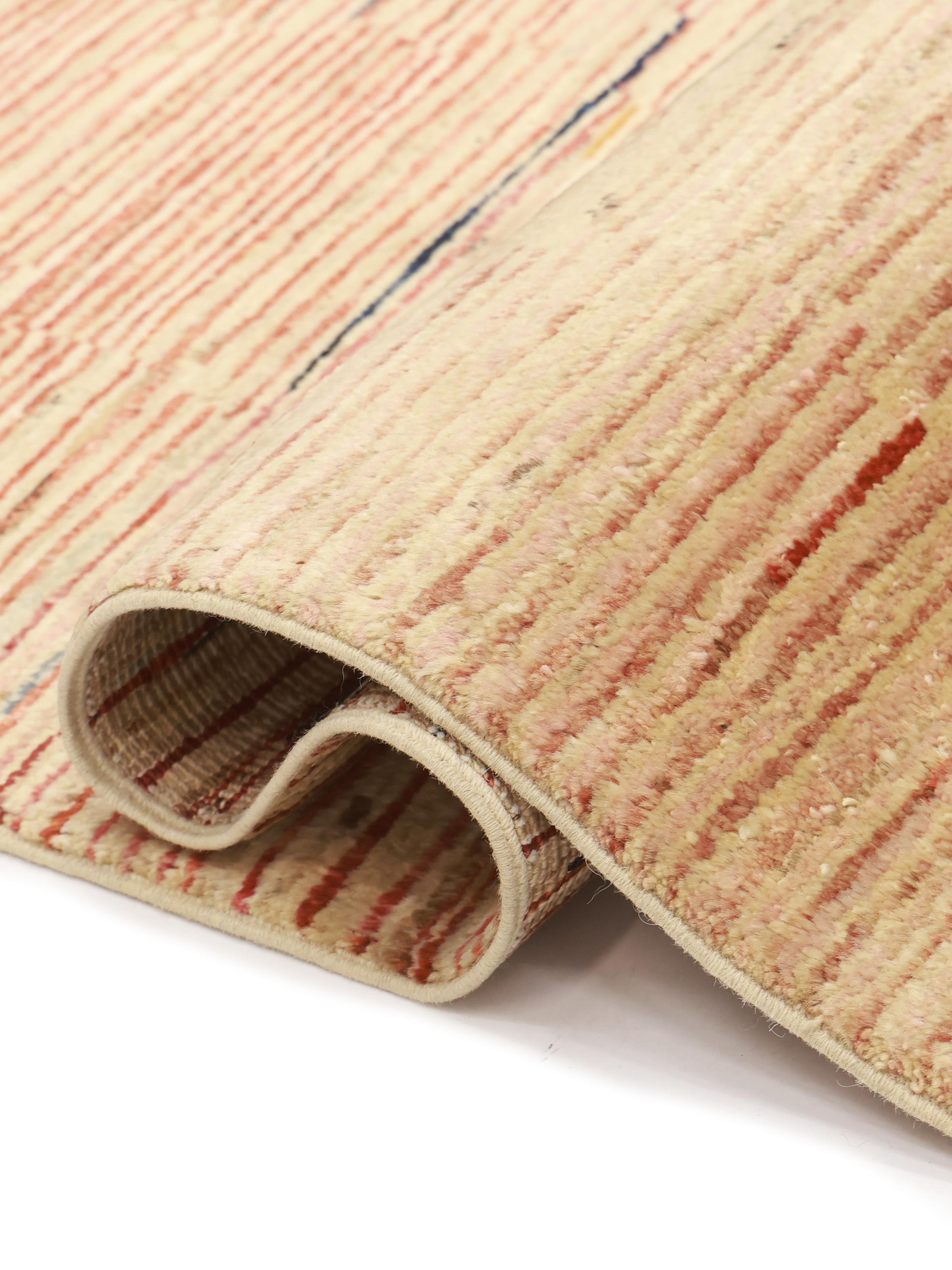
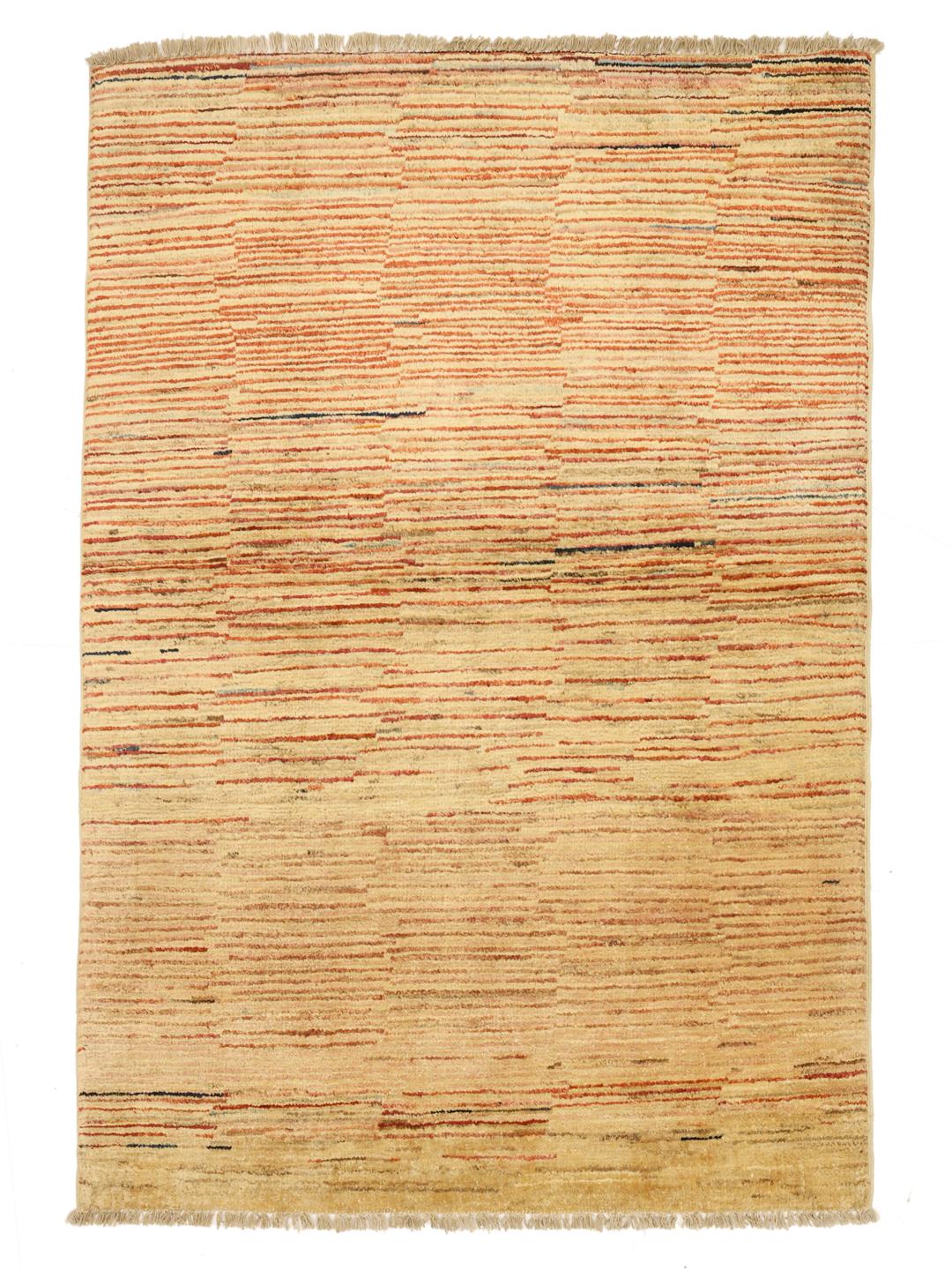
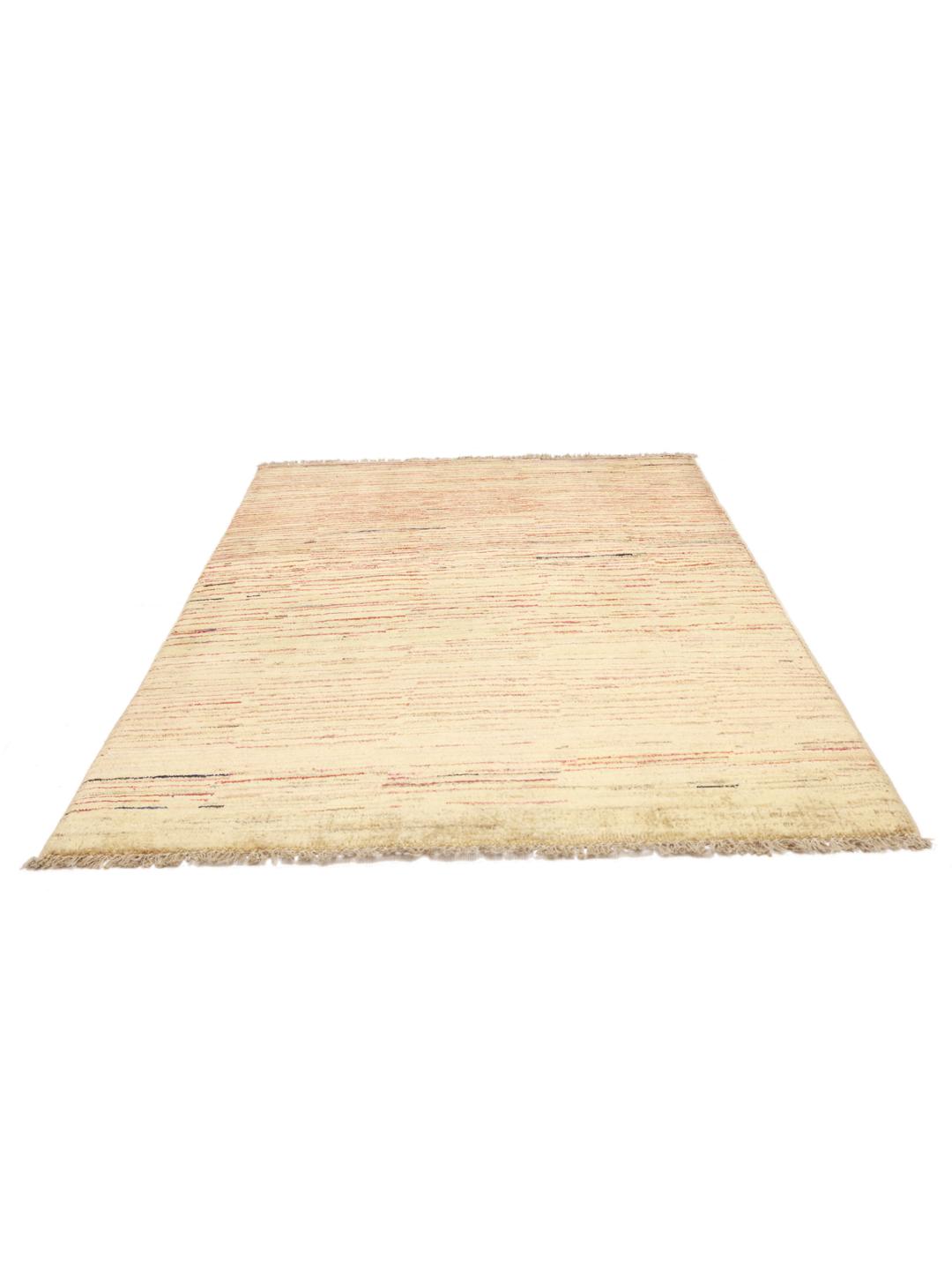
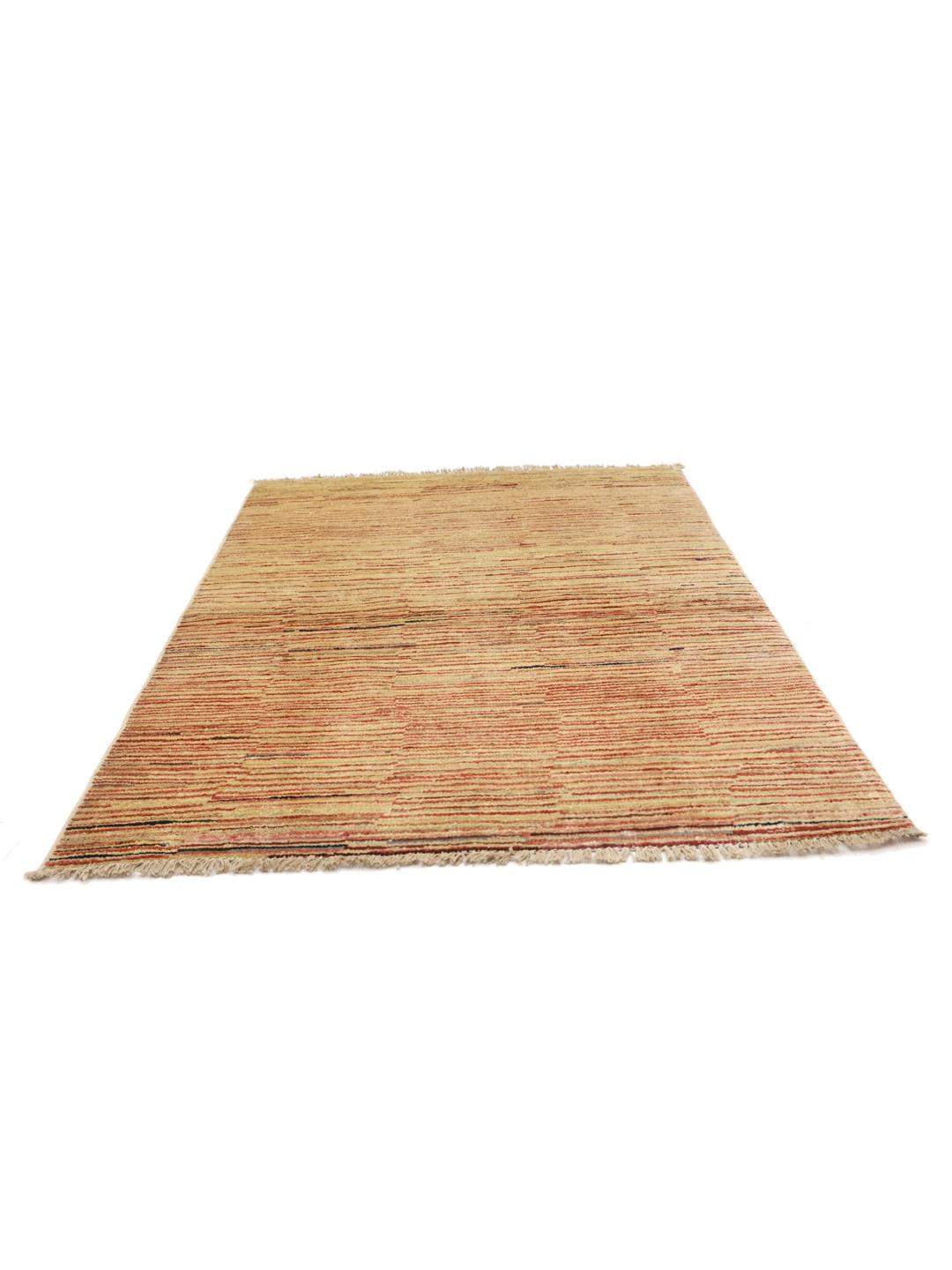
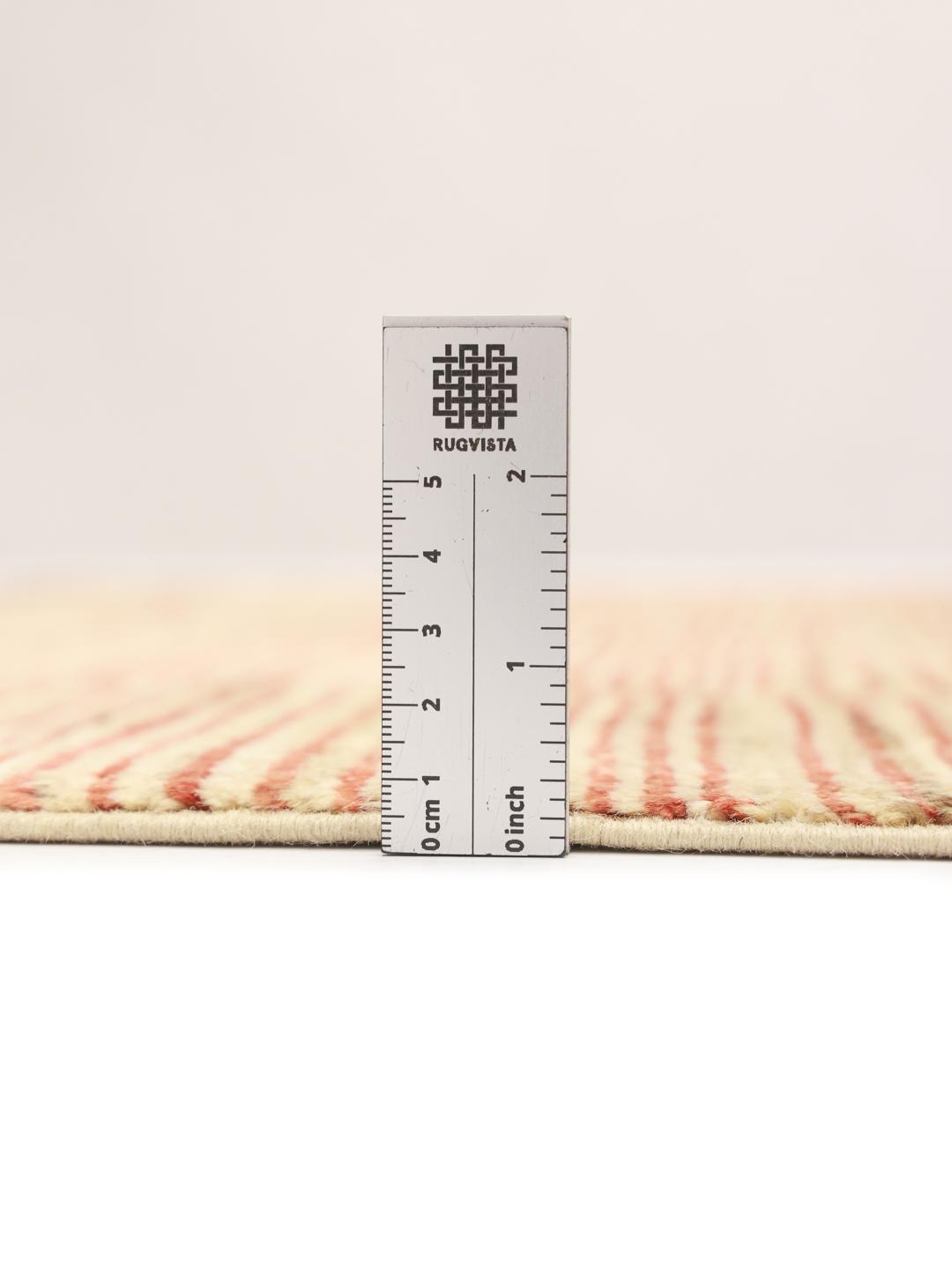
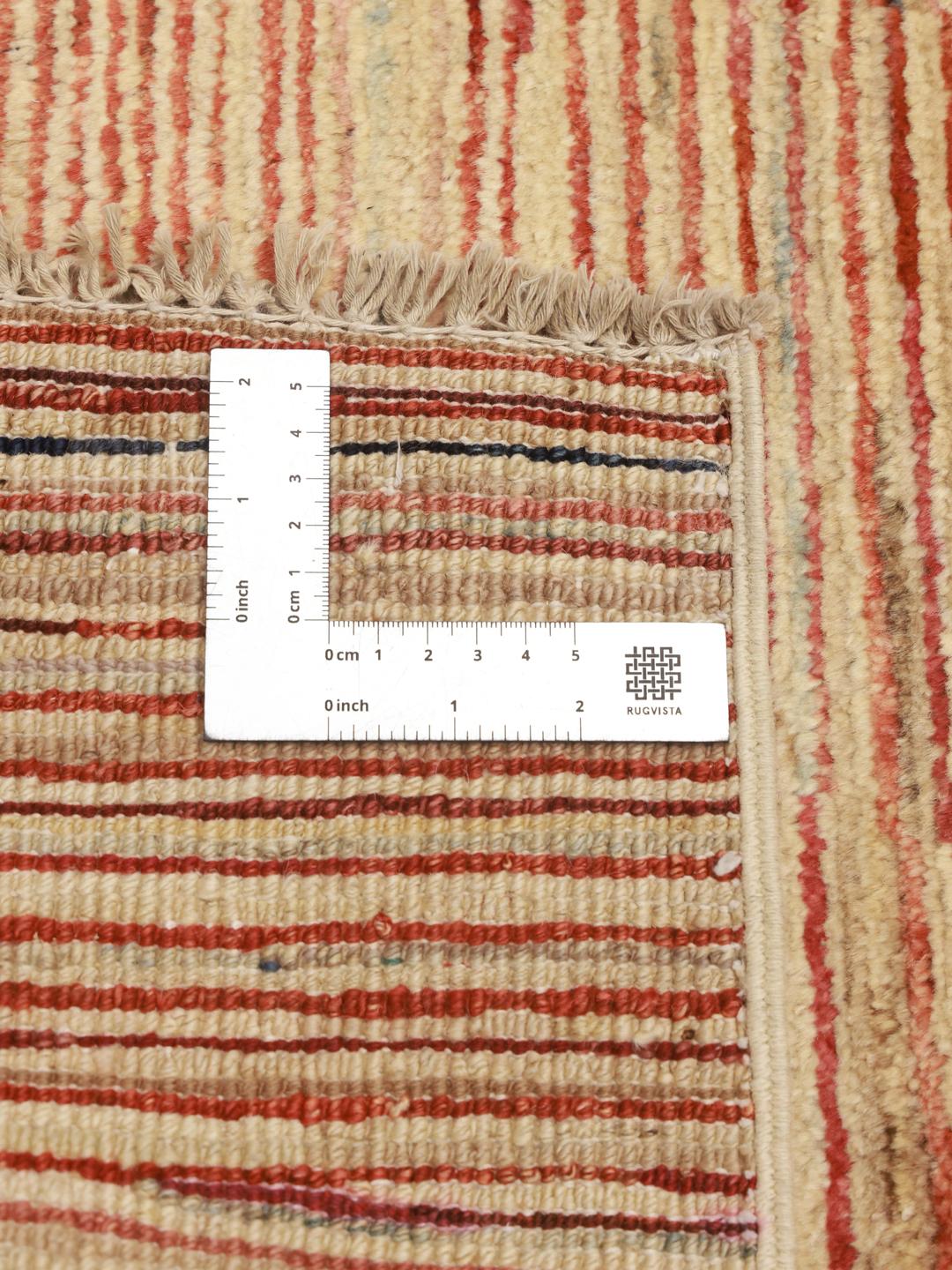
Gabbeh rugs originate from the nomadic traditions of the Zagros Mountains in the Middle East, where weavers traditionally created thick, plush floor coverings for daily shelter and warmth. Unlike formal city carpets, traditional Gabbehs were spontaneous expressions of nomadic life, often featuring minimalist designs inspired by the natural surroundings and local folklore.
The word Gabbeh translates to raw, natural, or uncut, which speaks to the unpretentious character of these primitive yet sophisticated weavings. Over time, this rural folk tradition evolved into the Gabbeh Modern style, blending ancient tribal weaving techniques with contemporary aesthetic sensibilities.
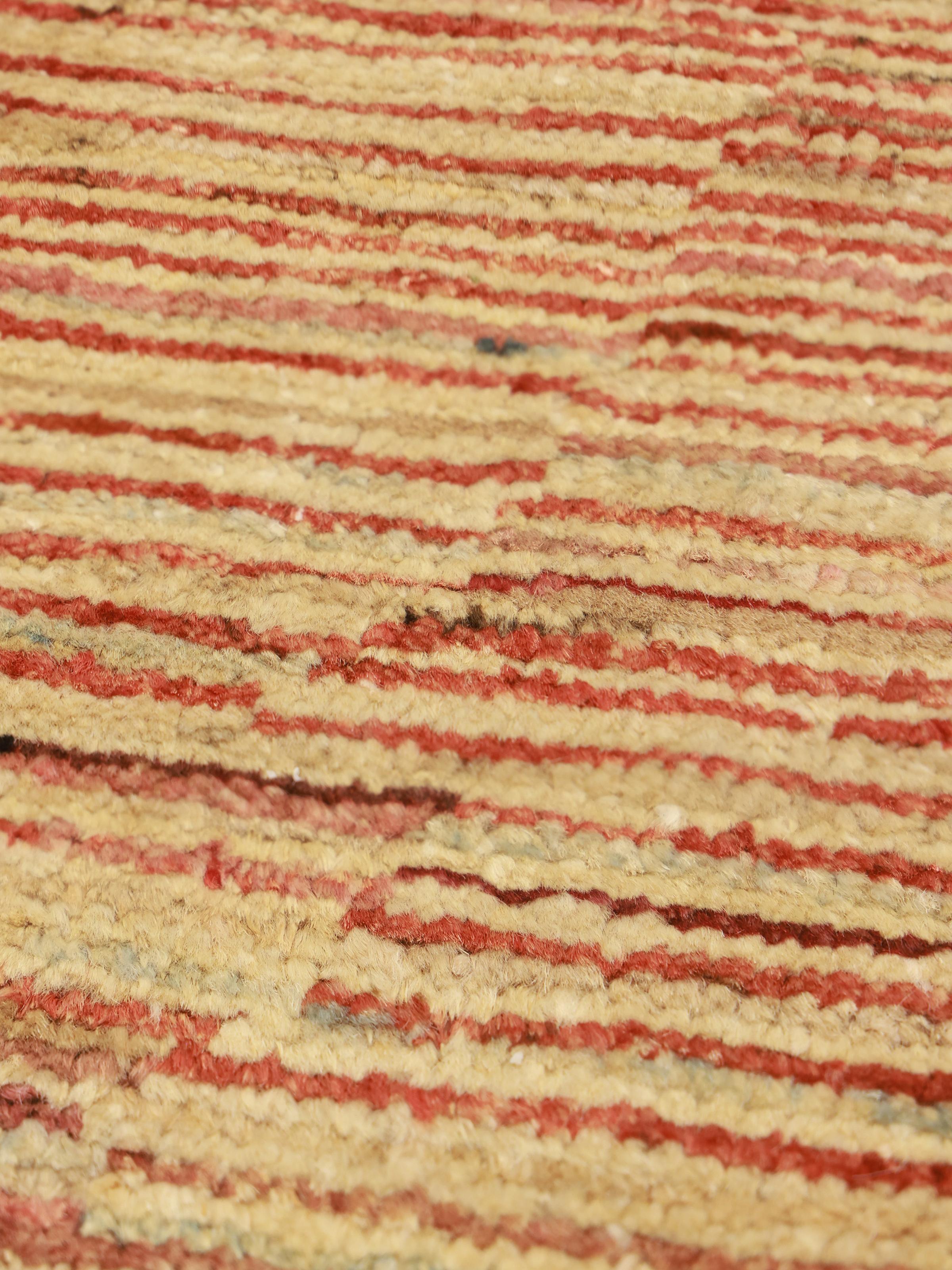
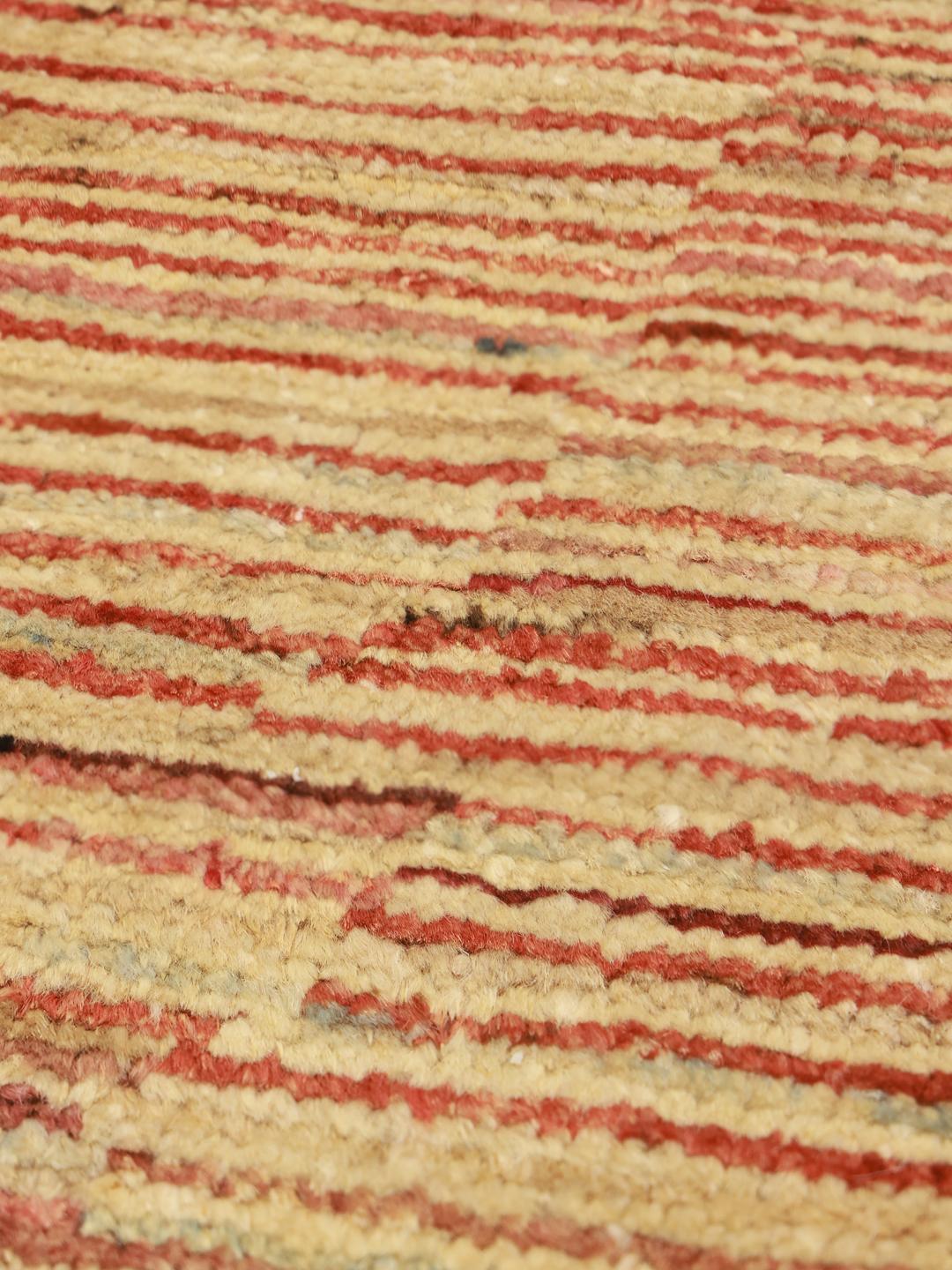
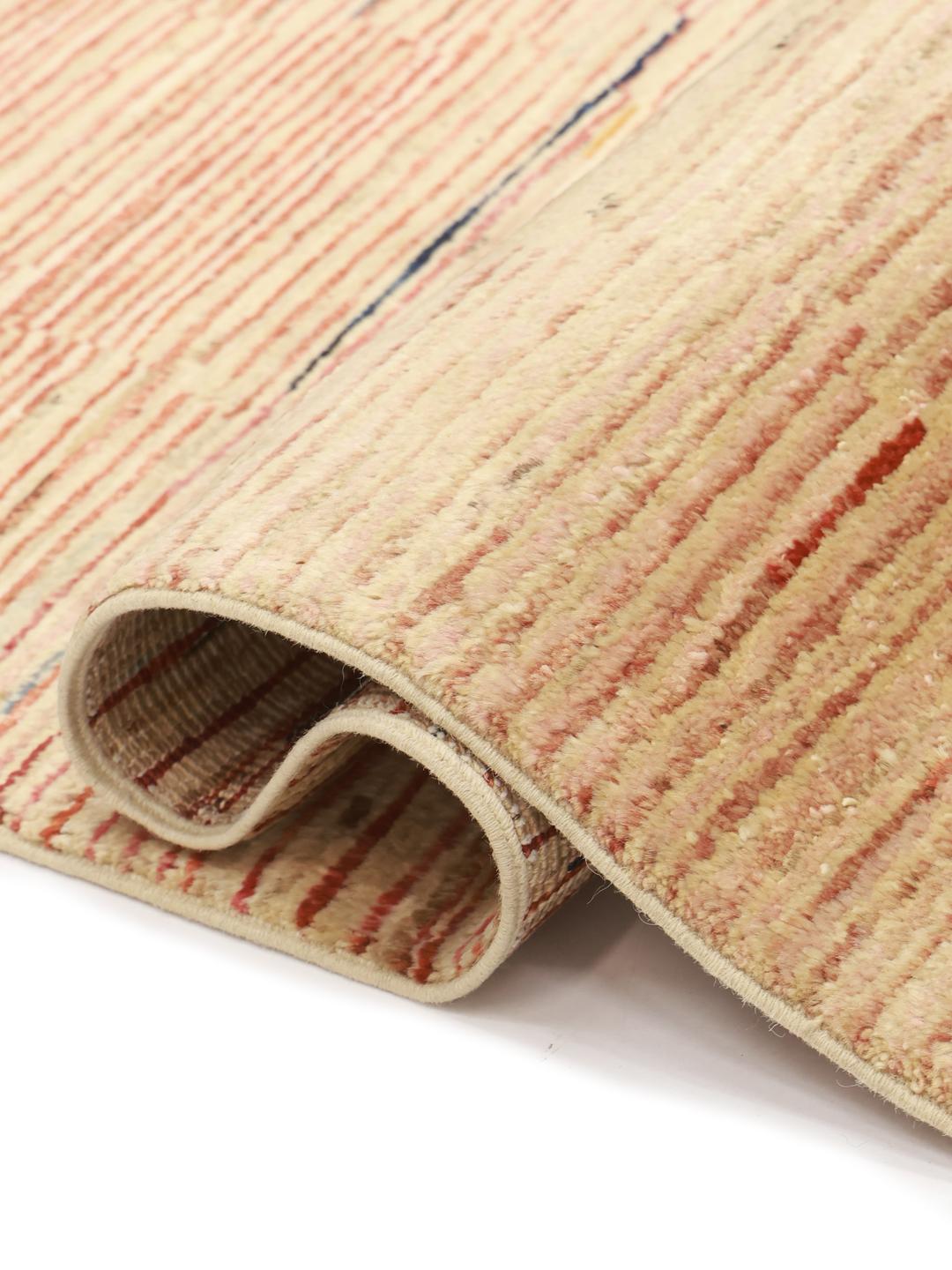
The visual language of a Gabbeh is defined by its open fields and subtle, hand-dyed tonal variations that create a gentle abrash effect across the surface. Artisans use hand-spun wool and natural dyes derived from plants and roots, resulting in earthy, harmonious colours that develop a rich patina as the rug ages.
Collecting a Gabbeh means welcoming a piece of living cultural heritage into your home. The tradition represents a triumph of human patience and artistic freedom, offering a tangible connection to generations of nomadic craftspeople who valued warmth, utility, and understated beauty.