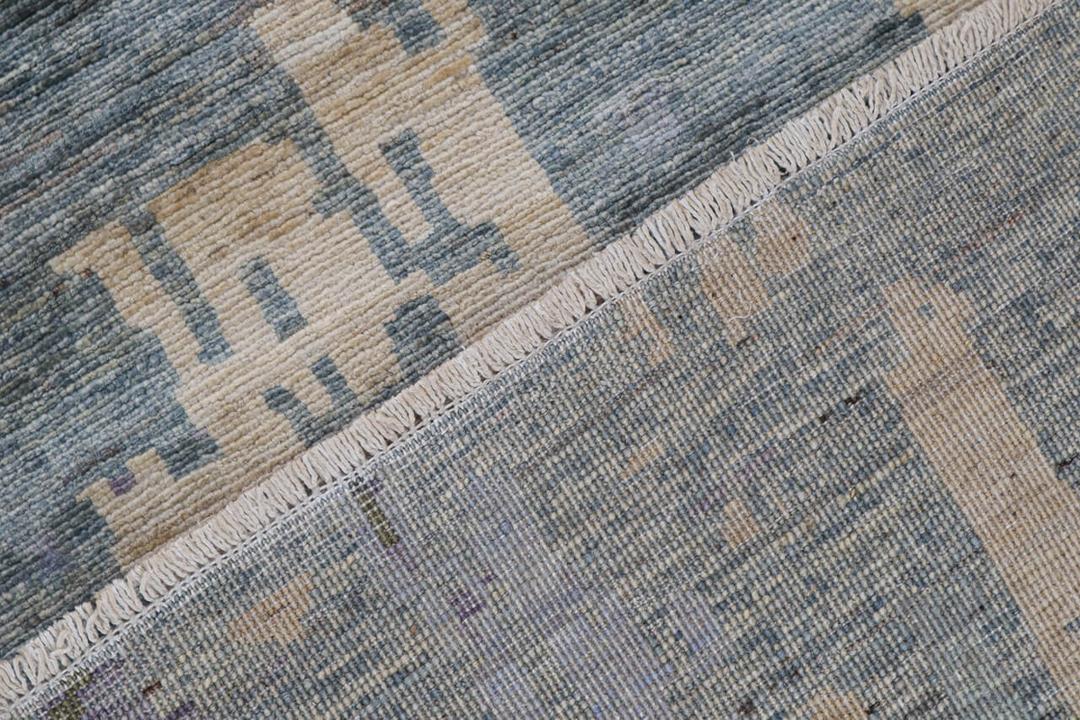
Gabbeh rugs have a long and storied history, originating as functional, heavy-piled floor coverings woven by nomadic tribes in the Middle East. Historically, these pieces were created for personal use rather than for trade, which allowed the weavers a great deal of creative freedom to express their surroundings and inner thoughts through simple, bold designs.
The term Gabbeh itself refers to a 'raw' or 'natural' style, reflecting the unpretentious nature of these rugs. Over time, this tradition has evolved, with modern interpretations now blending these ancient roots with contemporary aesthetics. This evolution has made them highly sought after by those who appreciate the marriage of rustic charm and modern design.
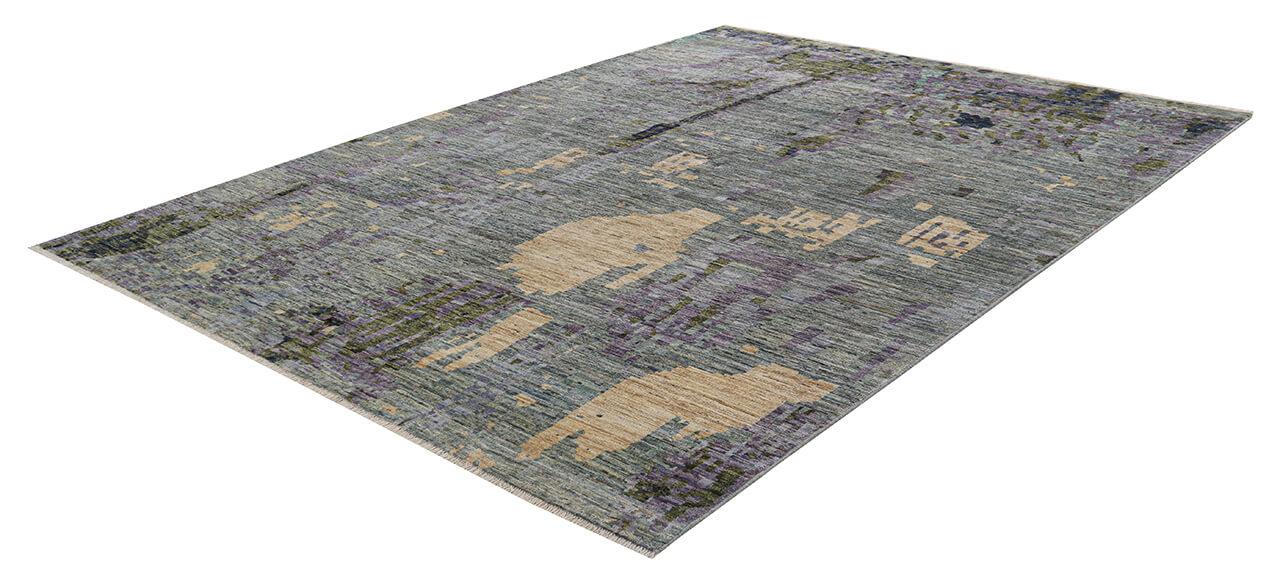
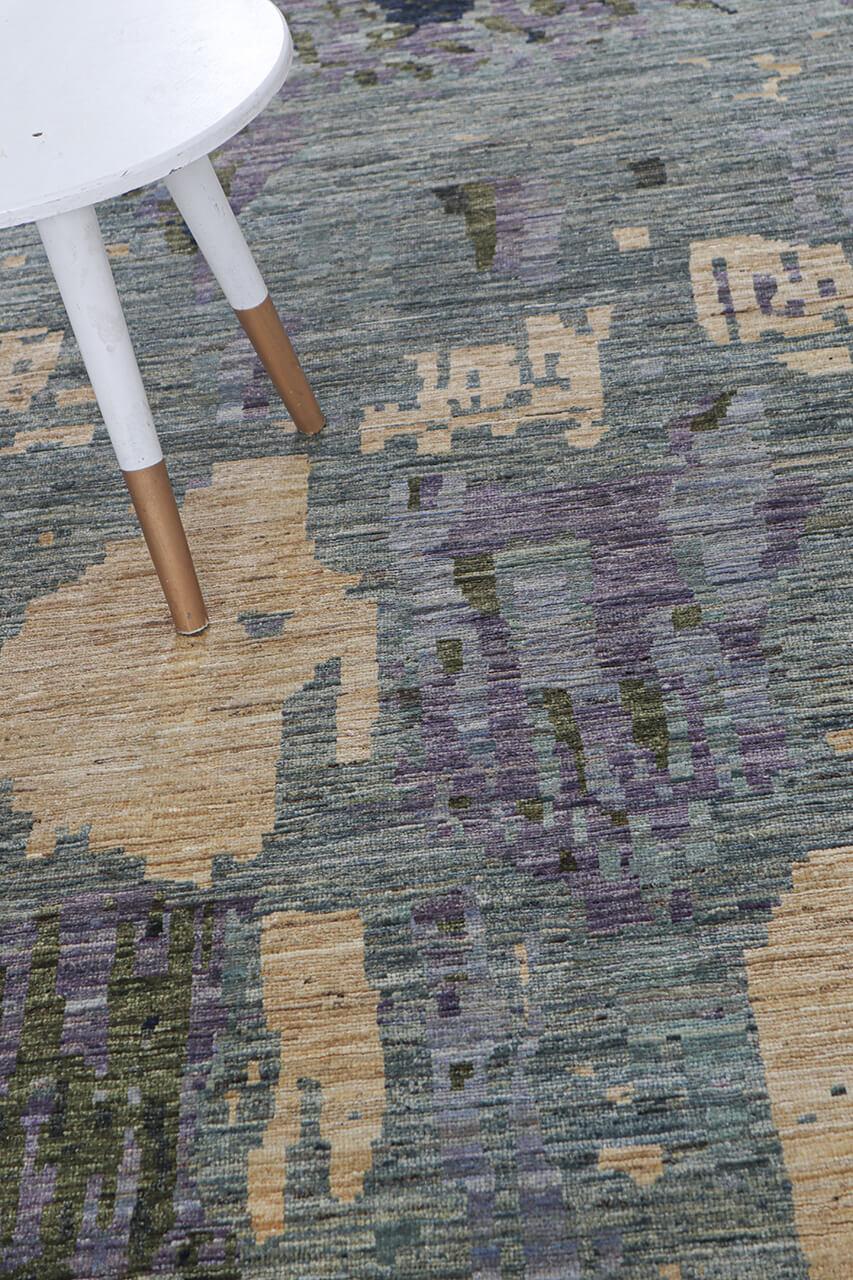
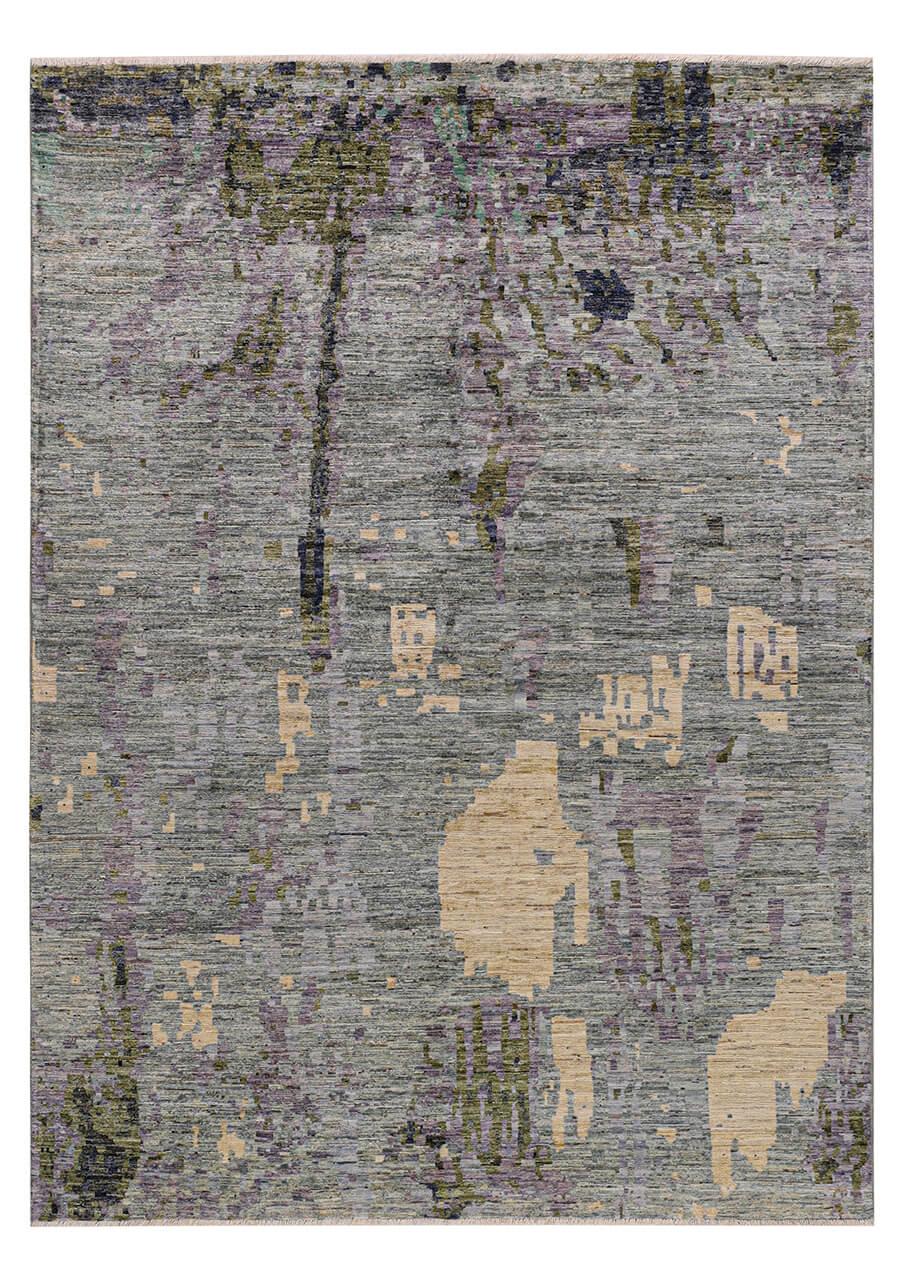
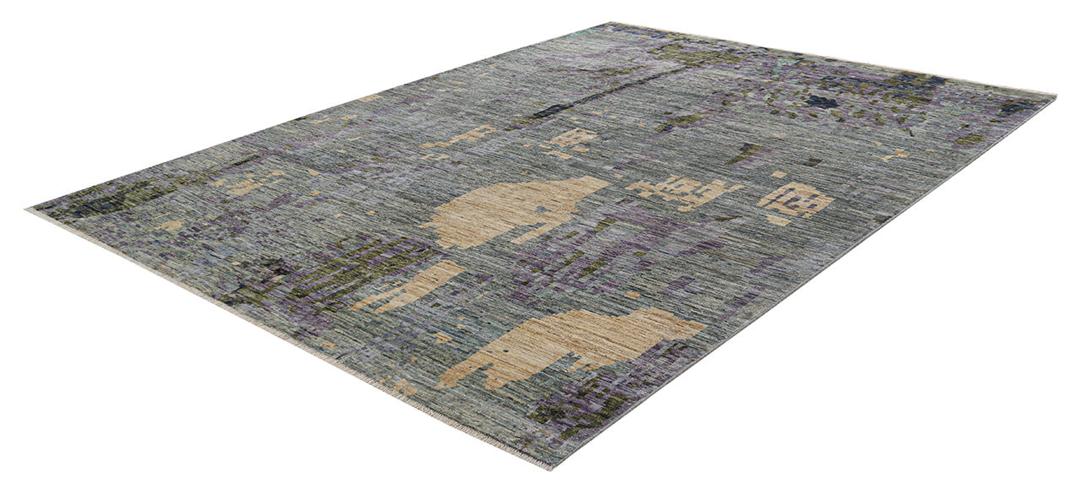
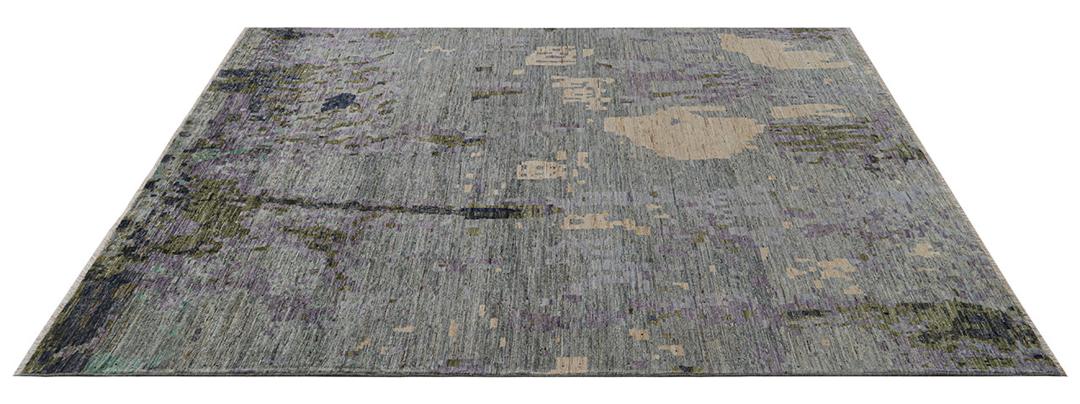
Visually, traditional Gabbeh rugs are known for their expansive fields and limited, often symbolic motifs. While classic versions might feature sparse geometric shapes, this modern iteration embraces an abstract, painterly approach. The use of varied colours and irregular forms creates a sense of movement and energy that is characteristic of the contemporary evolution of this craft.
Today, owning a Gabbeh-style rug is seen as a commitment to preserving a heritage of human skill. Because they are rooted in a nomadic tradition of individual expression, they carry a cultural weight that mass-produced items lack. Collectors value these pieces not only for their aesthetic beauty but for the connection they provide to a centuries-old tradition of hand-weaving.