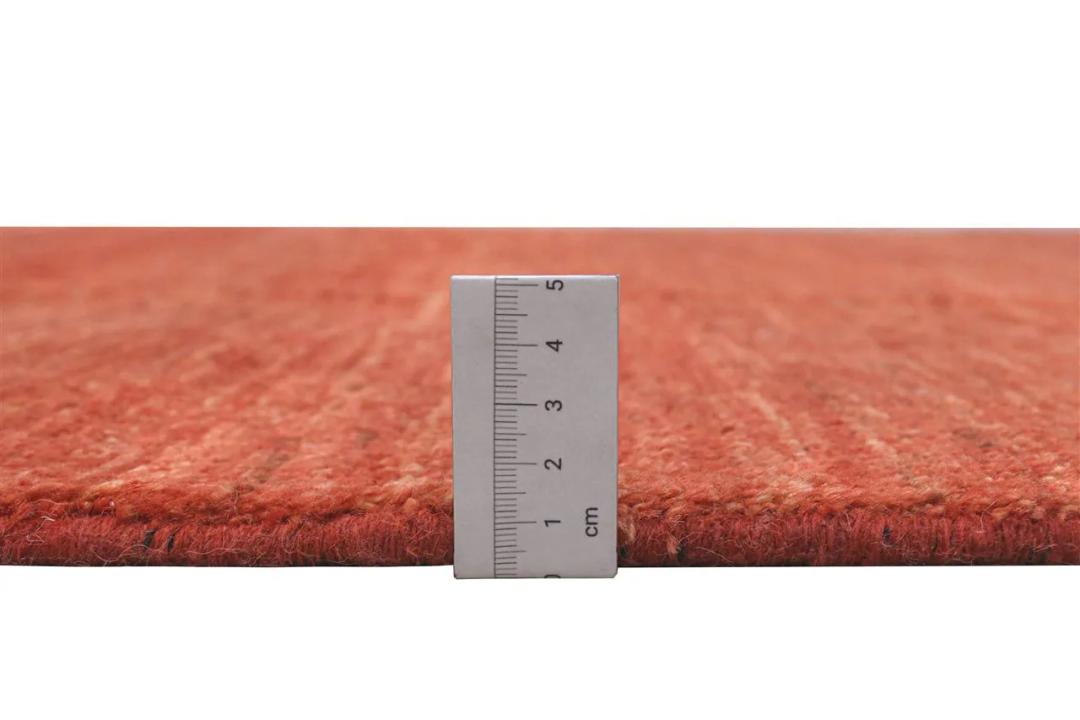
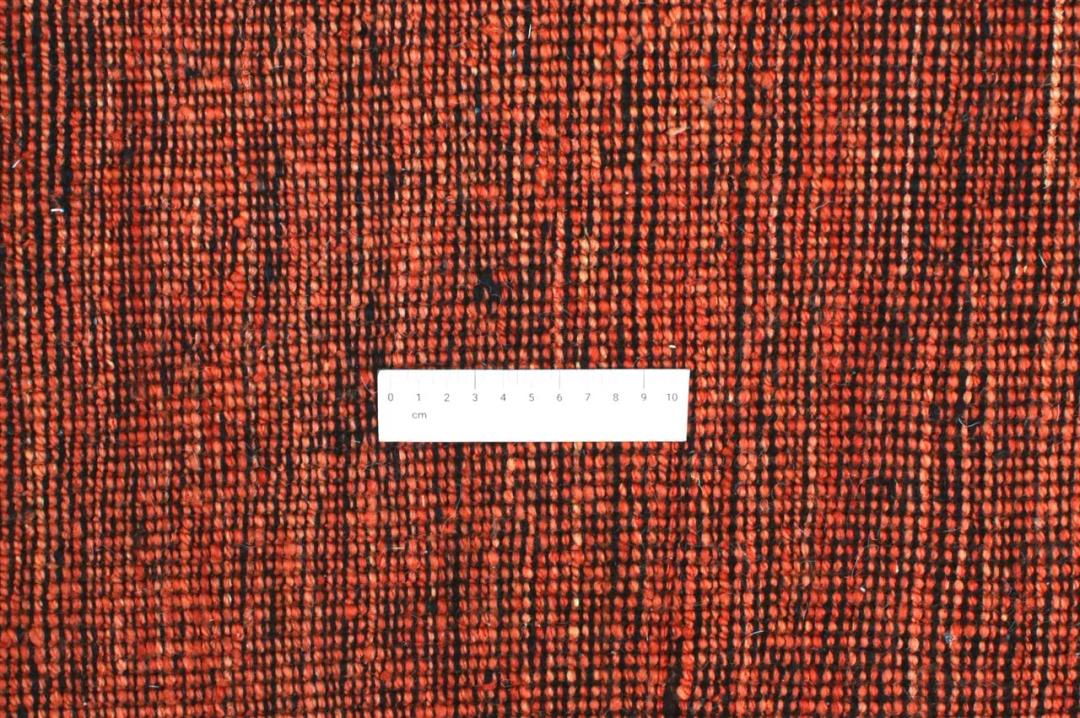
Gabbeh rugs have a rich history rooted in the nomadic traditions of the Middle East, where they were originally woven for personal use rather than for trade. These rugs were designed by tribal weavers to protect against the cold, earthy floors of tents, and their simple, unpretentious designs often reflected the weaver's own experiences and surroundings.
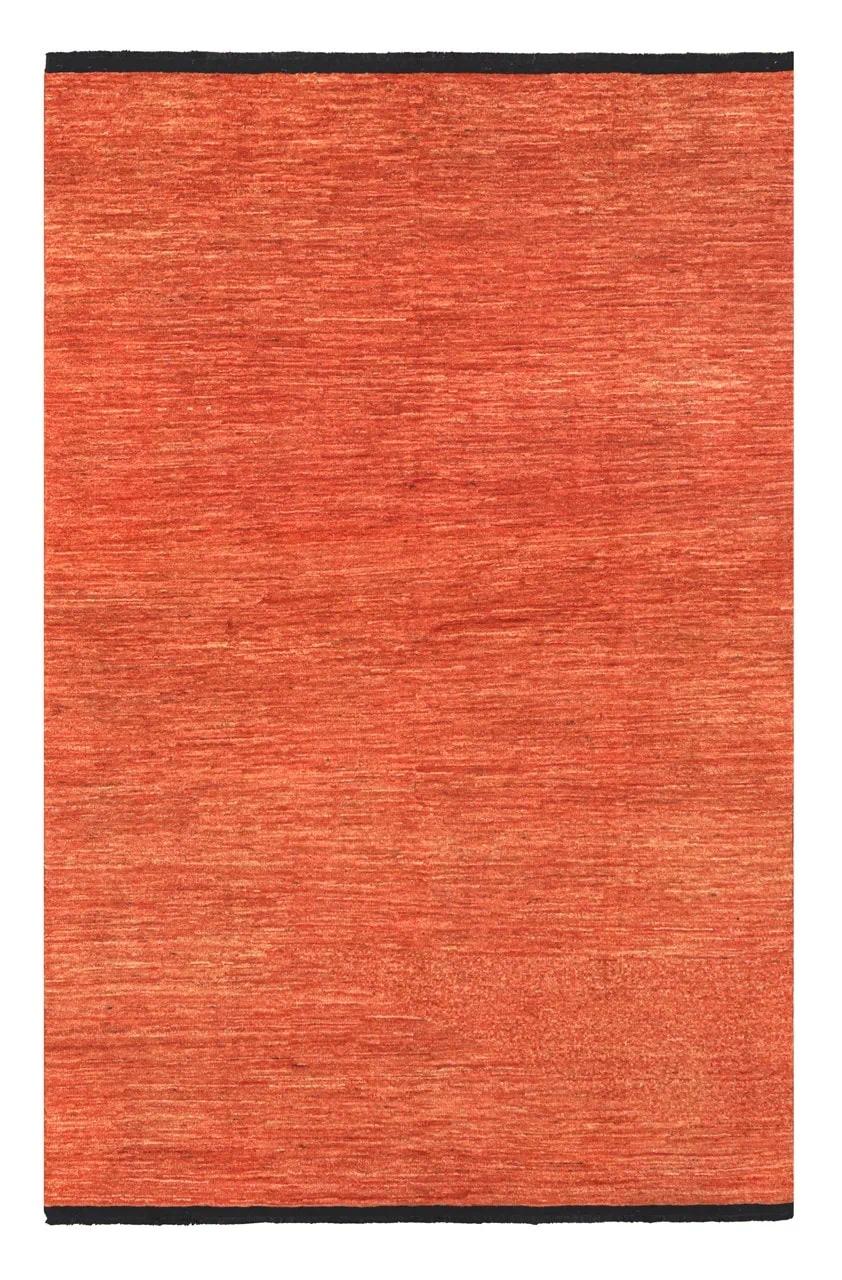
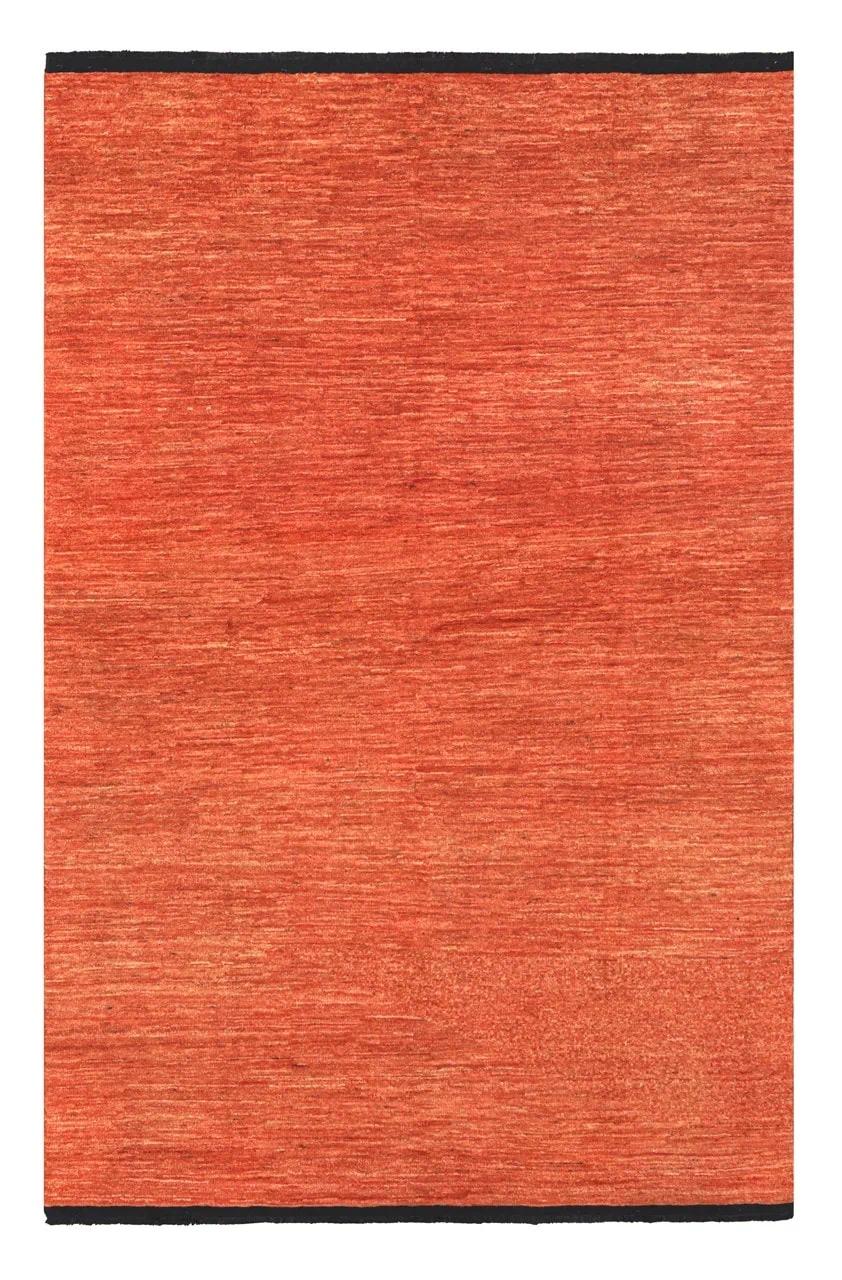
The term Gabbeh itself refers to a 'raw' or 'natural' style, which is why these rugs are celebrated for their thick pile and minimalist patterns. While traditional Gabbeh rugs often featured bold, geometric abstractions, the modern evolution of the style—like this Afghan-woven piece—has embraced a more contemporary aesthetic, focusing on solid fields of colour and subtle tonal variations.
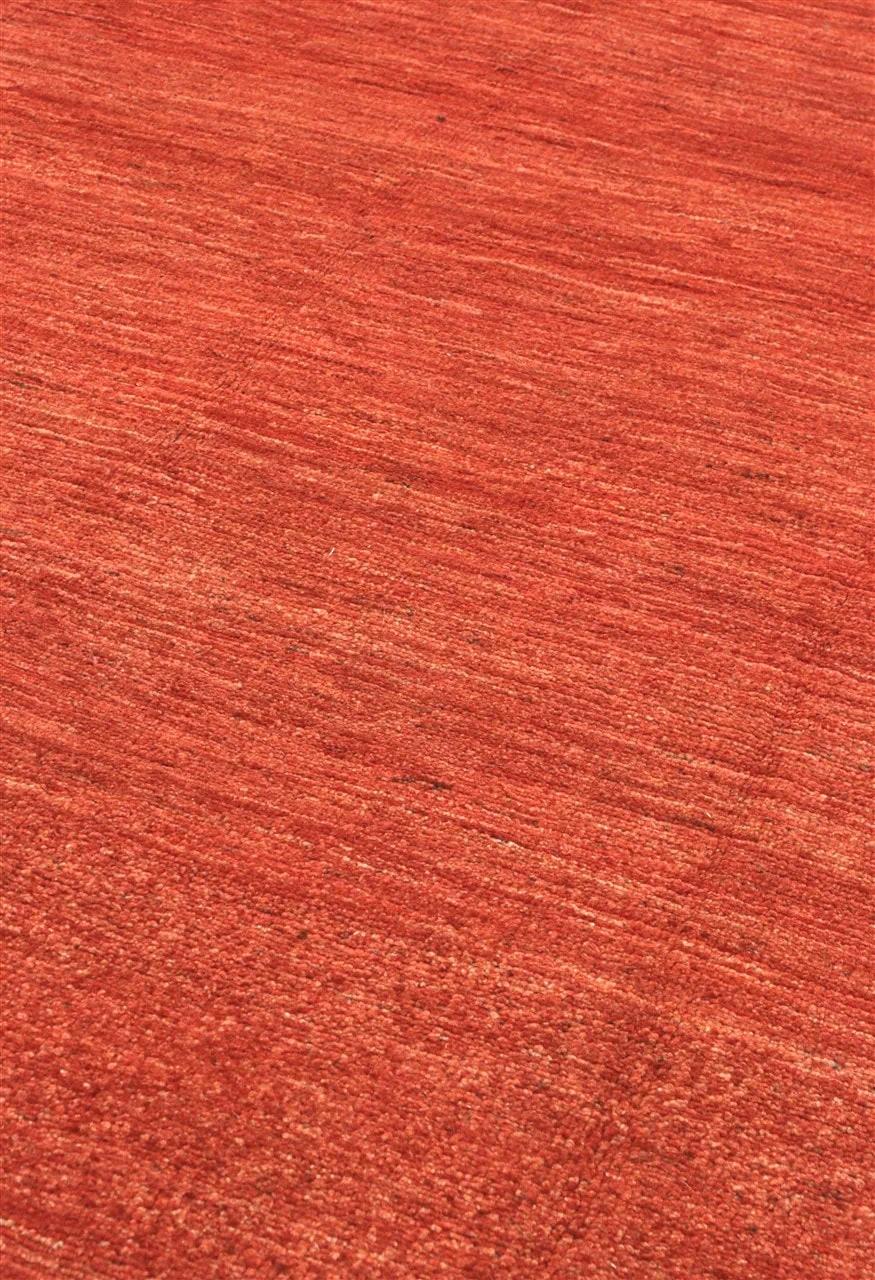
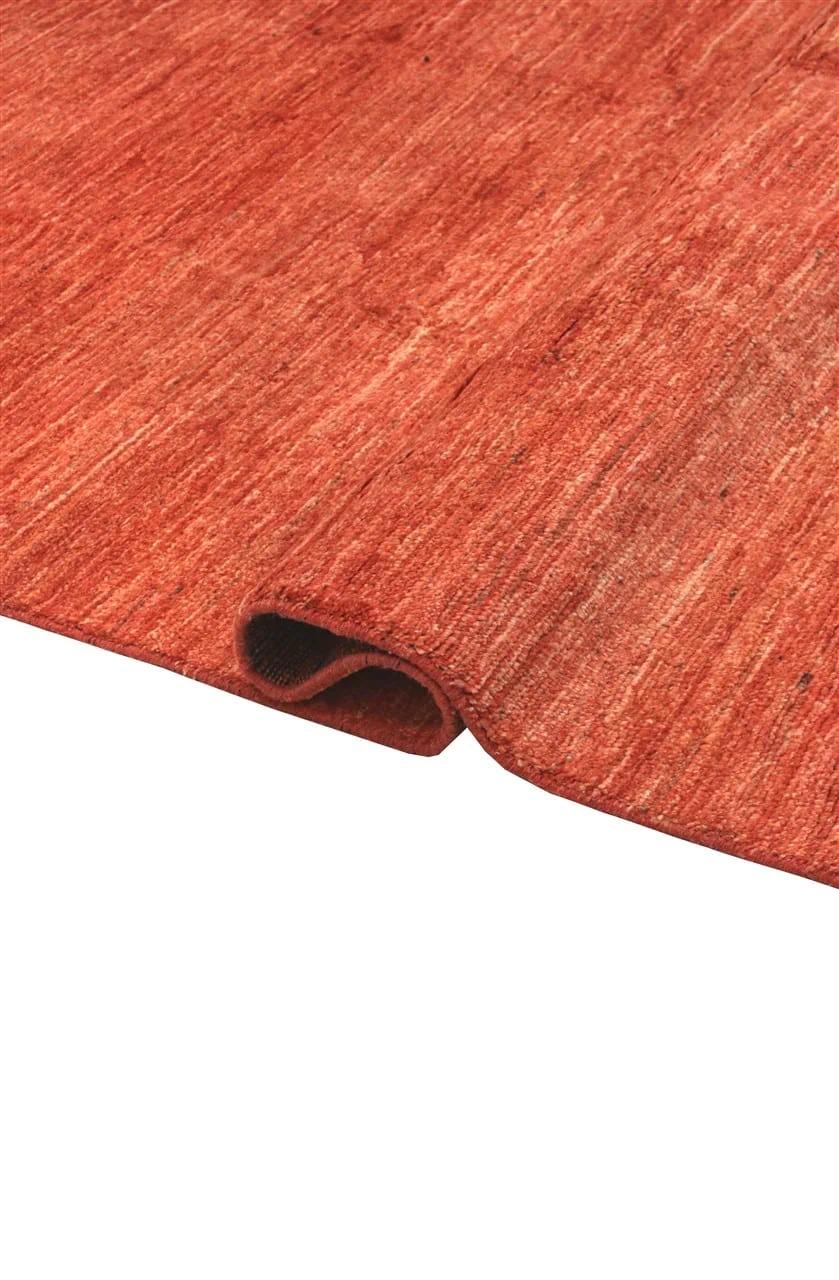
Signature design elements of the Gabbeh tradition include a focus on the beauty of the Wool itself. Unlike more formal carpets that rely on intricate, repeating motifs, these rugs celebrate the imperfections and variations that occur during the hand-dyeing and weaving process. The result is a rug with a vibrant, living surface that changes slightly depending on the light in the room.
Owning a Gabbeh rug is about connecting with a heritage of functional art. These pieces are highly valued by collectors and homeowners alike for their authenticity and the human story behind every knot. By bringing one into your home, you are not just adding a decorative element, but preserving a craft tradition that prioritises soul, comfort, and lasting quality over fleeting trends.