Gabbeh rugs have a long history rooted in the nomadic traditions of the Middle East. Originally woven by tribal groups for personal use, these rugs were designed for practical warmth and comfort, serving as bedding or floor covers within tents. Their history is one of simplicity and functional beauty, far removed from the formal court designs of other regions.
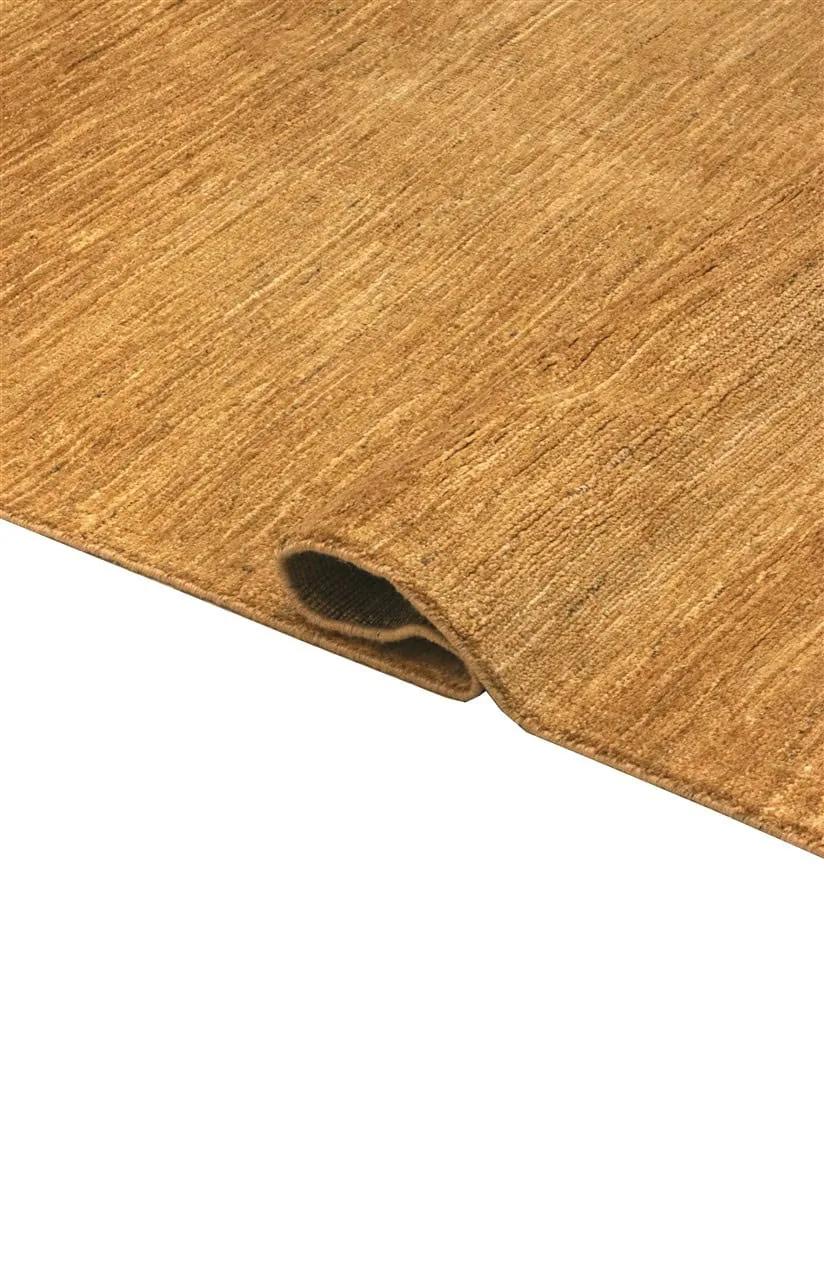
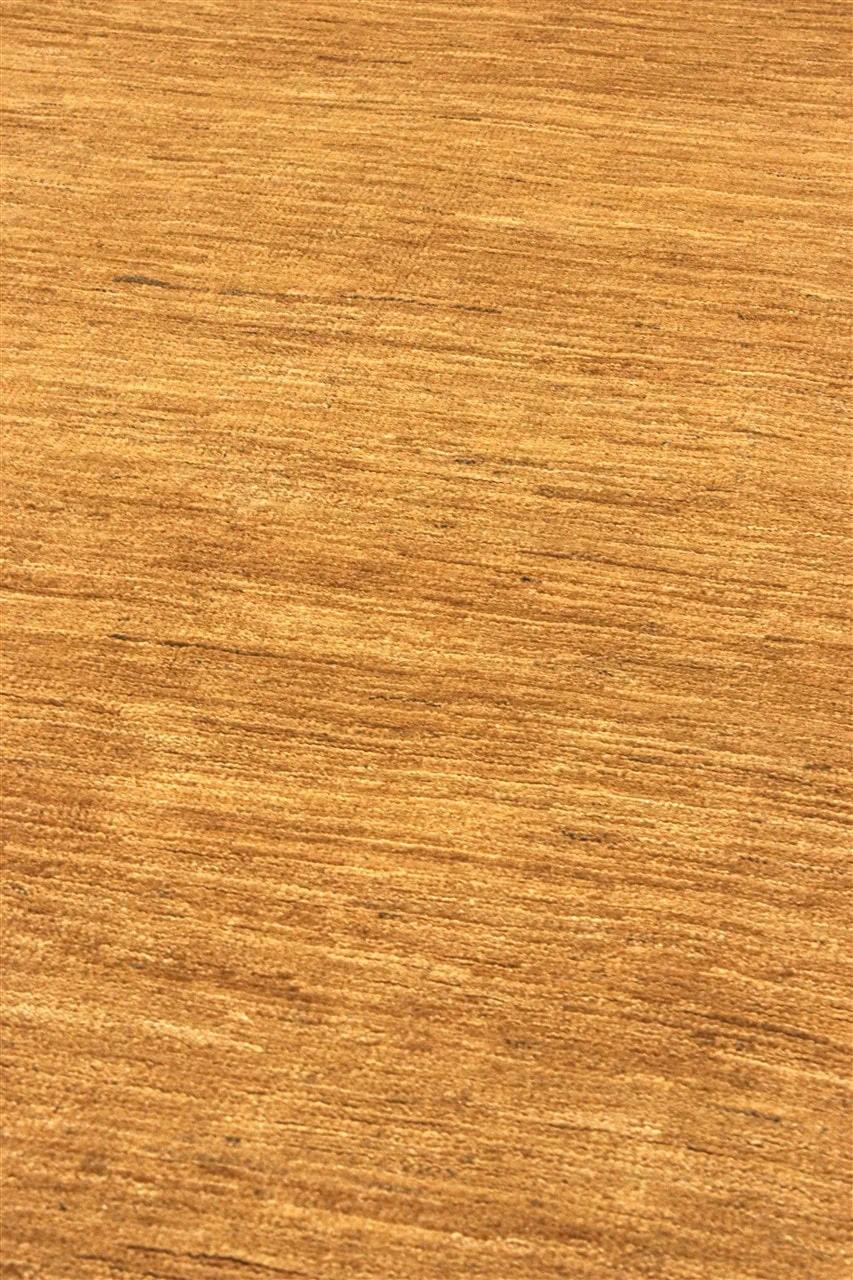
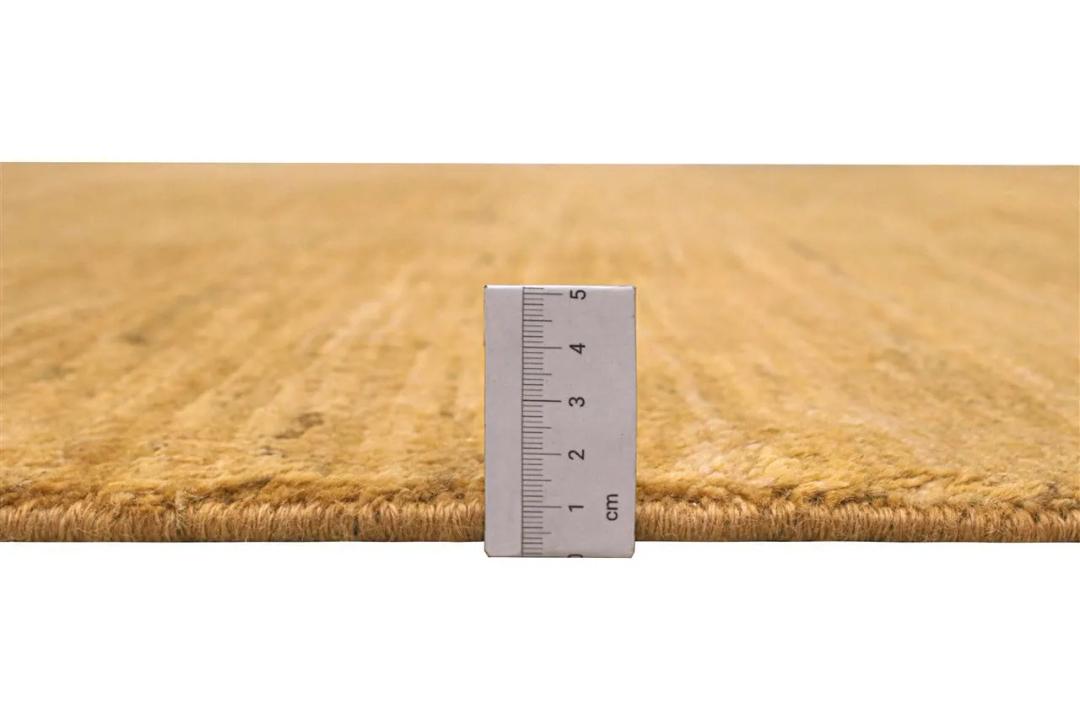
The term Gabbeh itself refers to a 'raw' or 'natural' style. Technically, these rugs are defined by a thicker, more generous pile and a simpler, often hand-spun Wool that retains its natural lanolin. This results in a softer, more resilient rug that feels substantial and luxurious, a hallmark of the traditional craft that remains popular today.
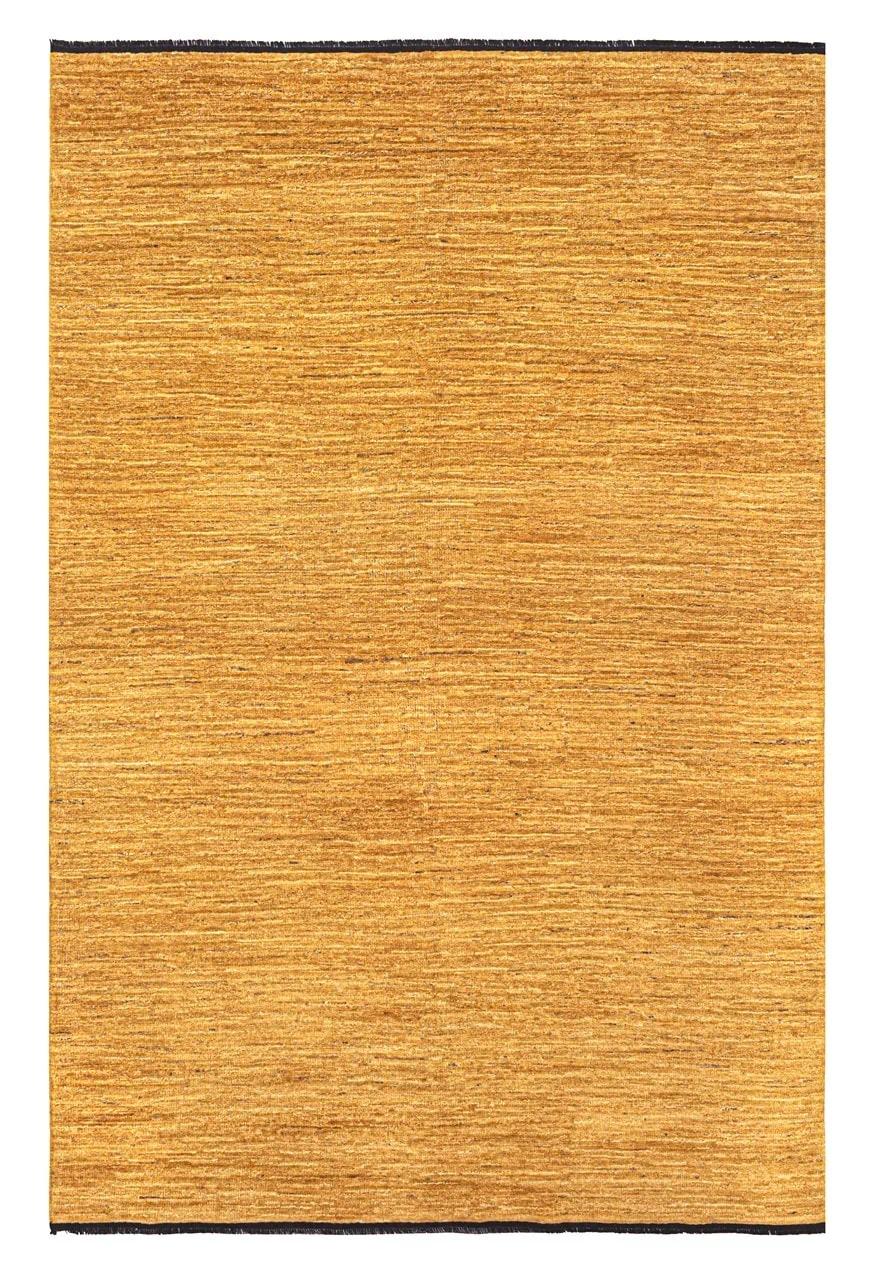
Visually, Gabbeh rugs are celebrated for their artistic freedom. Unlike the strictly symmetrical patterns found in many other weaving traditions, these pieces often feature open fields of colour, simple geometric motifs, or abstract representations of the natural world. They prioritise the expression of the weaver over rigid adherence to a template, making them highly sought after for their organic and expressive quality.
Today, this tradition continues to be valued by collectors and homeowners who appreciate the blend of heritage and modern design. Owning a Gabbeh is about embracing a piece of history that values human touch and individual creativity. It is a testament to the skill of the artisans who keep this ancient craft alive, ensuring each rug remains a unique connection to its nomadic roots.