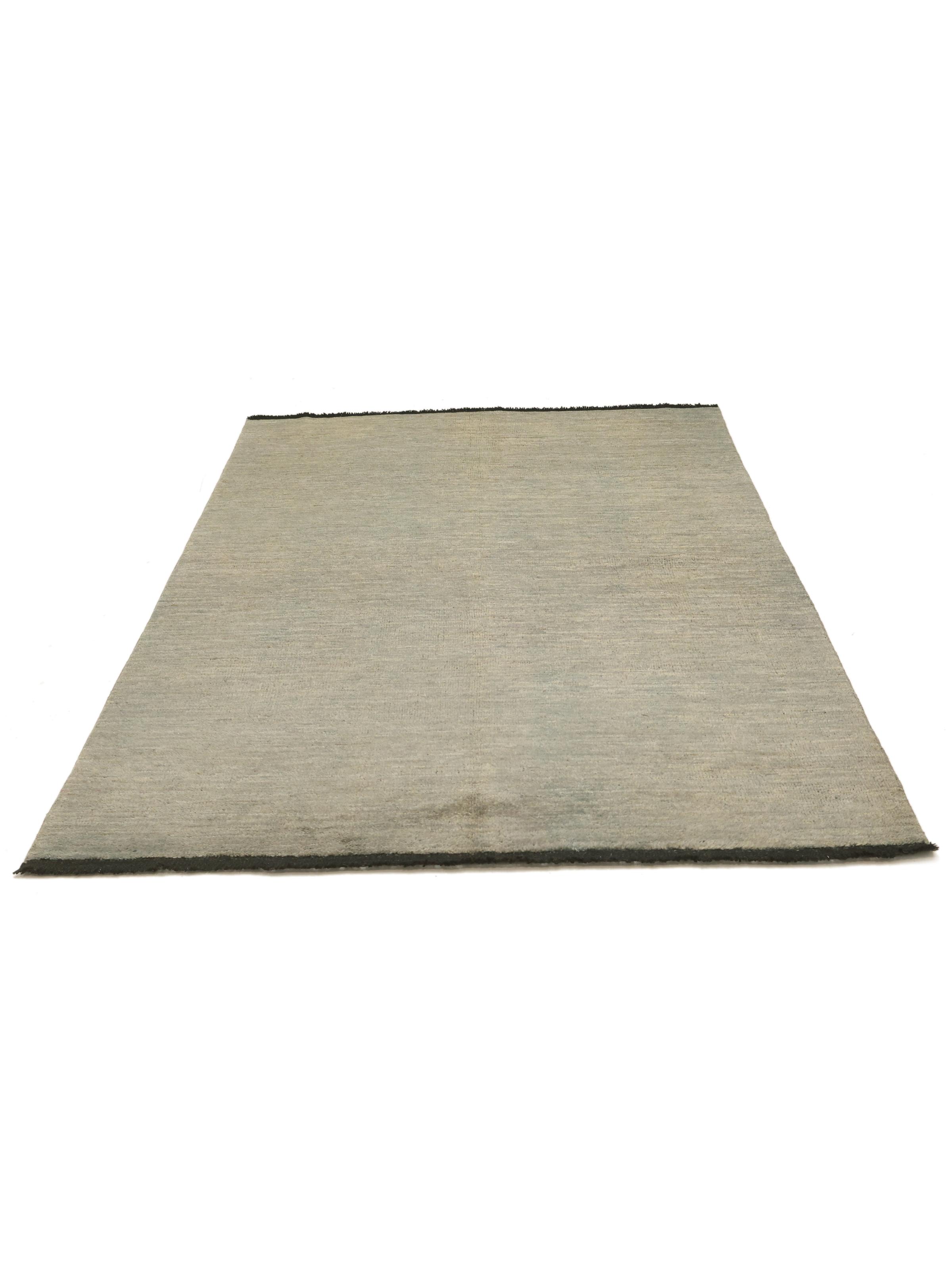
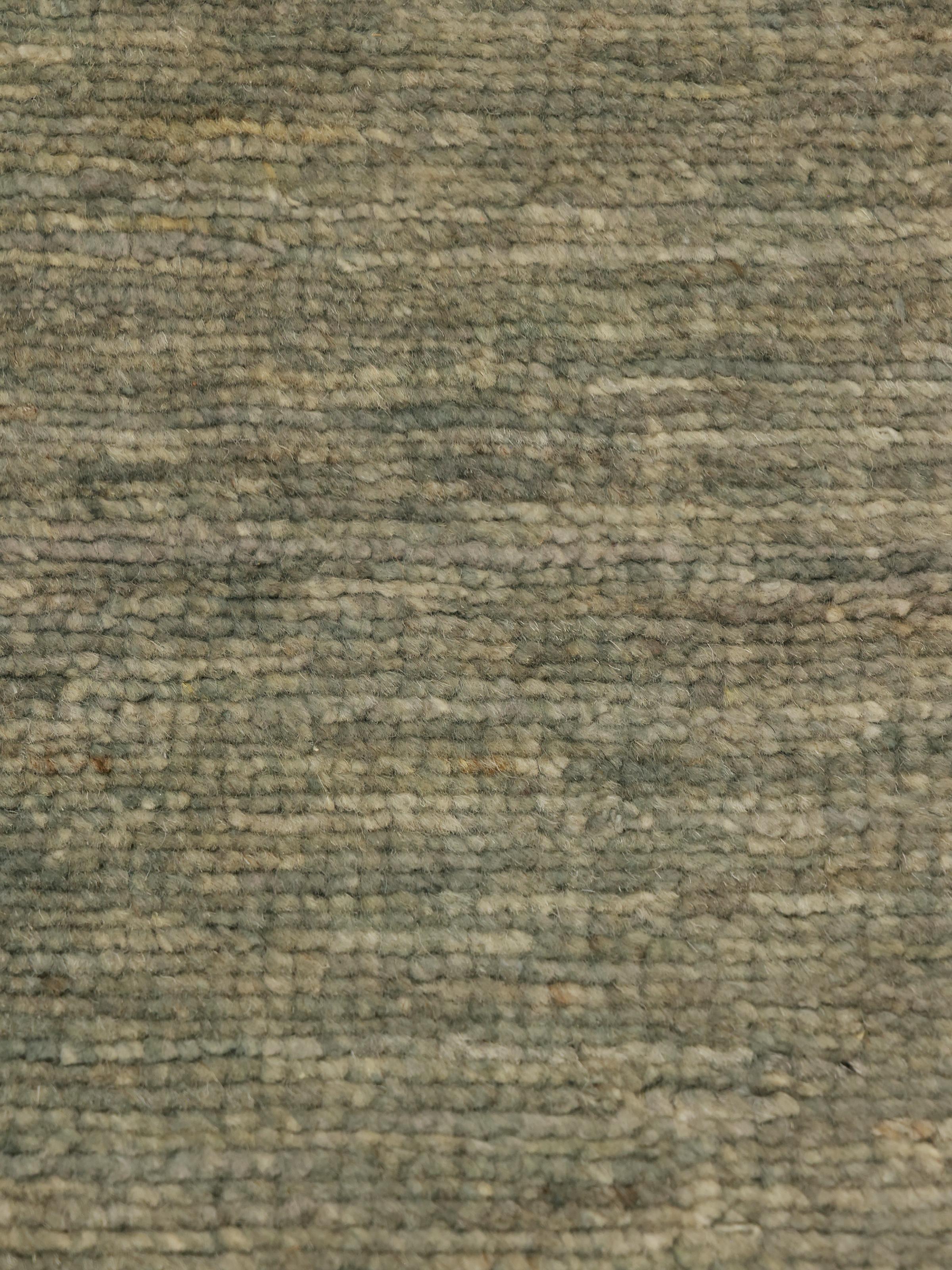
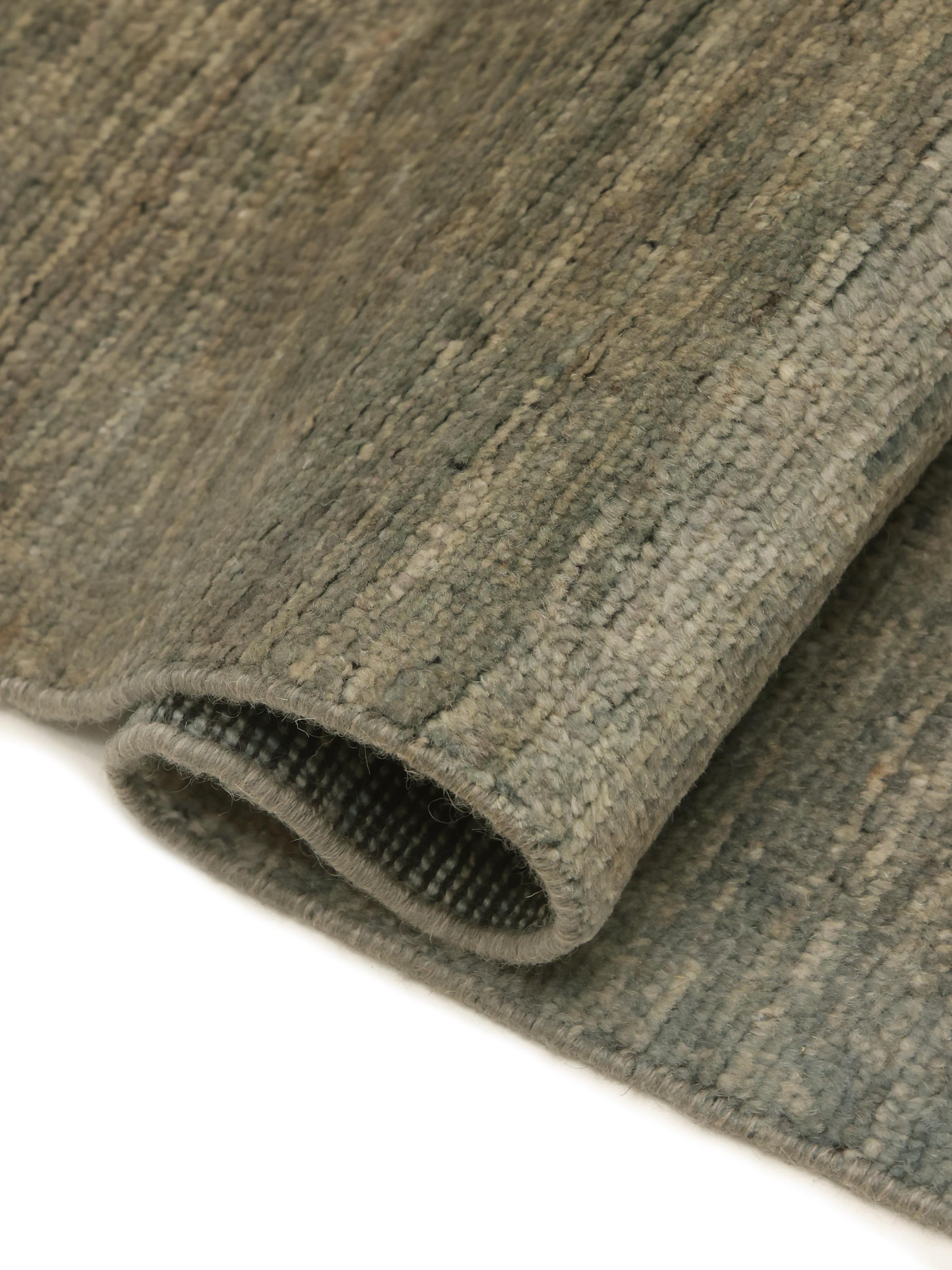
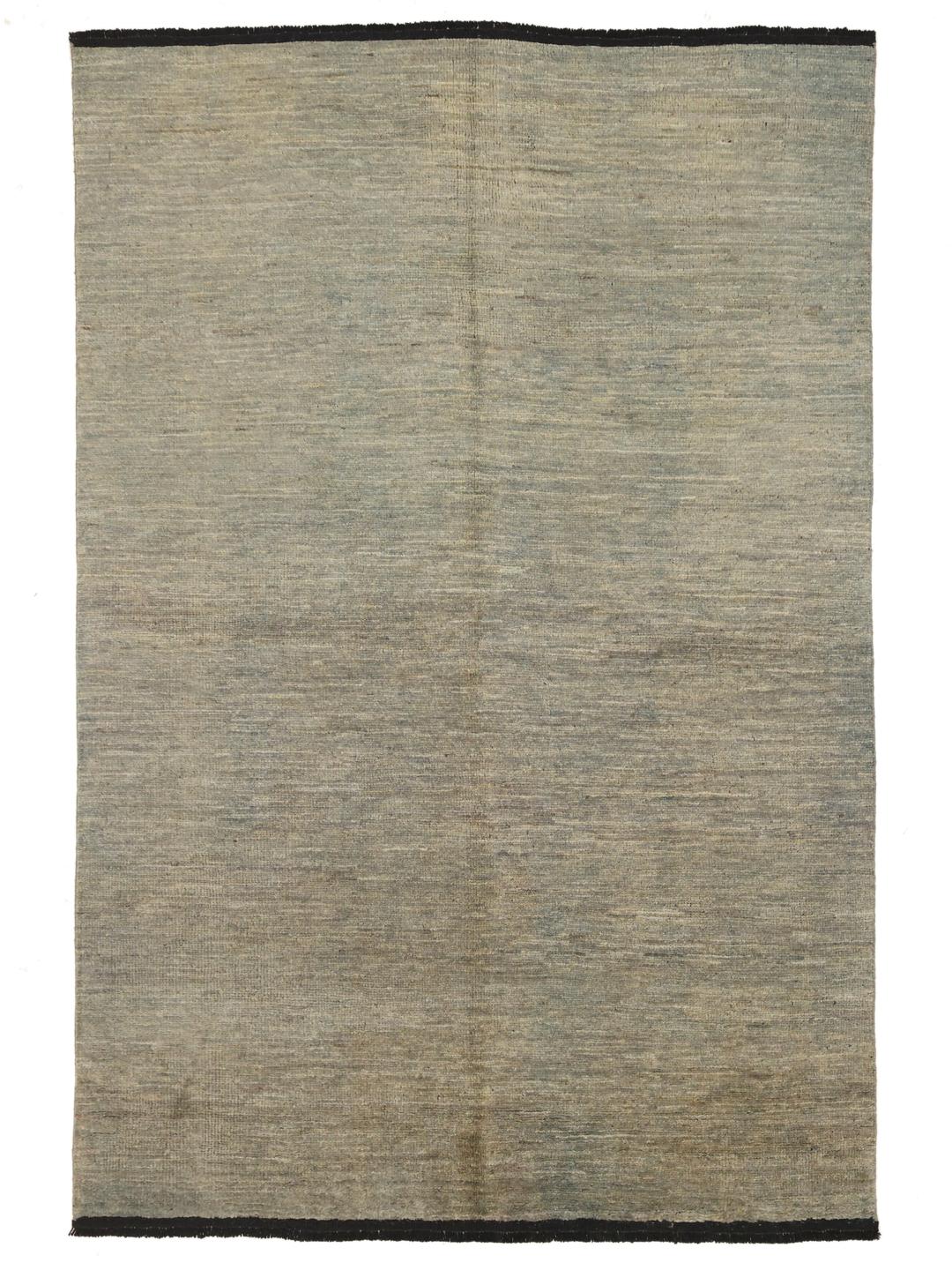
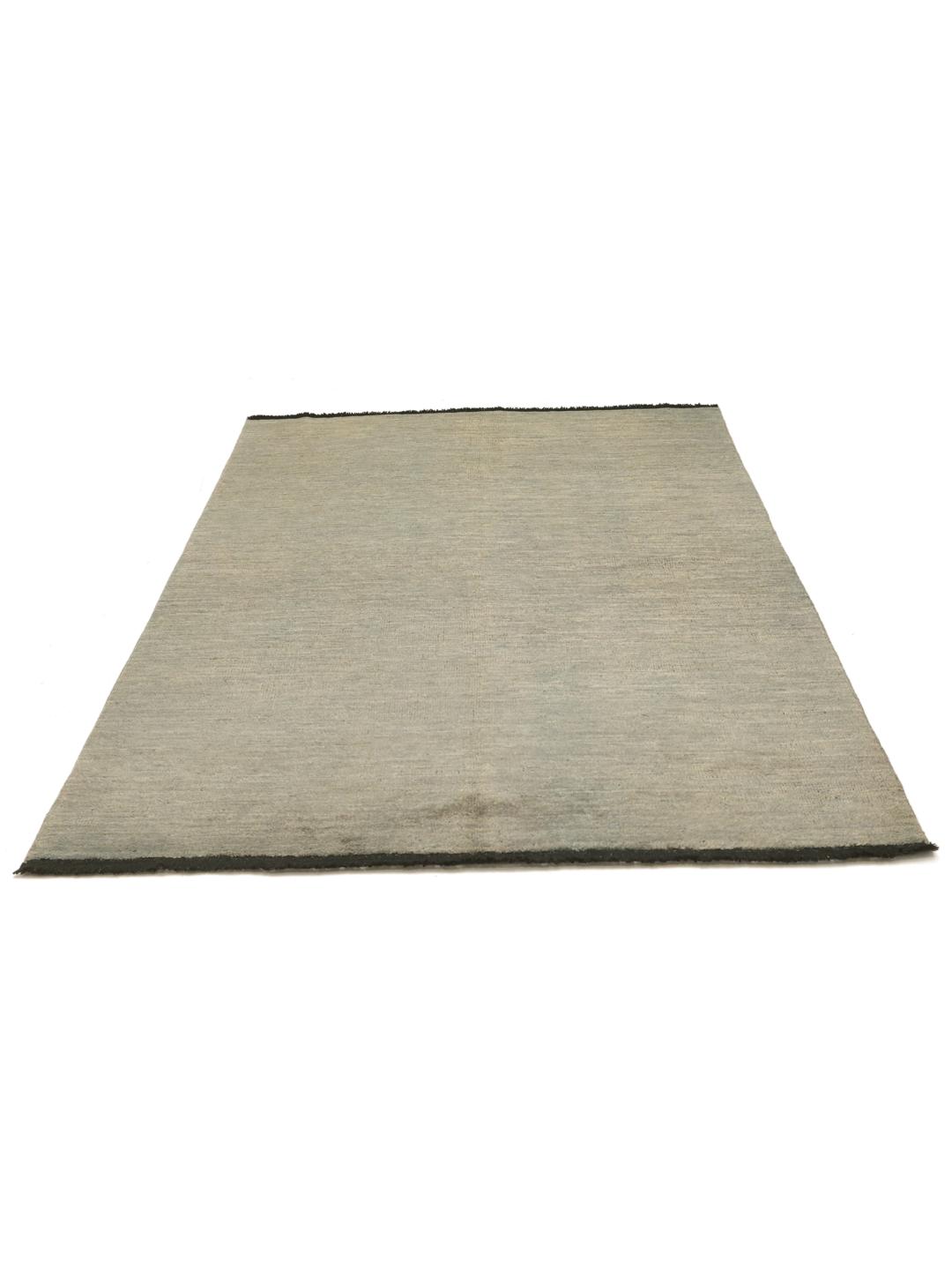
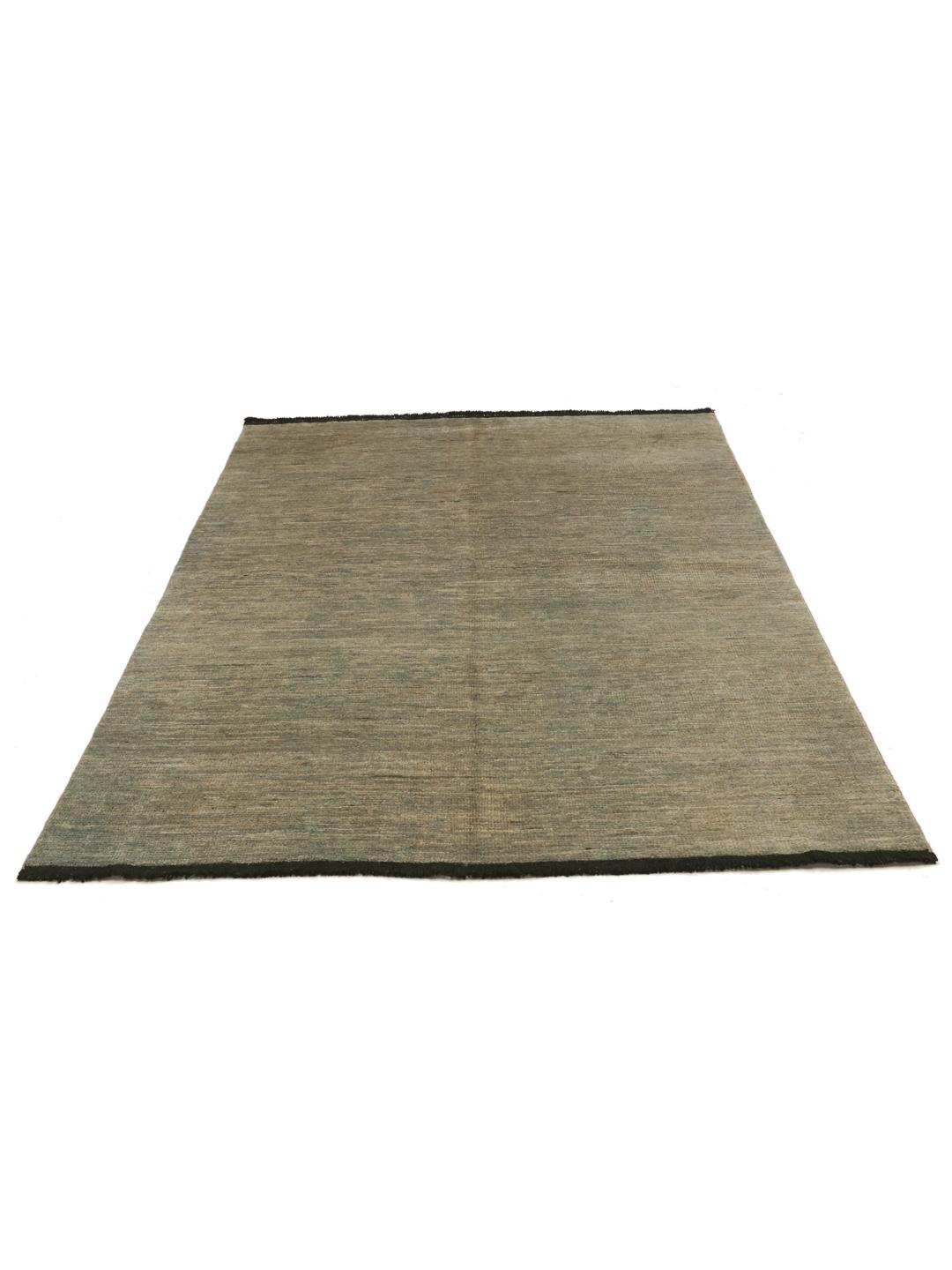
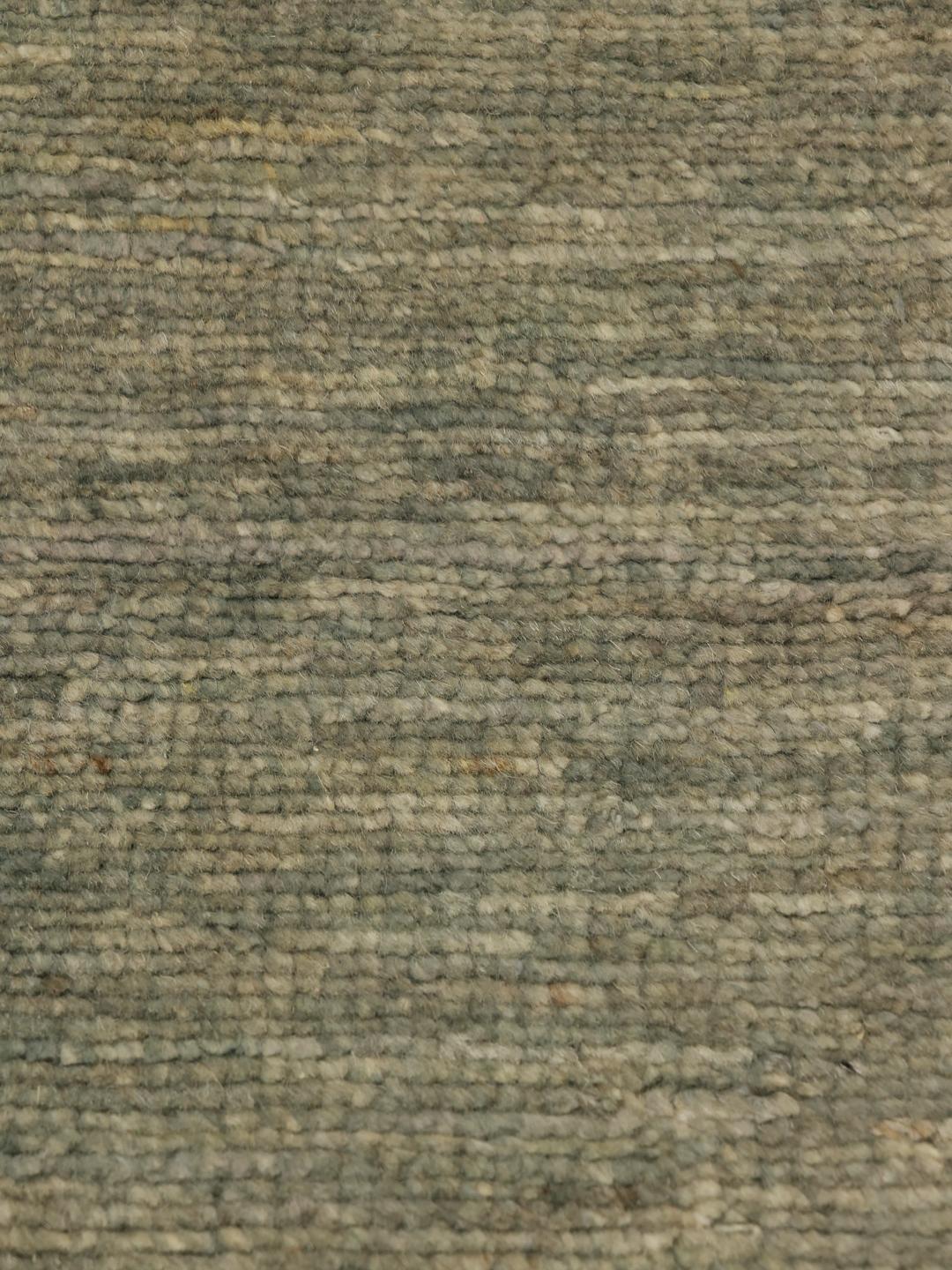
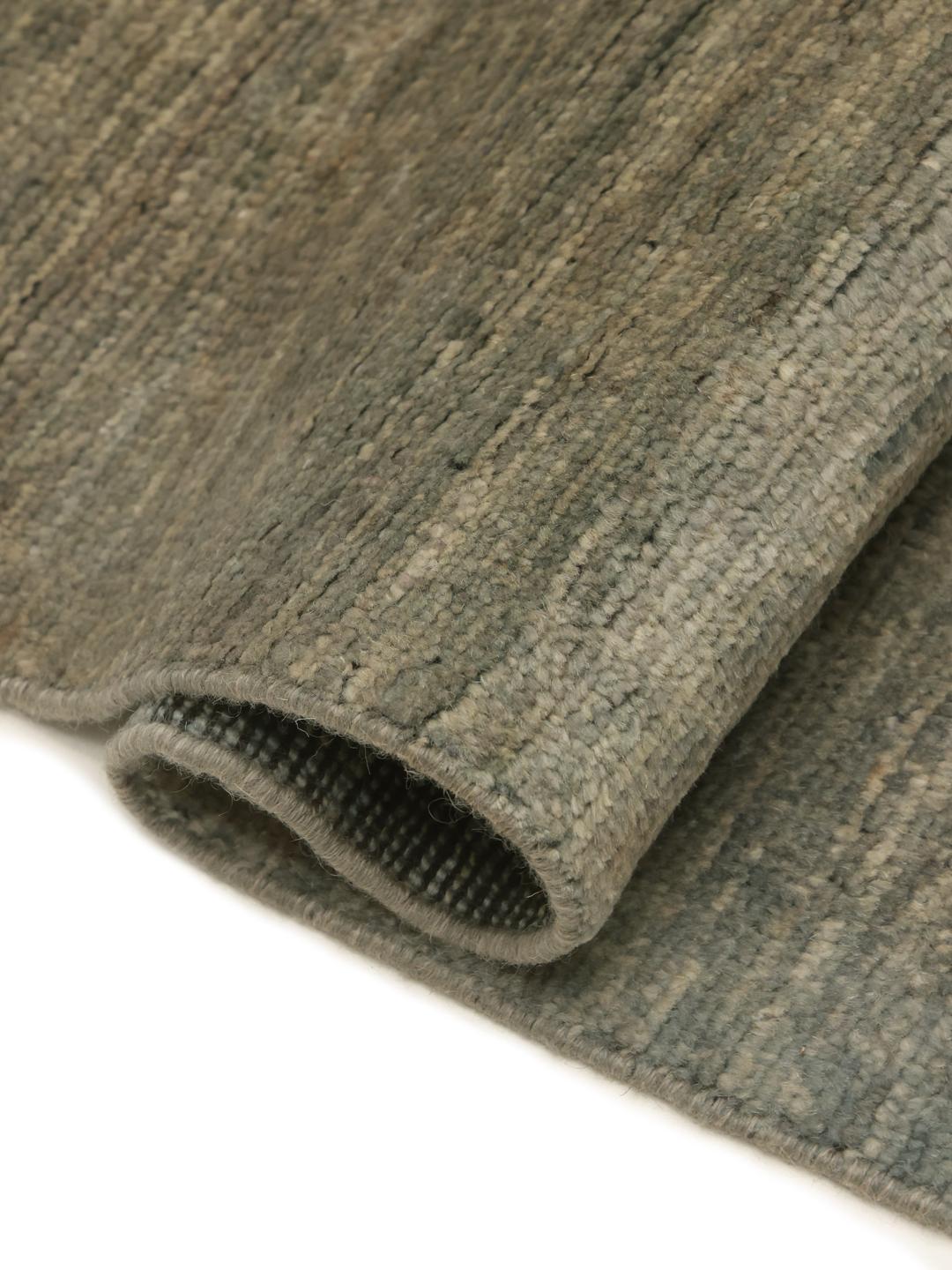
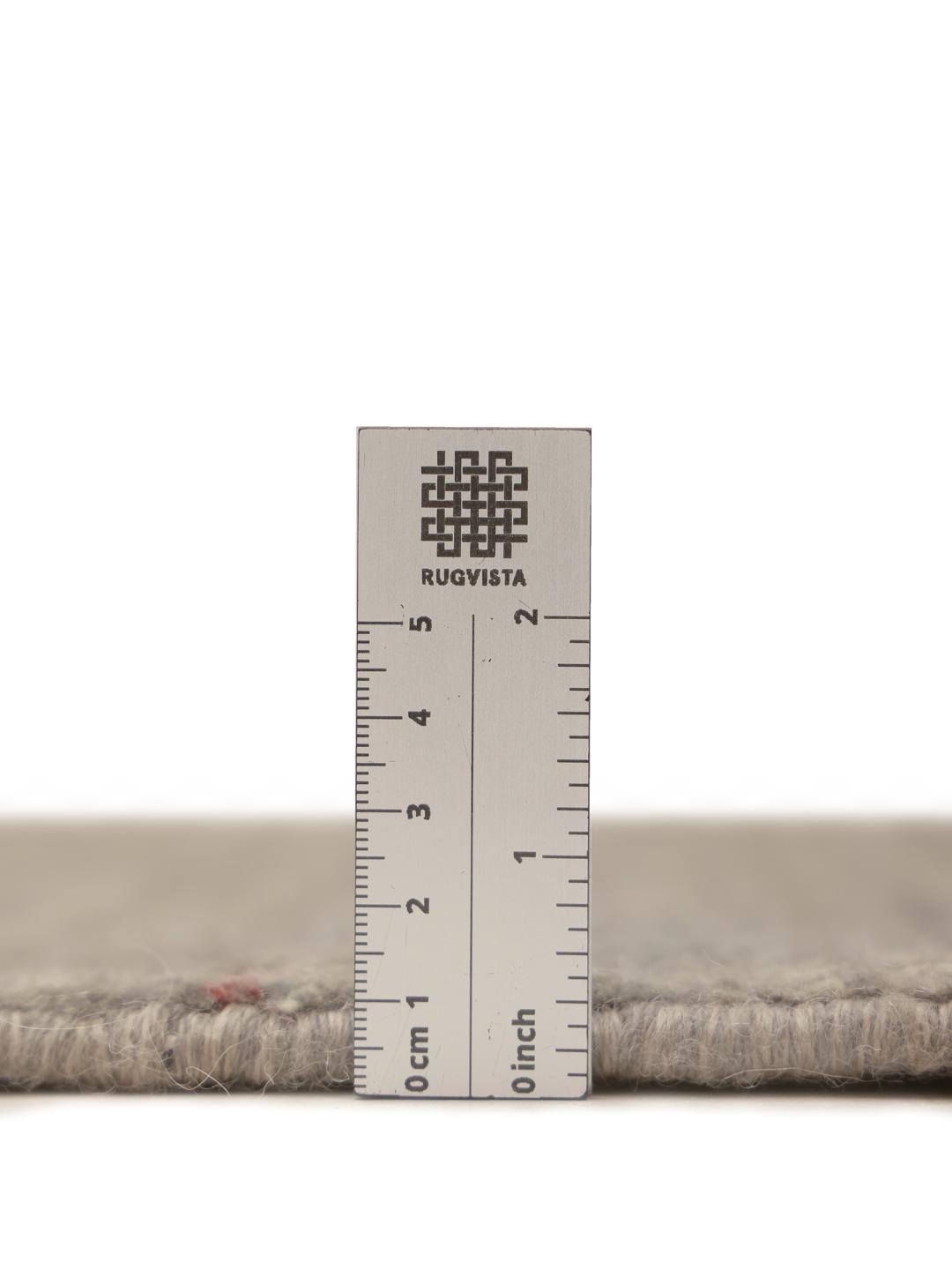
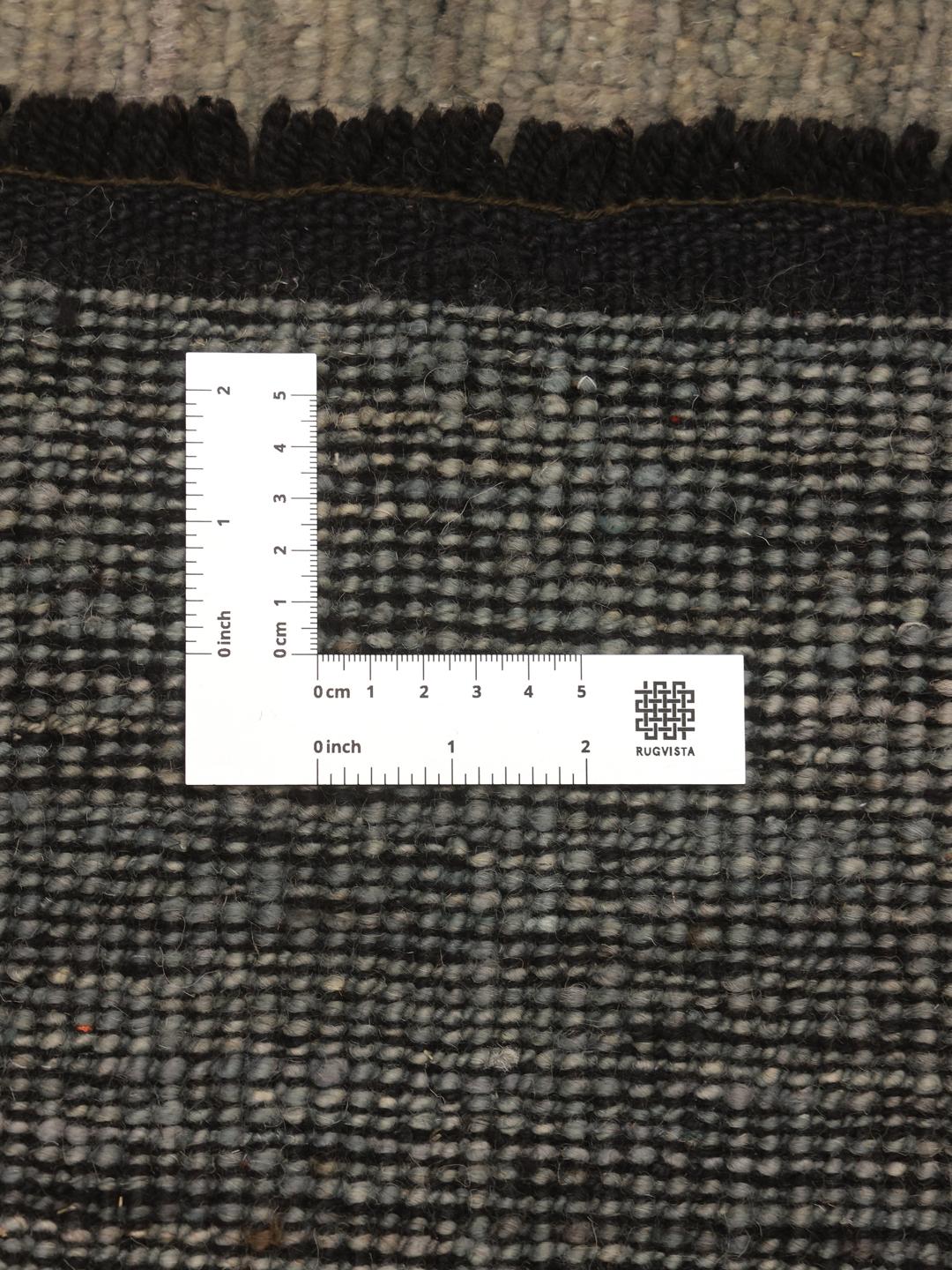
Gabbeh rugs have a long and storied history within the nomadic tribes of the Middle East, primarily known for their thick, plush piles and simplified, artistic designs. Traditionally, these rugs were woven for personal use rather than for trade, meaning the weavers were free to express their creativity without the constraints of rigid, formal patterns.
The term 'Gabbeh' itself translates to 'raw,' 'natural,' or 'unfinished,' which beautifully captures the essence of these pieces. Unlike formal city rugs that rely on complex geometric calculations, Gabbeh rugs are celebrated for their spontaneous, often abstract designs that reflect the surrounding landscape and the weaver's own experiences.
In terms of design, these rugs are defined by their open fields and restrained use of motifs. While older, traditional versions often feature bold, vibrant colours derived from natural plant dyes, modern interpretations like this one lean into more subtle, tonal palettes. This evolution allows the rug to fit perfectly into contemporary homes while still honouring the deep-seated tradition of hand-knotting.
Today, owning a Gabbeh rug is a testament to the appreciation of human skill and heritage. These rugs are highly valued by collectors and homeowners alike for their authenticity and the way they soften a space. By bringing one into your home, you are connecting with a centuries-old tradition that prioritises soul, warmth, and the beauty of the handmade.