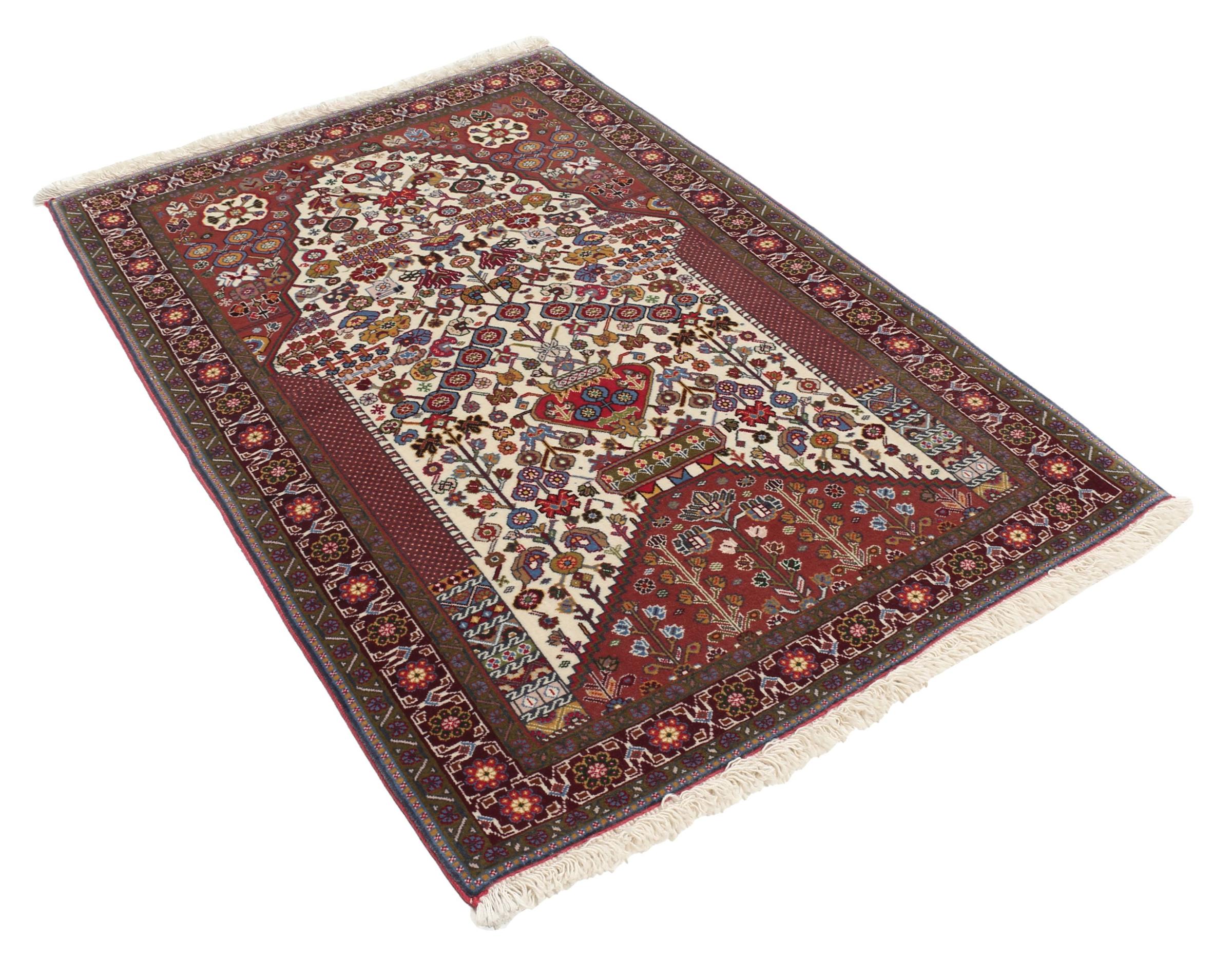
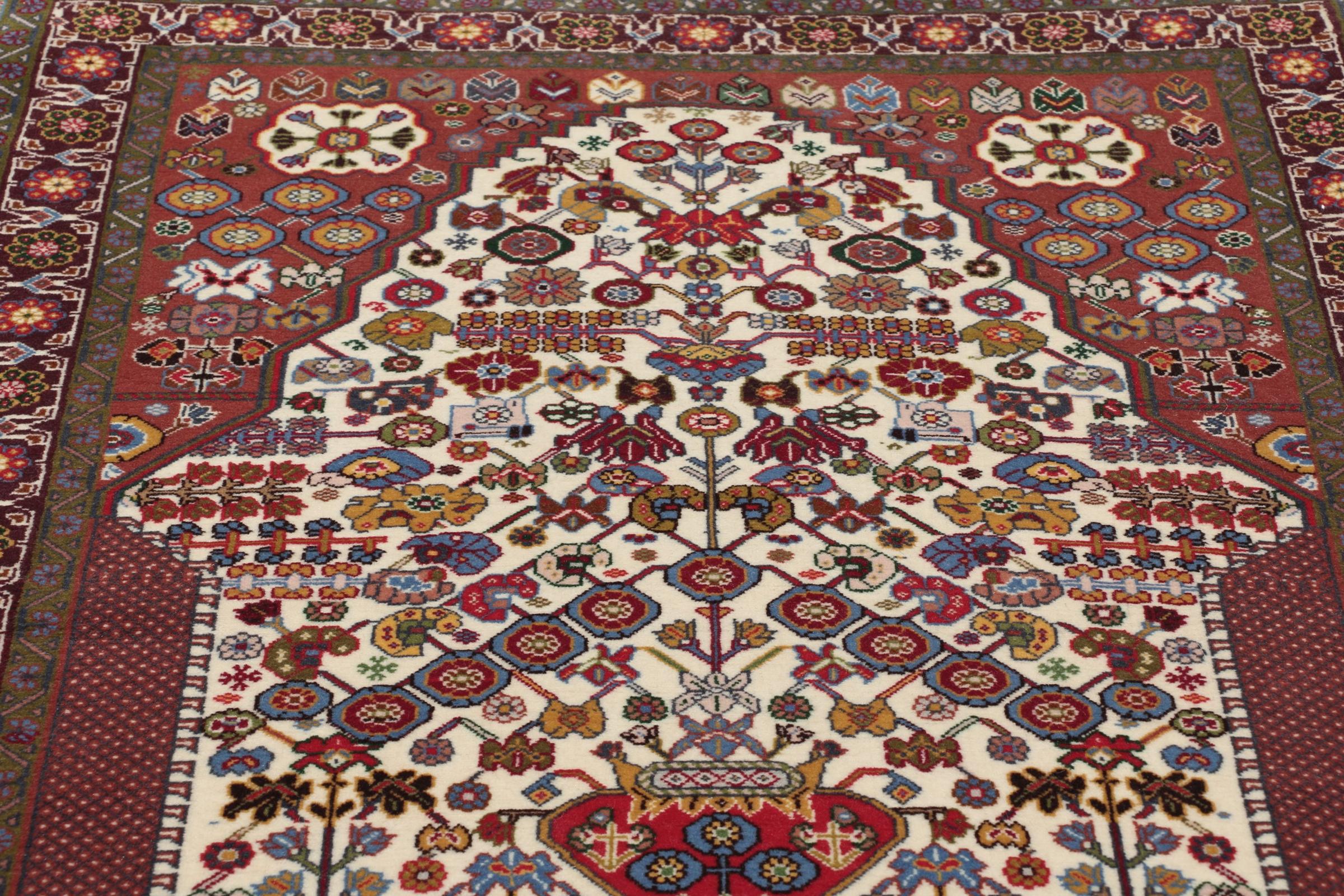
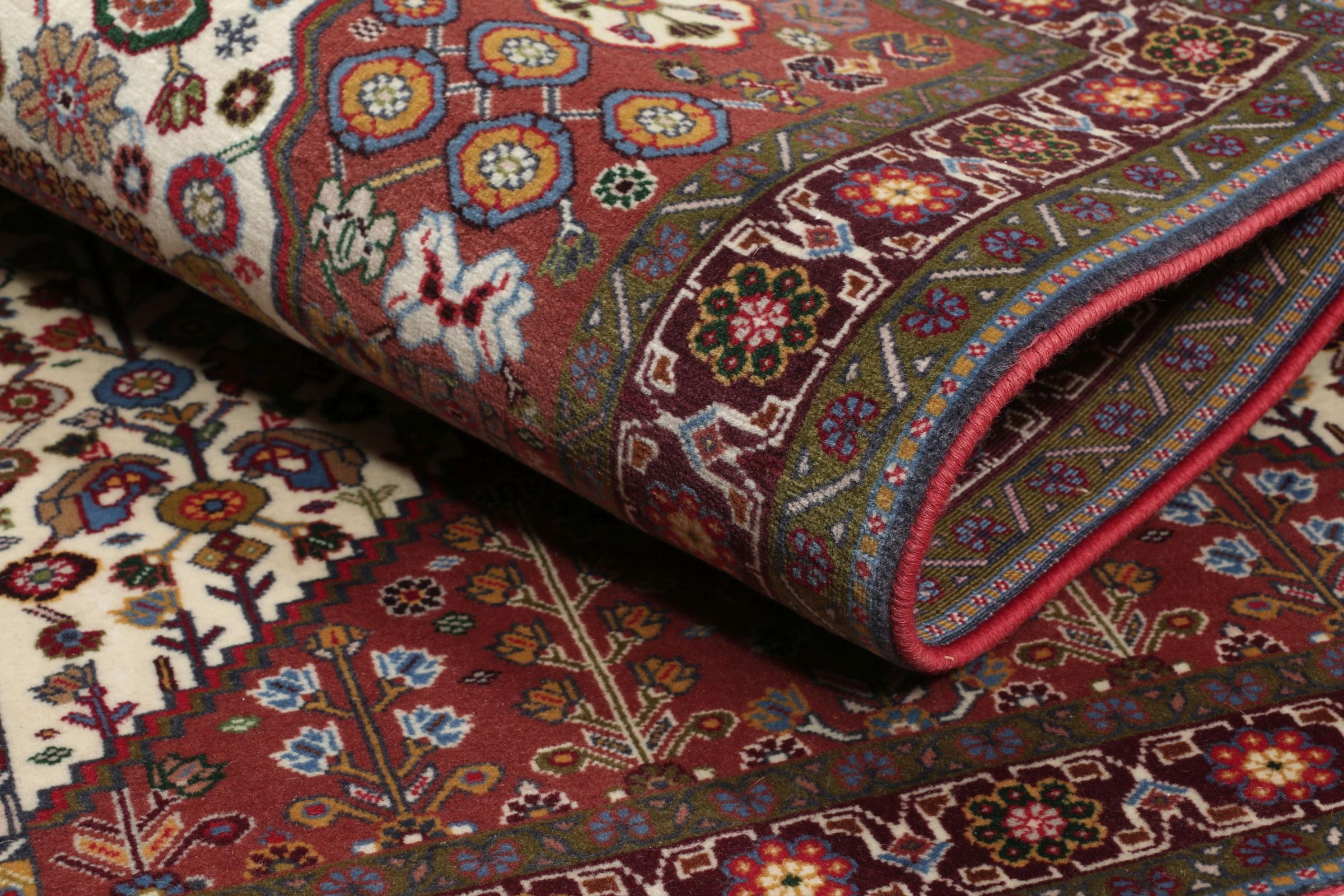
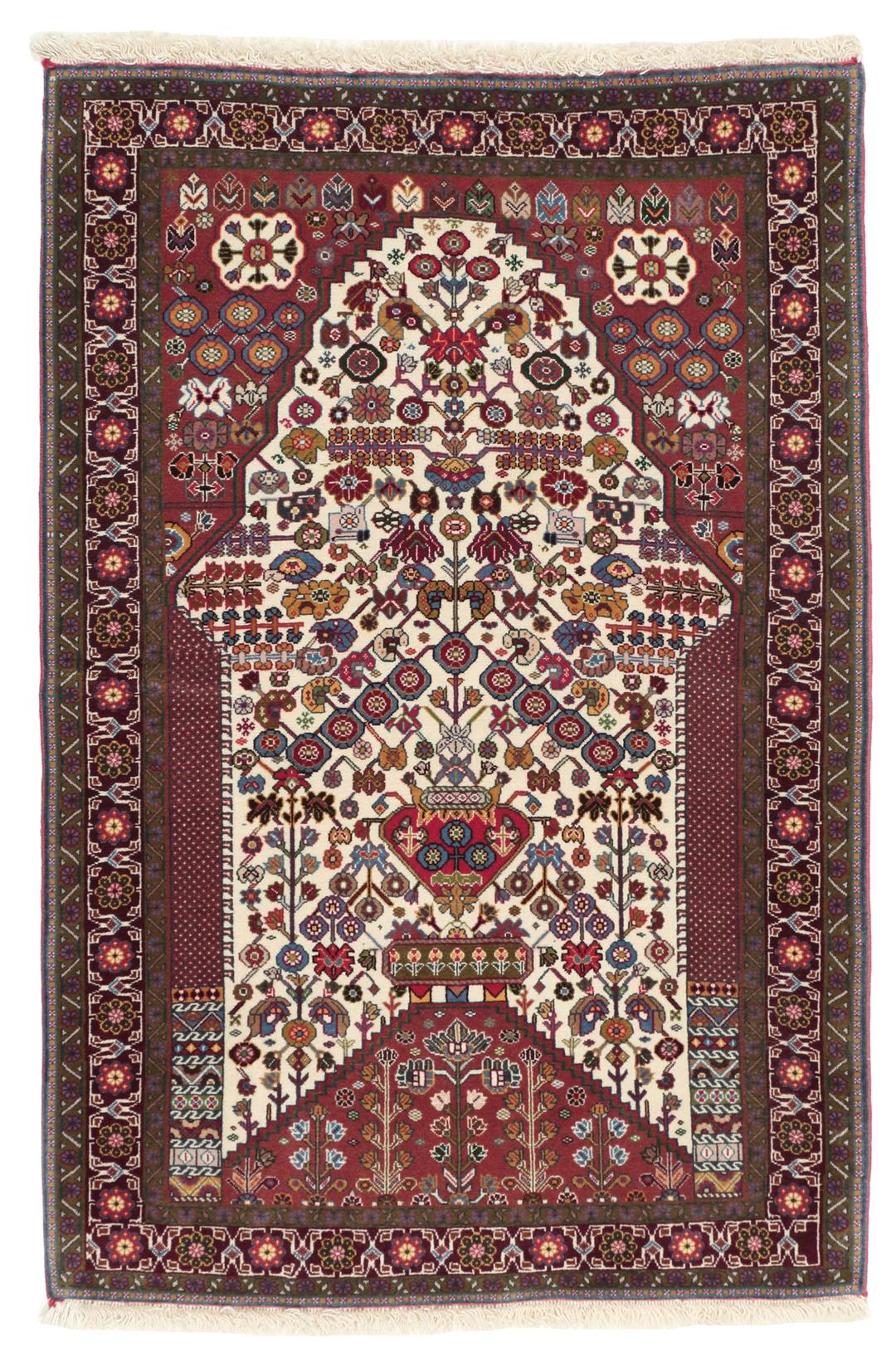
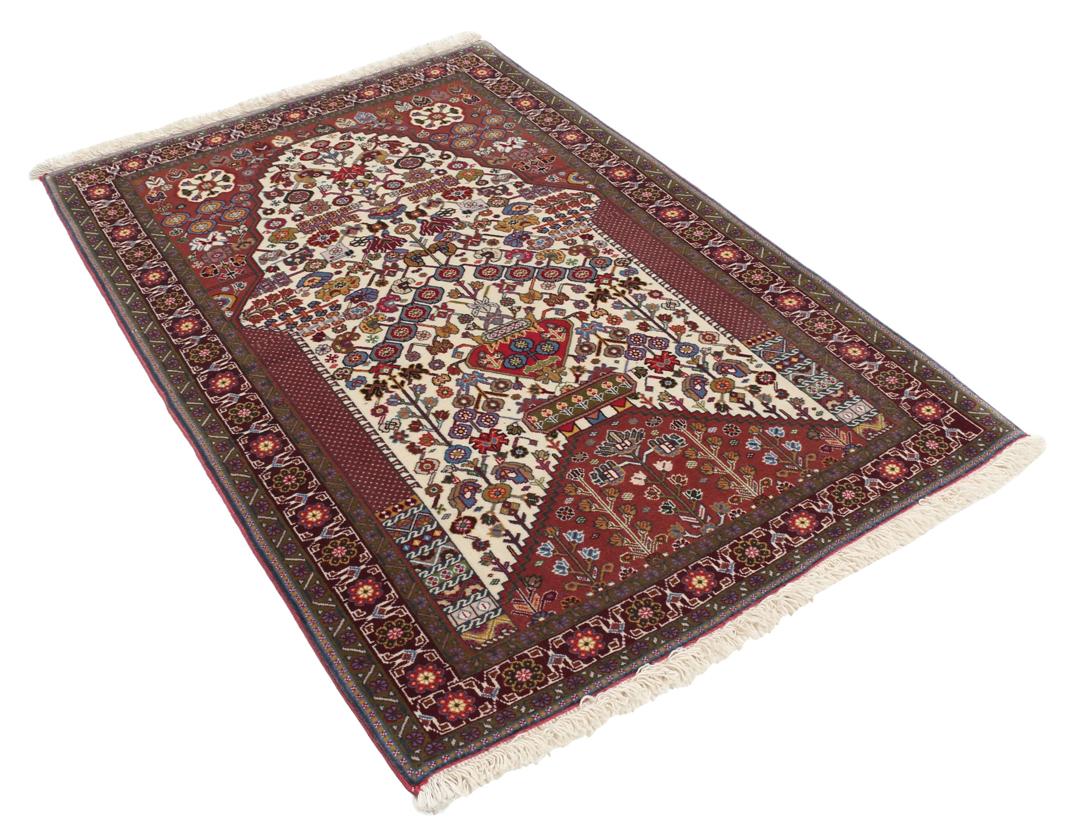
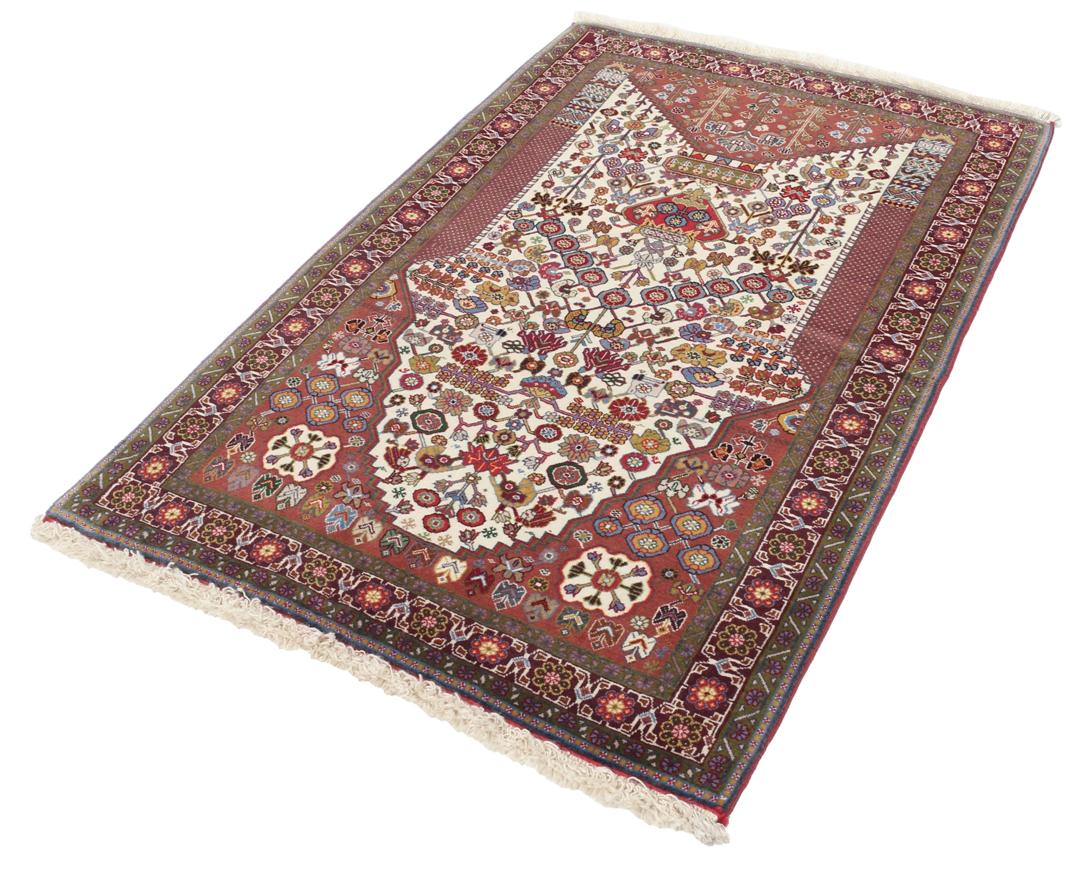
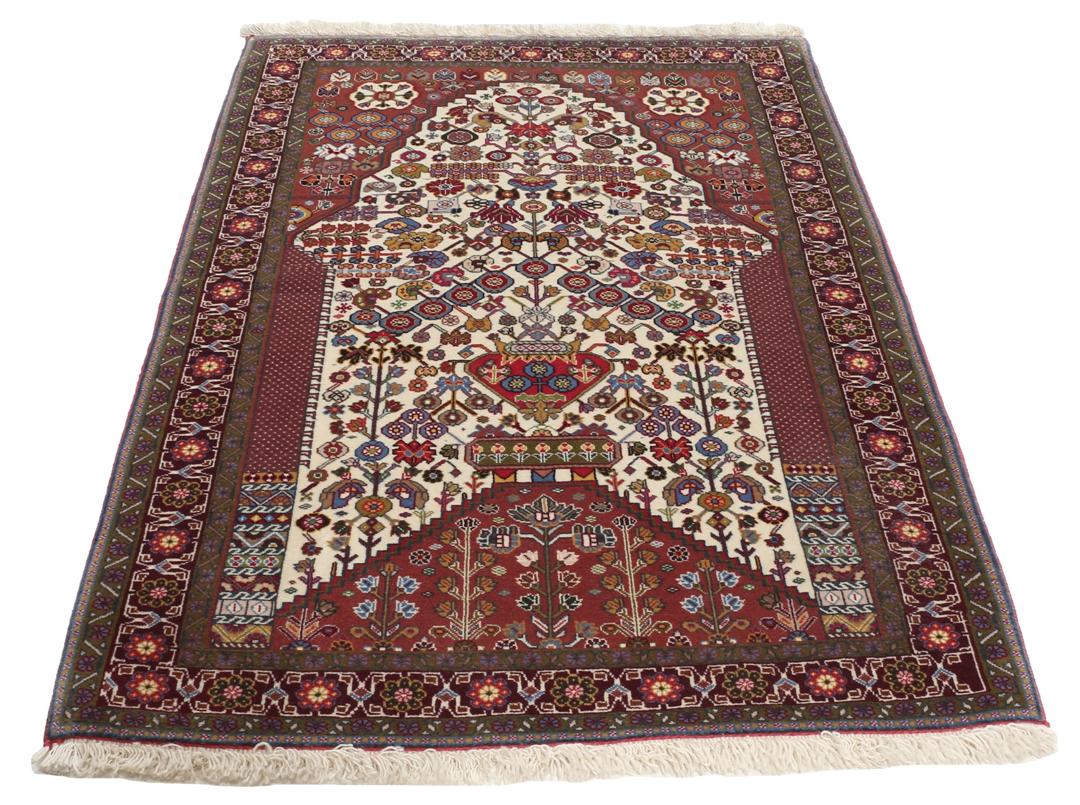
Gabbeh rugs have long been associated with the nomadic tribes of the Middle East, particularly the Qashqai people. Originally created for practical use within tents to provide warmth against the cold ground, these rugs were traditionally woven with simpler, more primitive designs that reflected the weaver's personal environment and daily life.
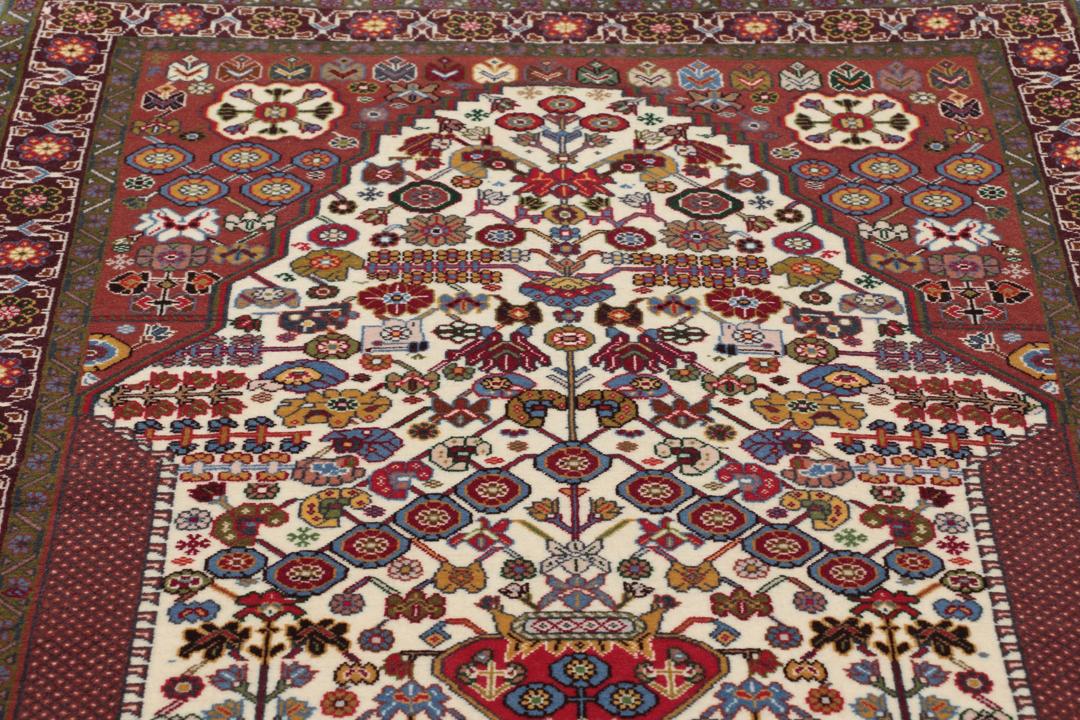
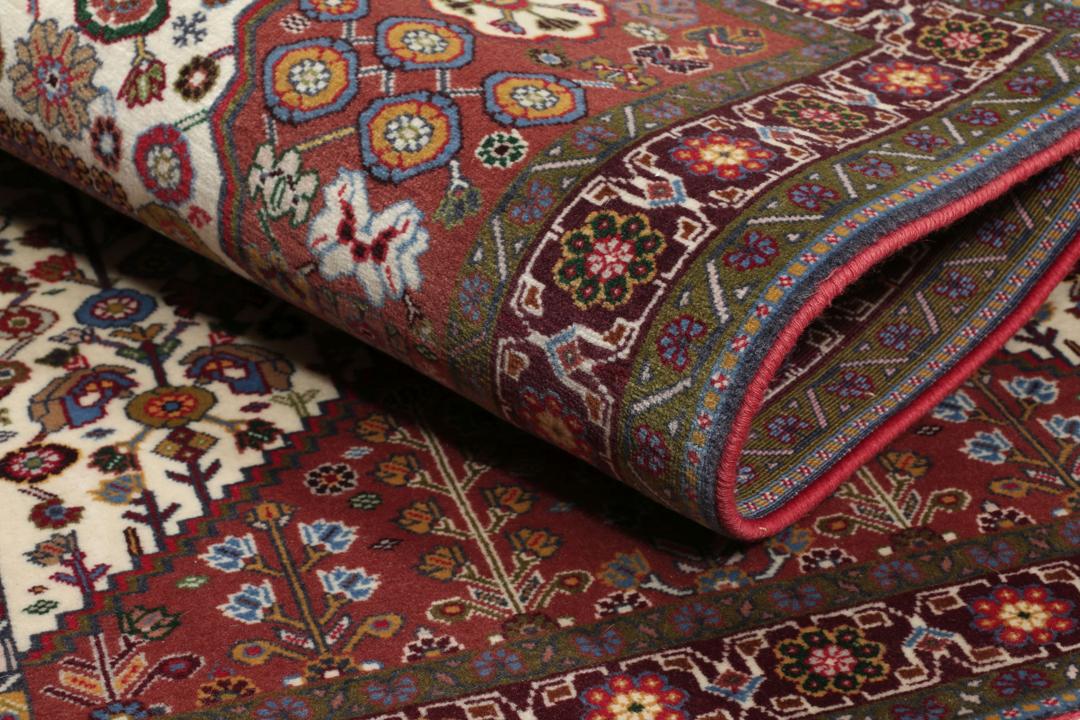
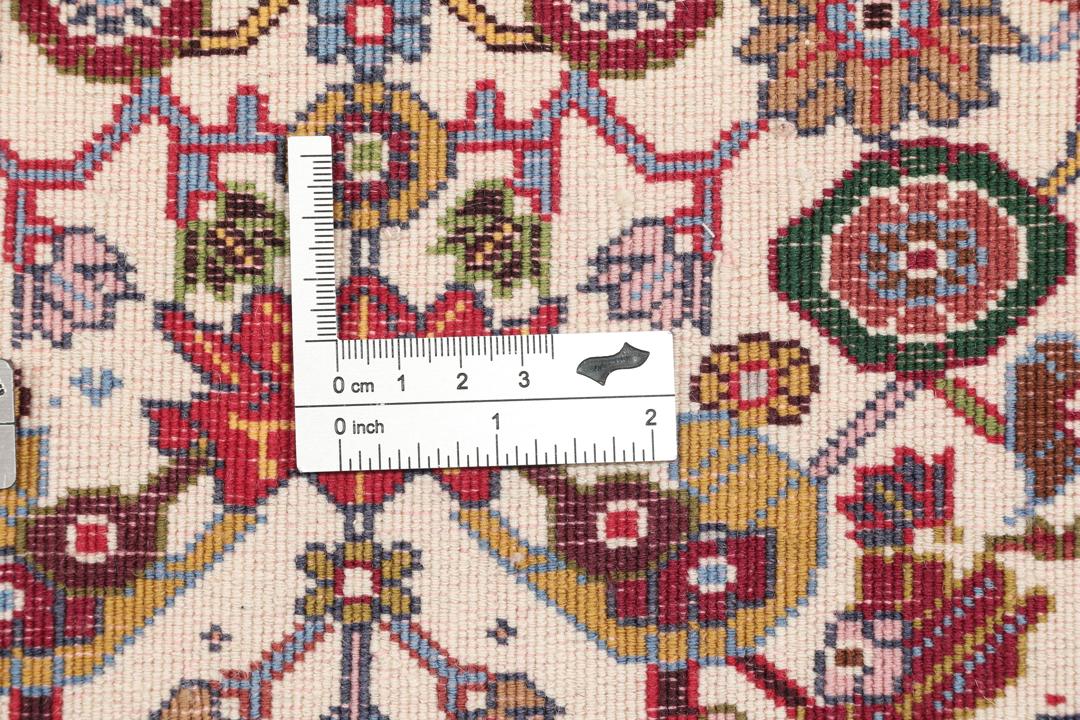
The term 'Kashkooli' refers to a specific, more refined style of Gabbeh that emerged as these weavers began to incorporate more sophisticated patterns and higher knot densities. While traditional Gabbehs are often known for their minimalist, abstract aesthetic, the Kashkooli variety represents a bridge between rustic nomadism and more formal, detailed artistry.
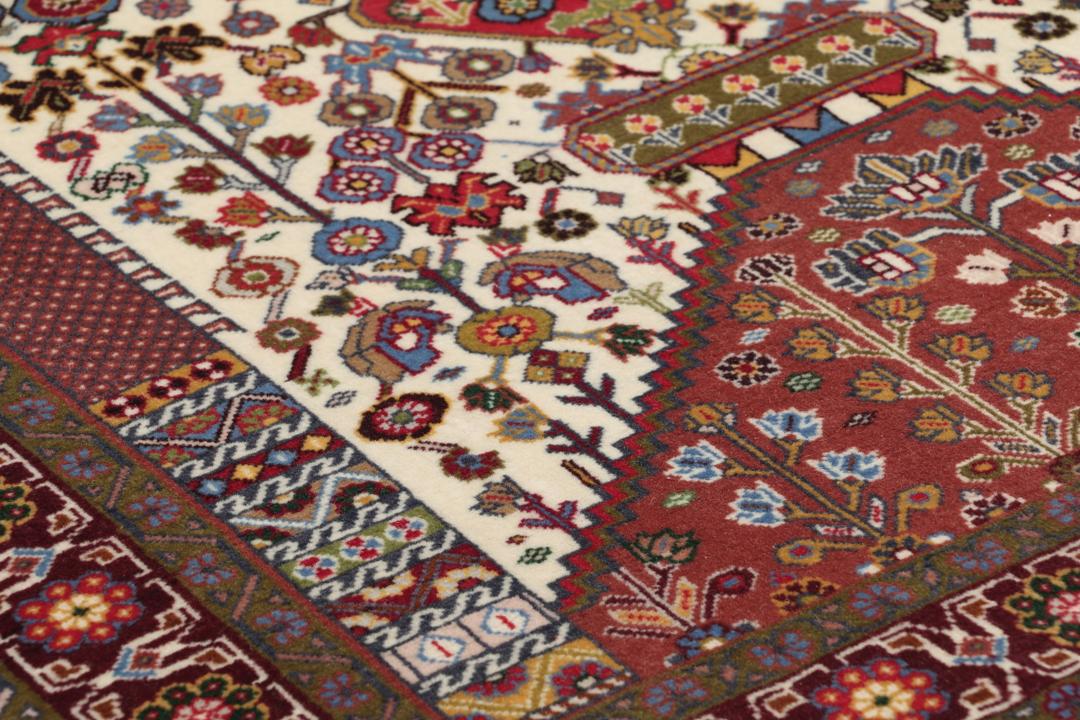
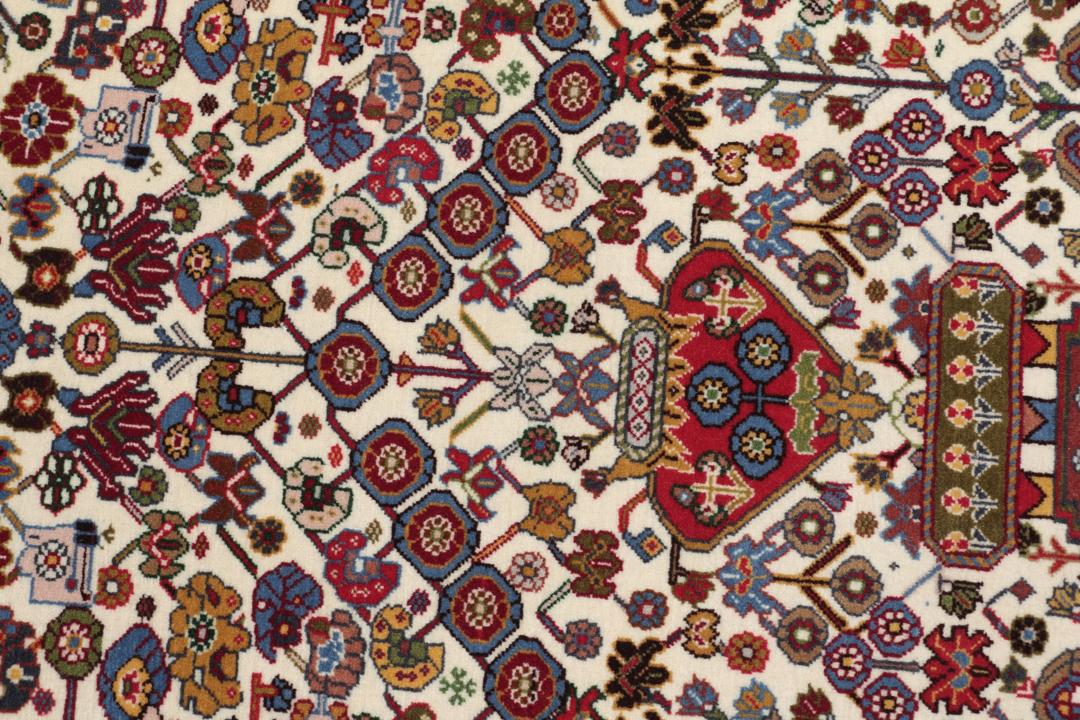
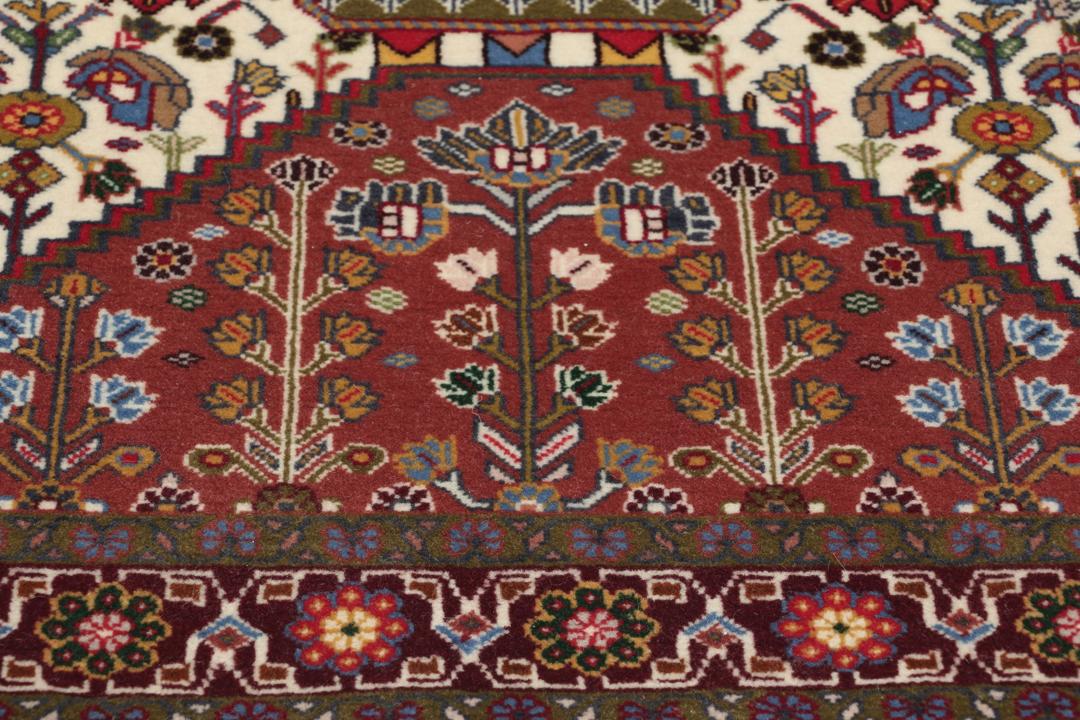
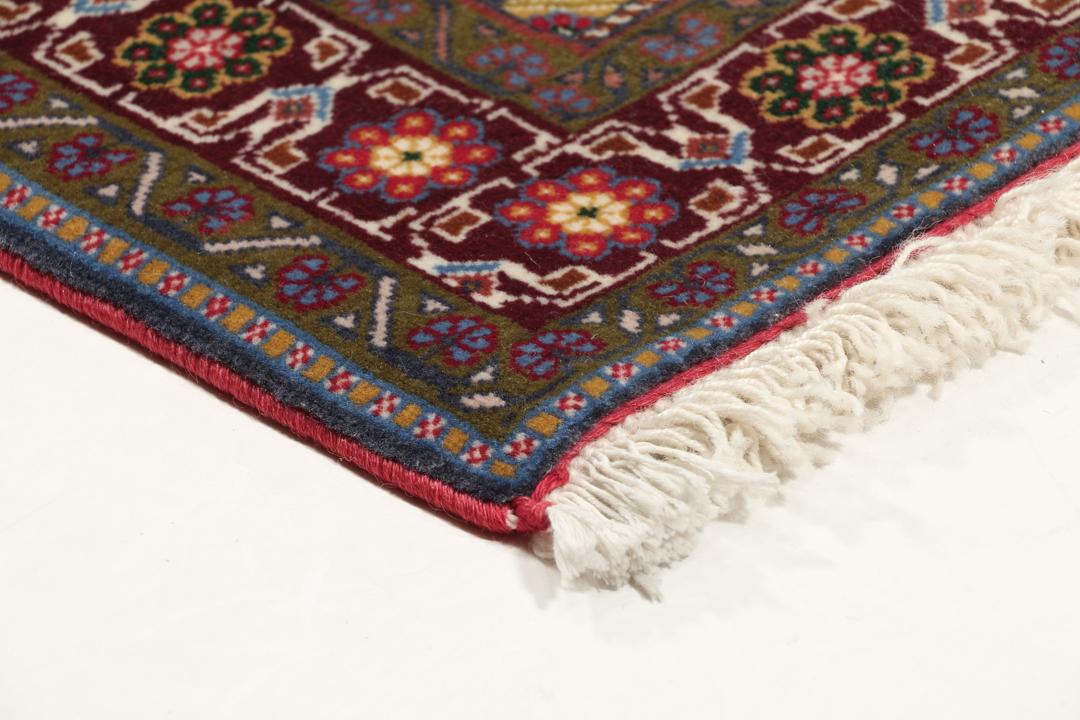
Design elements in a Kashkooli often include stylized floral motifs, trees of life, and geometric medallions that carry deep cultural significance. The use of vibrant, natural dyes and symbolic imagery allows each rug to tell a unique story, with the weaver often improvising the pattern as they go, ensuring that no two pieces are ever identical.
Collectors value these rugs for their authenticity and the window they provide into a vanishing way of life. Owning a Gabbeh Kashkooli means preserving a piece of heritage, celebrating the skill of the artisan, and bringing a sense of grounded, human-made beauty into a modern home.