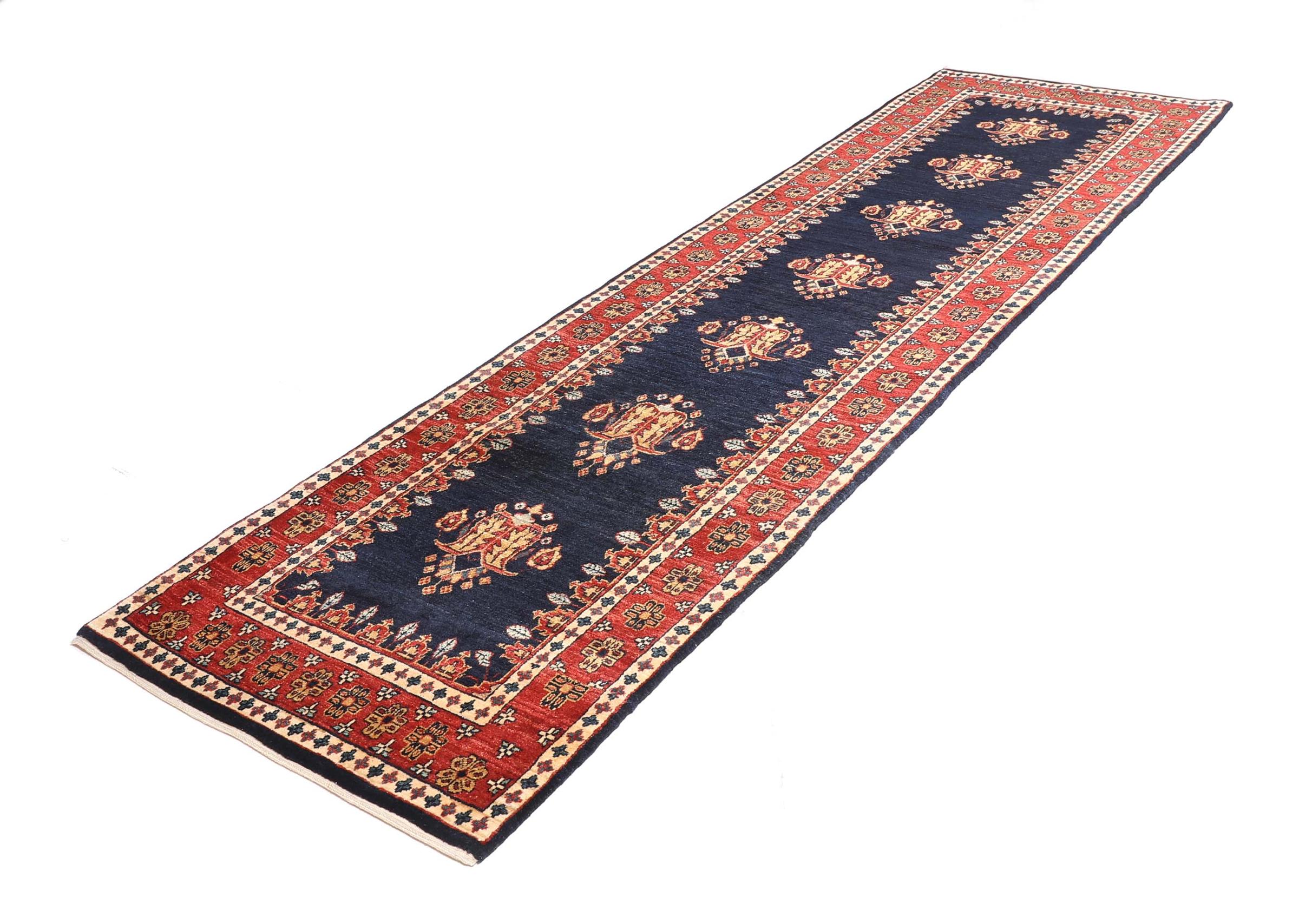
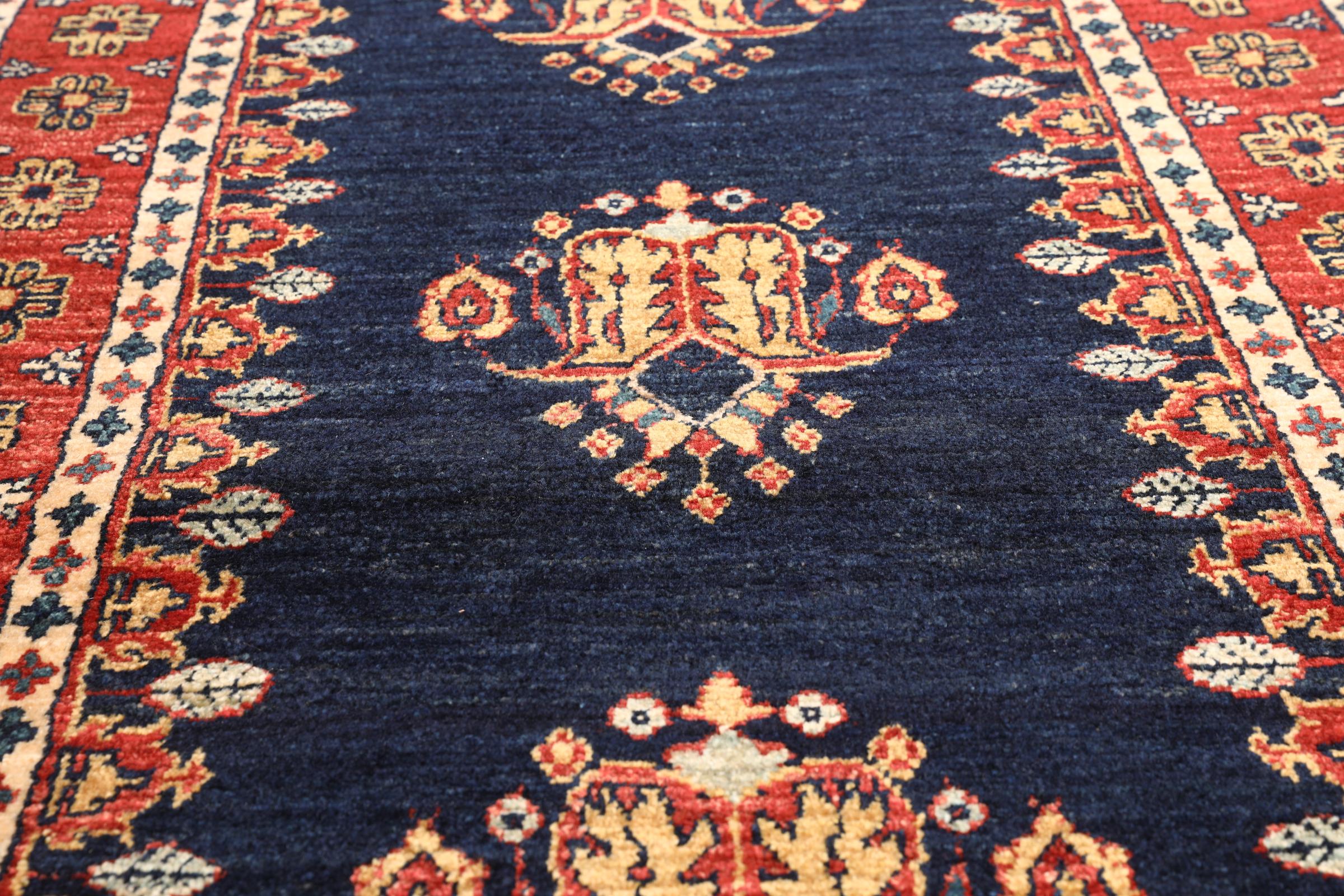
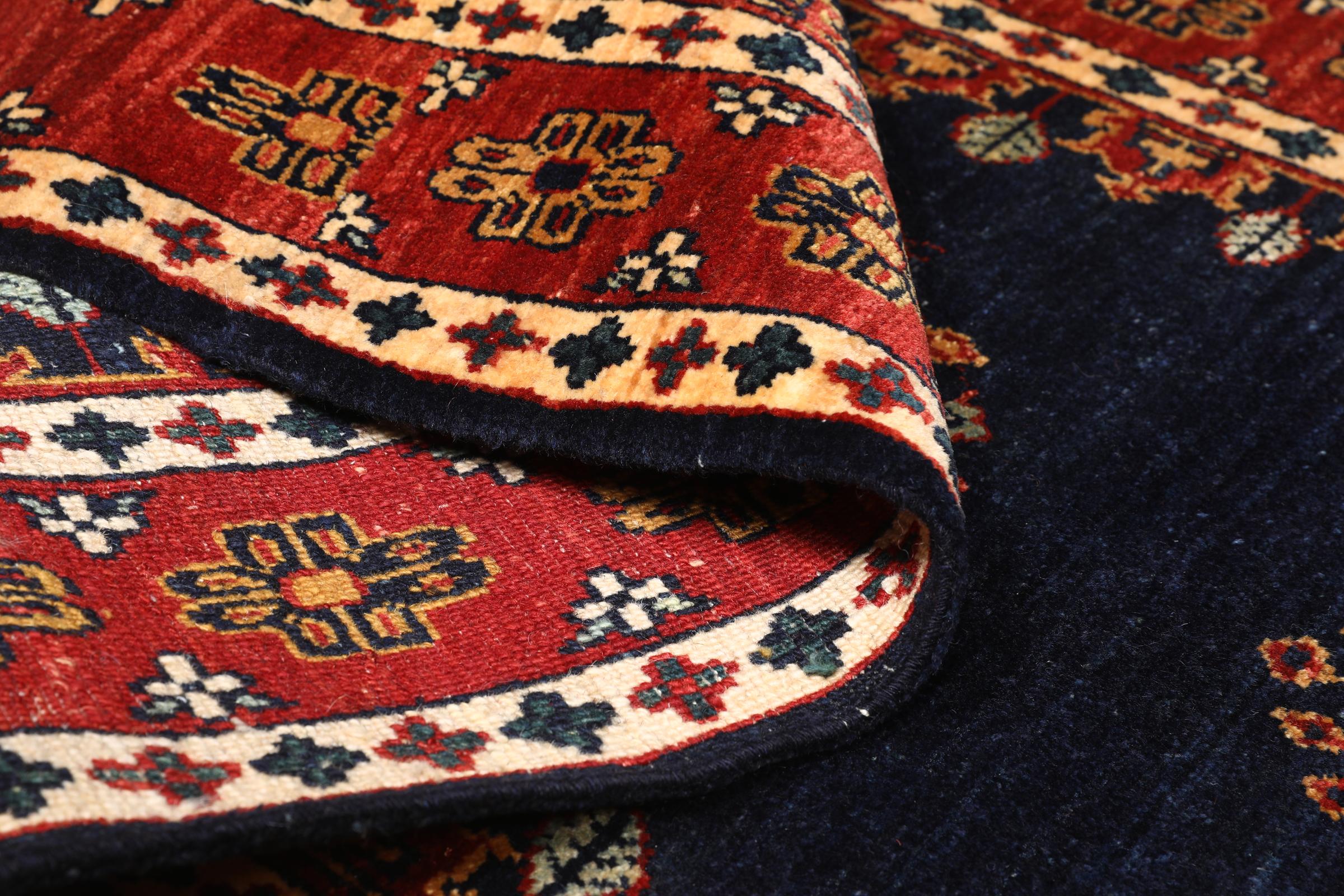
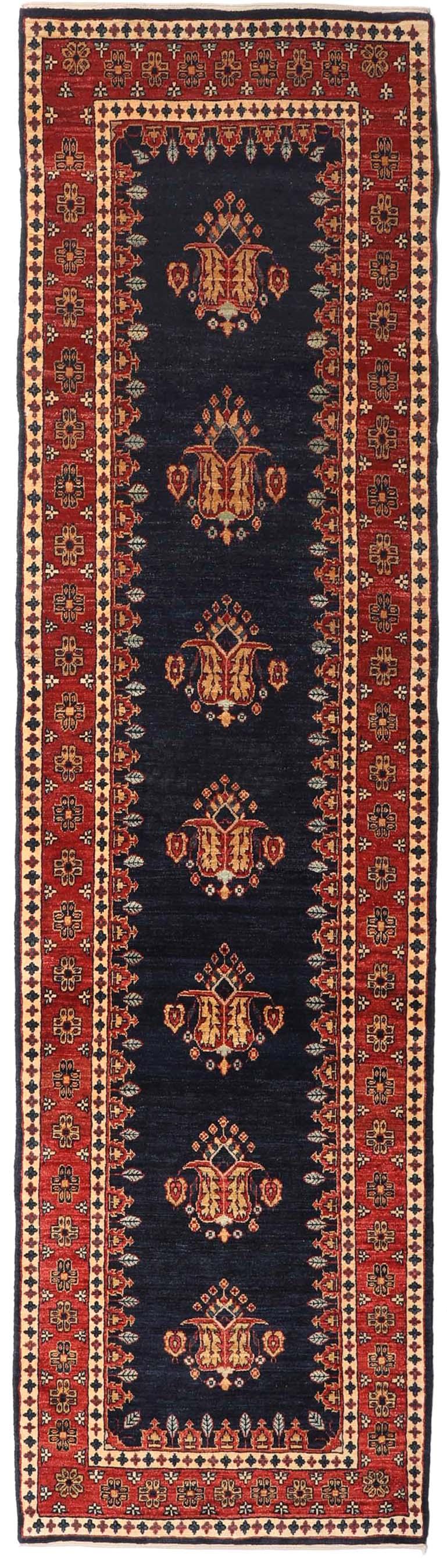
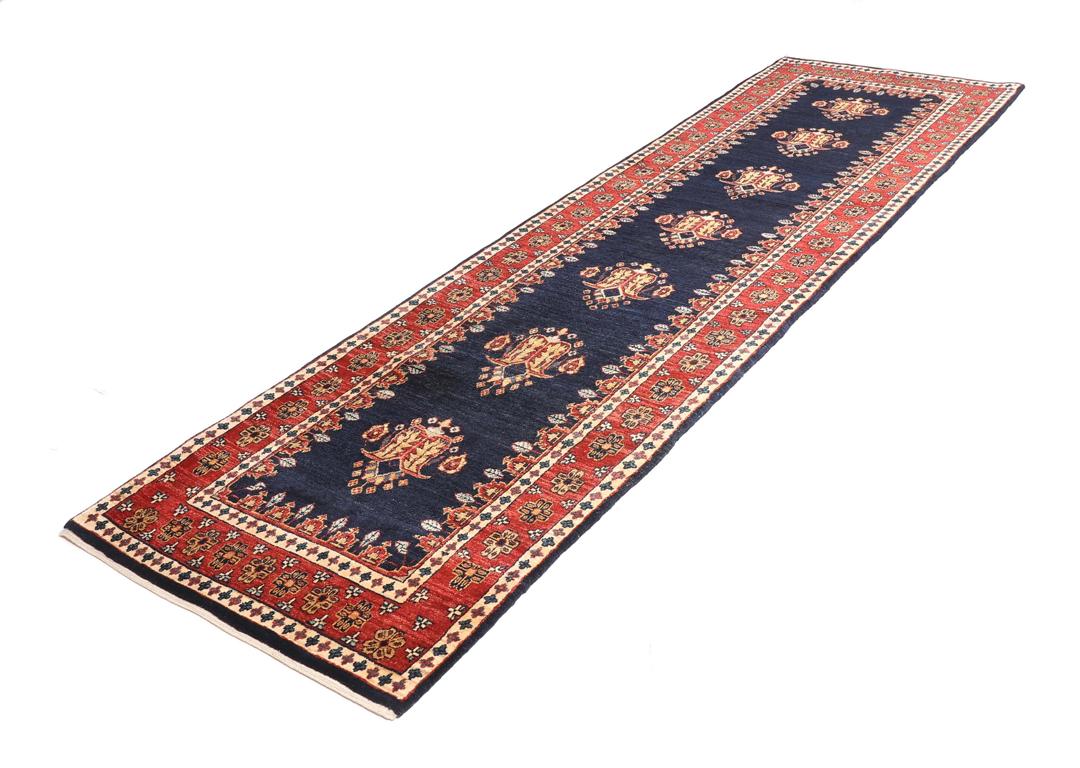
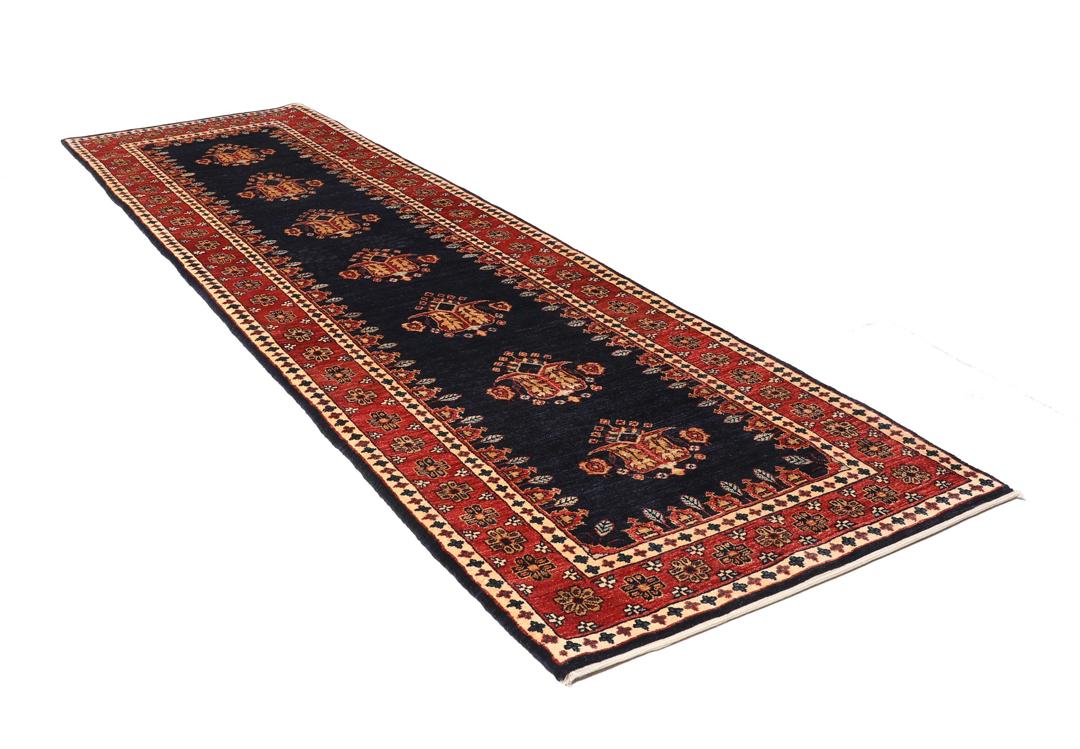
Gabbeh rugs have a long and storied history within the tribal traditions of the Middle East. Originally created by nomadic weavers for their own domestic use, these rugs were designed to provide warmth and comfort in harsh environments. Unlike more formal carpets, they were crafted with a focus on simplicity and the creative expression of the weaver.
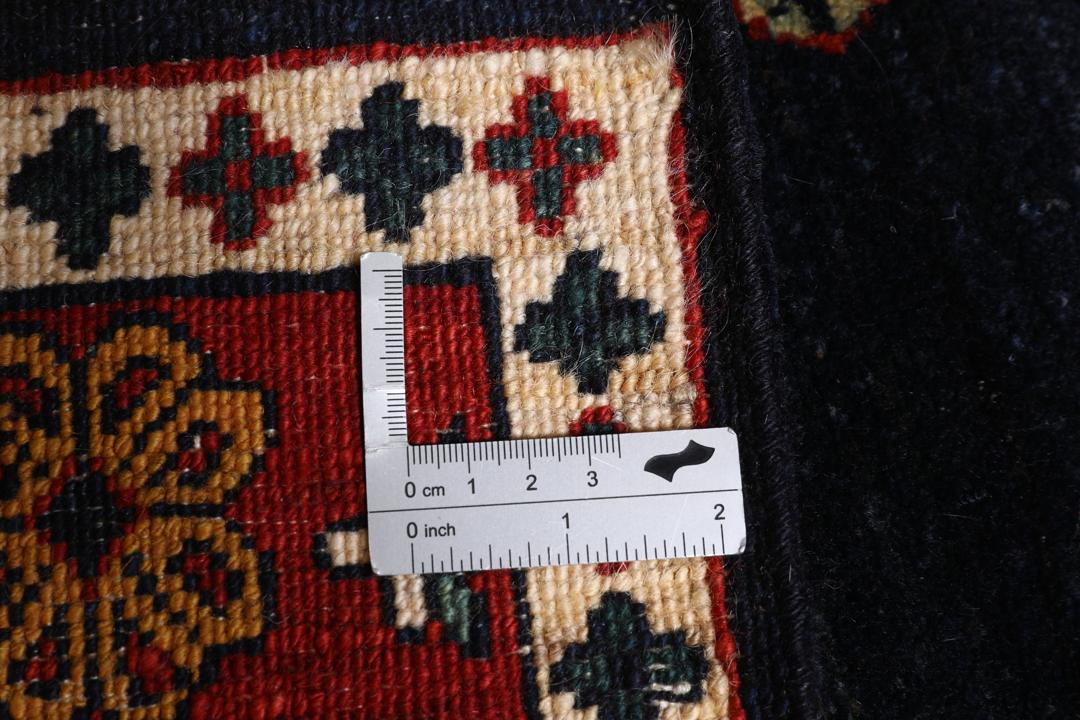
The term Kashkooli refers to a specific, finer grade of these rugs, known for having a slightly tighter weave and a more refined aesthetic compared to traditional, coarser Gabbeh styles. This evolution represents a transition from purely functional nomadic floor coverings to pieces that are highly prized for both their artistic merit and their superior wool quality.
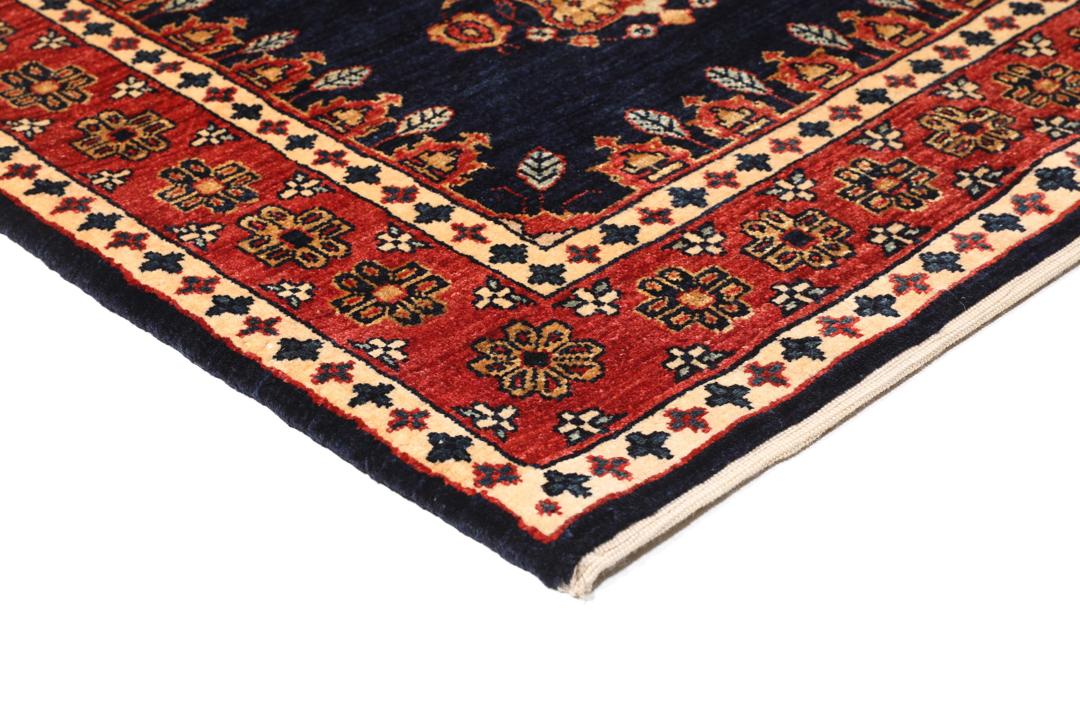
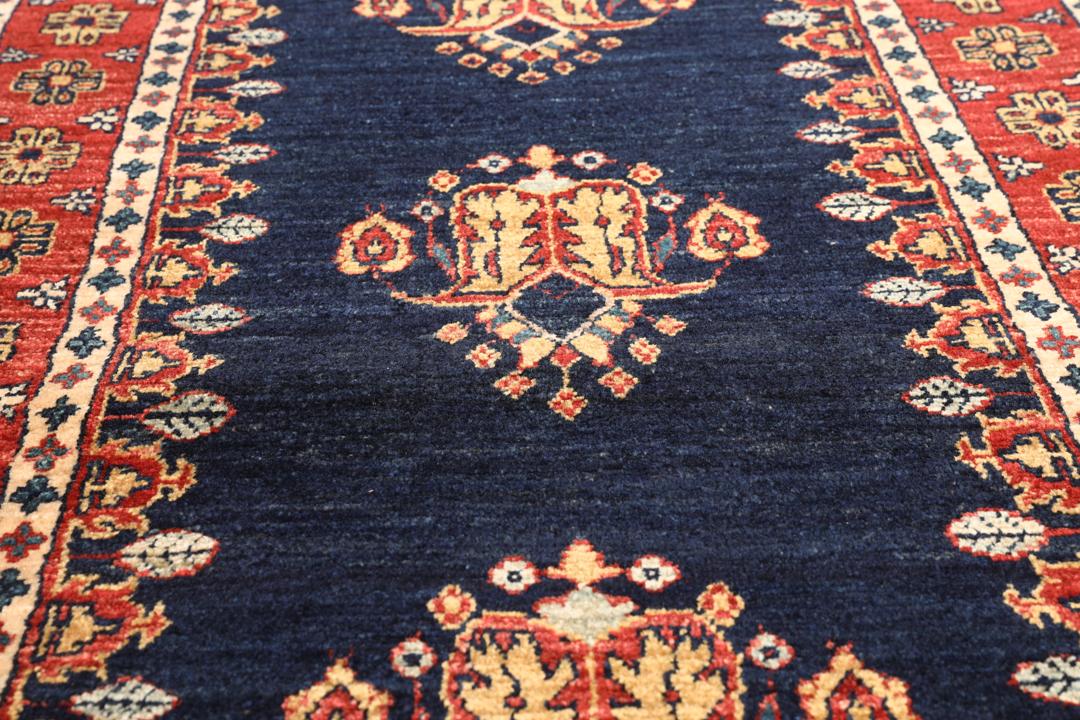
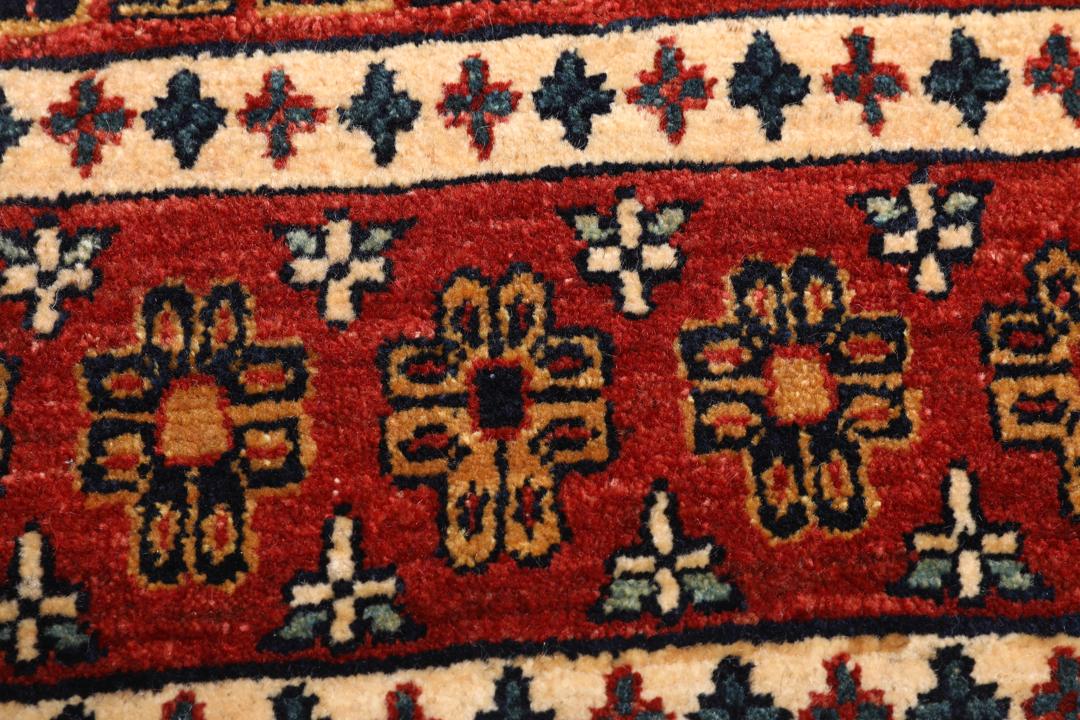
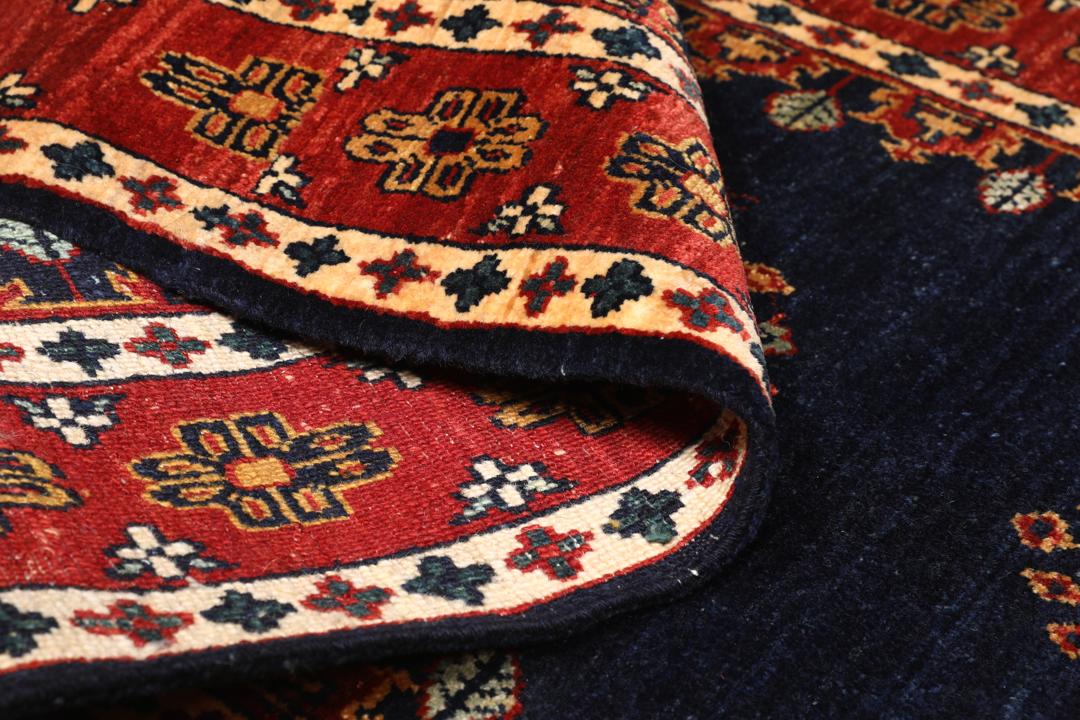
Visually, these rugs are often defined by their bold, simplified motifs and deep, rich colour palettes derived from natural dyes. While traditional Gabbeh rugs are celebrated for their abstract and sometimes whimsical designs, the Kashkooli variety often incorporates more structured, delicate floral or geometric elements within its borders and field.
Today, these rugs are collected for their authenticity and the deep connection they offer to ancient weaving cultures. Owning a piece from this tradition is an investment in human skill and cultural heritage, representing a bridge between the nomadic past and the modern home.