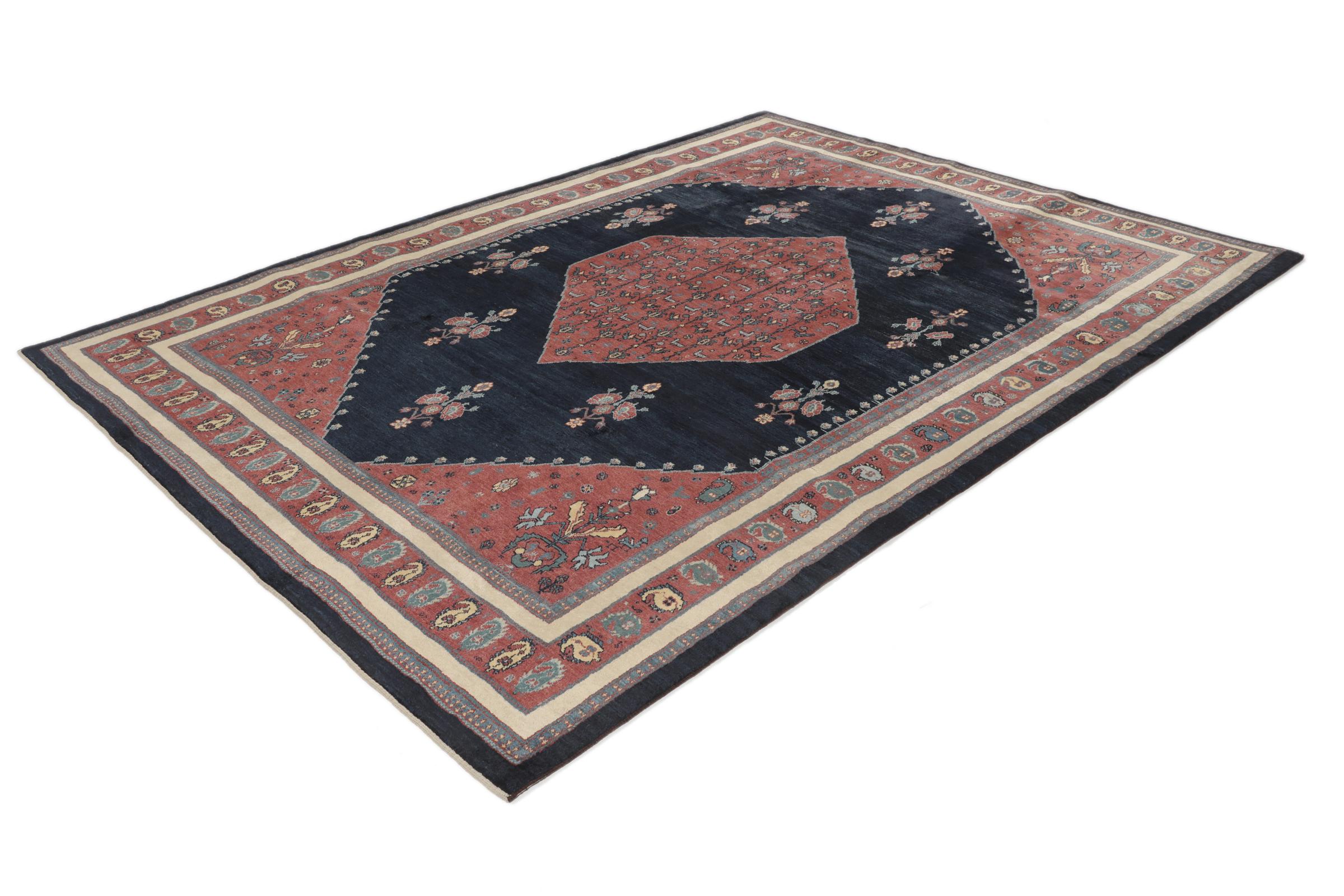
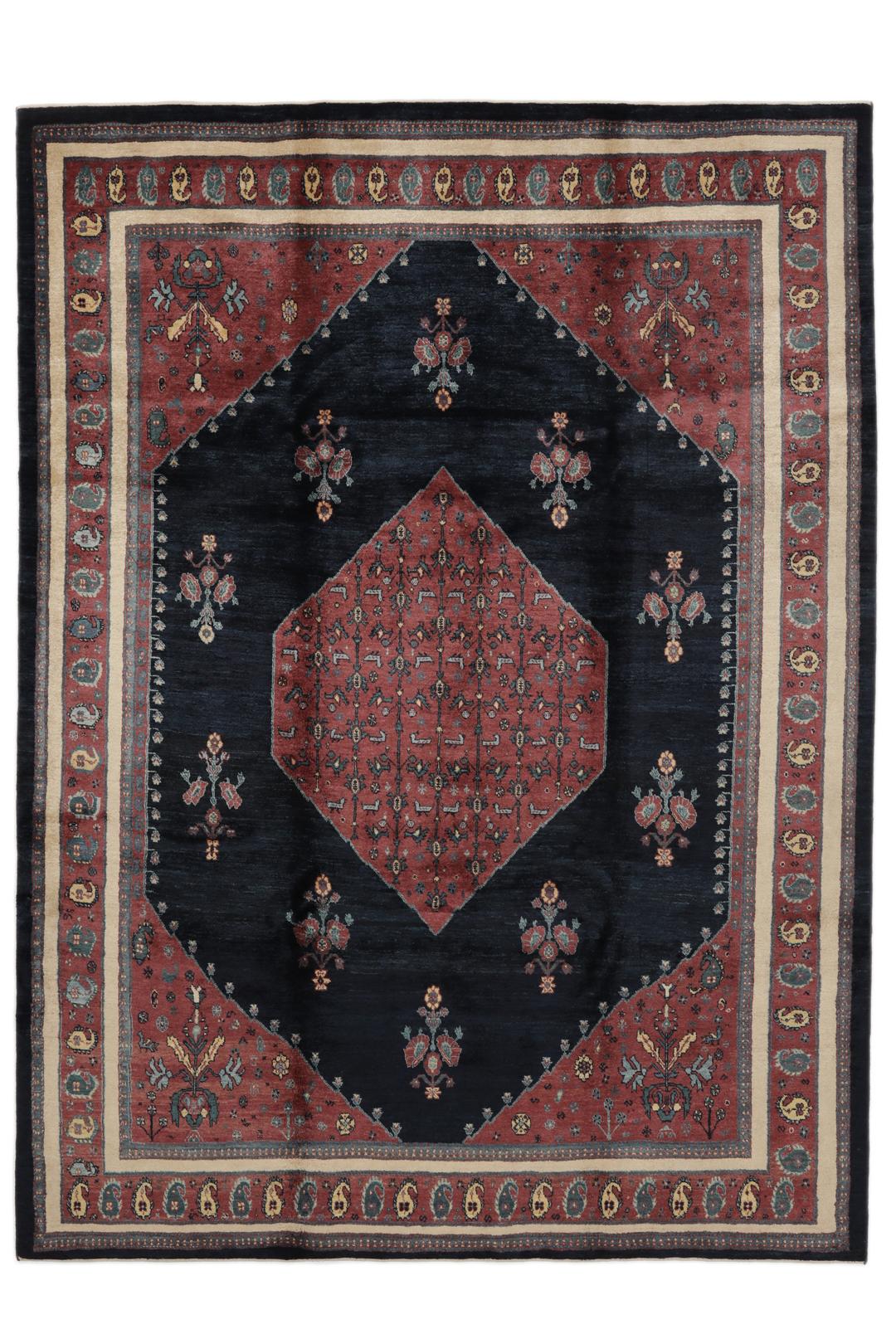
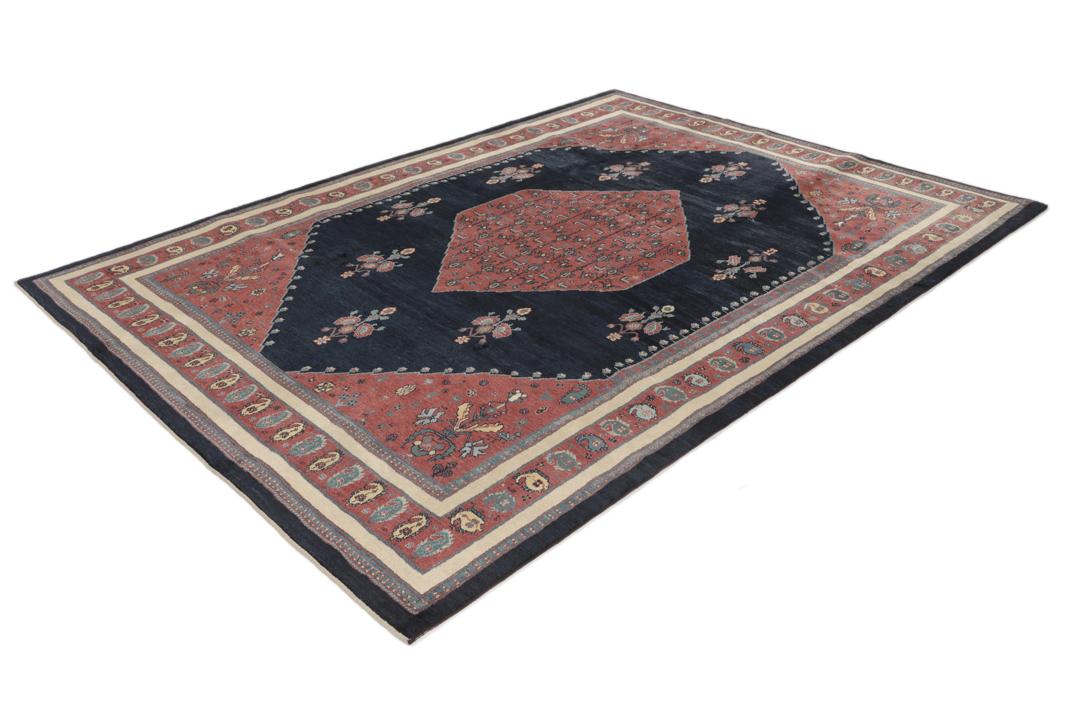
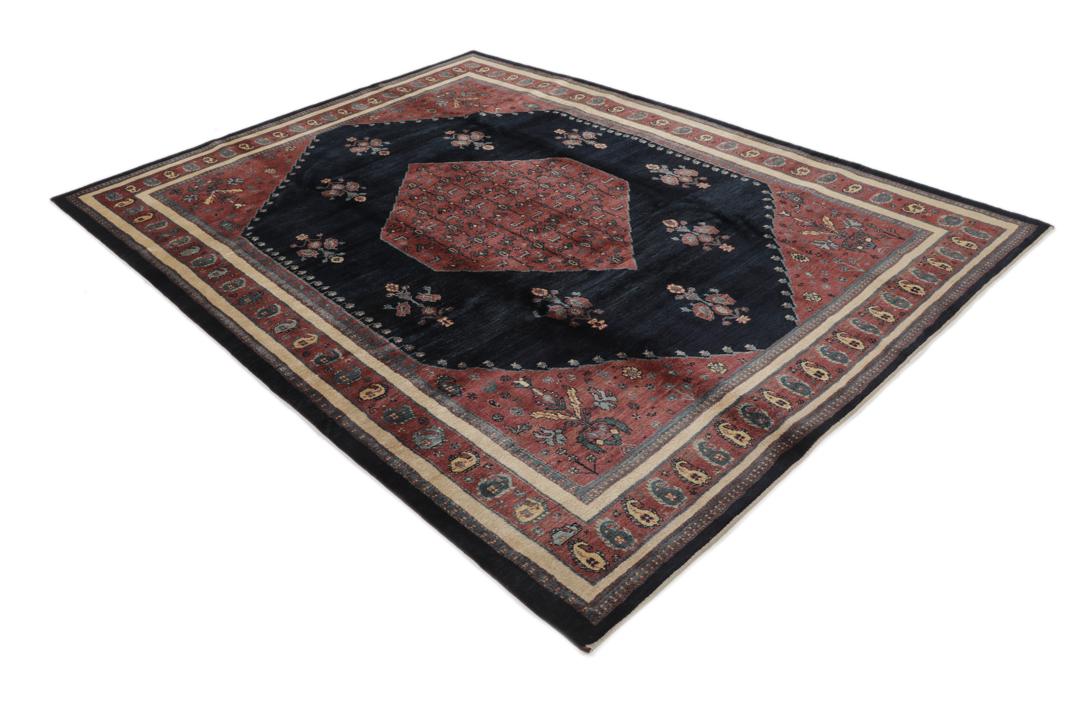
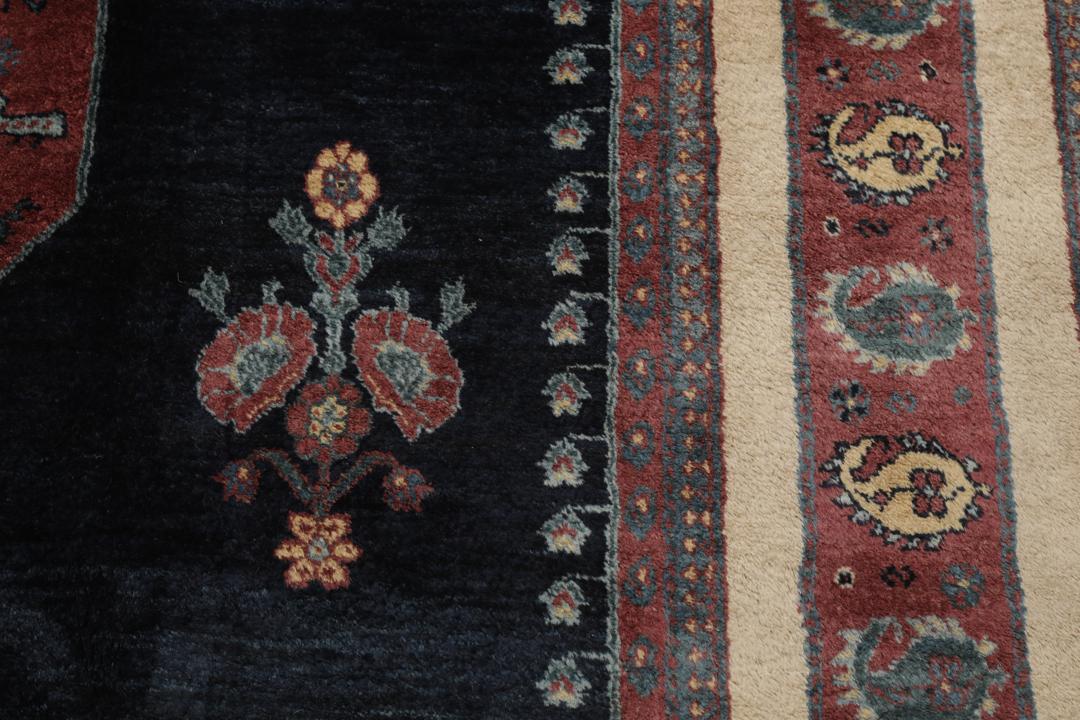
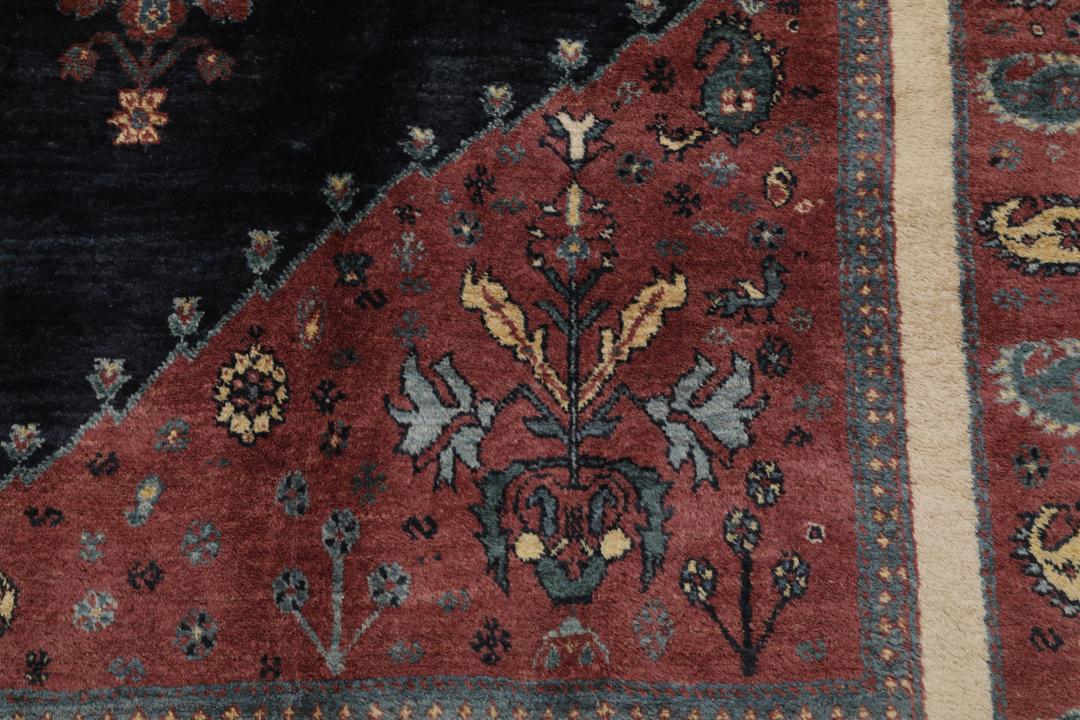
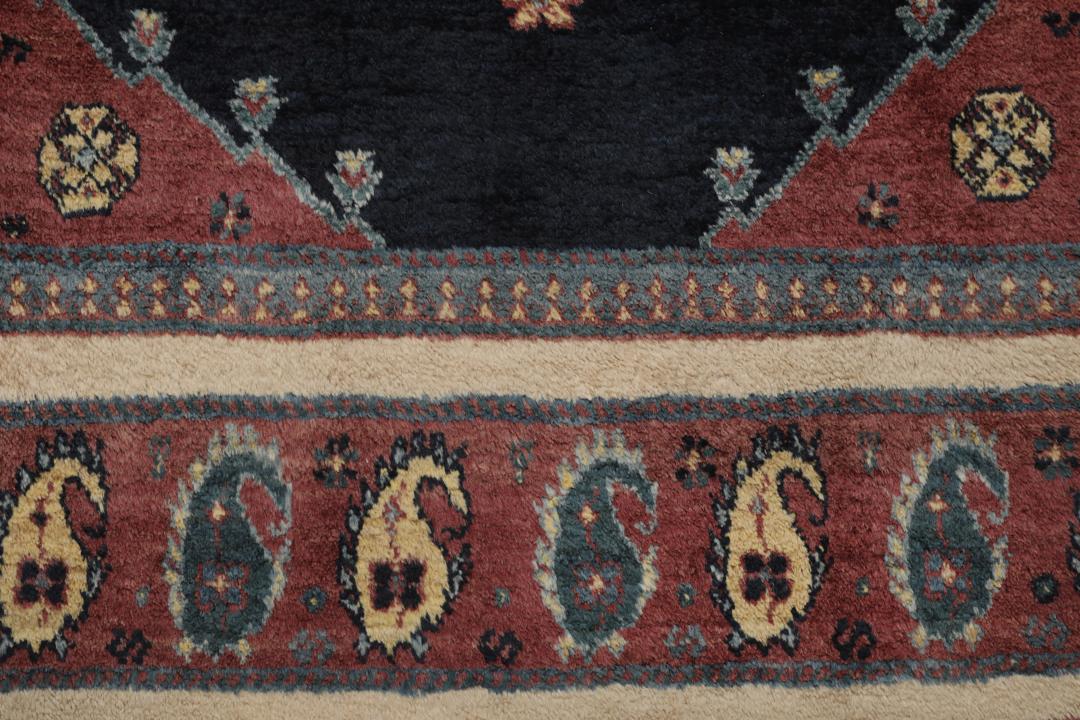
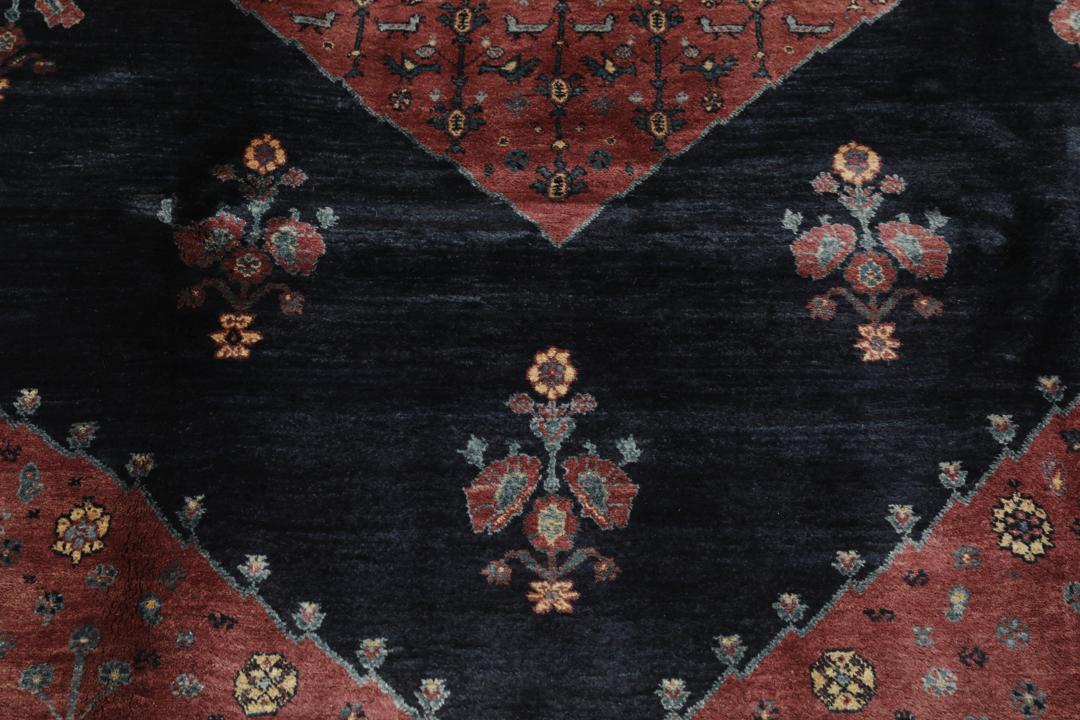
The Gabbeh Kashkooli tradition originates from the nomadic tribes of the Middle East, representing a unique bridge between functional utility and artistic expression. While traditional Gabbeh rugs are known for their thicker, more rustic pile and simpler designs, the Kashkooli style is recognised for its finer, more refined weave and a higher level of detail in its motifs, reflecting the sophisticated aesthetic of the tribes who produced them.
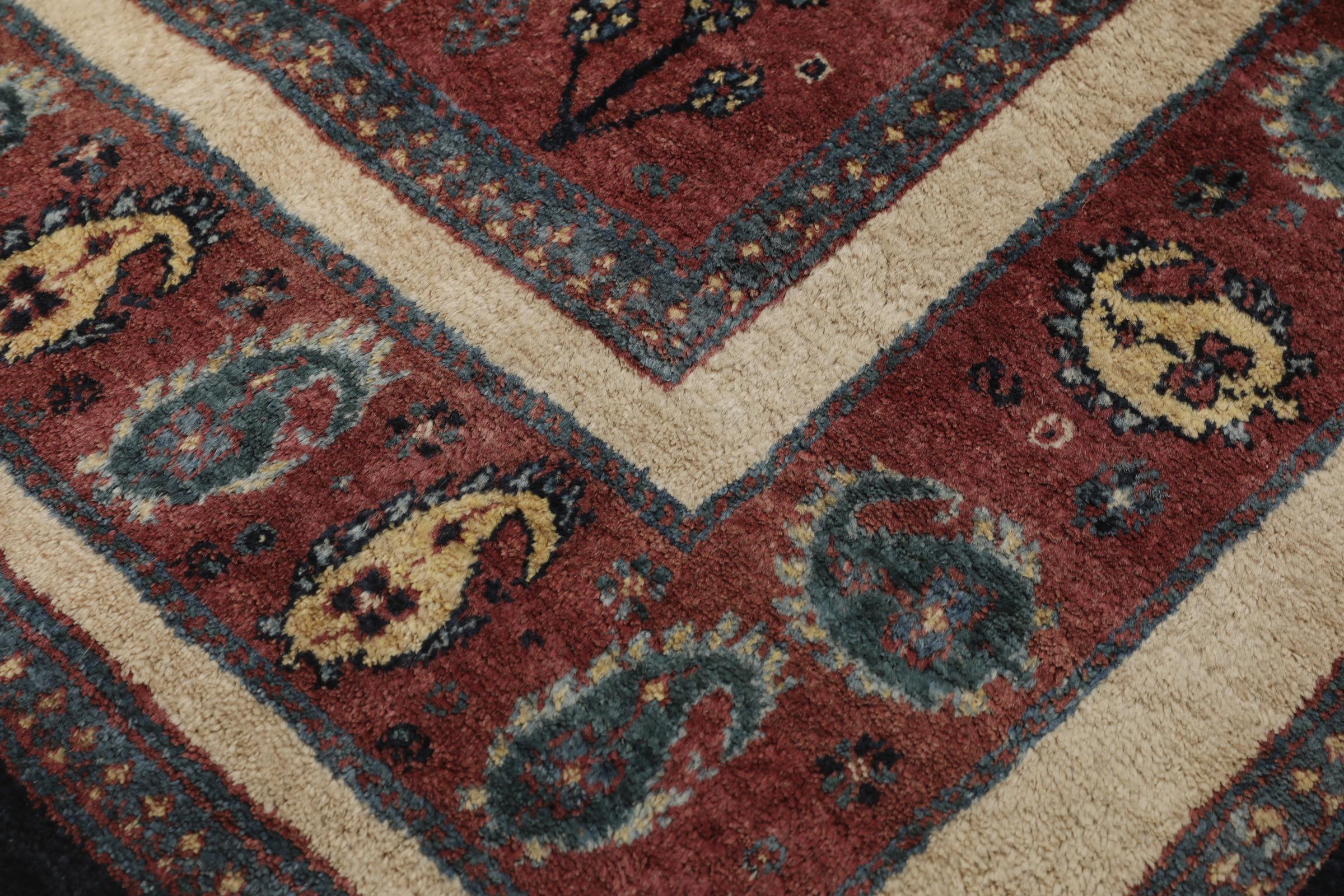
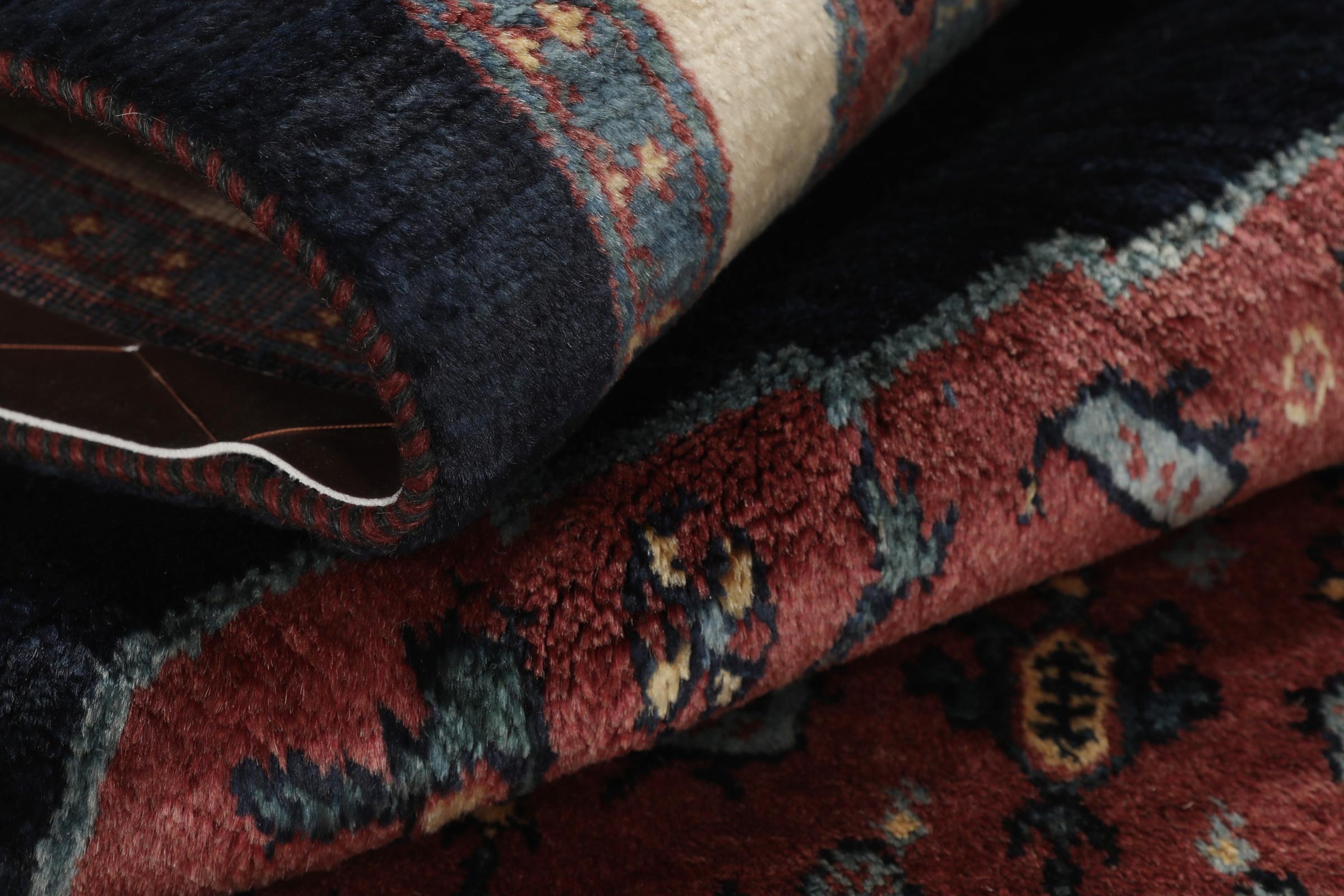
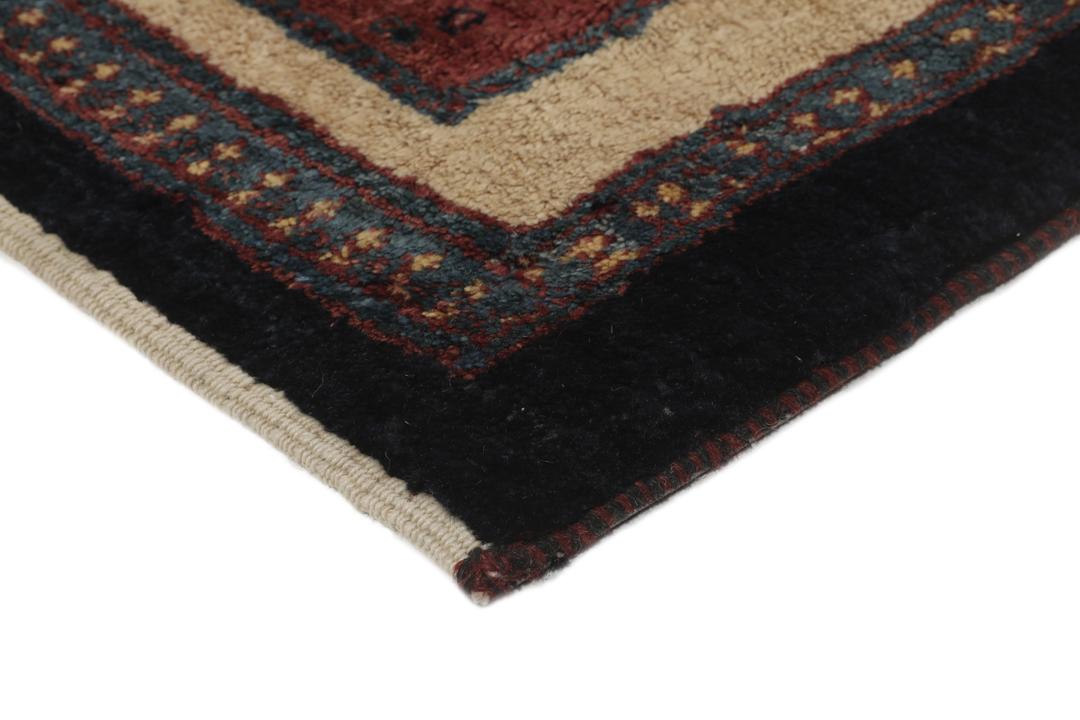
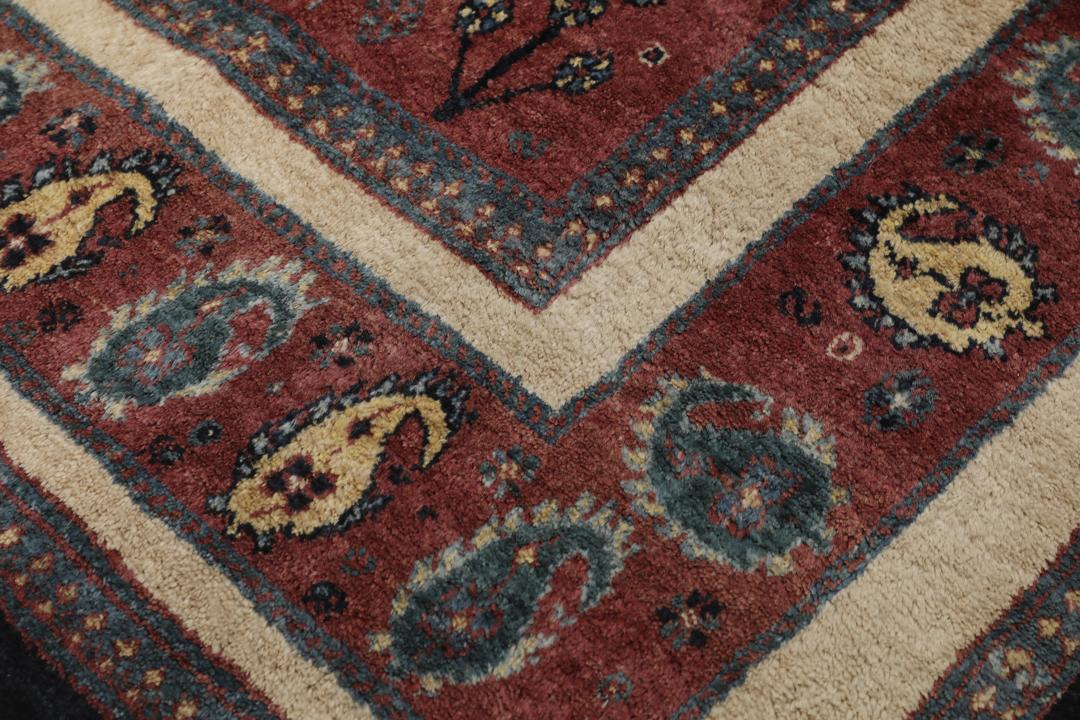
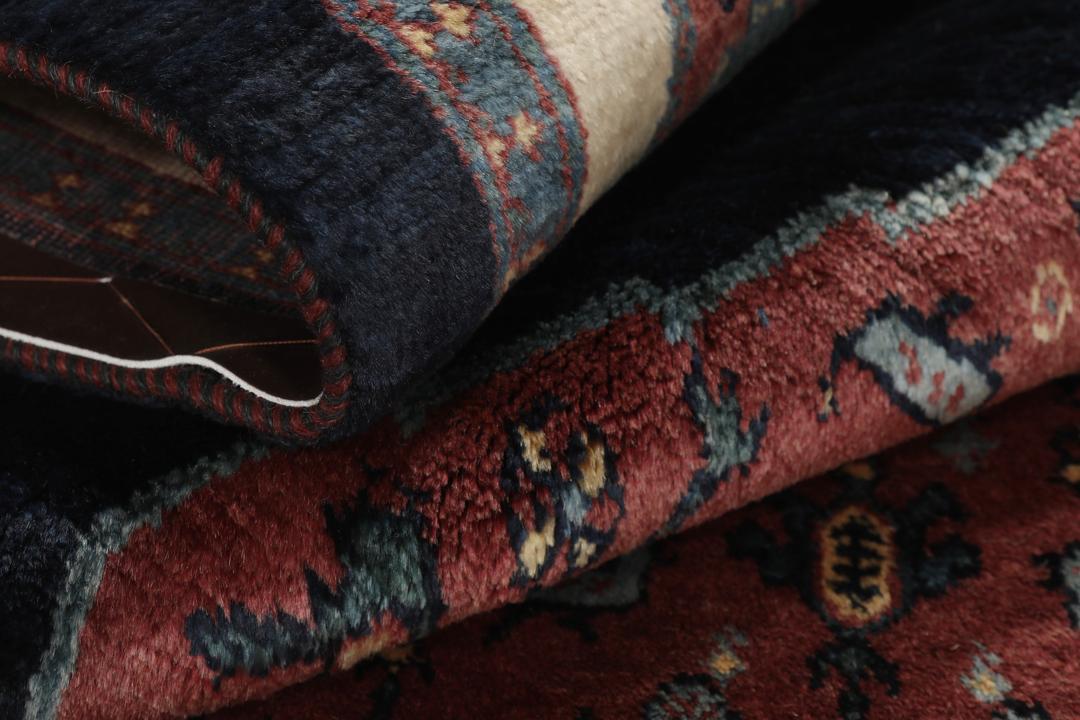
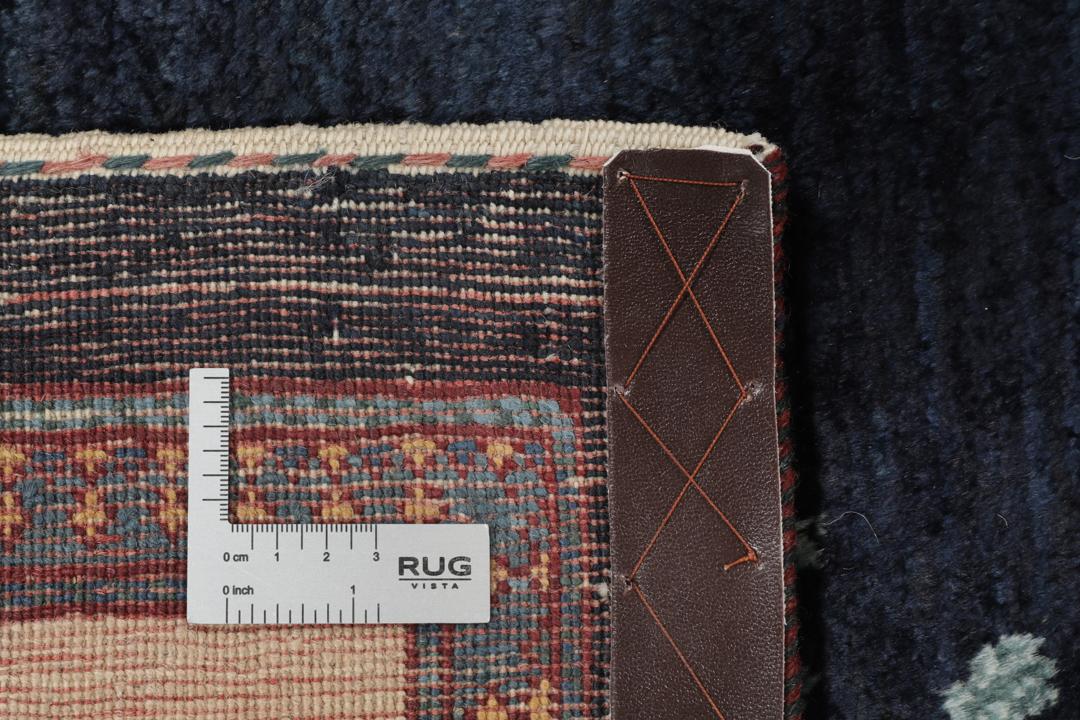
The term 'Kashkooli' specifically refers to this finer variation within the broader tribal rug tradition. By using a tighter knotting technique and selecting higher-grade wool, weavers are able to create patterns that are more intricate and a pile that feels more polished. This evolution in the craft allows for the inclusion of delicate floral and geometric elements that would be difficult to render in coarser, more traditional tribal weaves.
Visually, these rugs are defined by a language of symbols that often draw inspiration from the natural world, including stylised animals, plants, and geometric shapes. The borders and central medallions are typically balanced, reflecting a deep-seated cultural appreciation for symmetry and order. The use of natural, deep-toned dyes provides a timeless backdrop that allows these motifs to stand out with clarity and grace.
Collecting a rug from this tradition is an act of preserving a cultural legacy. Each piece tells a story of the environment and the heritage of the weavers, making it a highly valued item for those who appreciate authentic craftsmanship. Owning a Gabbeh Kashkooli is a statement of taste, connecting your modern home to a long, storied history of artistry and skill that remains relevant and cherished today.