Gabbeh rugs have long been celebrated for their artistic freedom and connection to the nomadic traditions of the Middle East. Originally woven by tribal groups for their own domestic use, these rugs were prized for their thick, soft pile and simple, often minimalist designs that reflected the weaver's natural surroundings and personal stories.
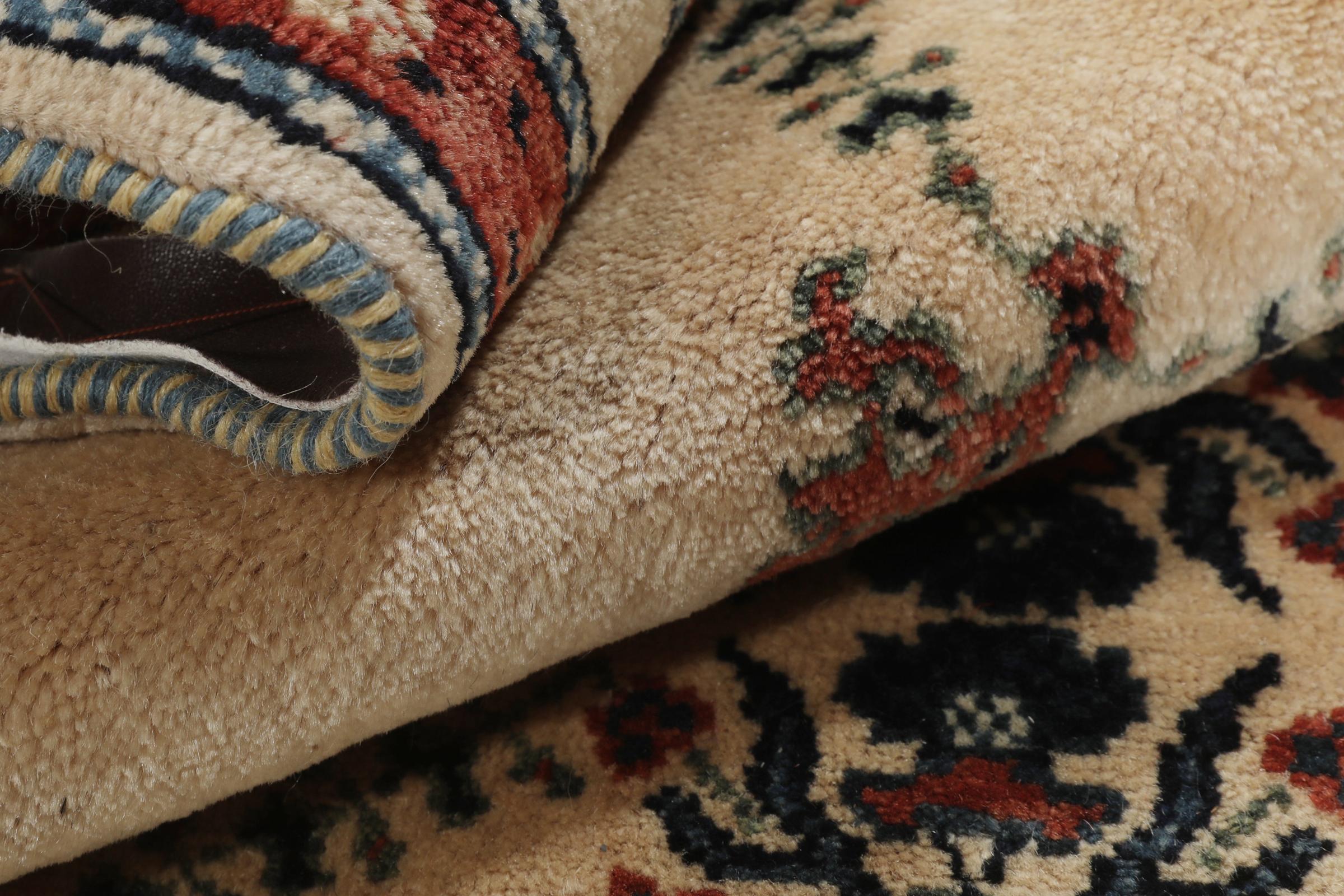
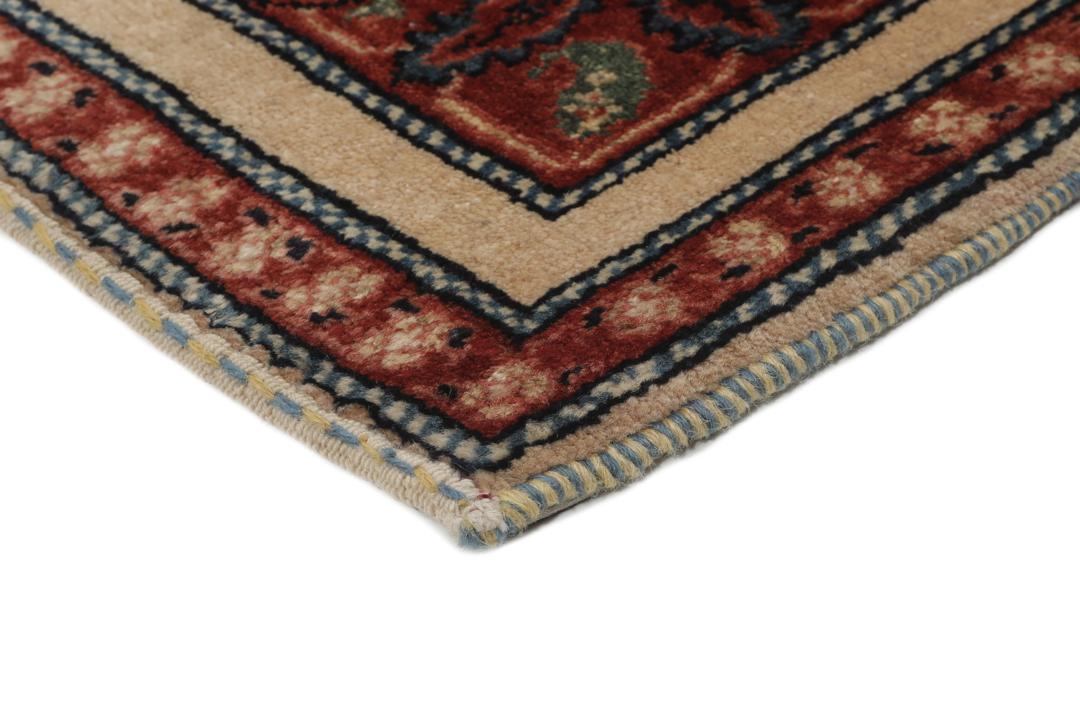
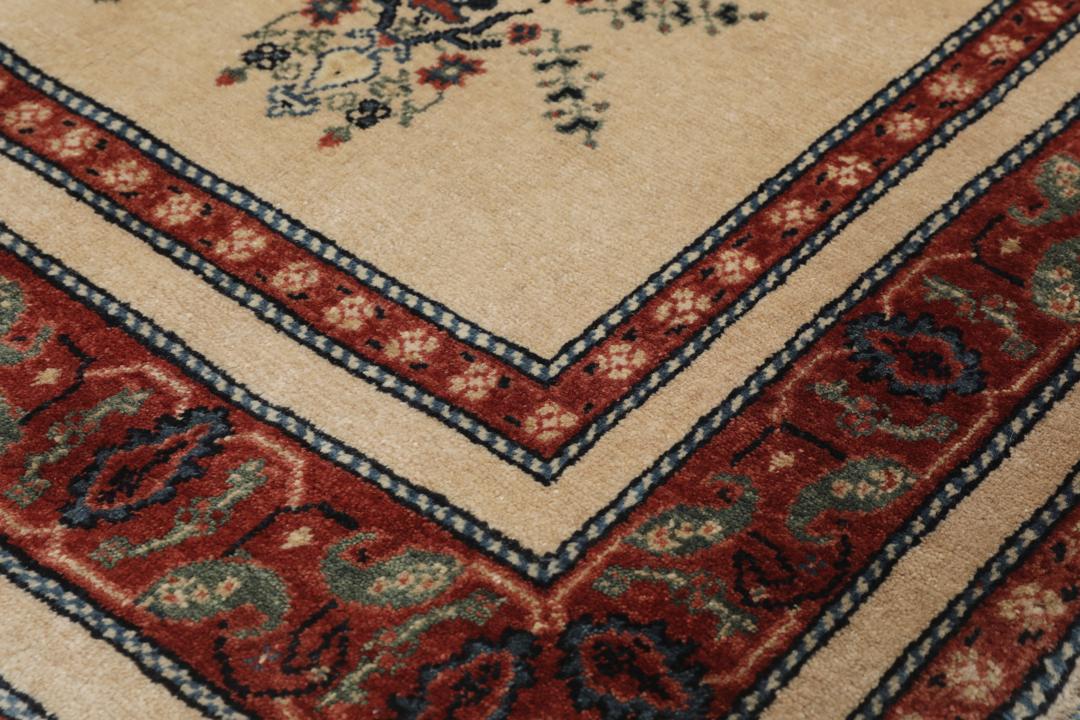
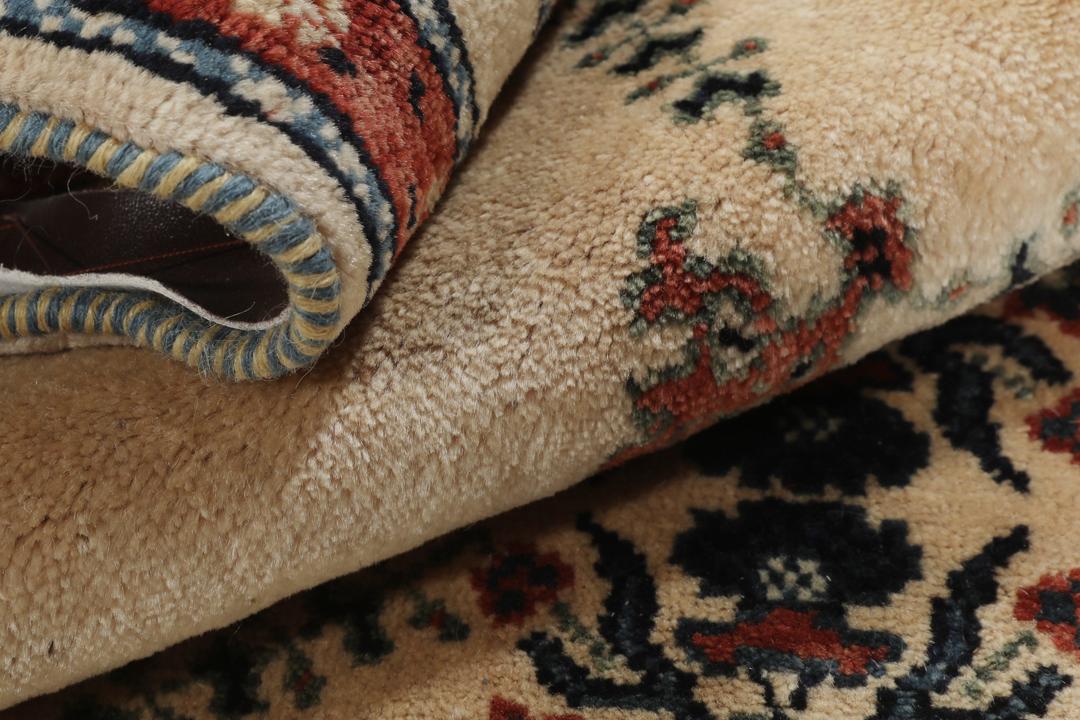
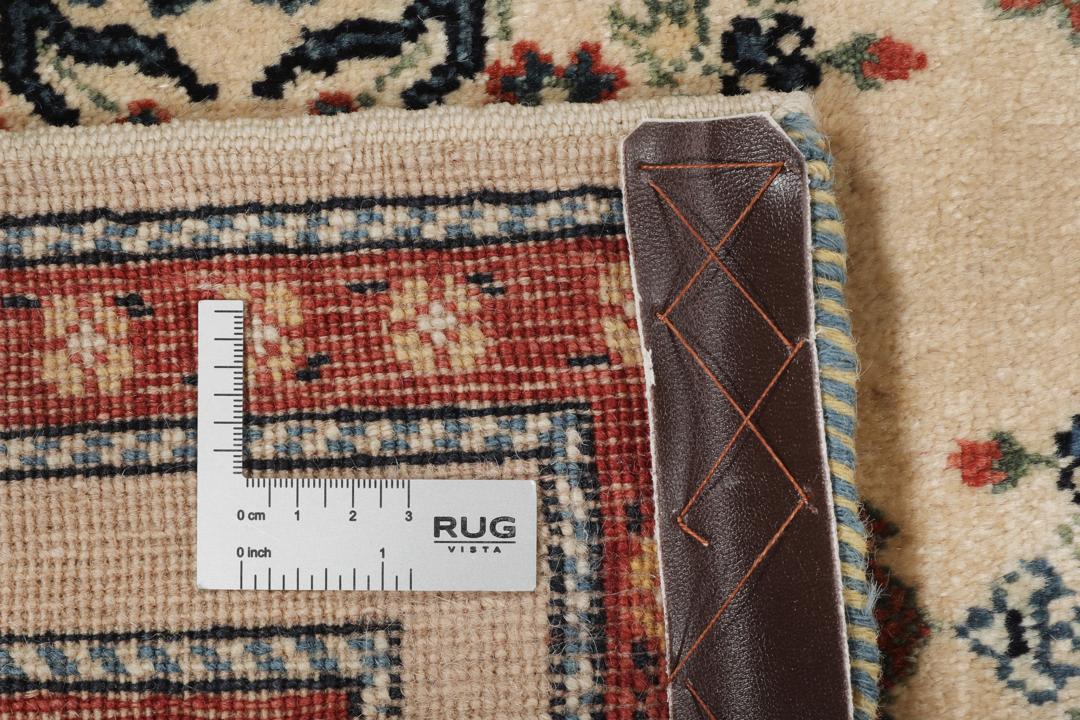
The Kashkooli style represents a more refined evolution of the traditional Gabbeh. While maintaining the hallmark soft, thick, and hand-spun wool, Kashkooli rugs are known for their slightly more intricate patterns and a tighter, more polished knotting style compared to their more rustic counterparts. This makes them a bridge between traditional tribal aesthetics and a more formal, decorative look.
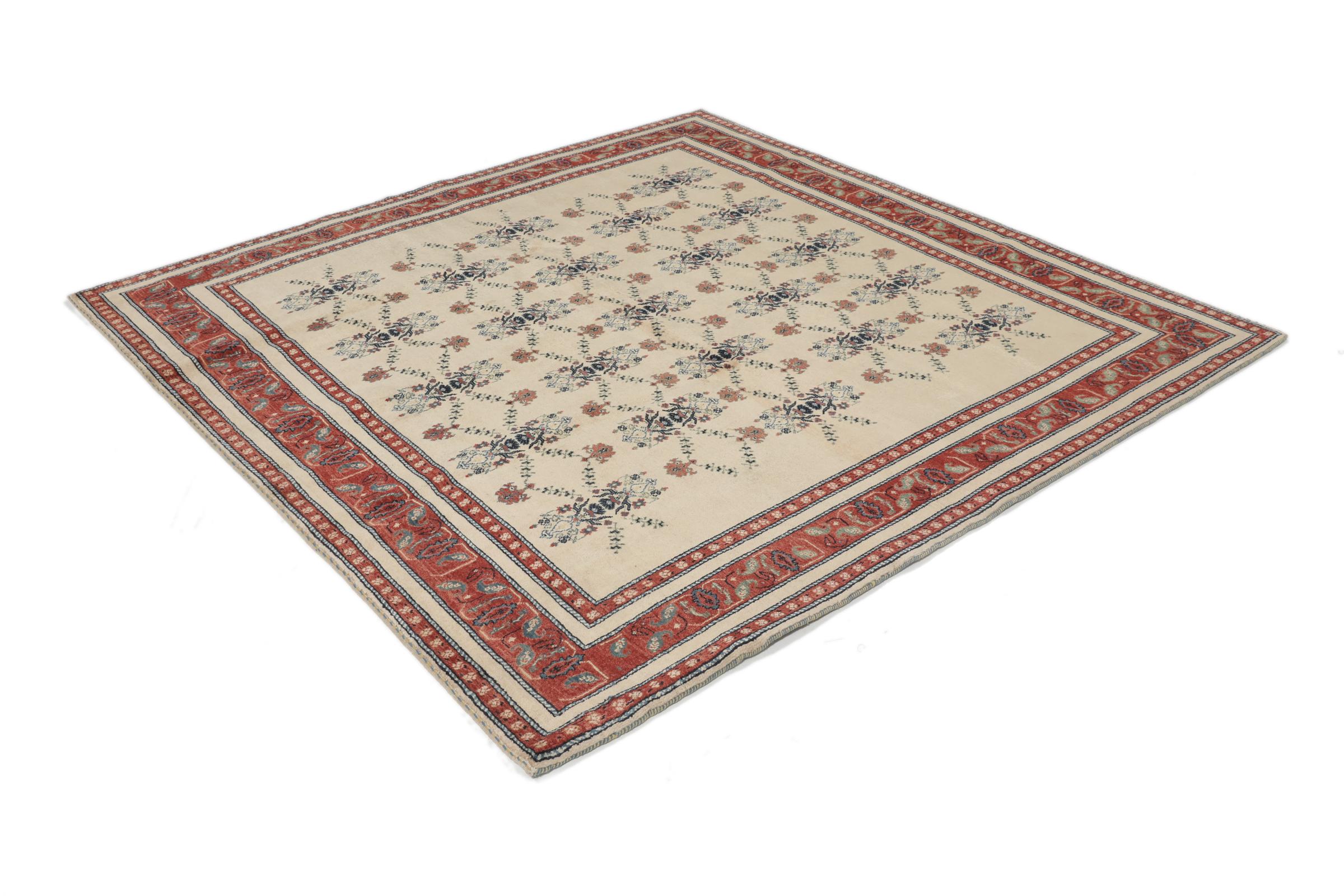
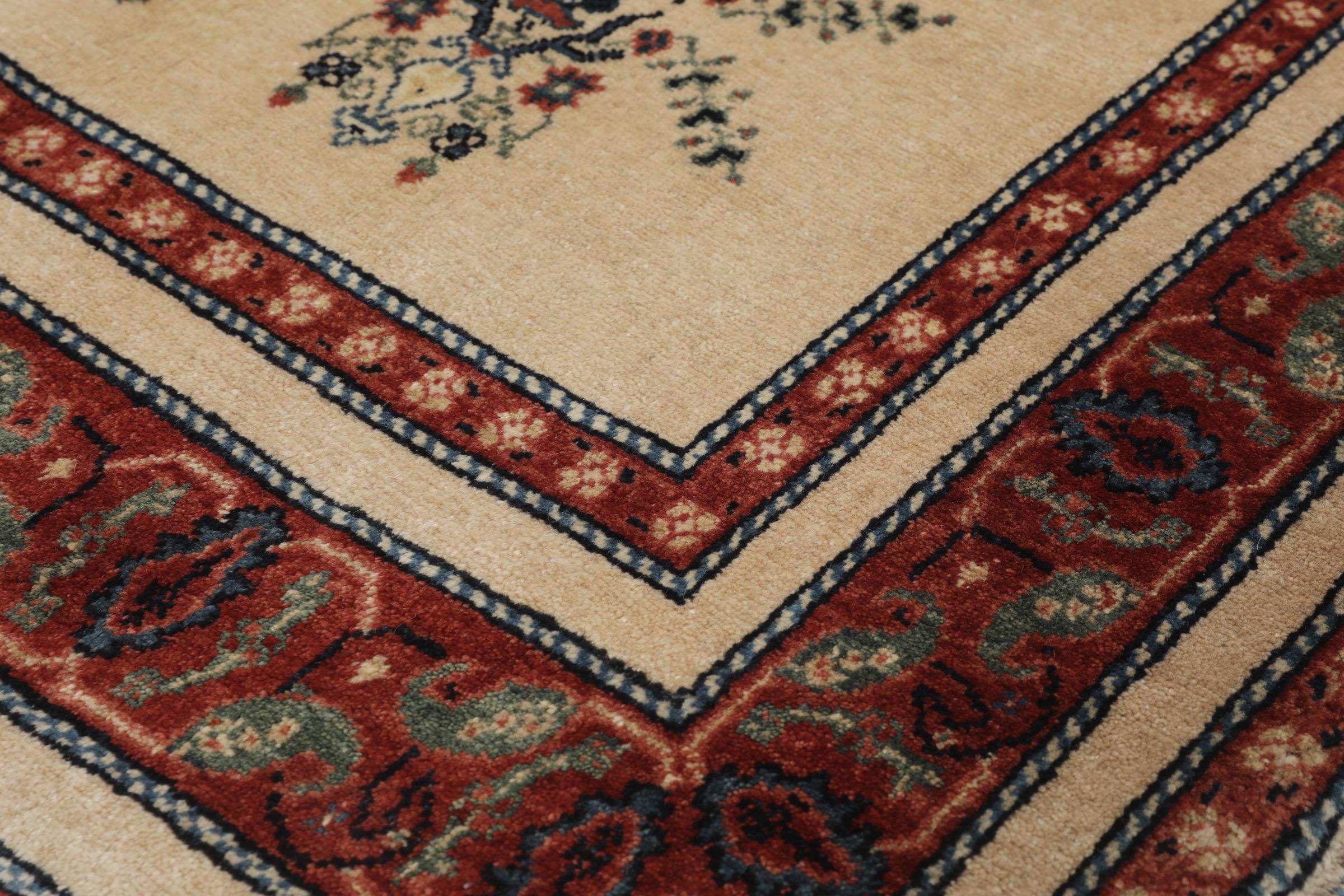
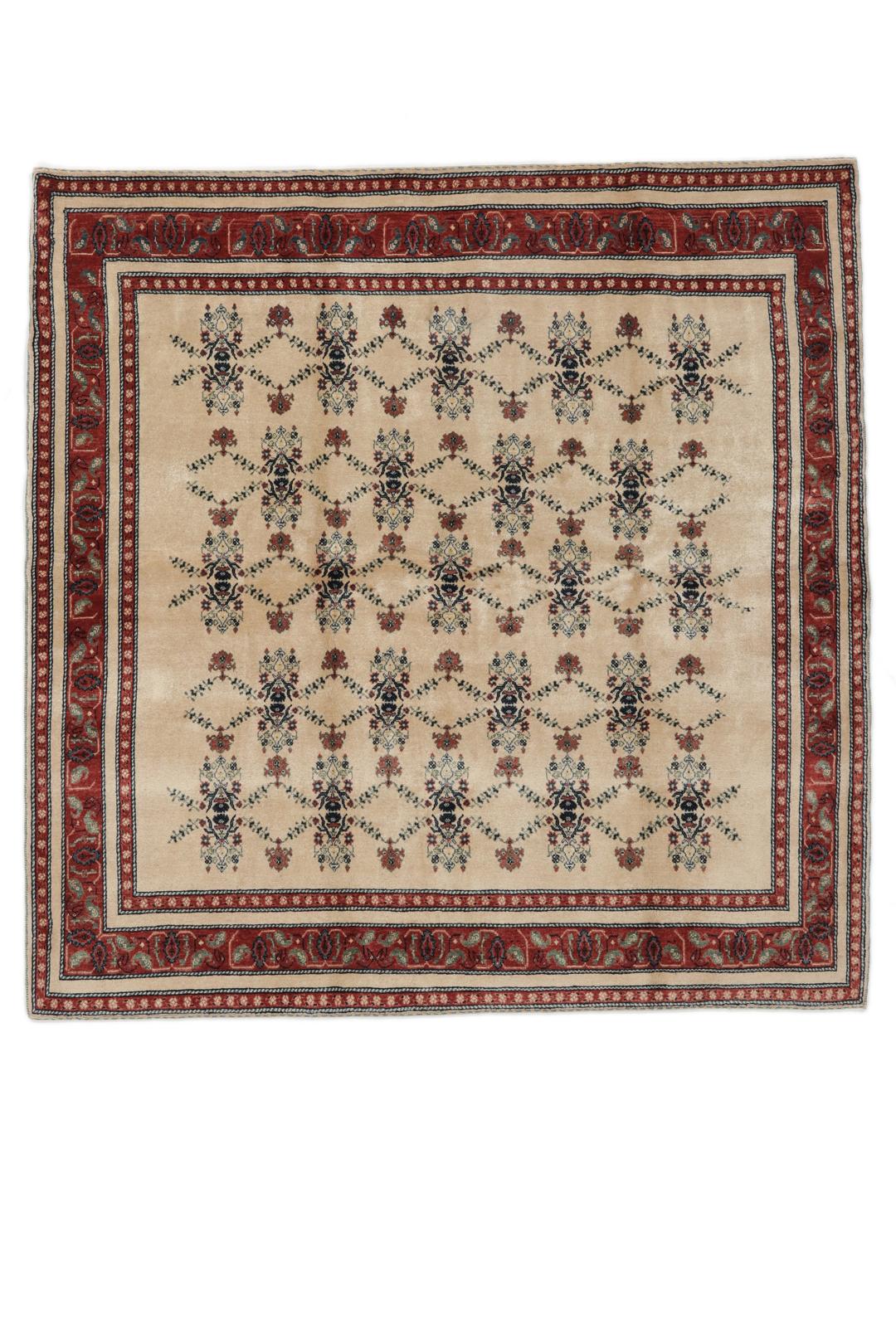
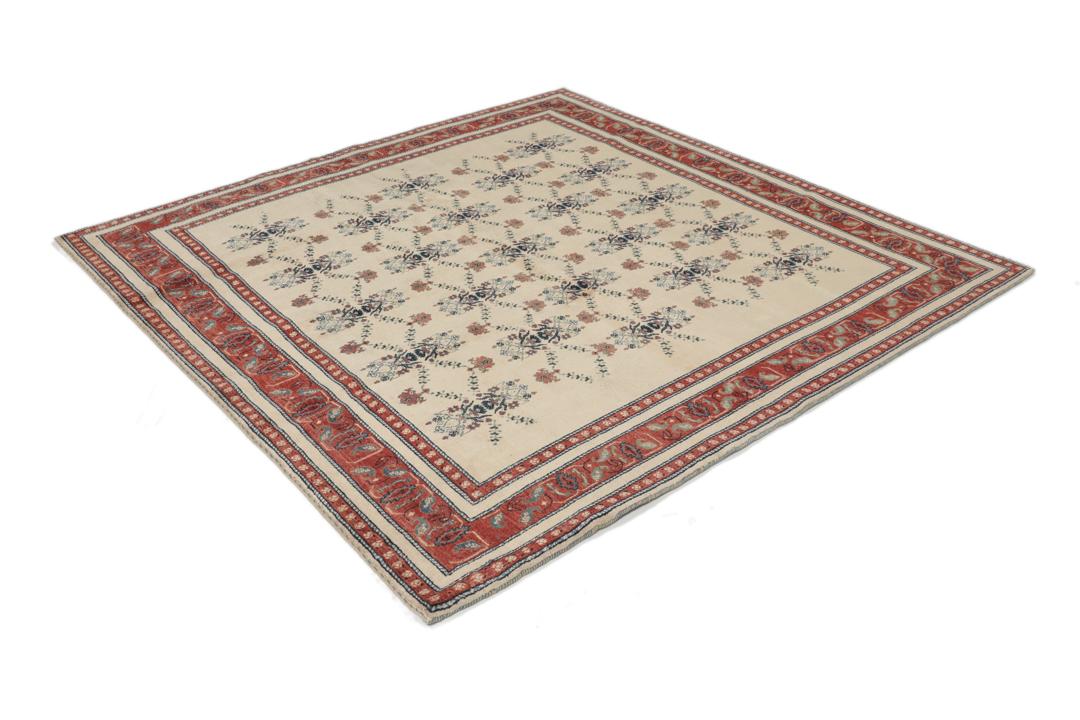
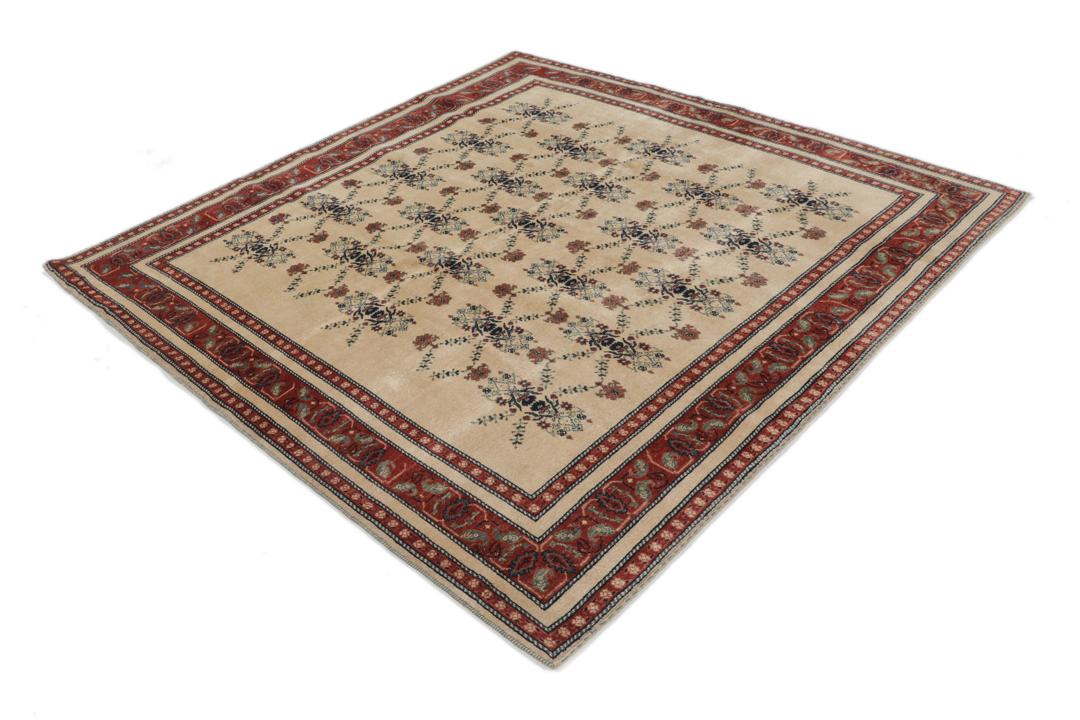
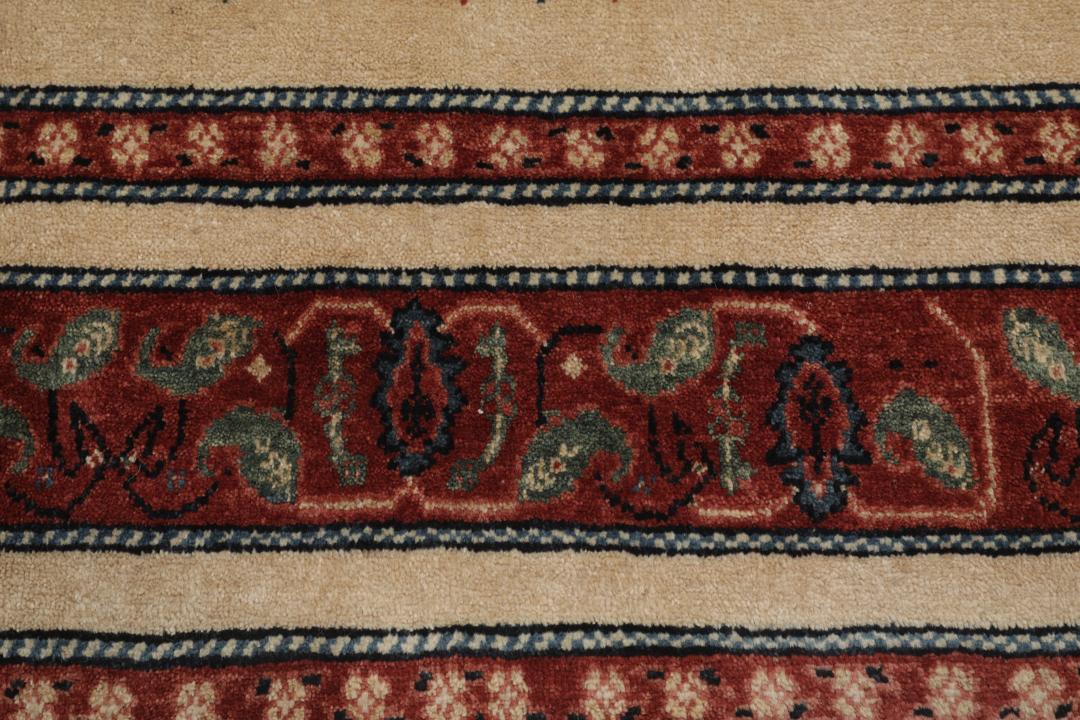
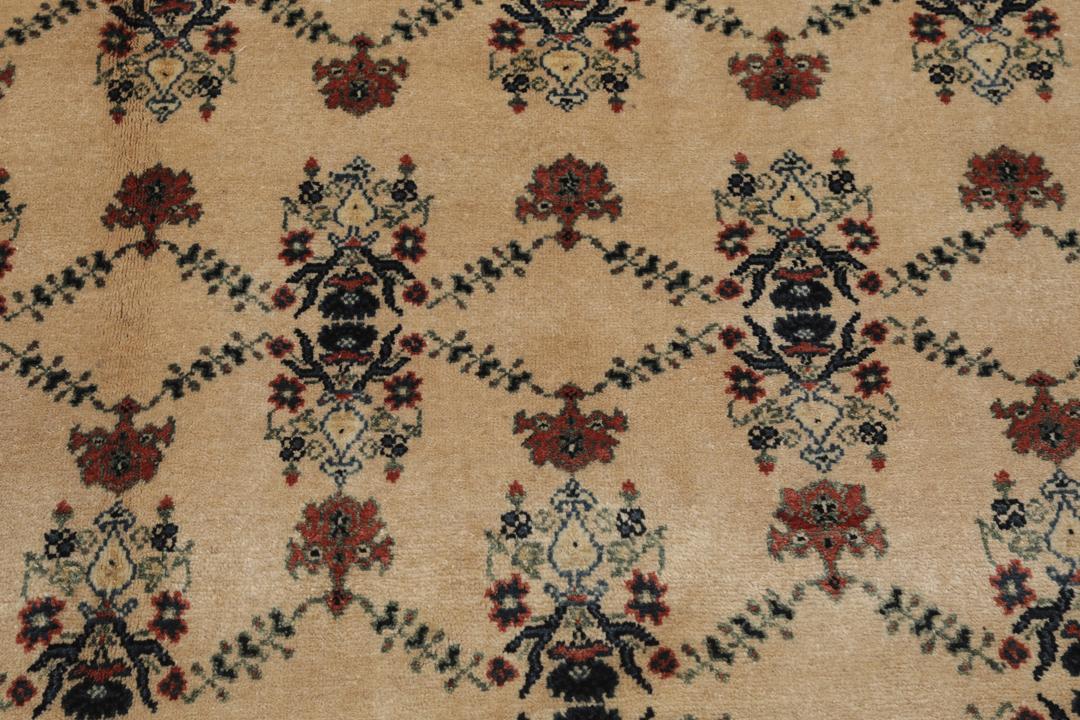
The visual language of this rug is defined by its balanced, repetitive motifs that create a sense of harmony and order. The use of natural dyes and the deliberate spacing of the patterns allow the field to breathe, creating a calming visual effect. The presence of a formal border is a classic characteristic that frames the central design, adding a sense of structure to the more fluid, organic motifs found within.
Owning a Kashkooli rug is an investment in a living tradition. These pieces are highly valued by collectors and homeowners alike for their combination of durability and authentic artistic expression. When you bring one into your home, you are acquiring a piece of cultural heritage that honours the patience, skill, and creative vision of the artisans who crafted it.