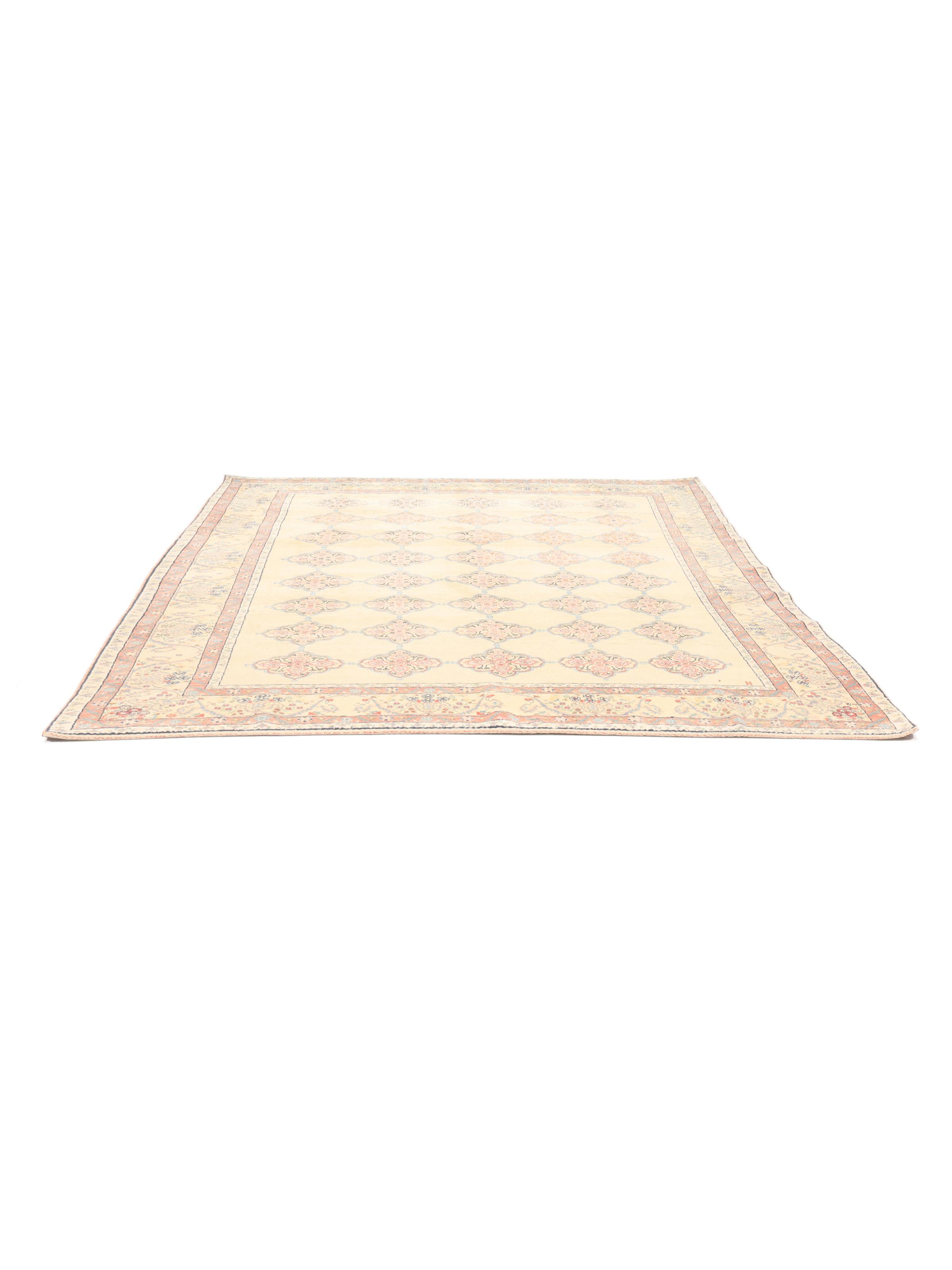
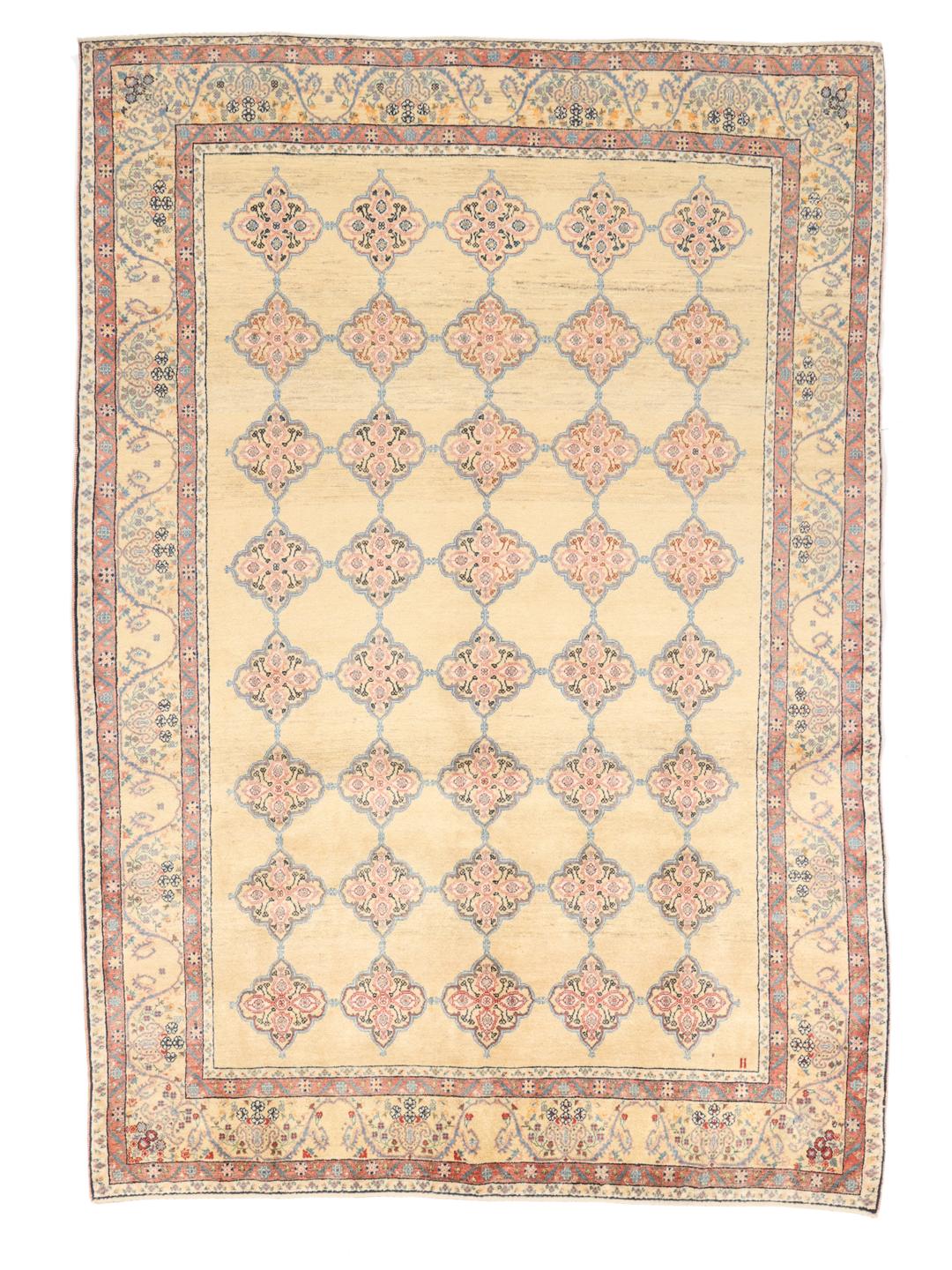
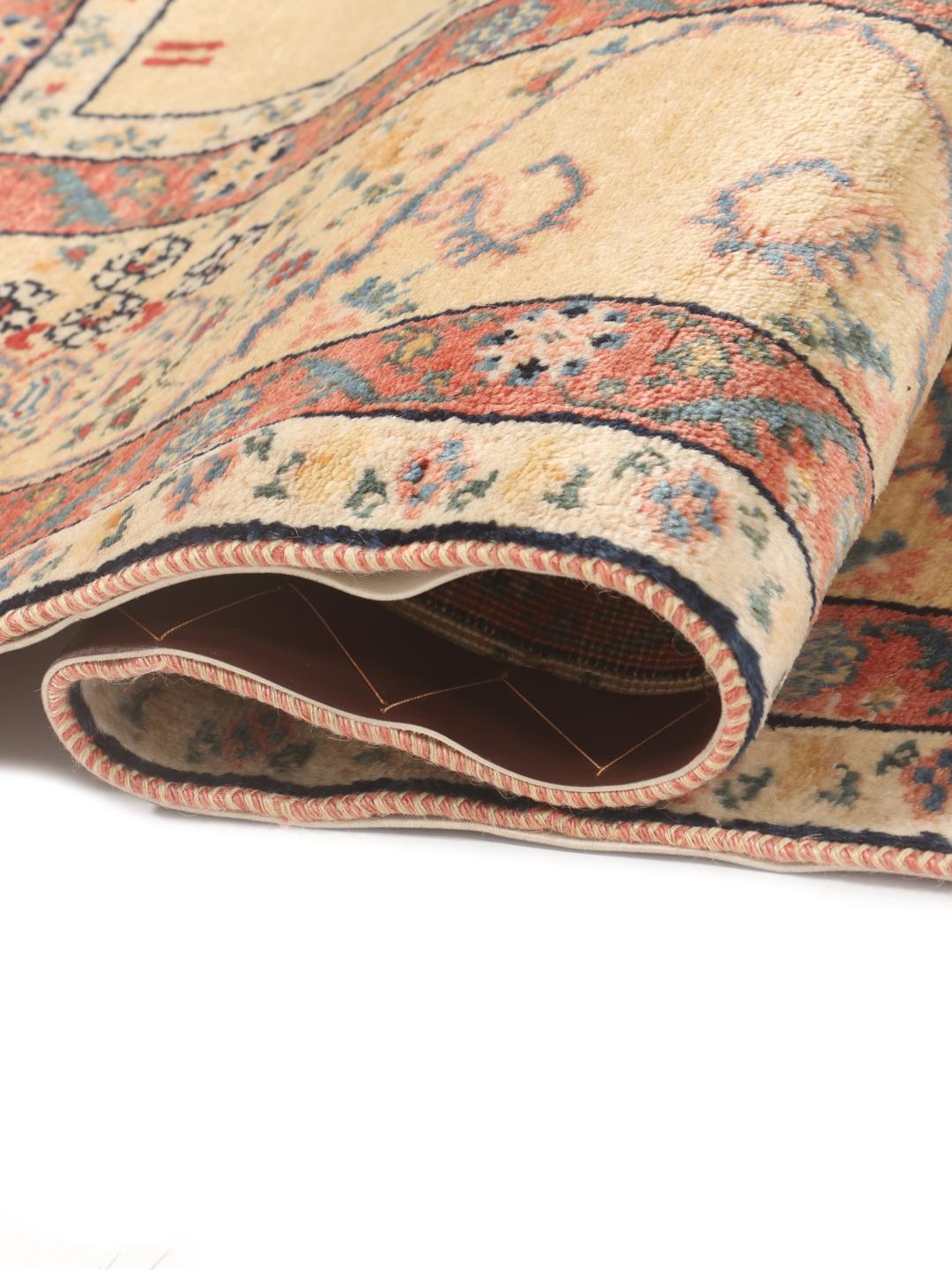
The Gabbeh Kashkooli tradition originates from the nomadic tribes of the Middle East, where weaving has long been a way to document life and surroundings. While traditional Gabbeh rugs are known for their thicker, more primitive pile, the Kashkooli variety represents a sophisticated evolution, often featuring finer Wool and more detailed, intentional patterns that reflect a transition toward more settled, refined weaving practices.
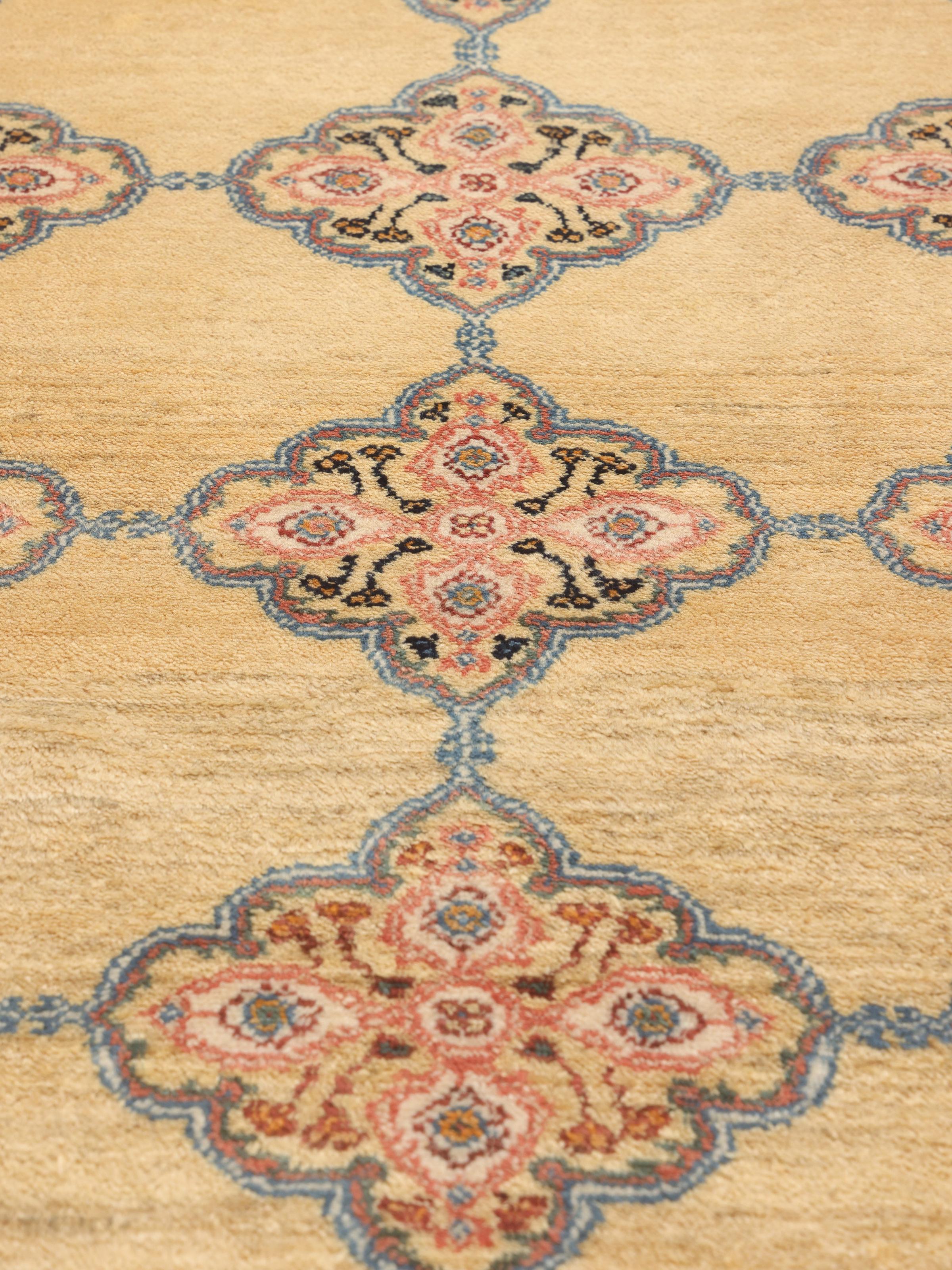
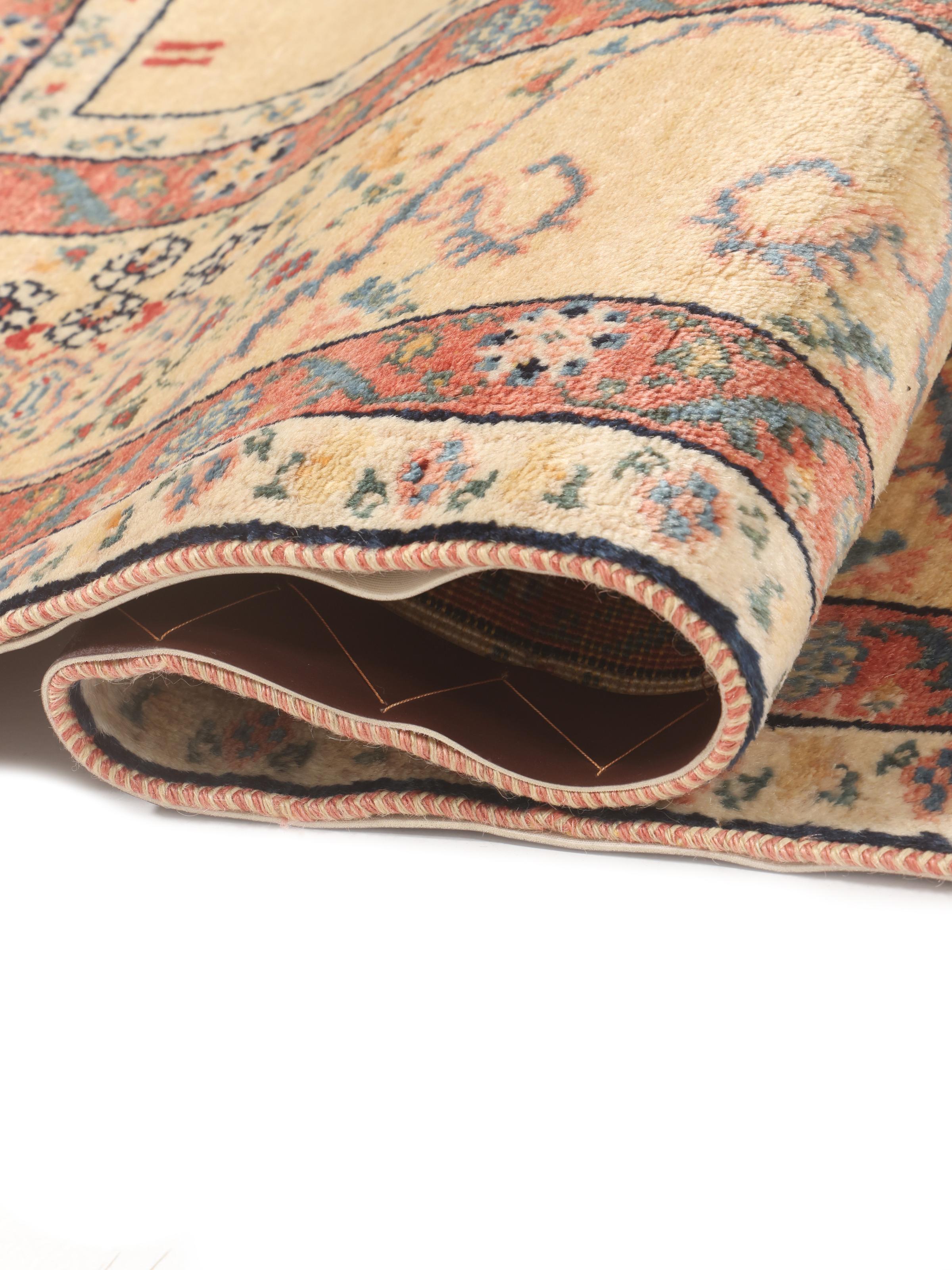
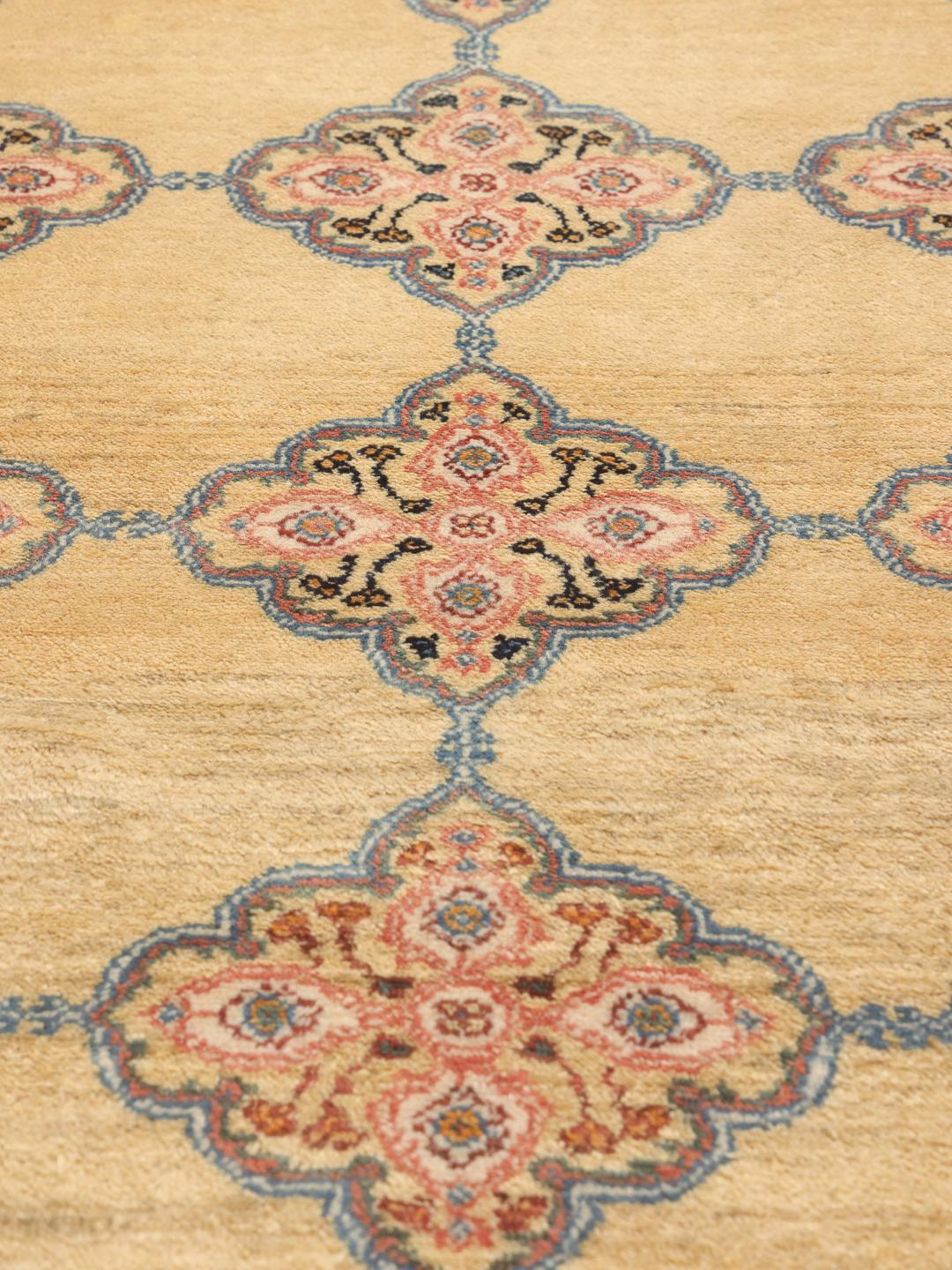
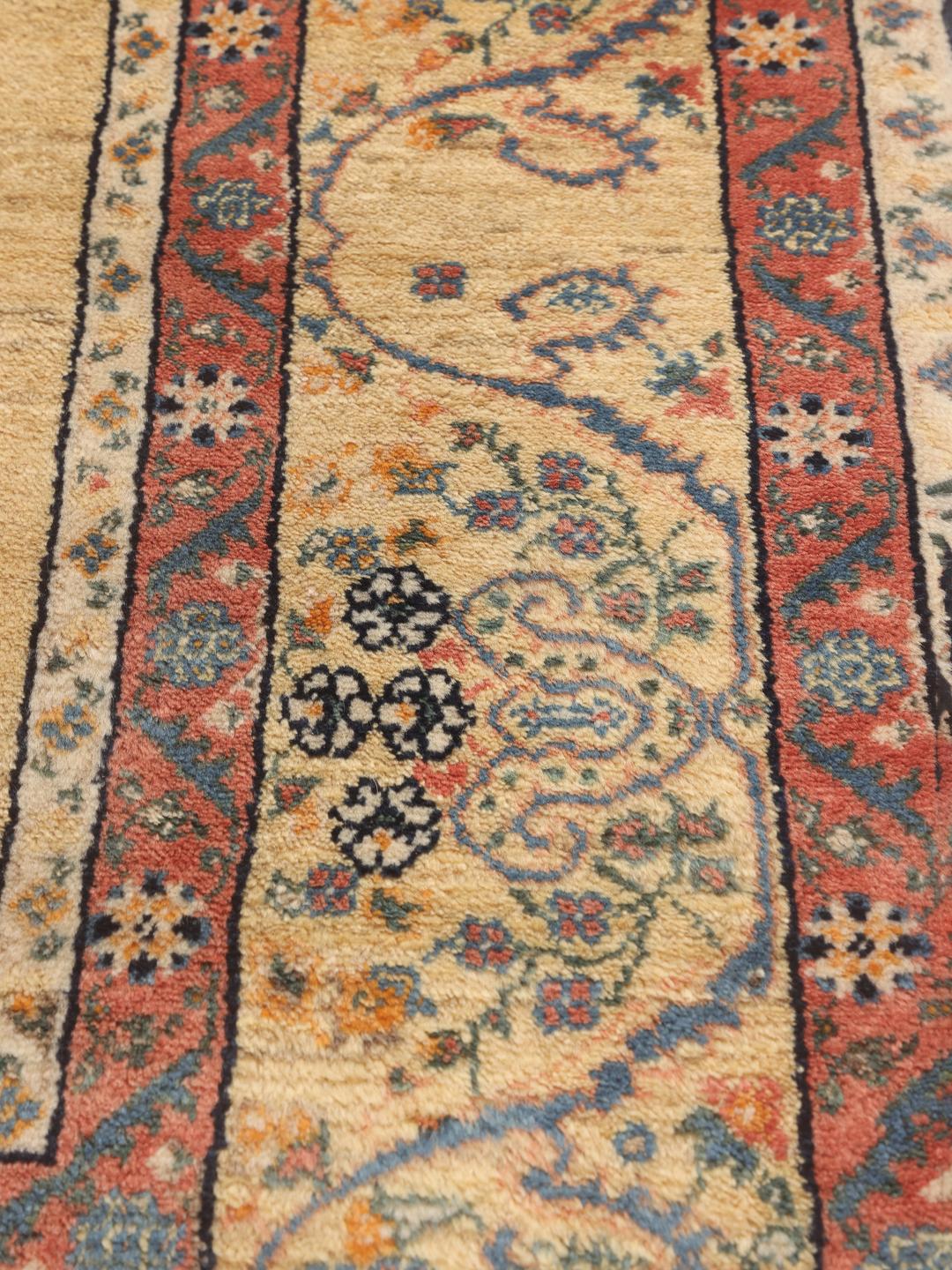
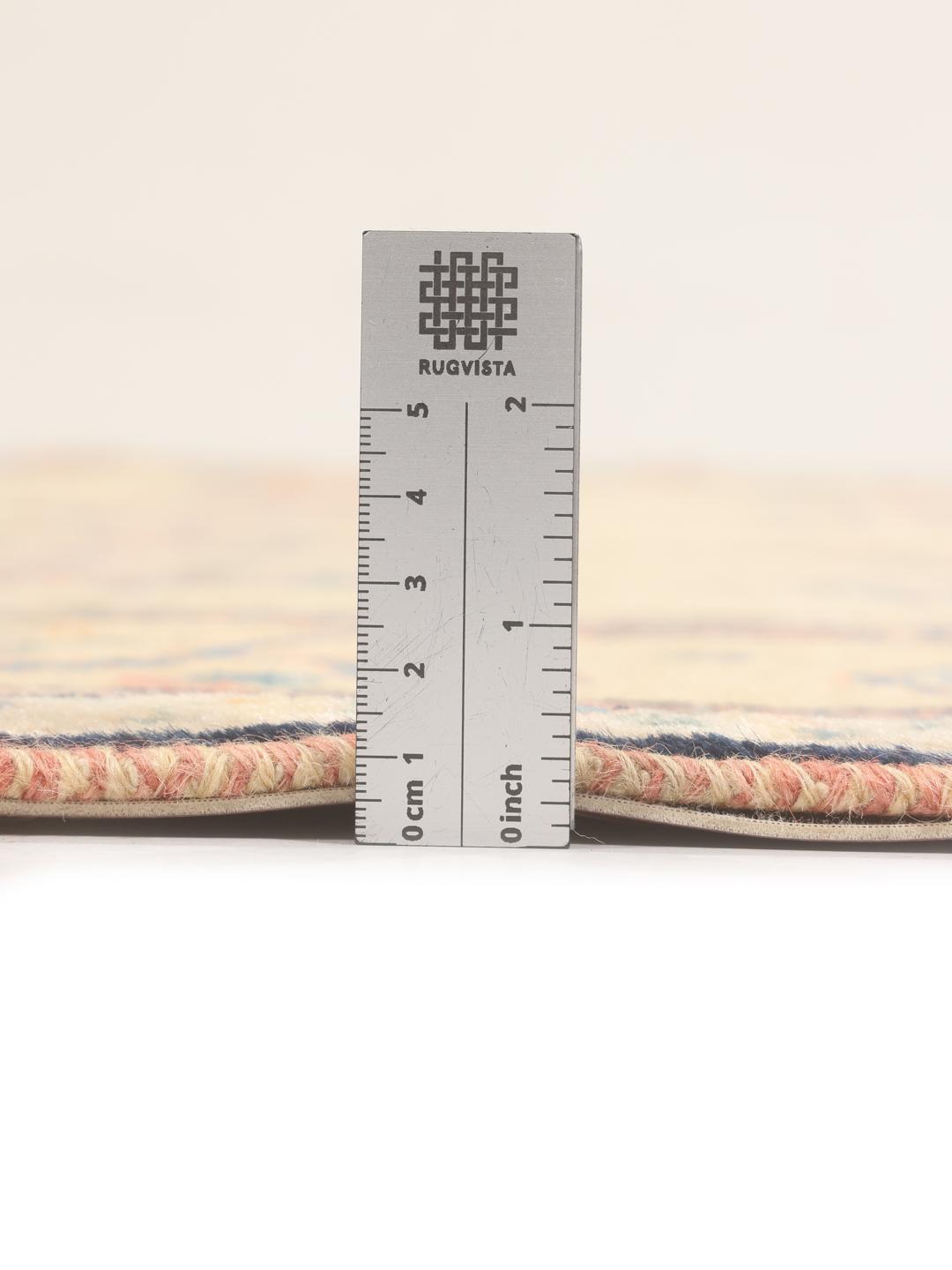
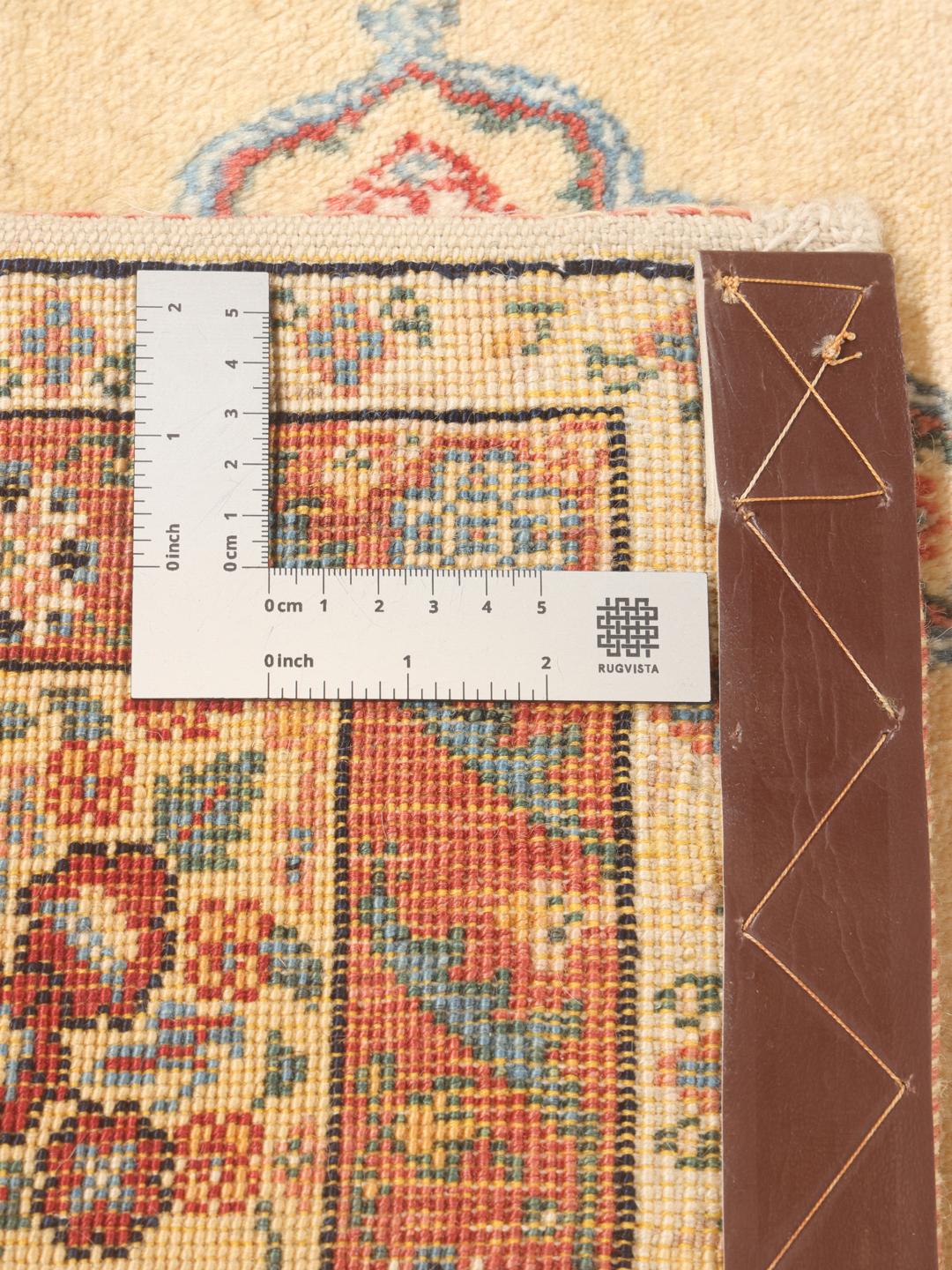
The term Kashkooli specifically denotes a higher grade of craftsmanship within this category. These rugs are typically woven with a more dense pile compared to standard tribal pieces, which results in a smoother finish and a clearer definition of the motifs. This technical refinement means the rug is not only more visually striking but also more durable, as the tighter knotting protects the foundation from wear.
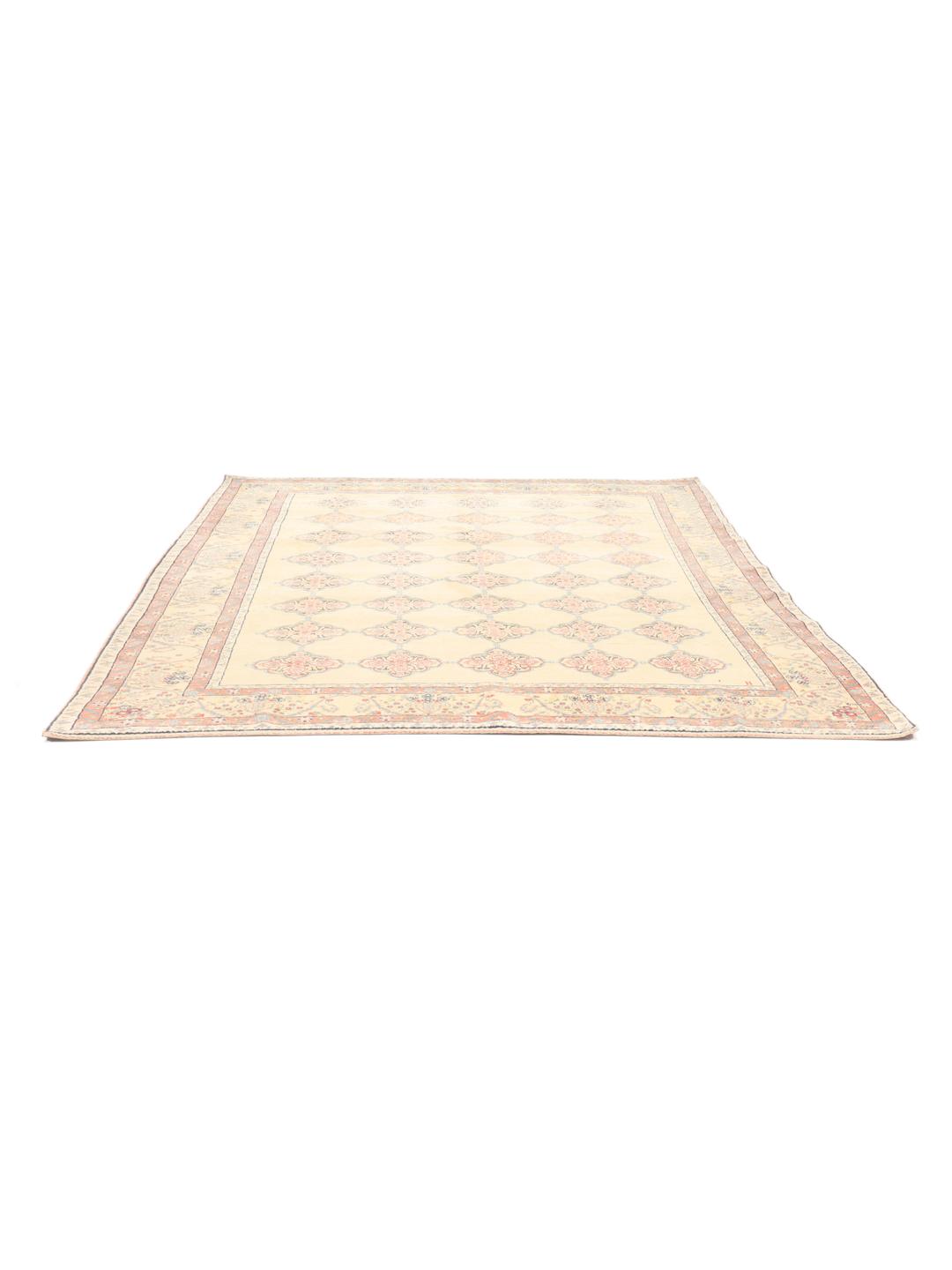
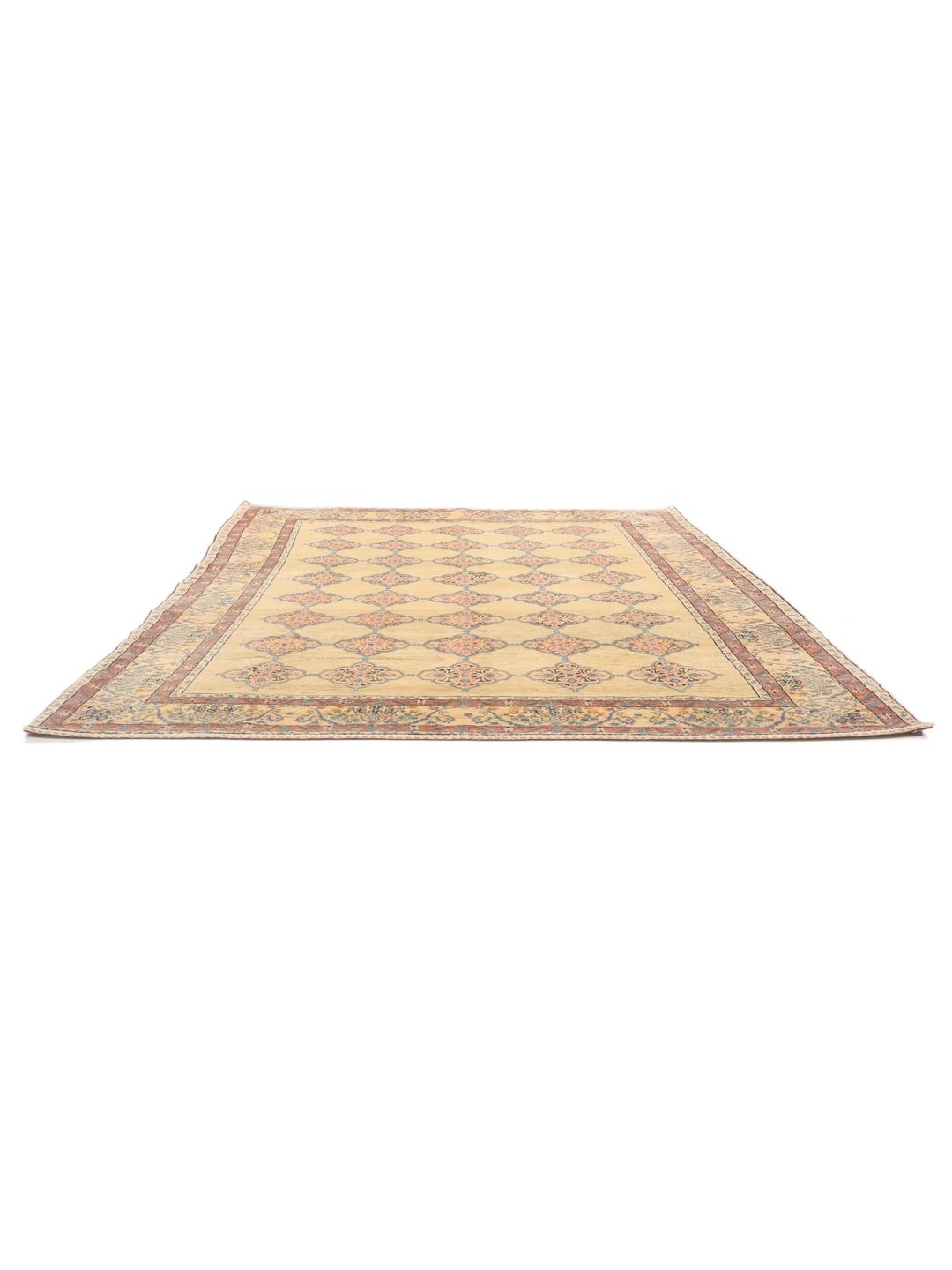
Design-wise, this rug showcases the signature style of the Kashkooli, which often moves away from purely abstract, spontaneous patterns toward more structured, repeating motifs. The floral-inspired elements seen here are characteristic of the region’s desire to bring the beauty of the natural world into the home, framed by elegant borders that create a cohesive and balanced composition.
Collecting a Gabbeh Kashkooli is an investment in cultural heritage, as these pieces represent a bridge between ancient nomadic history and modern interior needs. They are highly valued for their authenticity and the skill required to produce them, offering a rare opportunity to own a functional piece of art that carries the spirit of its creators.