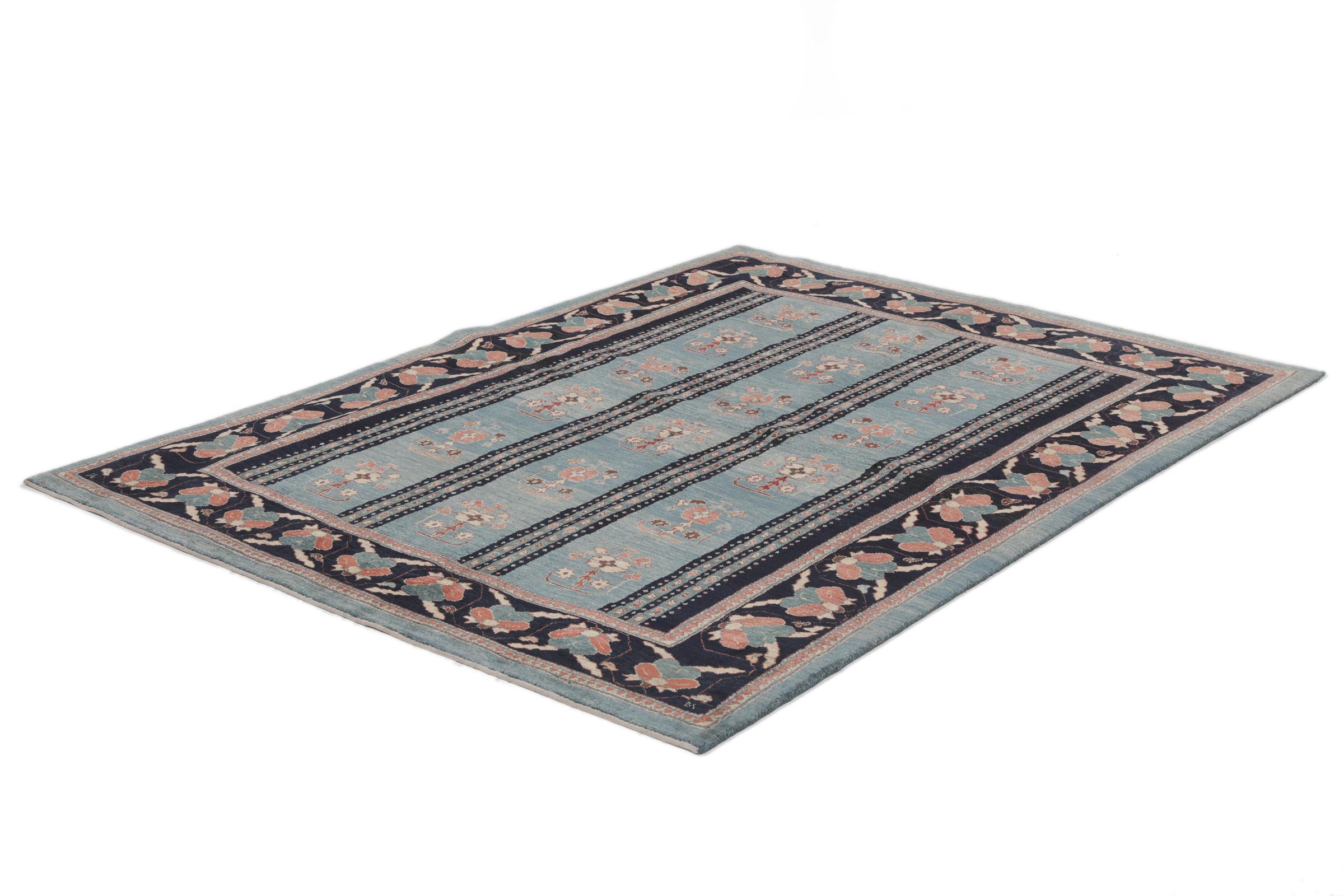
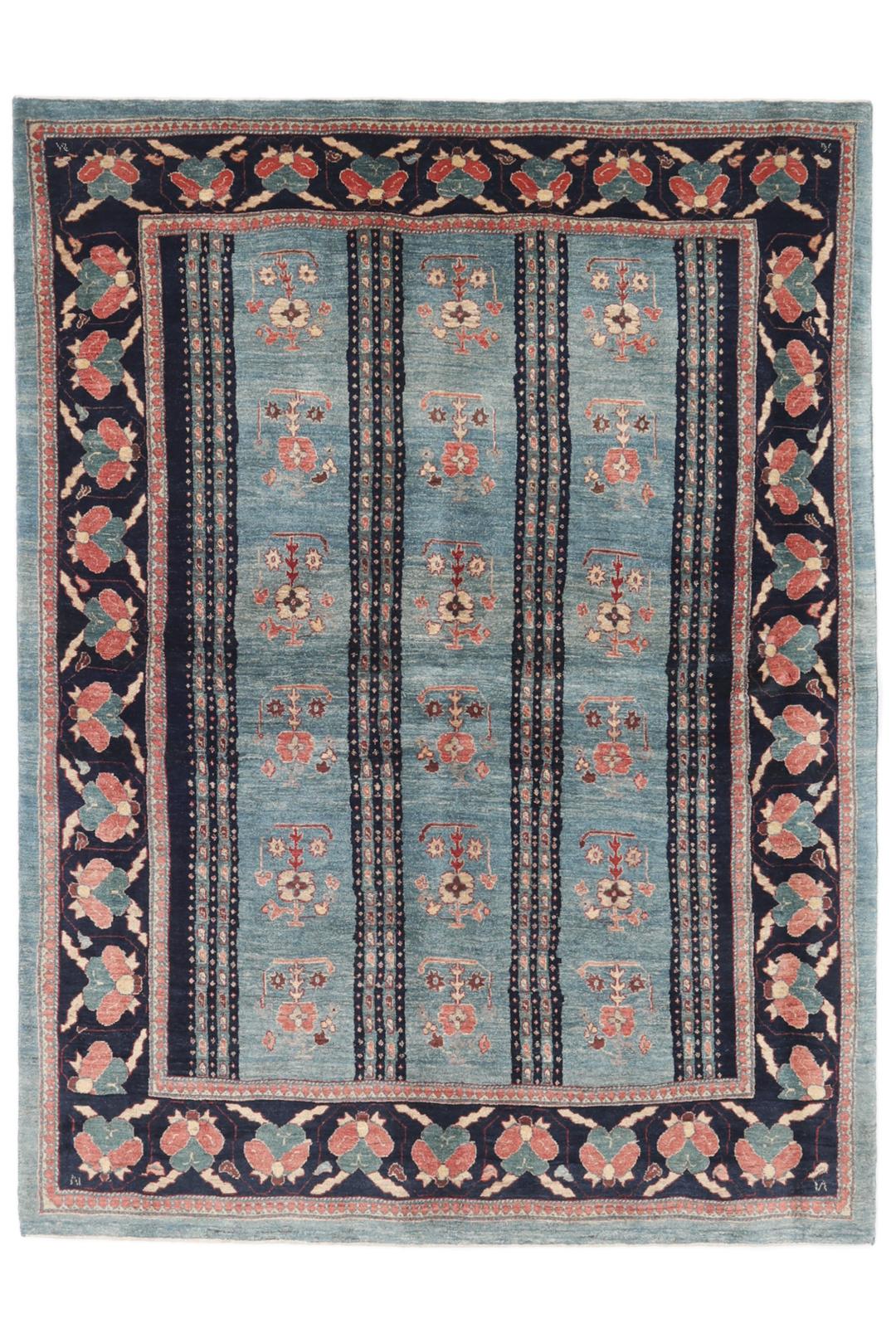
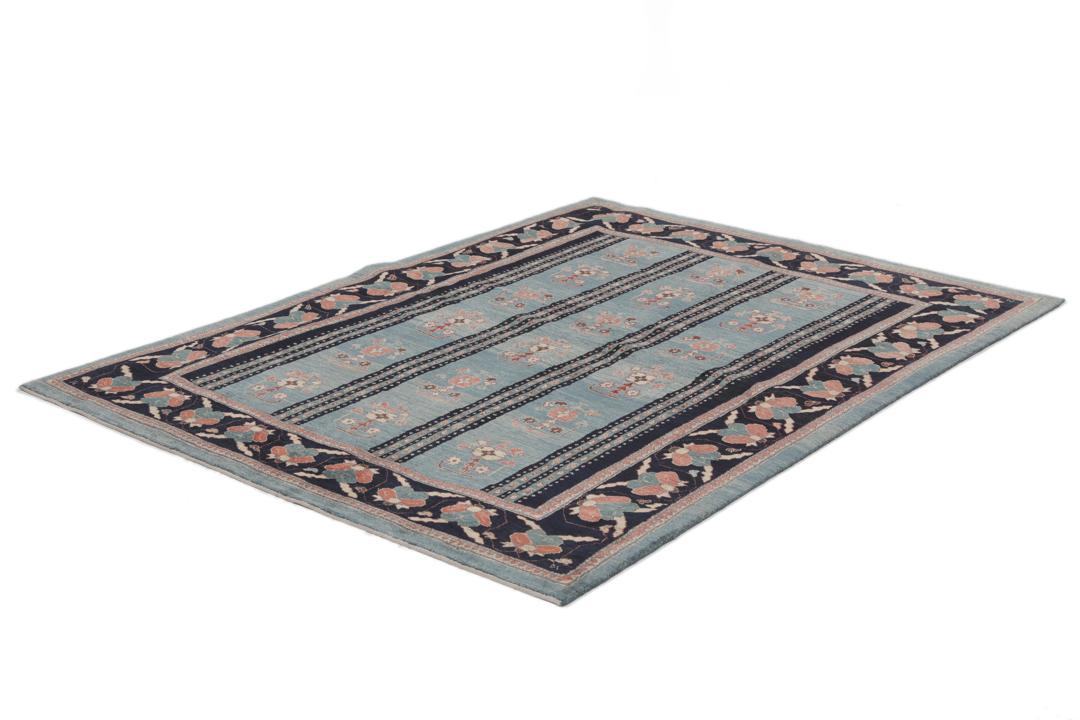
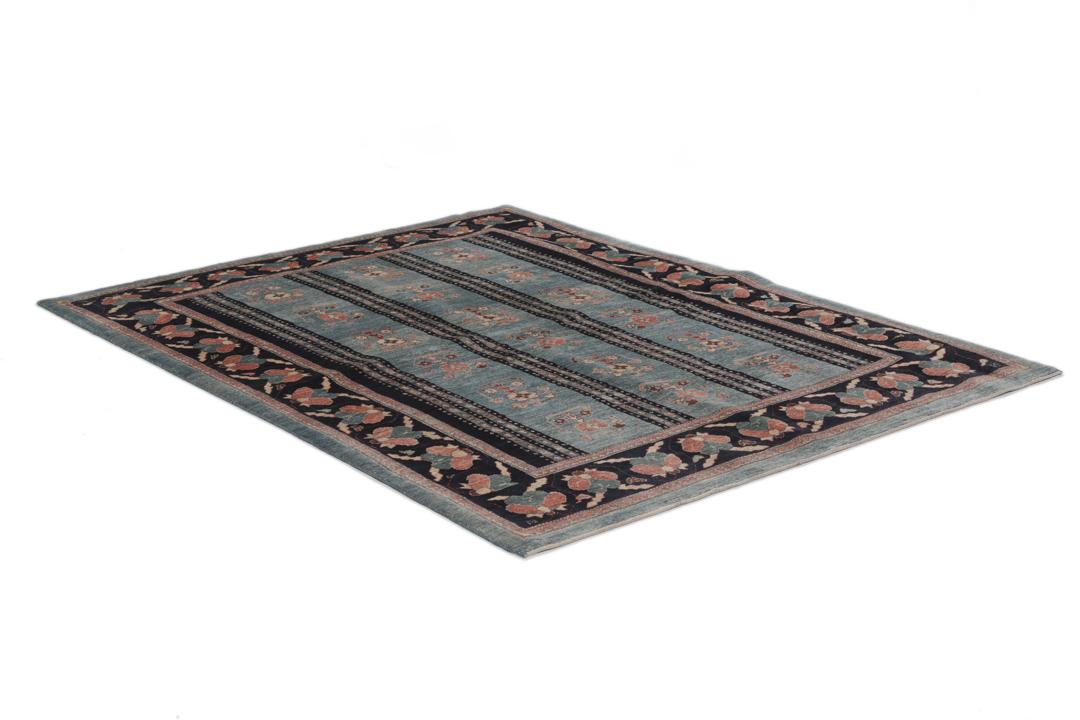
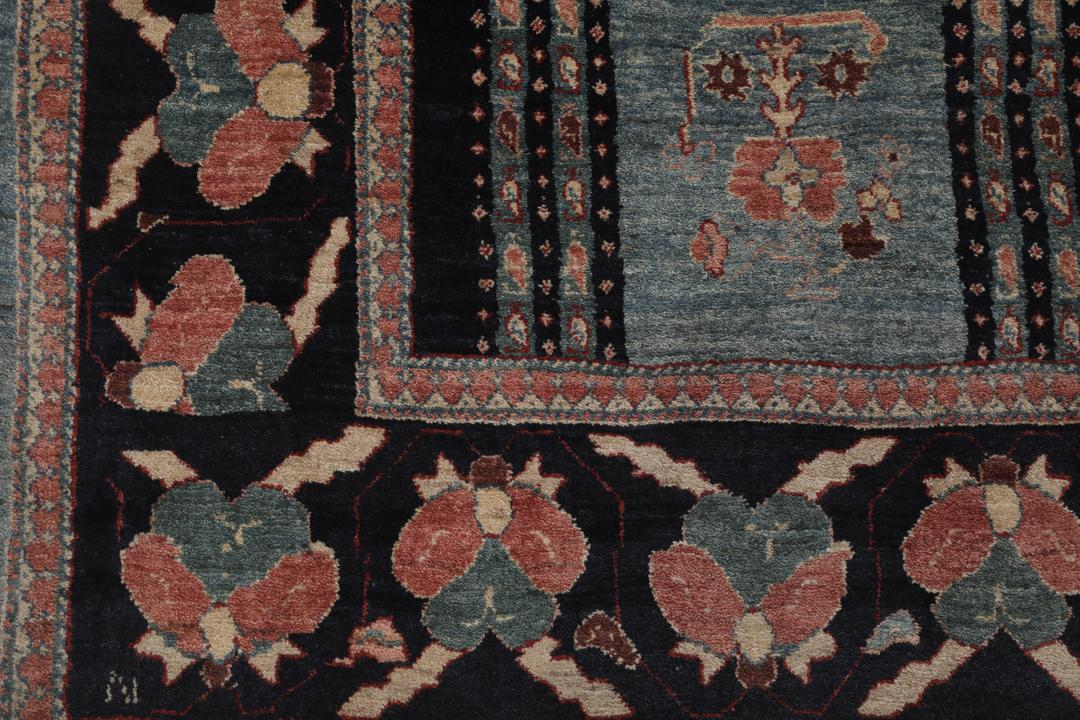
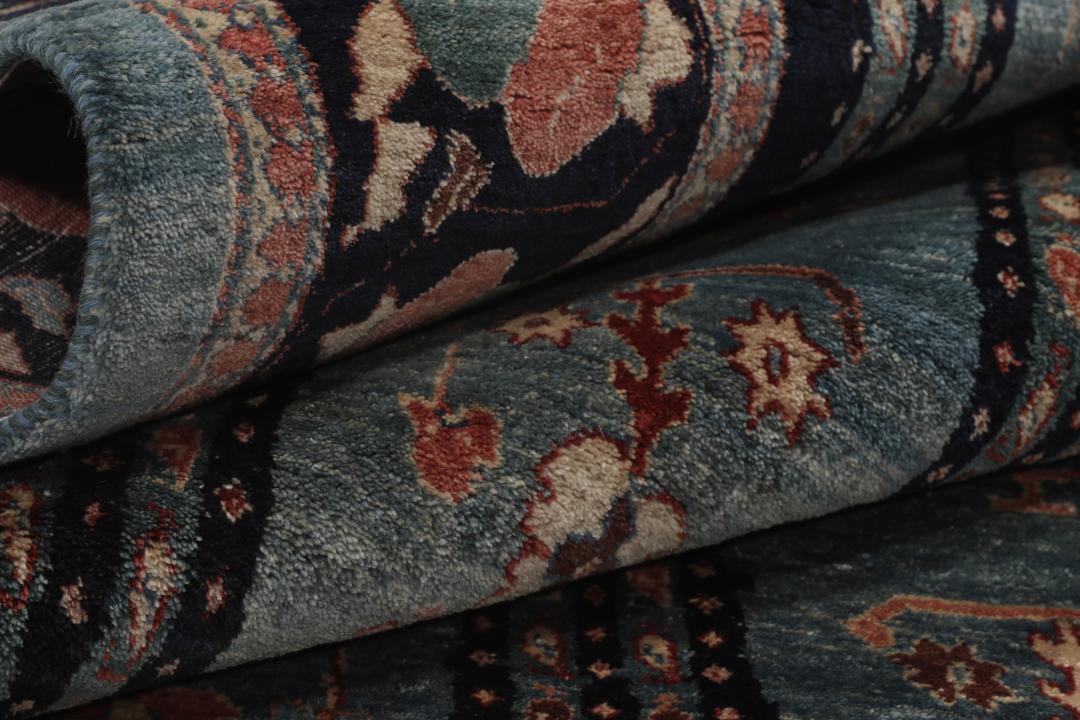
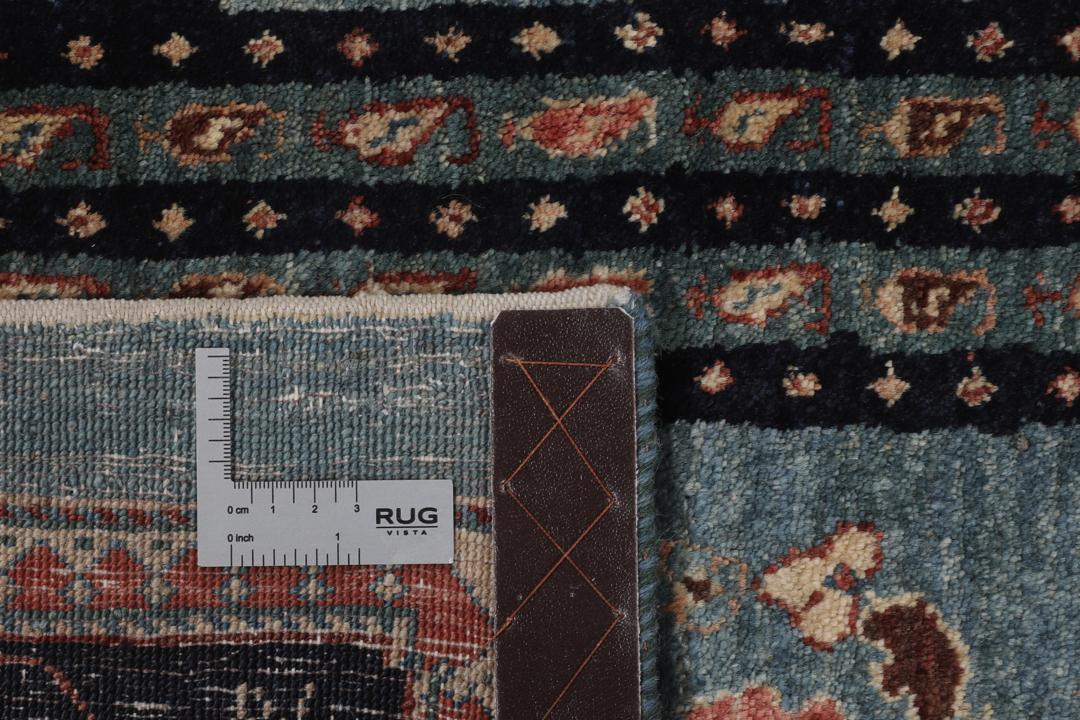
Gabbeh rugs trace their roots to the nomadic tribes of the Middle East, where they were originally woven for personal use rather than for trade. These rugs served as essential floor coverings in tents, providing protection against the cold desert ground. Over time, the Kashkooli style evolved as a more refined, sophisticated sub-category within the broader Gabbeh tradition, characterised by higher knot densities and more intricate, intentional design patterns.
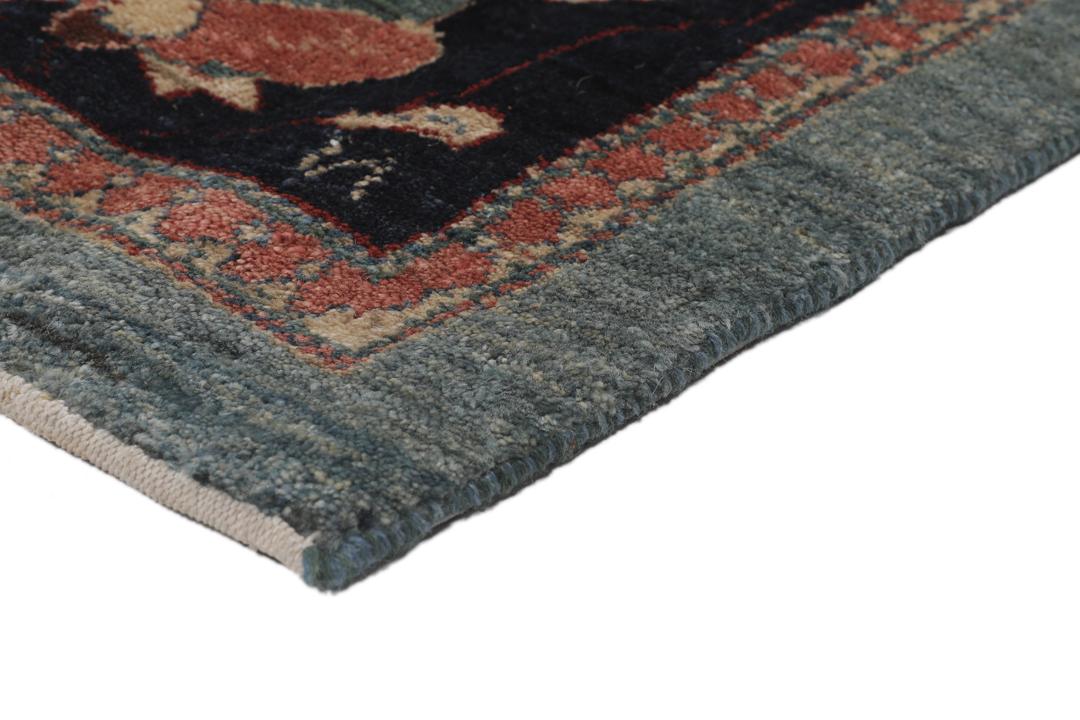
The term 'Kashkooli' refers to a specific group of weavers known for their exceptional skill and their ability to create rugs with a finer finish than standard rustic Gabbehs. This evolution in craft means that while the rug retains the soulful, spontaneous spirit of tribal weaving, it gains the precision and detail associated with more formal weaving centres. It is a bridge between the raw, nomadic past and the refined aesthetic of modern homes.
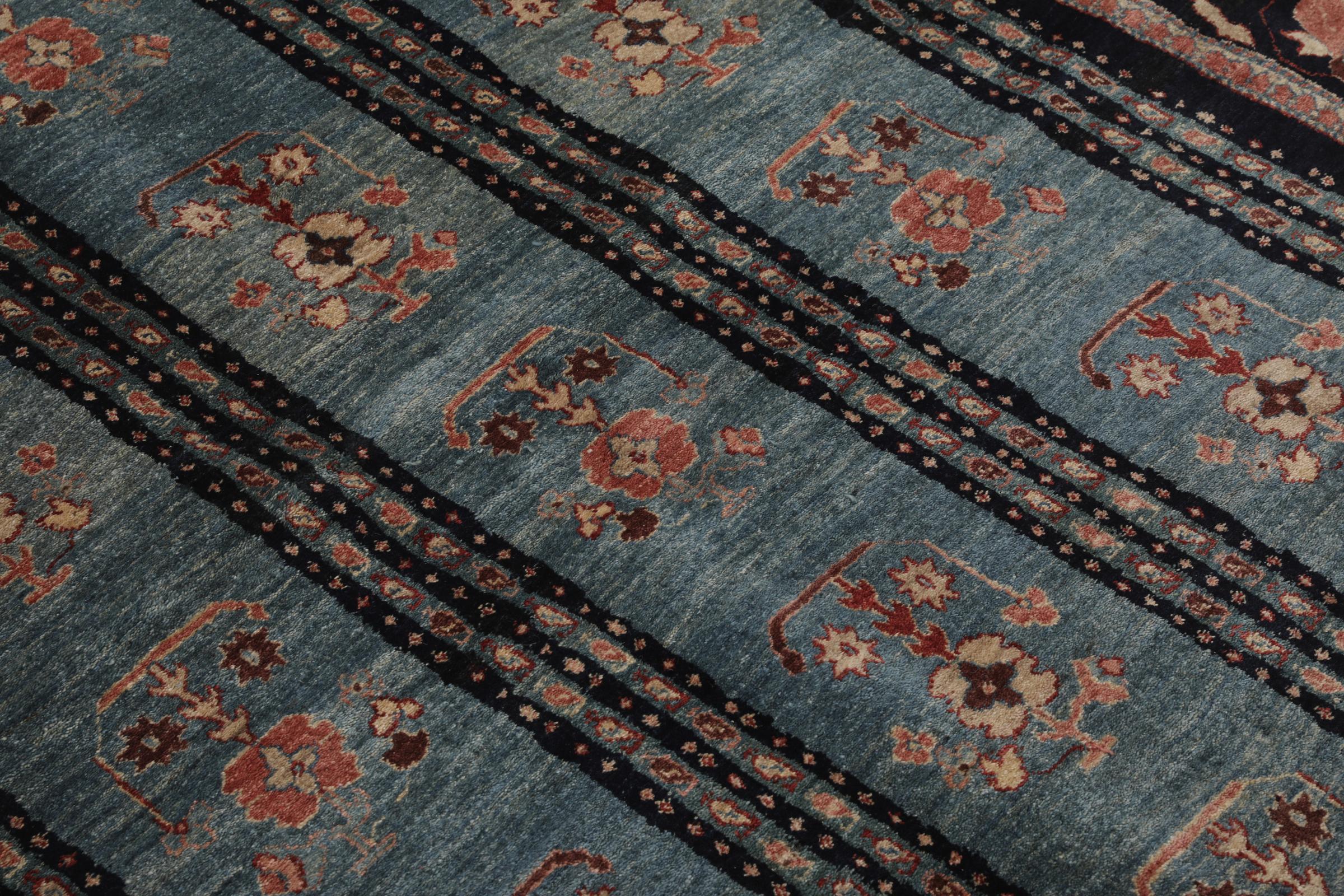
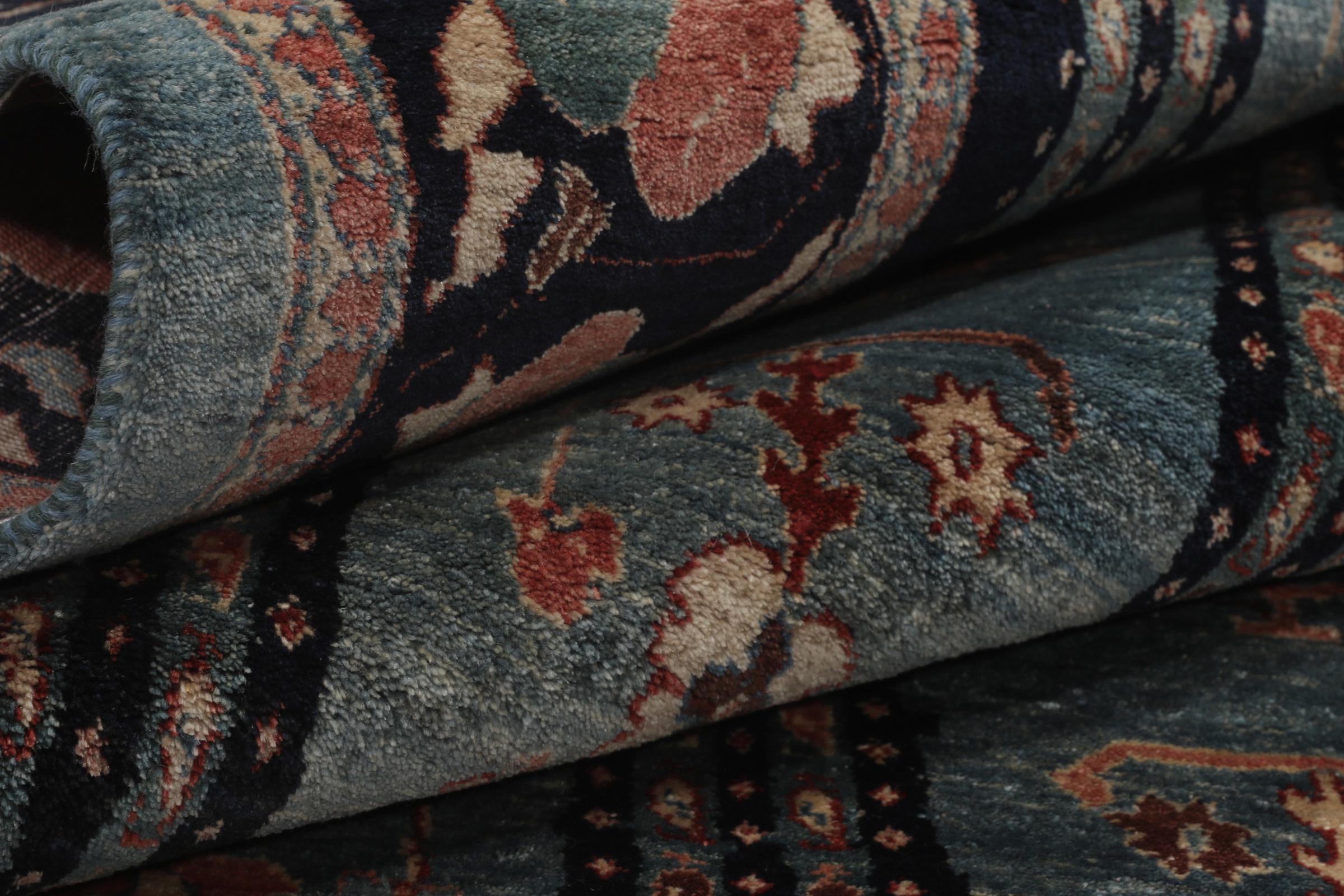
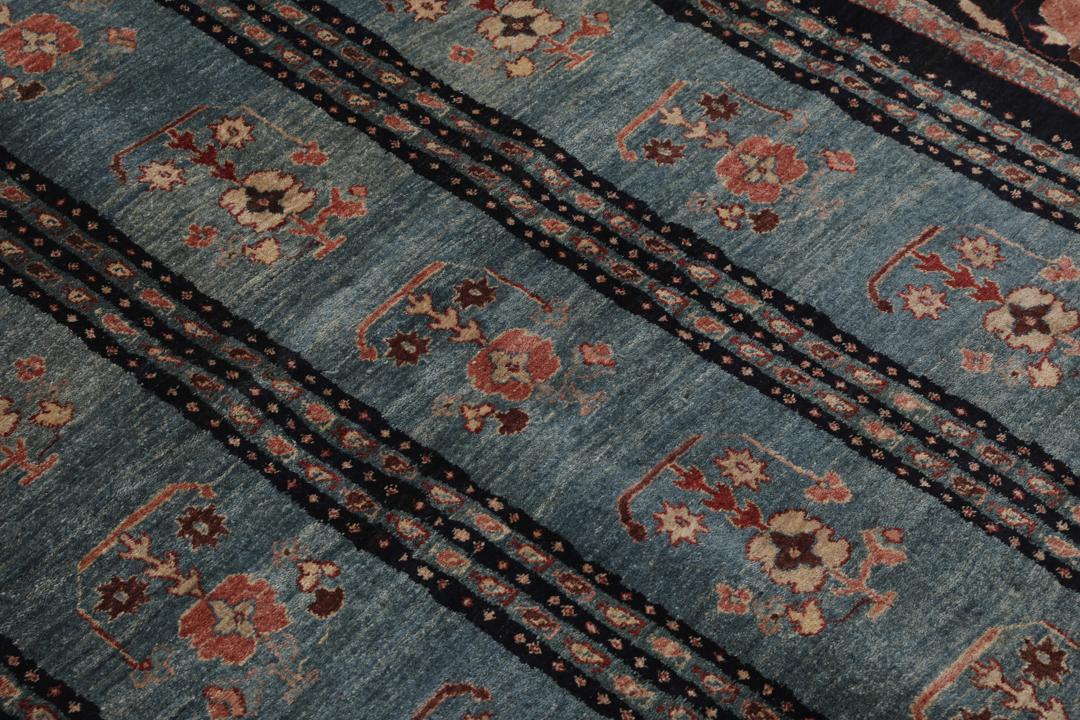
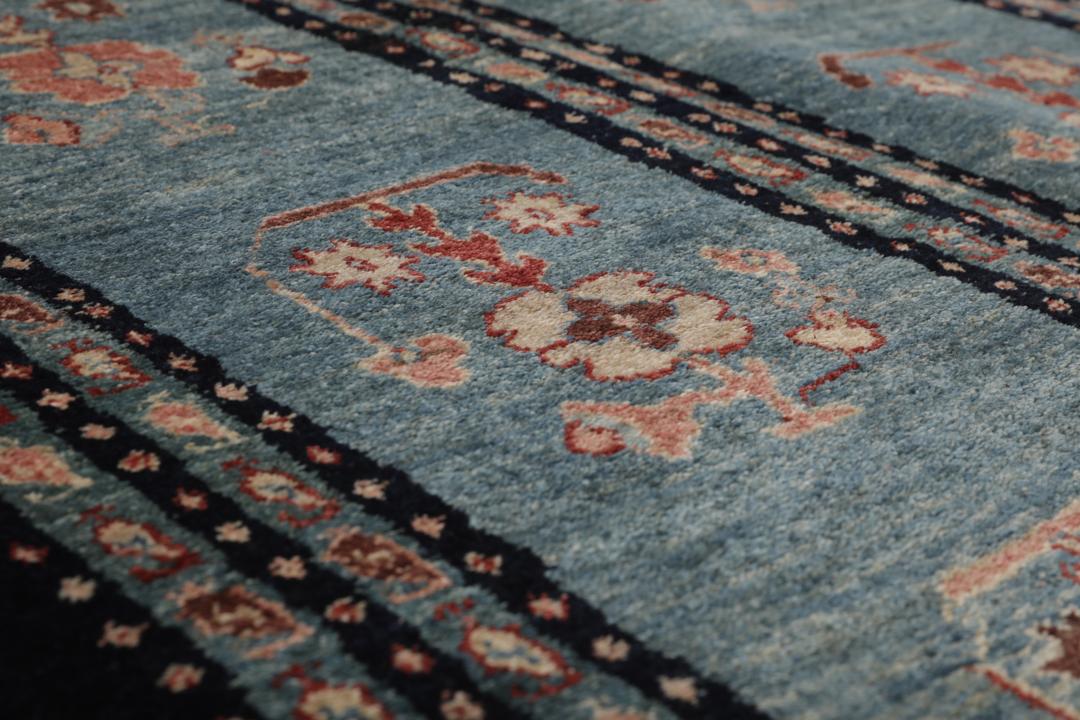
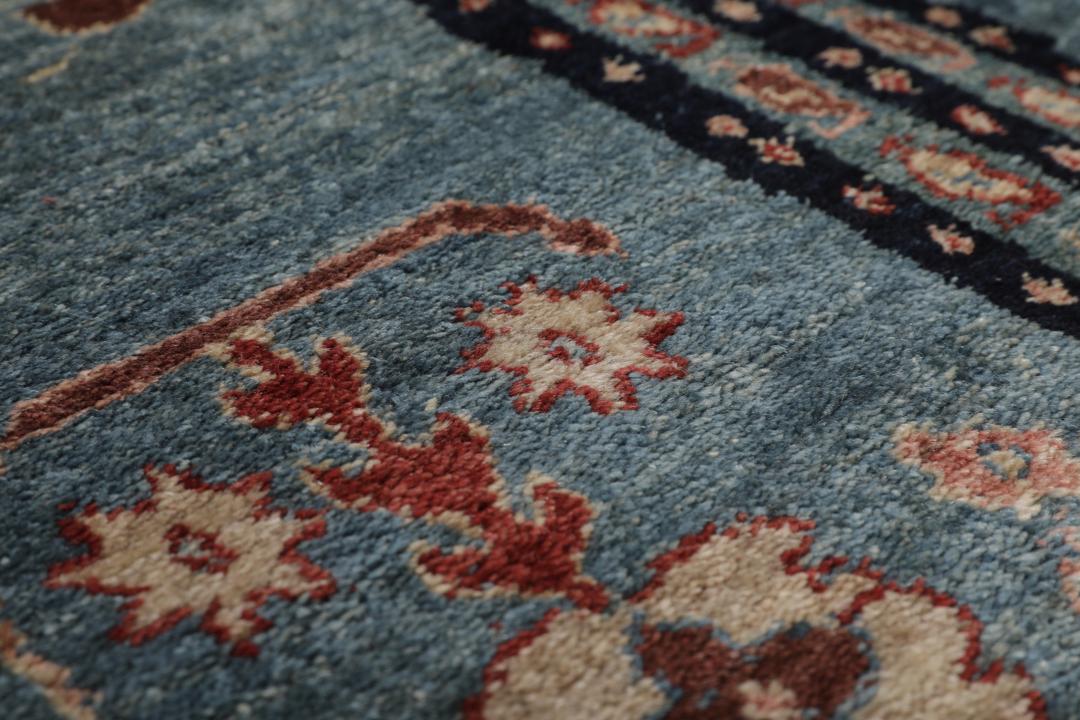
Signature design elements of the Kashkooli tradition often move away from the purely abstract, incorporating stylised floral motifs, trees of life, and geometric borders. The use of rich, deep blues is a hallmark of this tradition, often derived from natural indigo dyes that have been used for centuries. These patterns are not merely decorative but are symbolic, often reflecting the natural landscape and the cultural narratives of the tribes who created them.
Collecting a Kashkooli rug is an act of preserving a dying art form. These pieces are highly valued by connoisseurs because they represent the intersection of rugged tribal utility and delicate artistic expression. Owning such a rug is an opportunity to connect with a history of human ingenuity, where the weaver’s hand and the natural properties of wool meet to create something that is both functional and culturally significant.