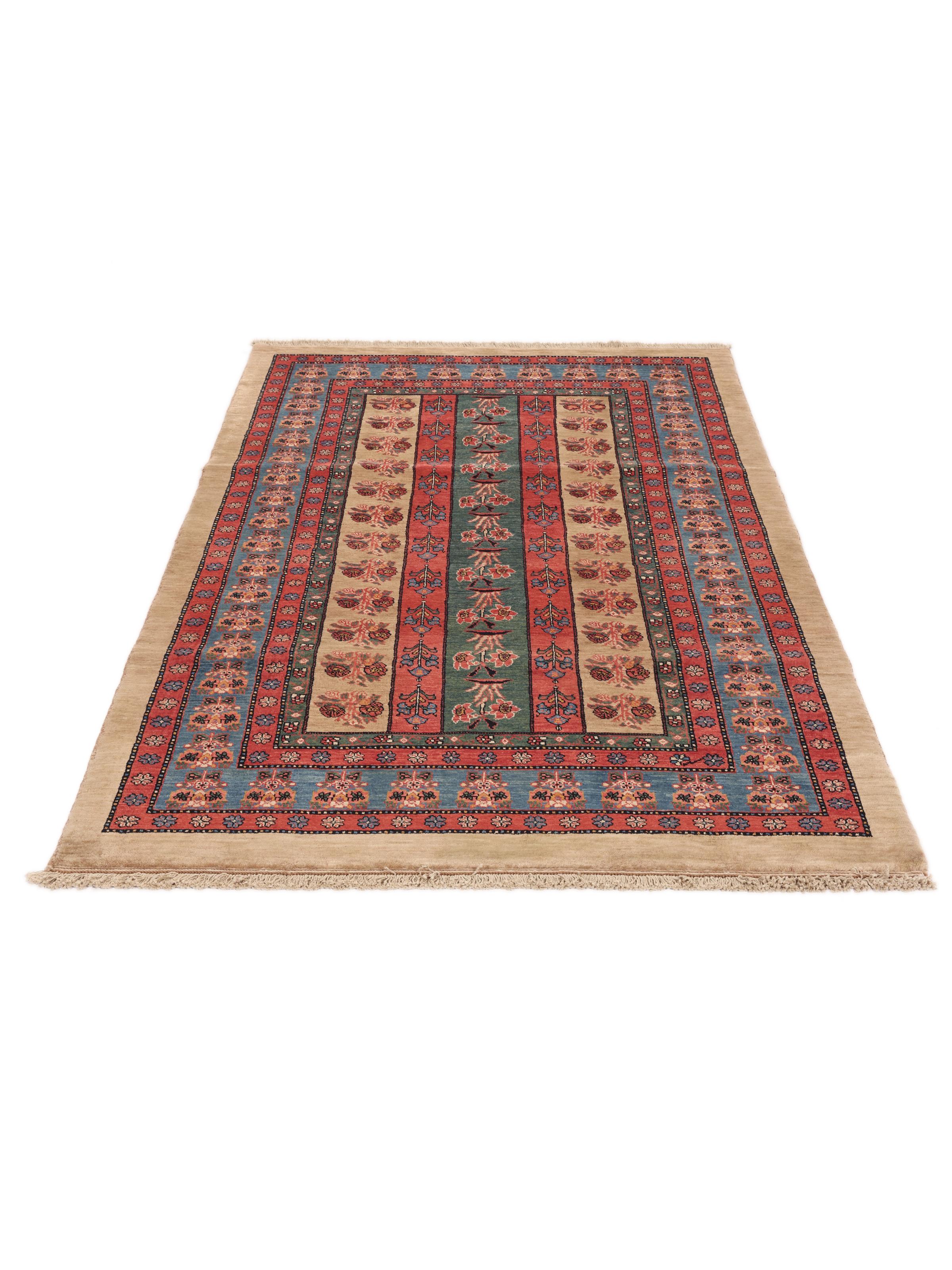
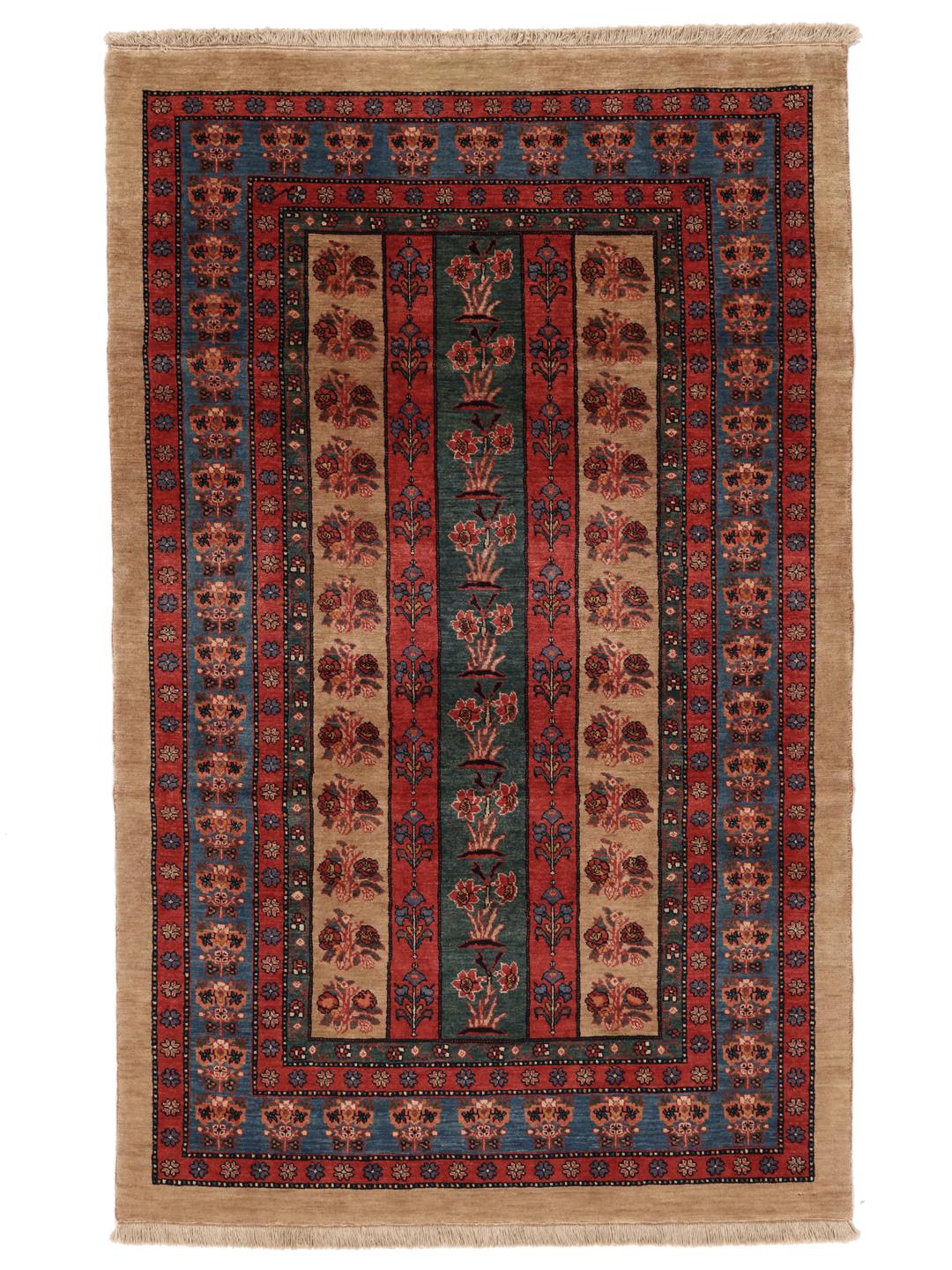
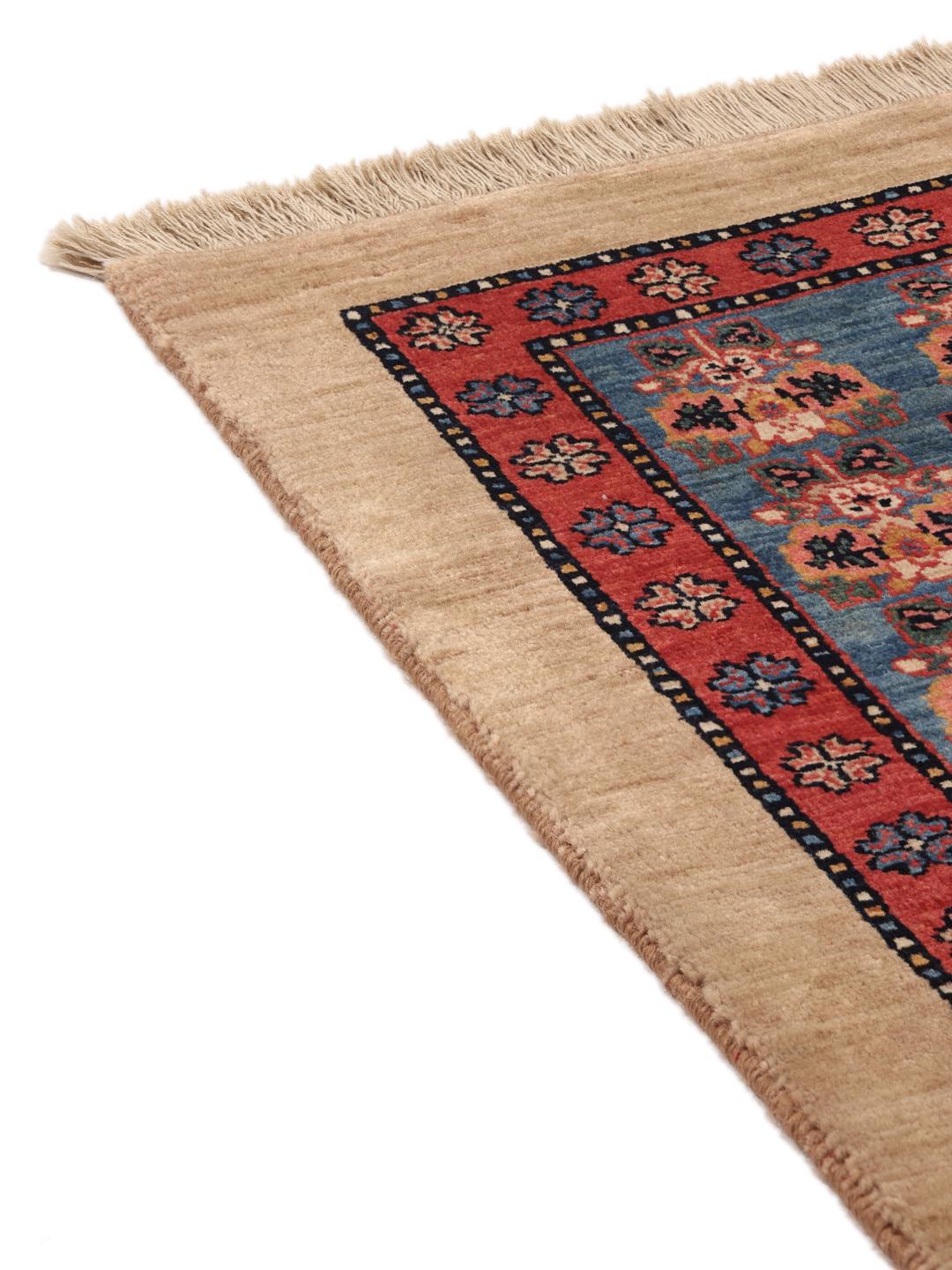
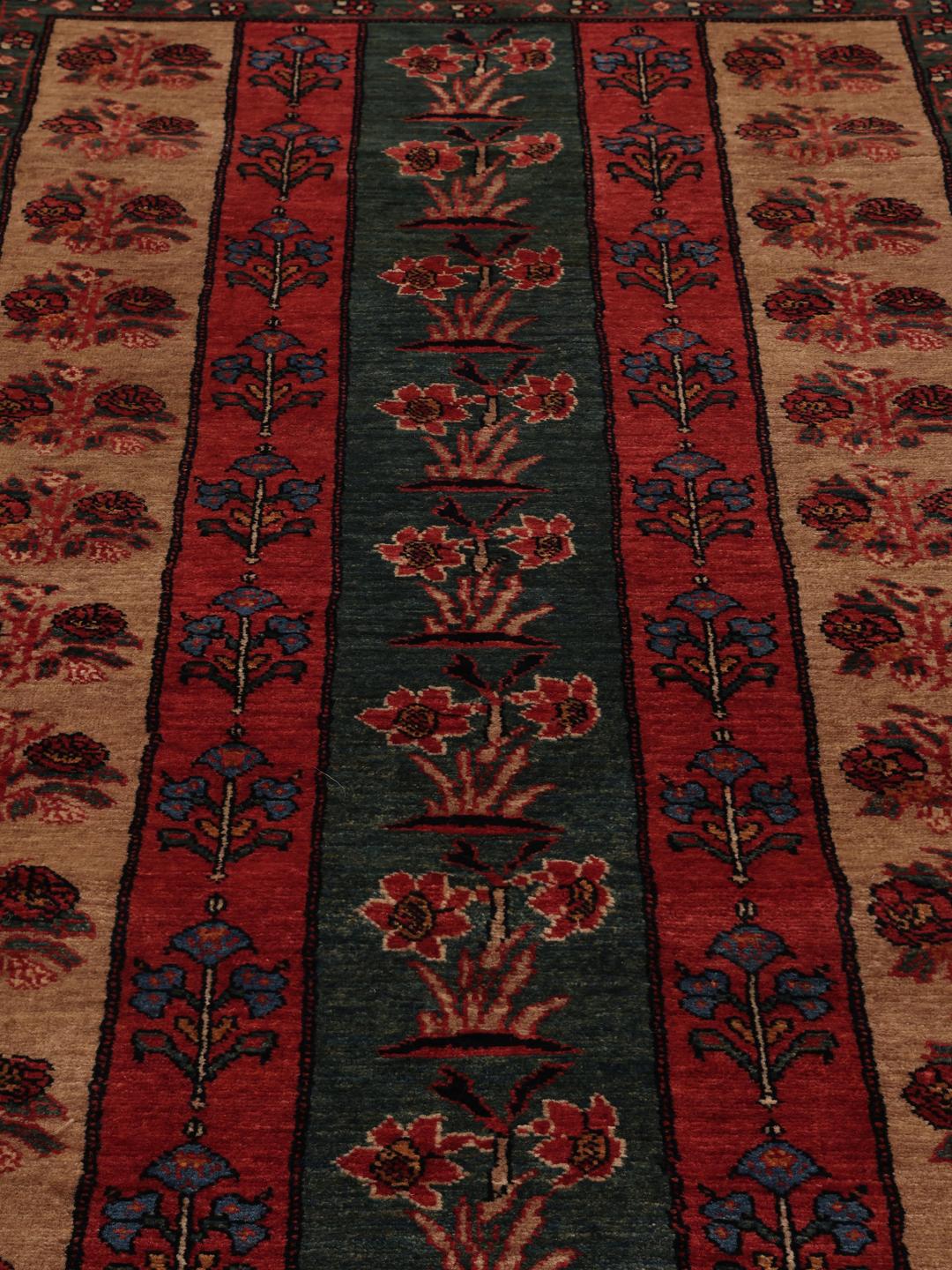
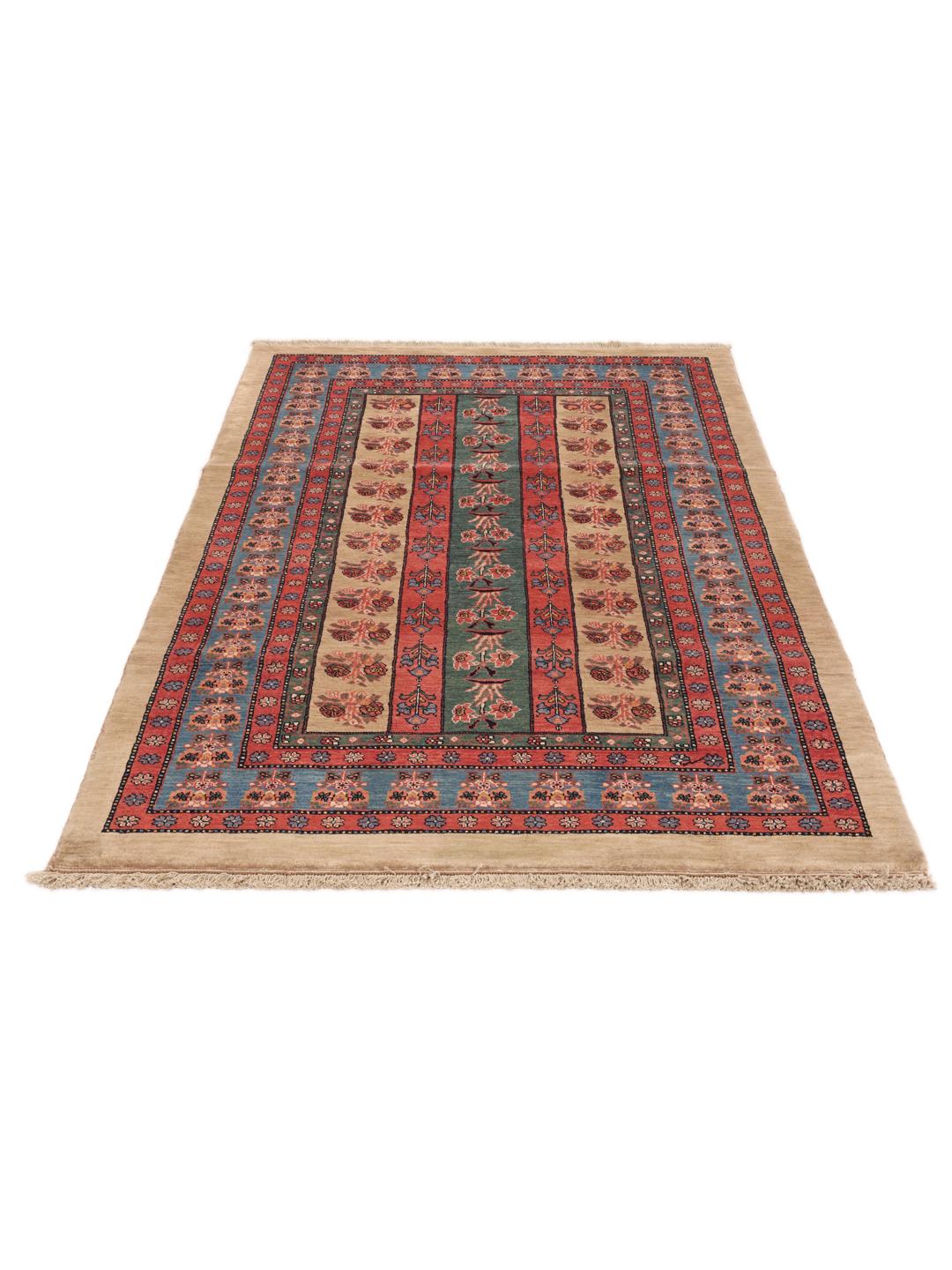
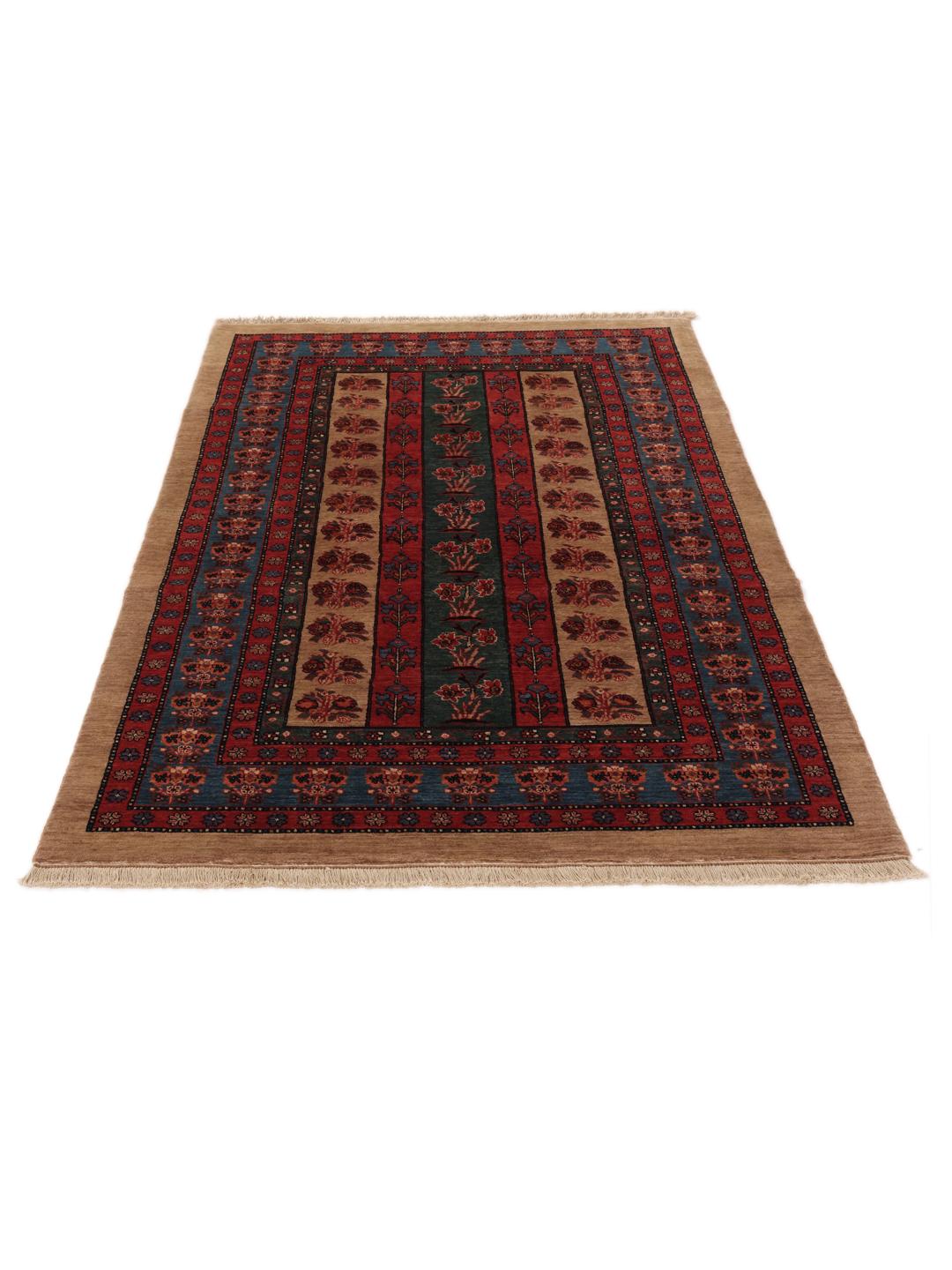
The Gabbeh tradition originates from the nomadic tribes of the Middle East, where weavers historically created these rugs for personal use rather than for trade. Unlike formal, city-made rugs that follow strict, pre-determined patterns, these pieces were expressions of the weaver's imagination, often depicting scenes from their daily life, the natural world, or abstract geometric interpretations of their environment.
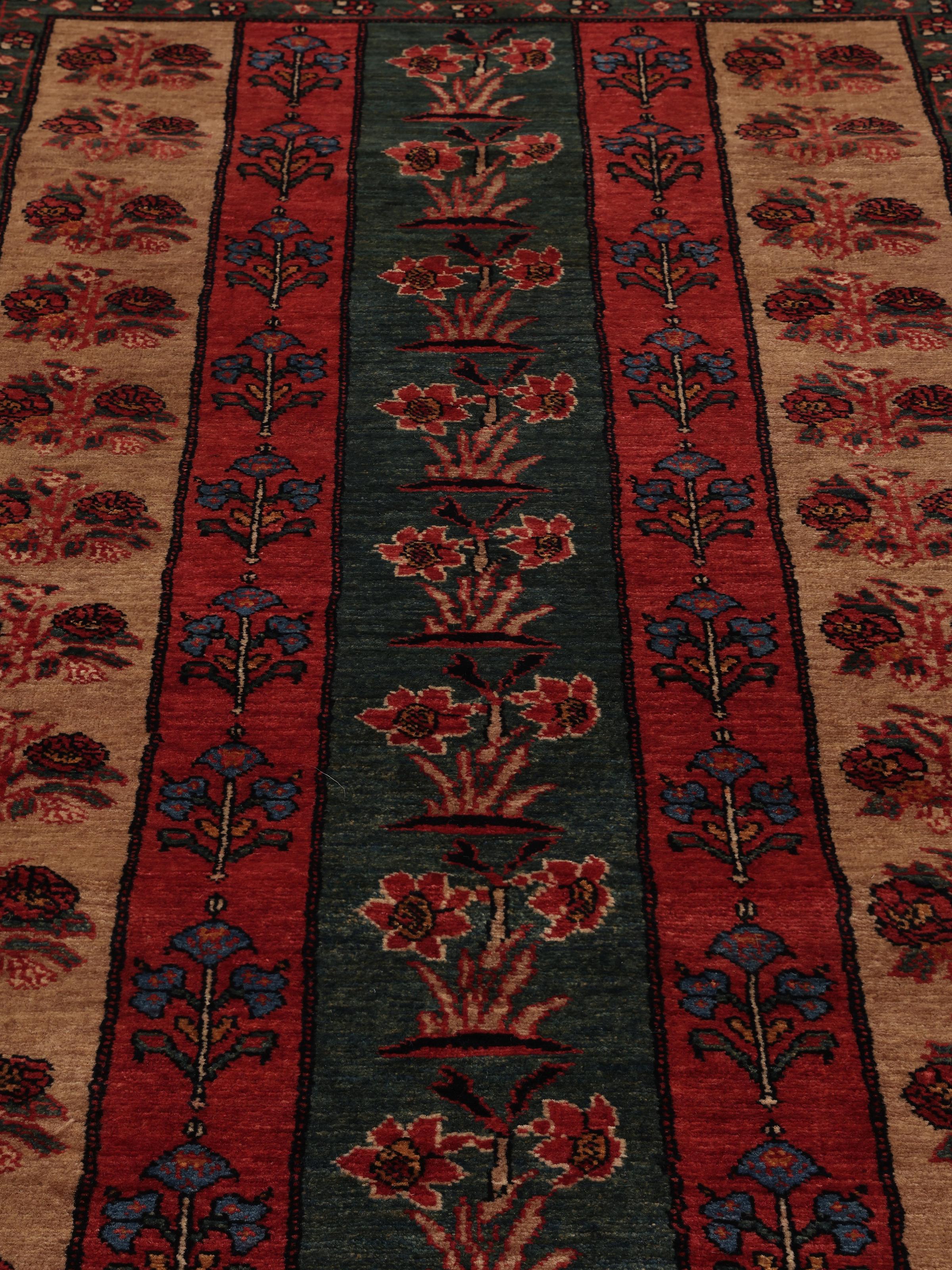
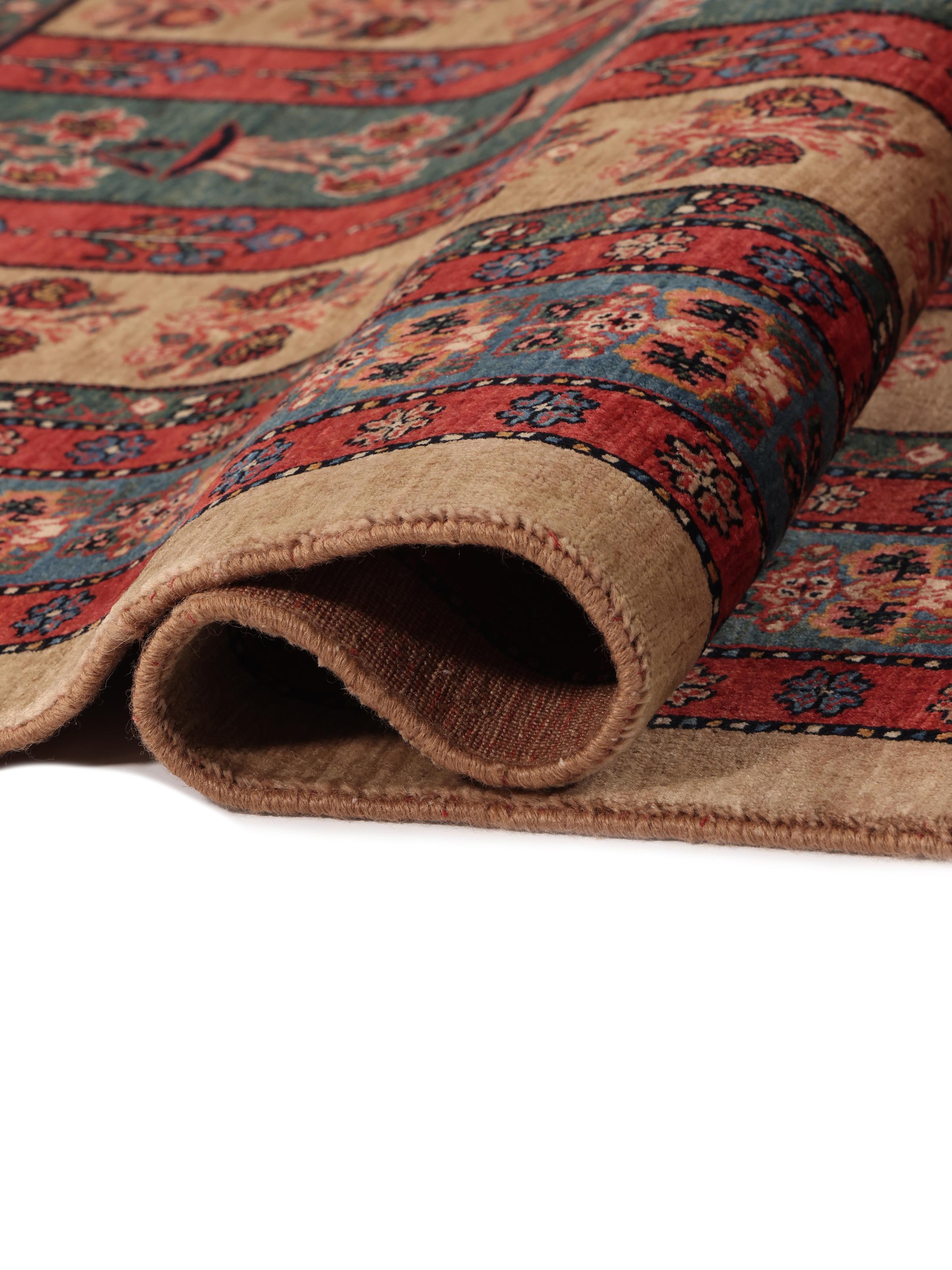
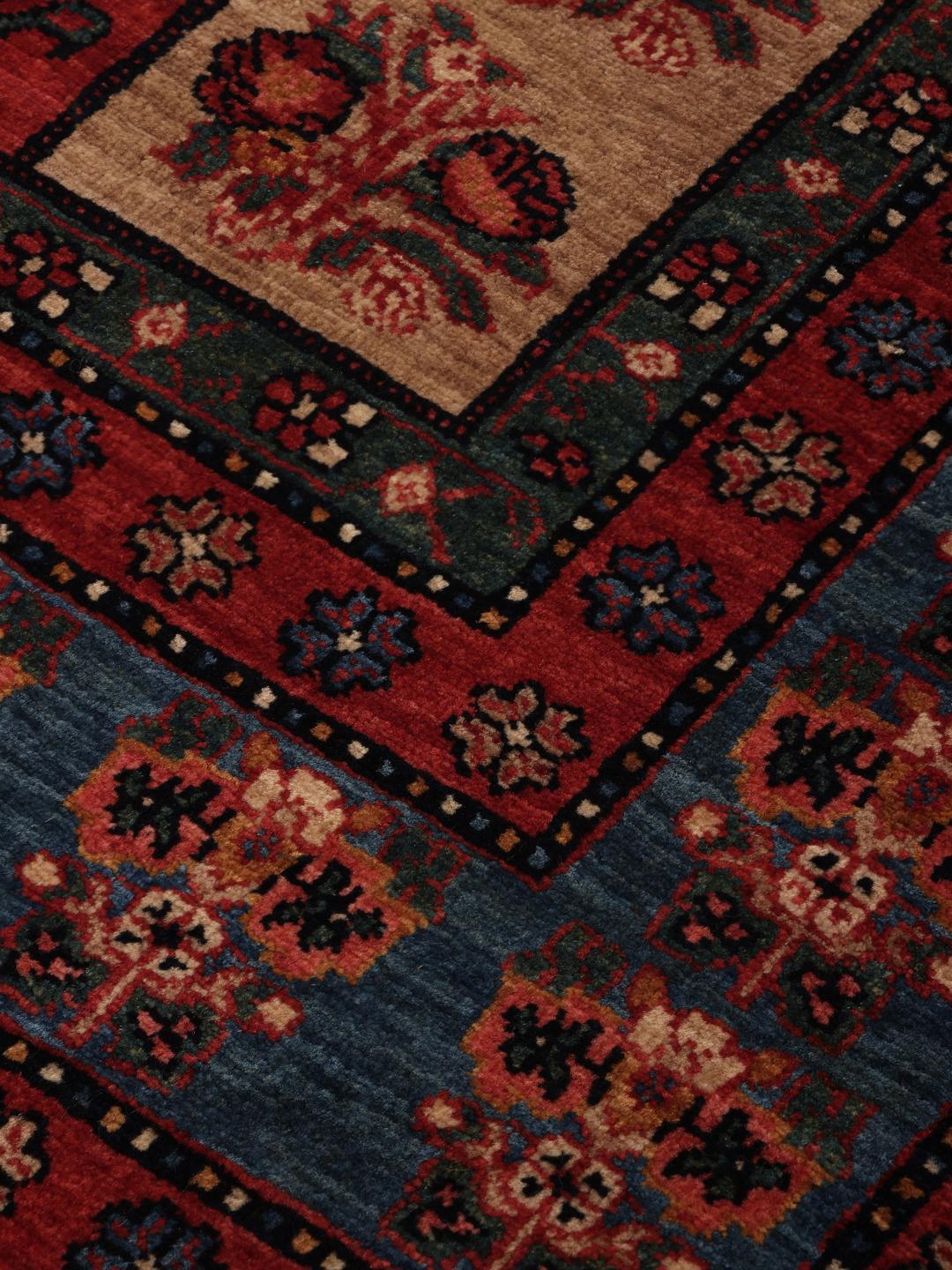
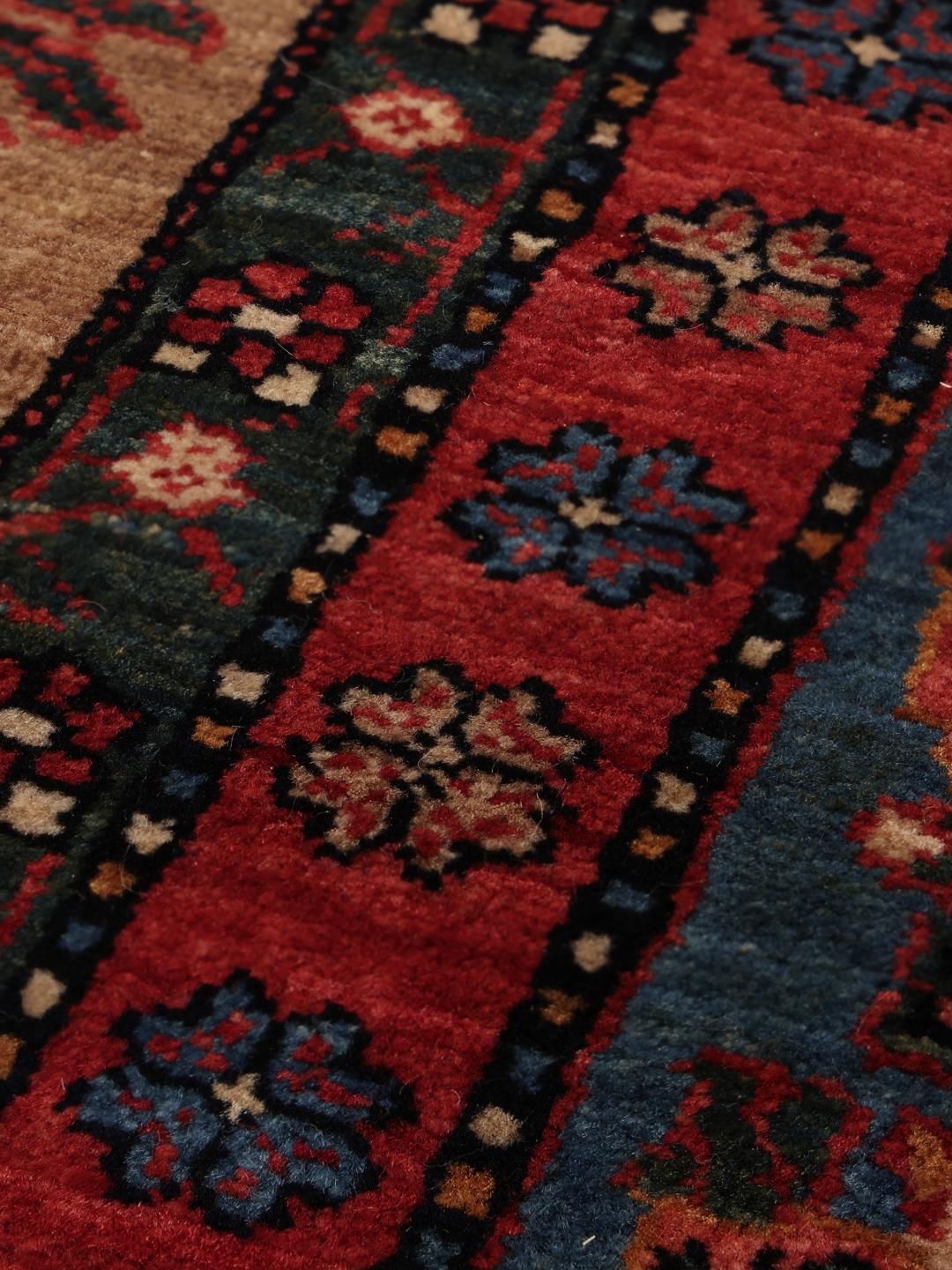
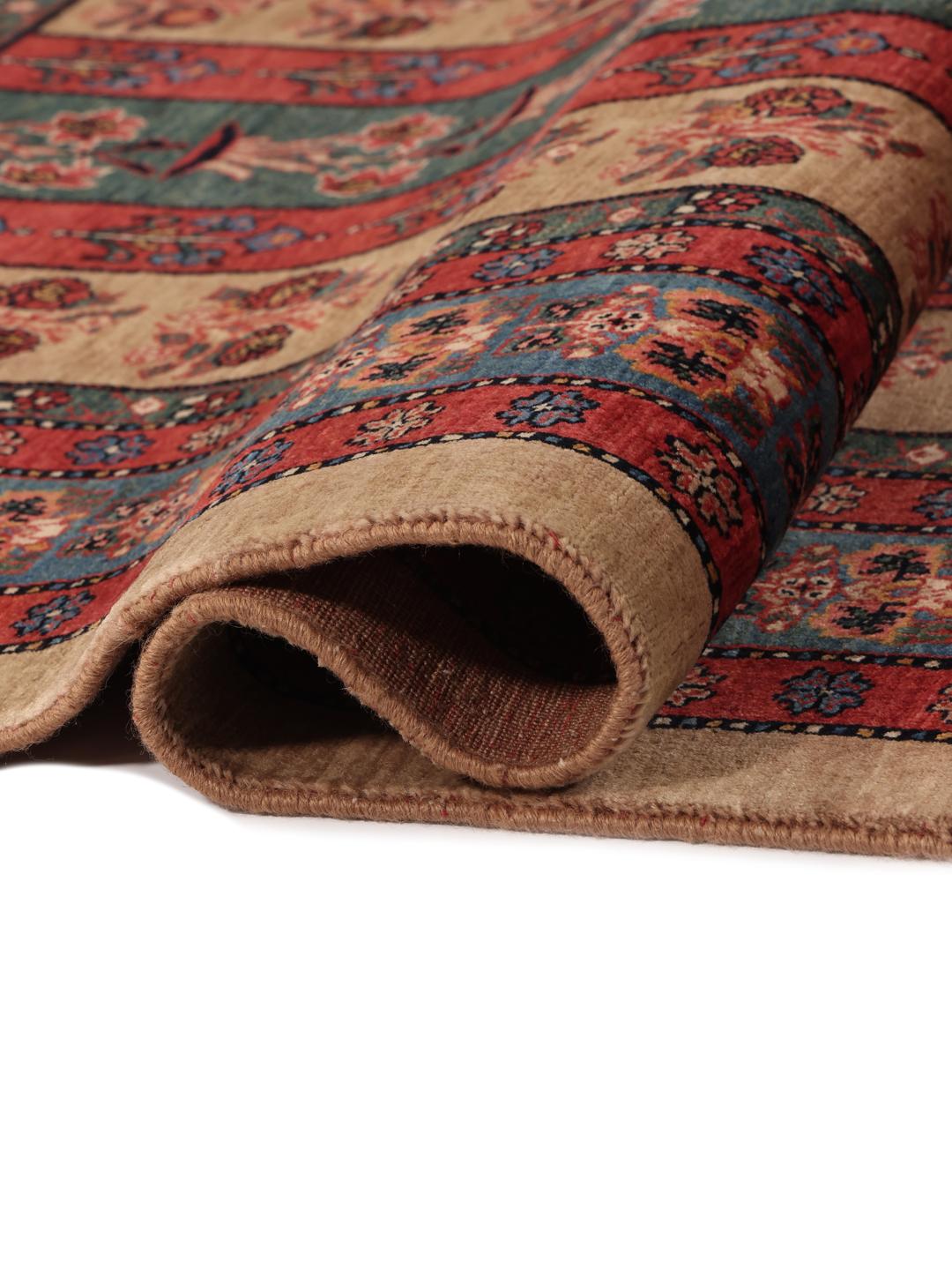
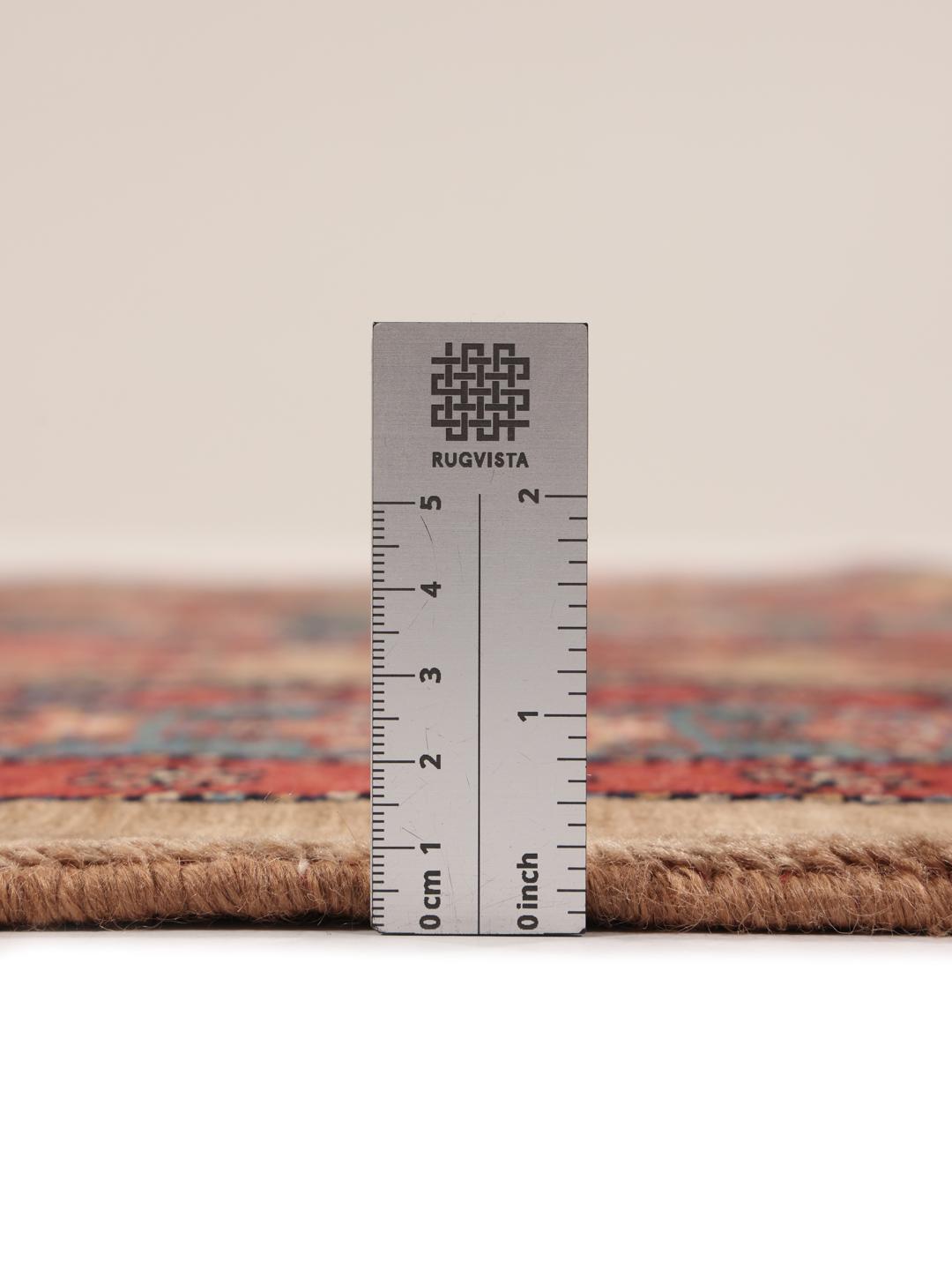
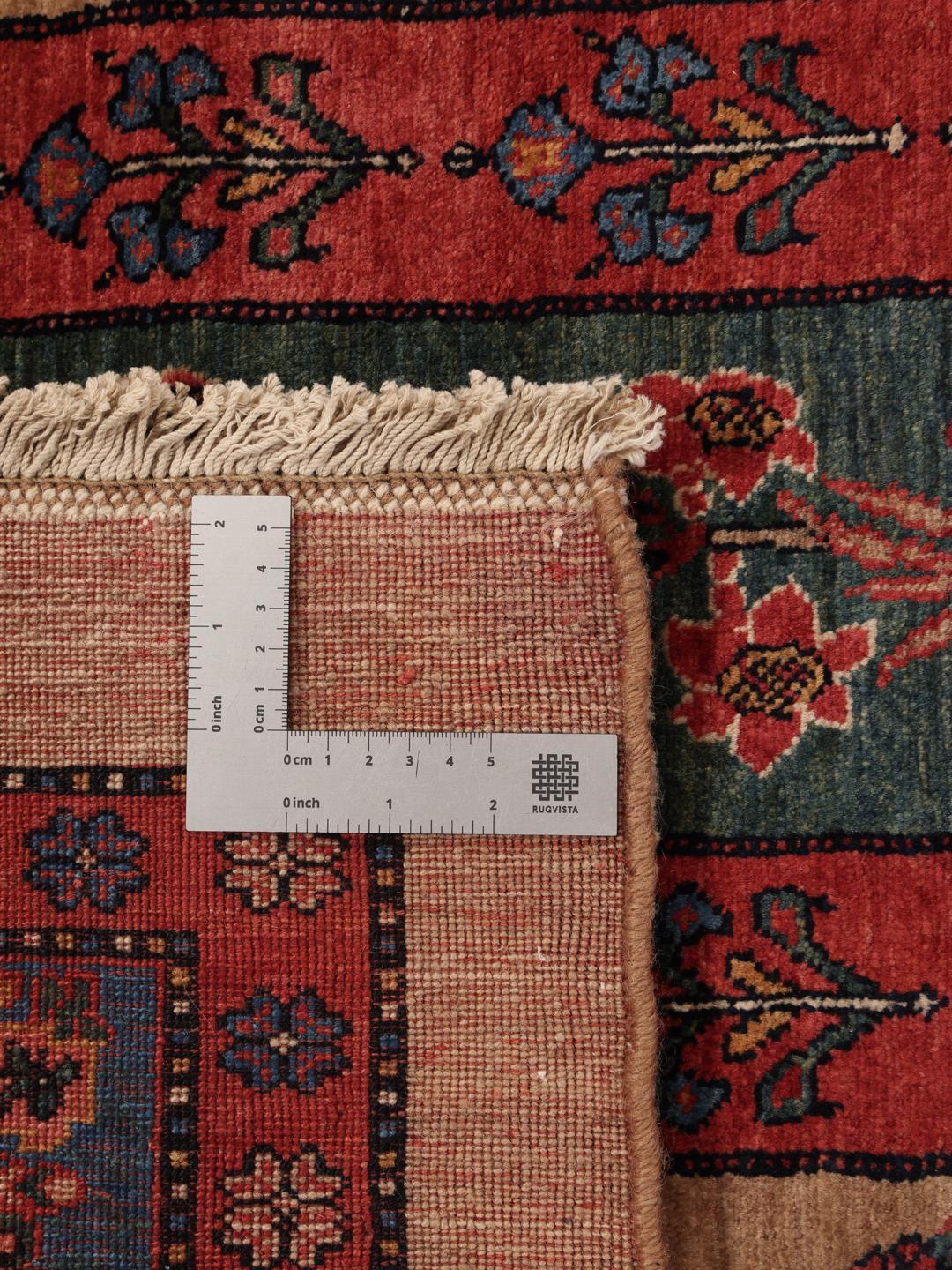
The term 'Kashkooli' refers to a specific, more refined grade of Gabbeh. While traditional Gabbeh rugs are known for their thick, coarse pile and simple designs, the Kashkooli style is distinguished by a higher knot density and a much finer, more lustrous wool. This results in a softer handle and allows for more complex, delicate patterns compared to the rustic versions often associated with nomadic weaving.
Visual language in these rugs is defined by a deep connection to the environment. Floral motifs, often stylised as trees of life or garden scenes, are common themes. The use of vibrant, natural dyes—traditionally derived from roots, flowers, and insects—creates a depth of colour that ages gracefully, developing a soft, beautiful patina over time that adds to the rug's character.
Owning a Gabbeh Kashkooli is an investment in a storied craft tradition. These rugs are highly valued by collectors for their blend of spontaneity and technical skill. Each rug represents a cultural heritage passed down through generations, offering a rare combination of artistic freedom and enduring quality that brings a sense of history and human story into a modern home.