The Gabbeh tradition traces its roots to the nomadic and semi-nomadic tribes of the Middle East, particularly among the Qashqai and Lori peoples. Traditionally, these rugs were woven for personal use rather than for trade, meaning they were made to be functional, warm, and deeply personal expressions of the weaver's own surroundings and life experiences.
The term 'Gabbeh' itself translates to 'raw' or 'natural,' reflecting the unrefined and primitive beauty that defines this style. Unlike more formal urban rugs that rely on precise, pre-drawn cartoons, Gabbeh rugs are often improvised at the loom. This allows for a more spontaneous design process where the weaver can incorporate symbols or patterns that hold local significance.
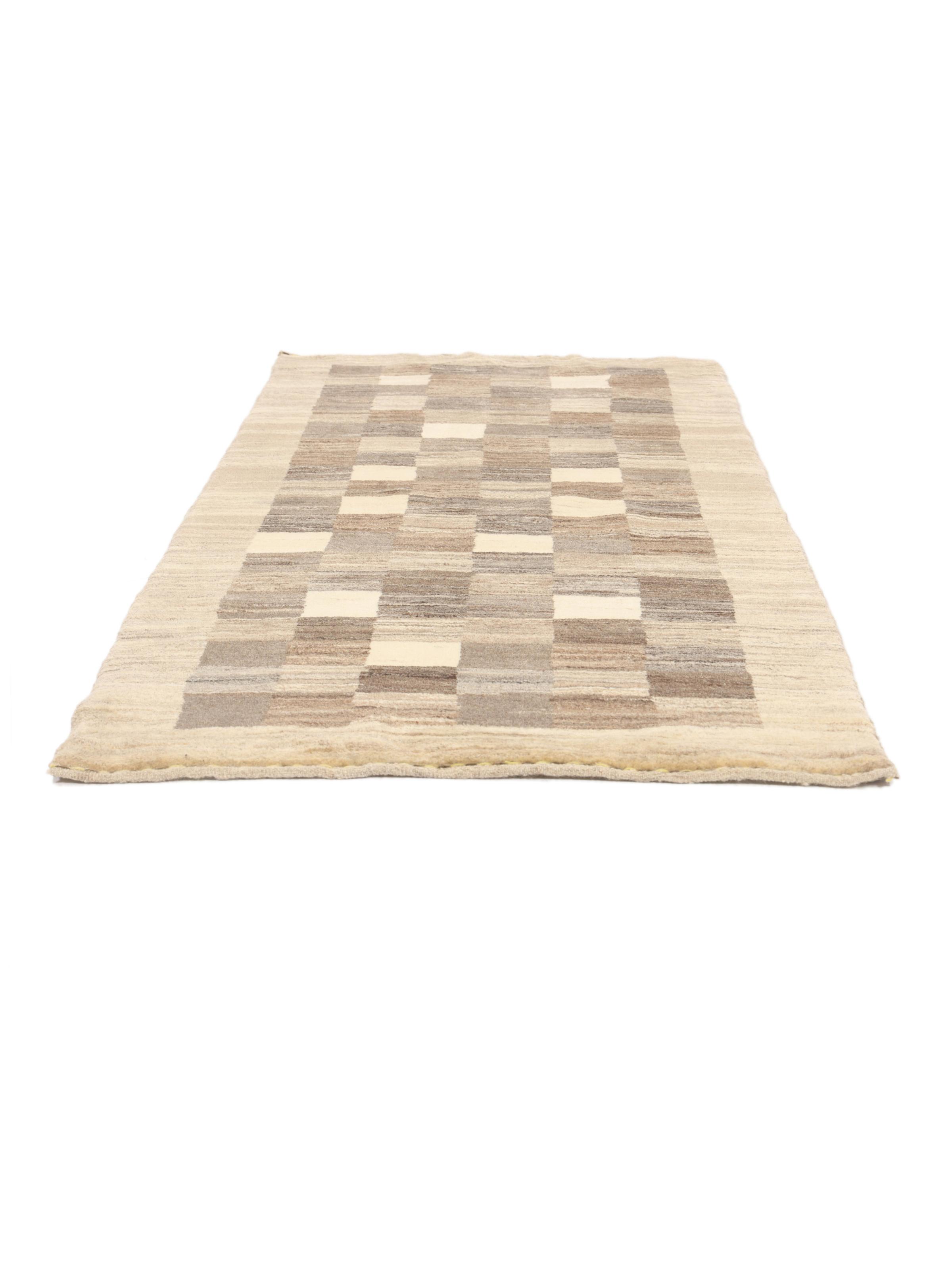
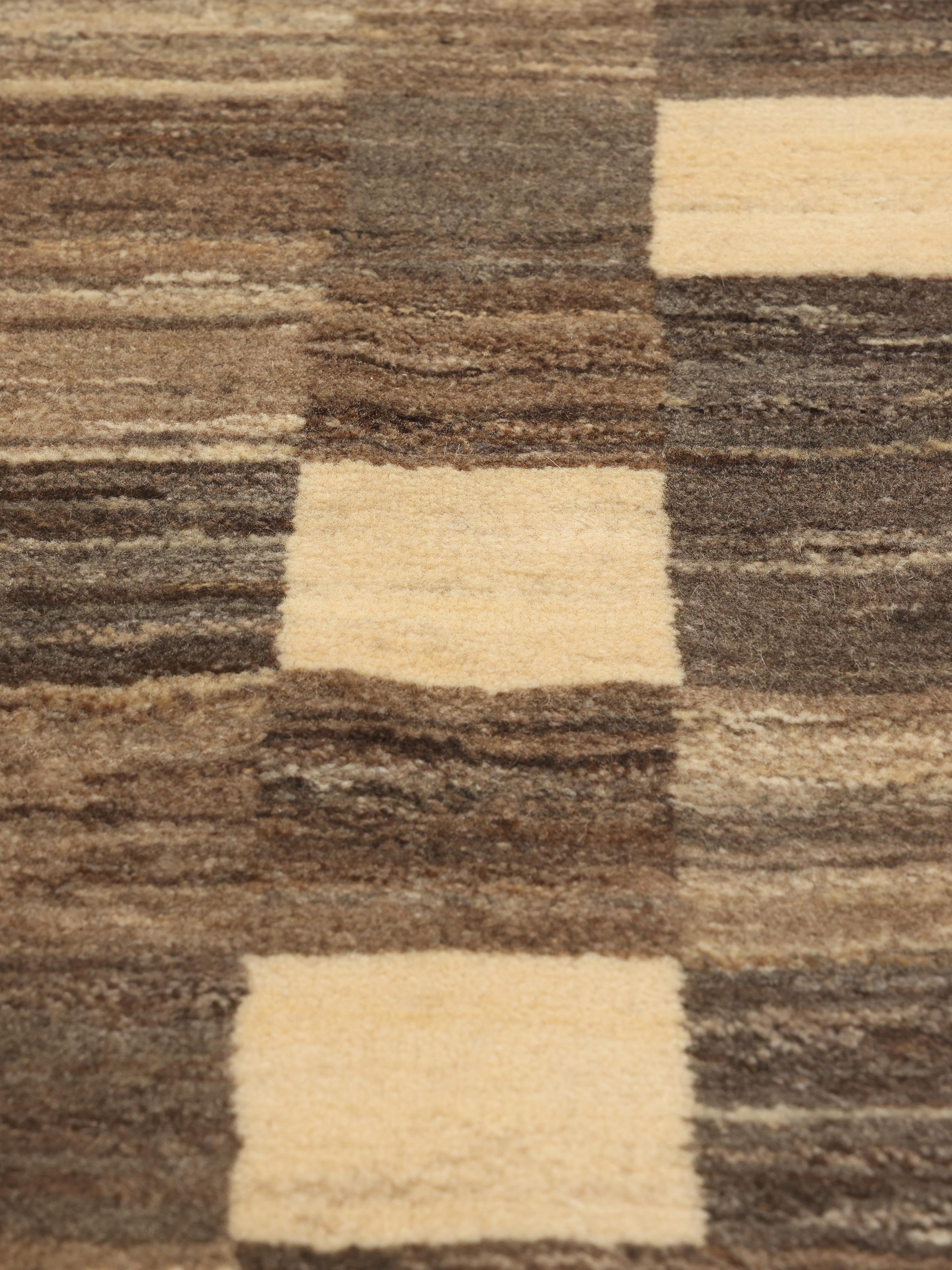
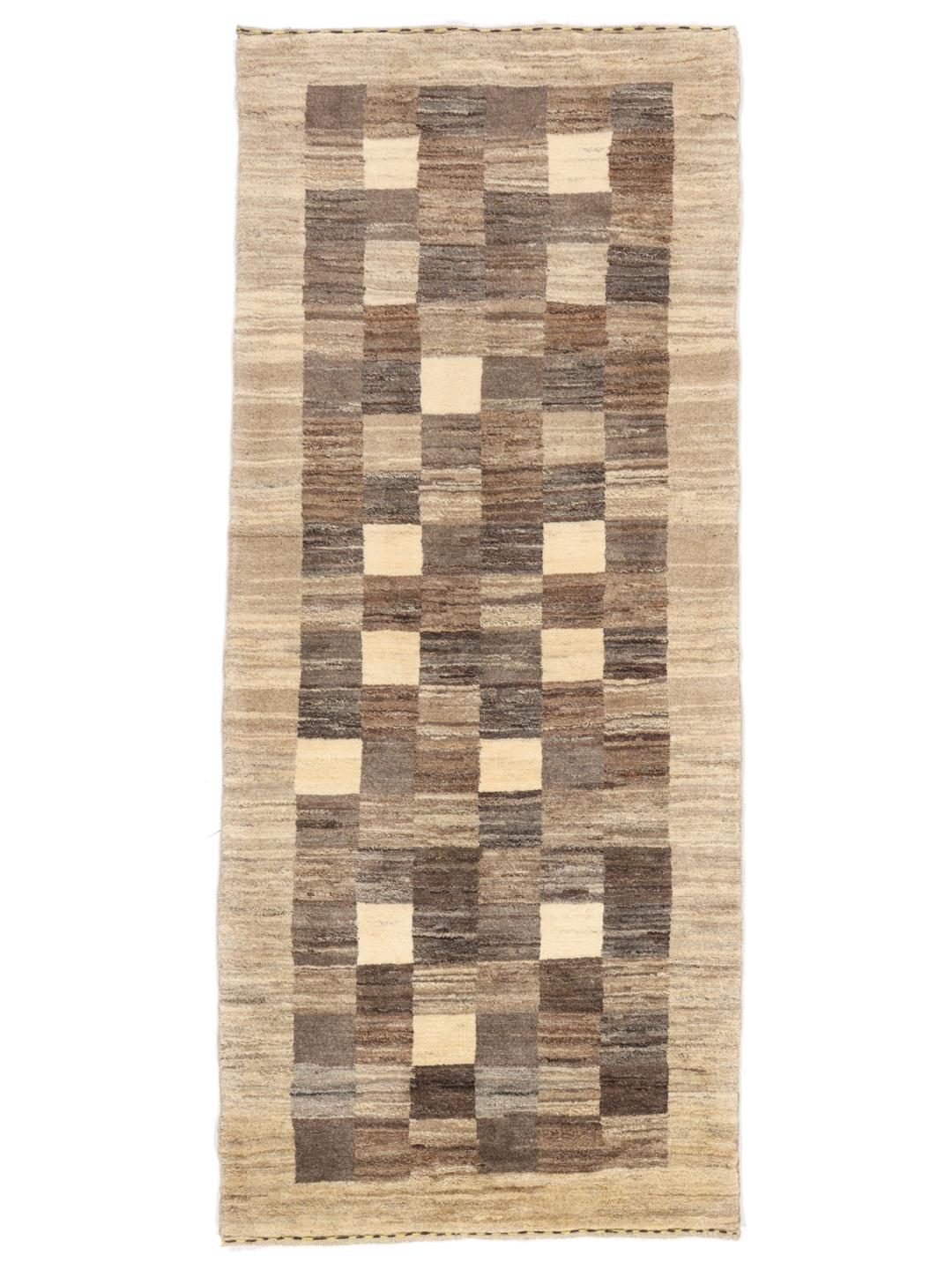
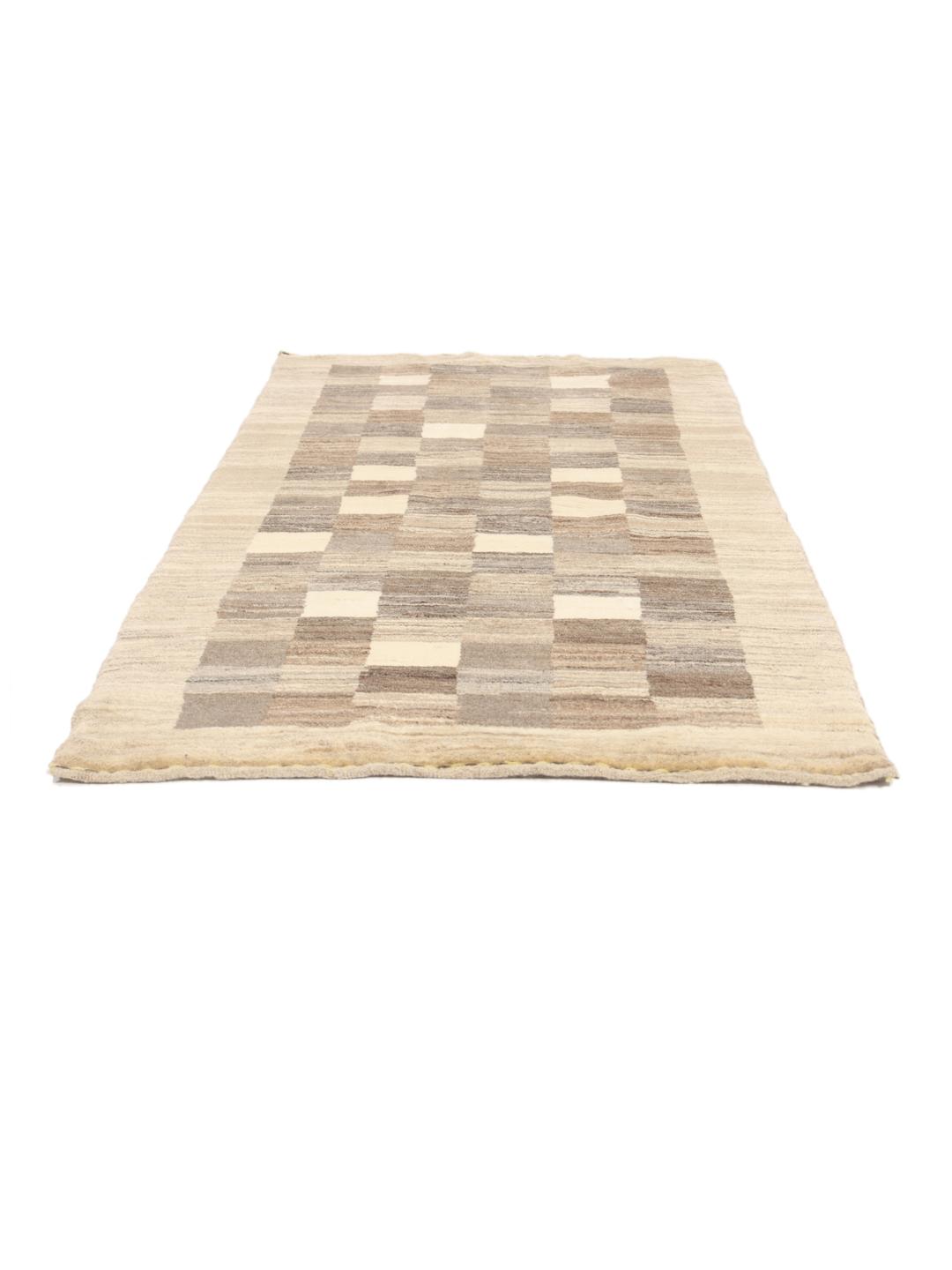
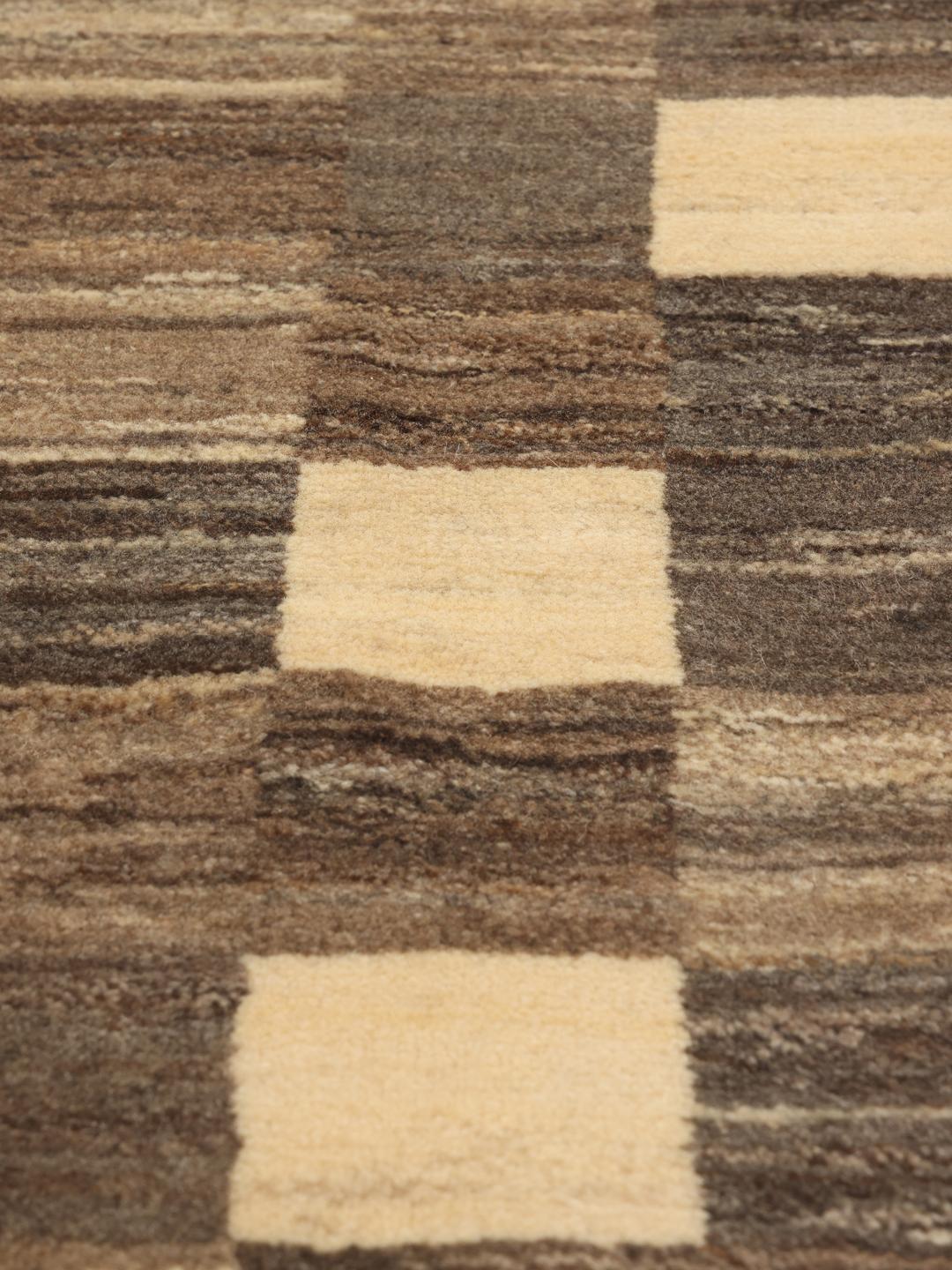
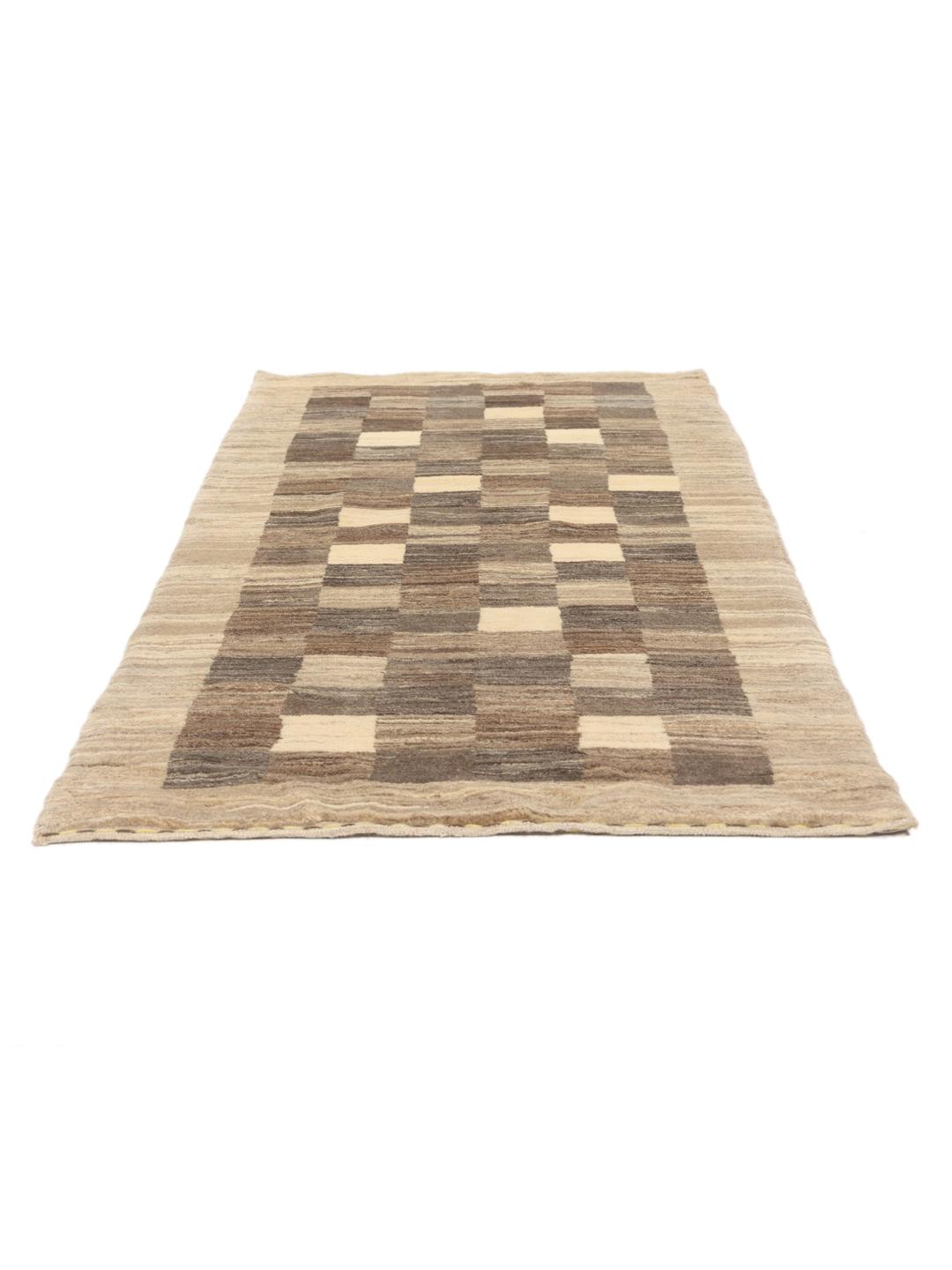
Visually, Gabbeh rugs are known for their thick, chunky piles and simplified, often abstract, geometric motifs. While traditional designs frequently featured bold, tribal patterns, modern iterations like this Fine Gabbeh have evolved to incorporate cleaner, more contemporary layouts like the checkered design seen here, while still retaining the soul of the traditional weaving techniques.
Owning a piece from this tradition is an act of preserving a heritage of nomadic artistry. These rugs are highly valued by collectors not just for their aesthetic appeal, but for their status as authentic pieces of human history. They represent a rare intersection of utility and fine art, offering a lasting connection to the skilled hands that brought them into existence.