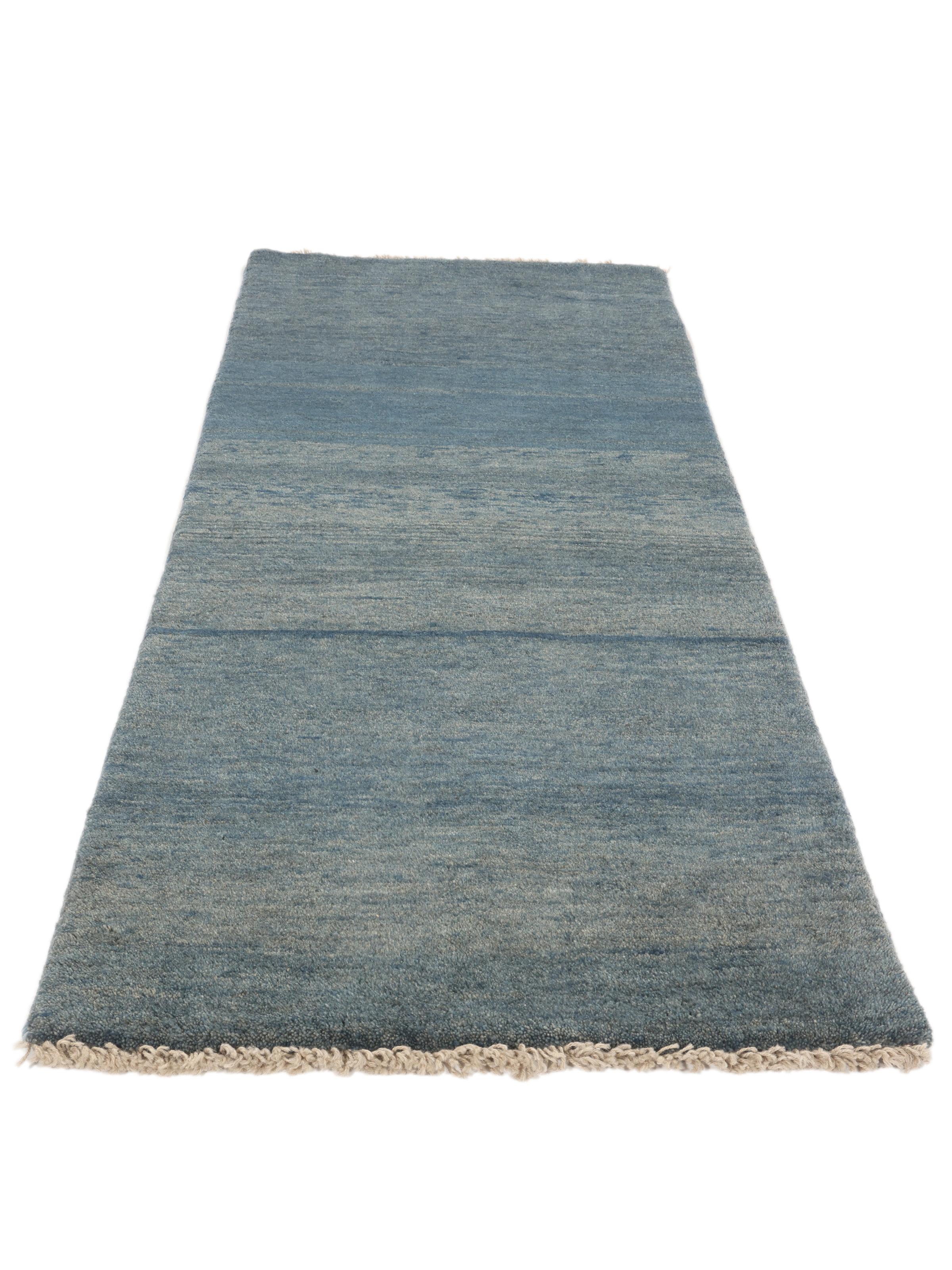
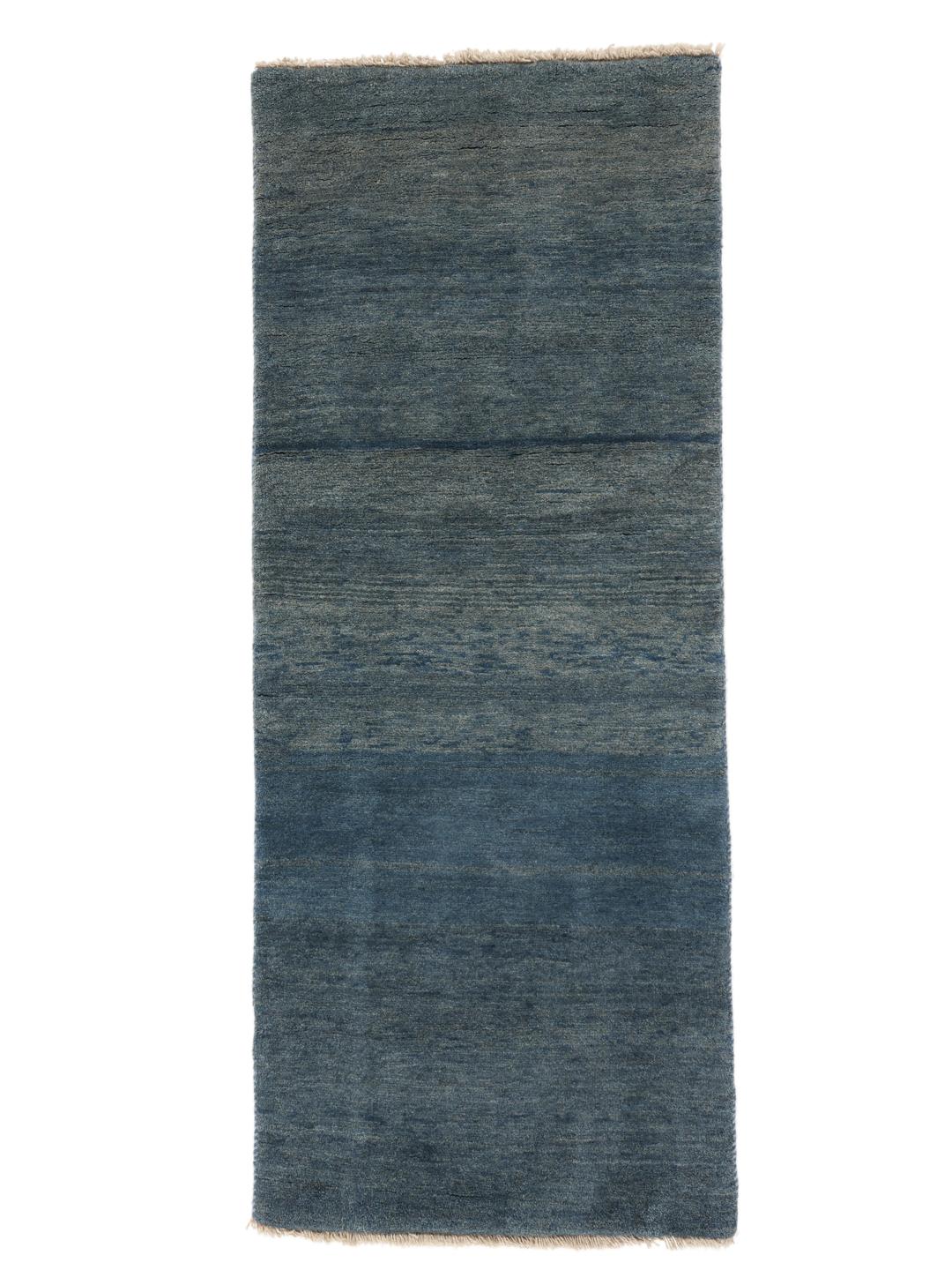
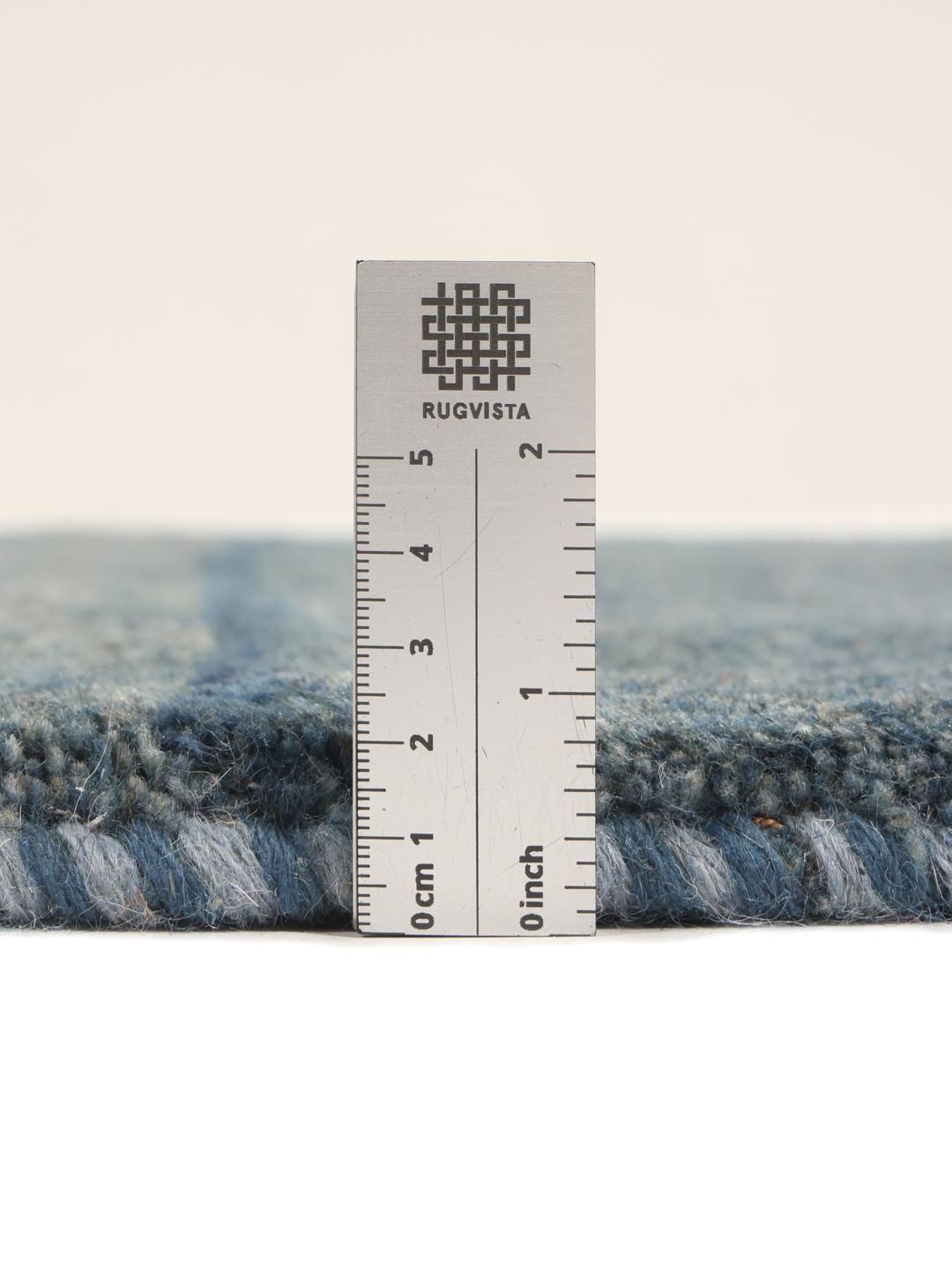
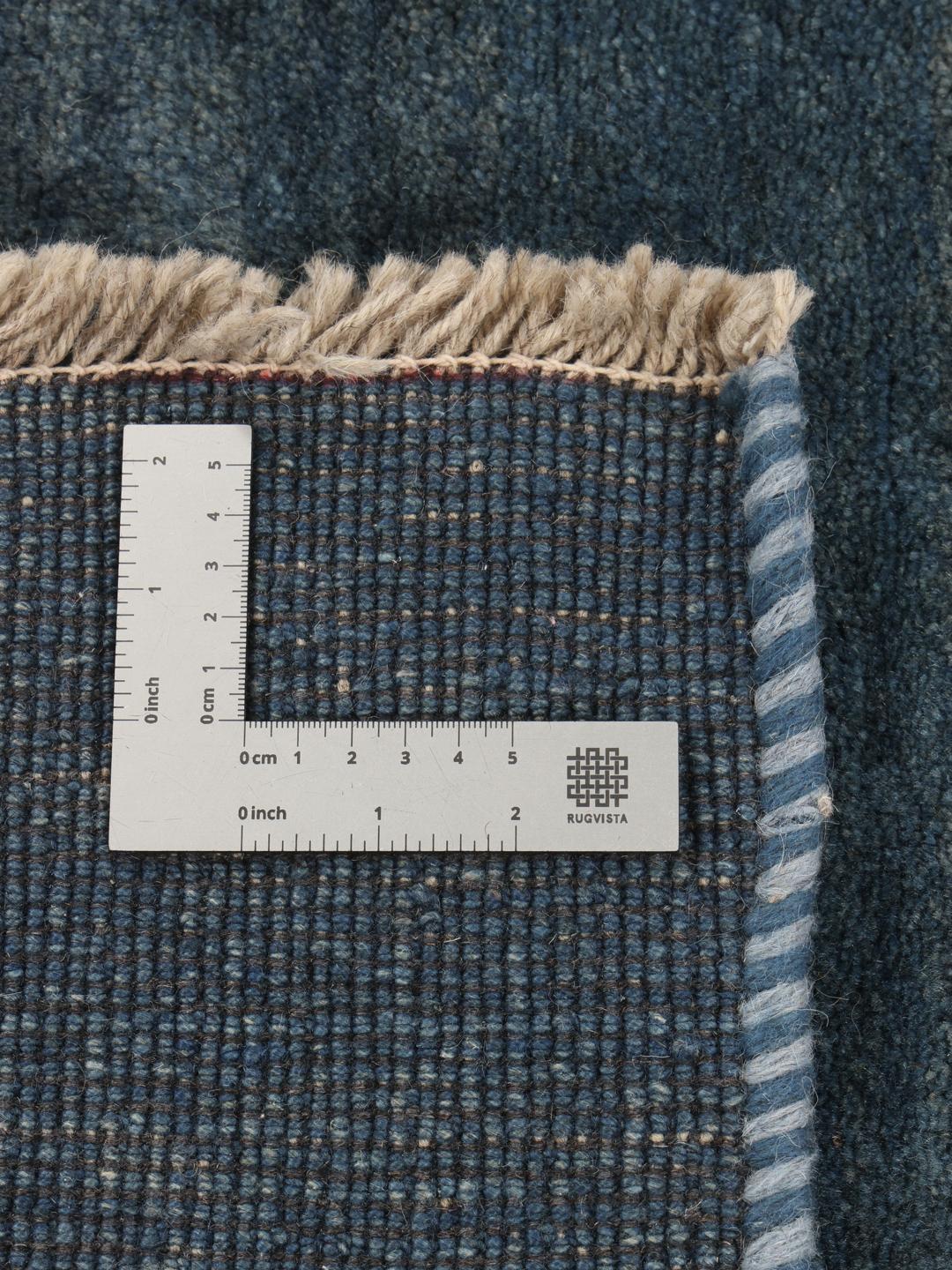
Gabbeh rugs originate from the nomadic tribes of the Middle East, where they were traditionally woven for personal use rather than for trade. These rugs were designed to provide essential warmth and comfort in harsh, rugged environments, often serving as bedding or floor coverings within tents. Over time, their simple yet powerful aesthetic gained international recognition, transitioning from functional nomadic items to highly sought-after pieces of interior art.
The term 'Gabbeh' itself translates to 'raw' or 'natural,' which perfectly describes the philosophy behind these creations. Unlike more formal carpets that feature complex, geometric, or floral patterns, traditional Gabbeh rugs emphasise a minimalist approach. The focus is placed on the quality of the wool and the depth of the natural dyes, allowing the beauty of the materials to take centre stage without the distraction of intricate ornamentation.
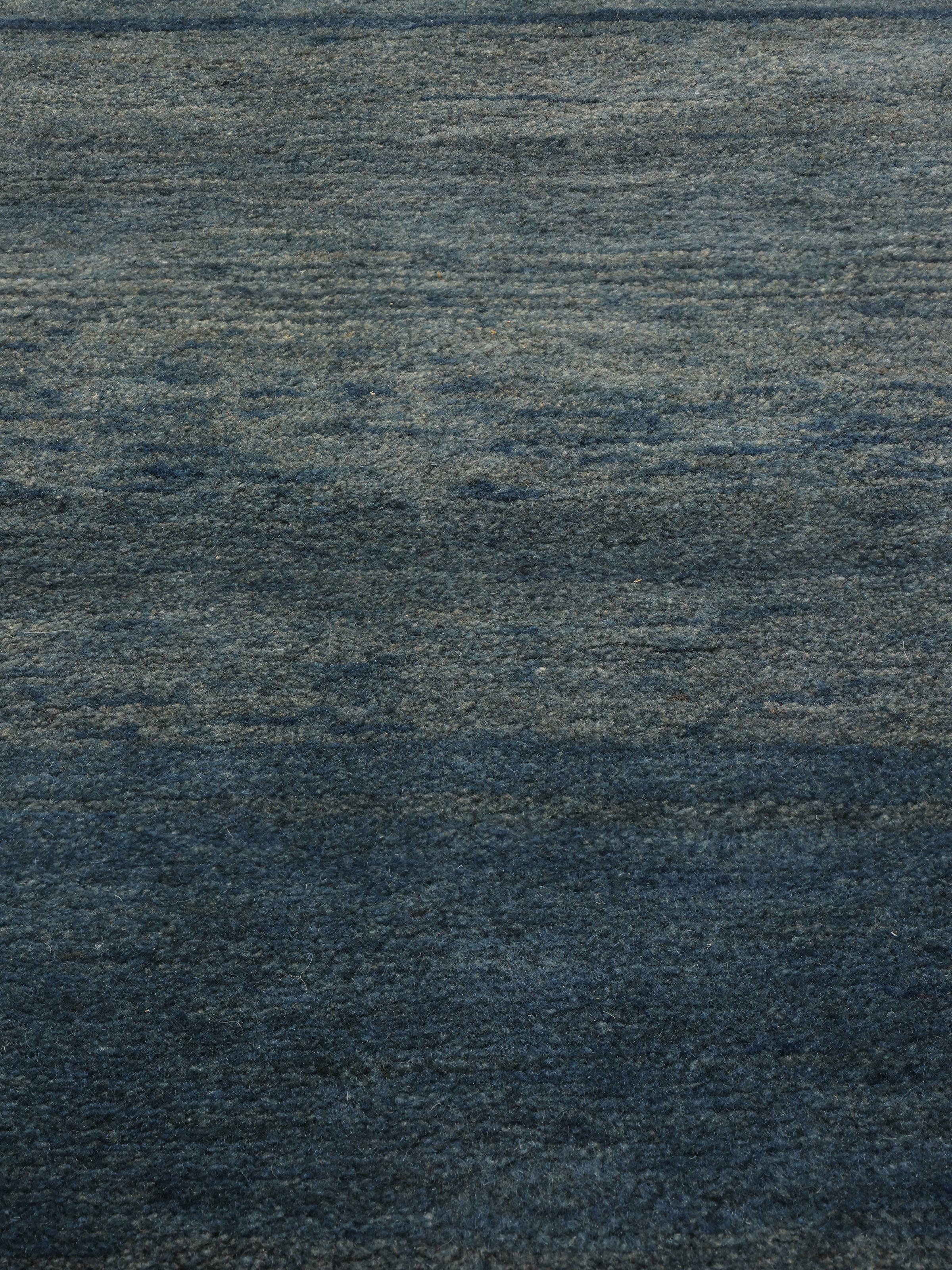
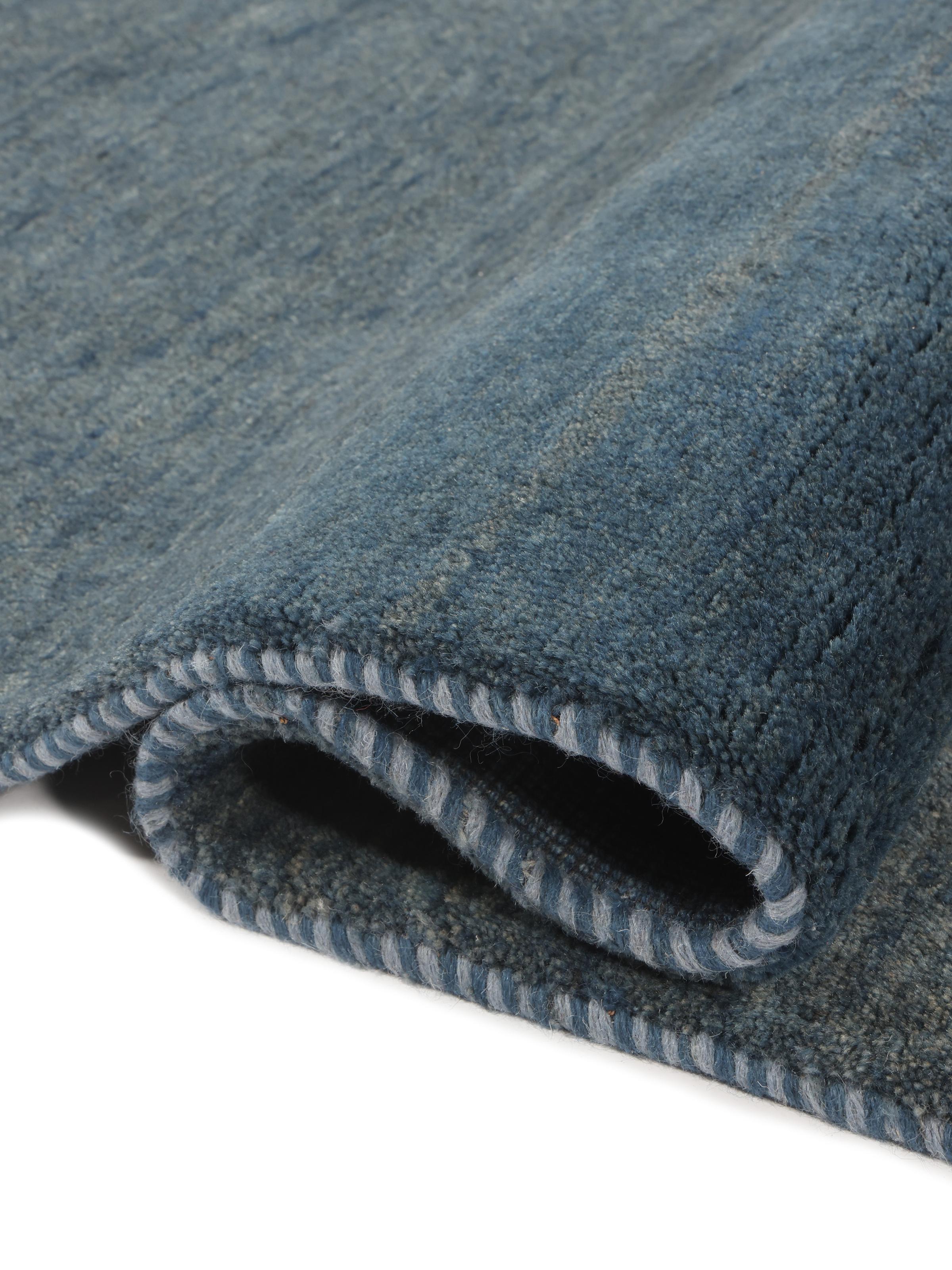
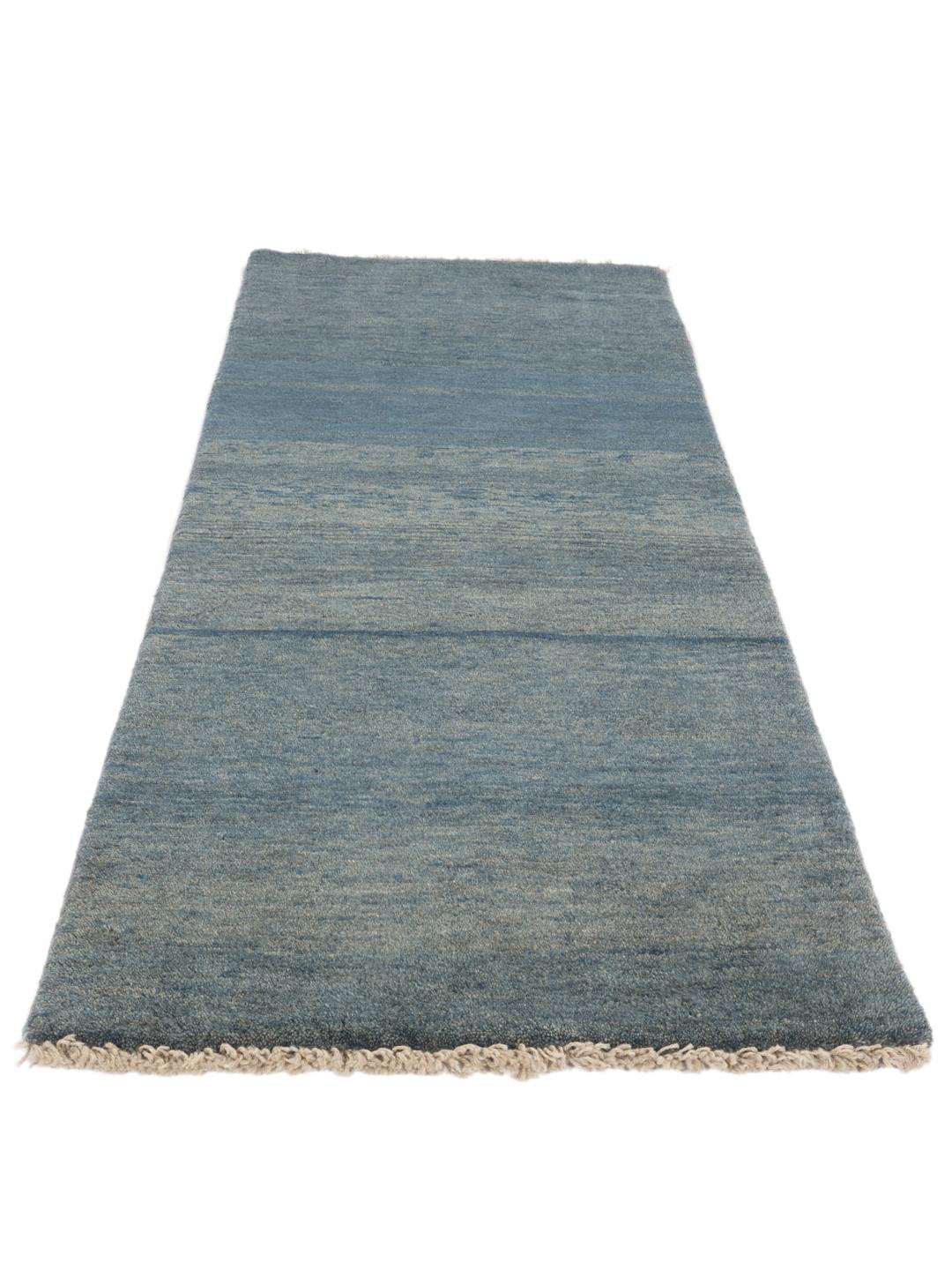
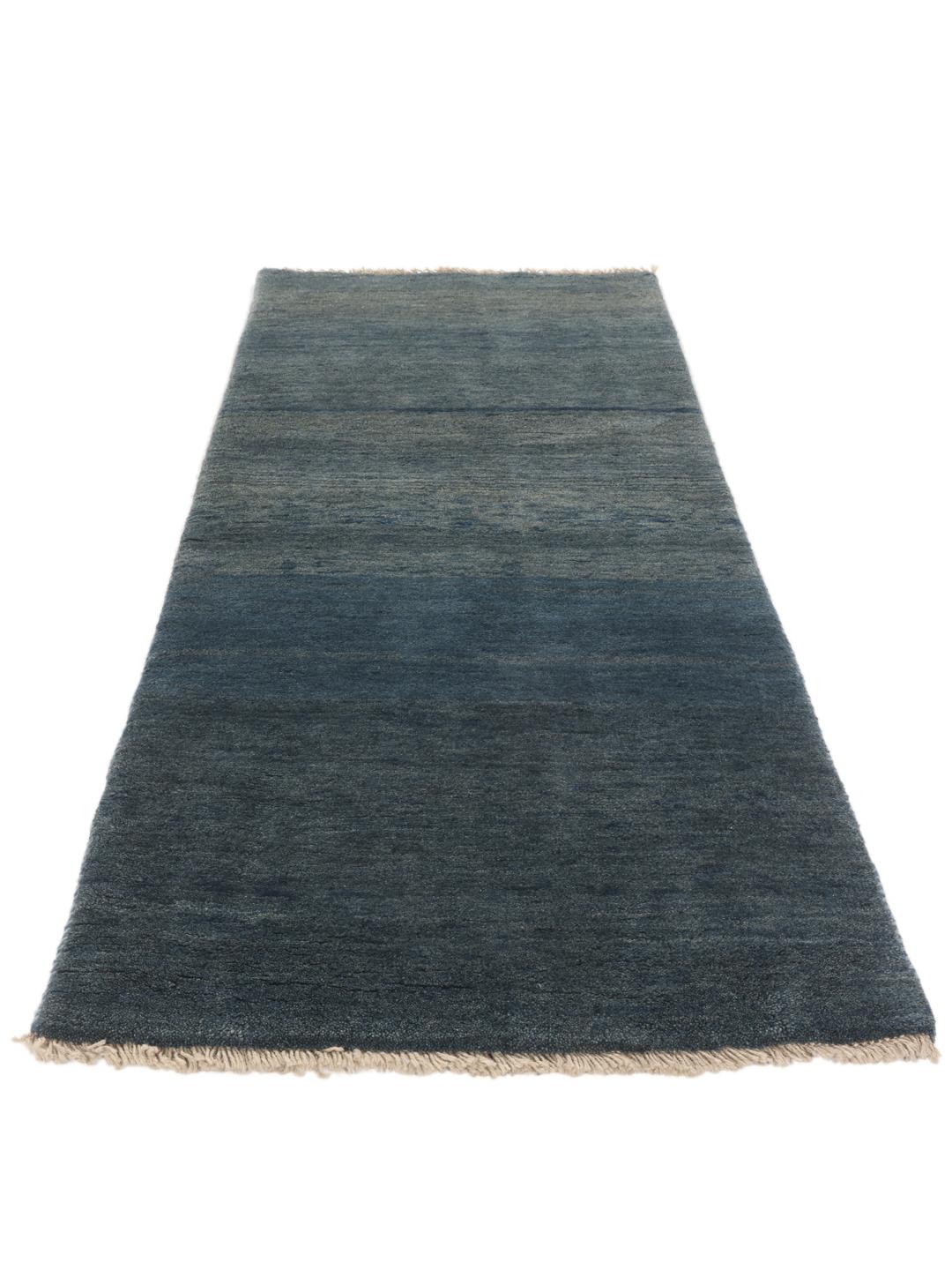
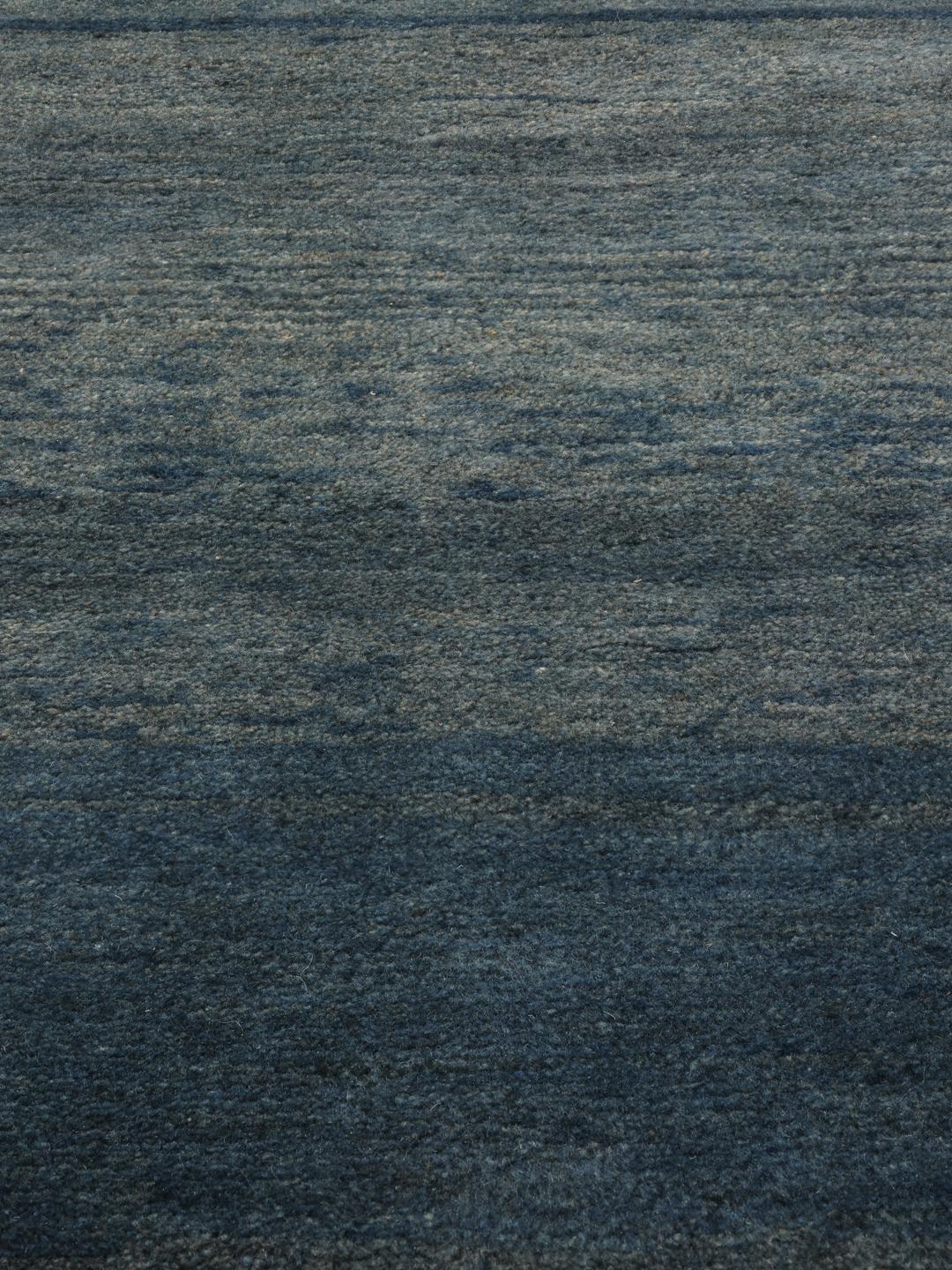
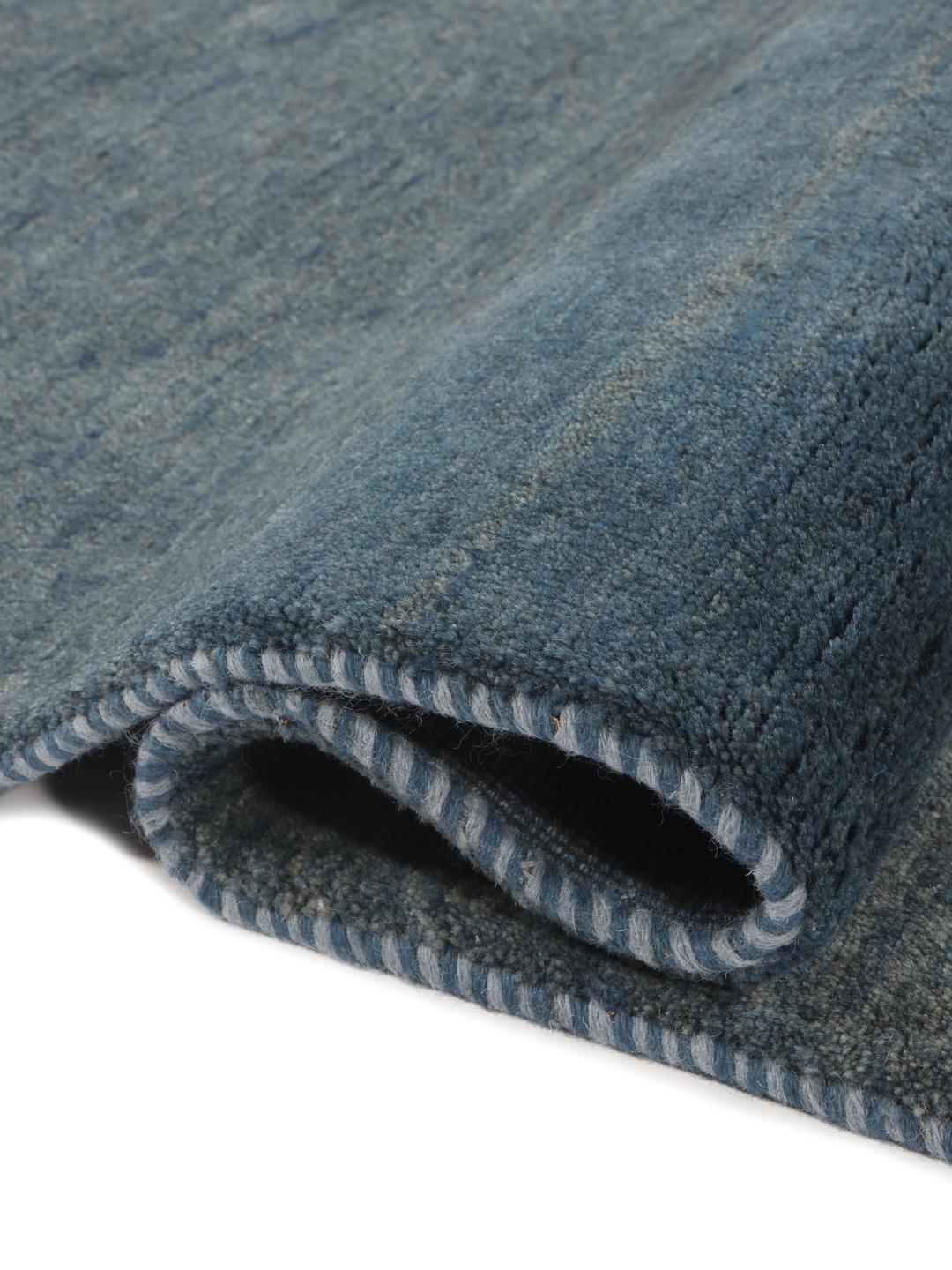
Visually, these rugs are defined by their open fields and often irregular, organic colour transitions. The artisans use a thick, hand-spun wool that is known for its incredible durability and soft, lanolin-rich texture. While traditional designs often include small, stylised motifs of animals or plants, modern interpretations like this one lean into the beauty of solid, tonal colour gradients, highlighting the subtle variations that occur during the hand-dyeing process.
Today, owning a Gabbeh rug is about connecting with a rich heritage of craft and resilience. These rugs are valued not just for their aesthetic appeal, but for the human story embedded in every knot. They represent a bridge between ancient nomadic traditions and contemporary home design, offering a timeless quality that brings both cultural weight and a sense of grounding to modern living spaces.