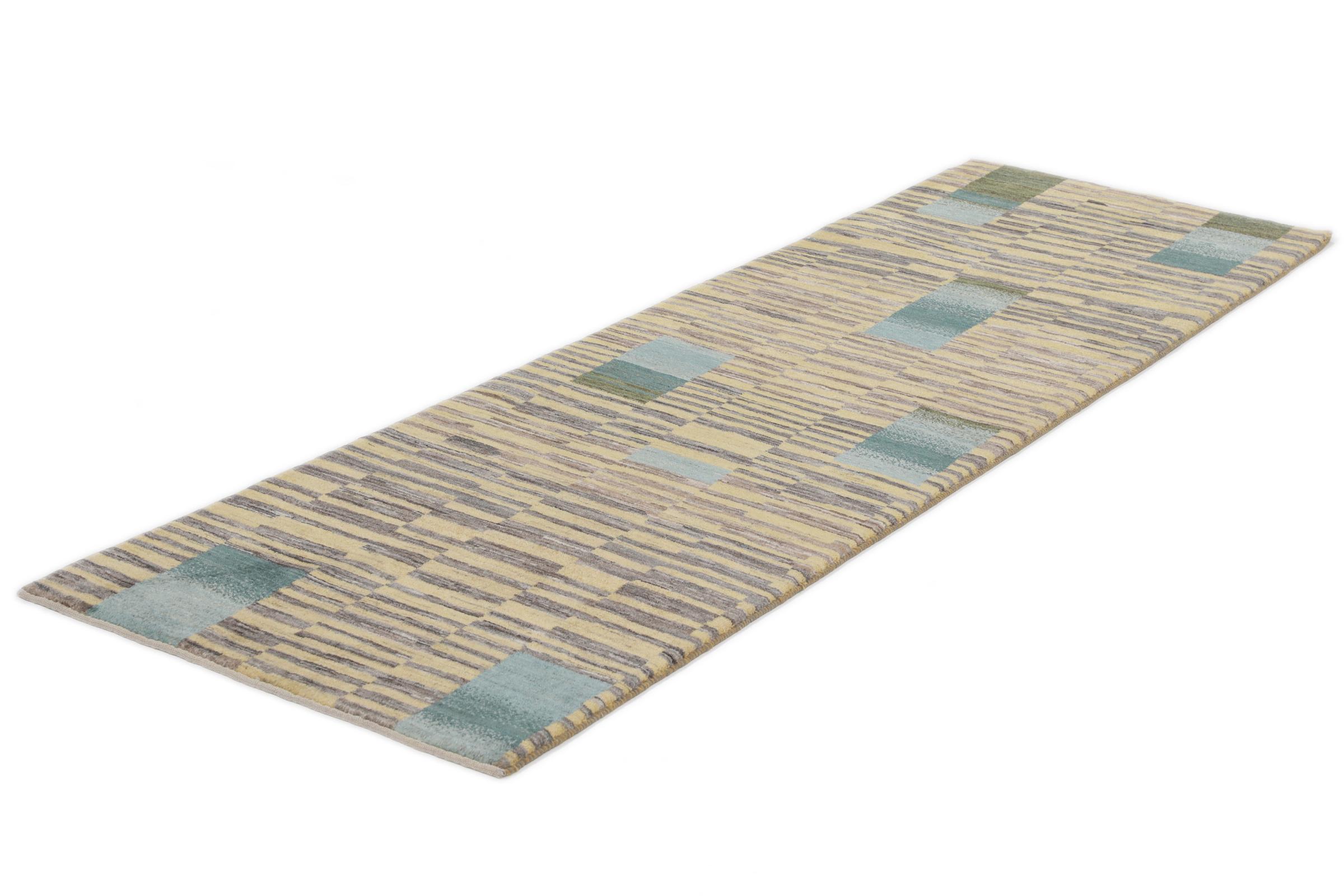
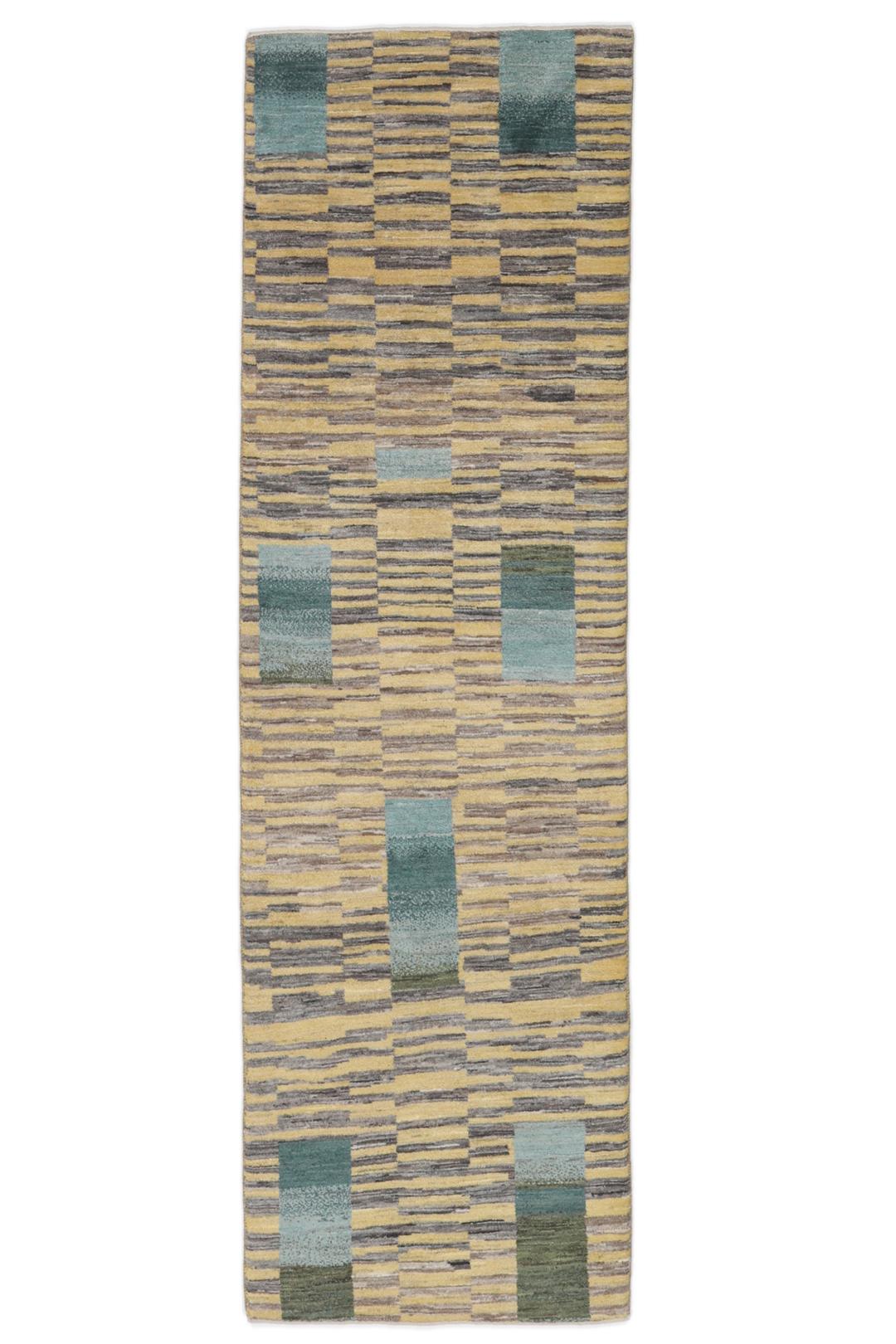
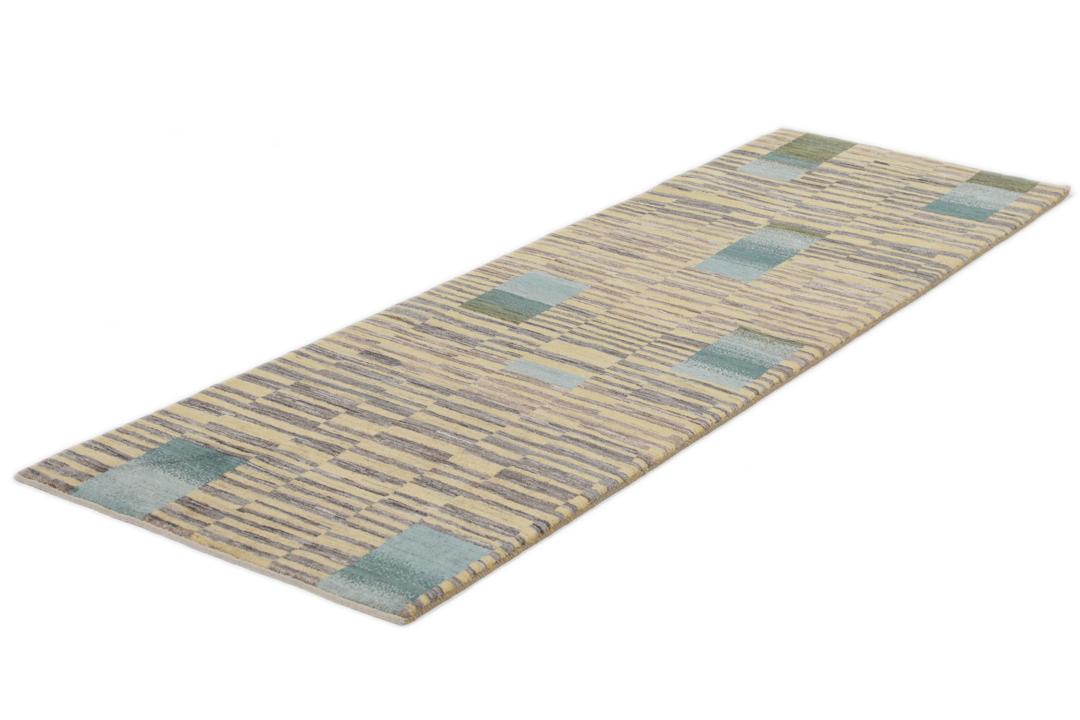
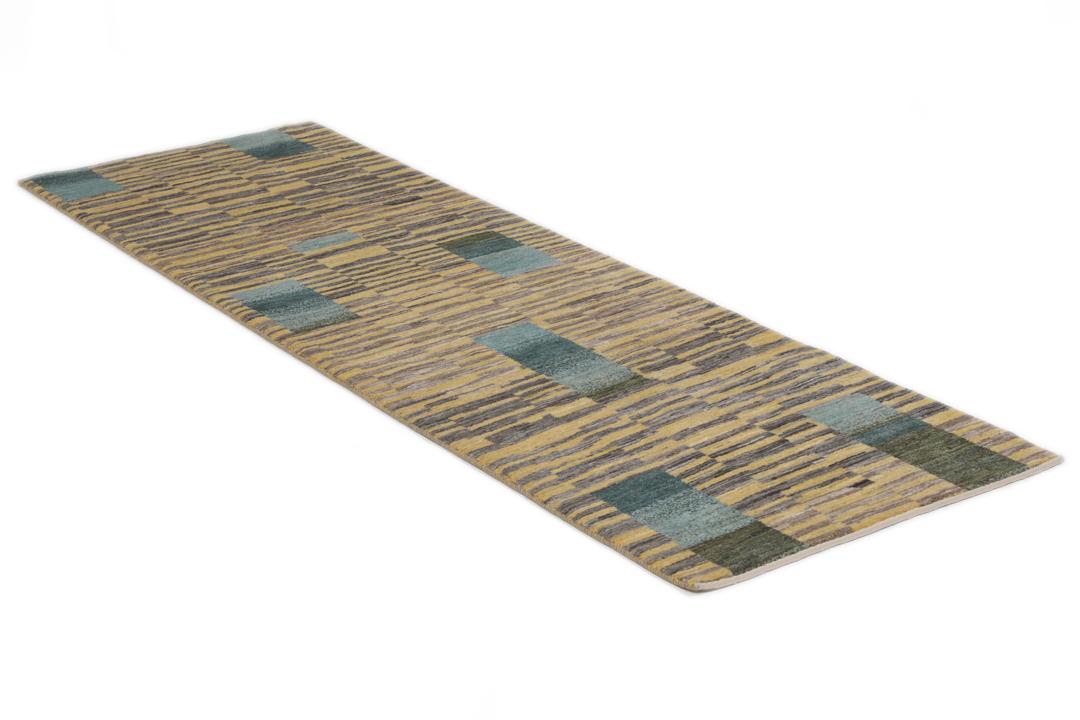
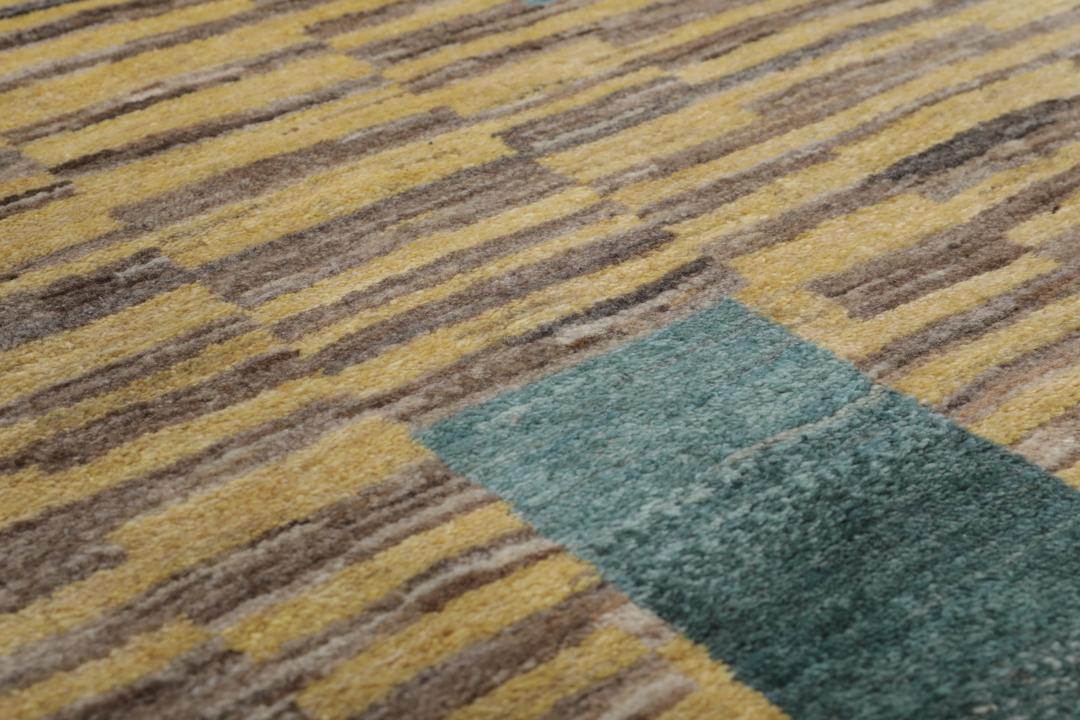
The Gabbeh tradition traces its roots to the nomadic tribes of the Middle East, who have long woven these rugs for their own daily use. Originally designed as thick, protective floor coverings for tents, Gabbeh rugs are celebrated for their simplicity and the deep connection they maintain to the natural world of their creators.
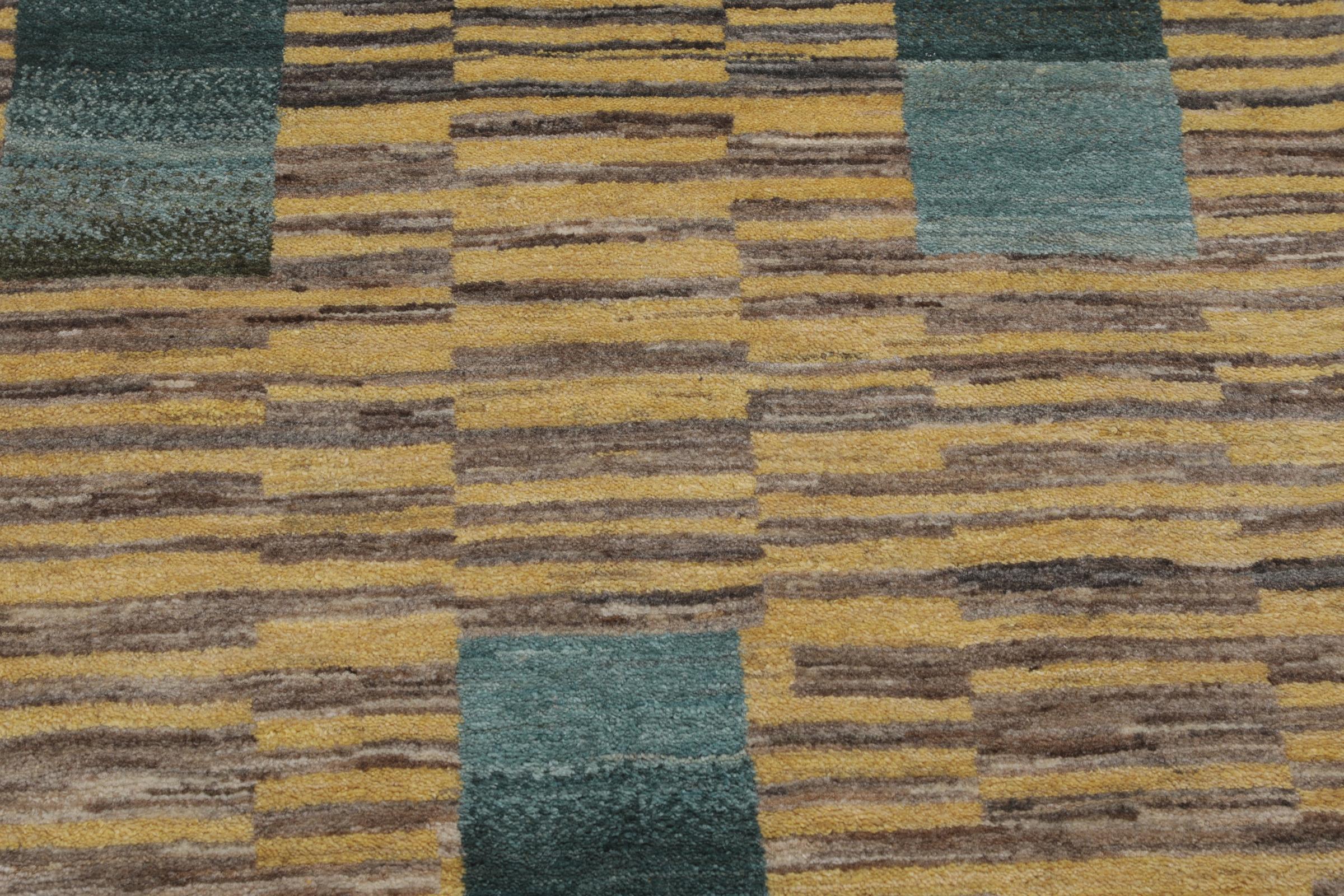
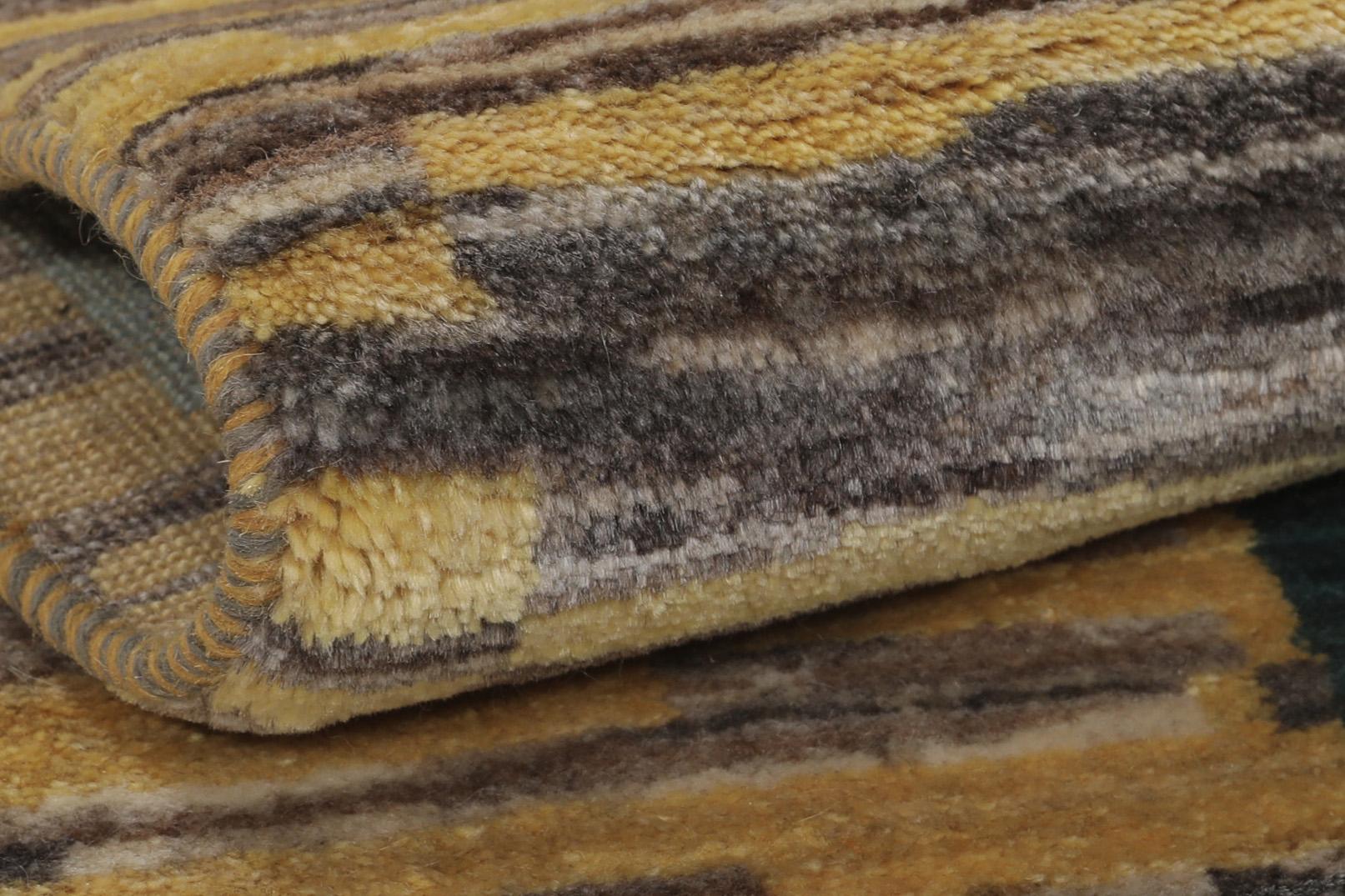
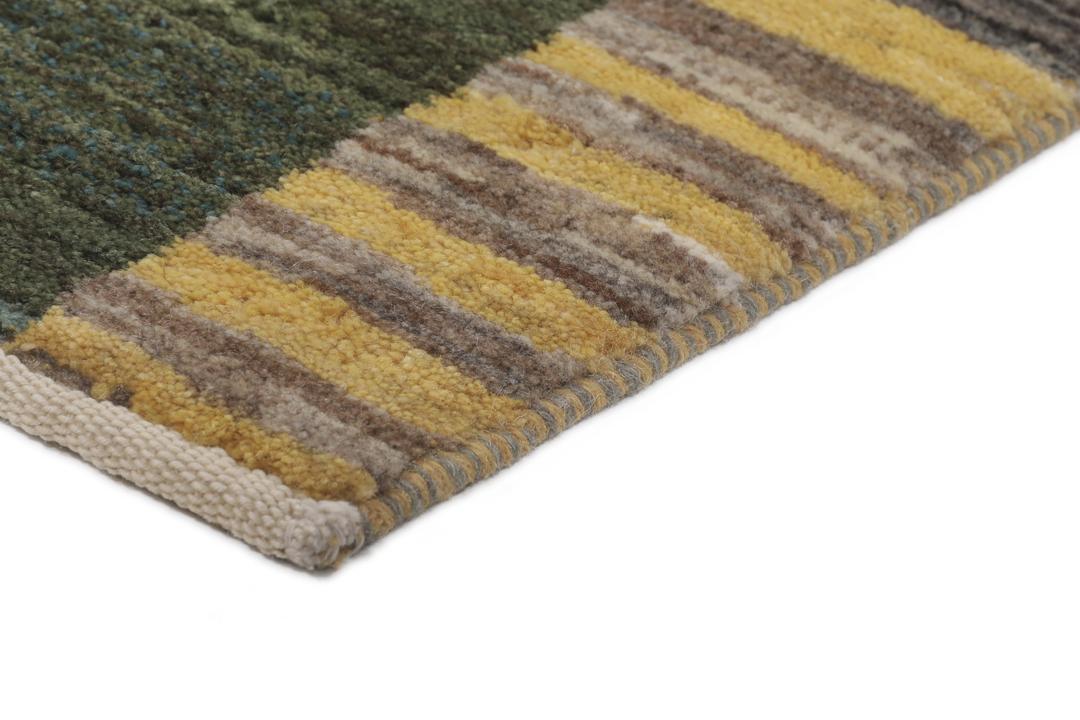
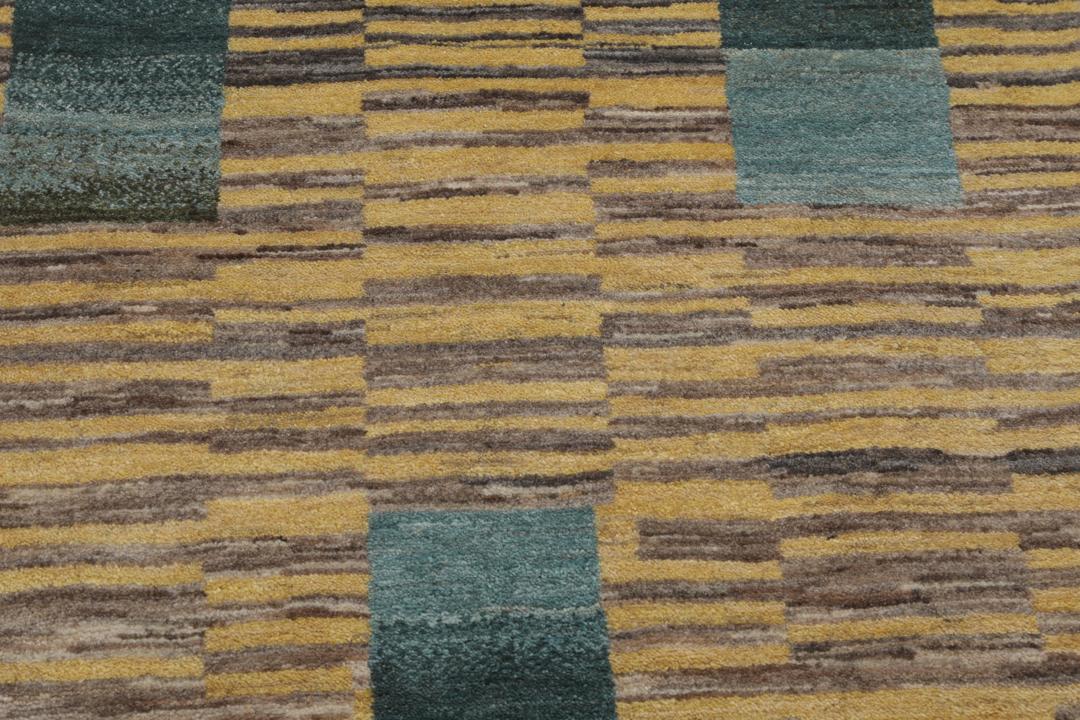
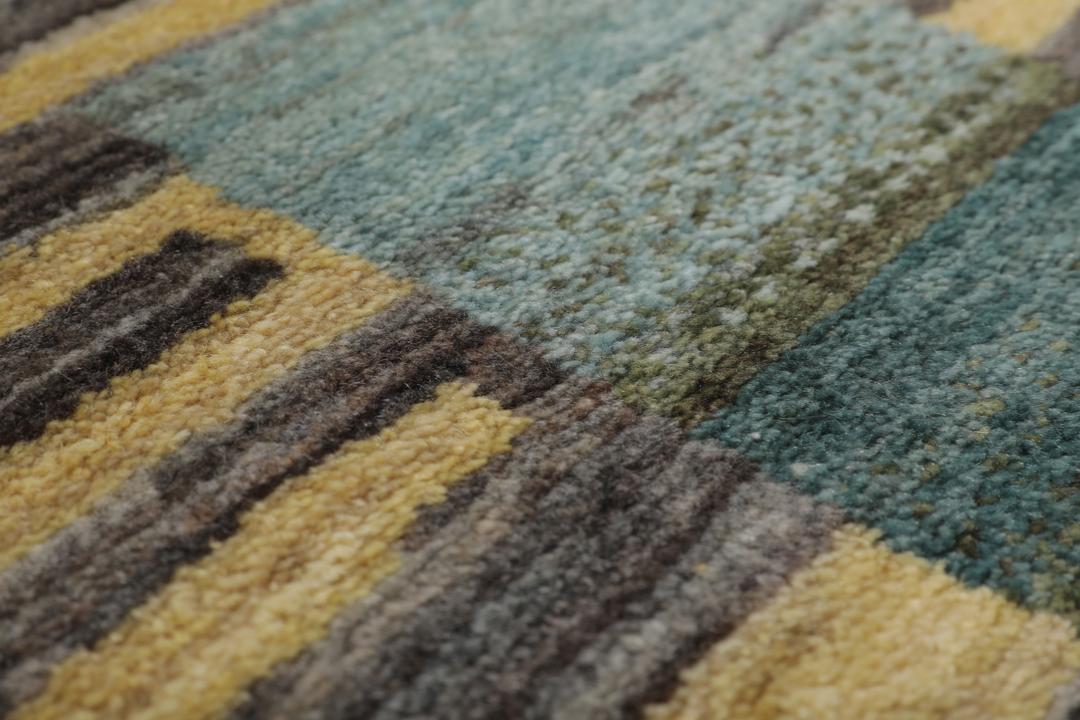
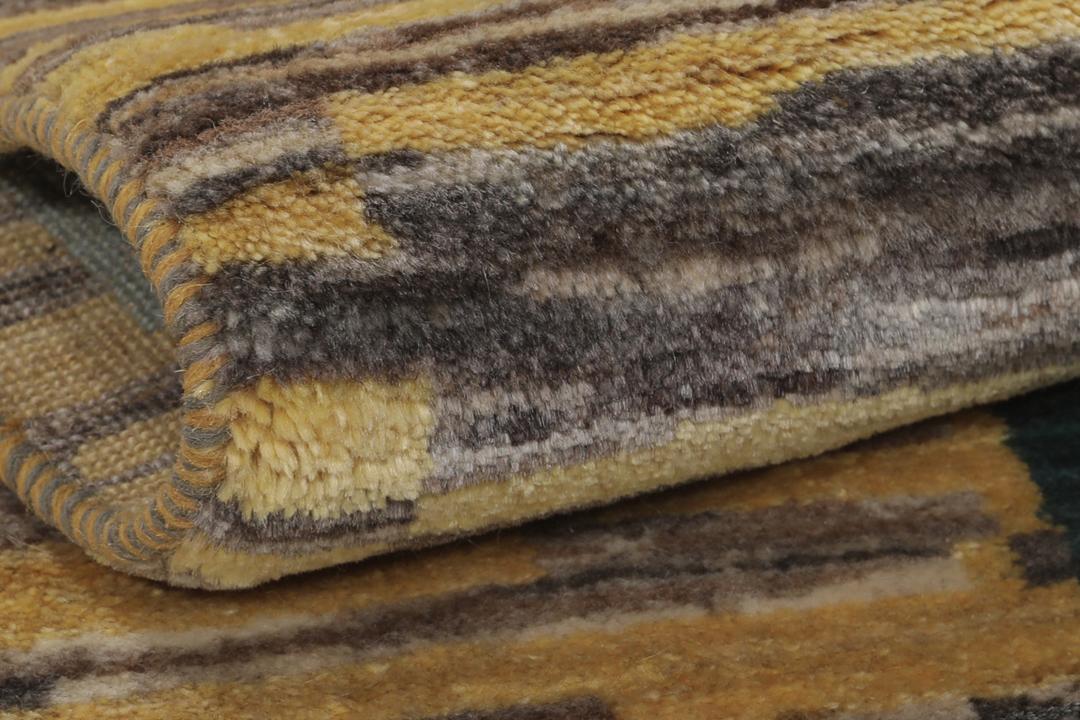
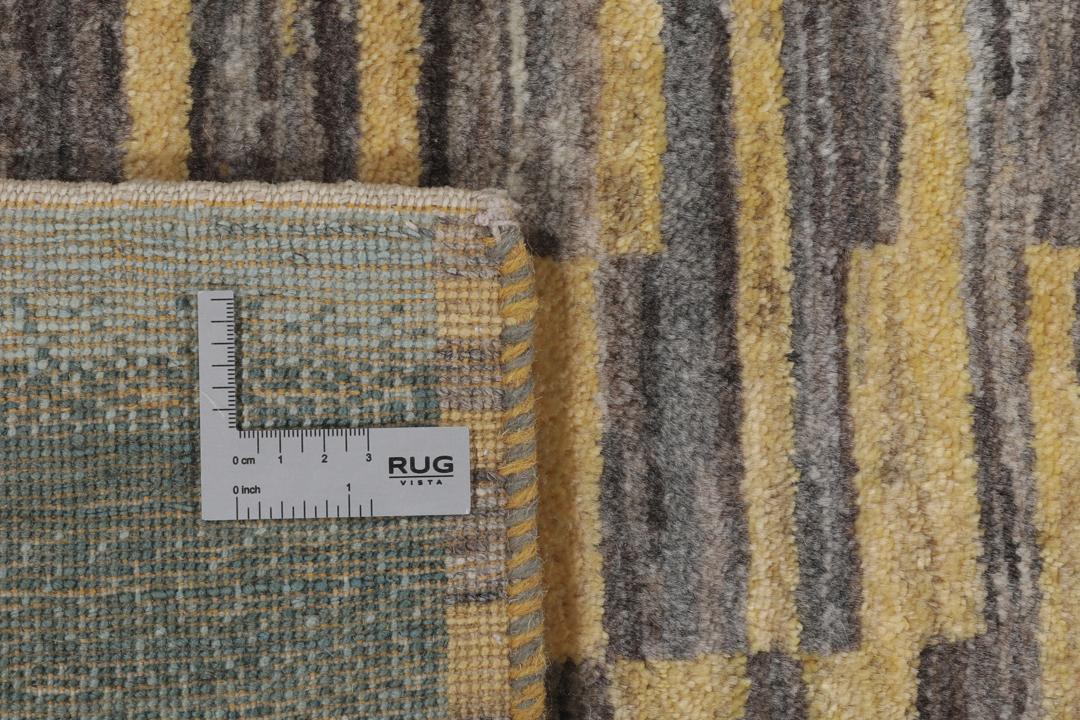
The term Gabbeh itself implies something raw, natural, or unclipped, reflecting the tradition of using hand-spun Wool and natural dyes. This approach to craftsmanship prioritises the tactile experience of the material, resulting in a pile that is thicker and more resilient than many other rug types, making it ideal for comfortable living spaces.
Design-wise, Gabbeh rugs are known for their artistic and often abstract approach to patterns. While many traditional rugs follow rigid, formal geometric layouts, this tradition embraces a more spontaneous visual language. You will often see open fields, simplified motifs, and a bold, intuitive use of colour that tells a story of the weaver’s environment and imagination.
Today, these rugs are highly valued by collectors for their blend of ancient technique and modern aesthetic appeal. Owning a piece from this tradition is more than just purchasing a floor covering; it is an investment in a storied craft that honours the skill of the individual weaver and the enduring quality of natural Wool.