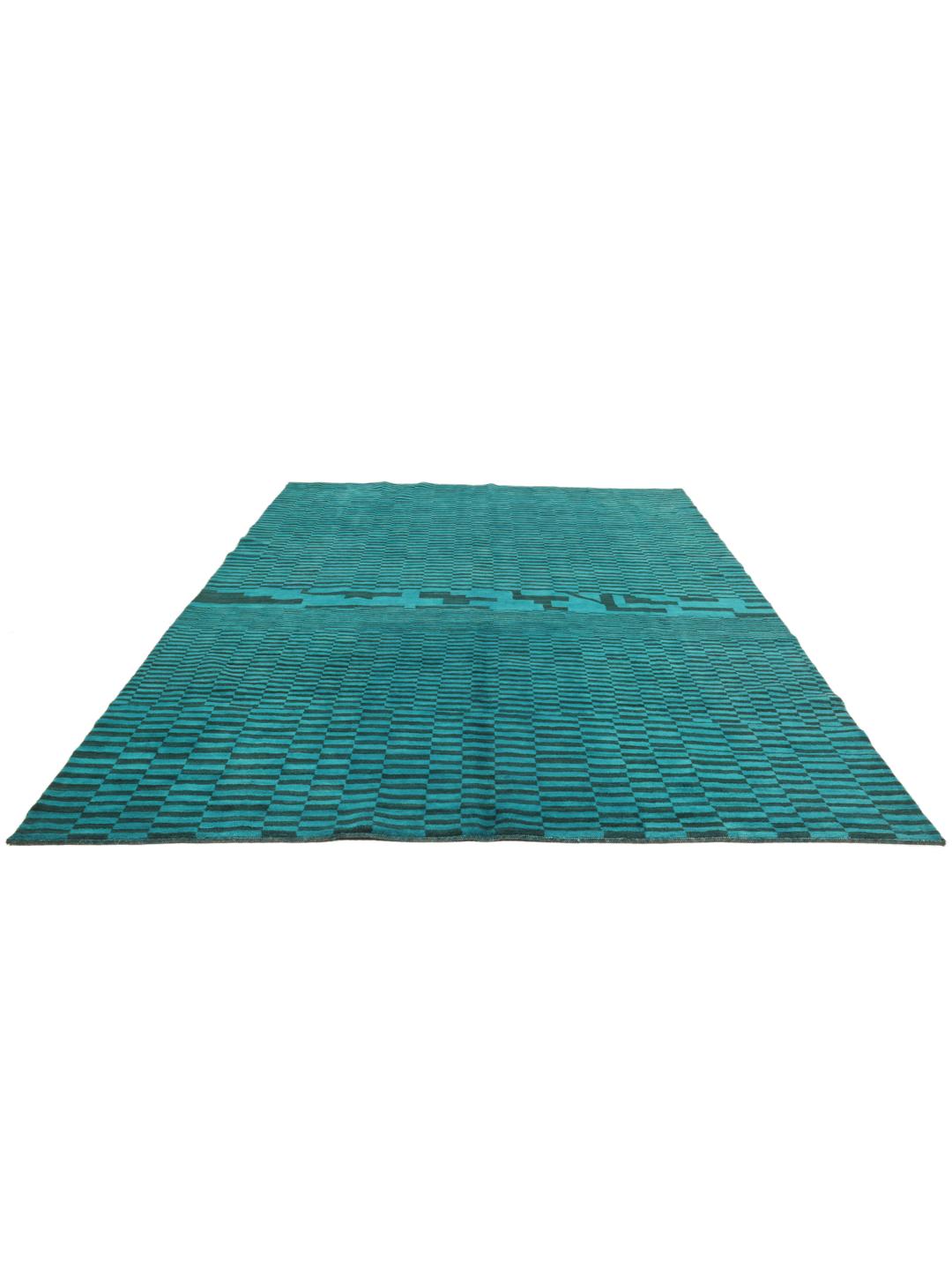
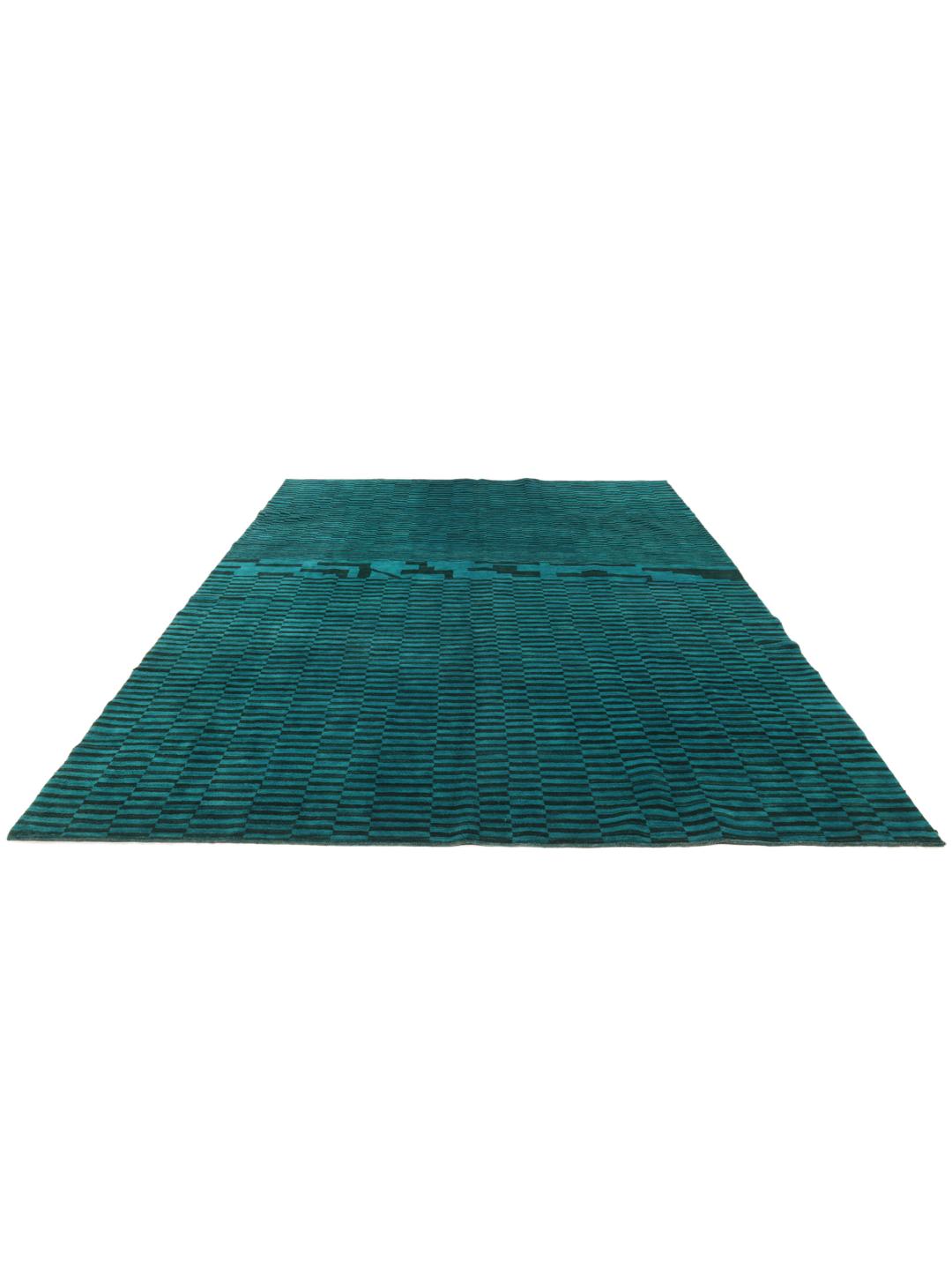
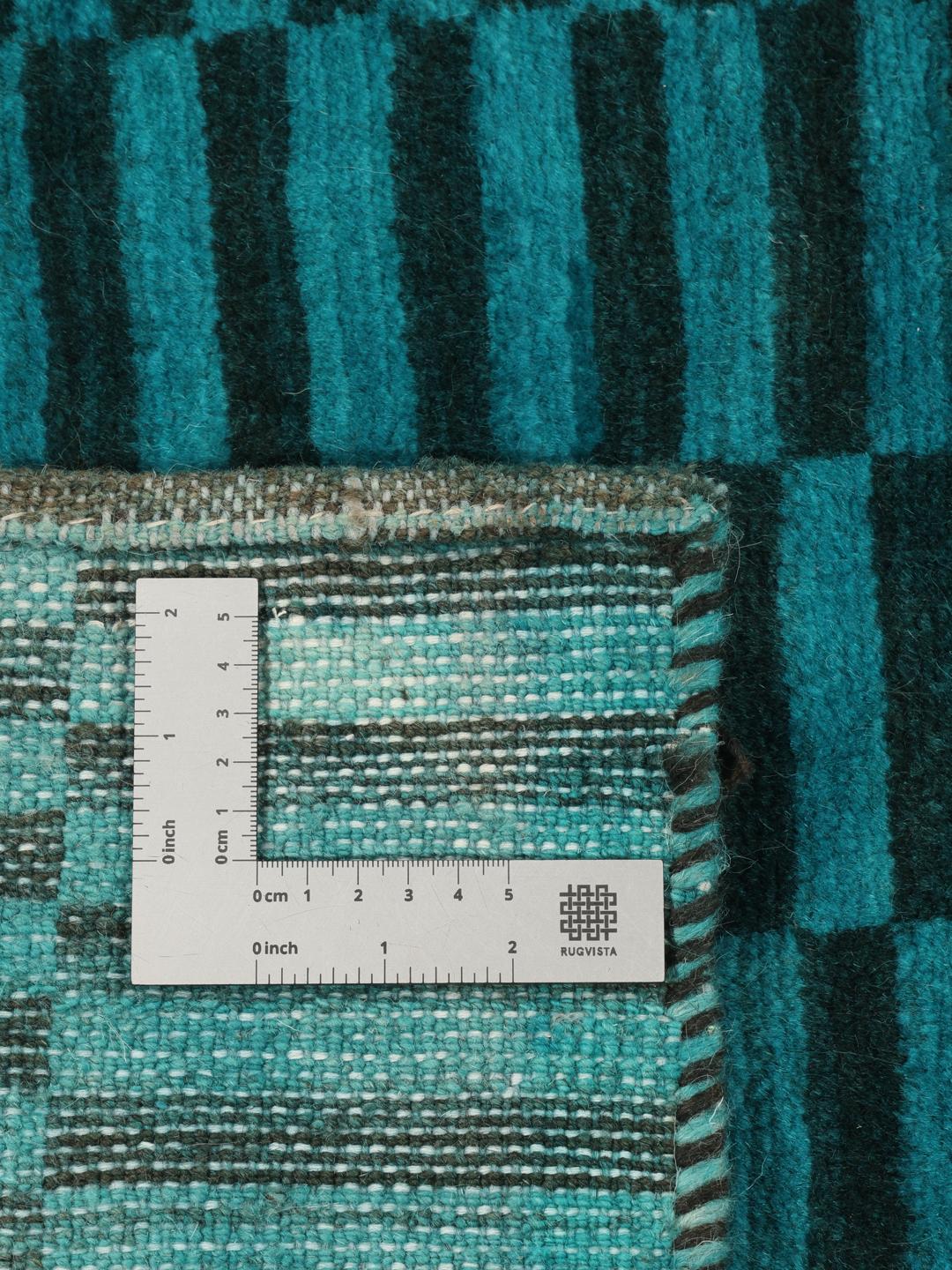
Gabbeh rugs have their roots in the nomadic cultures of the Middle East, where they were originally woven for personal use rather than for trade. These rugs were traditionally crafted by tribal women who used hand-spun, undyed or naturally dyed wool to create functional pieces that provided warmth and comfort in harsh environments.
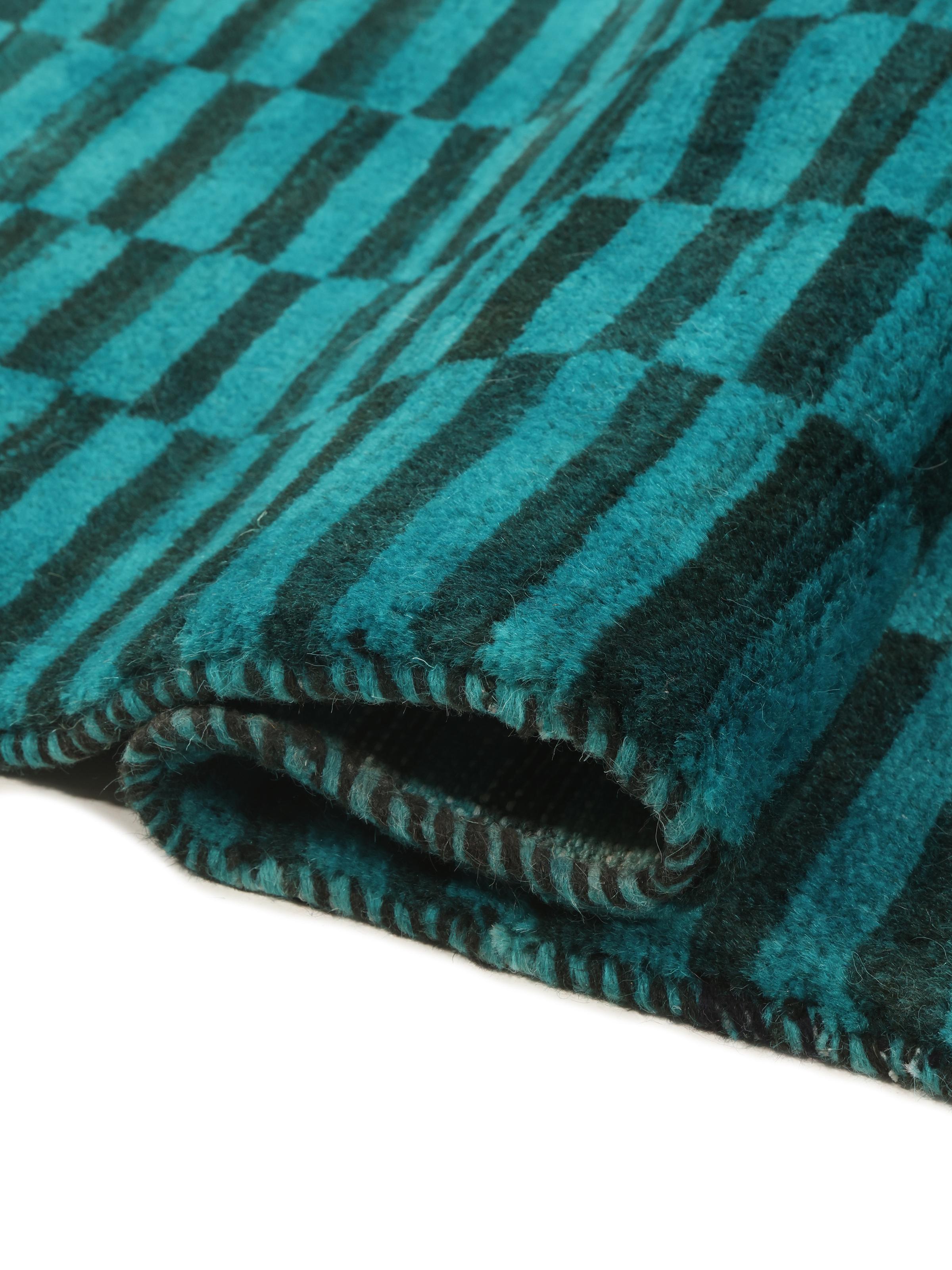
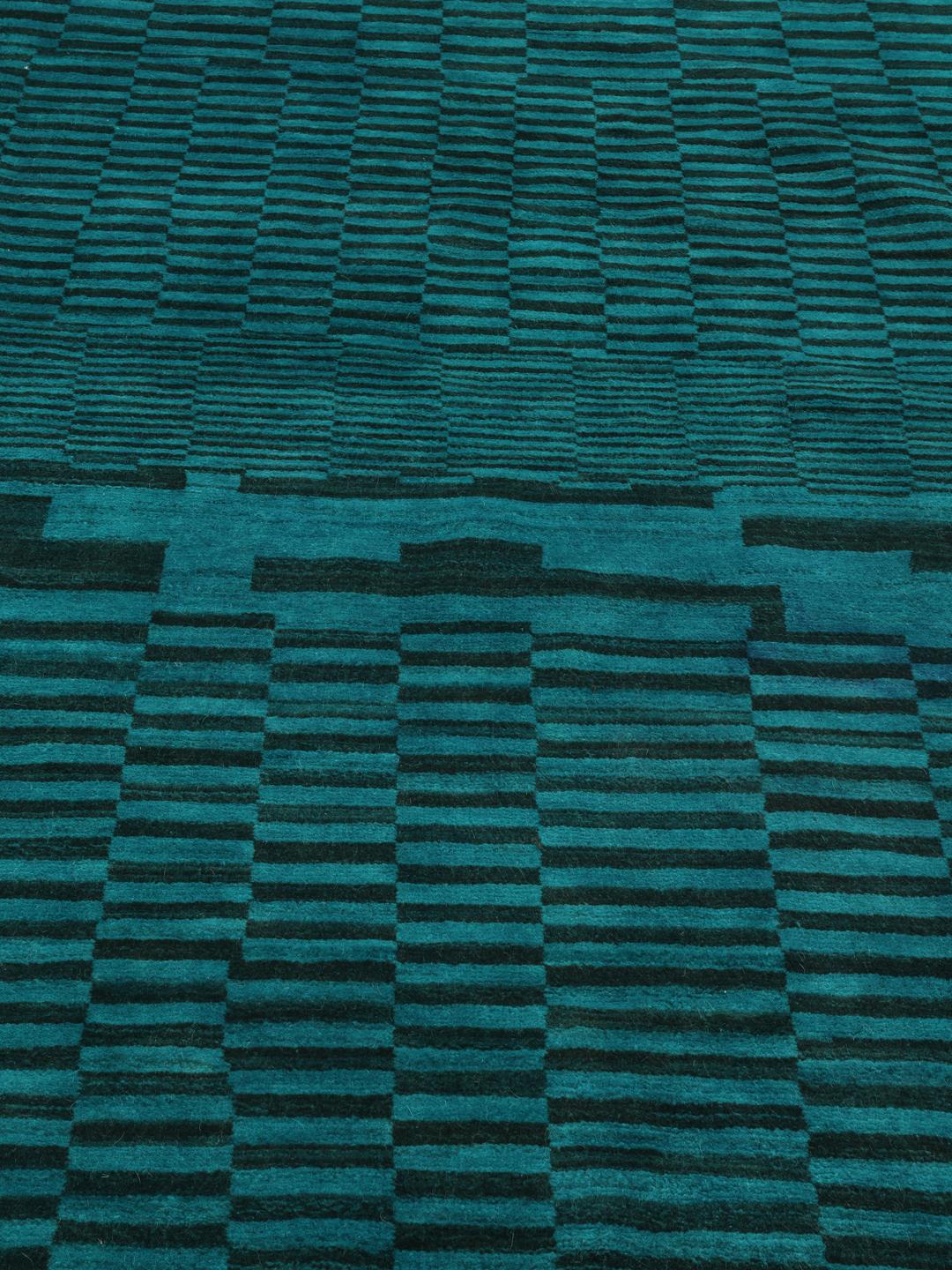
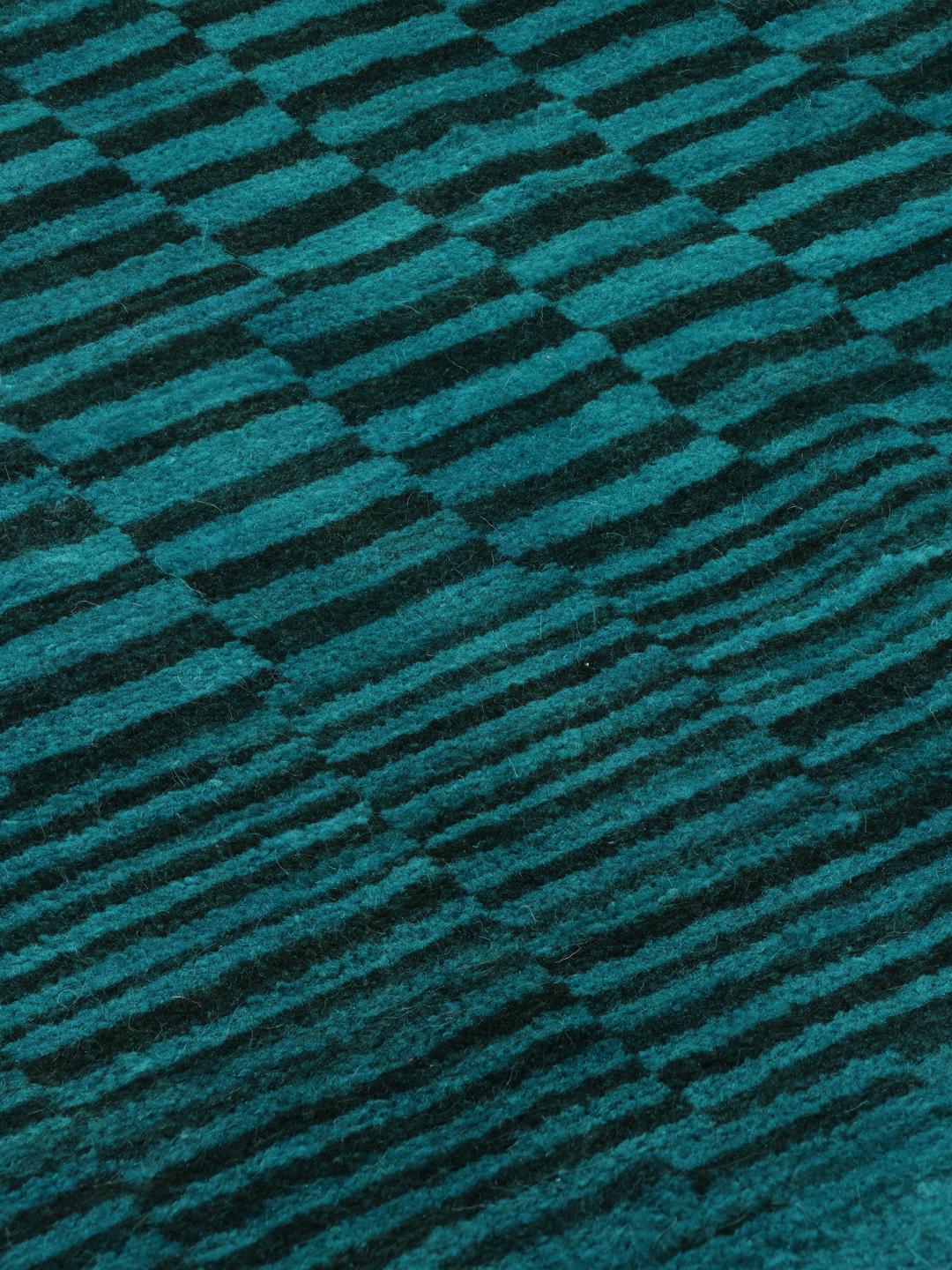
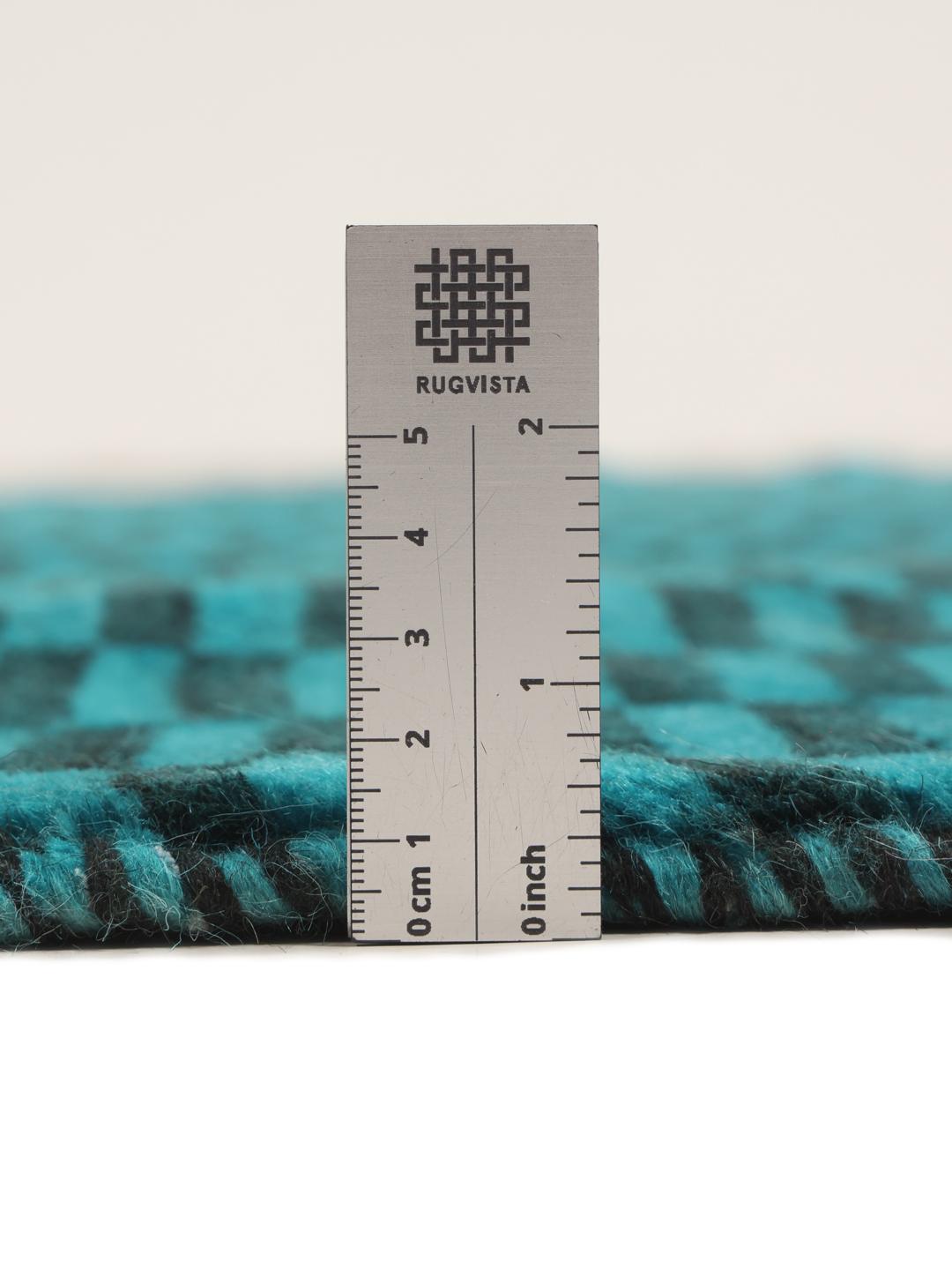
The term 'Gabbeh' itself implies something raw, natural, or unclipped, which speaks to the thicker, longer pile that distinguishes these rugs from more formal, tightly shorn carpets. Over time, the tradition evolved to incorporate bolder, more artistic expressions, moving away from rigid geometric constraints to embrace more fluid and abstract visual languages.
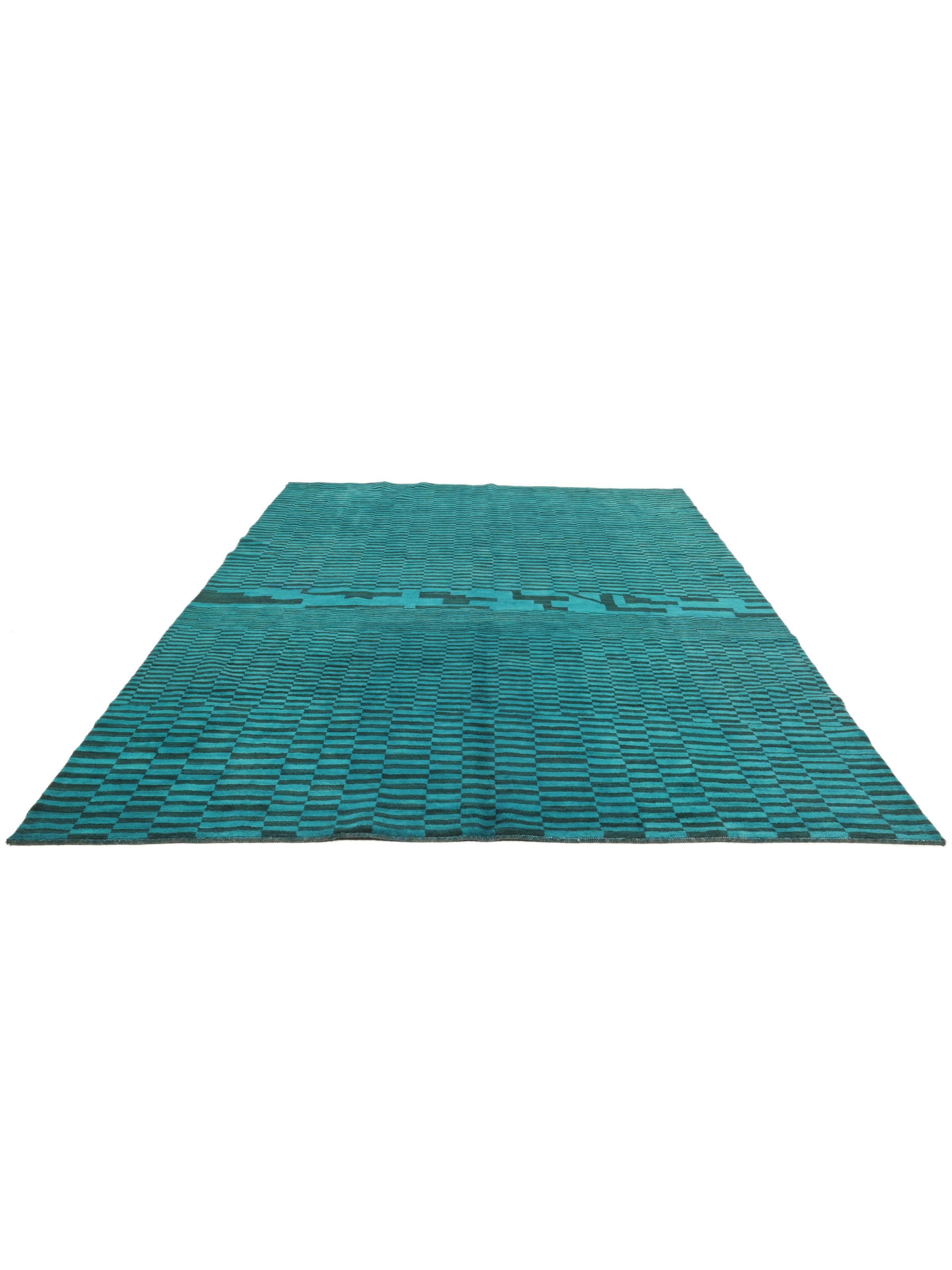
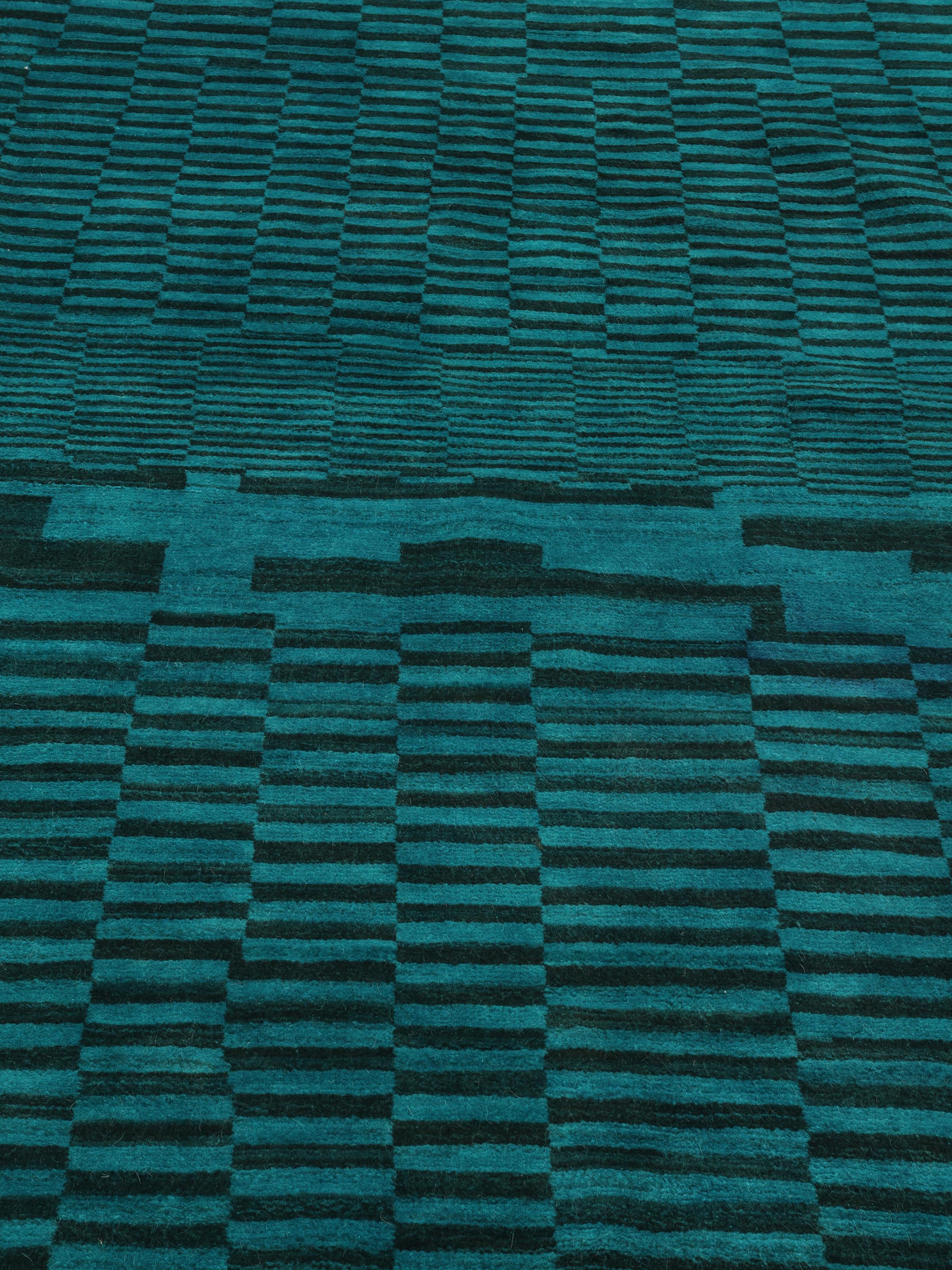
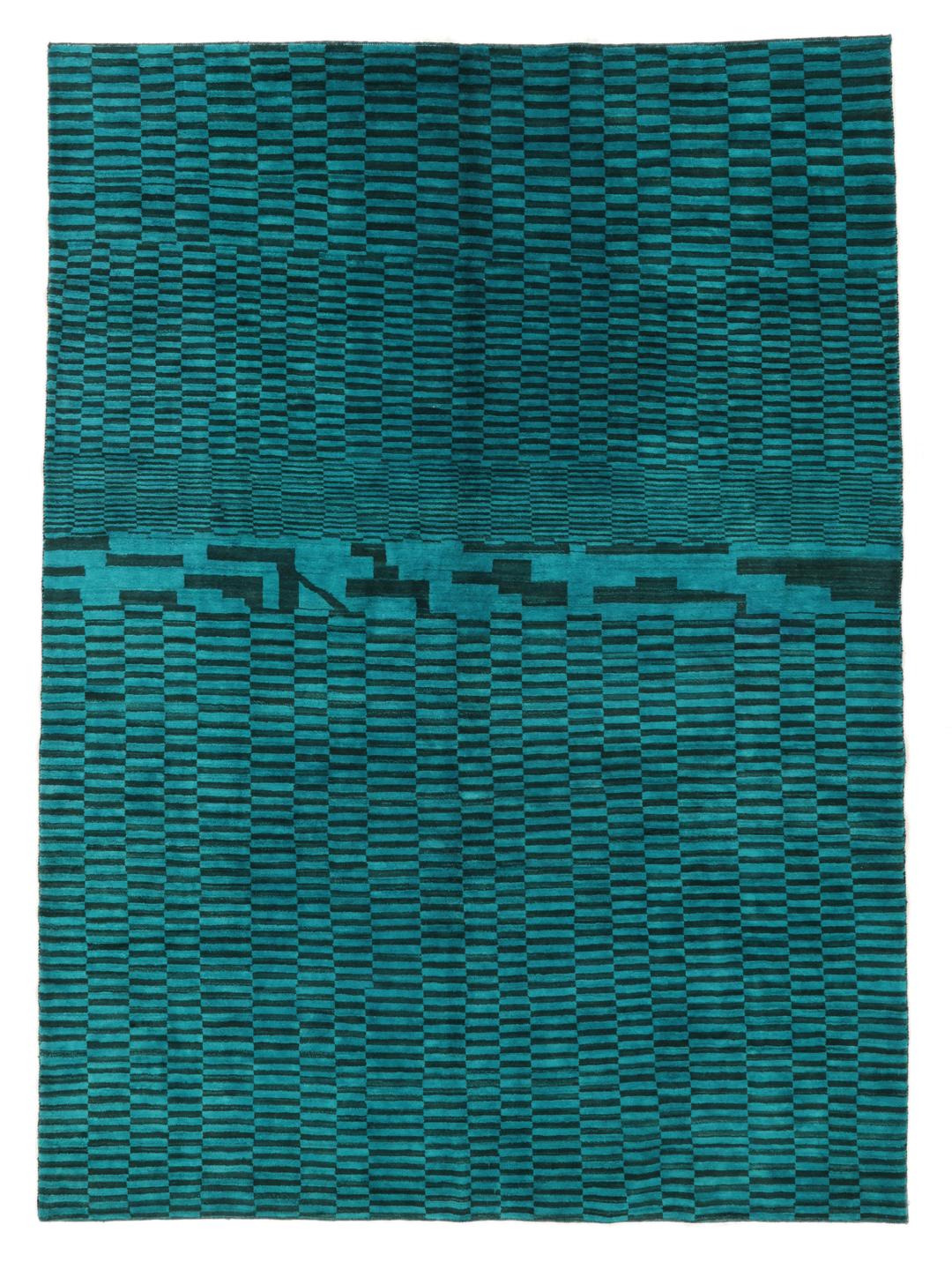
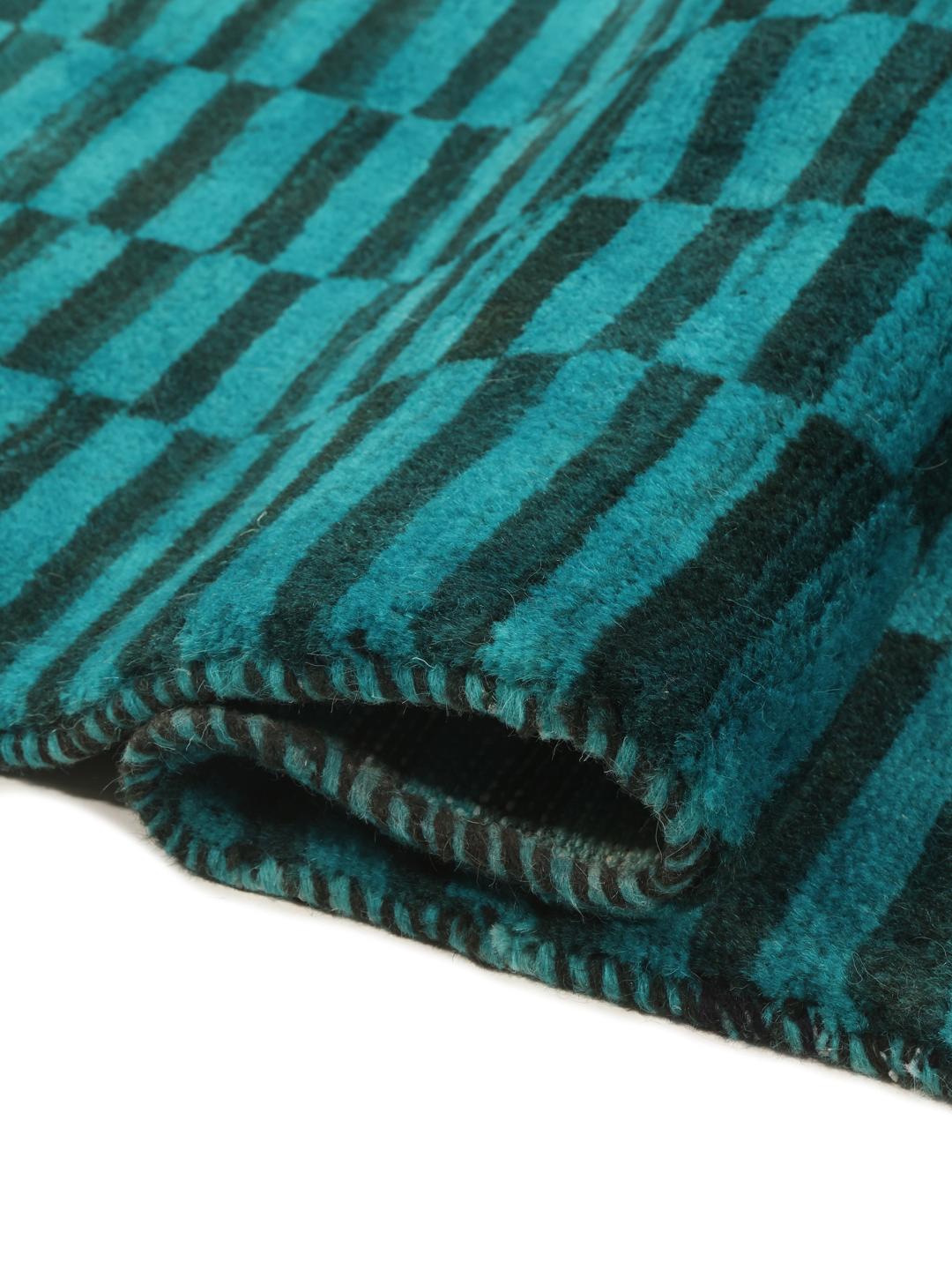
Signature design elements of the Gabbeh tradition often include large, open fields of colour and simplified, stylized motifs. While traditional versions focused on earthy tones, modern interpretations like this one often experiment with vibrant palettes, using the thick, plush wool as a canvas for striking, high-contrast geometric patterns.
Today, these rugs are highly prized by collectors for their authentic connection to ancient weaving traditions and their undeniable artistic merit. Owning a piece from this tradition is an investment in cultural heritage and human skill, representing a bridge between the nomadic past and the elevated aesthetic of the modern home.