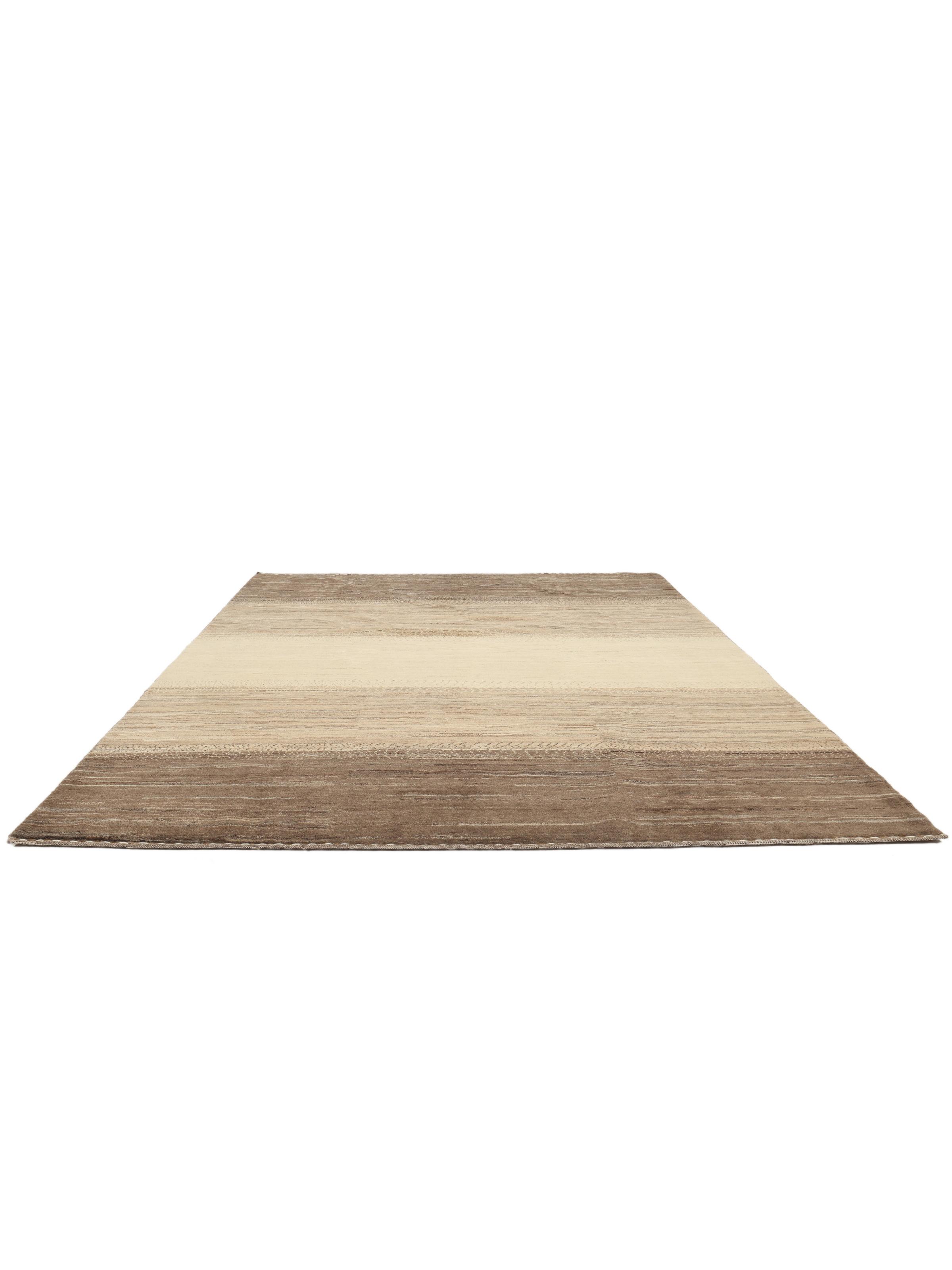
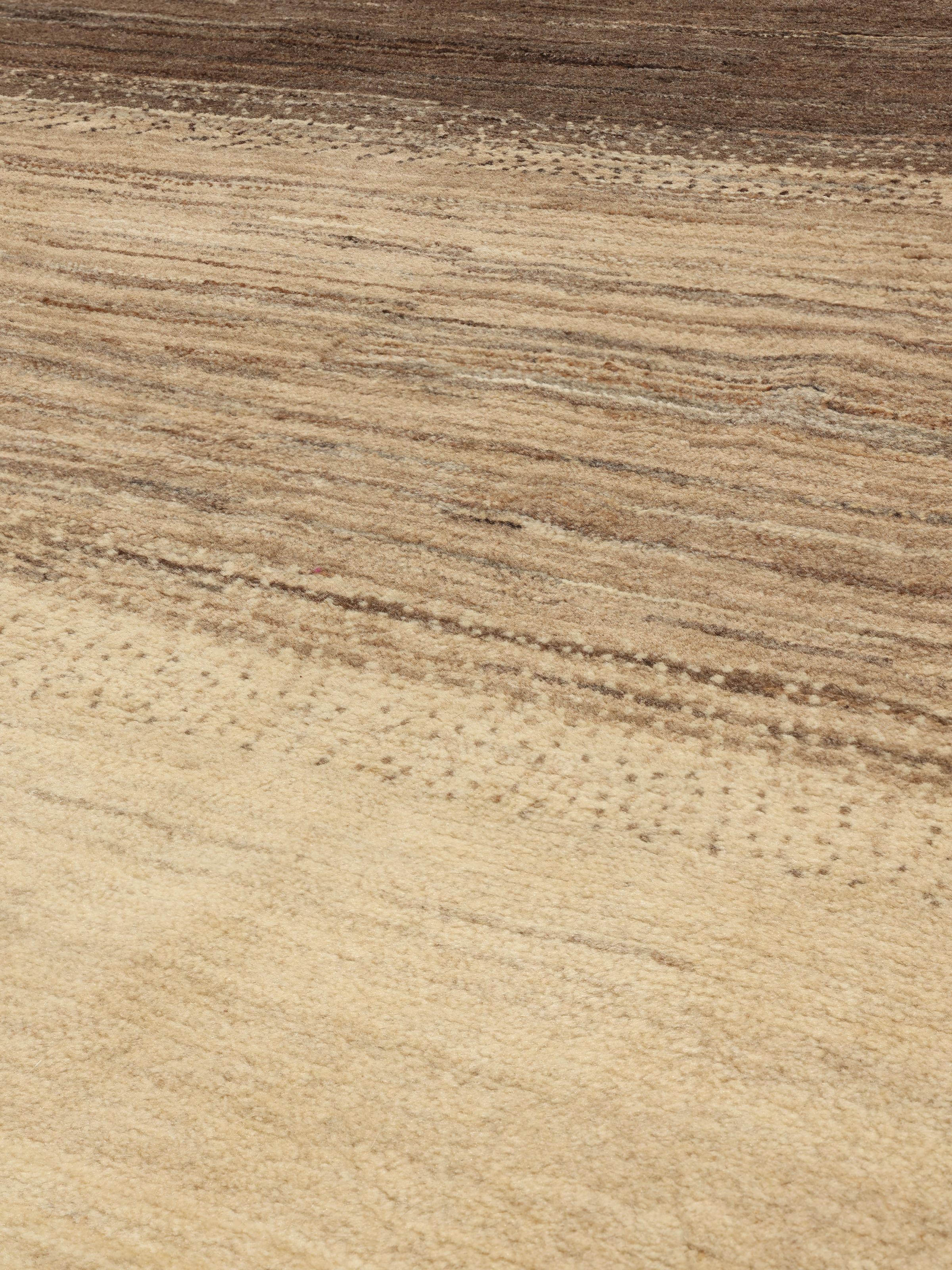
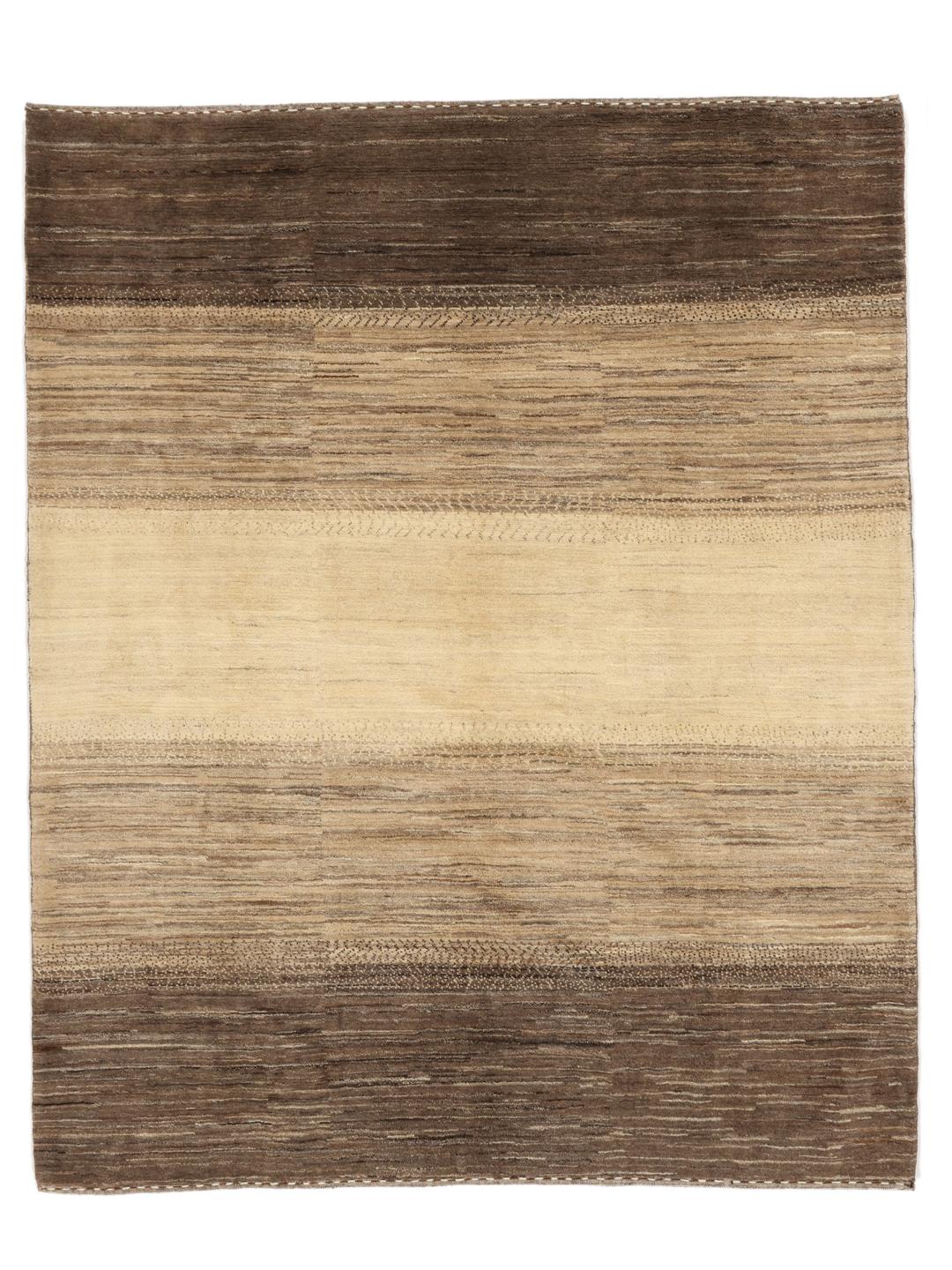
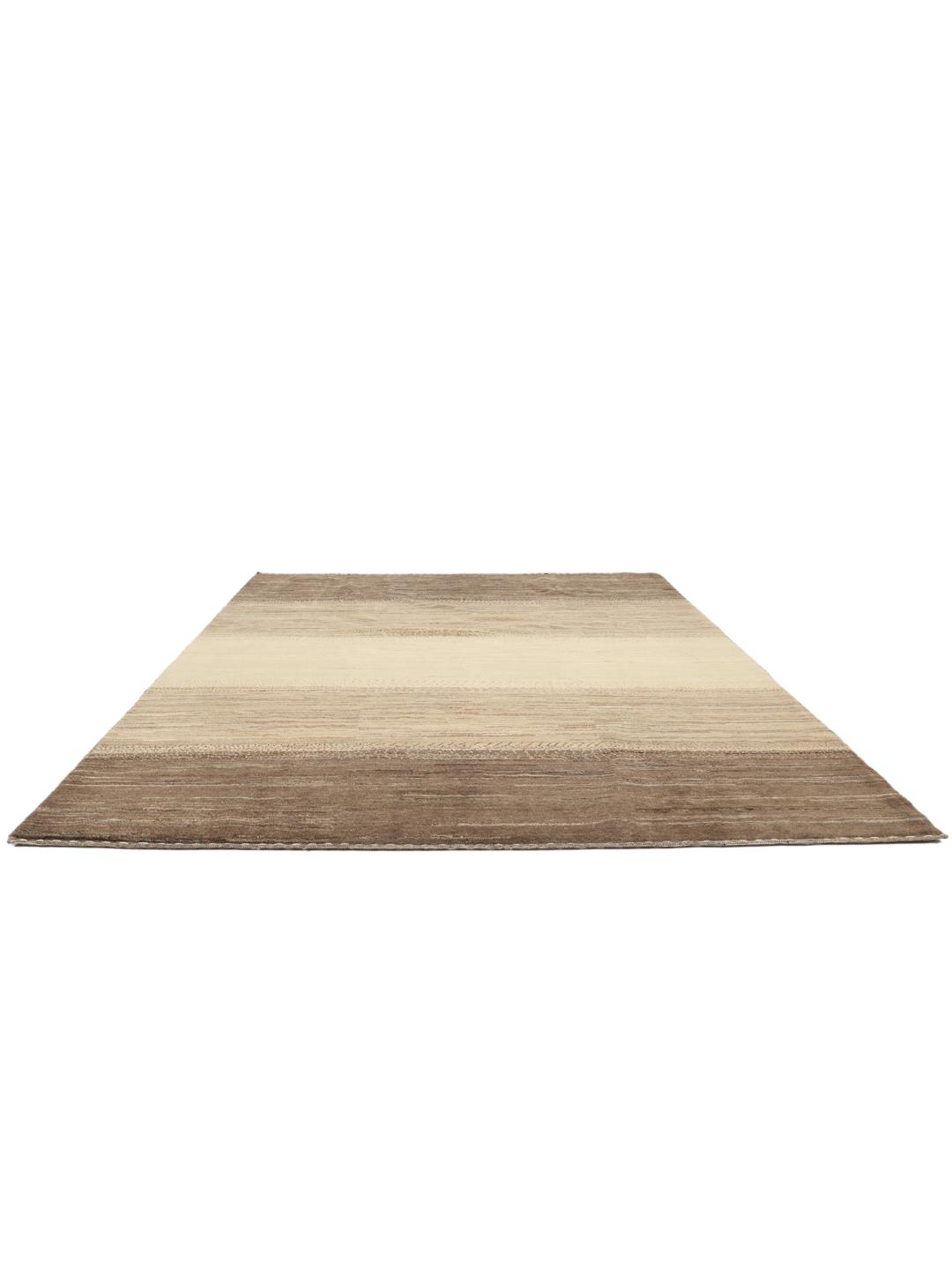
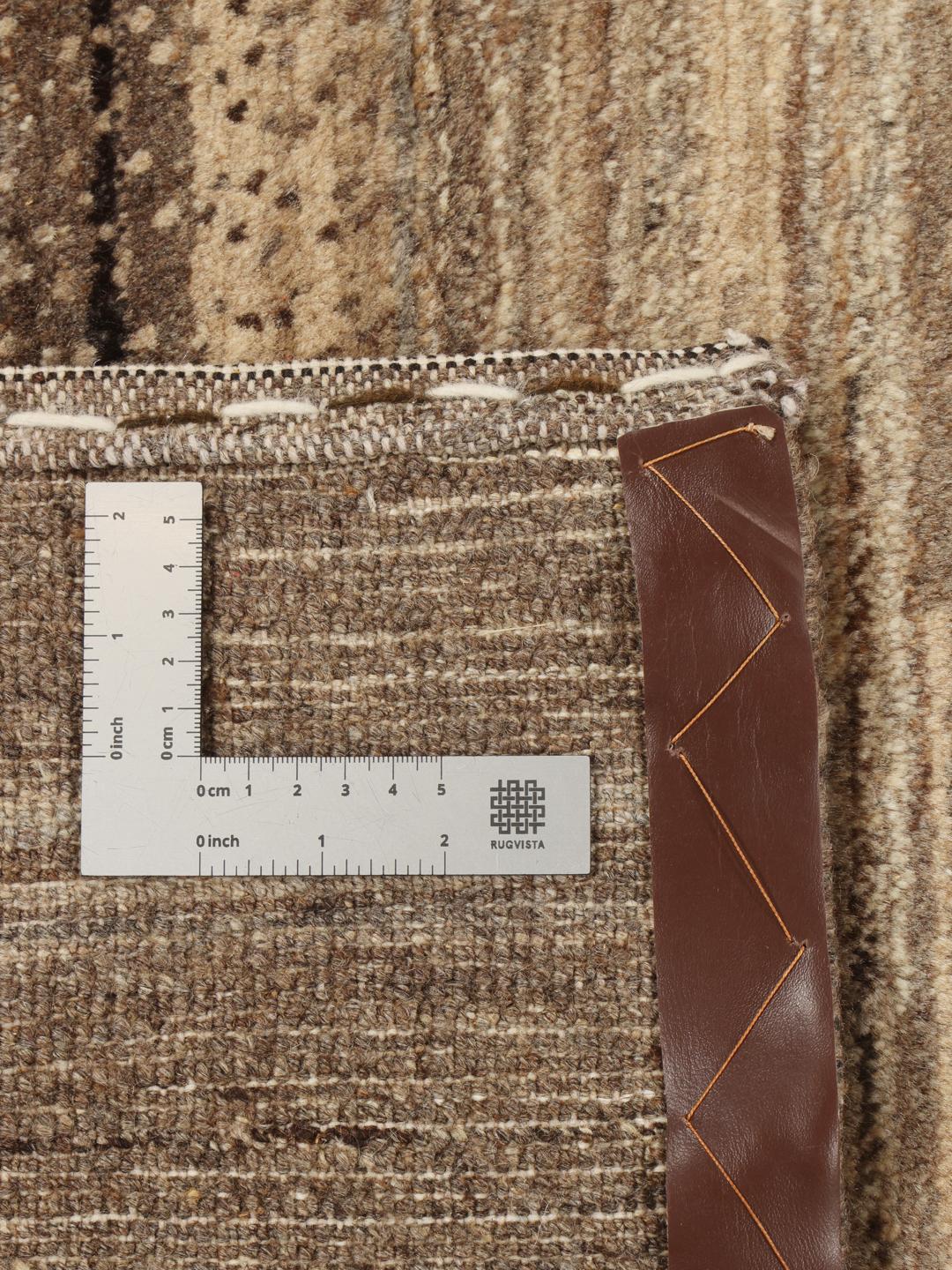
Gabbeh rugs originate from the nomadic tribes of the Middle Eastern landscape, where they were traditionally crafted for personal use rather than trade. These rugs were woven by women who drew inspiration from their surroundings, incorporating the natural colours of the wool and the vast, shifting landscapes of their ancestral lands. Unlike more formal urban rugs, the Gabbeh was designed to be a thick, practical, and incredibly comfortable floor covering for tent life.
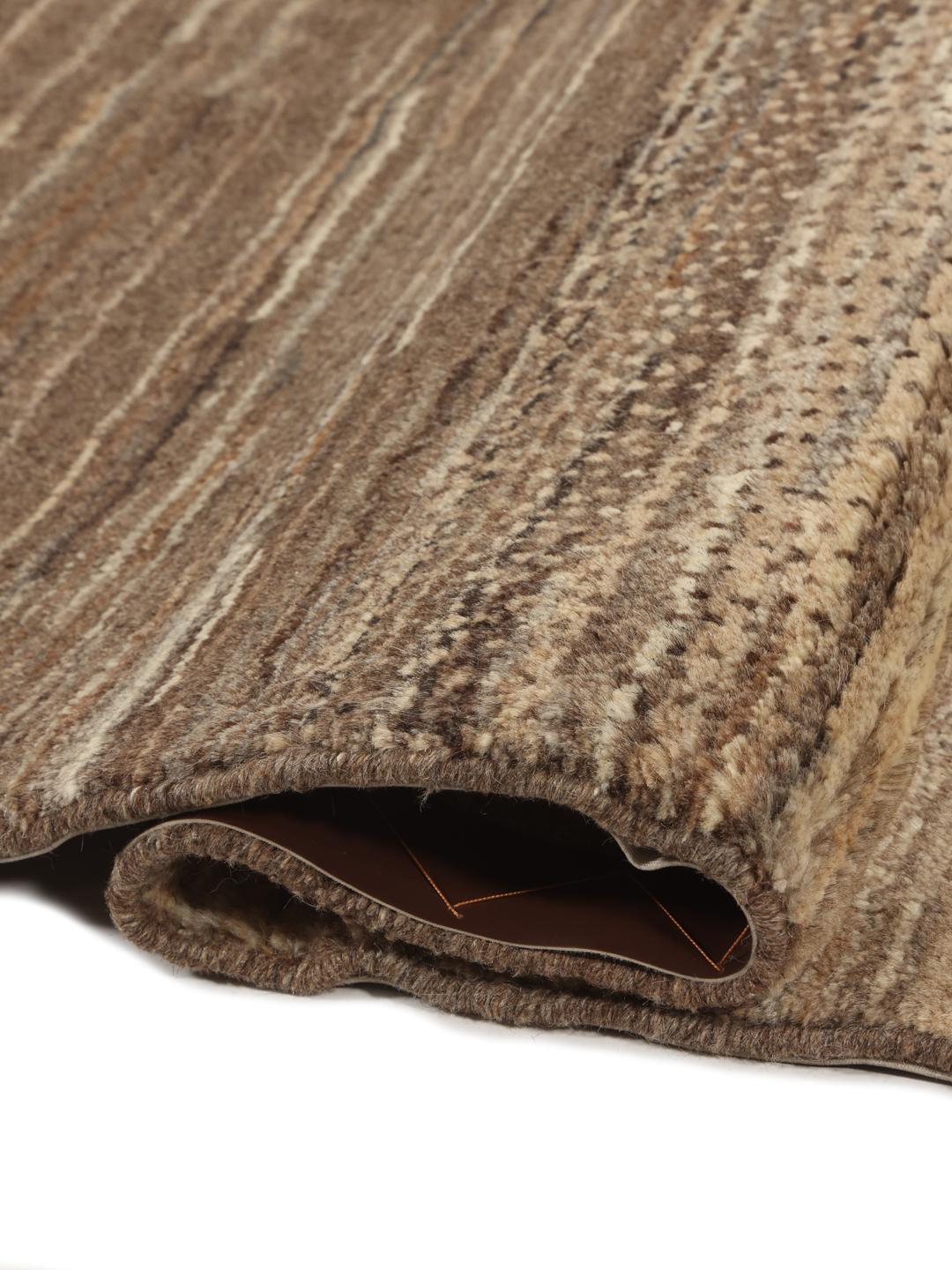
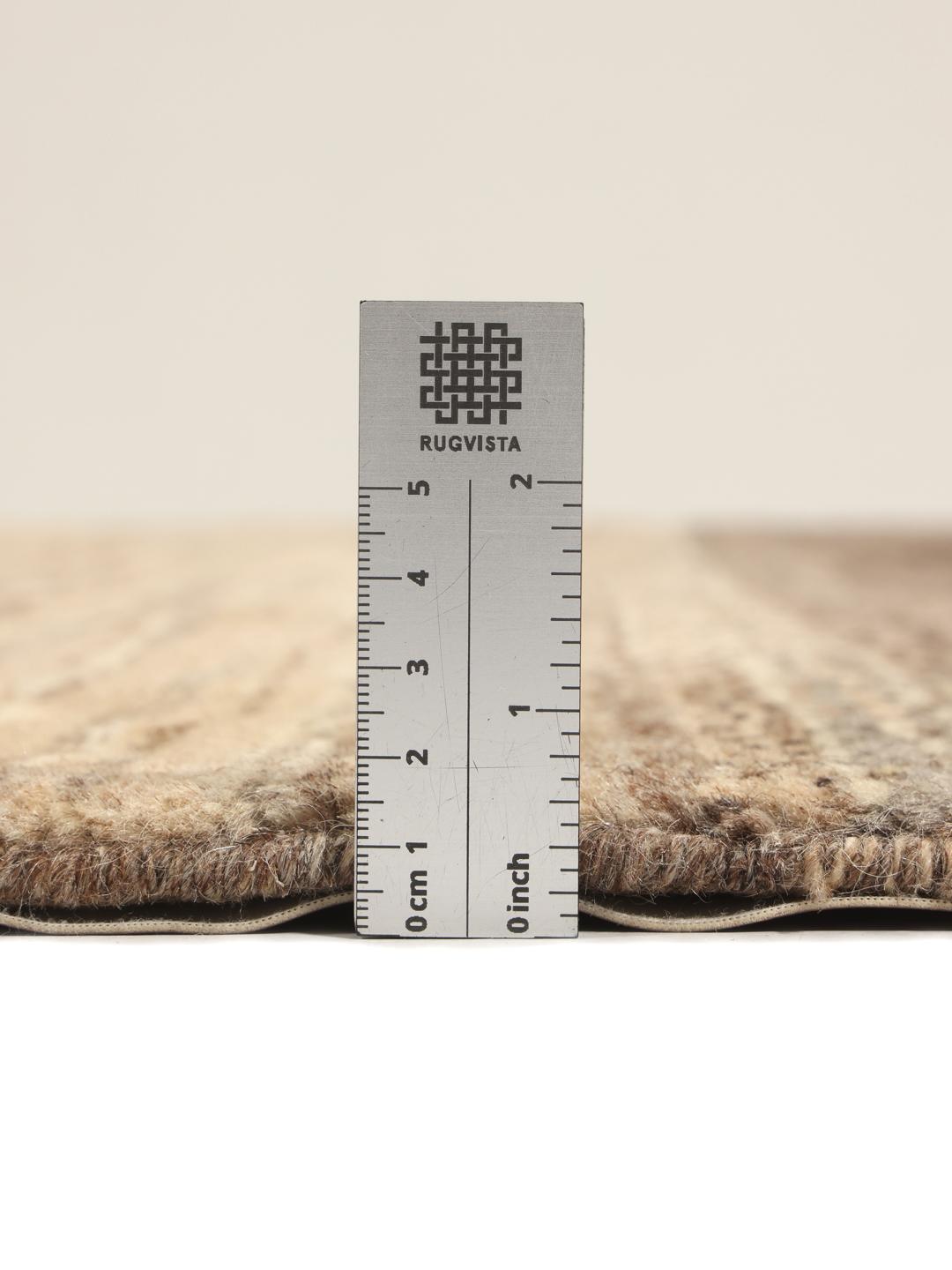
The term 'Gabbeh' itself translates to 'raw' or 'natural', reflecting the straightforward and unpretentious nature of these pieces. They are known for their thick, heavy construction, which is achieved through the use of high-quality wool and a relatively coarse knotting technique. This construction is what gives them their signature plush feel, making them highly prized for their ability to provide warmth and comfort in harsh climates.
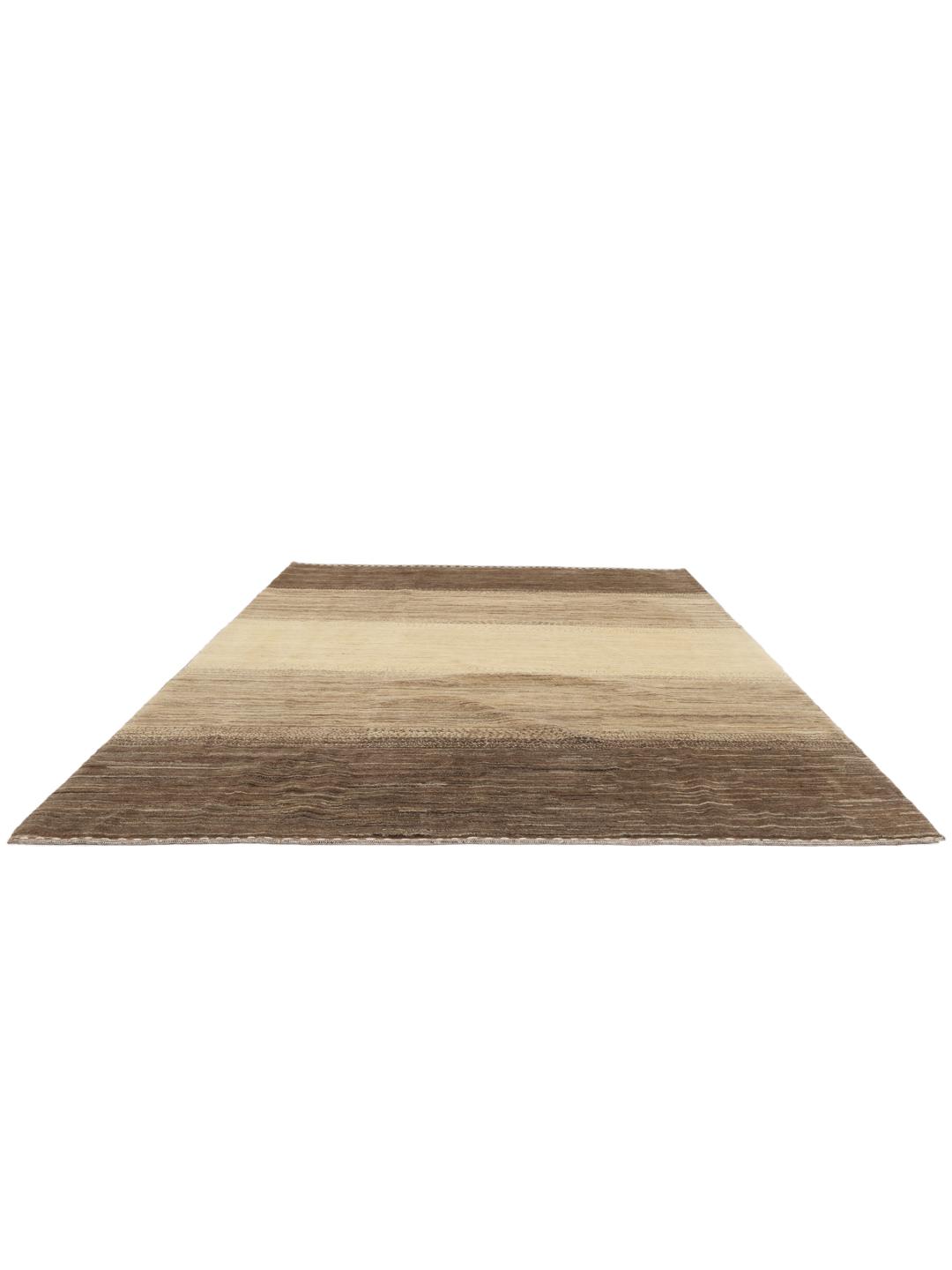
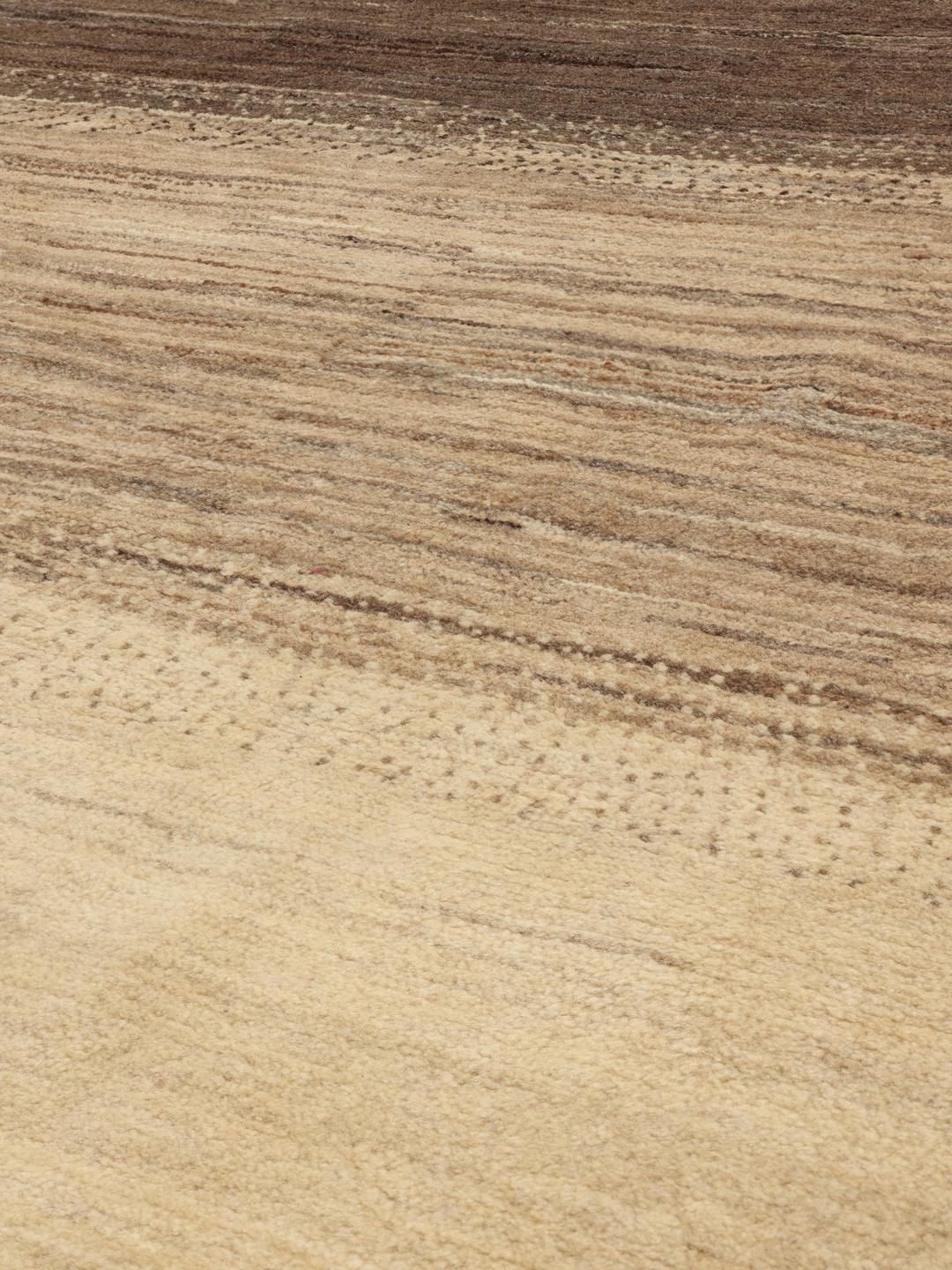
Visually, these rugs are defined by their minimalist and artistic approach, often featuring large fields of colour or simple, bold geometric motifs. While traditional versions were often vibrant, the style has evolved to include sophisticated, tonal colour palettes that highlight the beauty of the raw wool. The inclusion of subtle, decorative borders or simple stripes, as seen here, emphasises the natural texture and the organic beauty of the material.
Today, these rugs are collected for their authenticity and the human story woven into every piece. Because they were historically made without rigid pattern templates, each rug serves as a reflection of the weaver's mood, environment, and personal style. Owning a Gabbeh is a way to connect with a centuries-old tradition of nomadic artistry, bringing a piece of heritage and genuine human skill into a modern home.