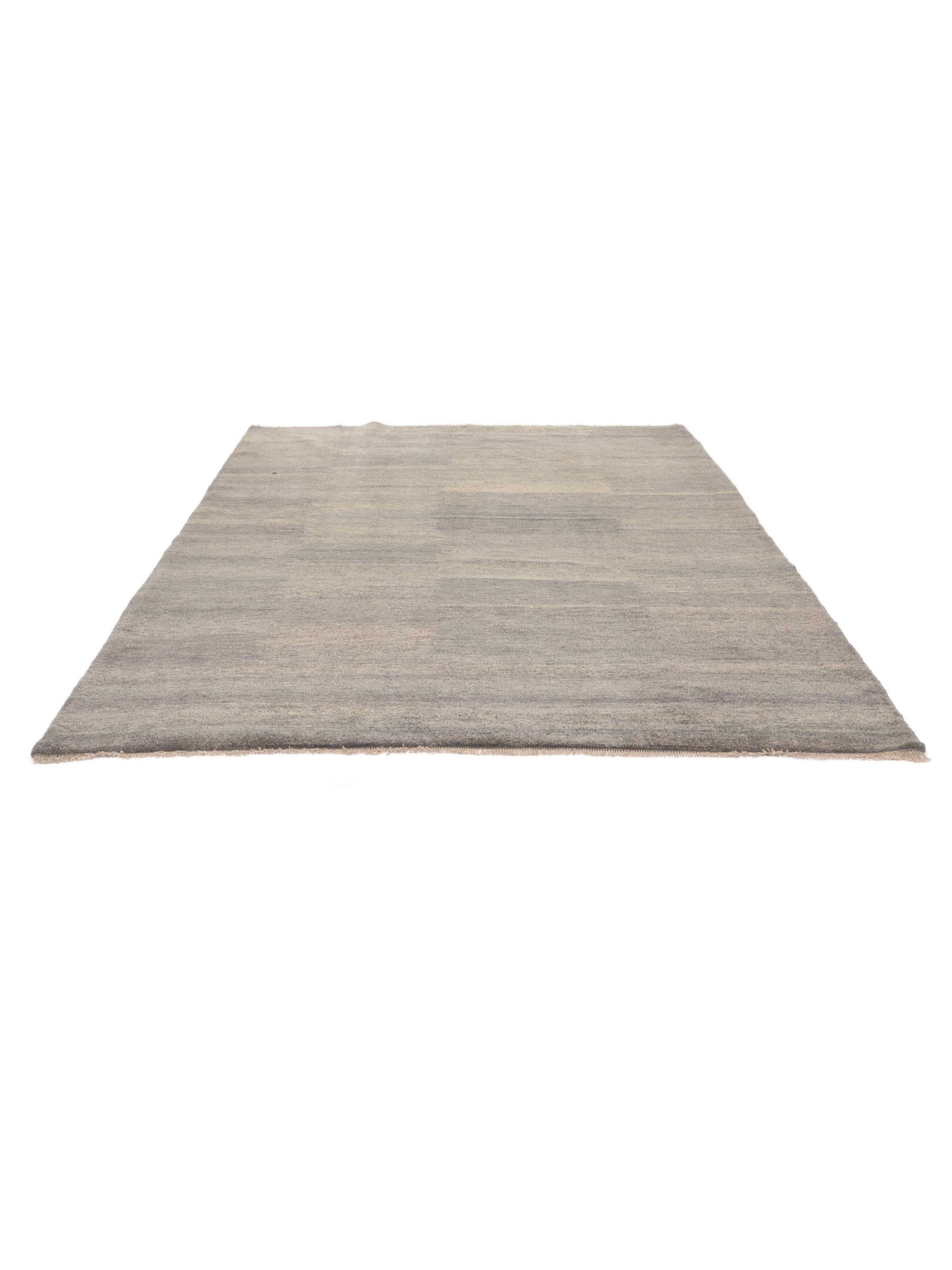
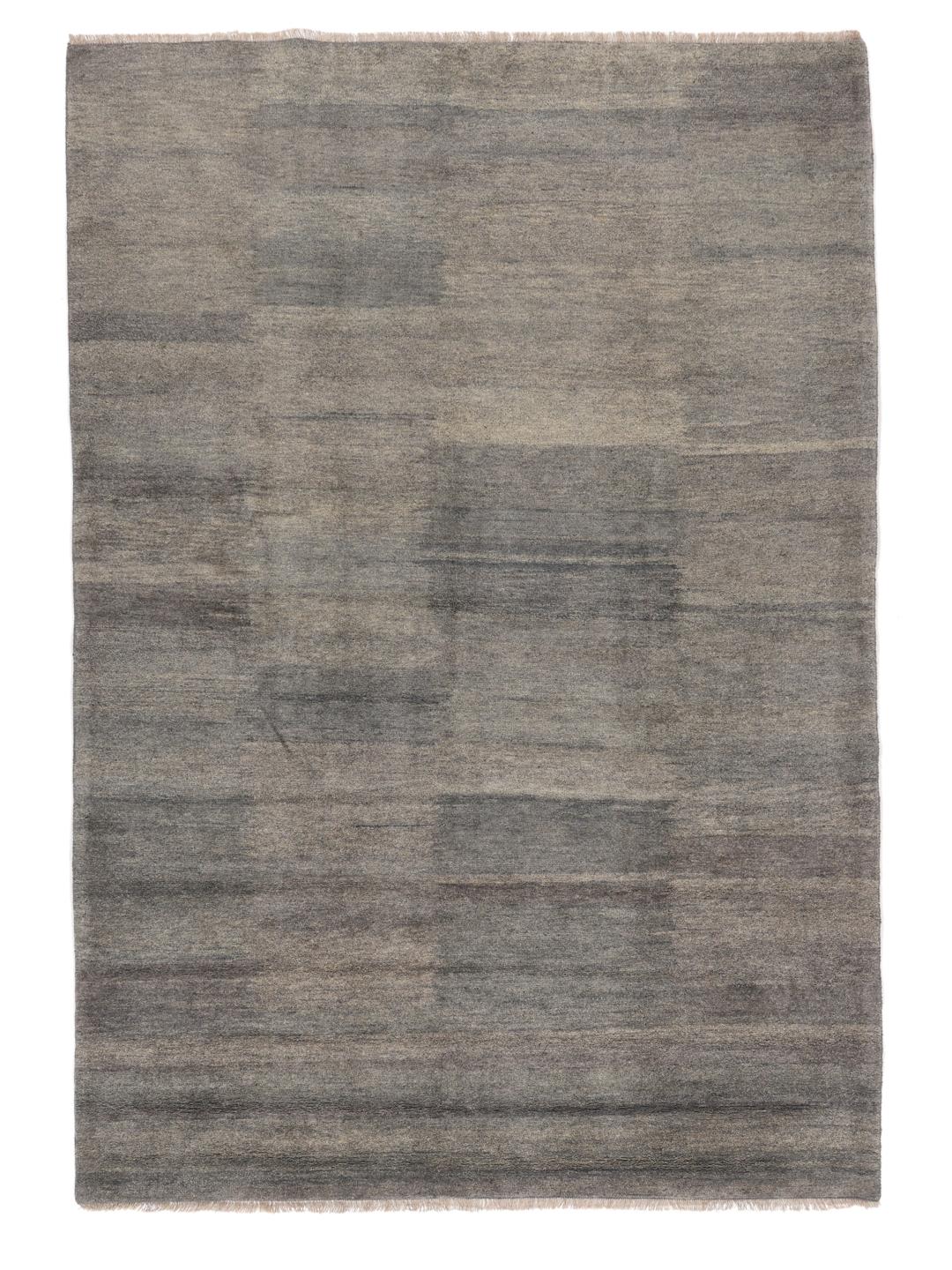
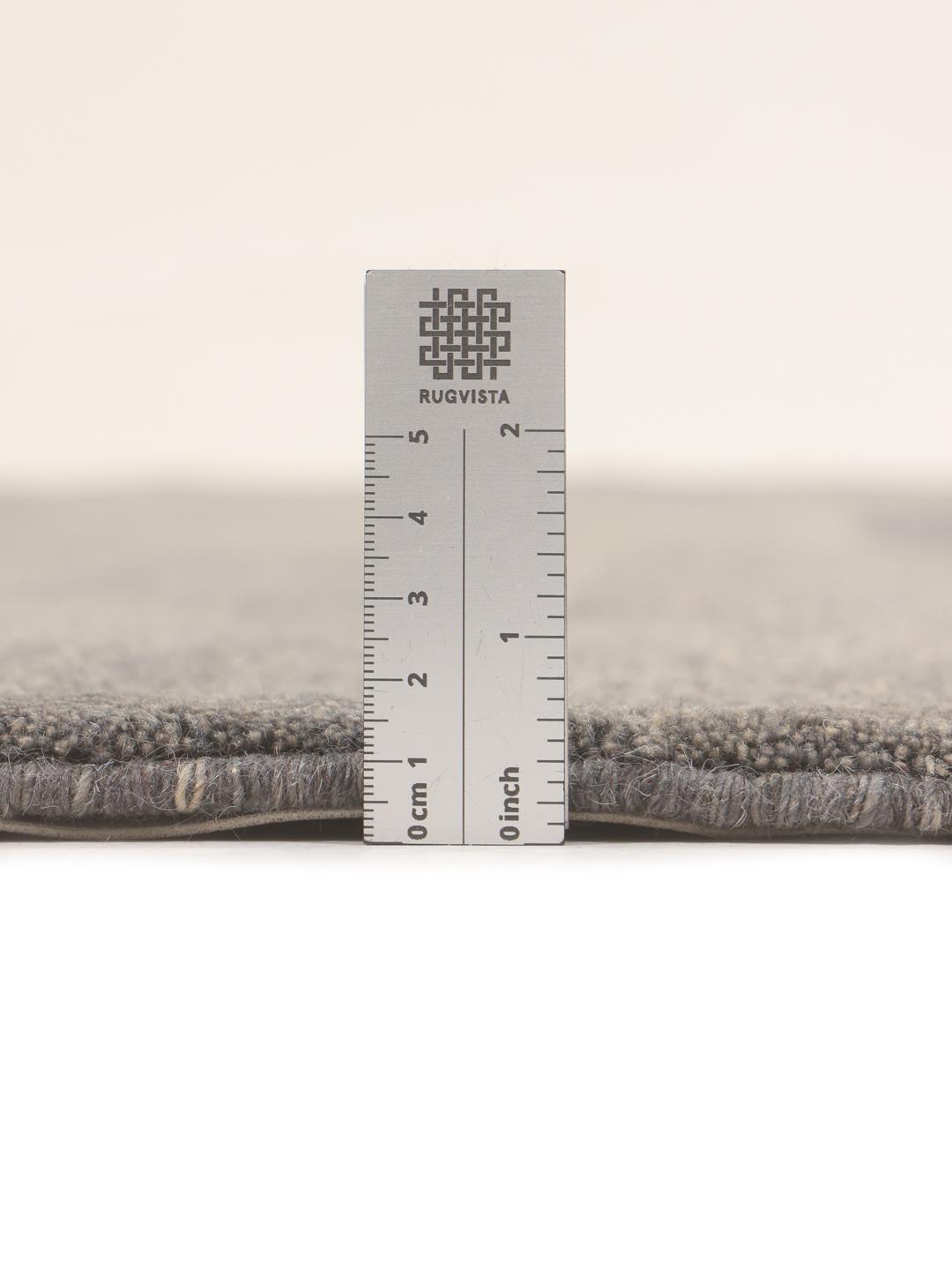
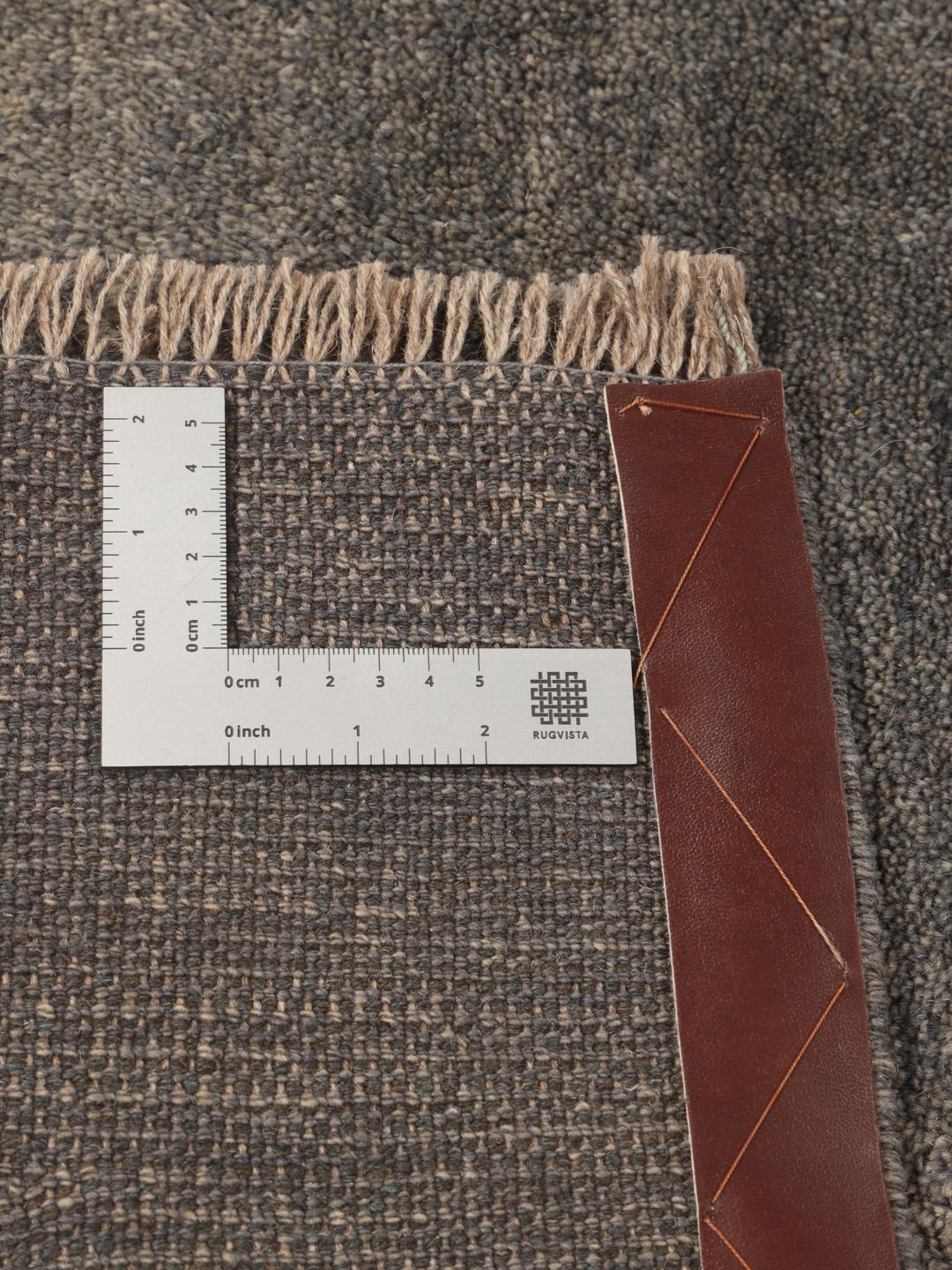
The Gabbeh tradition traces its roots to the nomadic tribes of the Middle East, where weavers created these rugs primarily for personal use and protection against the elements. Unlike formal, city-made carpets, these pieces were designed with a focus on utility and individual expression, often reflecting the natural landscape and the life of the weaver.
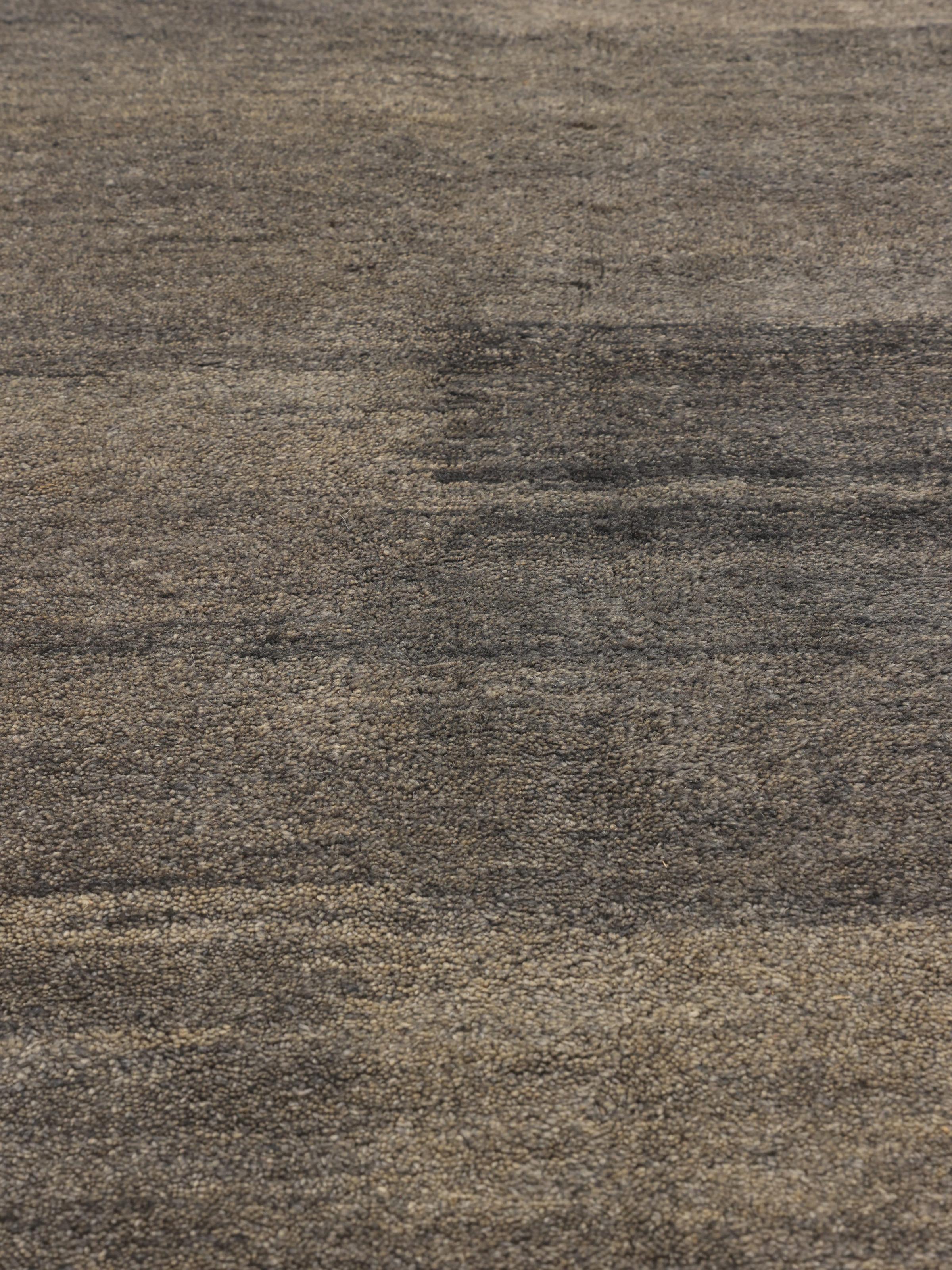
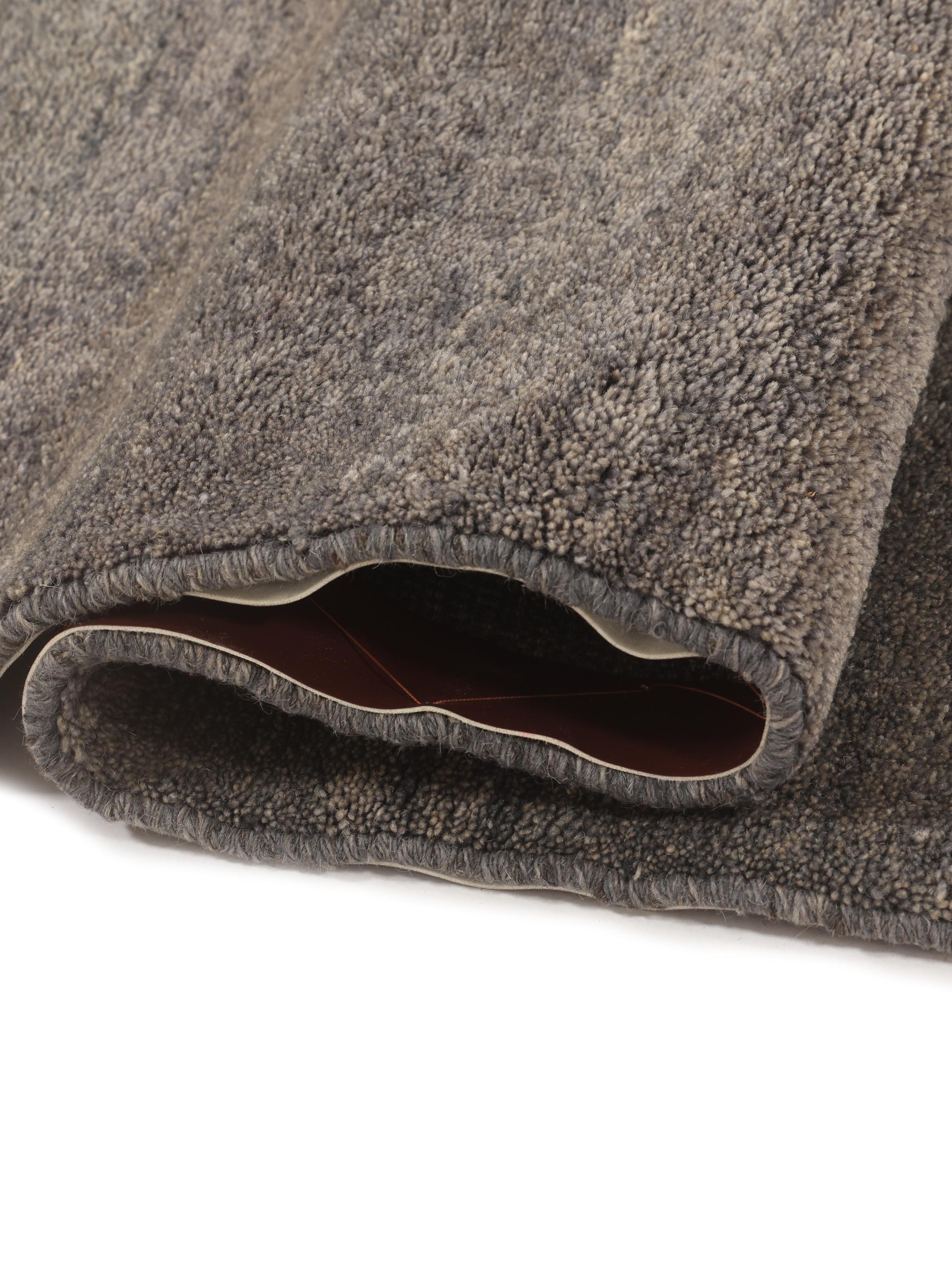
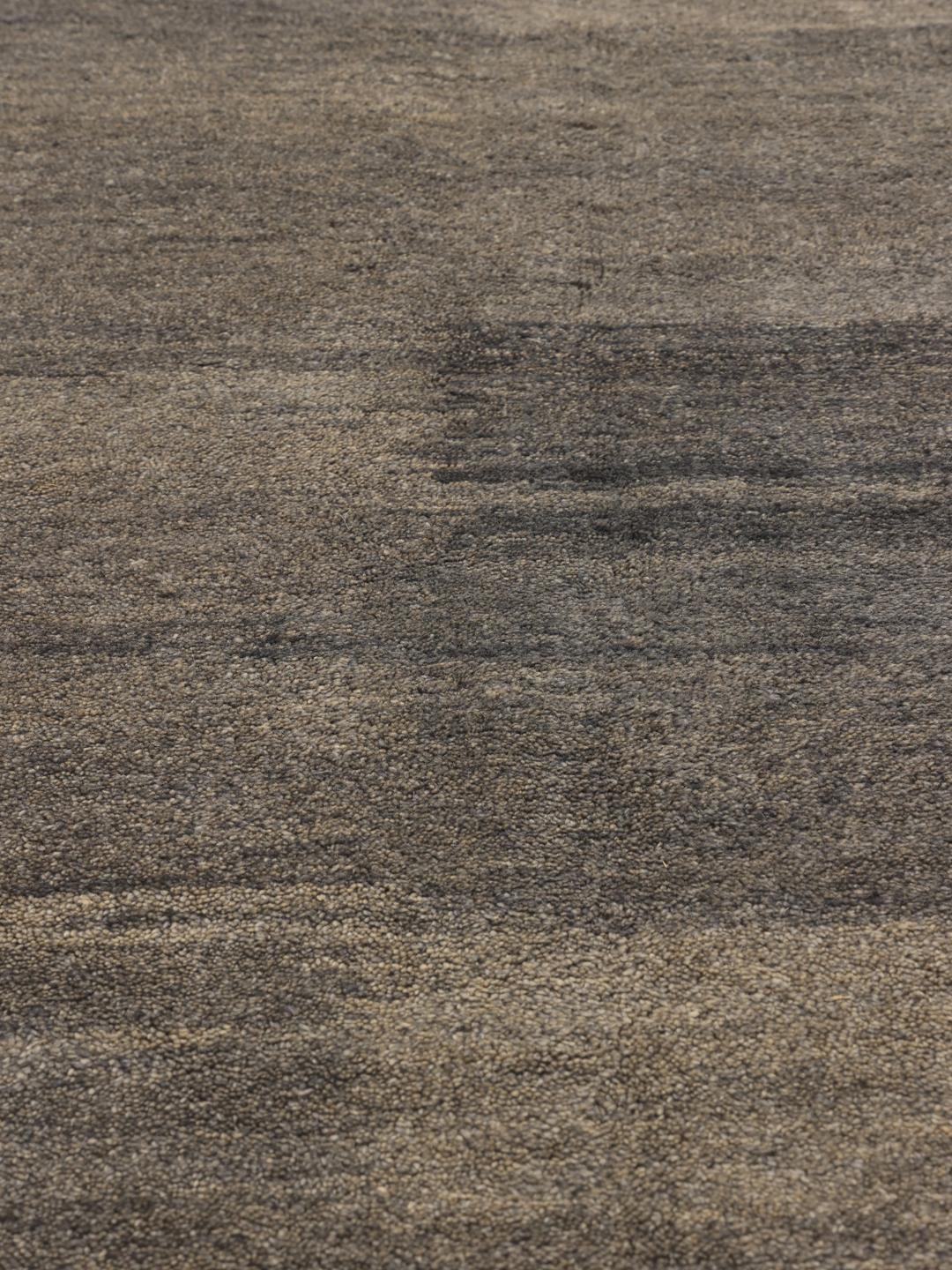
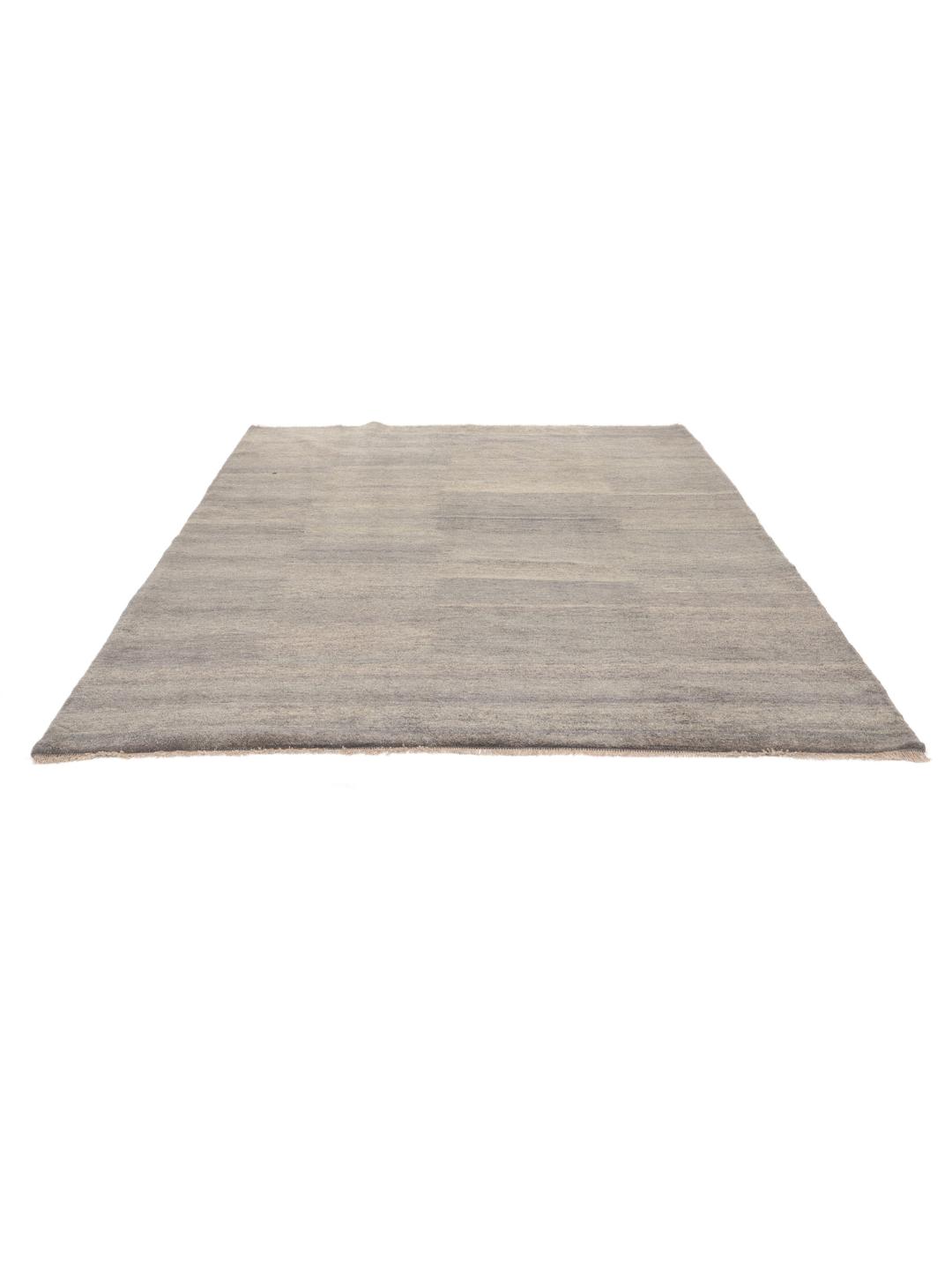
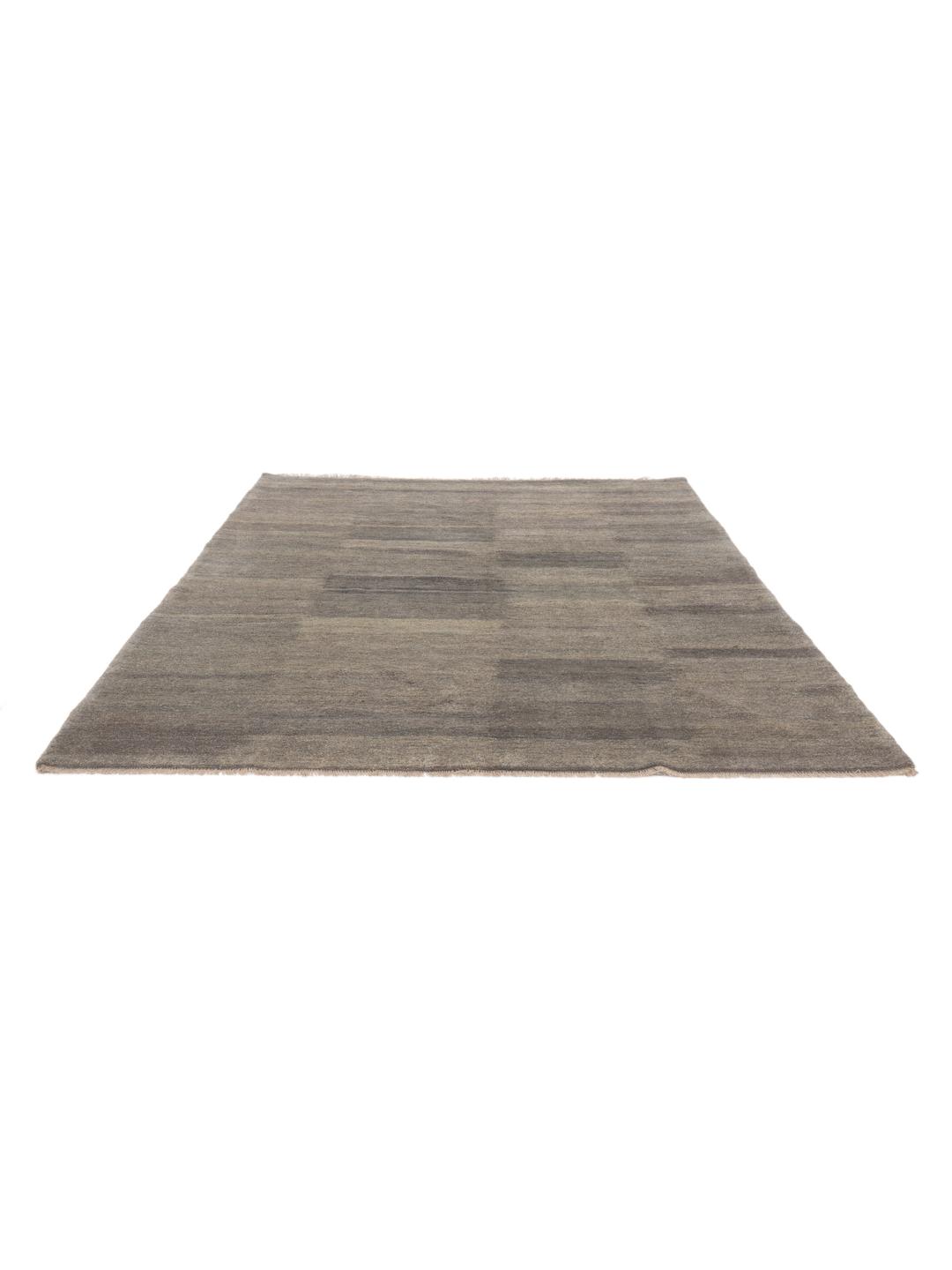
The term Gabbeh itself implies something raw or natural, which is reflected in the simplified, often abstract designs that define the category. While traditional styles might feature bold, geometric motifs, the modern evolution of the Gabbeh has embraced more subtle, tonal colour palettes, allowing the focus to remain on the purity of the wool and the texture of the pile.
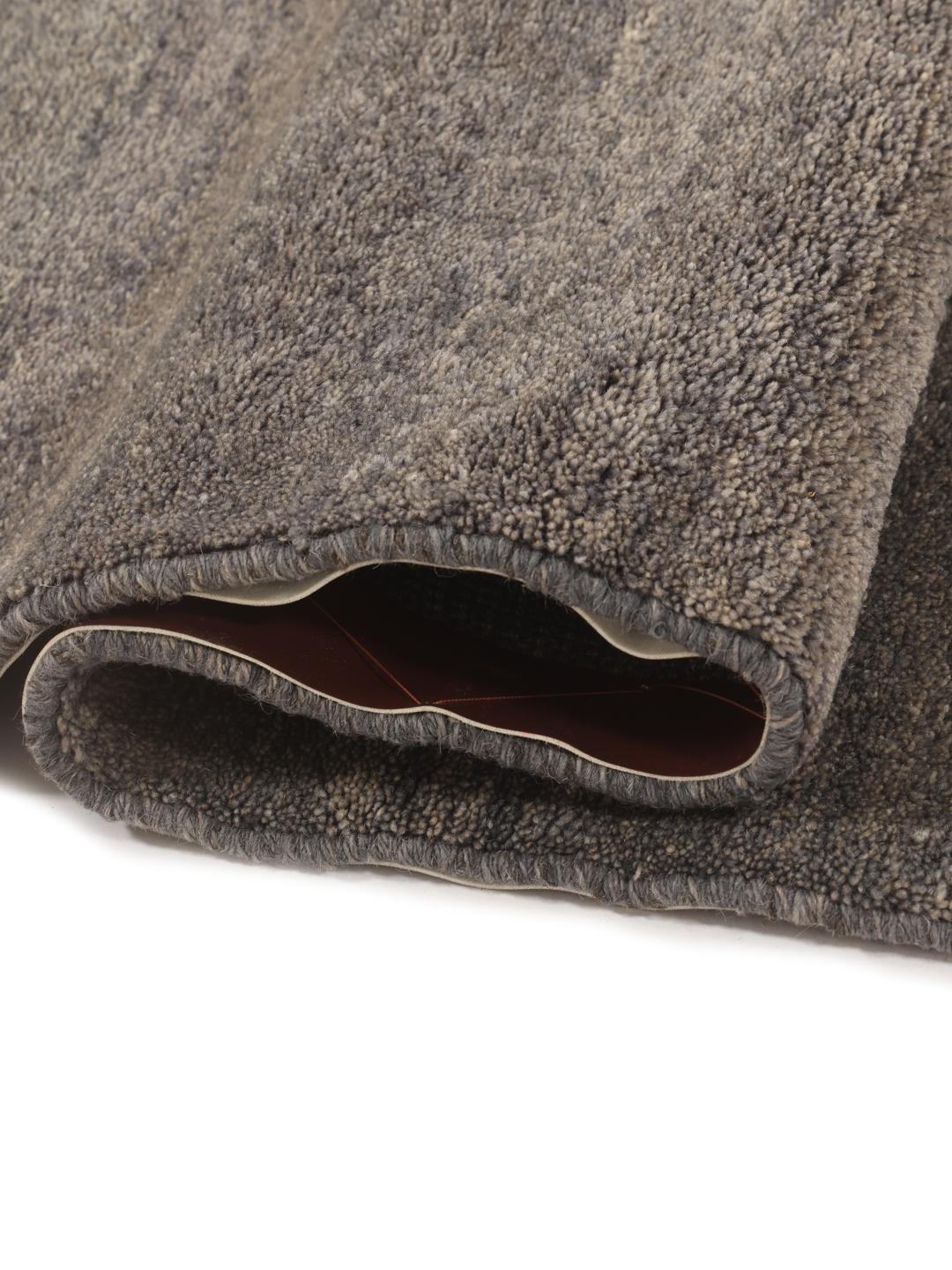
A defining characteristic of these rugs is the use of hand-spun, high-quality wool, which is often dyed using natural pigments. This process results in a beautiful, organic variation in colour known as abrash, where the tone of the rug shifts slightly across its surface. This quality is highly prized by collectors as it signals a genuine, hand-crafted item rather than a mass-produced one.
Today, owning a piece from this tradition is a way to connect with a centuries-old craft that values the human hand above all else. These rugs are collected not only for their durability but for the way they bring a sense of history and soulful character into a home, acting as a bridge between ancient heritage and contemporary living.