The Gabbeh tradition originates from the nomadic tribes of the Middle East, where rugs were historically woven for practical, everyday use within the home. Unlike formal, city-made carpets, these rugs were designed to provide warmth and comfort, often serving as bedding or floor coverings during long migrations across the rugged landscape.
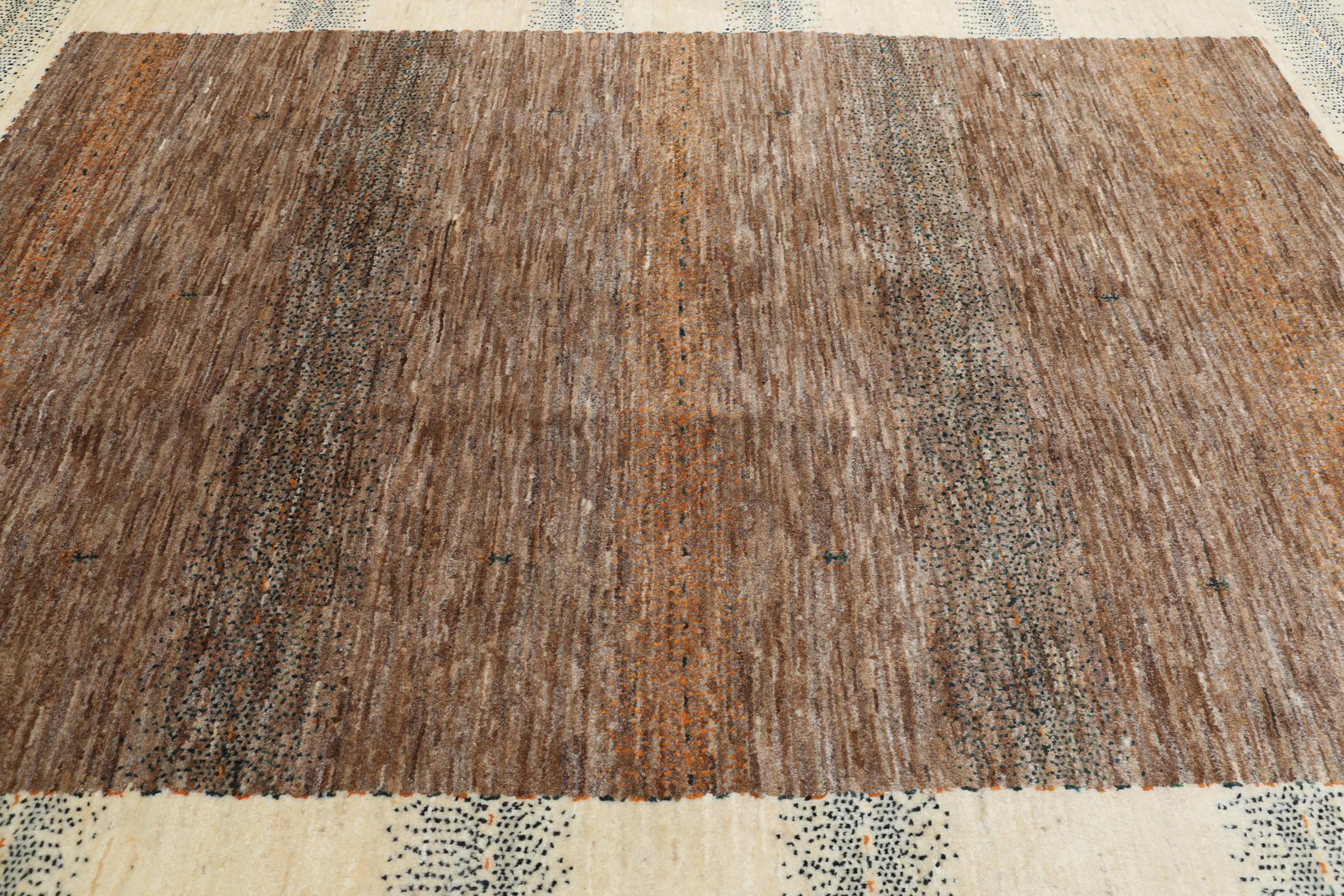
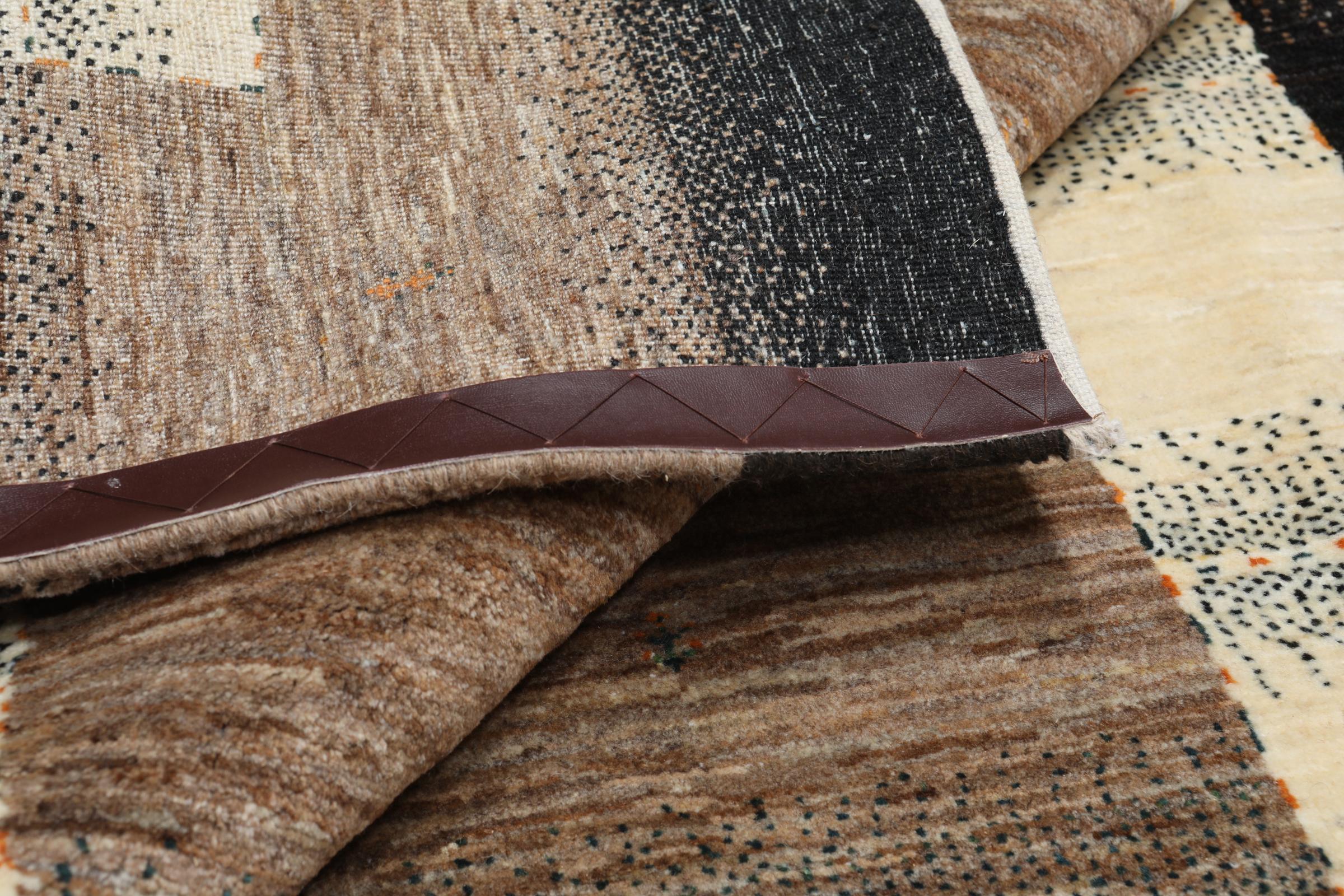
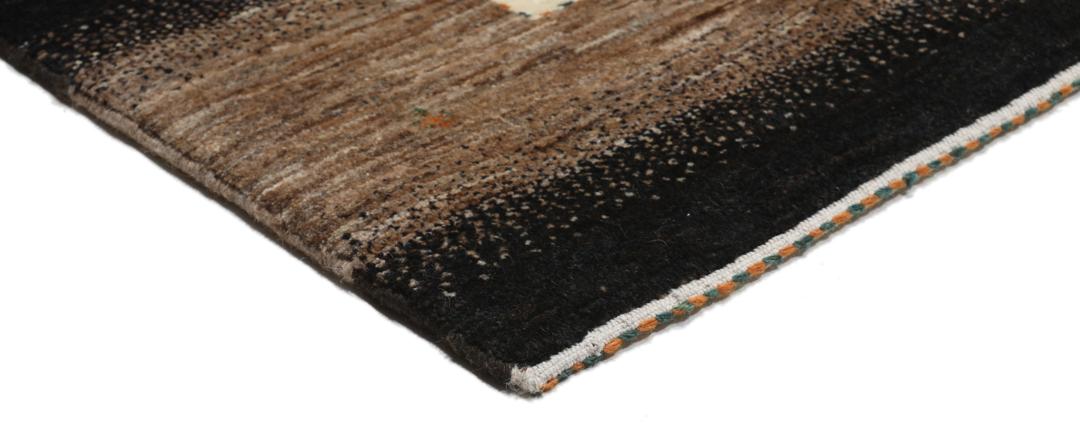
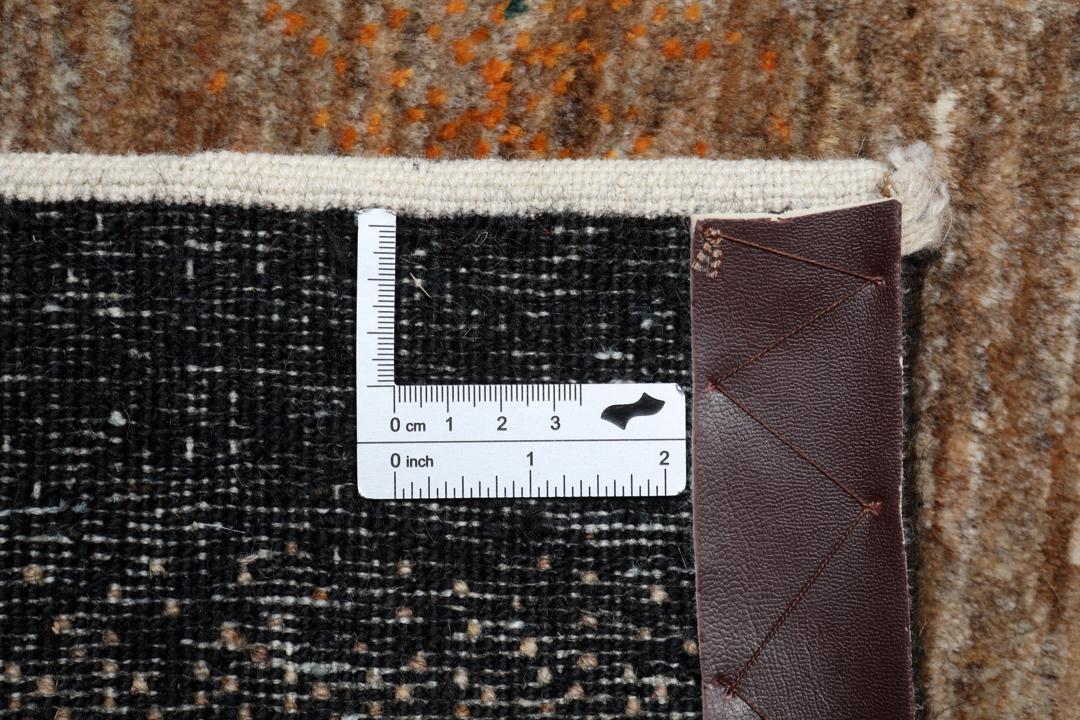
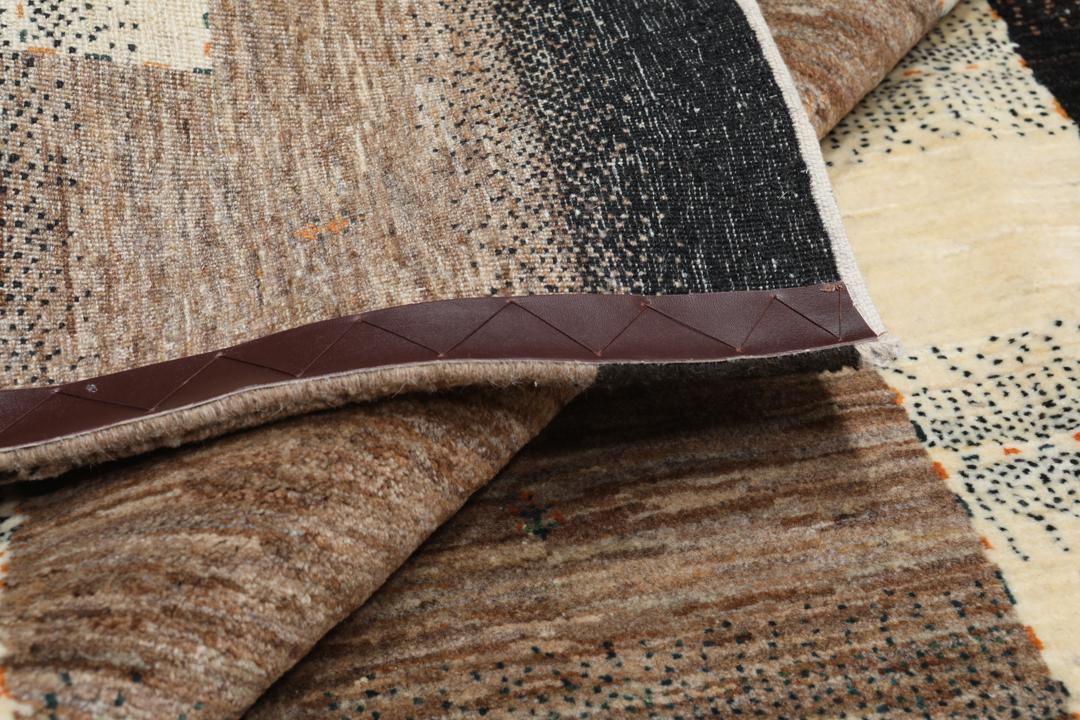
The term 'Gabbeh' itself translates to 'raw' or 'natural', reflecting the unrefined and expressive nature of these pieces. These rugs are known for their thicker, coarser Wool and higher pile compared to other regional styles, which creates their signature soft and plush feel. This construction is a hallmark of the craft, prioritising comfort and resilience.
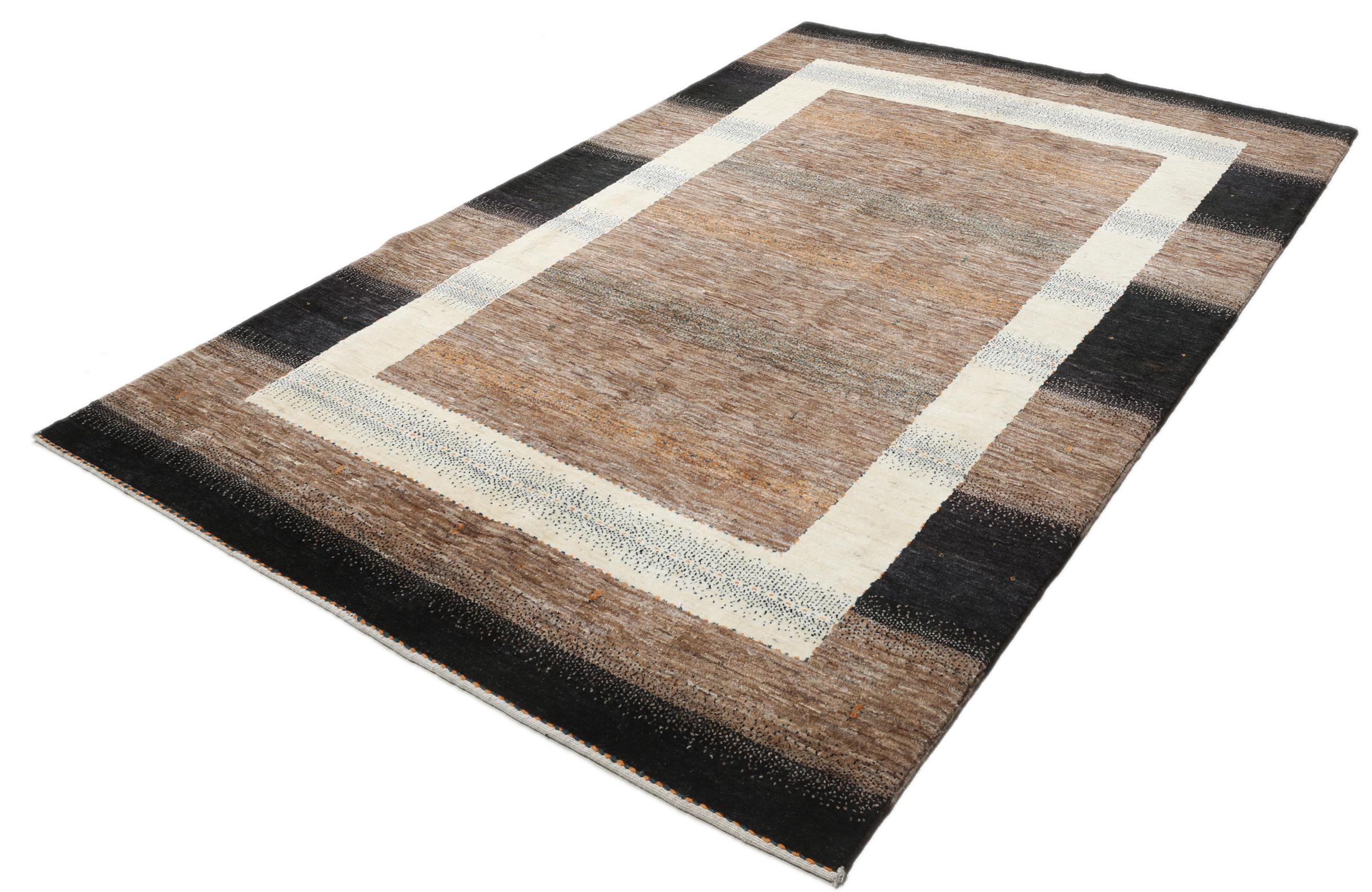
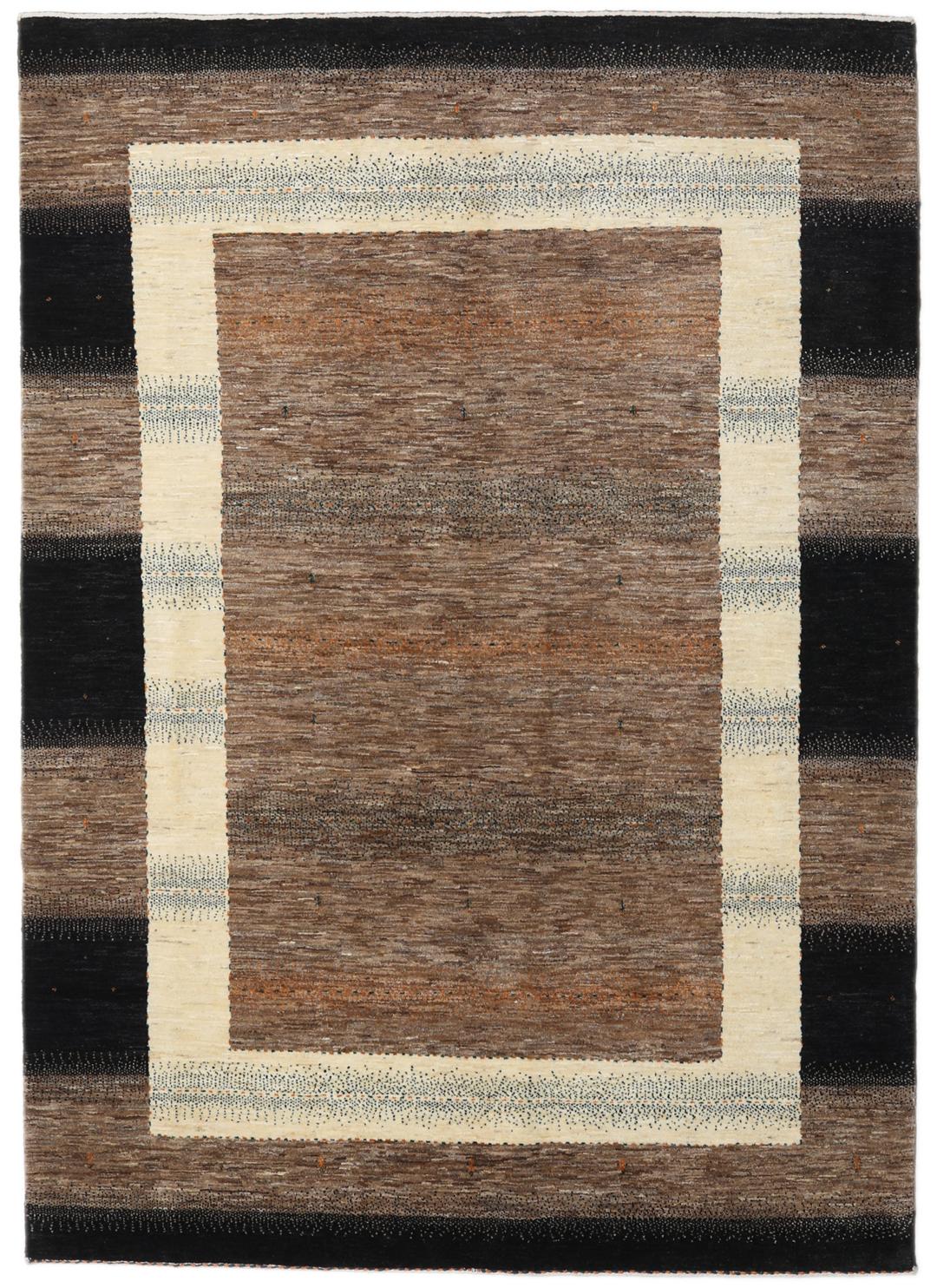
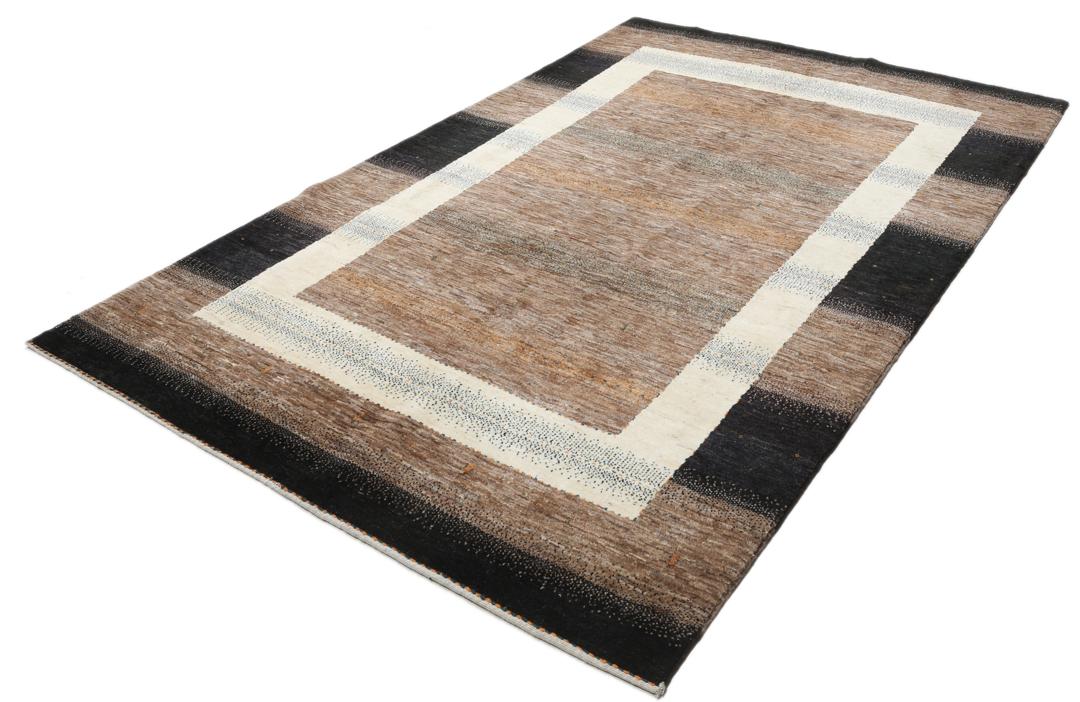
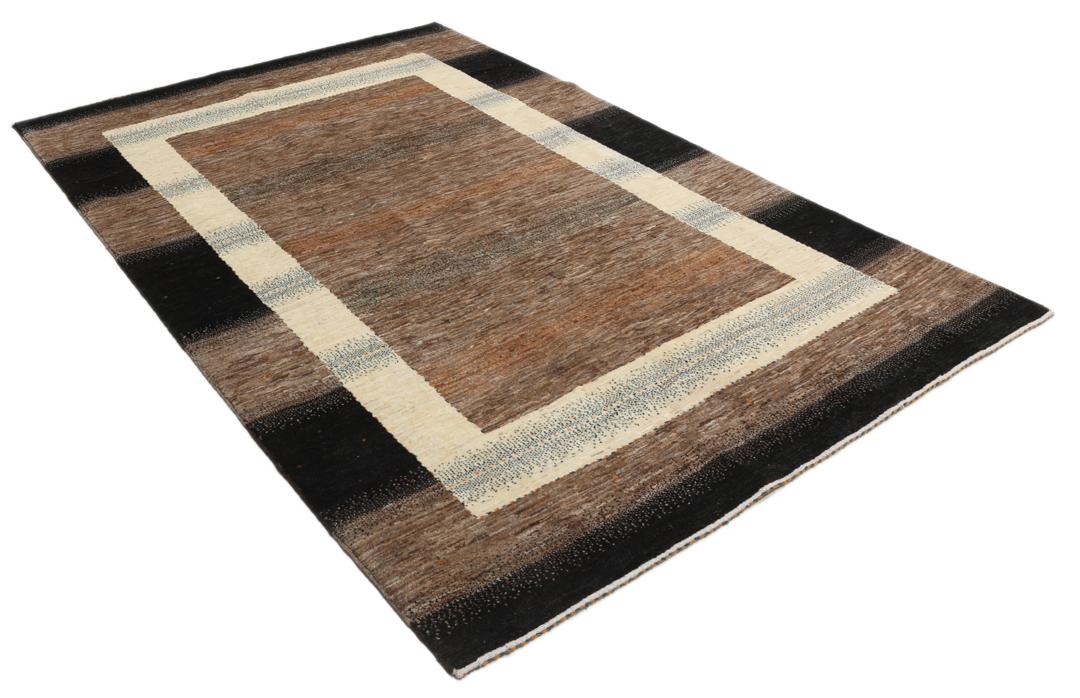
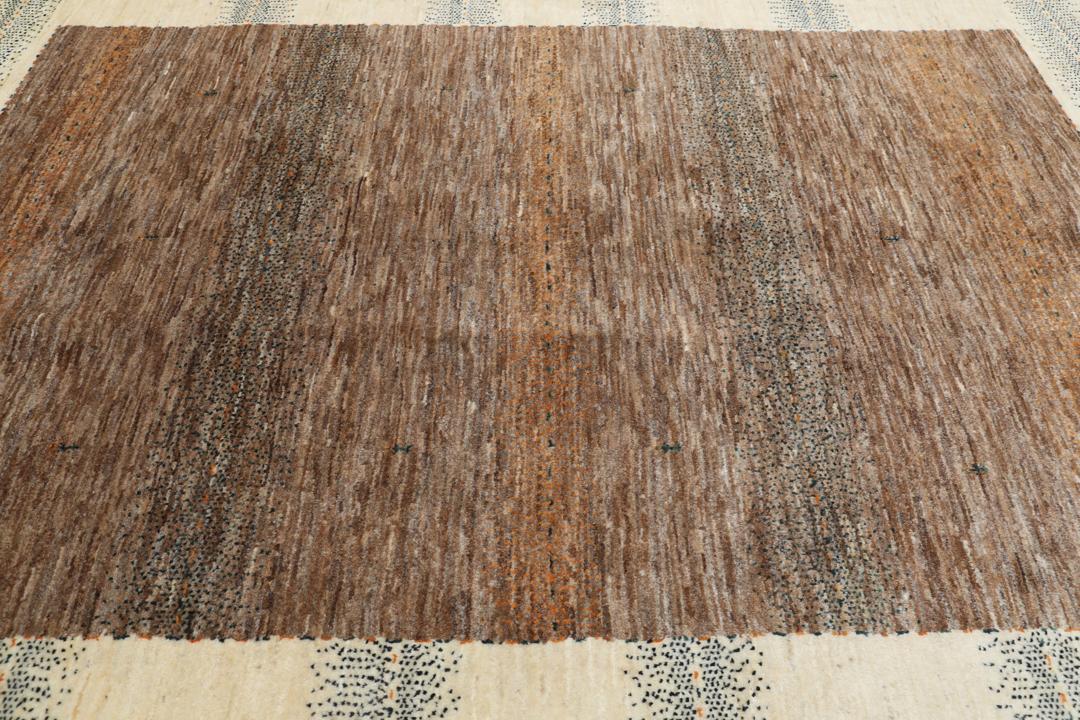
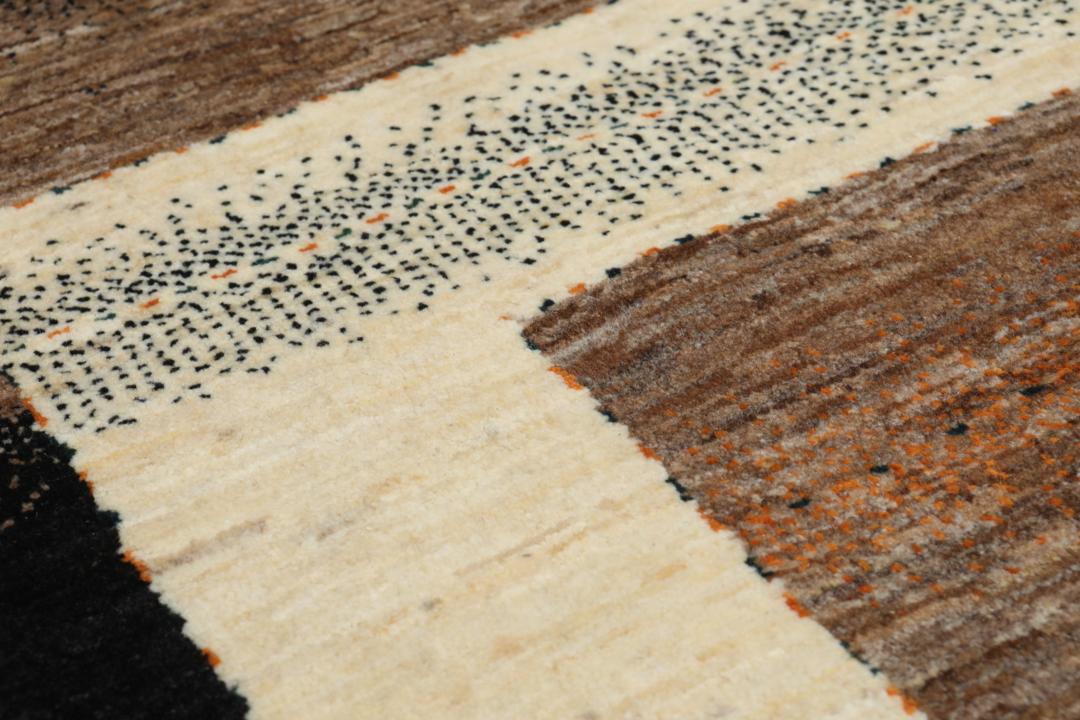
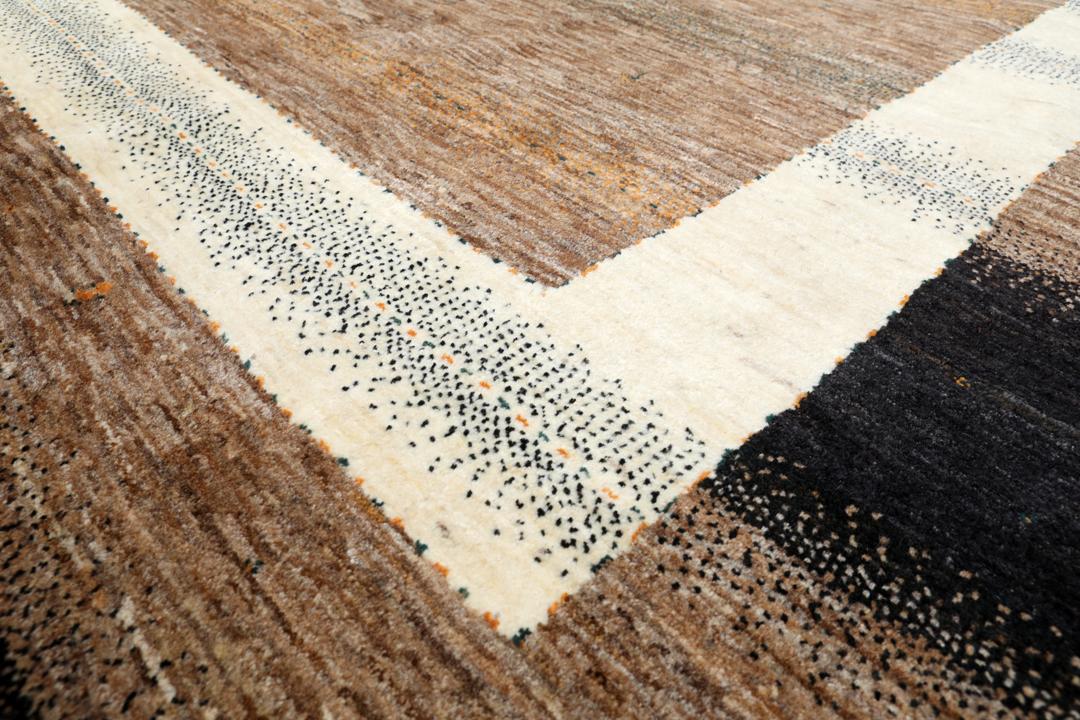
Visually, these rugs are celebrated for their artistic and often minimalist approach. While they can incorporate tribal motifs, the focus is frequently on the beauty of the natural Wool and the subtle shifts in colour created by hand-dyed yarns. The use of repeating lines or borders, as seen in this piece, highlights the weaver's creative freedom and their connection to the natural environment.
Today, these rugs are highly valued by collectors for their authenticity and the human story behind every knot. Owning a piece from this tradition is an investment in a living heritage, as it represents a centuries-old skill that has been passed down through generations. Each rug serves as a bridge to the past, bringing a sense of timeless warmth and cultural depth to a modern home.