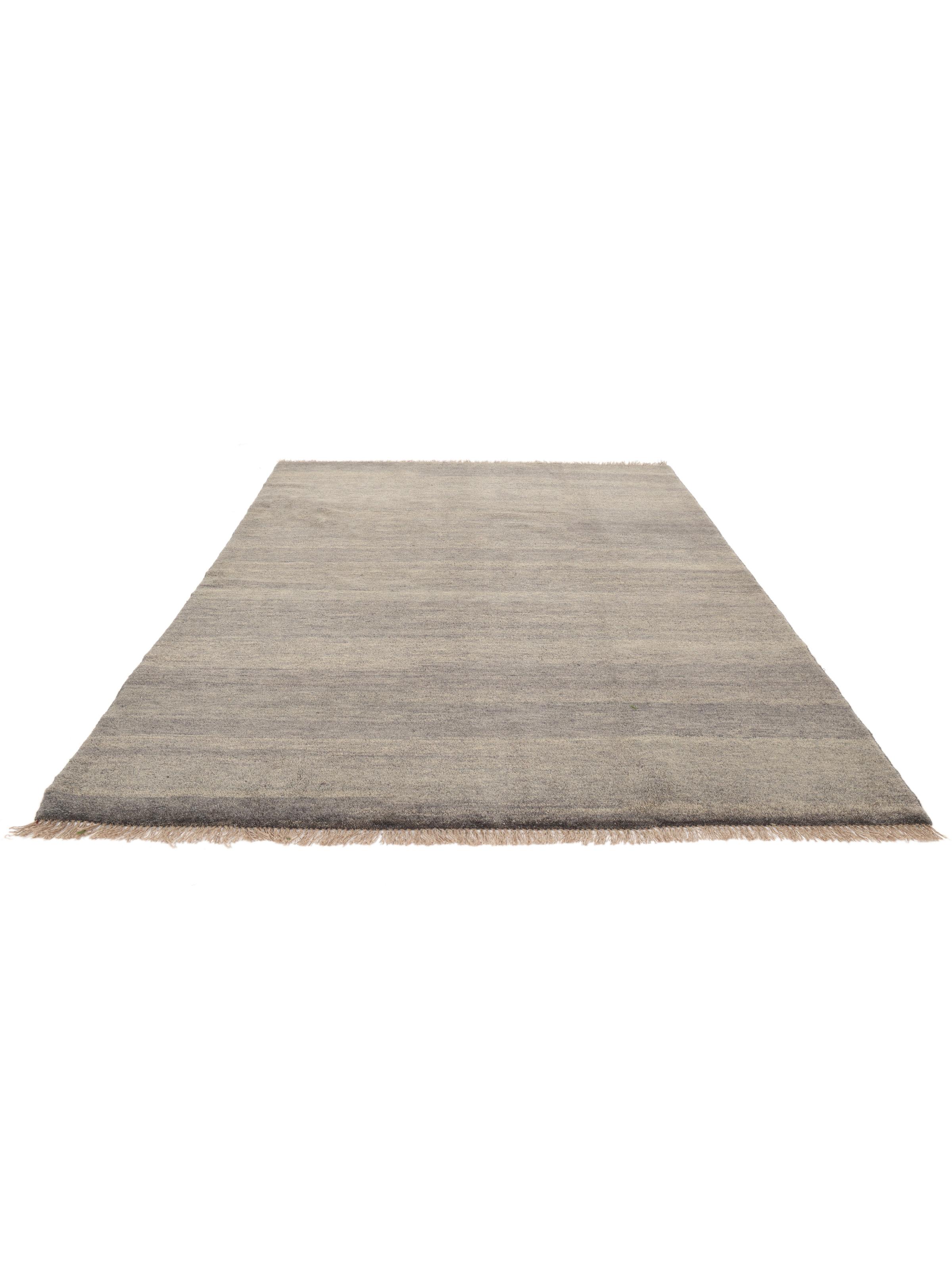
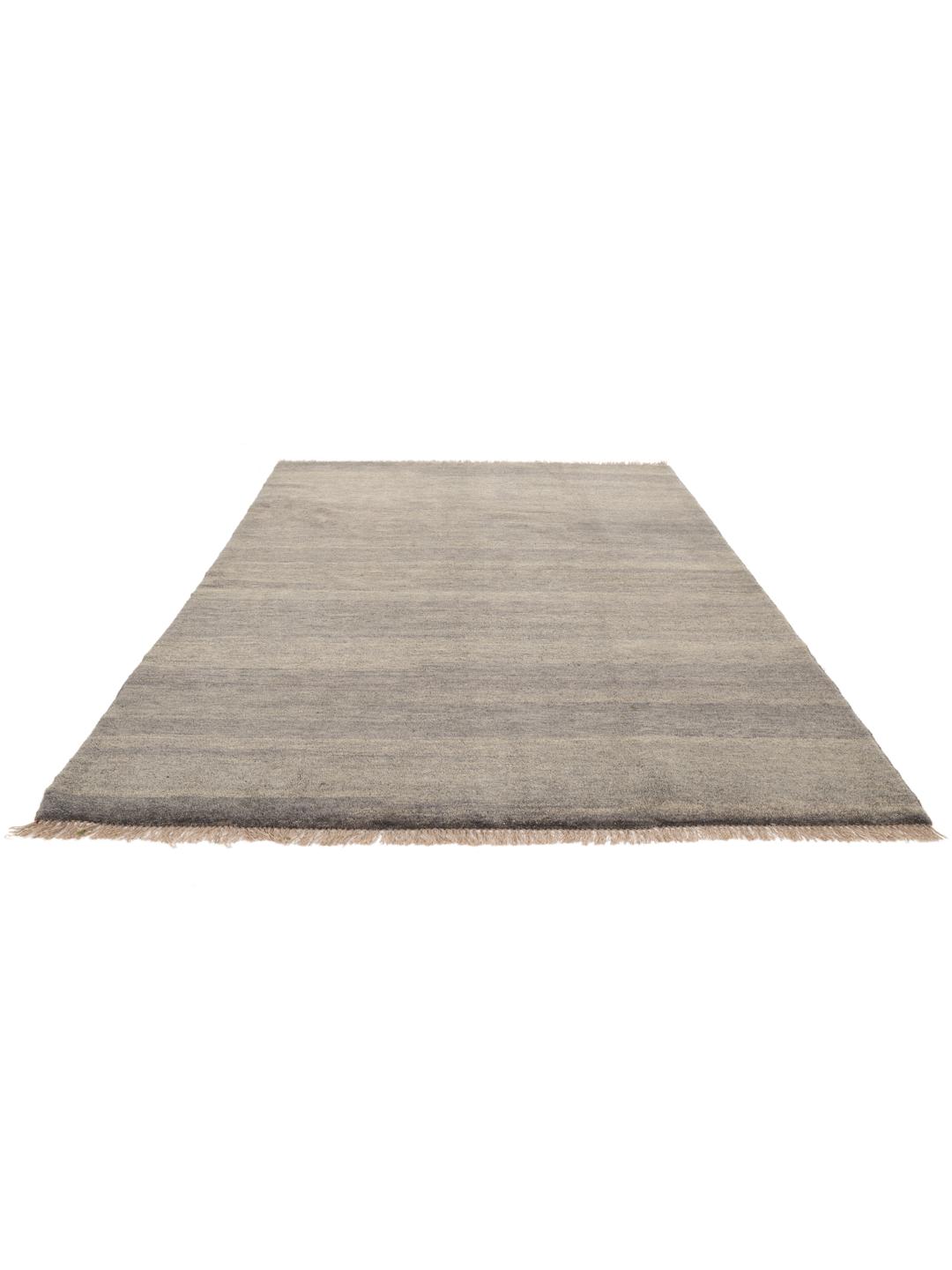
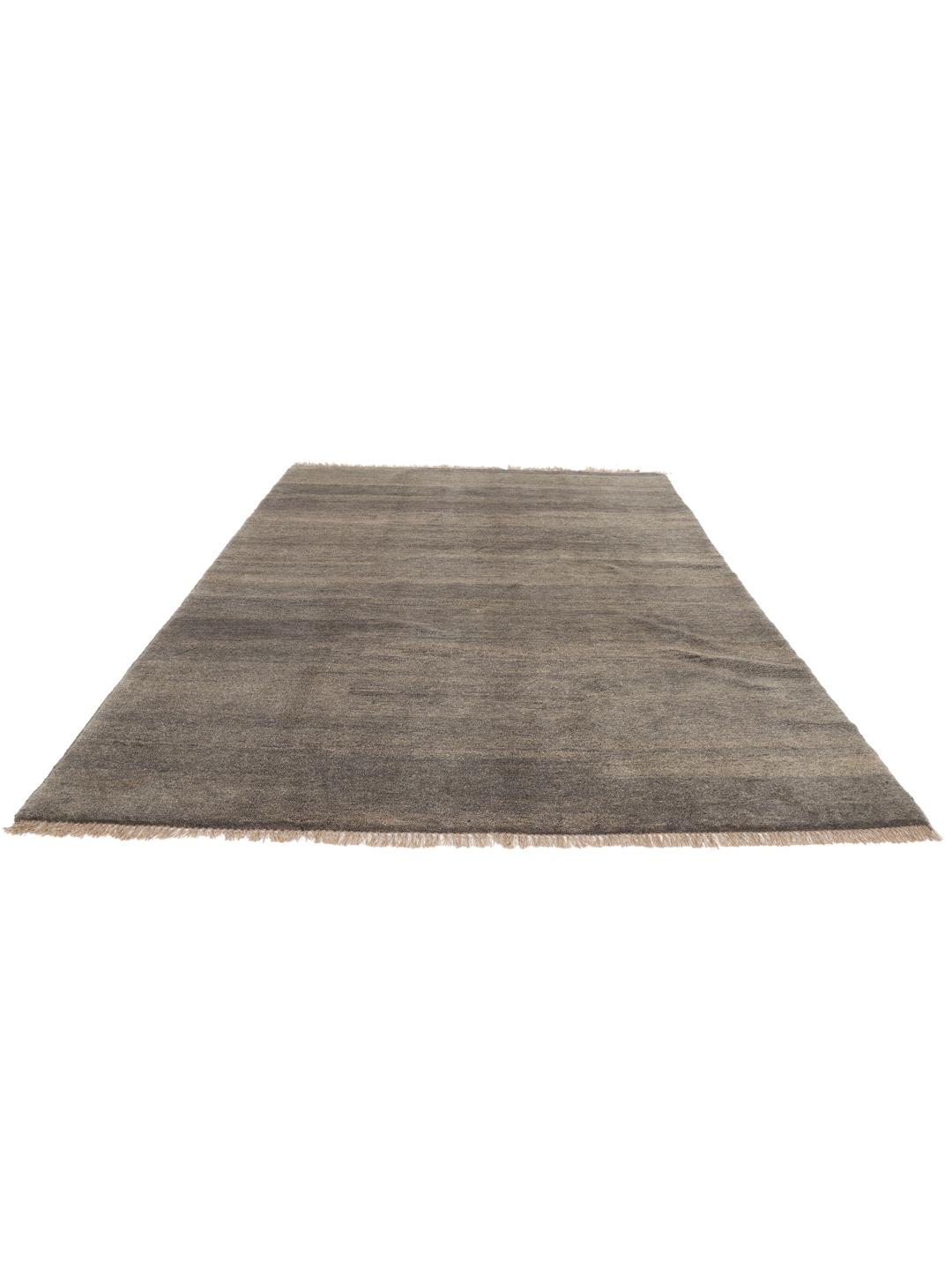
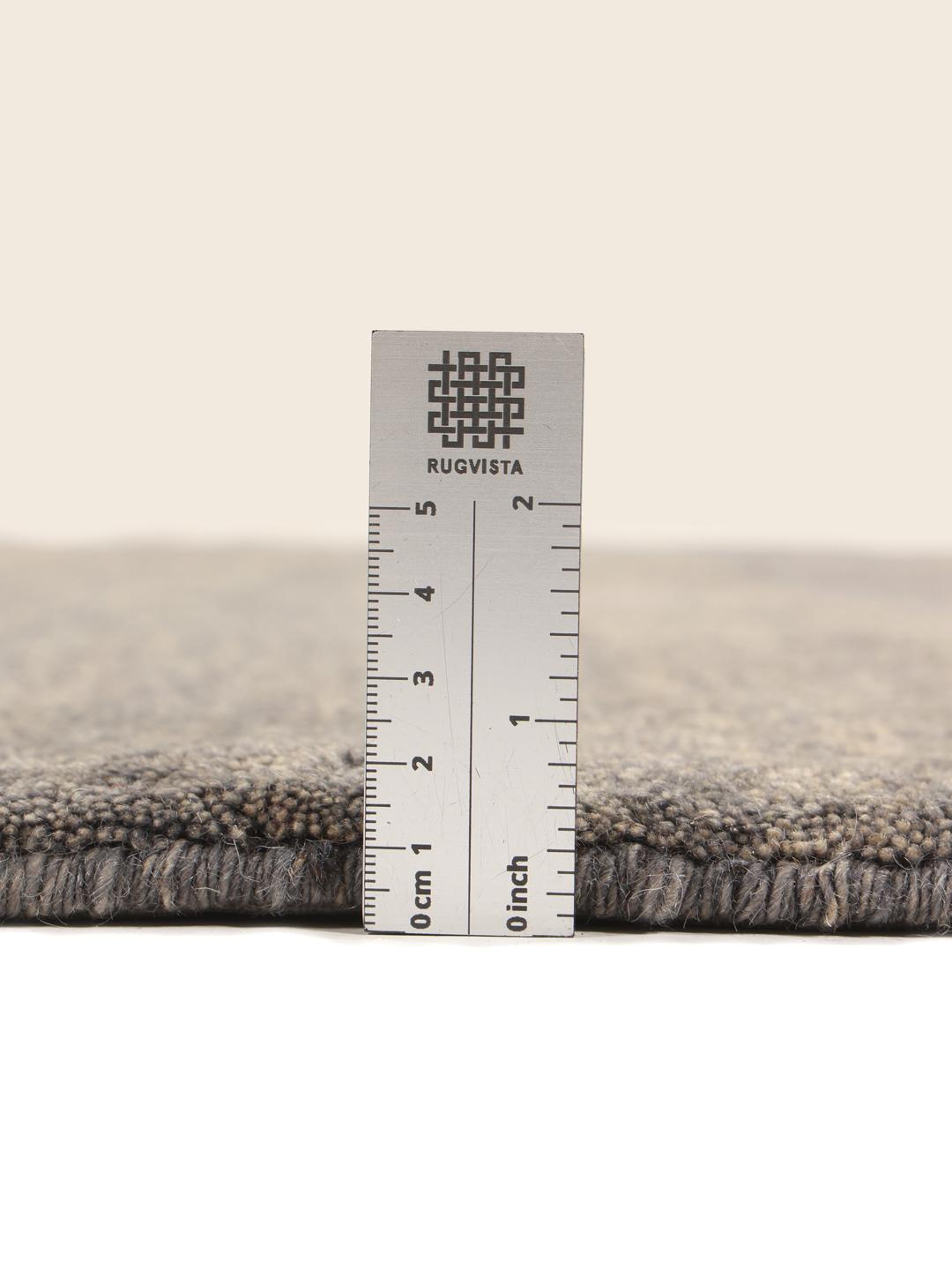
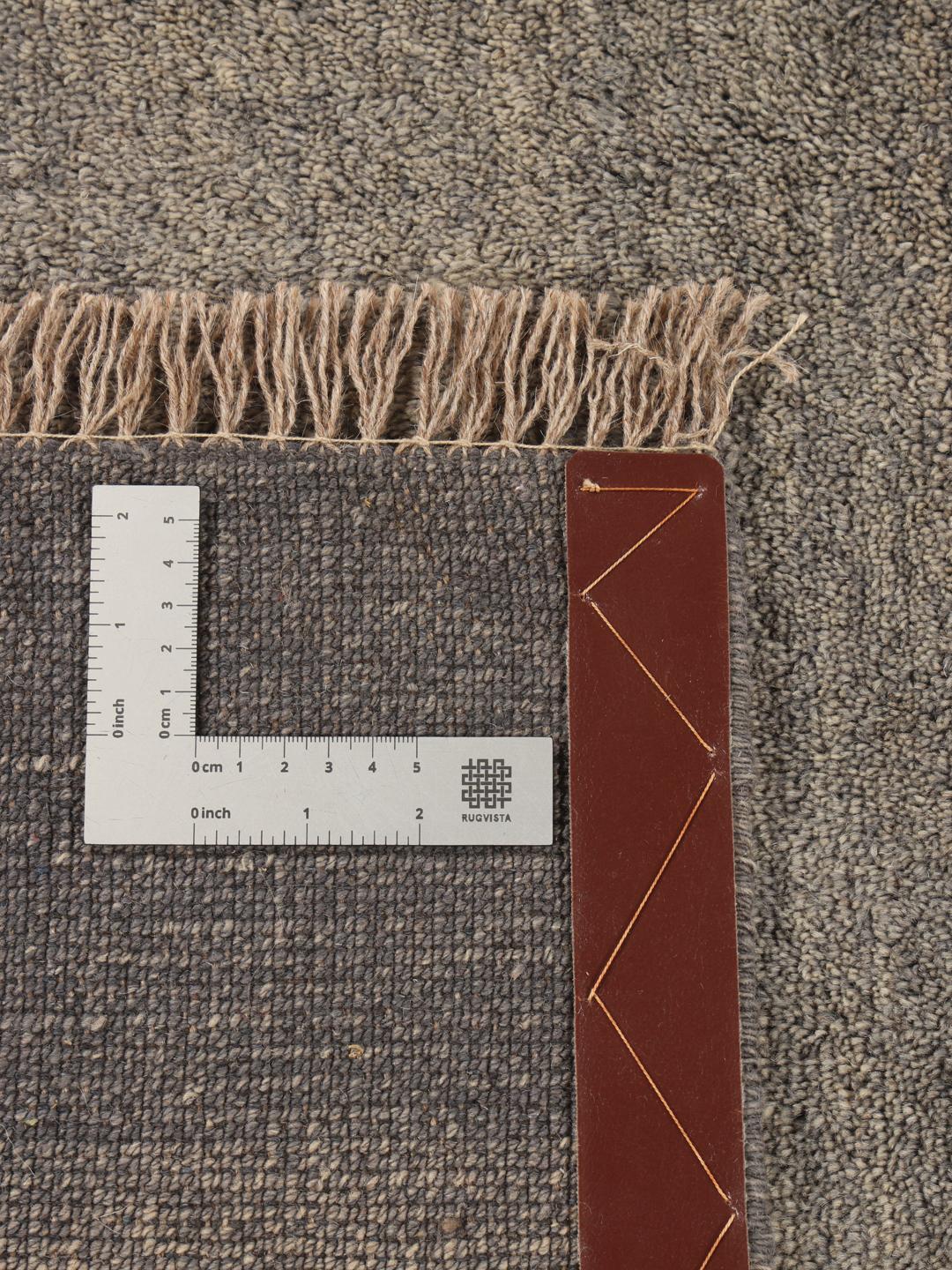
Gabbeh rugs have their roots in the nomadic traditions of the Middle East, where they were originally woven for personal use rather than for trade. These rugs were designed by tribal weavers to provide warmth and comfort in harsh, mountainous climates, often featuring simpler, more minimalist aesthetics compared to the intricate floral patterns seen in other regional styles. Over time, these rugs have evolved into a beloved category of their own, celebrated for their thick, plush pile and honest, expressive character.
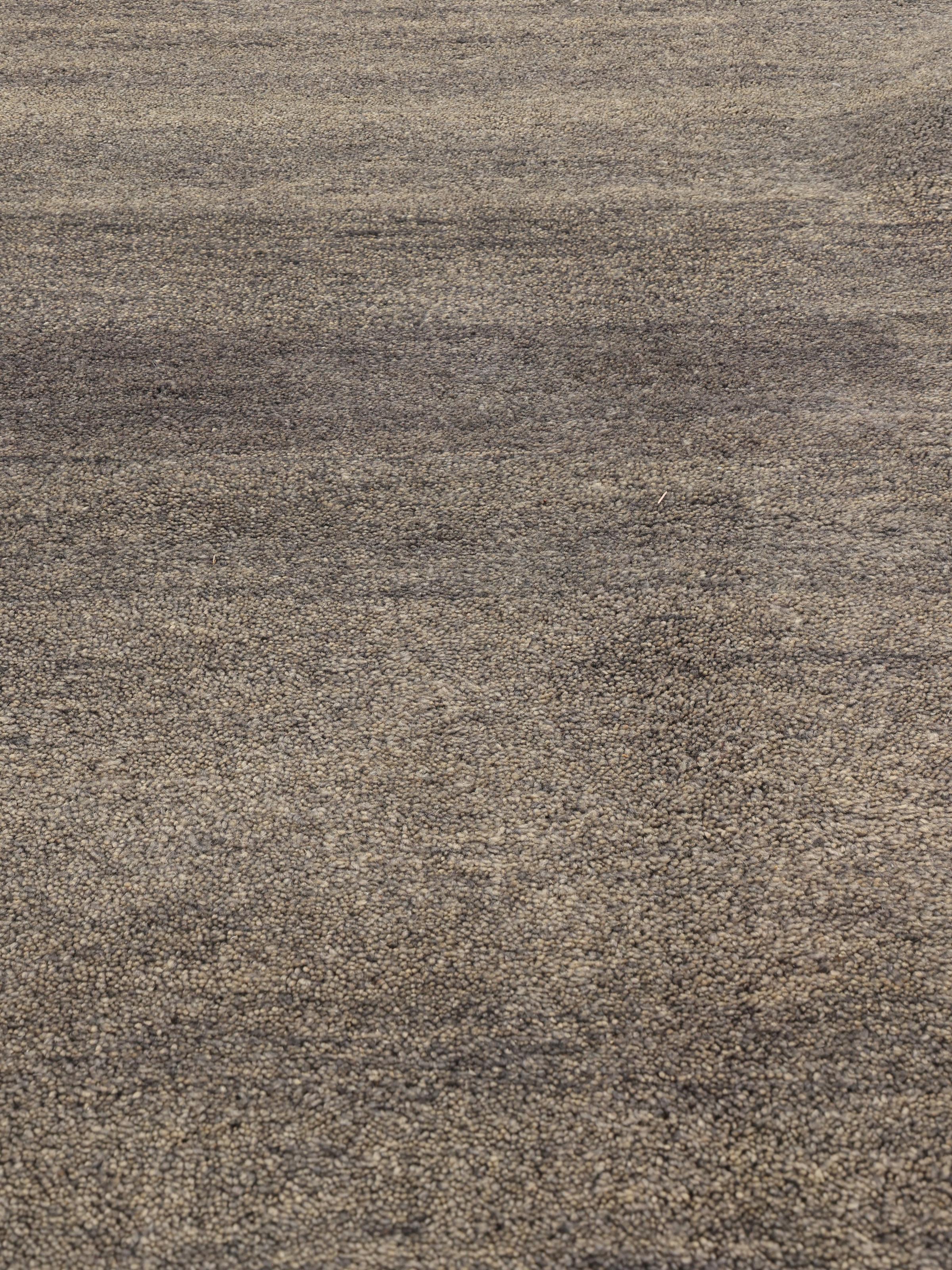
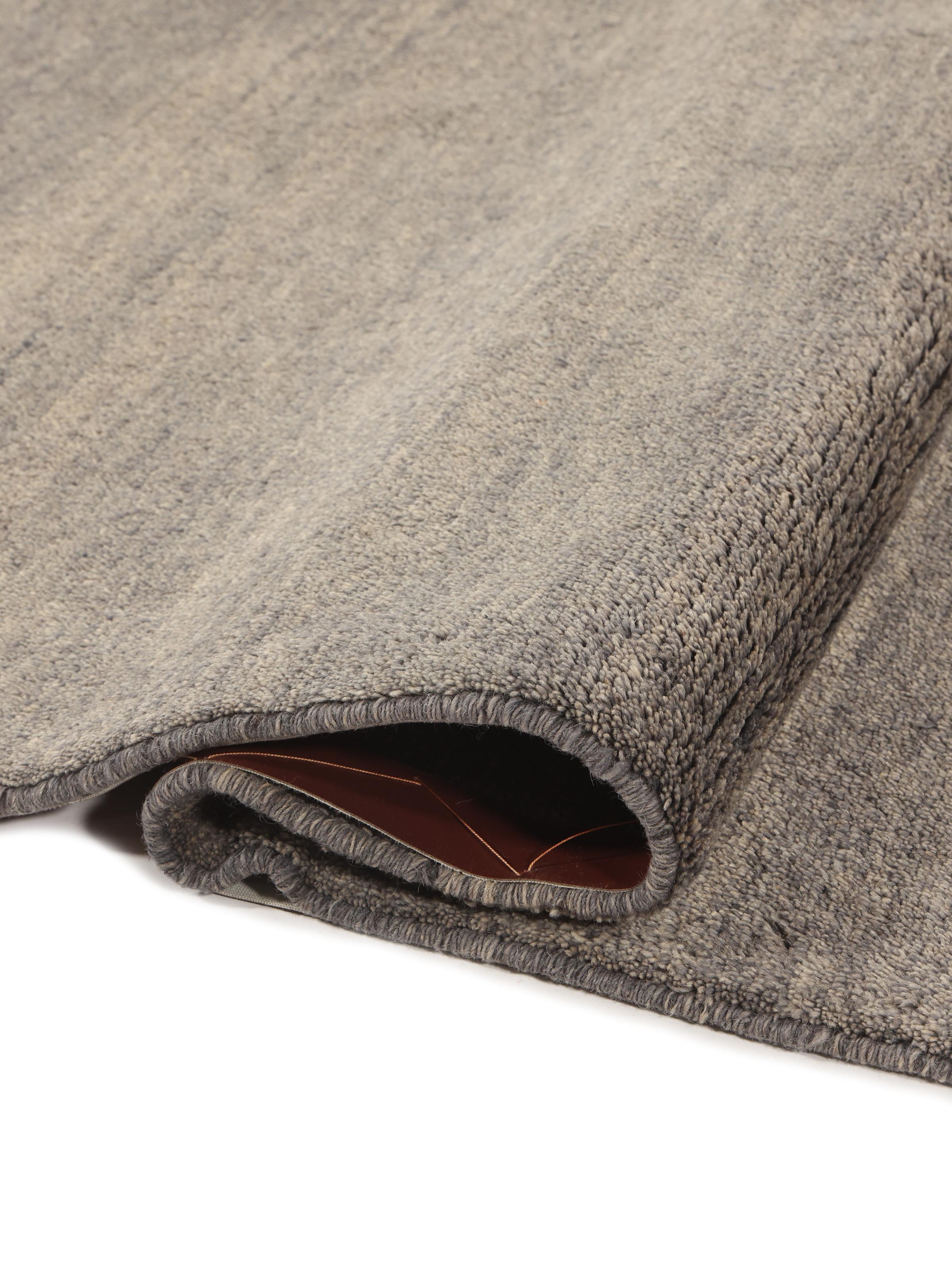
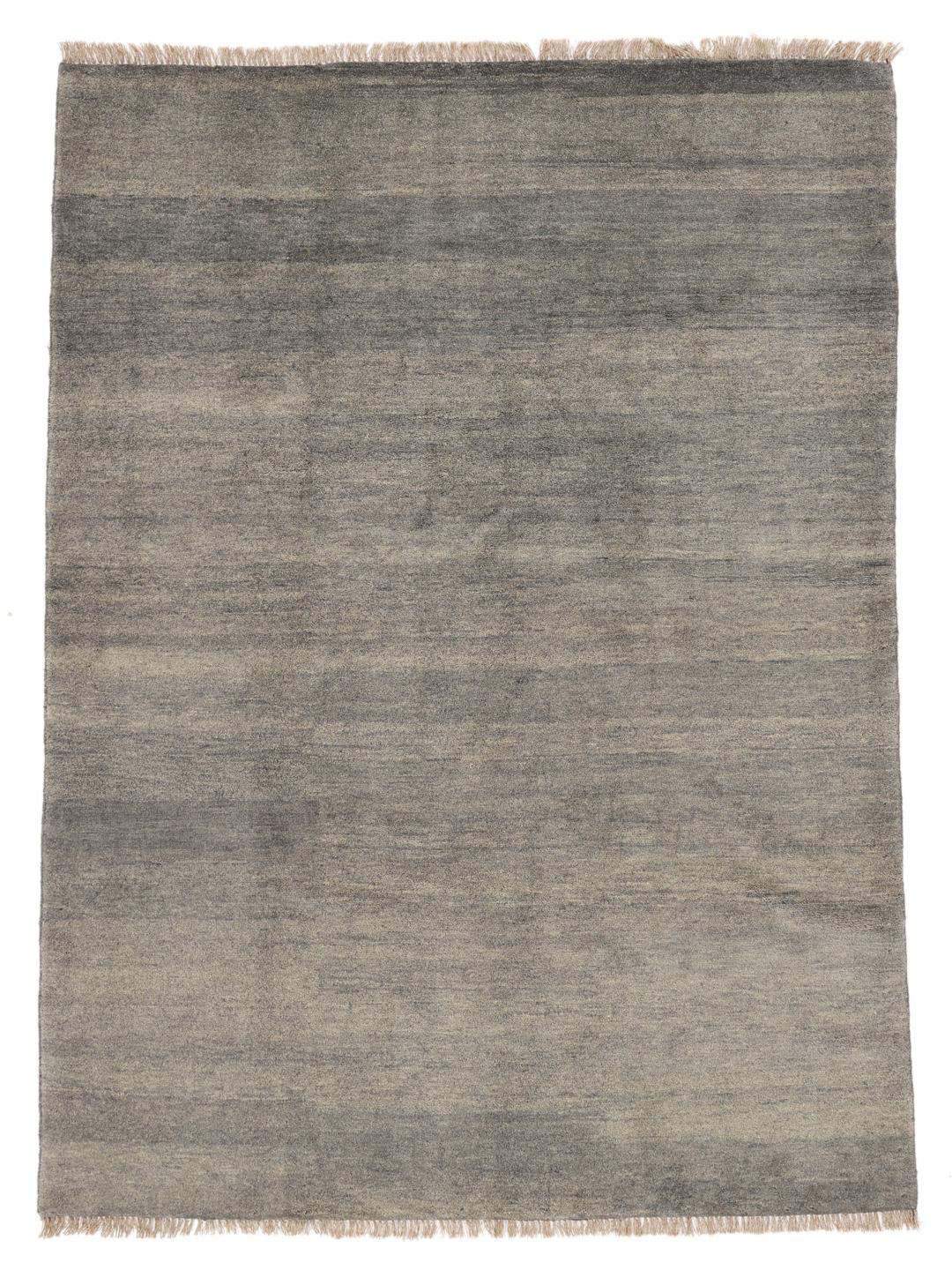
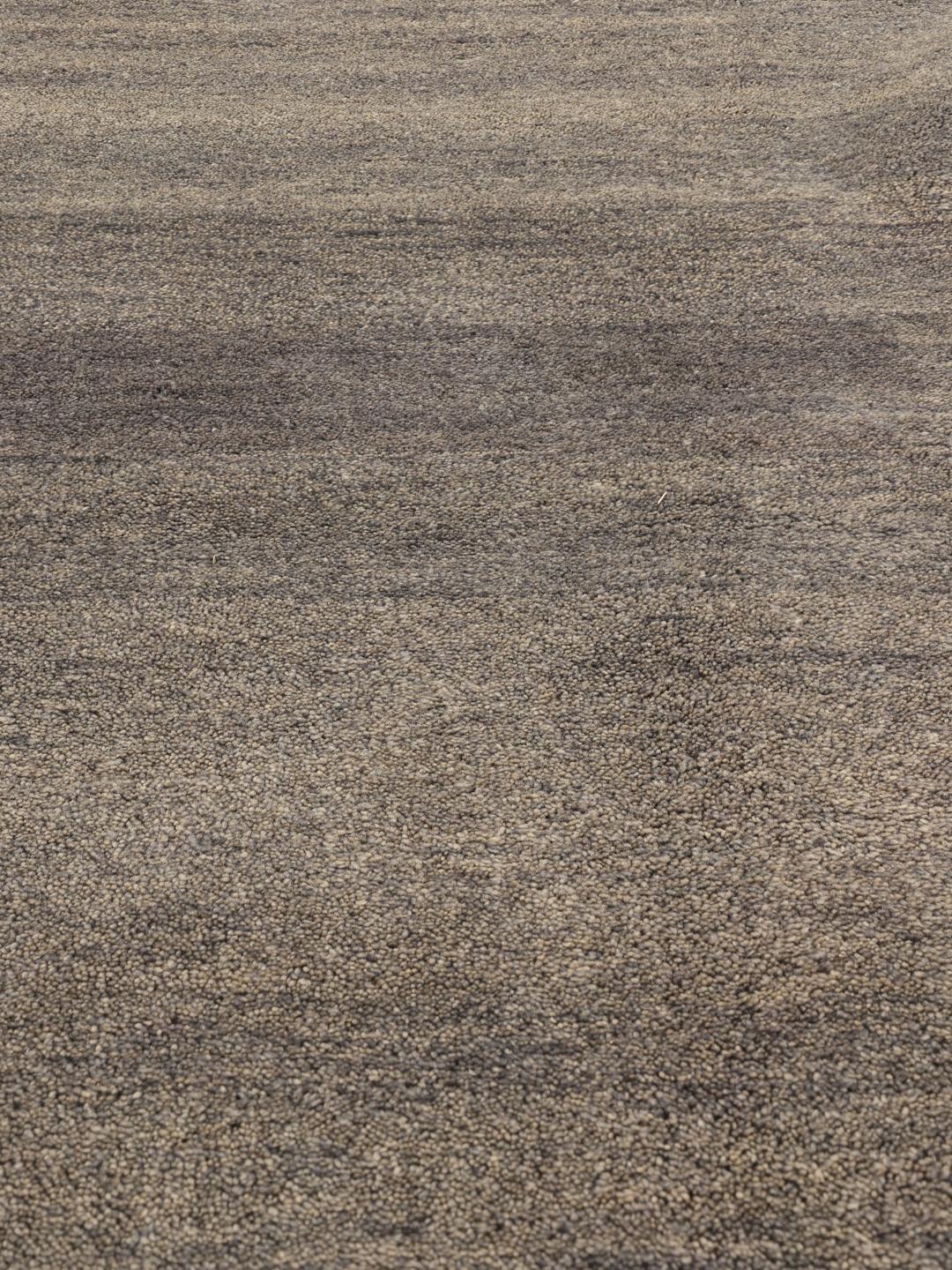
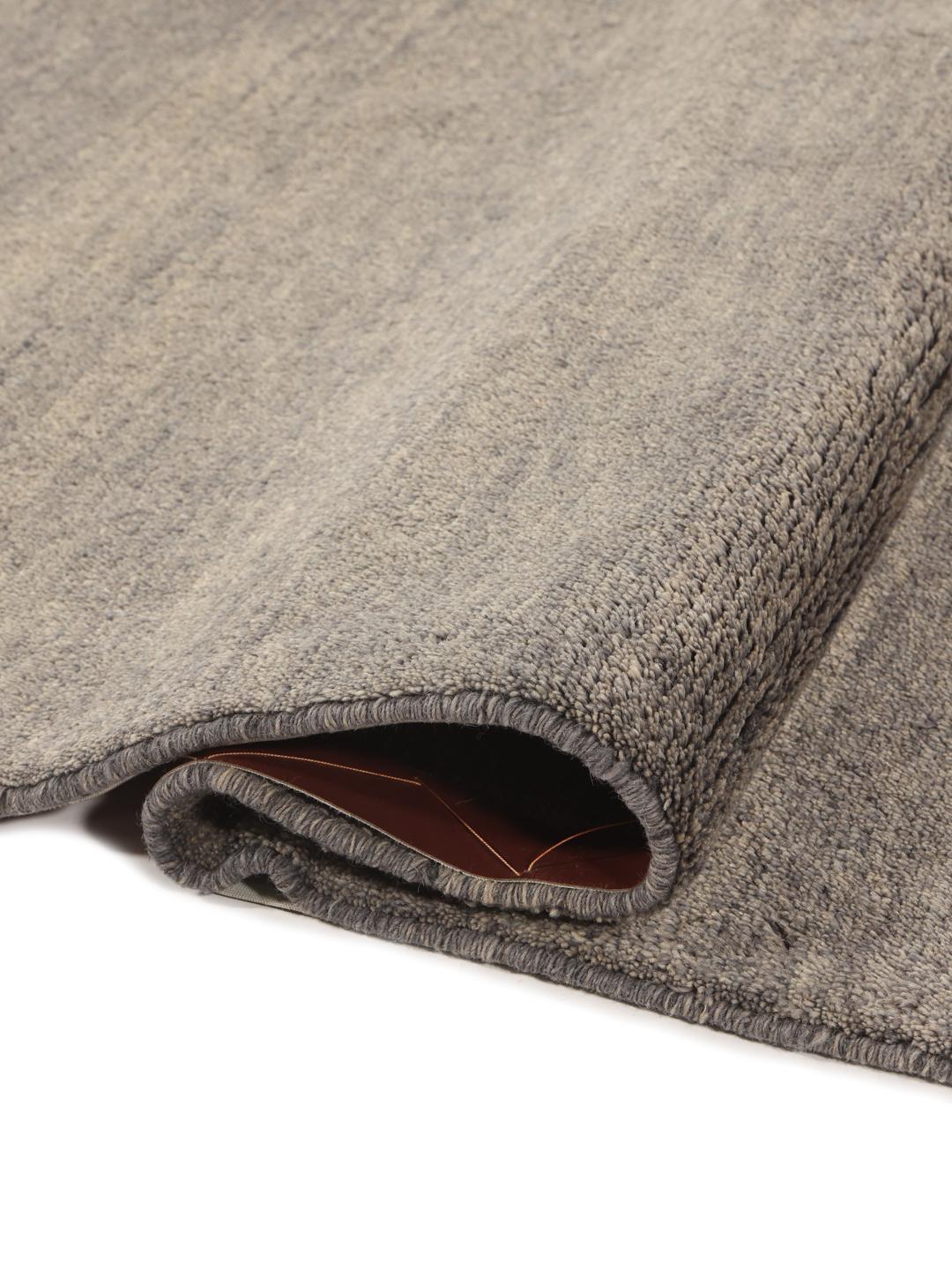
The term Gabbeh itself refers to this specific style of rug, which is characterised by a heavier, longer pile and a more relaxed approach to design. Unlike formal rugs that follow strict geometric grids, these pieces often feature open fields and subtle, organic colour shifts. This style prioritises the natural qualities of the wool, allowing the material's inherent softness and lustre to take centre stage, making them exceptionally comfortable for daily living.
Signature design elements of the Gabbeh tradition often include a focus on simplicity and space. While some rugs may feature small, stylised motifs or subtle stripes, the beauty of a fine Gabbeh frequently lies in its sophisticated use of colour and texture. The variations in tone, often created by hand-dyed wool, give the surface a depth that changes with the light, ensuring that the rug feels alive and dynamic within a room.
Owning a Gabbeh is a connection to a rich cultural heritage that values individual expression and the mastery of simple, effective techniques. These pieces are highly sought after by collectors and homeowners alike, not just for their lasting durability, but for the human story embedded in every strand. They represent a bridge between ancient nomadic utility and contemporary interior design, offering a timeless aesthetic that brings authentic, grounded beauty to any modern home.