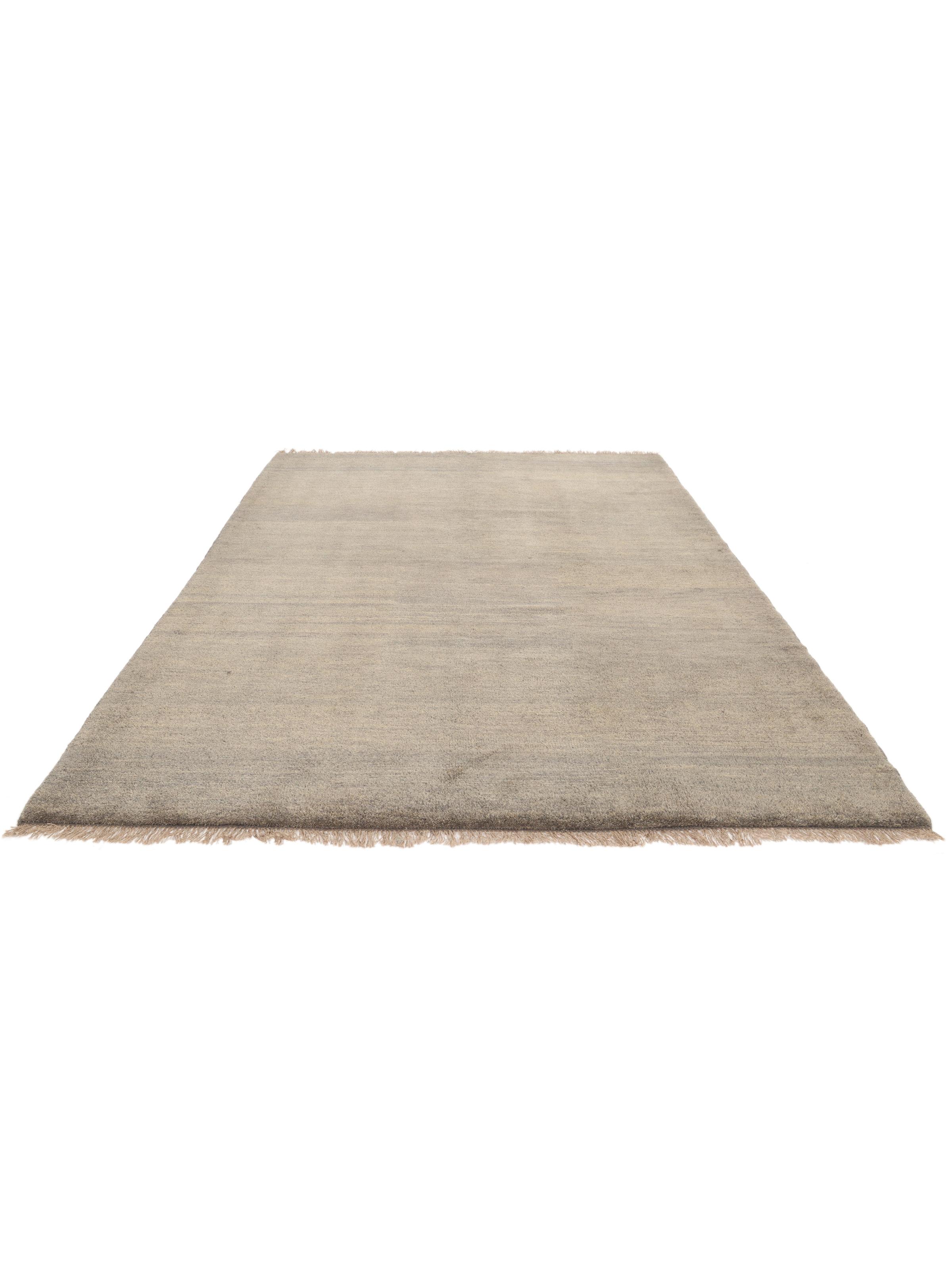
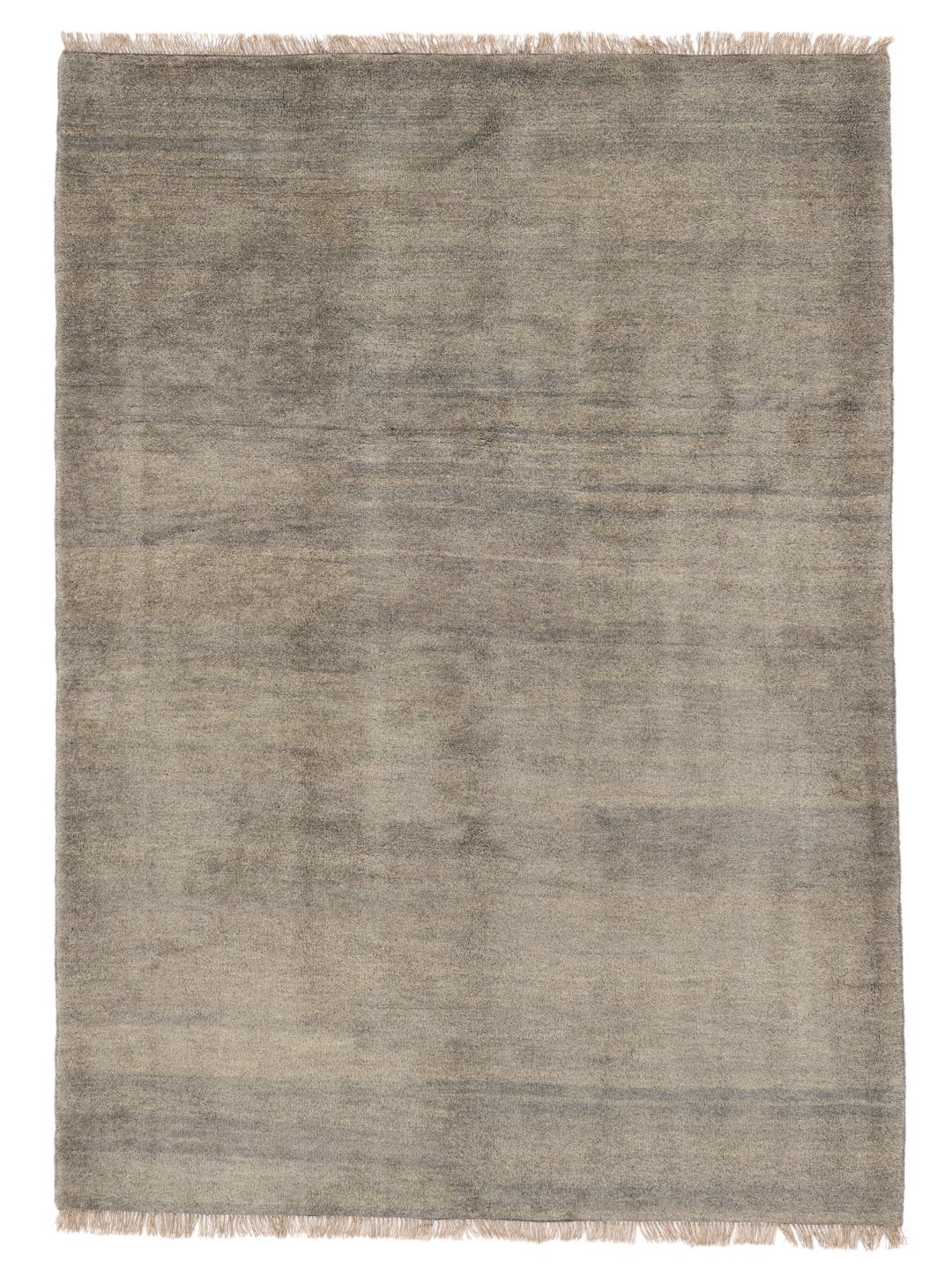
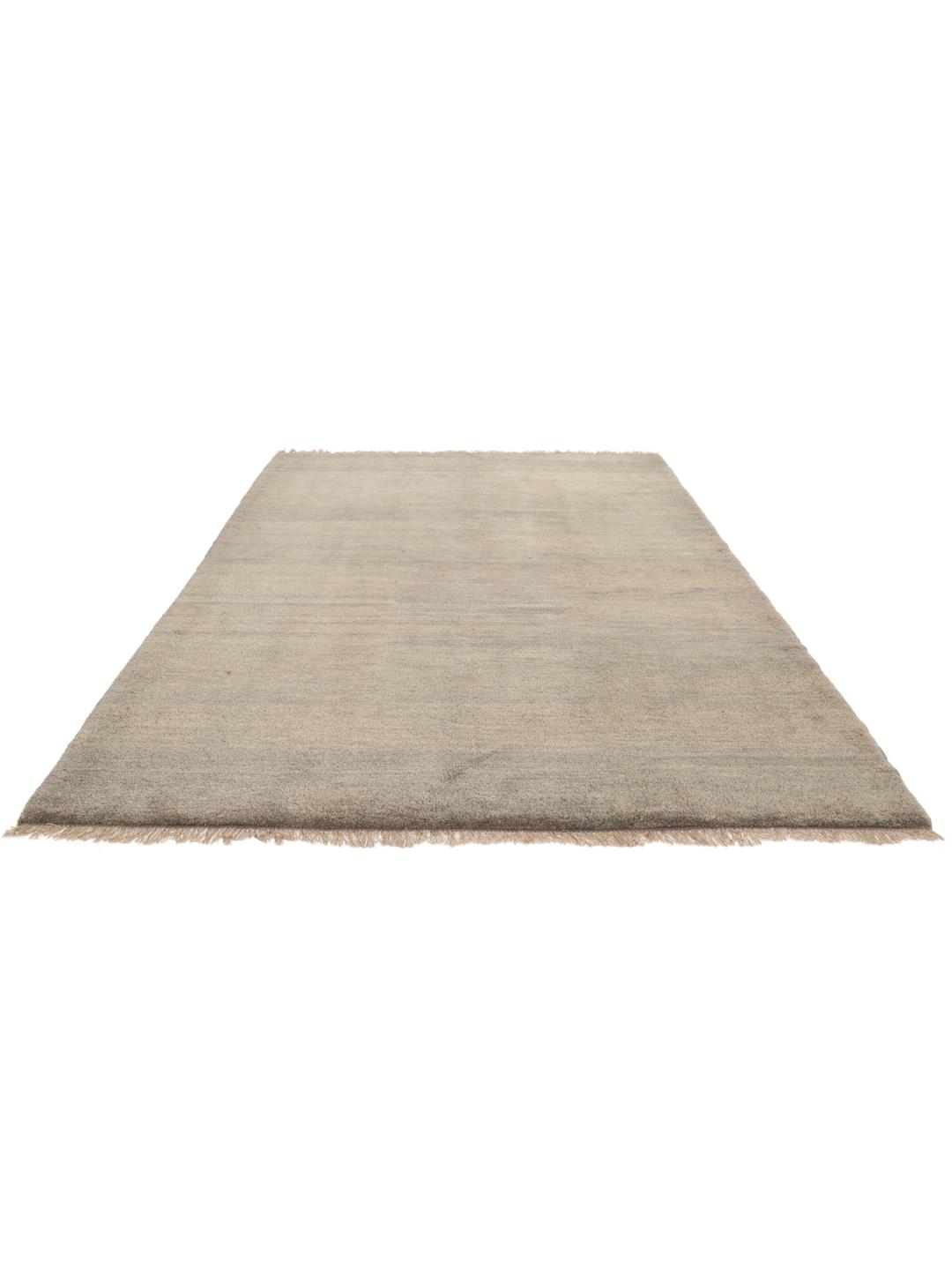
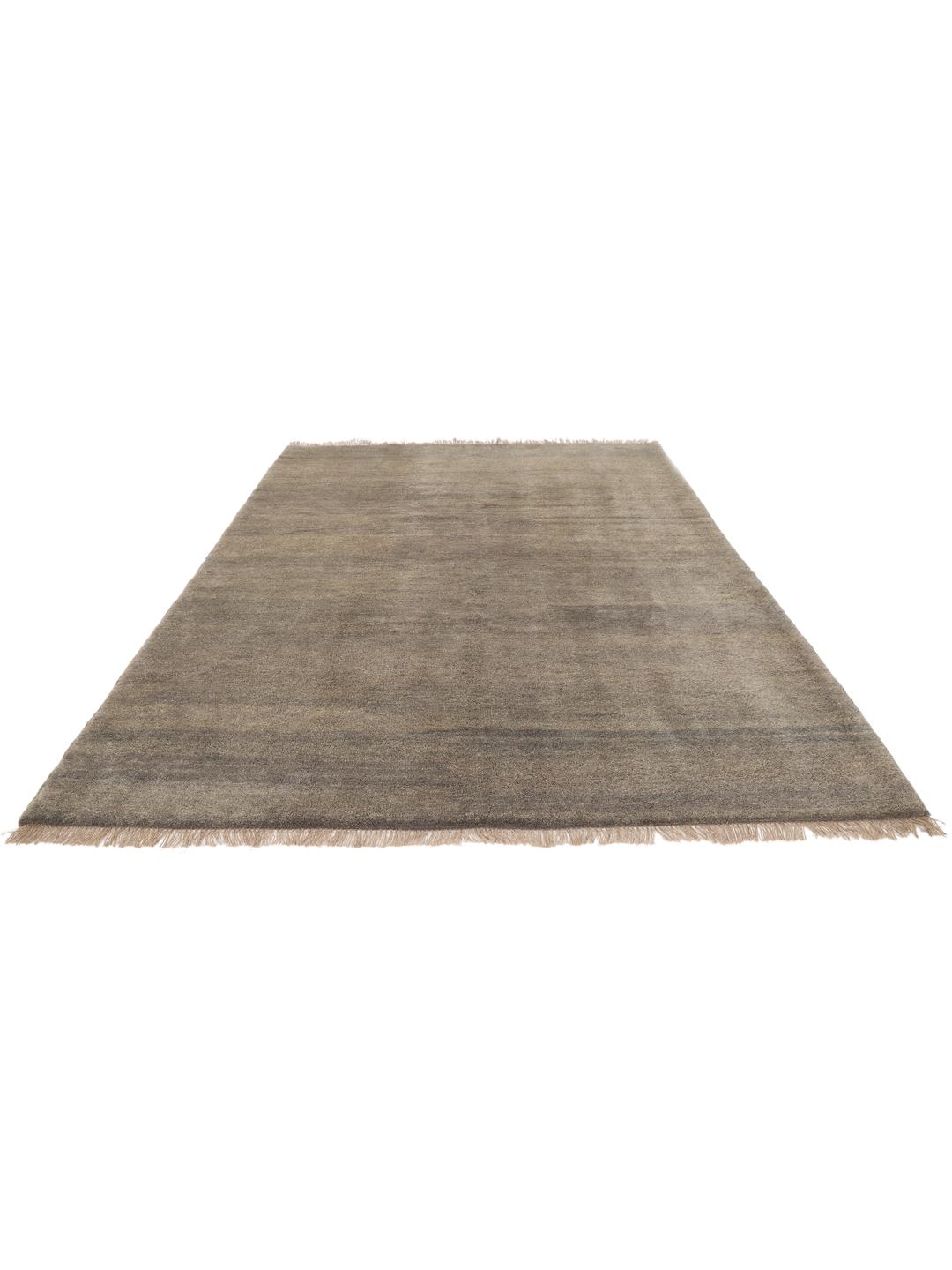
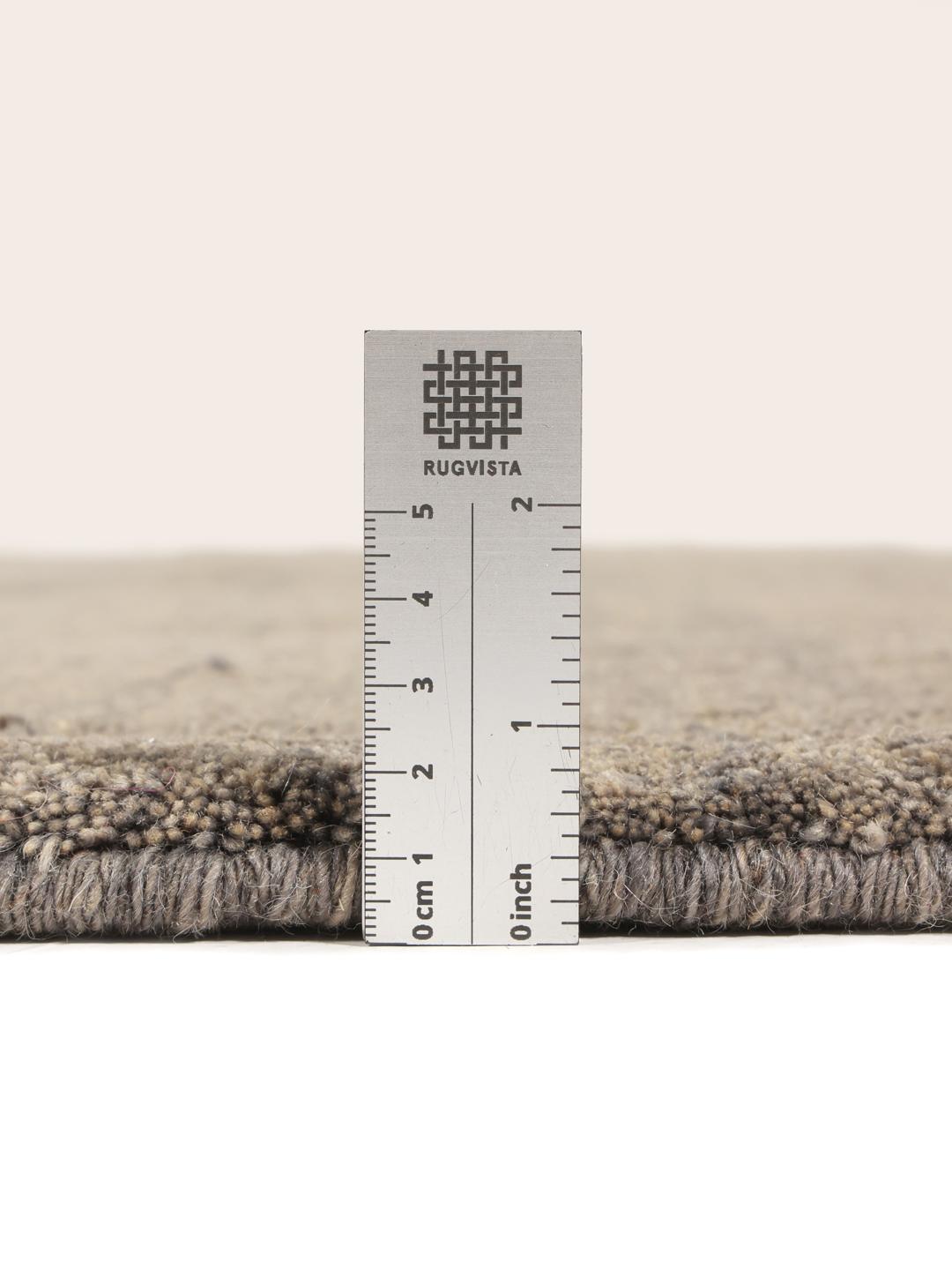
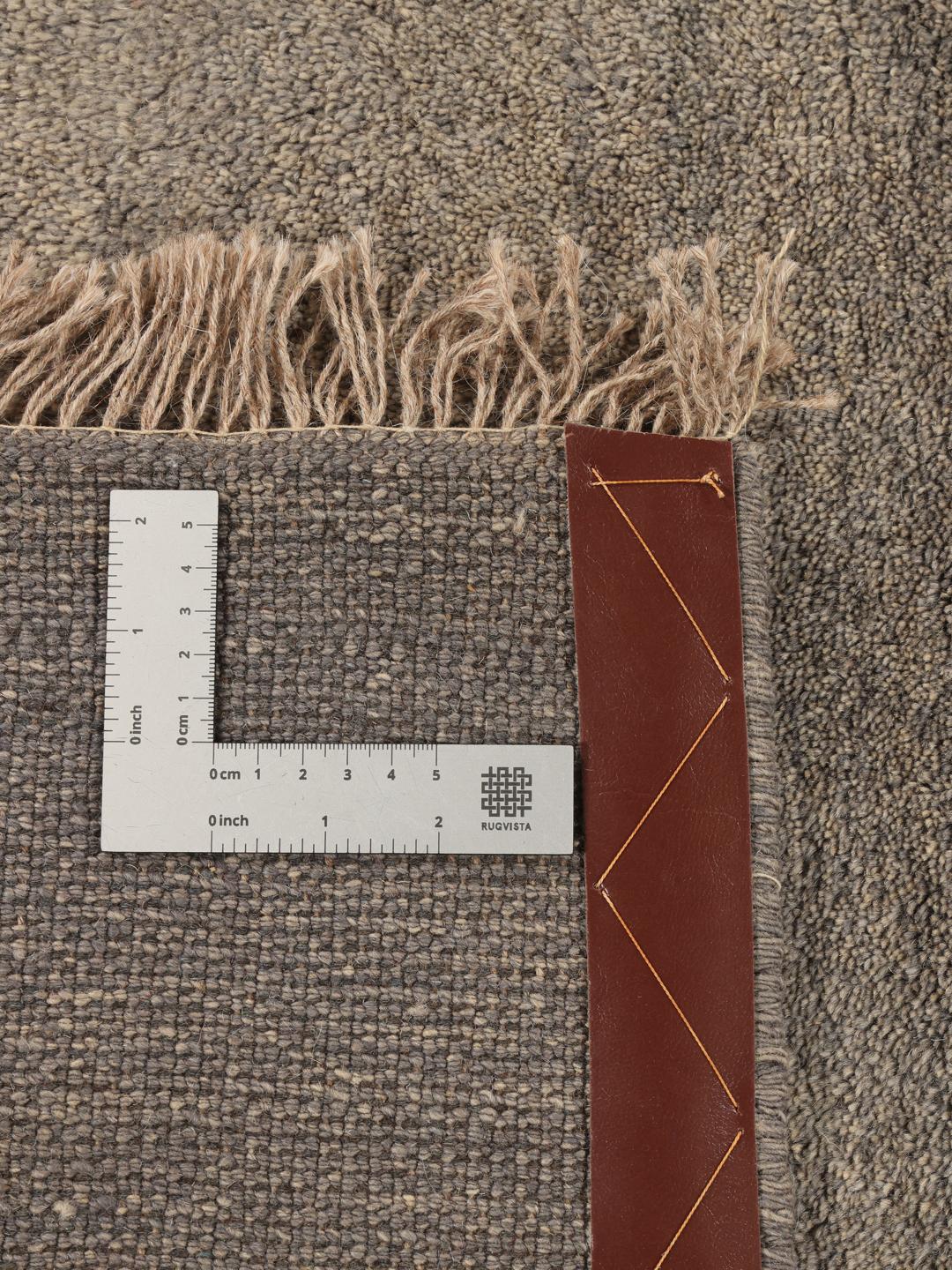
The Gabbeh tradition traces its roots to the nomadic tribes of the Middle East, who originally wove these rugs for their own daily use. Unlike the formal, intricate designs often associated with high-end carpets, Gabbeh rugs were born from a desire for comfort, serving as thick, protective floor coverings that could withstand the rigours of tent life.
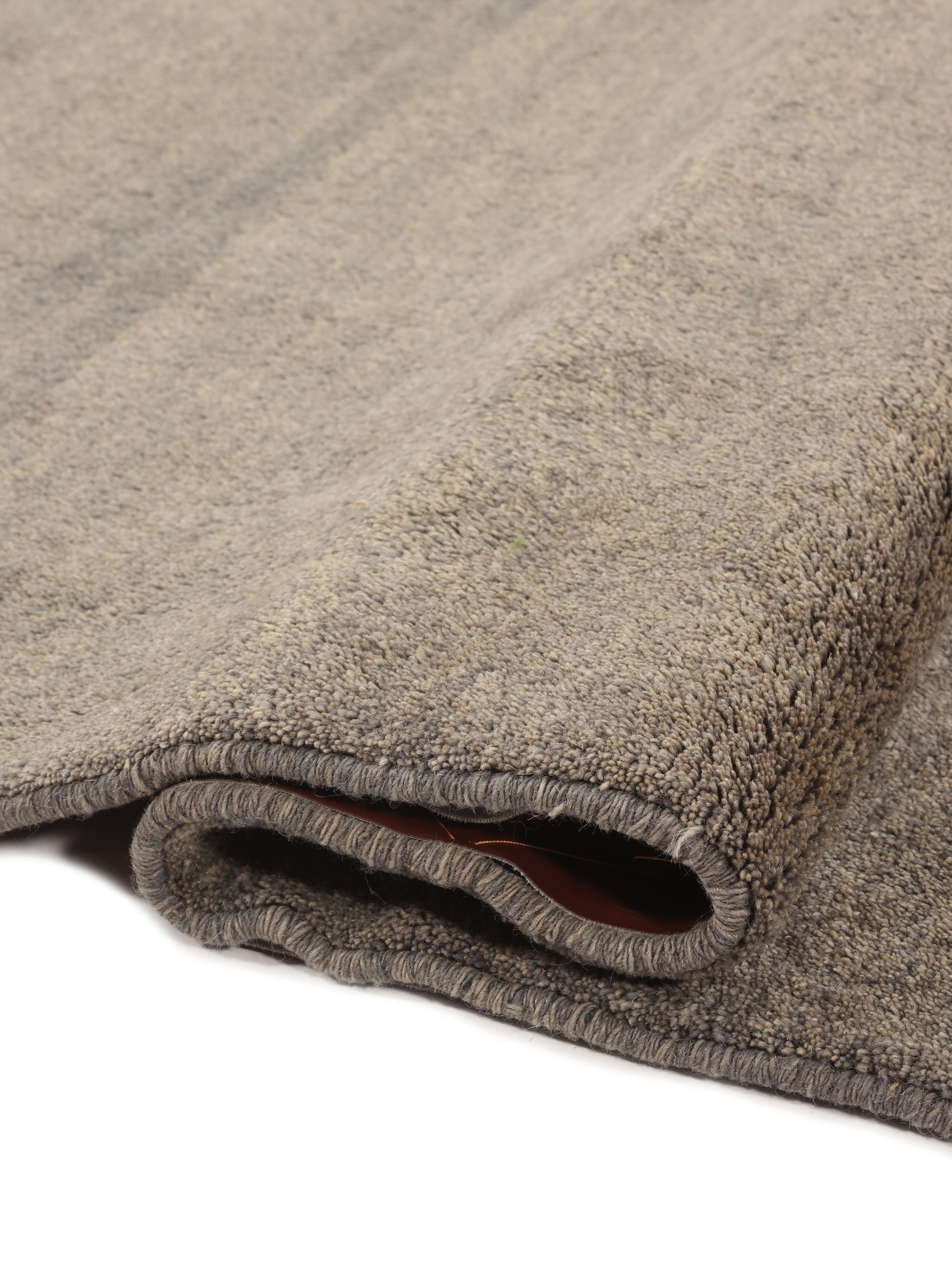
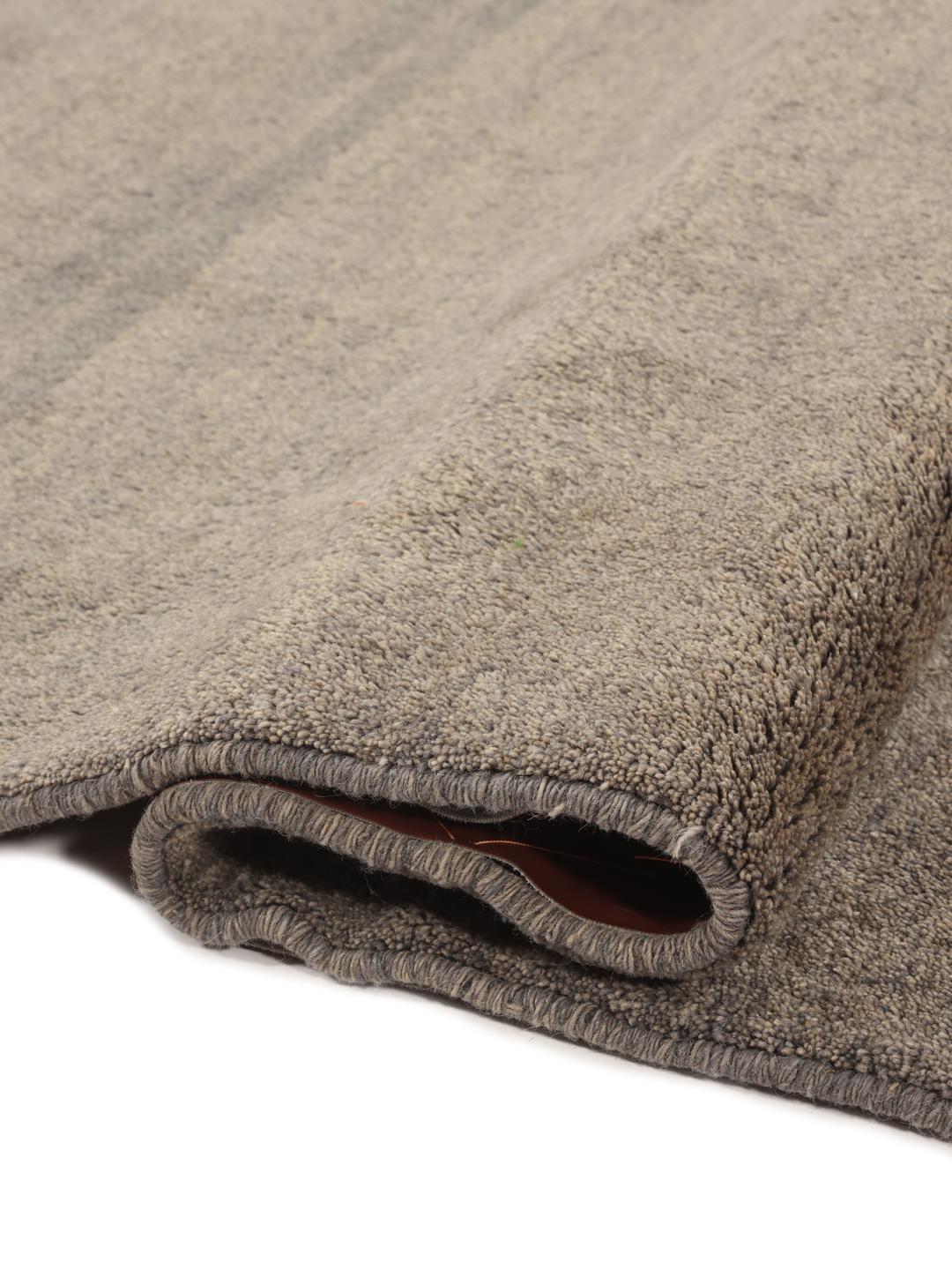
The term 'Gabbeh' itself translates to 'raw' or 'natural', reflecting the unrefined and authentic spirit of these pieces. Historically, they were known for their heavy, coarse pile and simple, bold motifs. Over generations, the tradition evolved, and today's fine examples—such as this one—maintain that spirit of simplicity while benefiting from refined weaving techniques that produce a much smoother, more elegant finish.
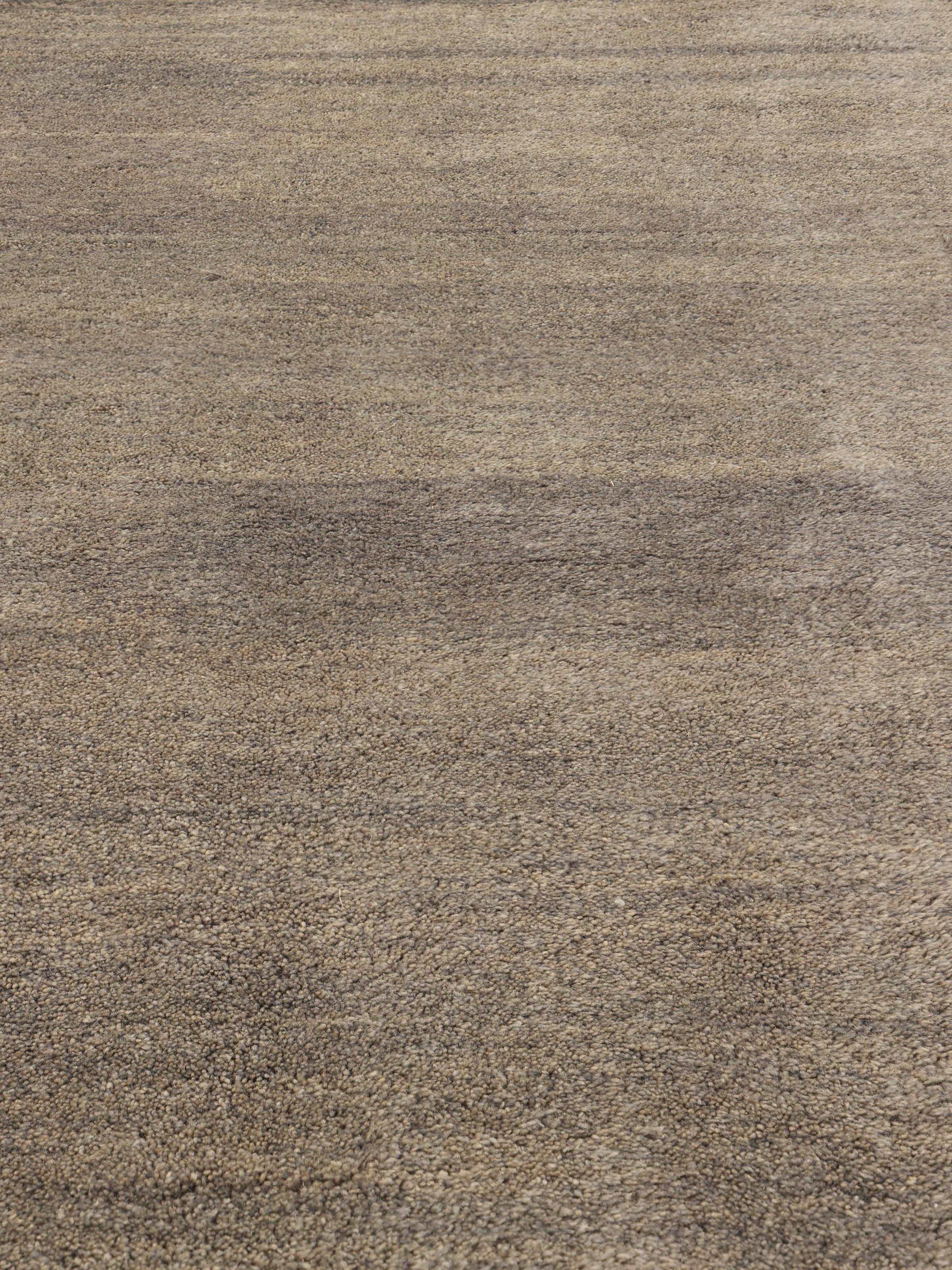
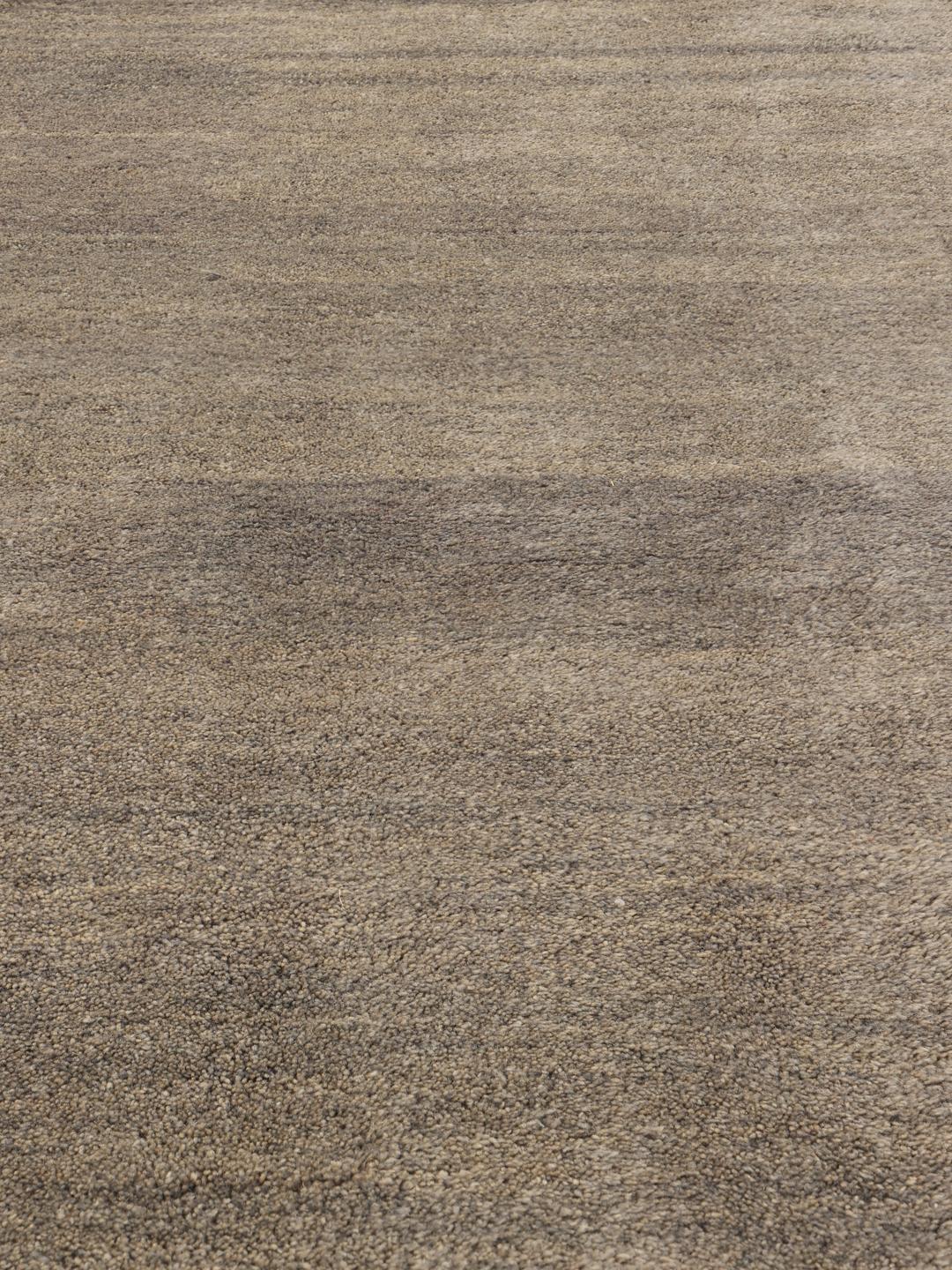
Visually, Gabbeh rugs are celebrated for their focus on negative space and subtle colour transitions. While traditional designs often featured playful, geometric representations of animals or plants, modern interpretations like this one emphasise a more minimalist approach. The focus remains on the interplay of natural wool tones, allowing the texture and the slight variations in the weave to become the primary visual interest.
Collecting a rug from this tradition is an investment in human skill and cultural history. These pieces are highly valued not just for their aesthetic appeal, but for the connection they offer to an ancient craft that has survived through centuries of migration and change. Owning one means bringing a piece of this rich heritage into your home, where it serves as a testament to the enduring value of hand-crafted quality.