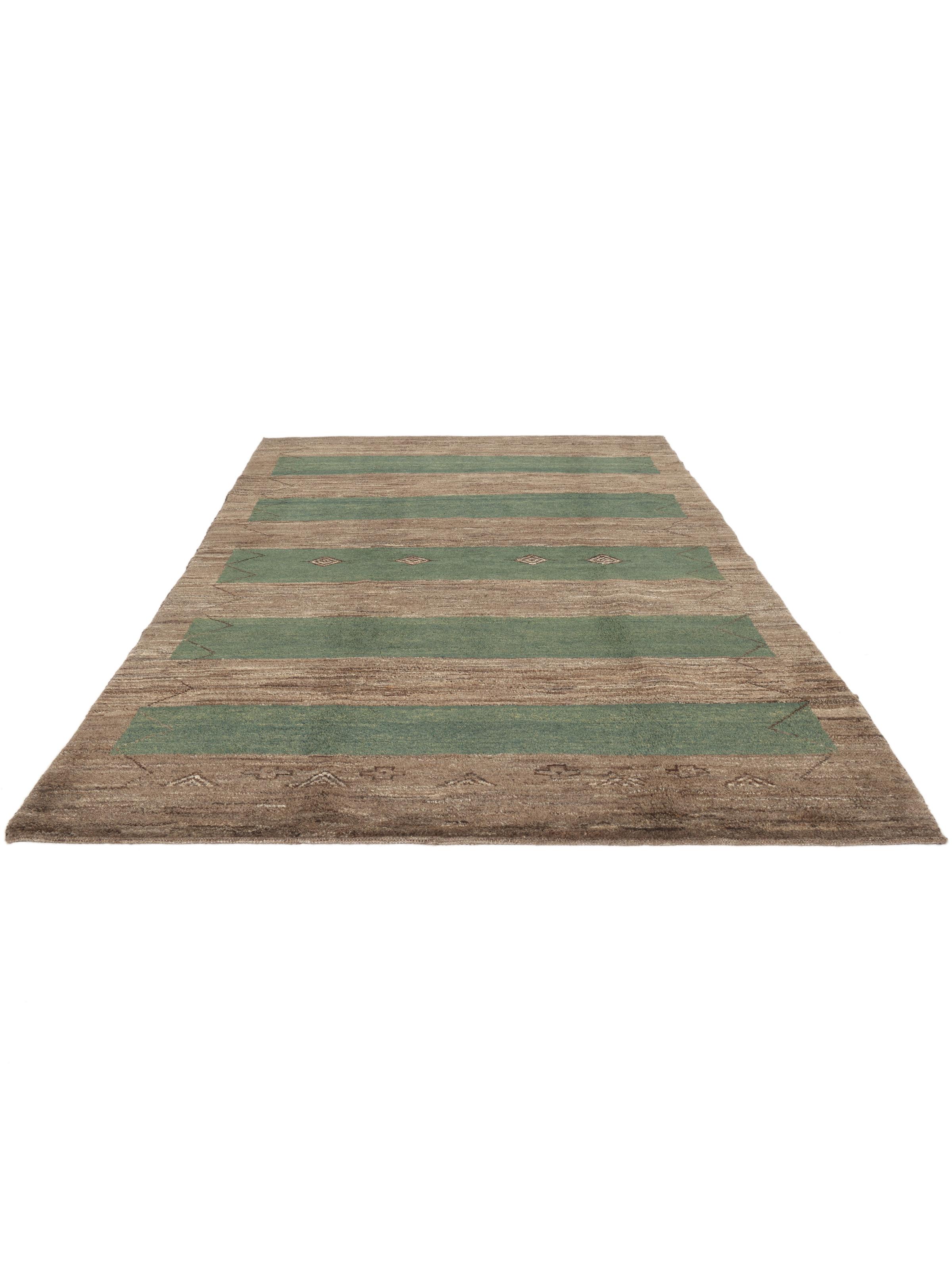
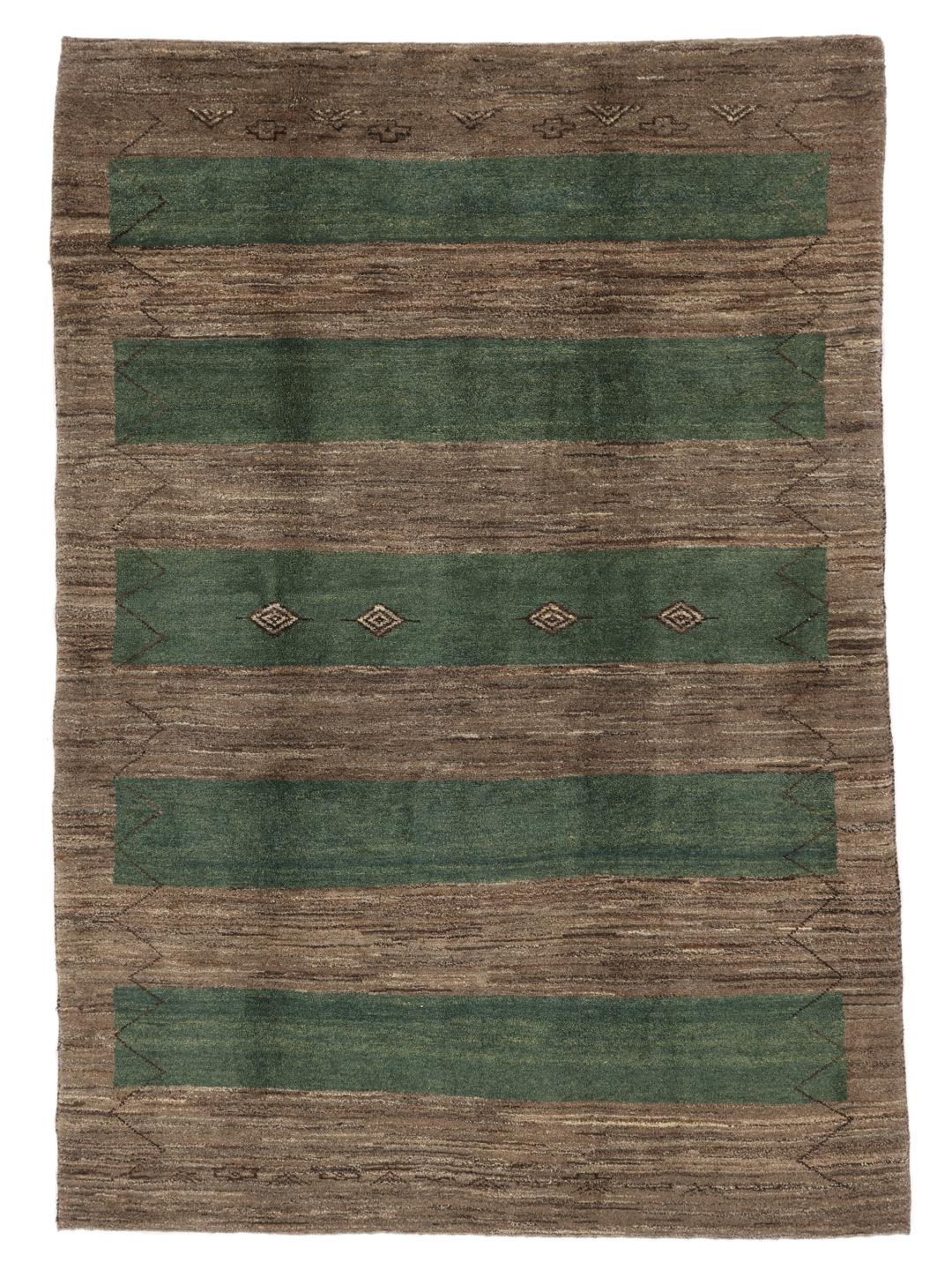
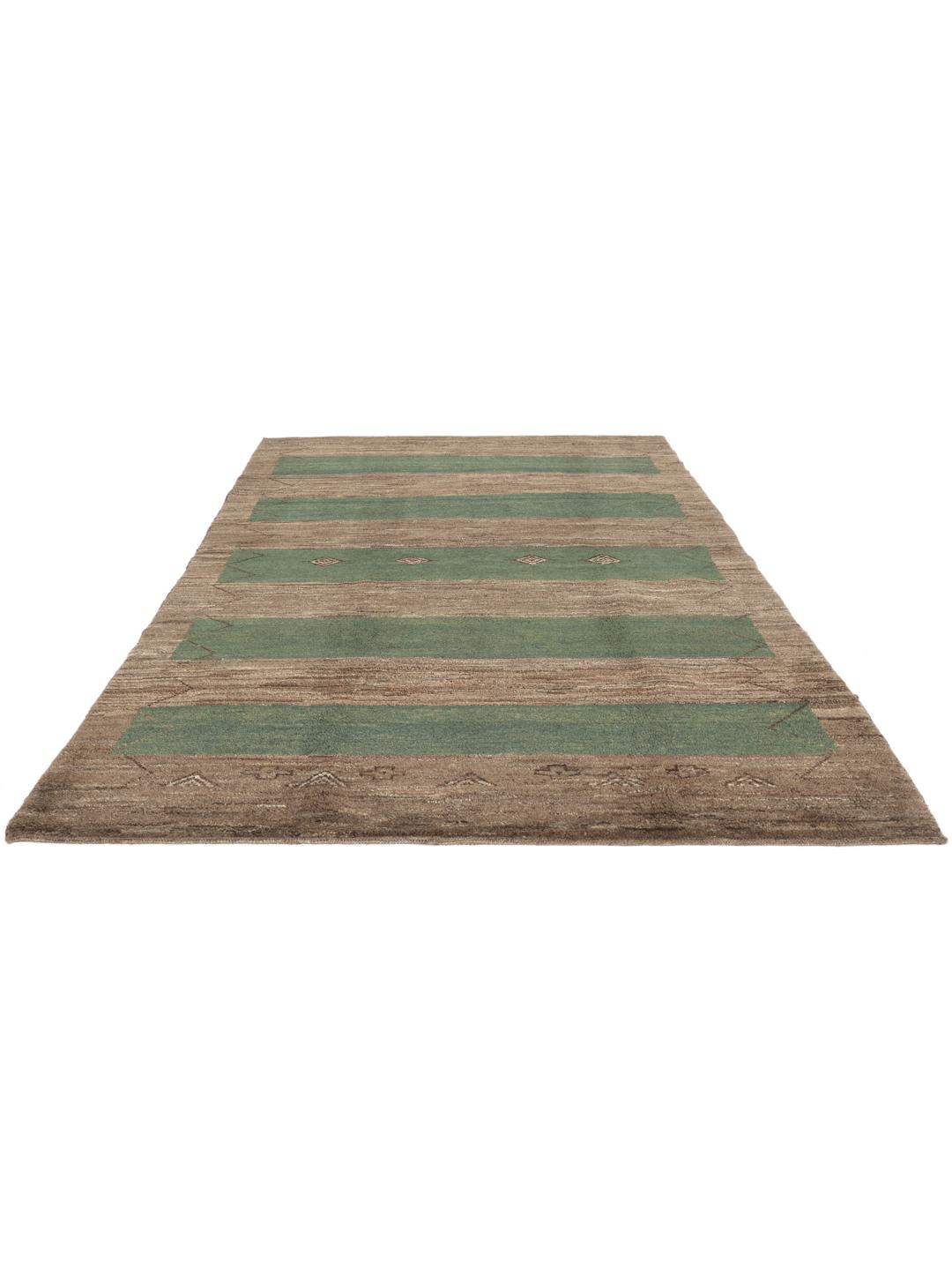
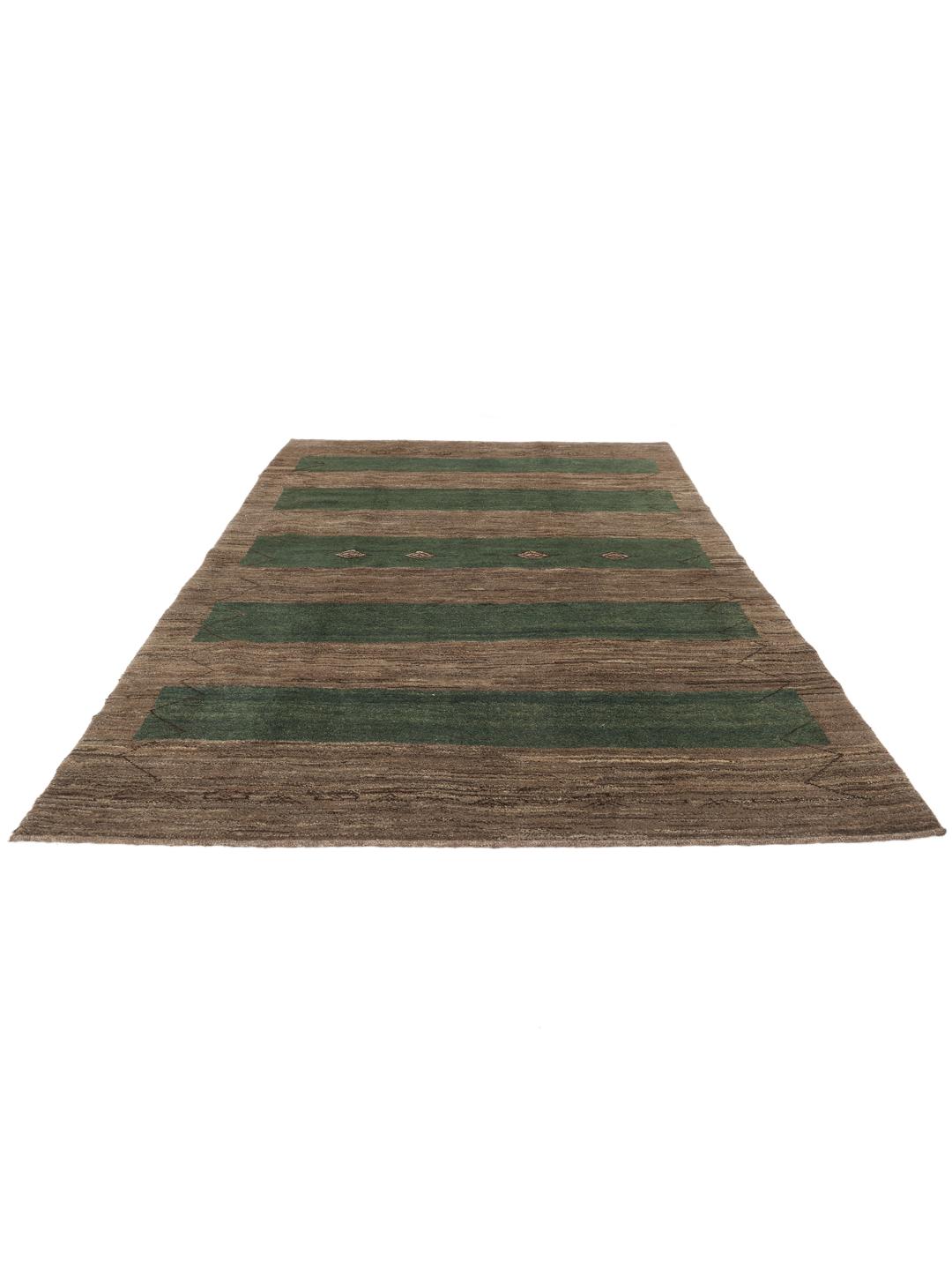
The Shabargan category represents a specific evolution in the long history of Middle Eastern weaving. These rugs are deeply rooted in the nomadic traditions of the region, where the craft of rug making was a vital part of daily life, serving both functional purposes in tents and as a medium for artistic expression.
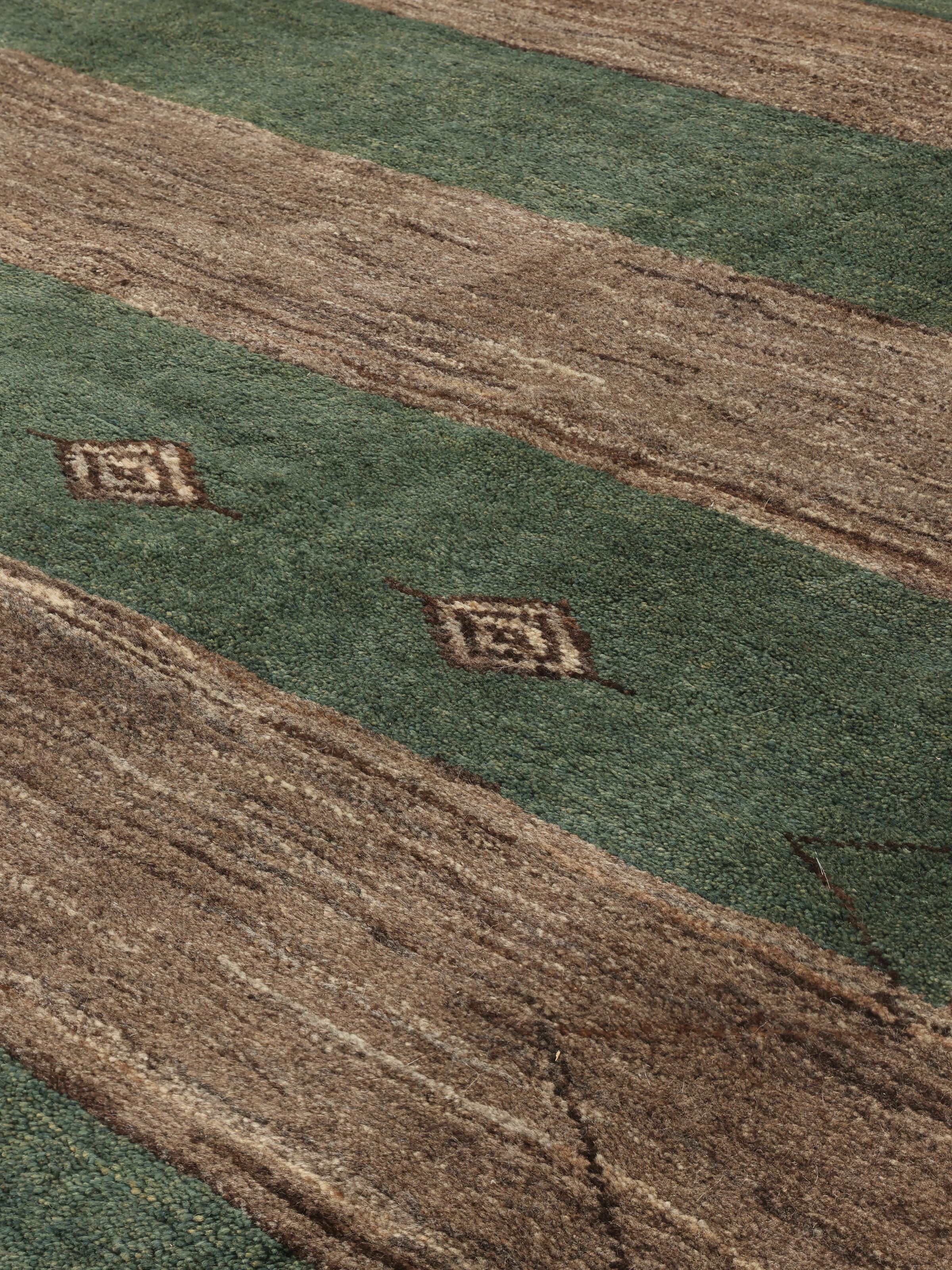
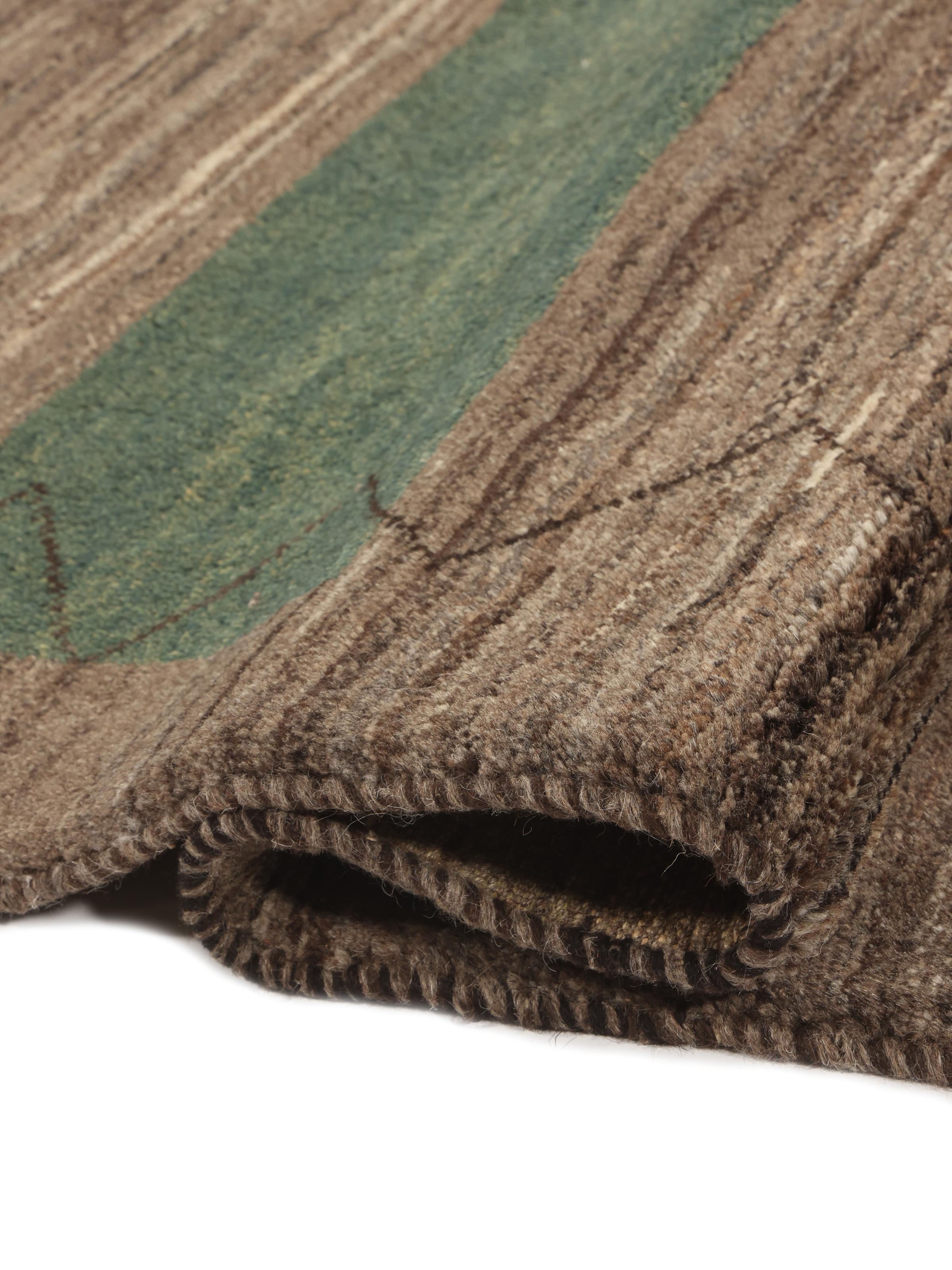
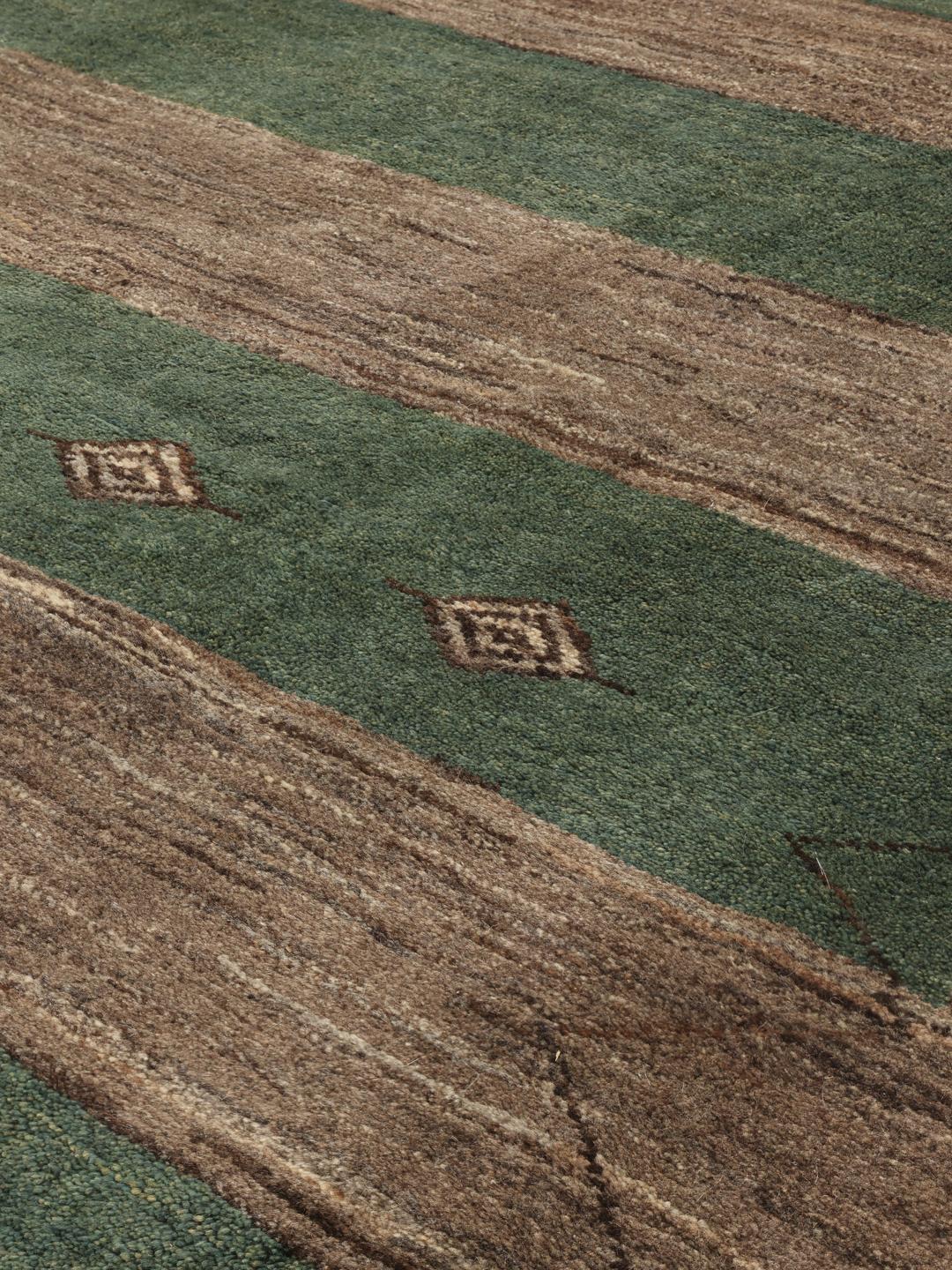
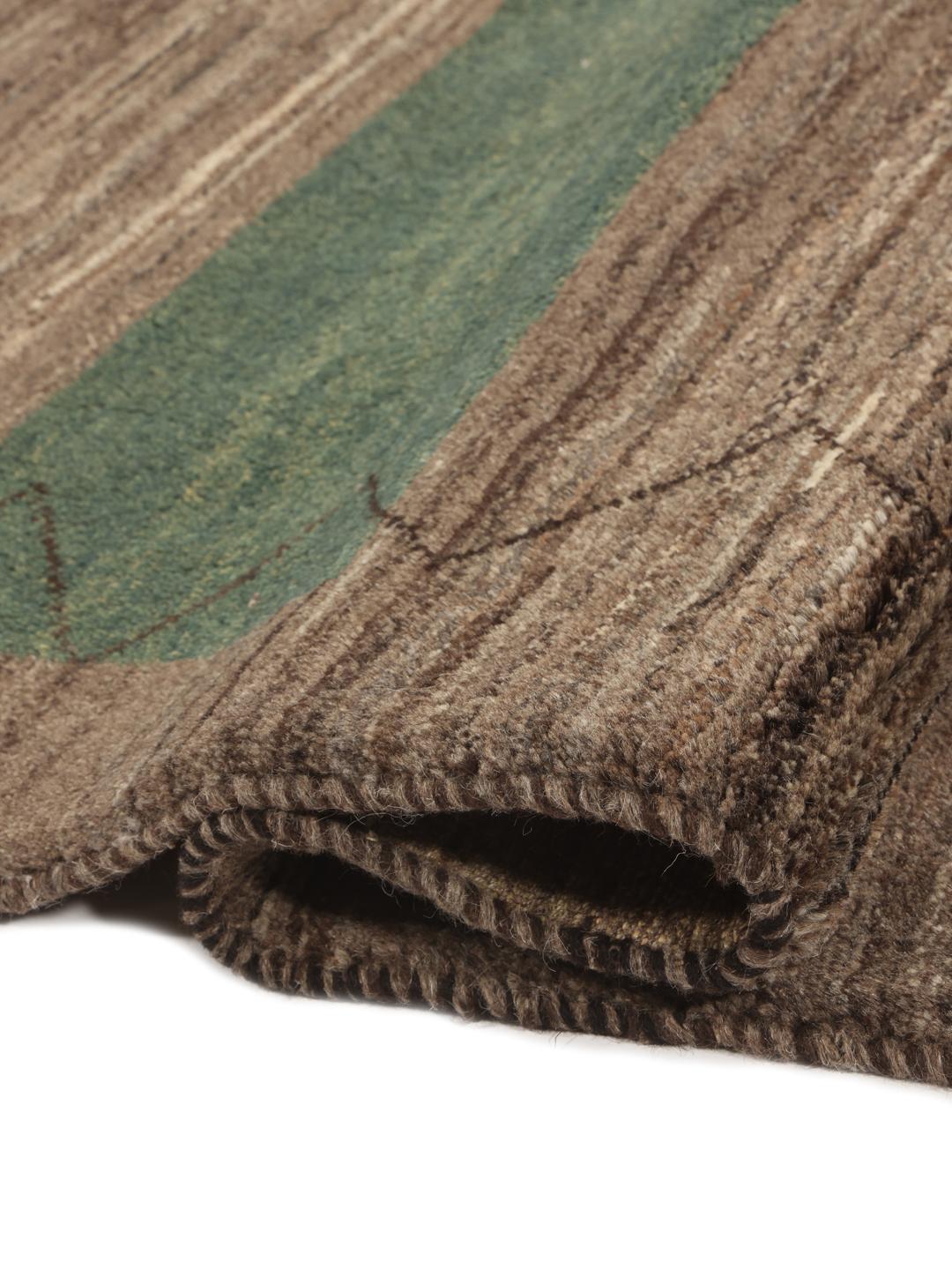
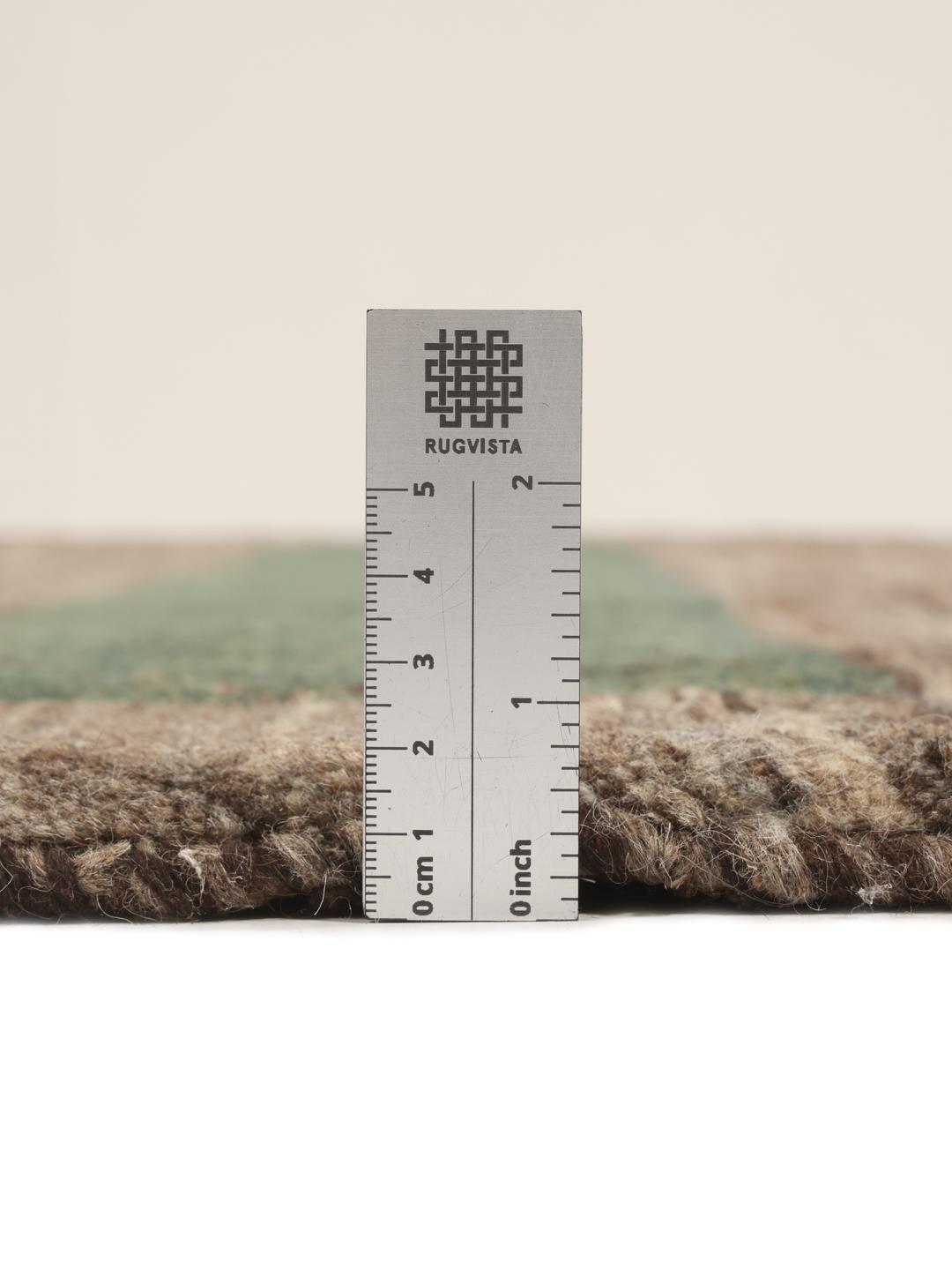
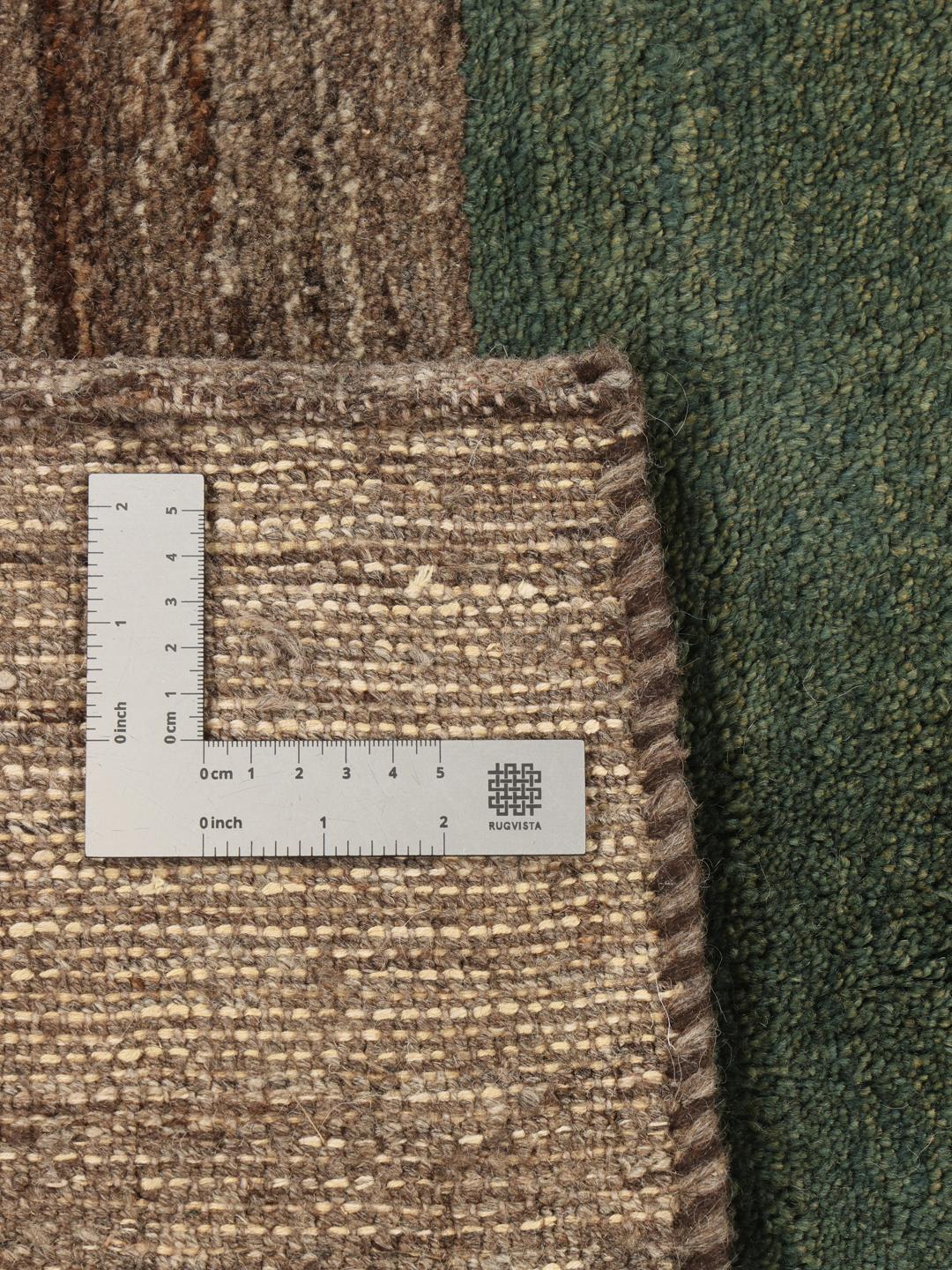
The term Gabbeh itself refers to a style traditionally woven by nomadic tribes using hand-spun Wool. These pieces are often characterized by their thicker, coarser, and more robust construction compared to formal city rugs, prioritising a plush, tactile quality that provides warmth and comfort in harsh climates.
Design-wise, these rugs are known for their minimalist yet powerful visual language. They often feature simplified, geometric motifs or bold stripes that reflect the surrounding landscapes and natural surroundings of the weavers. The use of natural dyes has historically defined their palette, resulting in the rich, earthy tones that remain a hallmark of this tradition today.
Today, these rugs are highly valued by collectors for their authentic spirit and the human story behind every knot. Owning one is an investment in cultural heritage, as the techniques used to create them have been passed down through generations, maintaining a link to a craft tradition that values individual artistry and enduring quality.