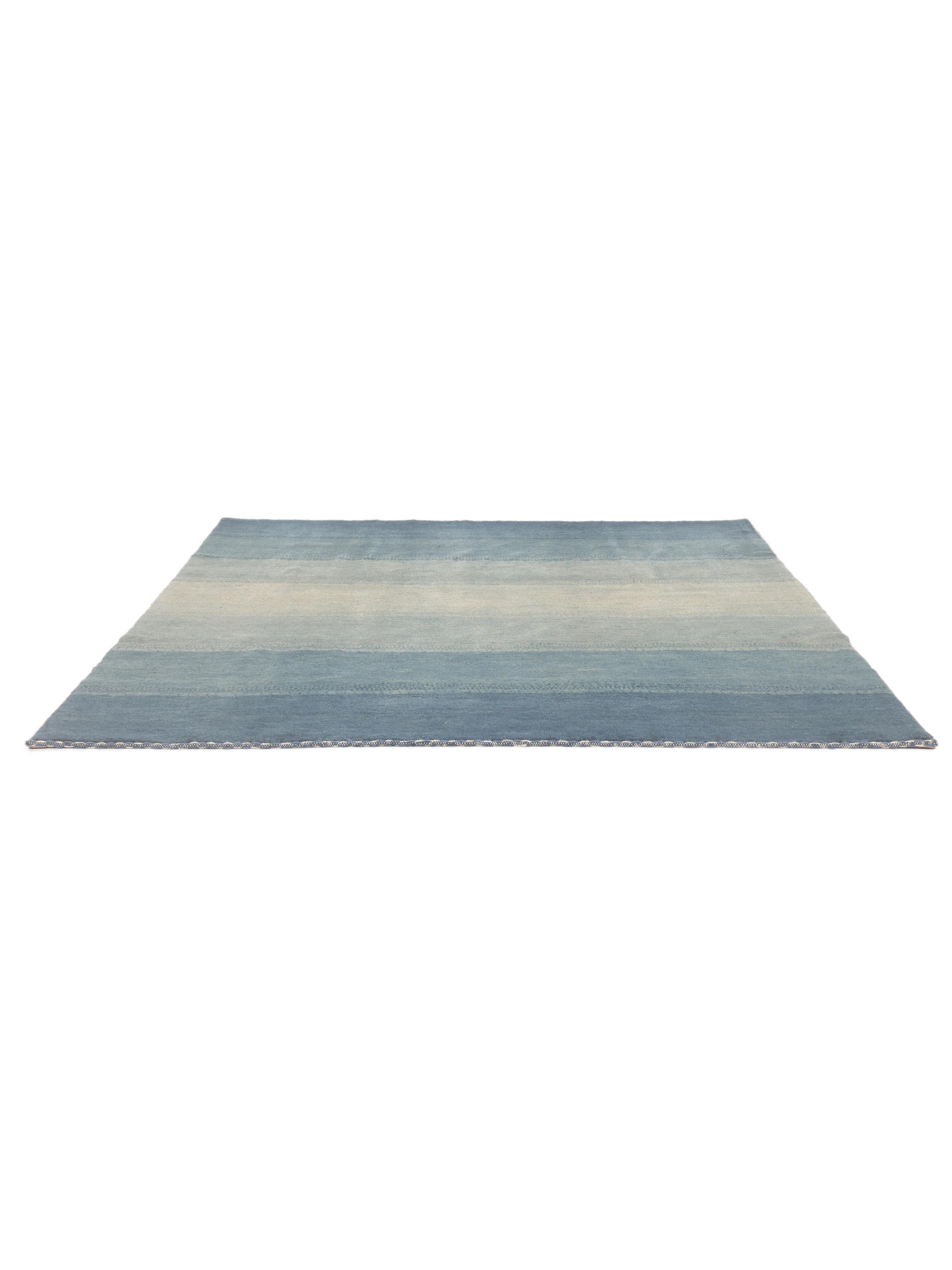
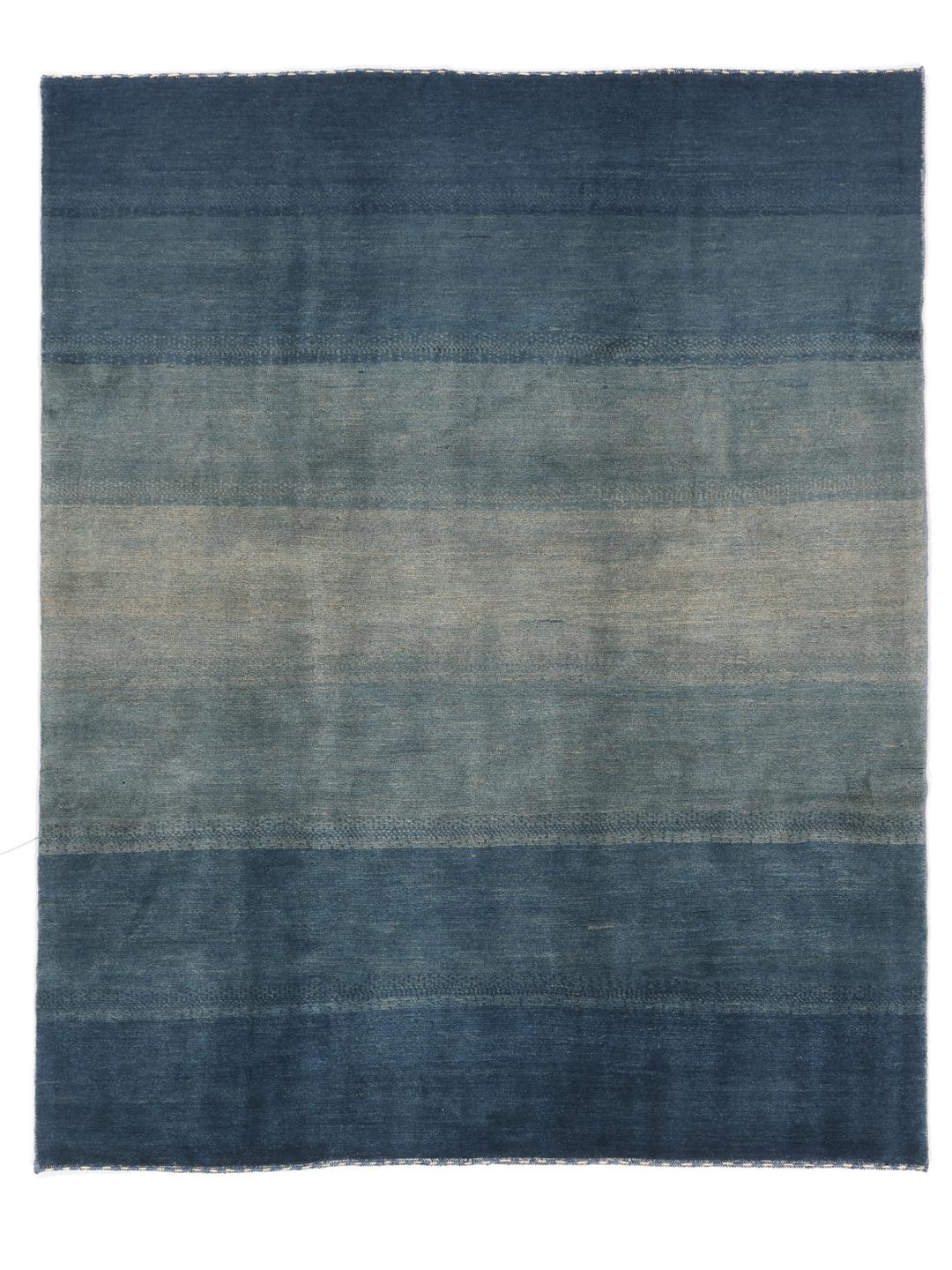
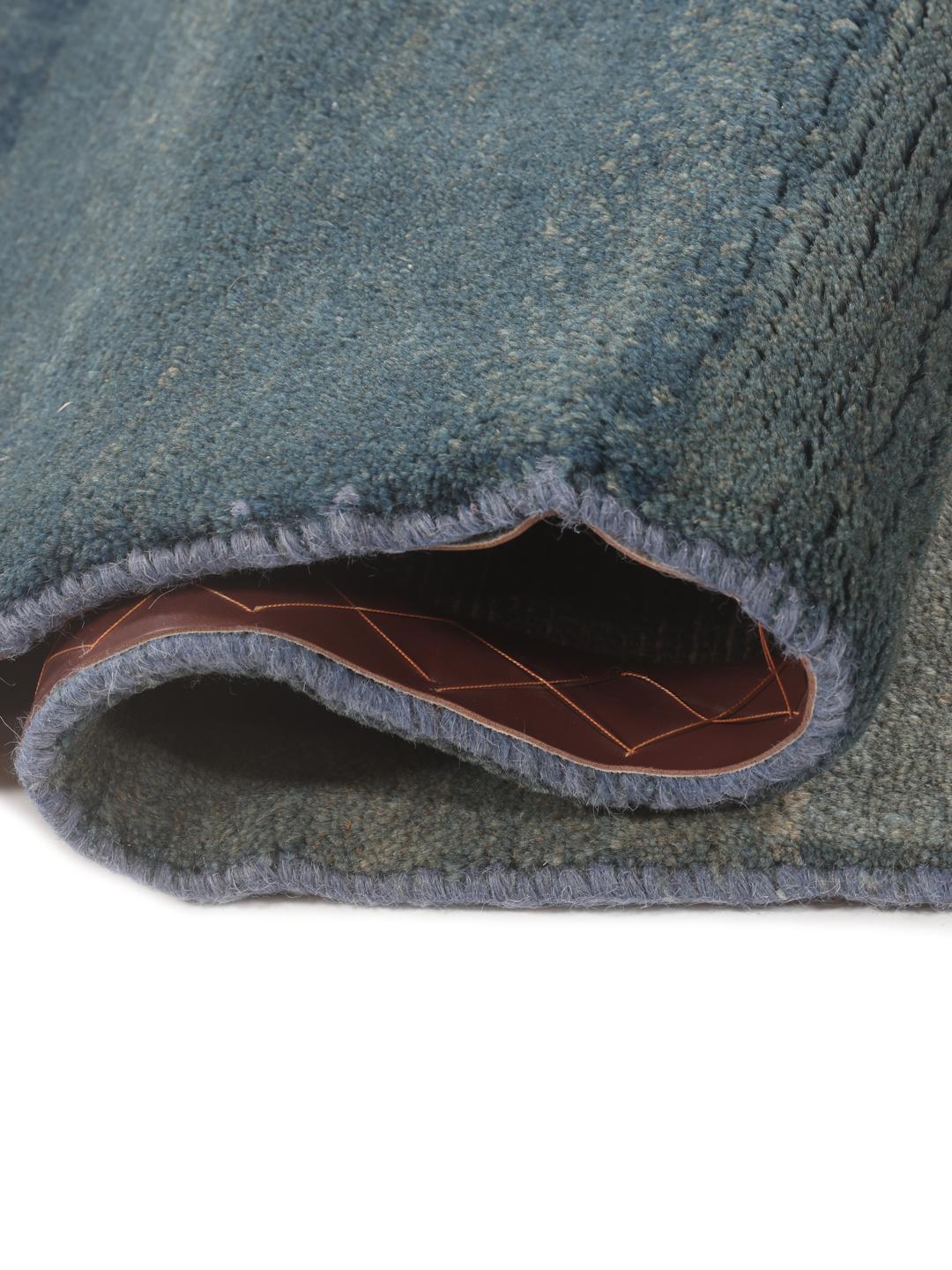
The Gabbeh rug tradition originates from the nomadic tribes of the Middle East, where weavers created these pieces primarily for personal use and protection against the harsh floor conditions of tents. Unlike more formal, intricate city rugs, the Gabbeh was historically characterised by its thicker pile and simpler, more expressive designs. This tradition of weaving has evolved over centuries, yet it remains deeply connected to the natural world and the daily lives of the communities that produce them.
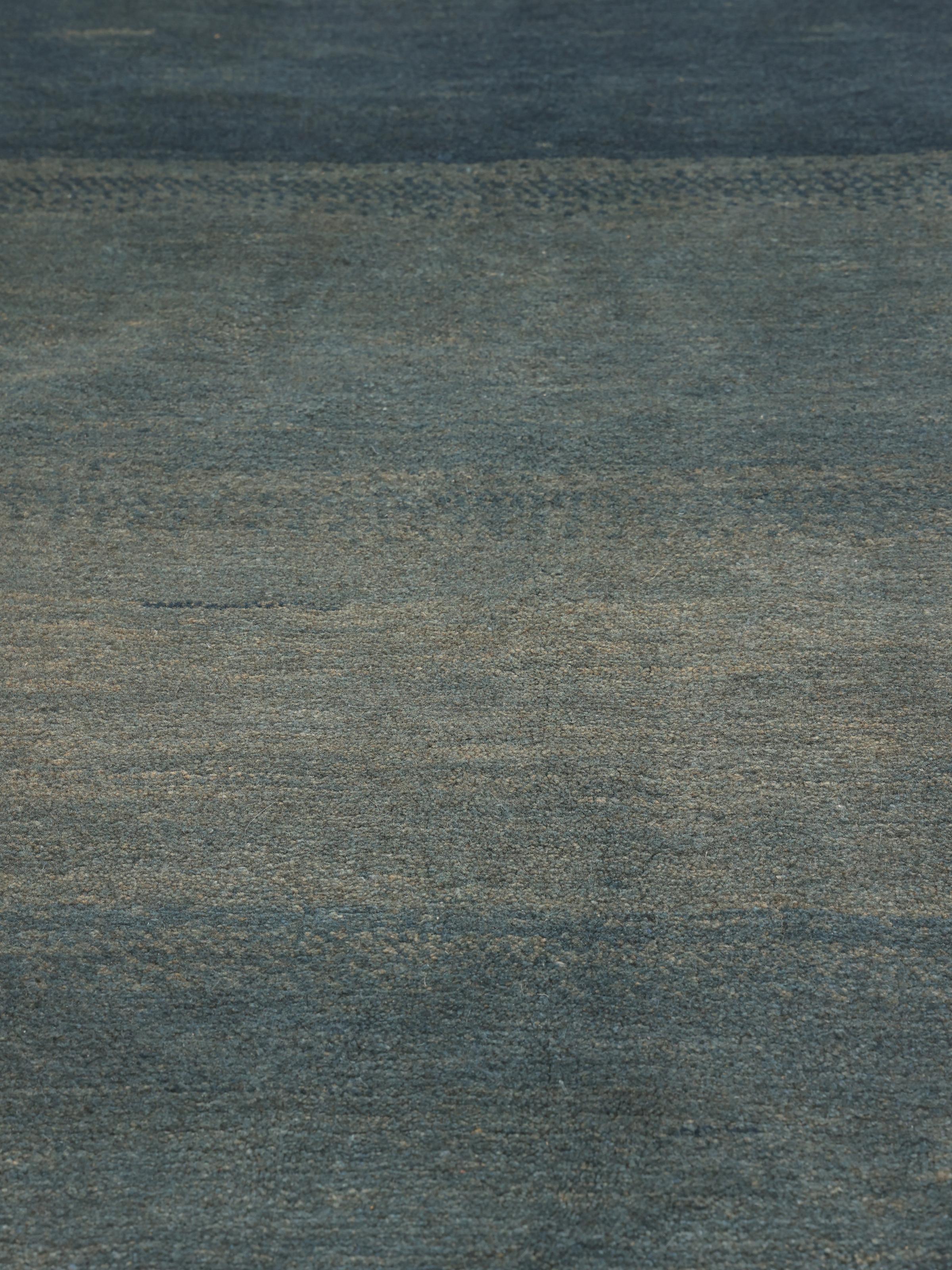
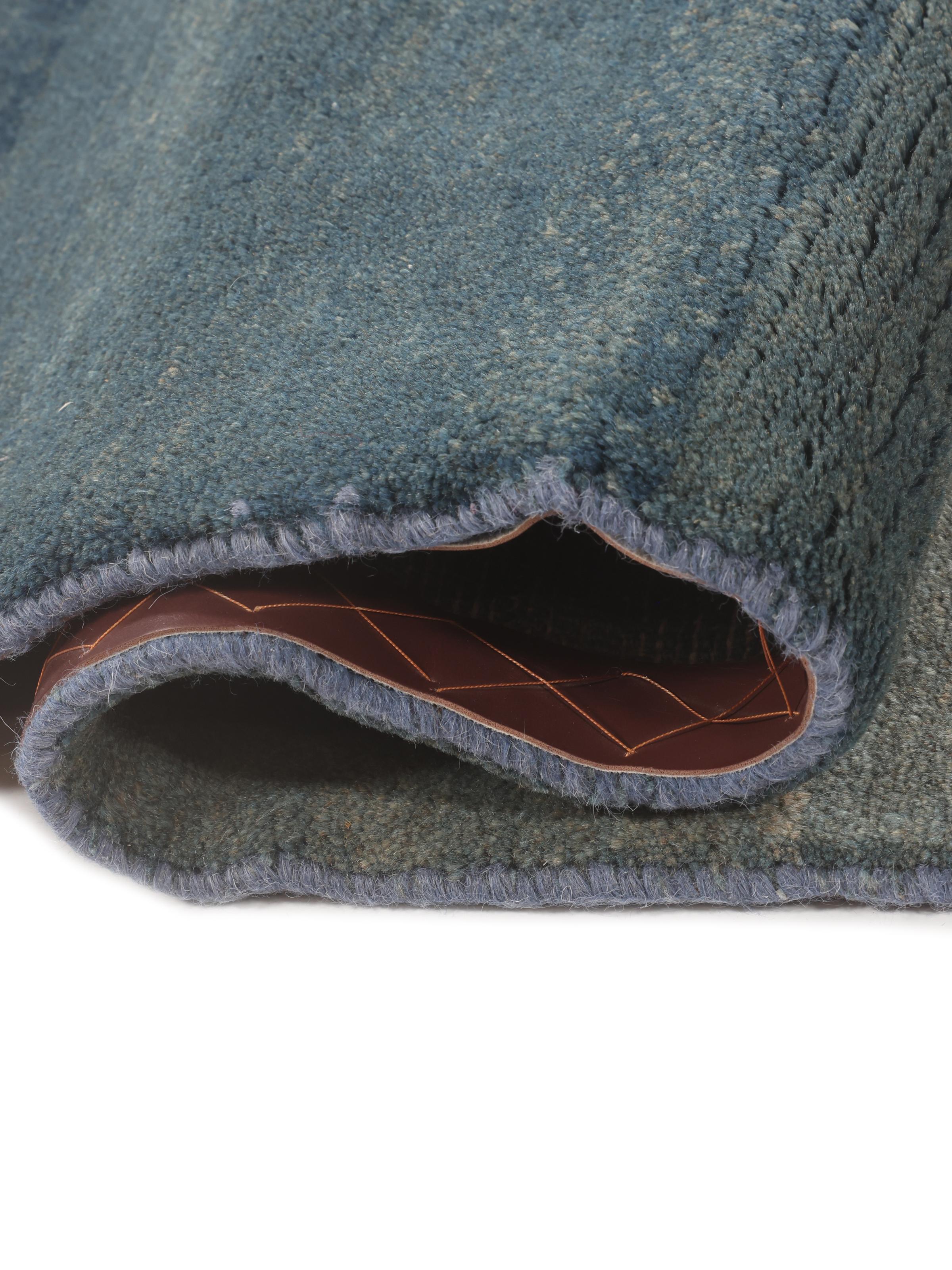
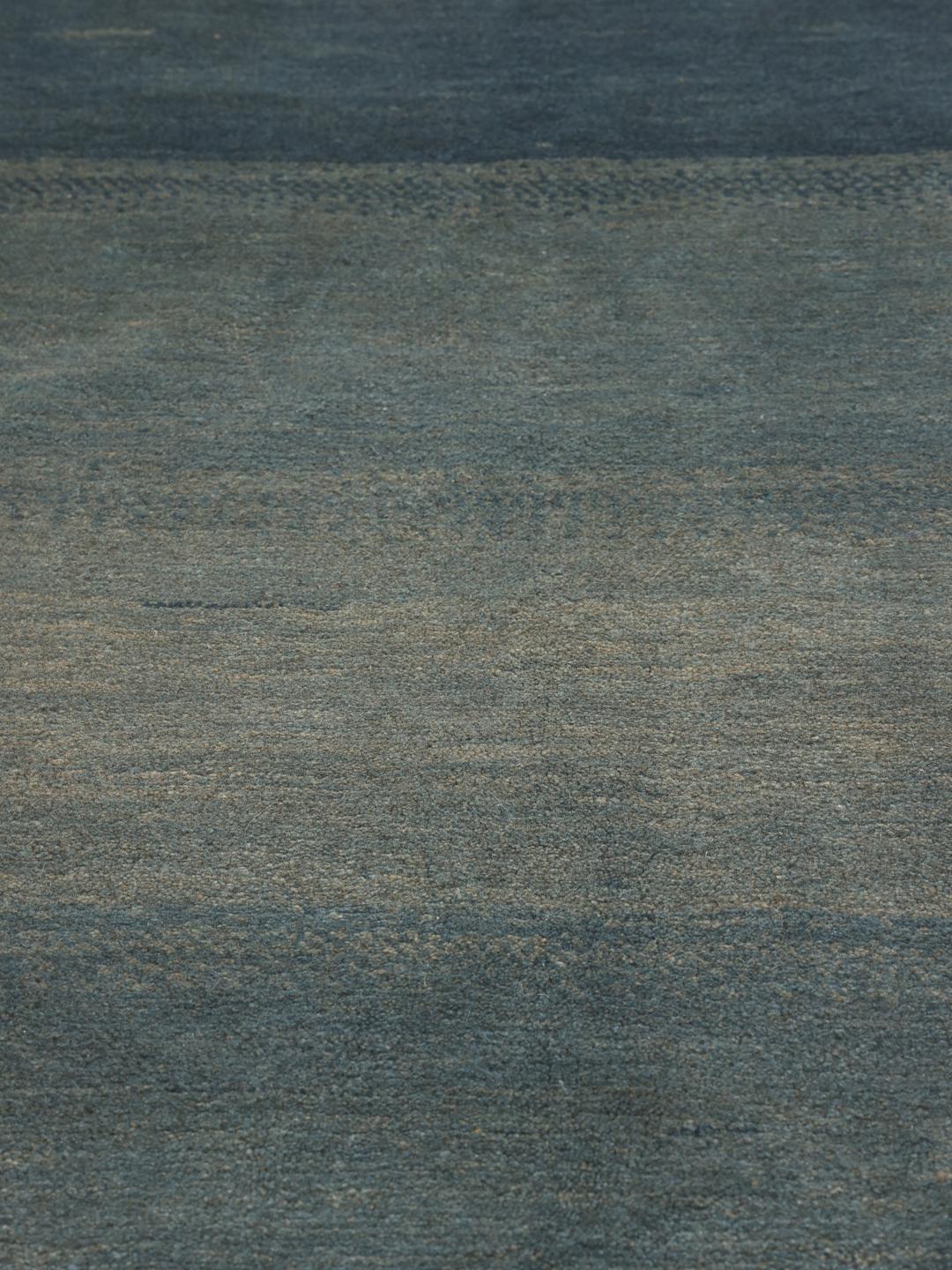
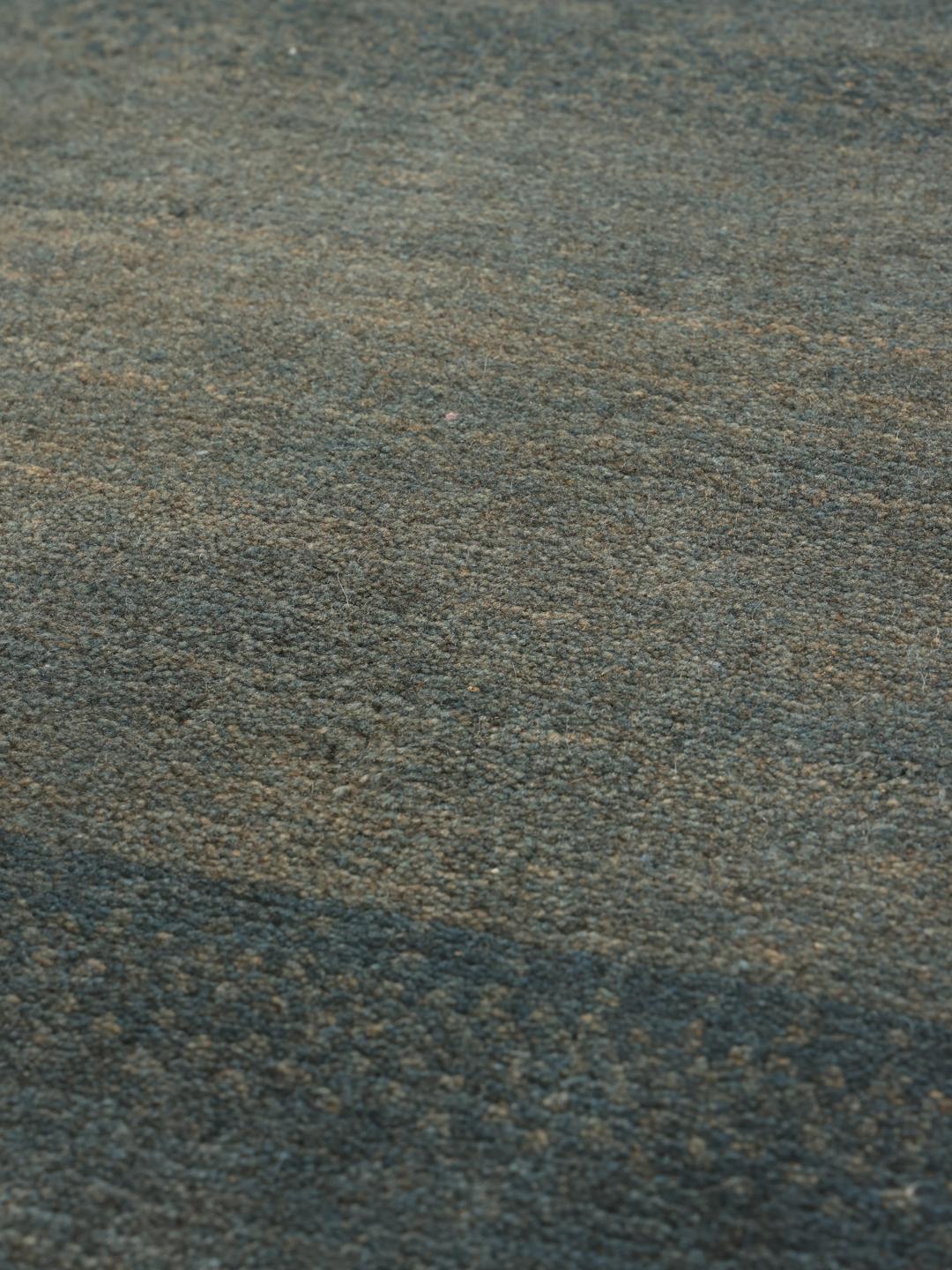
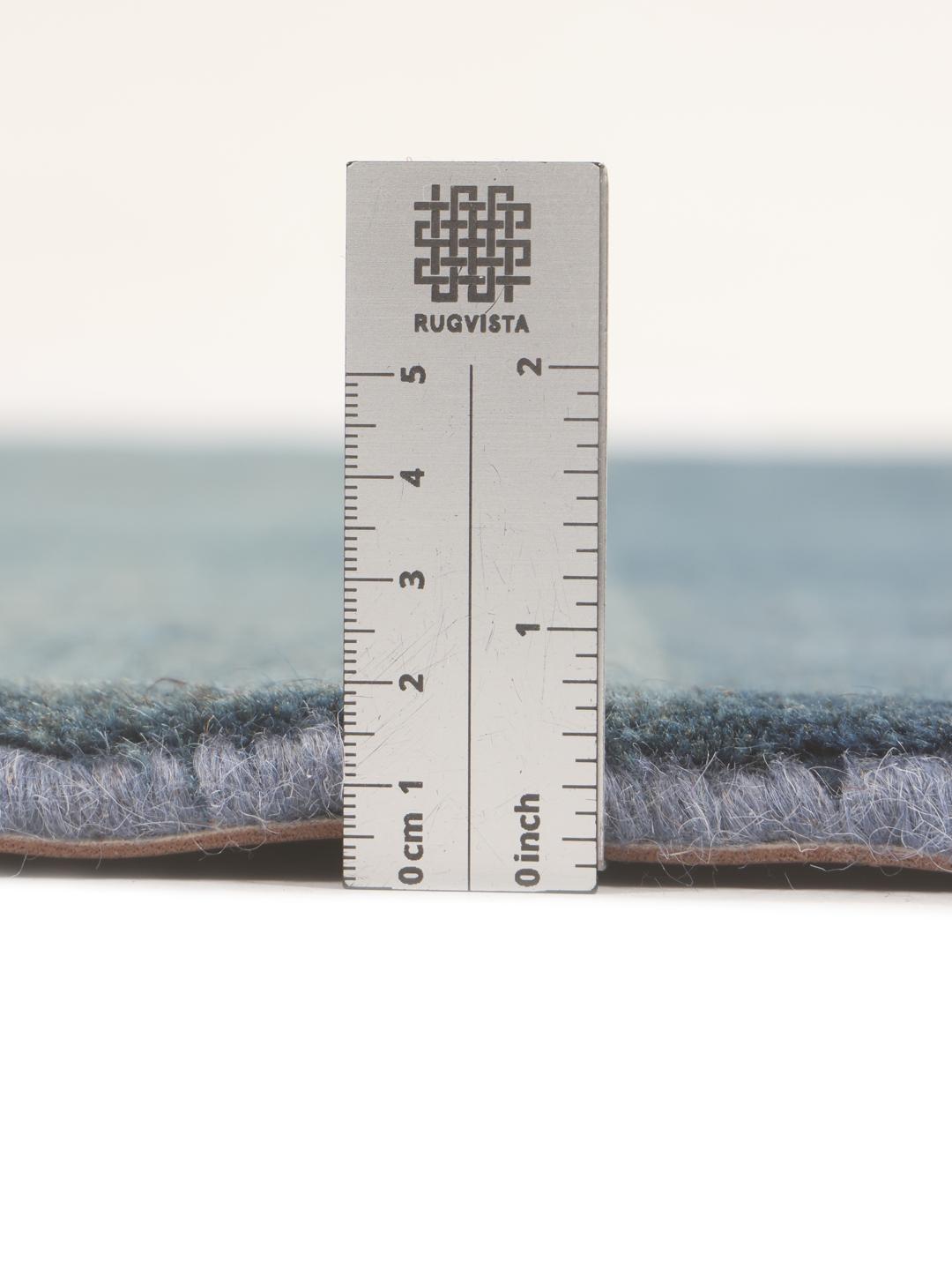
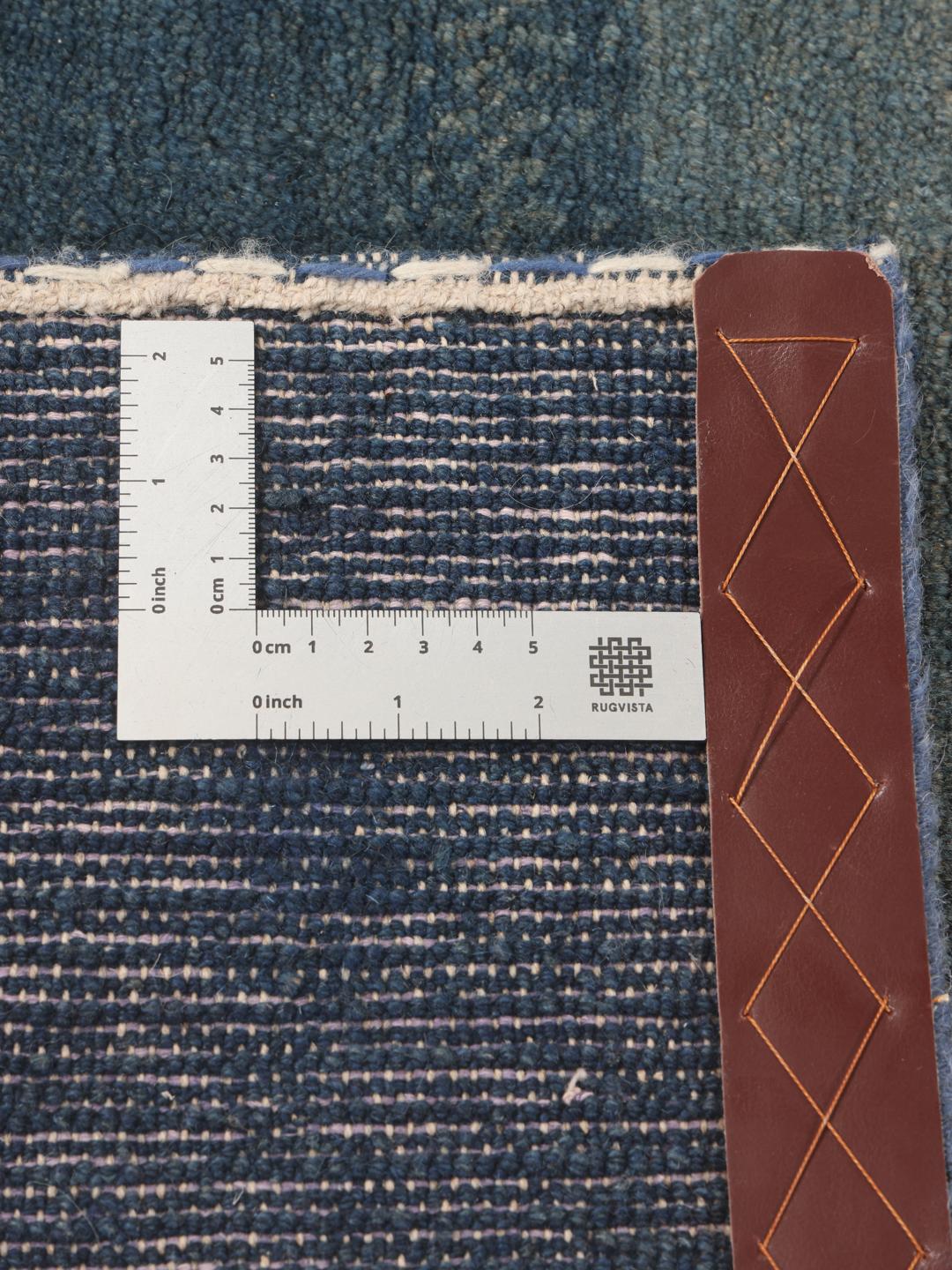
The term 'Gabbeh' itself refers to the raw, unclipped, or natural state of the wool, which is a testament to the rug's focus on material purity. In the context of modern craftsmanship, 'Fine' refers to the increased density and refinement of the knotting process. This evolution allows for a more polished appearance without losing the rustic charm that makes these rugs so beloved. A denser knot count translates to a more resilient pile that stands up to wear while maintaining its soft, inviting texture.
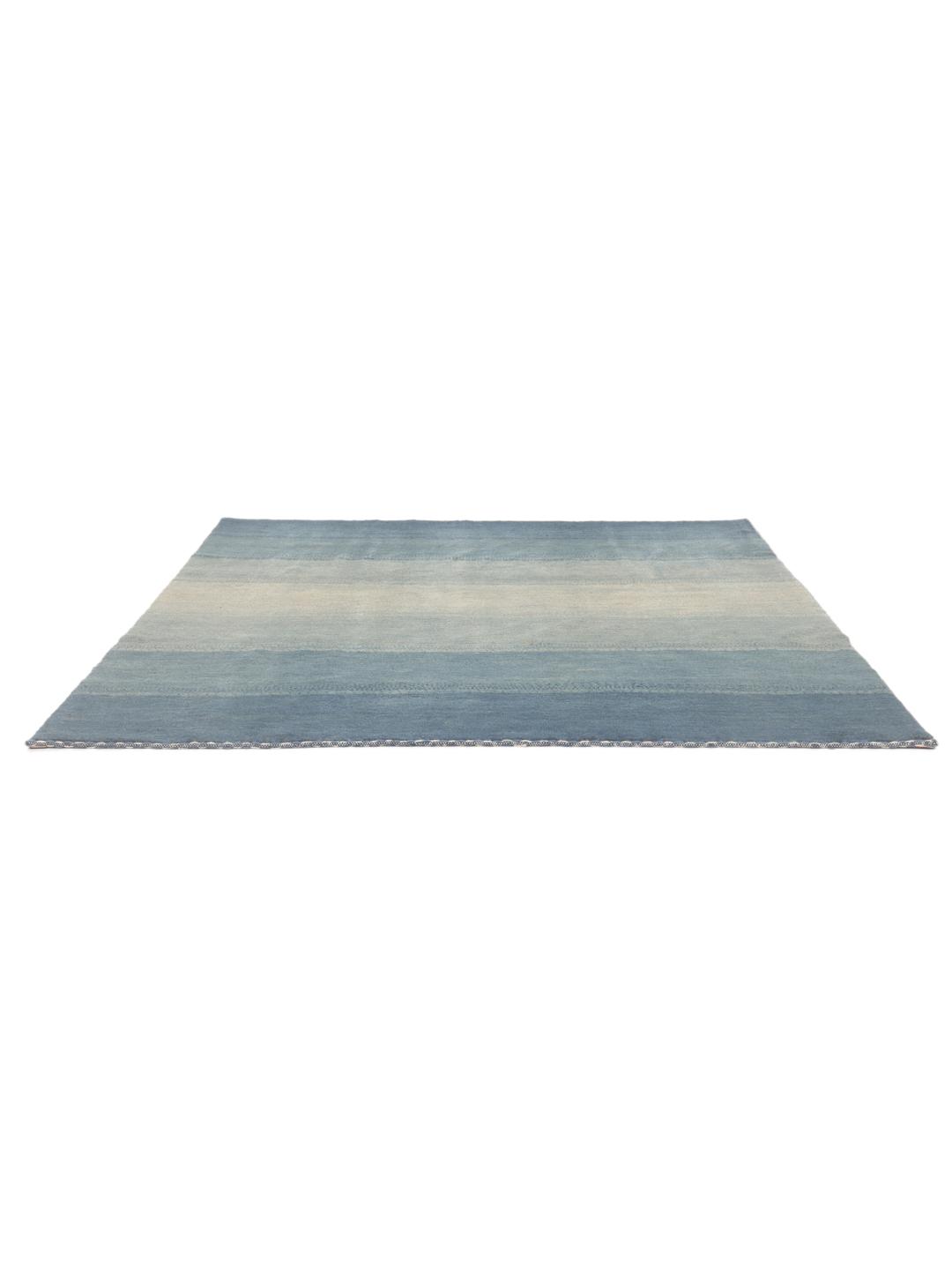
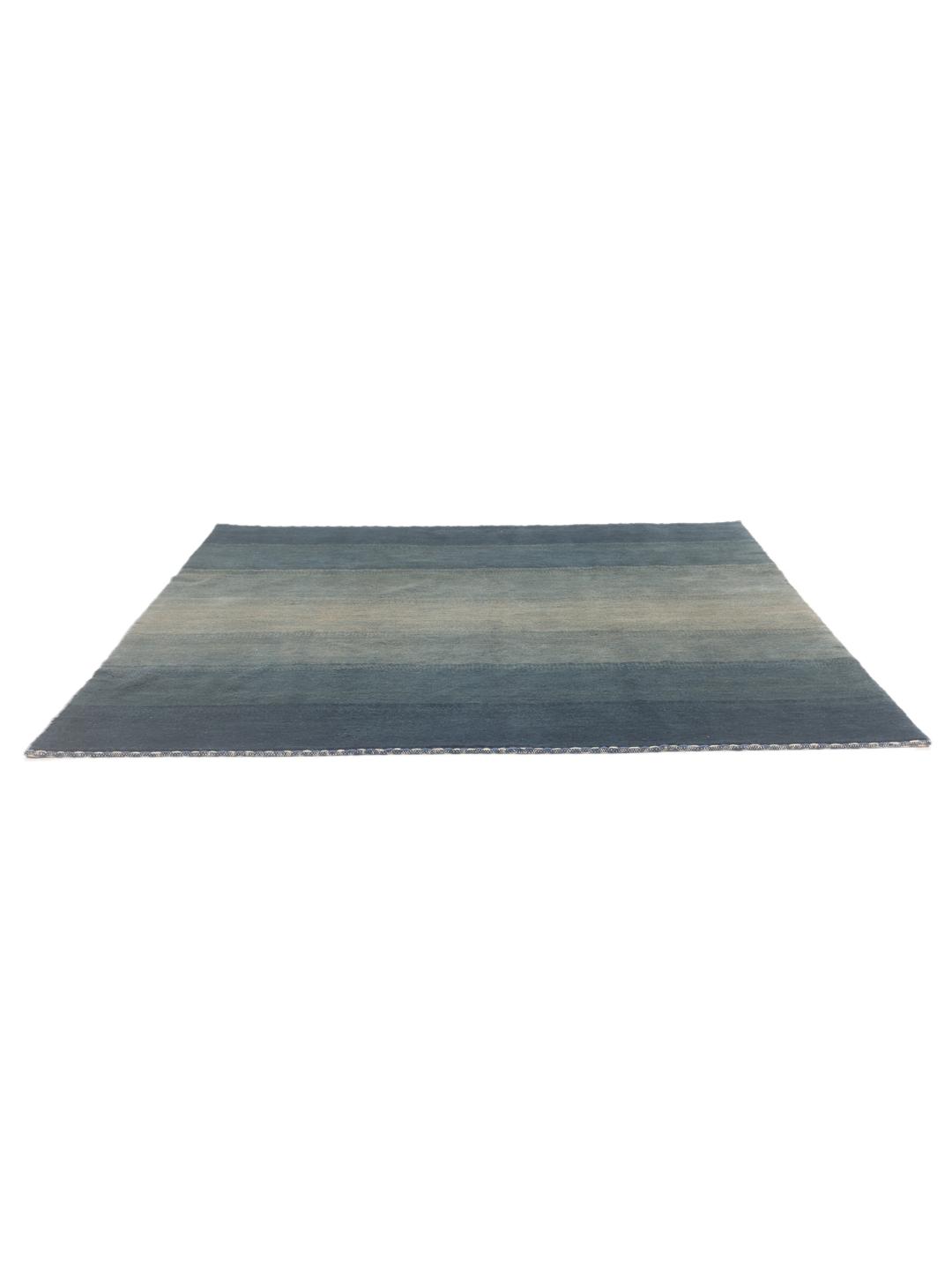
Visually, these rugs are known for their use of negative space and bold, often abstract, colour fields. While traditional designs often incorporated tribal motifs or stylised animals, contemporary interpretations like this one emphasise subtle, painterly colour transitions. This shift highlights the natural variation in hand-spun wool, as the dyes interact with the fibres to create a depth of colour that is impossible to achieve with synthetic processes.
Collecting a rug from this tradition is an investment in both cultural history and artisanal skill. These pieces are valued for their authenticity and the way they bridge the gap between ancient nomadic heritage and modern interior needs. By bringing a piece of this history into your home, you are not just acquiring a floor covering, but a testament to the enduring human desire to create beauty that is both functional and deeply meaningful.