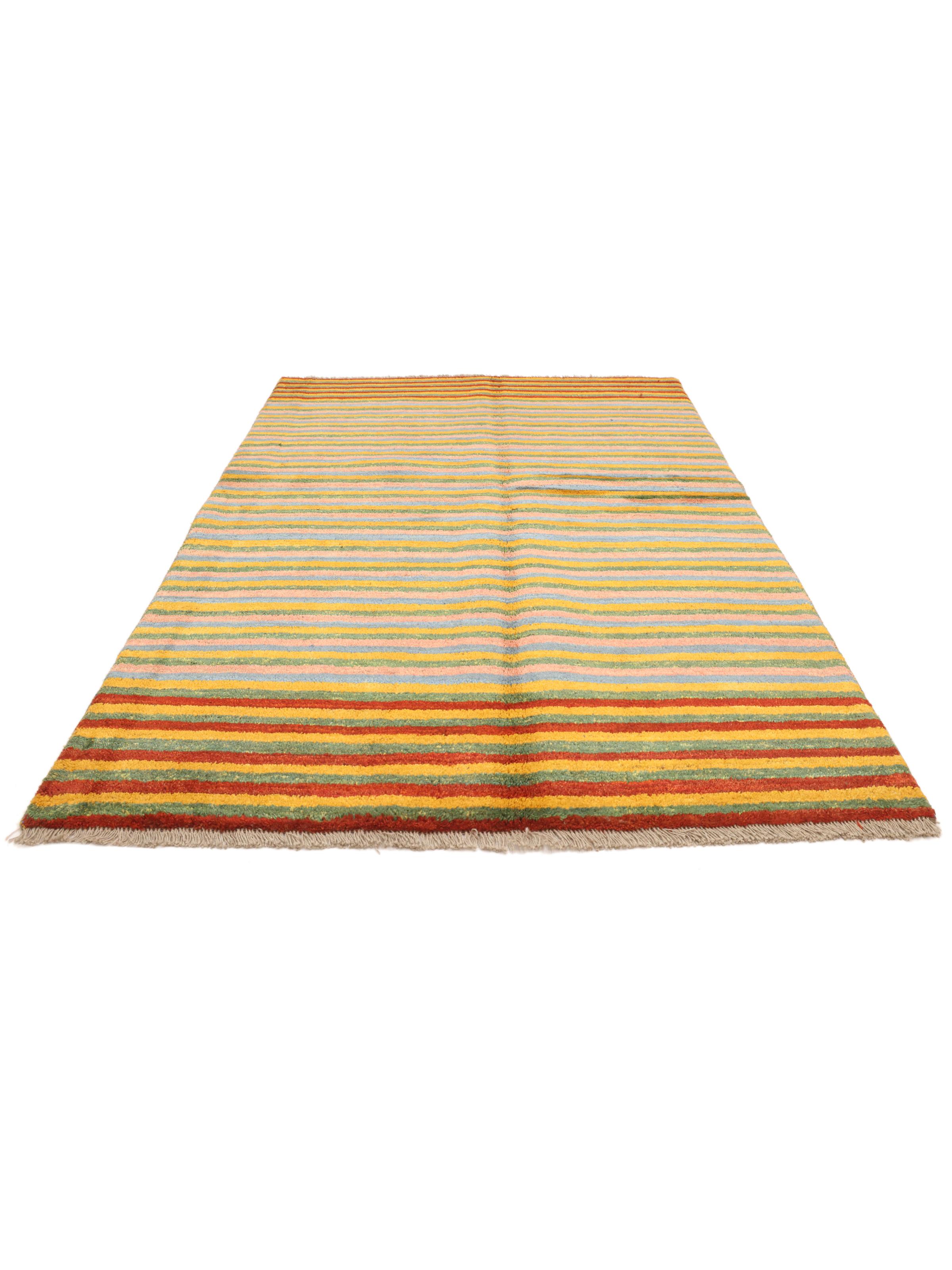
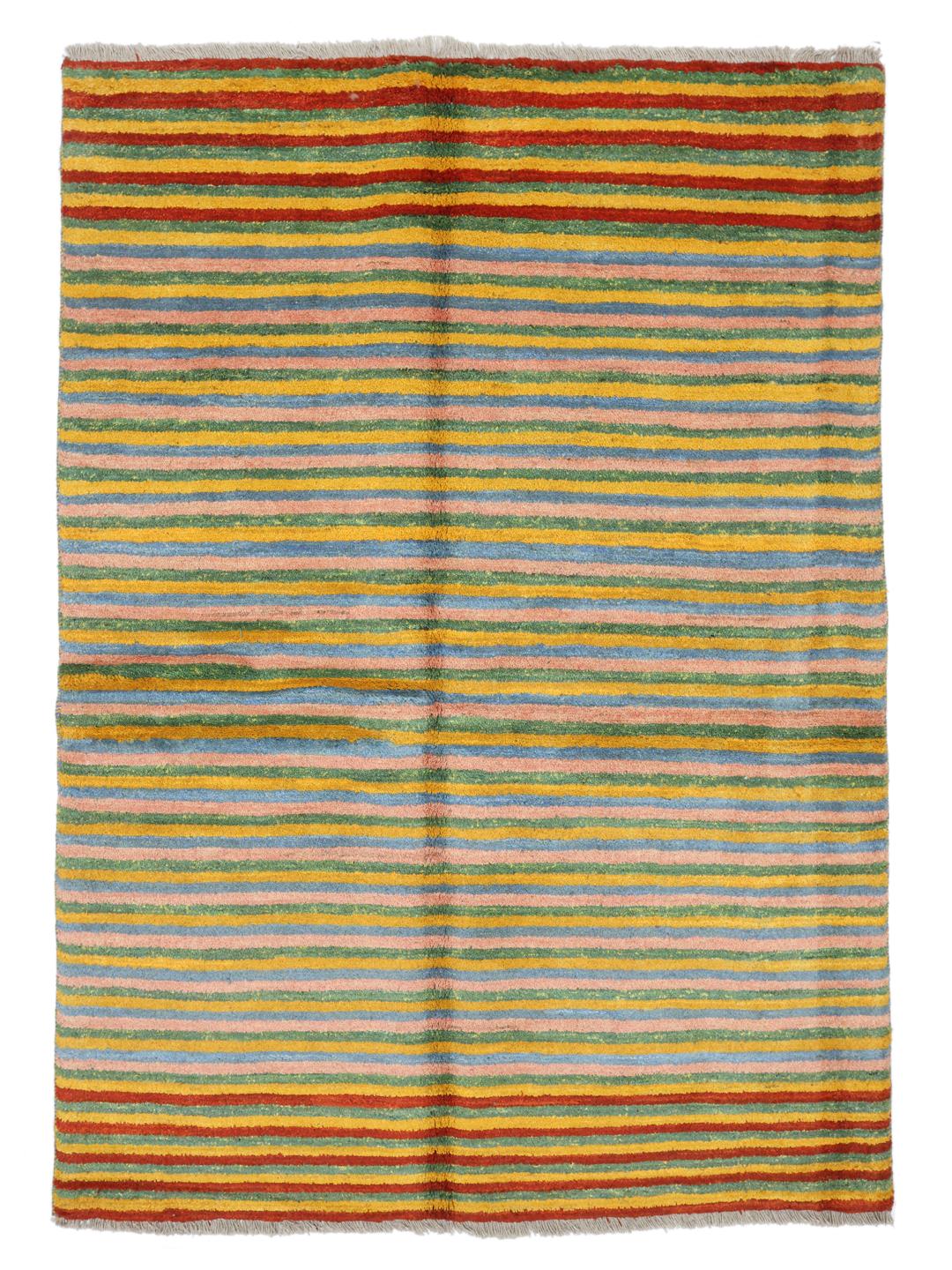
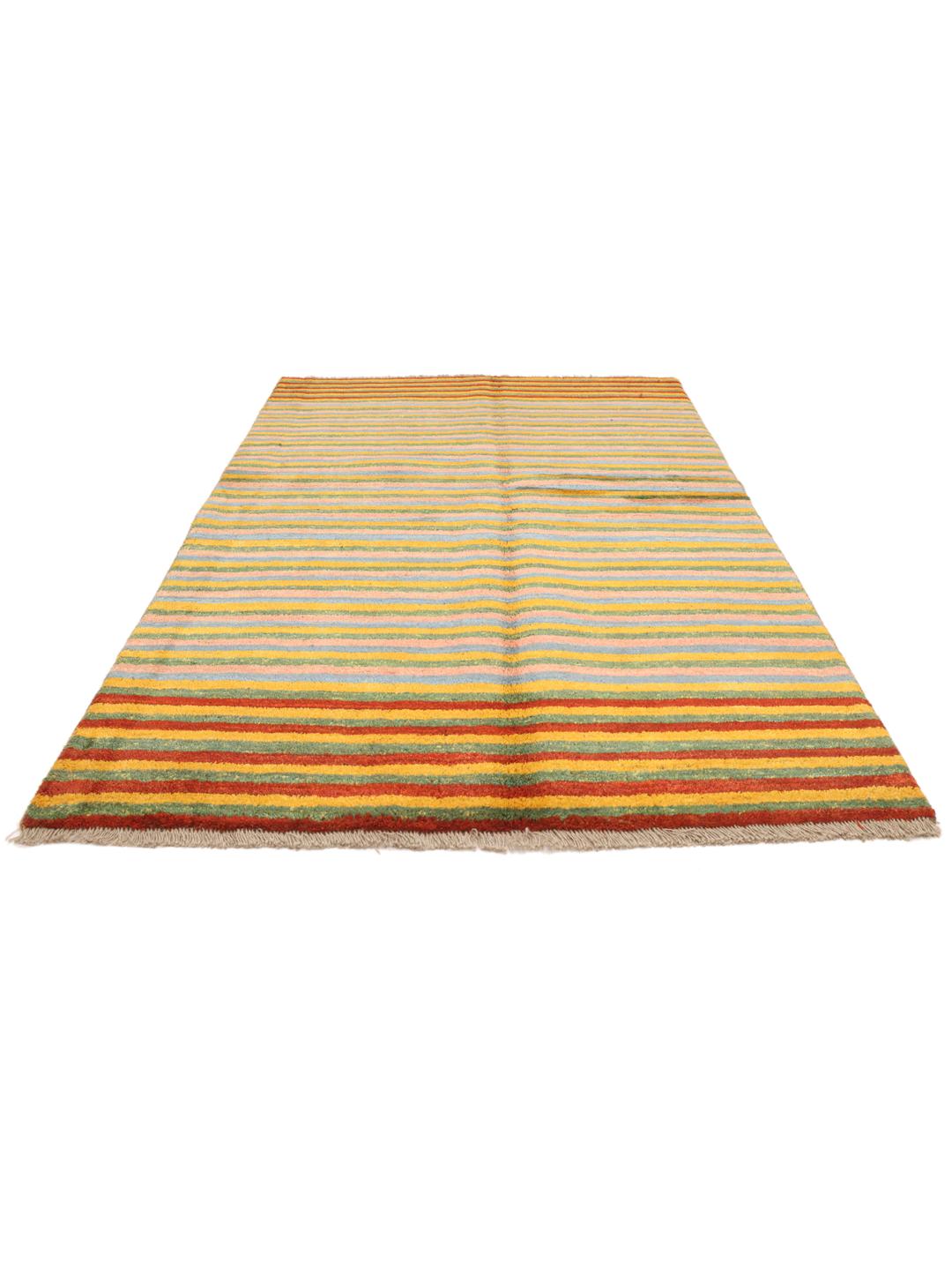
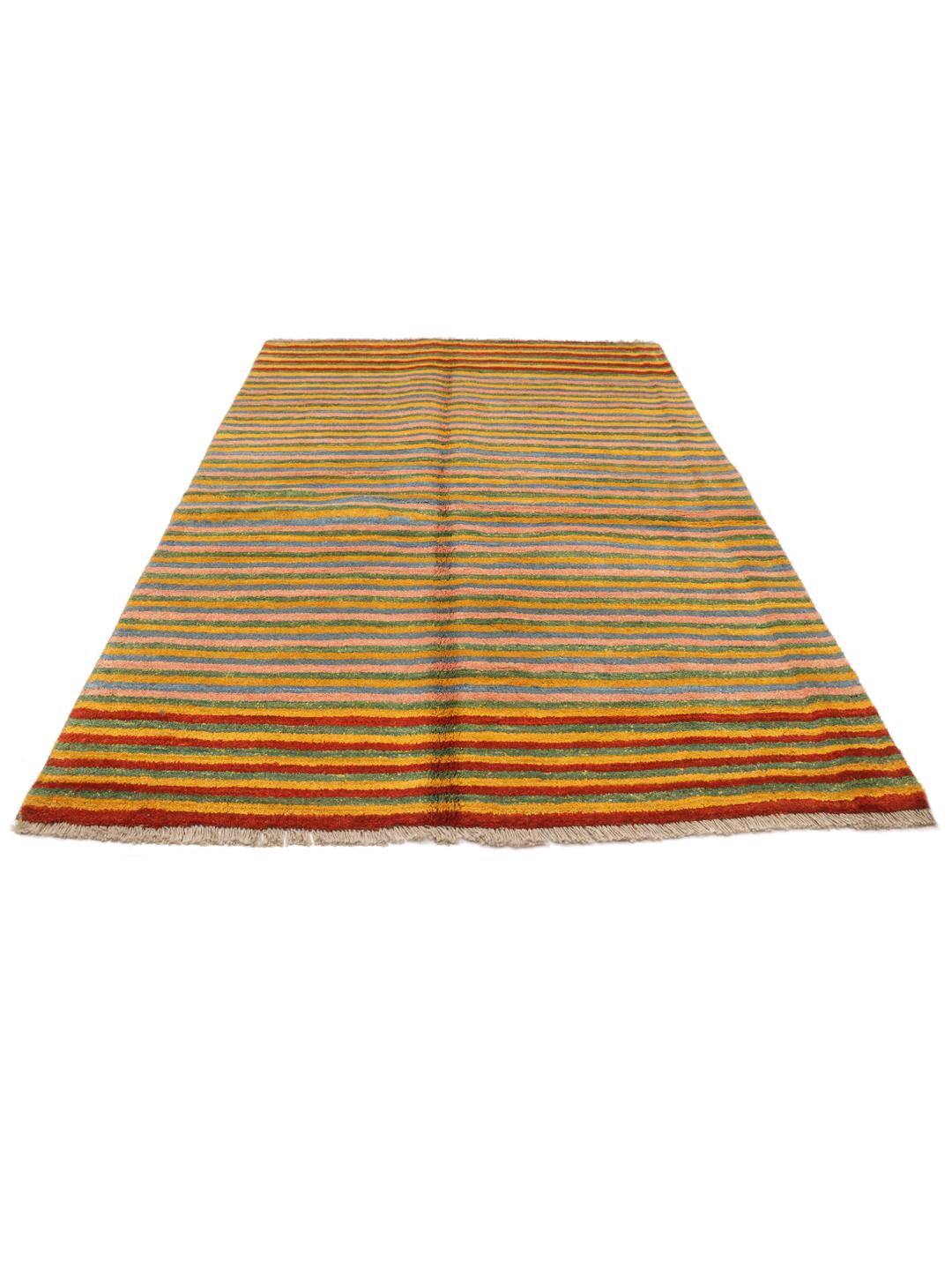
The Gabbeh rug tradition originates from the nomadic tribes of the Middle East, where weaving is a deep-rooted cultural expression. Historically, these rugs were created for personal use within the family, serving as warm bedding and floor coverings inside nomadic tents. Unlike more formal, city-made rugs, these pieces were expressions of the weaver's personal narrative, often reflecting the landscapes and experiences of the tribe.
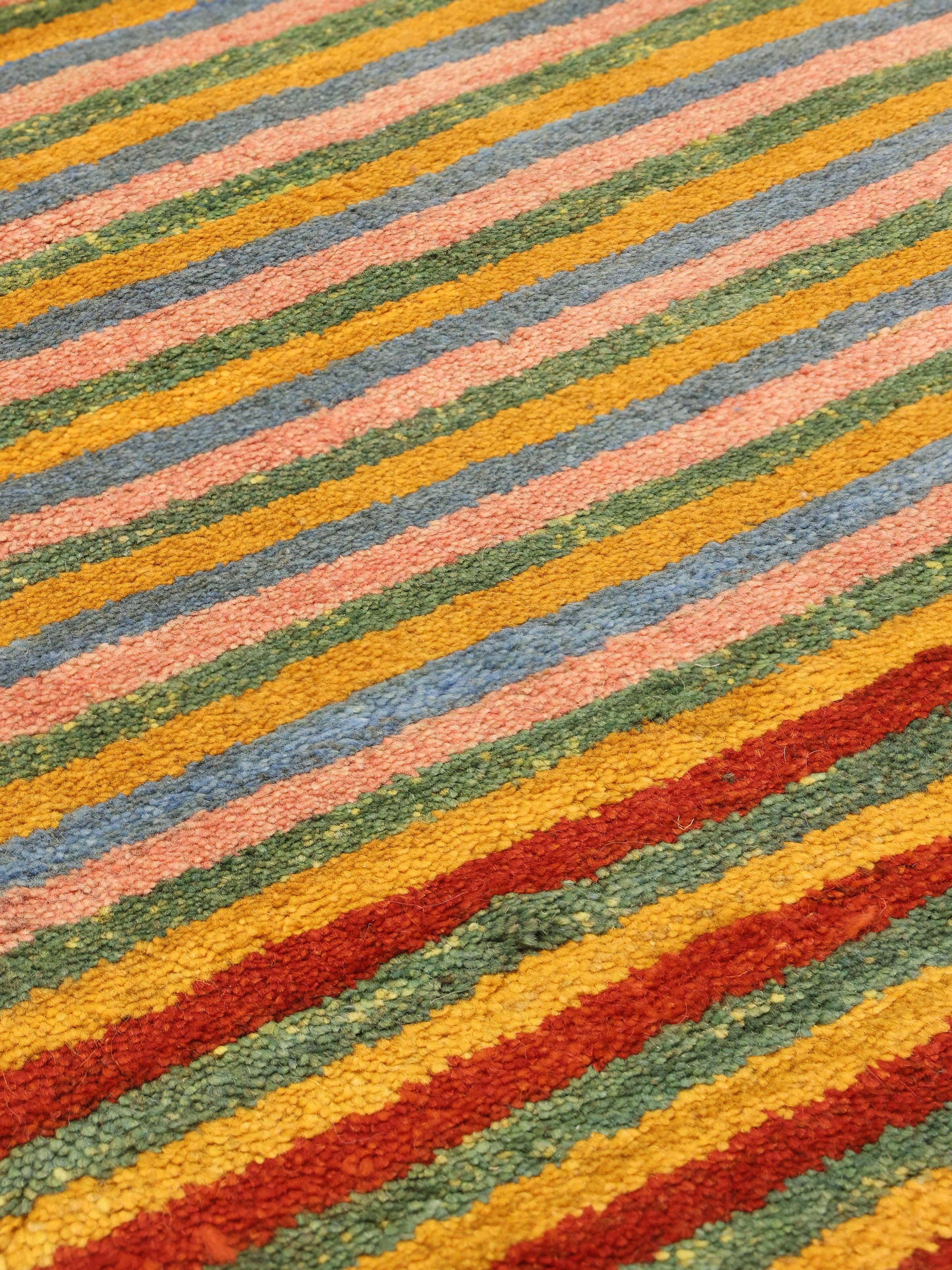
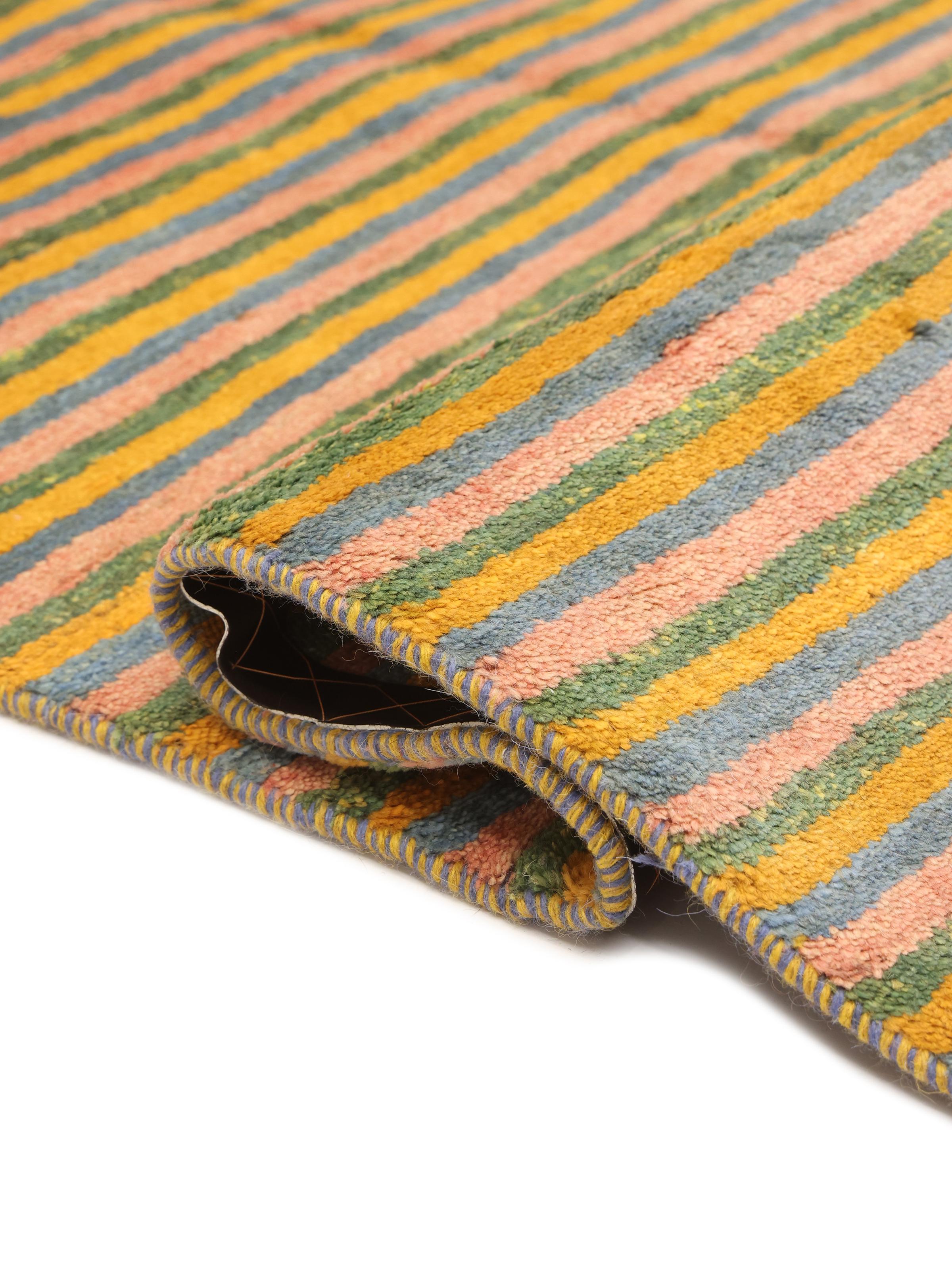
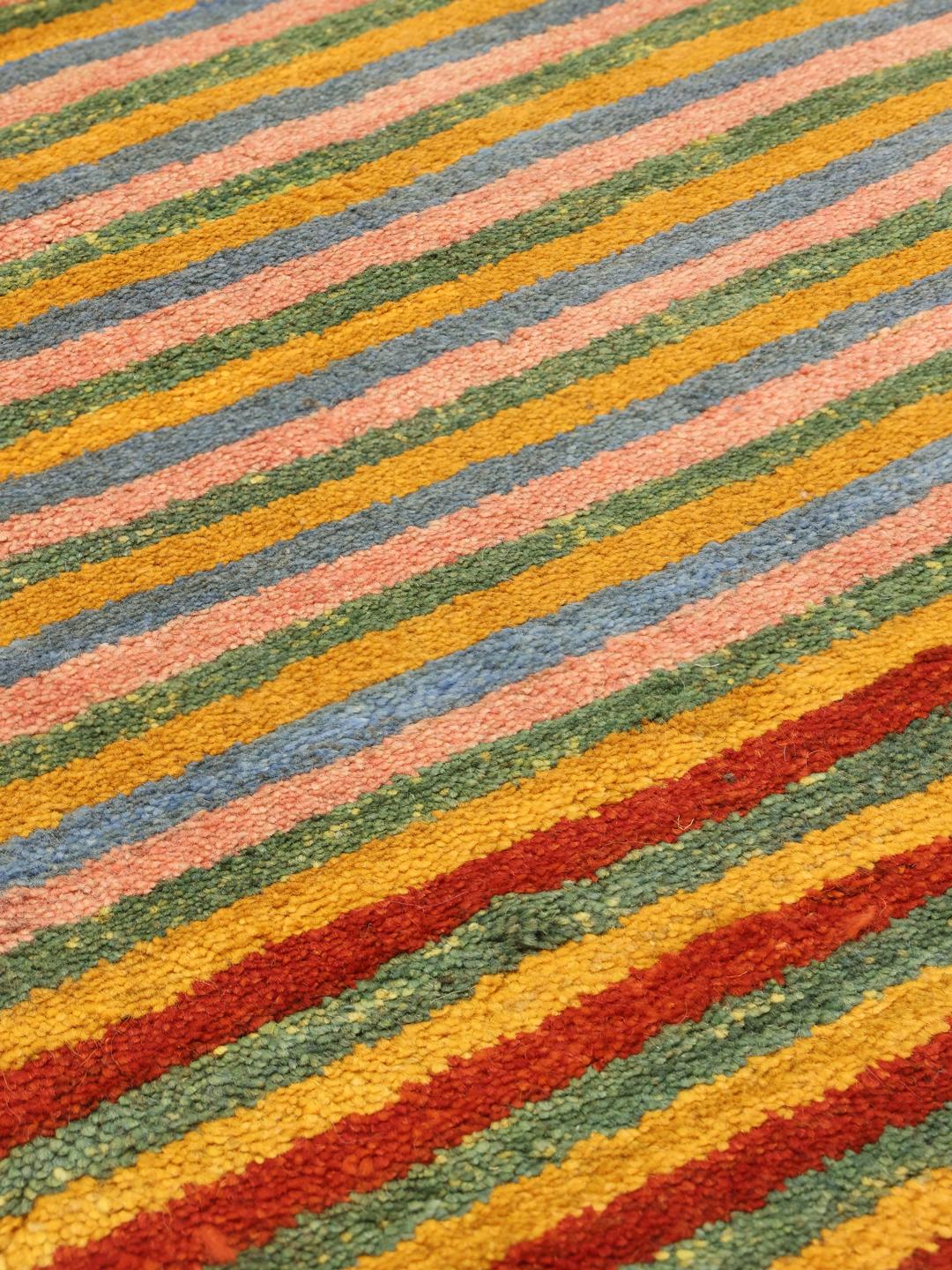
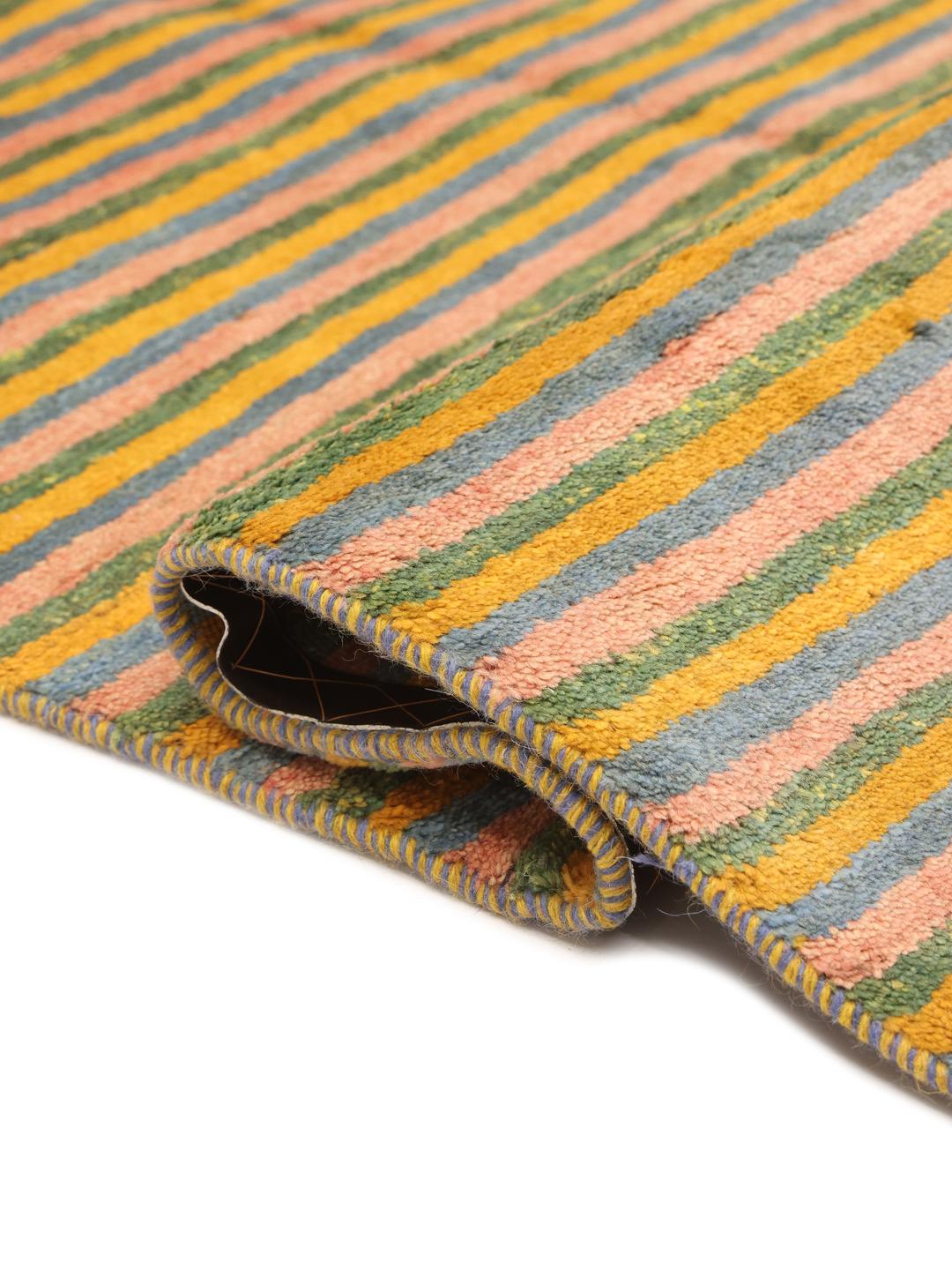
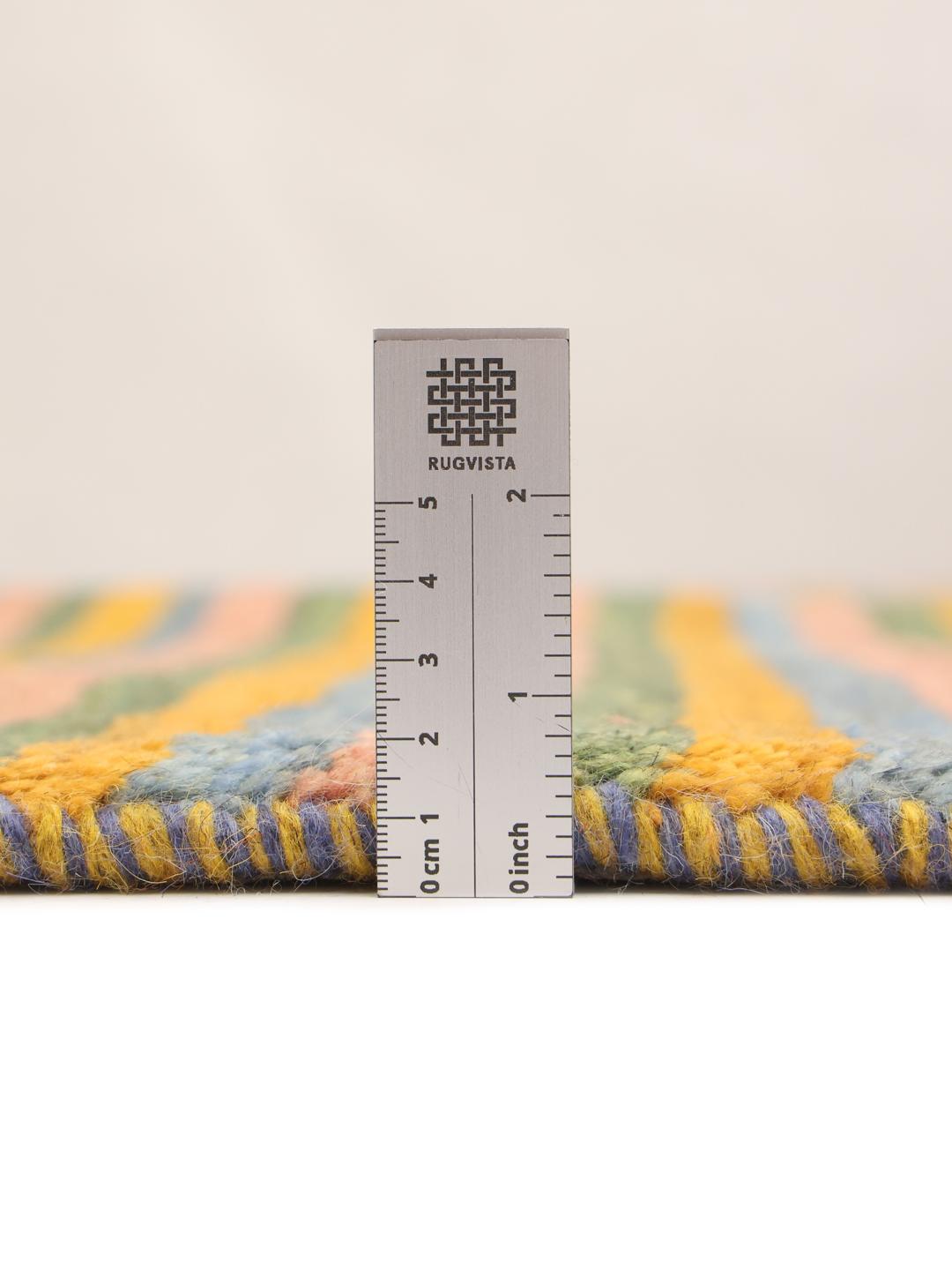
The term 'Gabbeh' itself refers to a style that is traditionally thicker and more abstract than other regional carpets. The weave is characterised by a lower knot density, which allows for a thicker, more luxurious pile that is incredibly soft to the touch. This construction method was perfect for the rugged, practical needs of nomadic life, providing insulation and comfort against the cold ground.
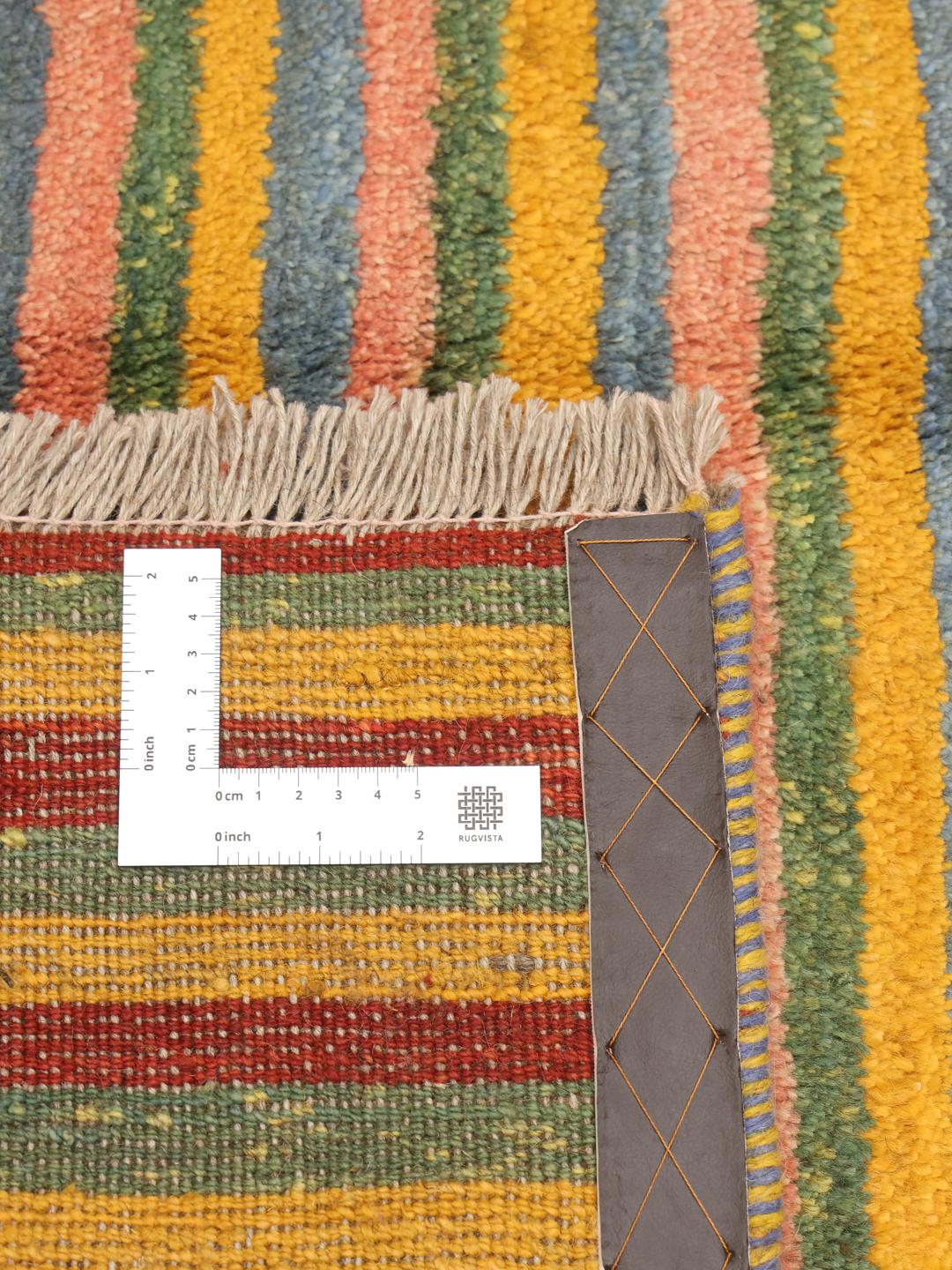
Visually, these rugs are known for their bold, artistic interpretations of nature and tribal motifs. While many classic styles feature rigid, symmetrical patterns, the Gabbeh style is celebrated for its more spontaneous and organic design language. The use of vibrant, natural dyes and large blocks of colour allows the wool to shine, creating a look that is both primitive and surprisingly contemporary.
Today, these rugs are highly sought after by collectors who value the authenticity and human element inherent in every piece. Owning a Gabbeh is an act of preserving a heritage of skill and creativity. These rugs serve as a bridge between the ancient traditions of the Middle East and modern interior design, offering a timeless aesthetic that brings warmth and a sense of history into any contemporary home.