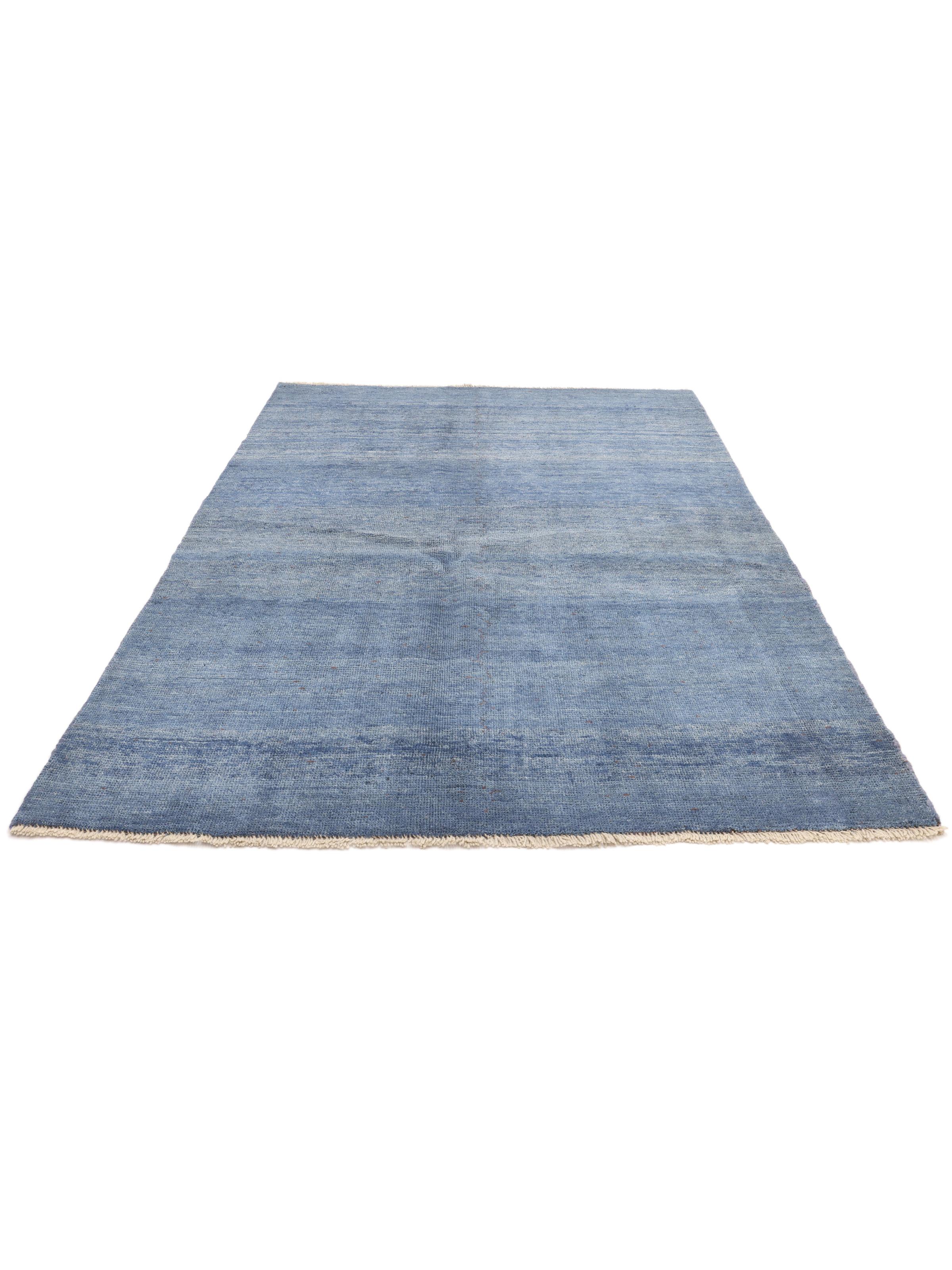
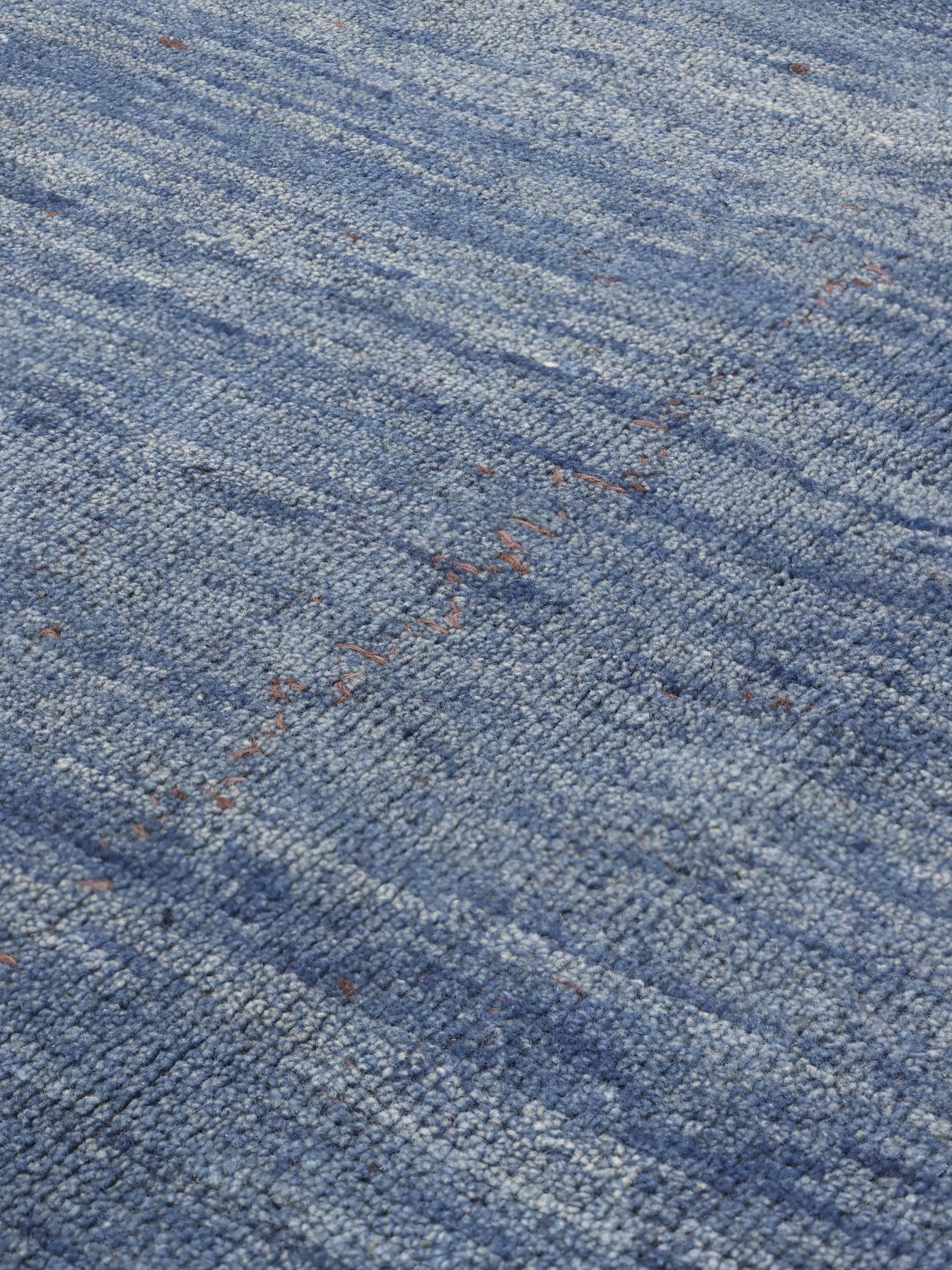
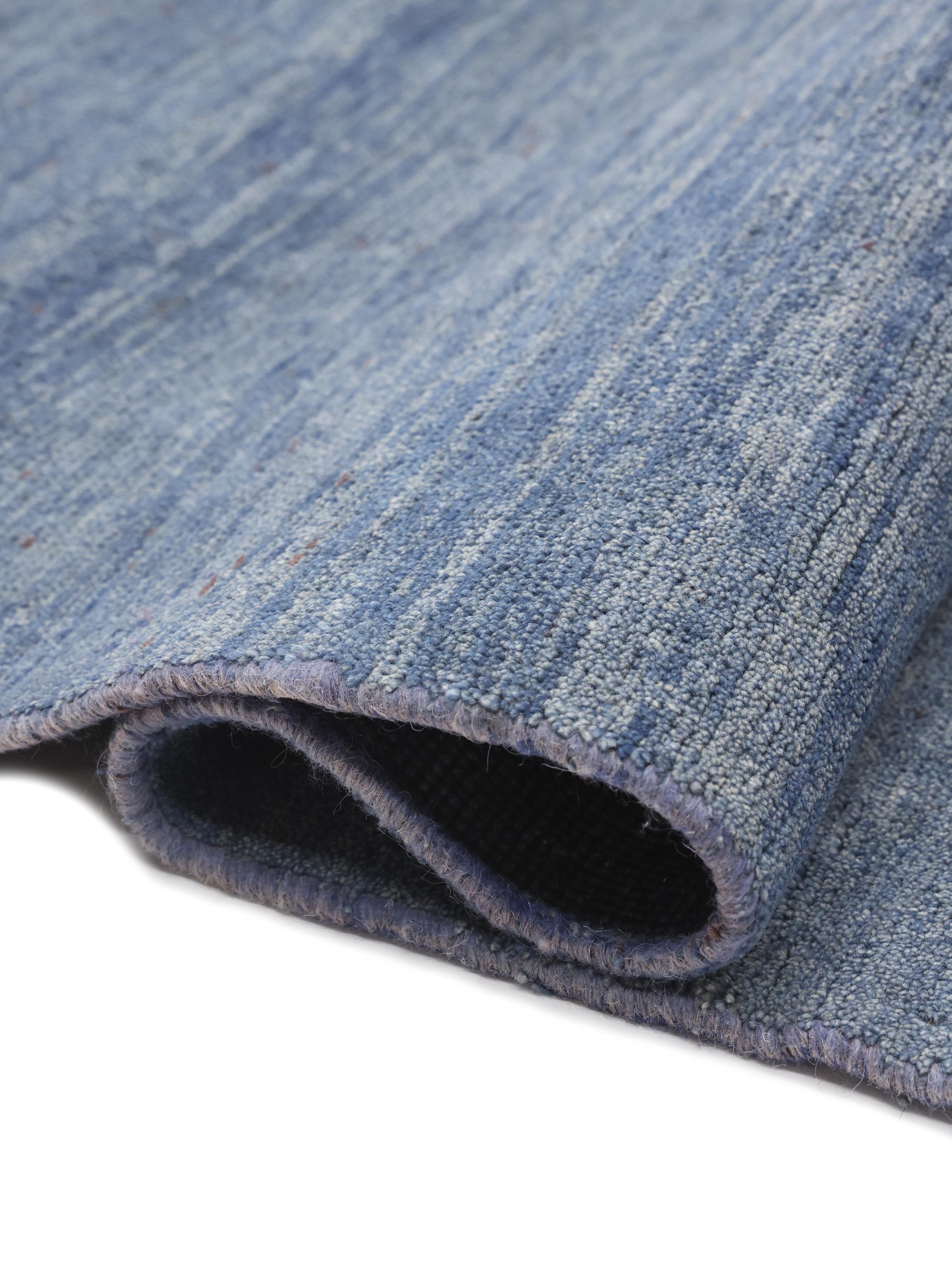
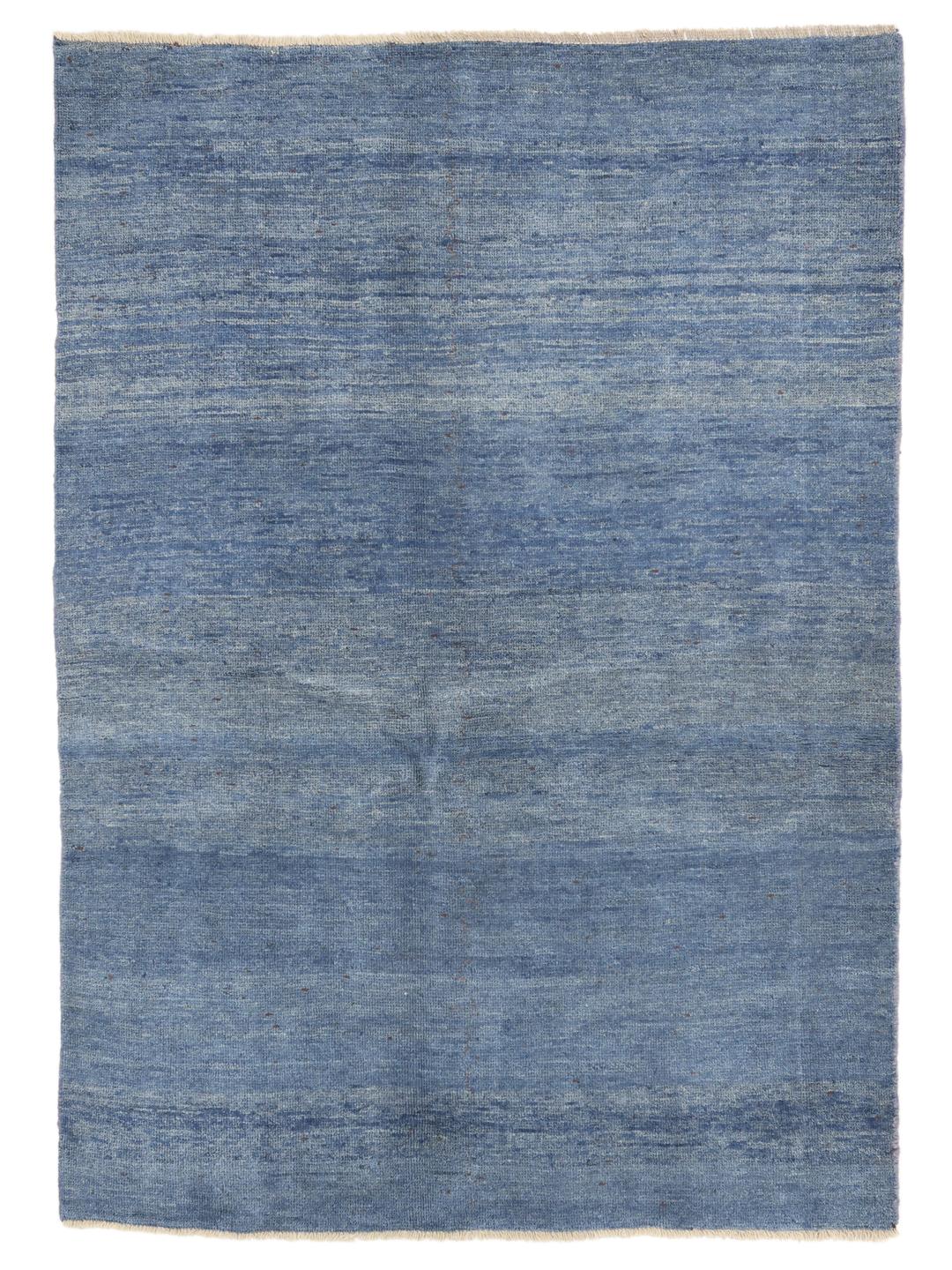
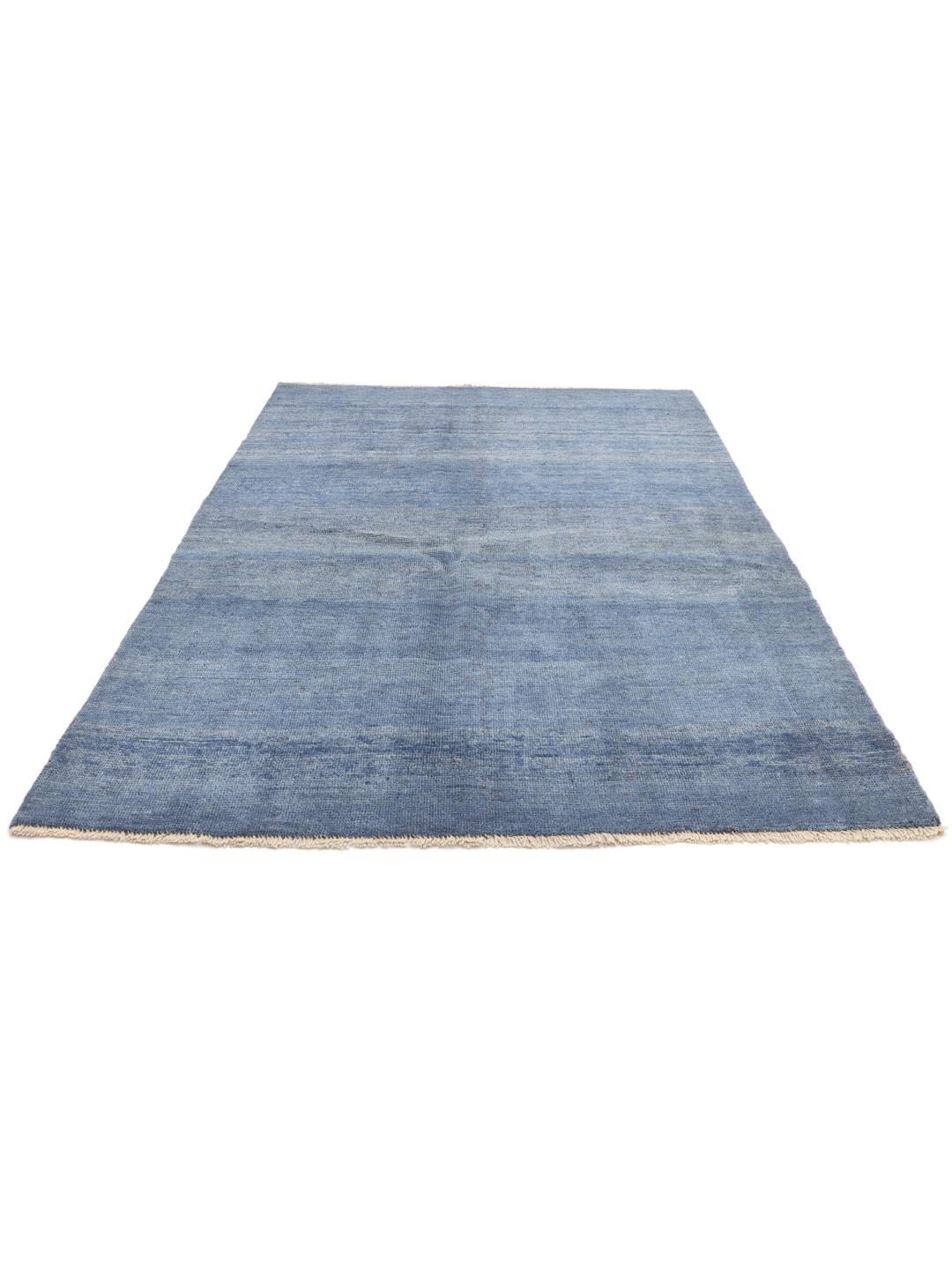
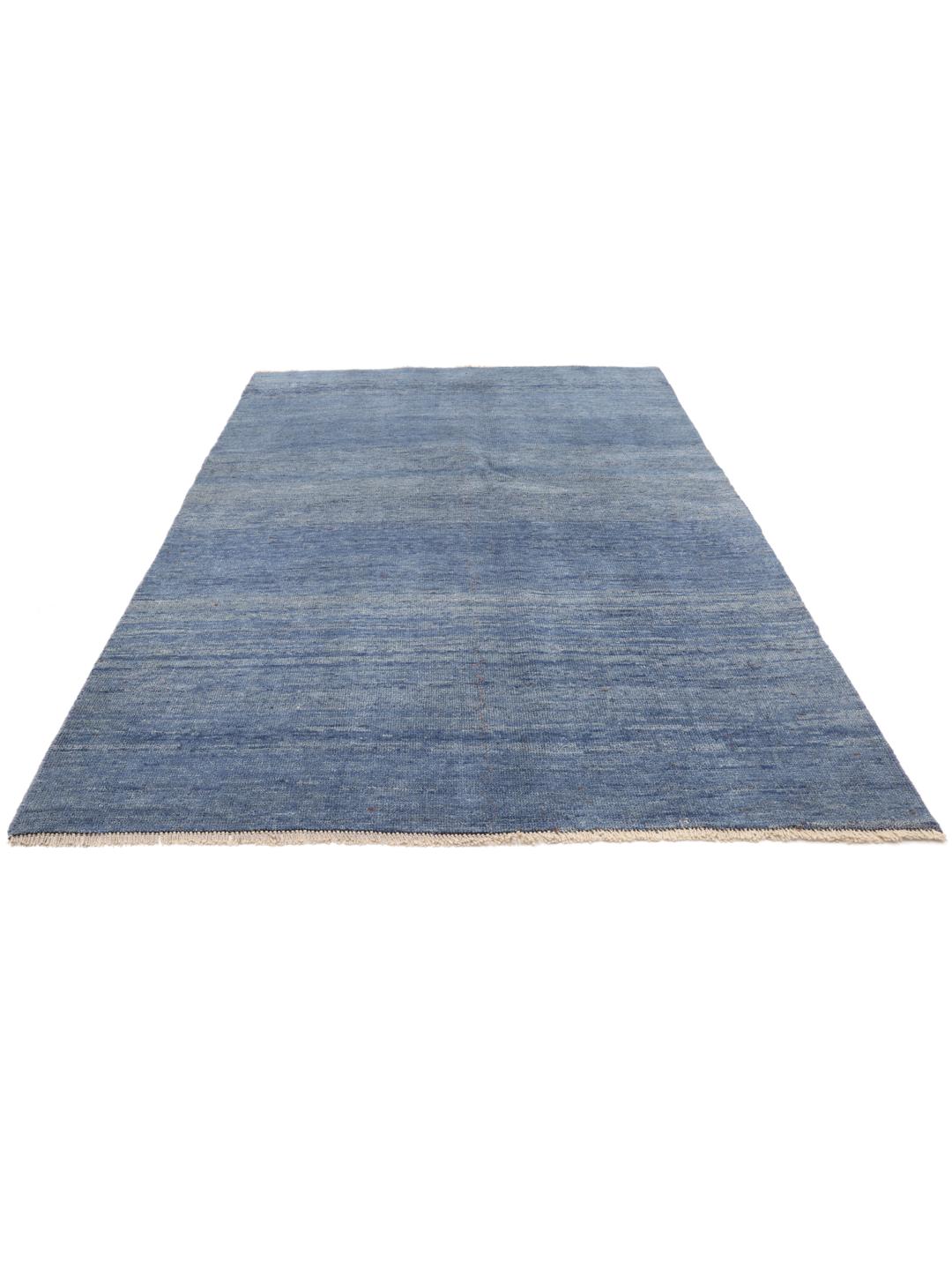
Gabbeh rugs have long been celebrated as the most expressive and artistic tradition from the Middle Eastern nomadic tribes. Historically, these rugs were woven by women for their own families, serving as practical, insulating floor coverings that were imbued with the personal stories and surroundings of the weavers themselves.
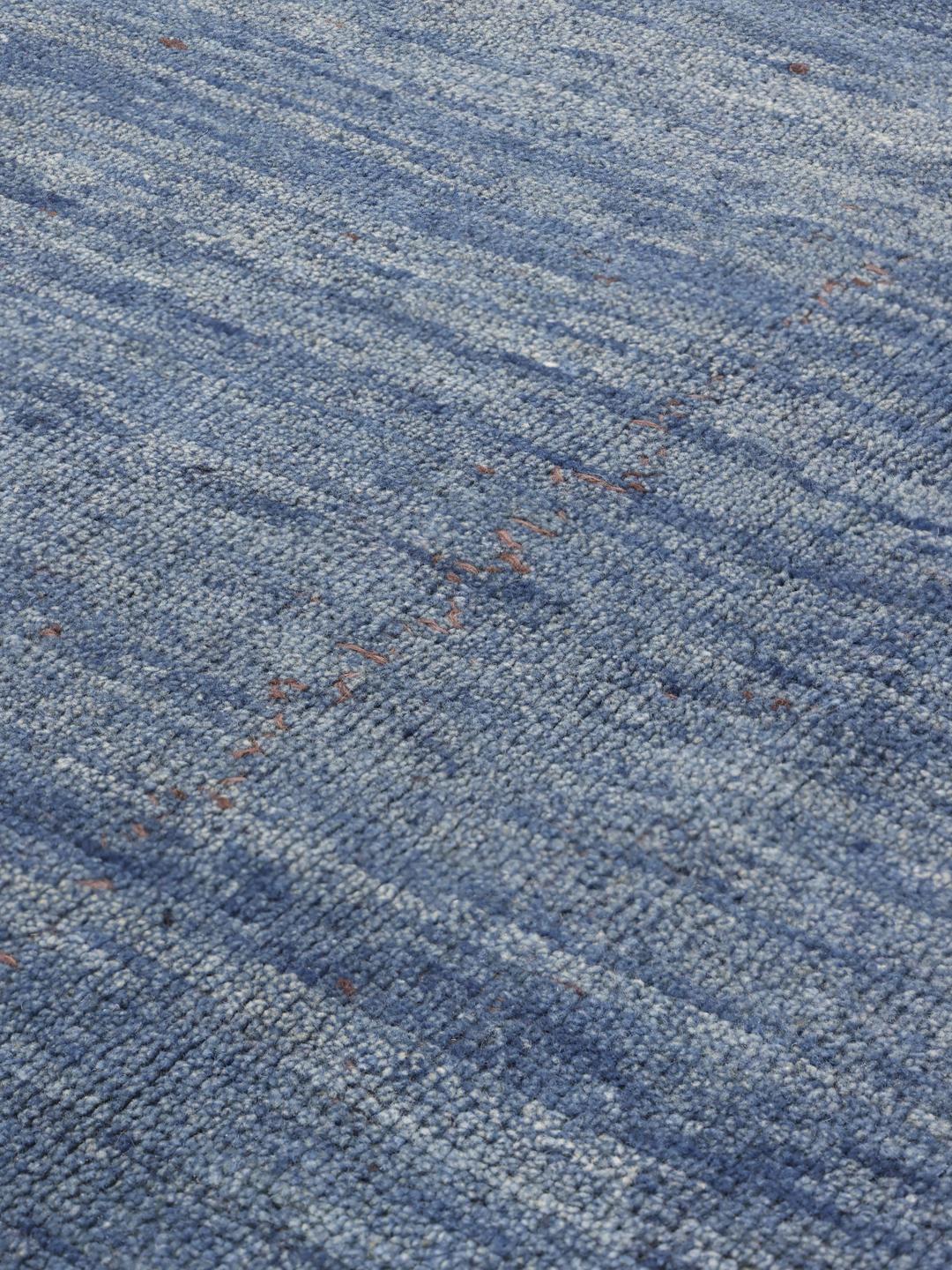
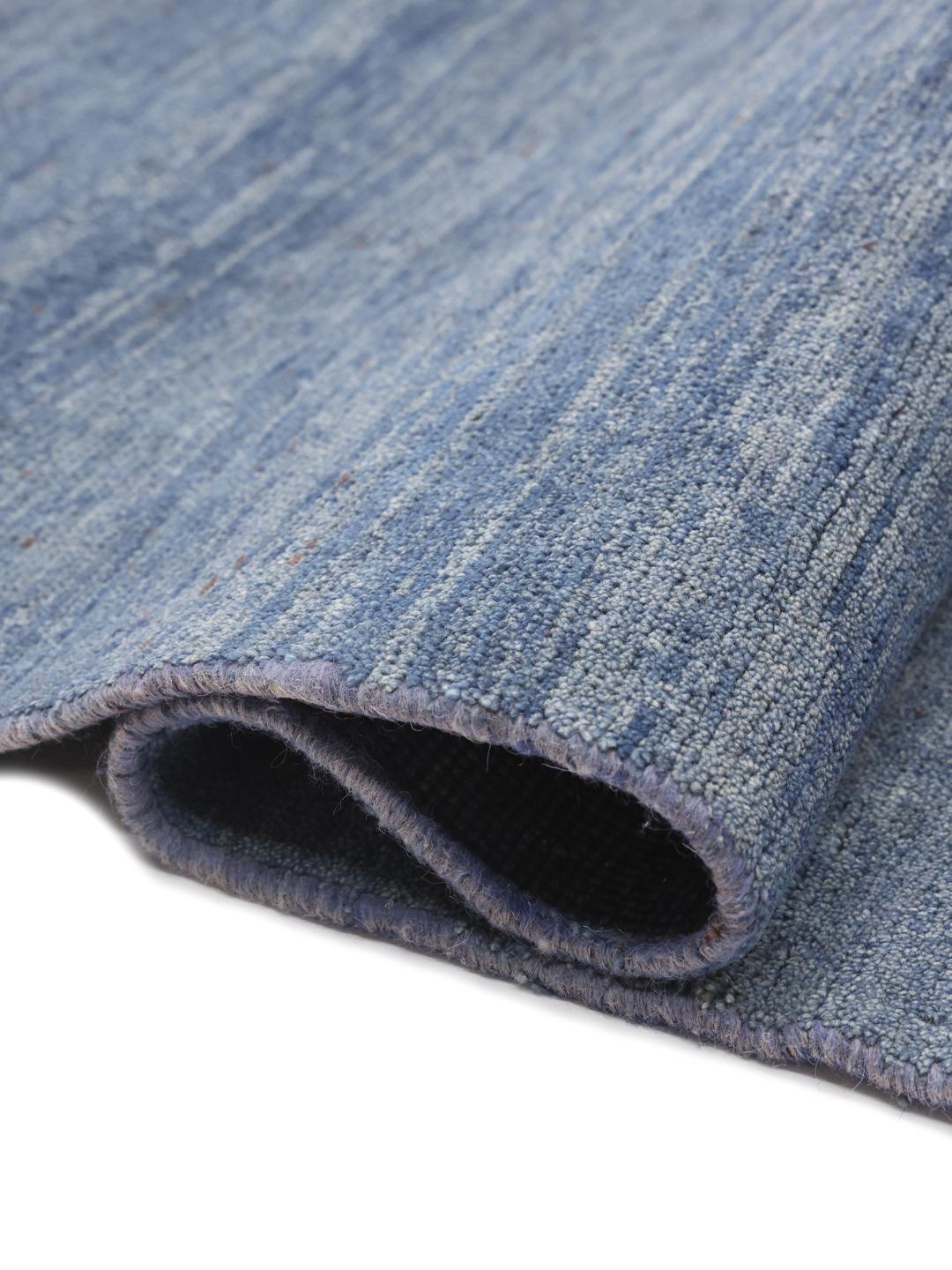
Unlike the highly formal and symmetrical patterns found in other regional traditions, the Gabbeh style is defined by its simplicity and minimalist aesthetic. The term itself is often translated as 'raw' or 'natural', reflecting the tradition of using unrefined, hand-spun wool that retains much of its natural lanolin, which contributes to the rug's famous softness and durability.
The visual language of a Gabbeh is rooted in the landscape and the imagination. You will often find fields of solid or subtly shifting colours, sometimes featuring small, stylized motifs that represent local flora, animals, or celestial bodies. The focus is almost always on the interplay of colour and the texture of the wool rather than complex, rigid geometry.
Today, these rugs are highly prized by collectors for their authentic, soulful quality. Owning a Gabbeh is more than just purchasing a floor covering; it is an opportunity to connect with a centuries-old tradition that values individual creativity and the preservation of ancient, manual craft skills in a modern world.