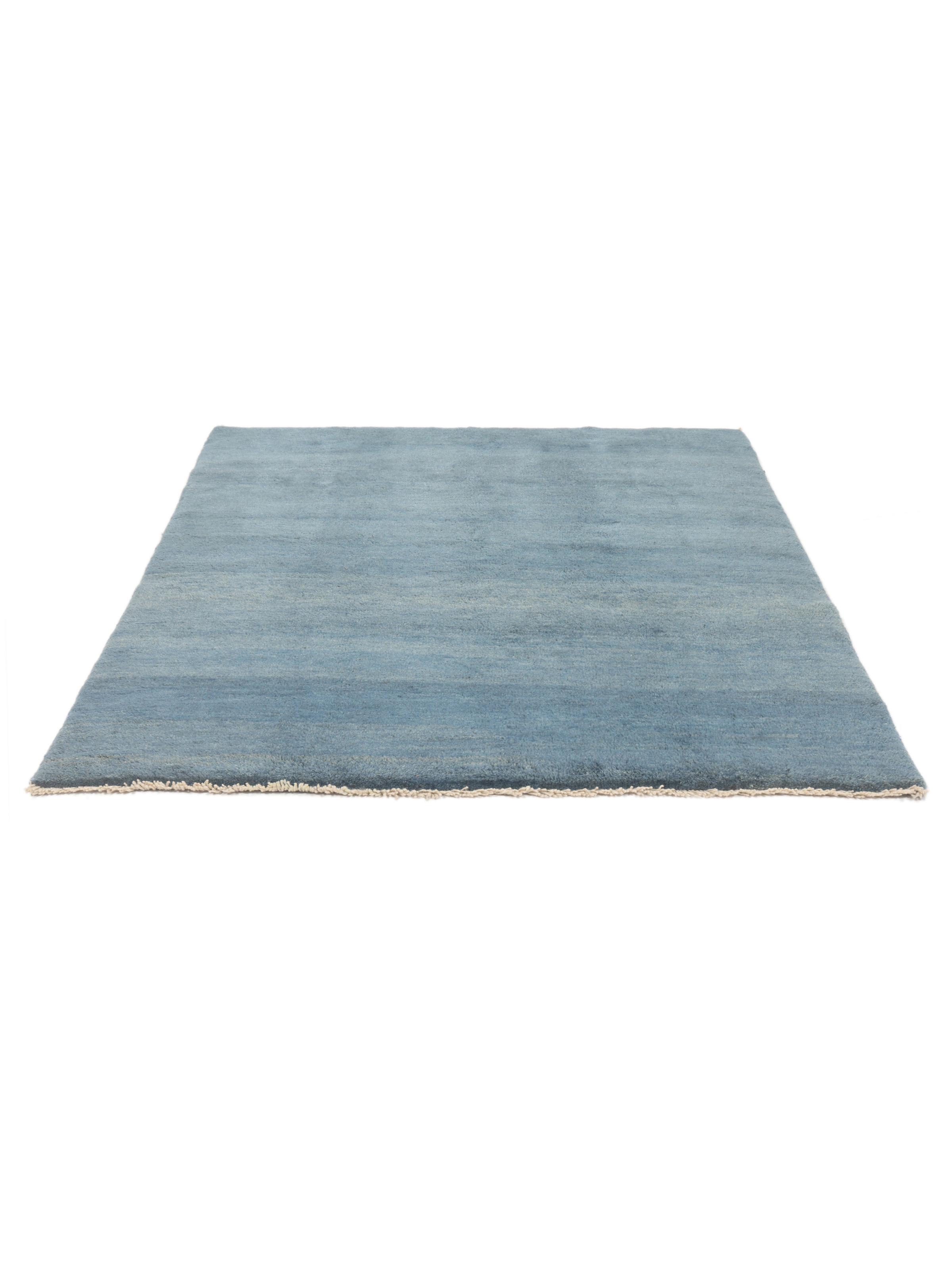
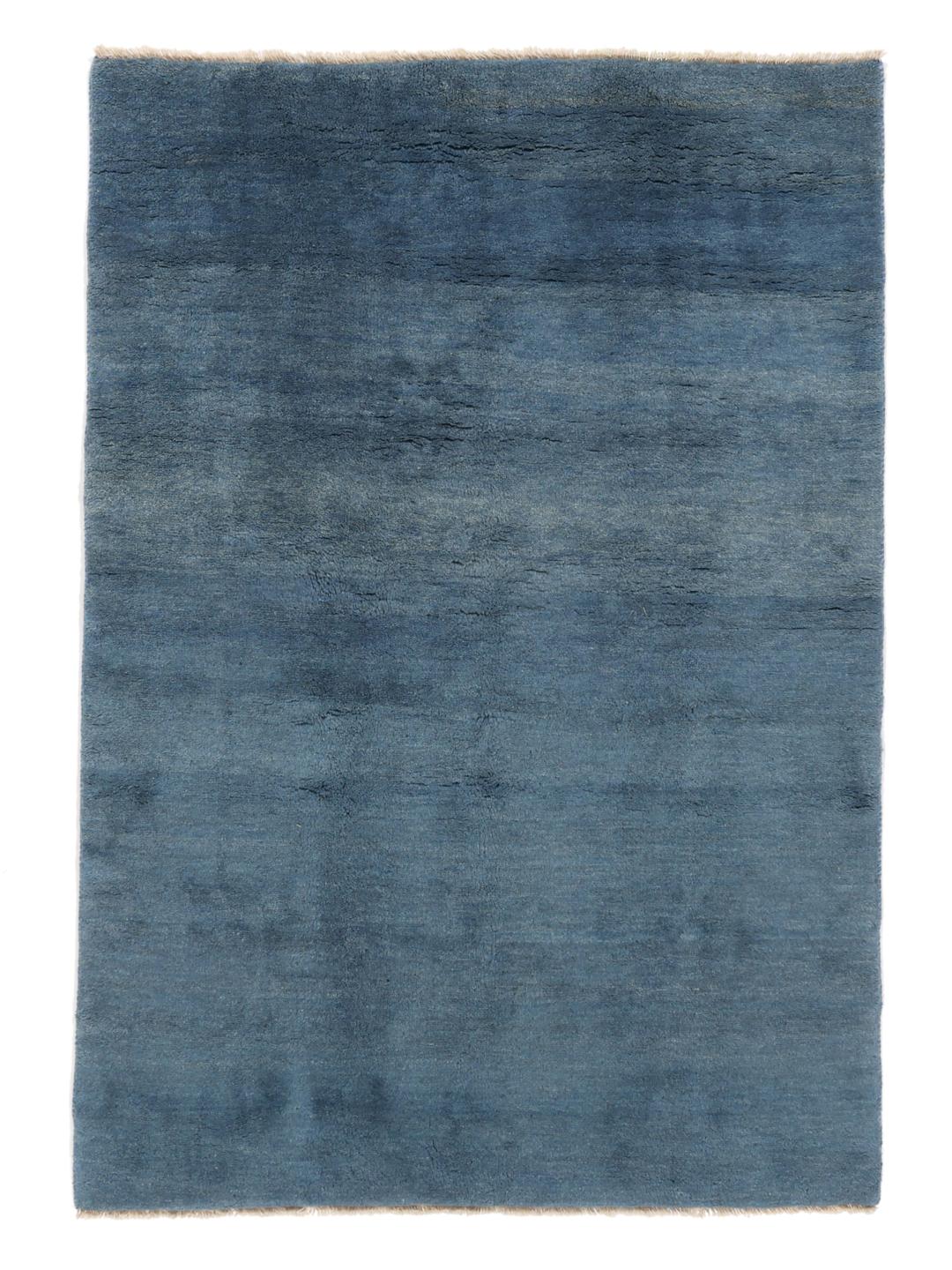
The Gabbeh rug tradition originates from the nomadic tribes of the Middle East, where weavers created these pieces primarily for personal use and protection against the harsh elements. Unlike the more formal, courtly rugs of the region, the Gabbeh was designed to be a practical, heavy, and warm floor covering for tents, reflecting the rugged lifestyle and creativity of the weavers.
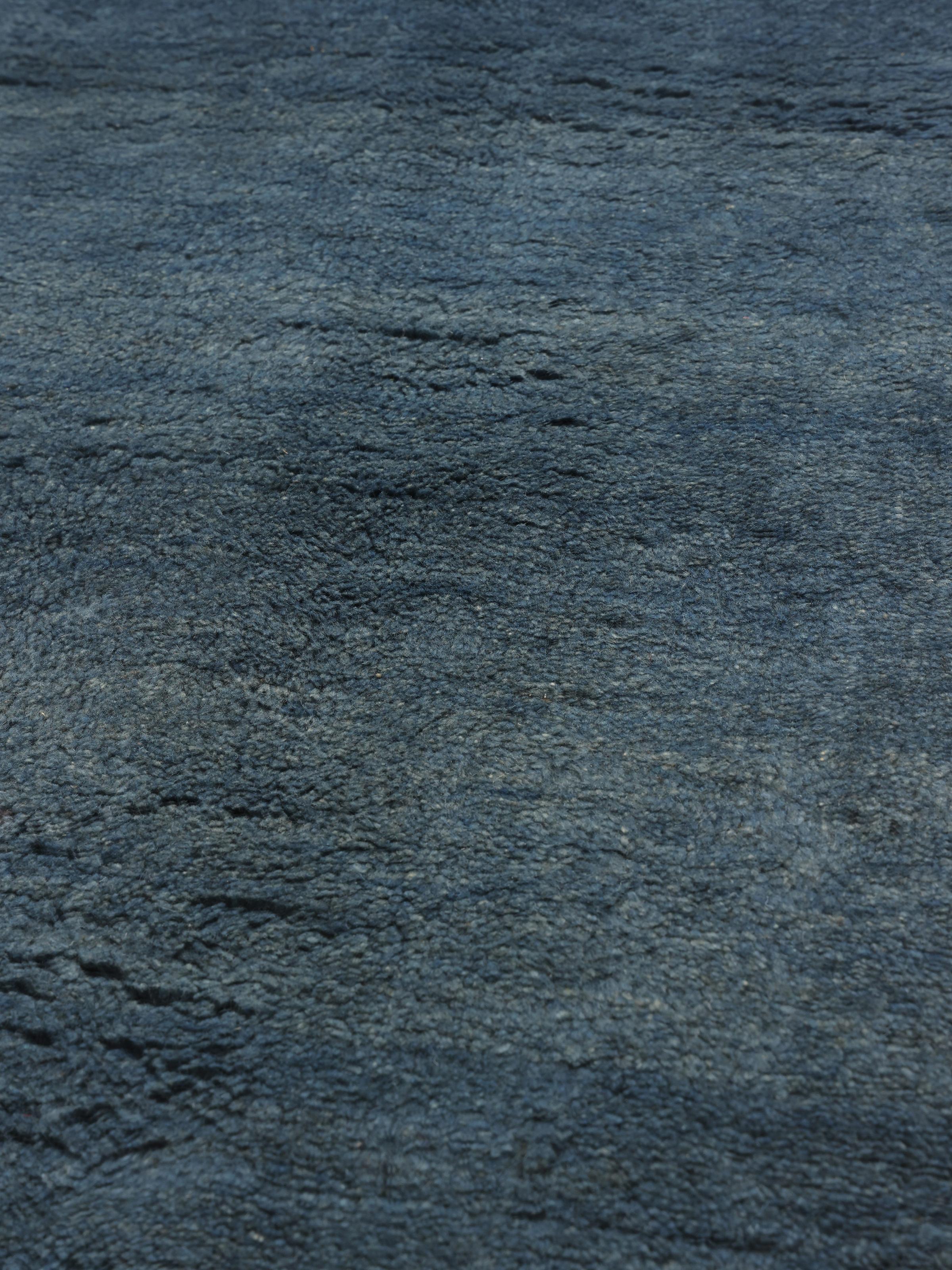
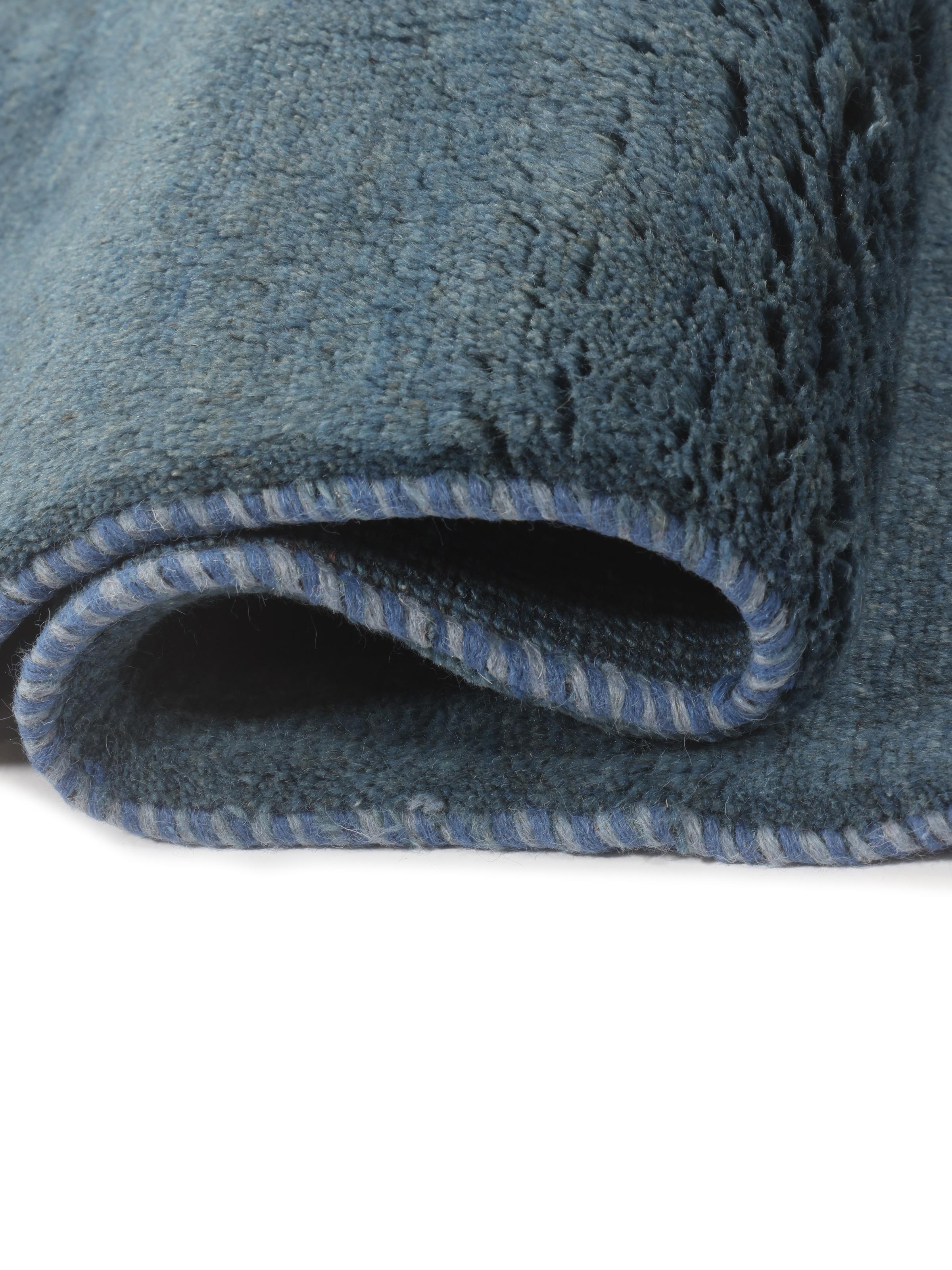
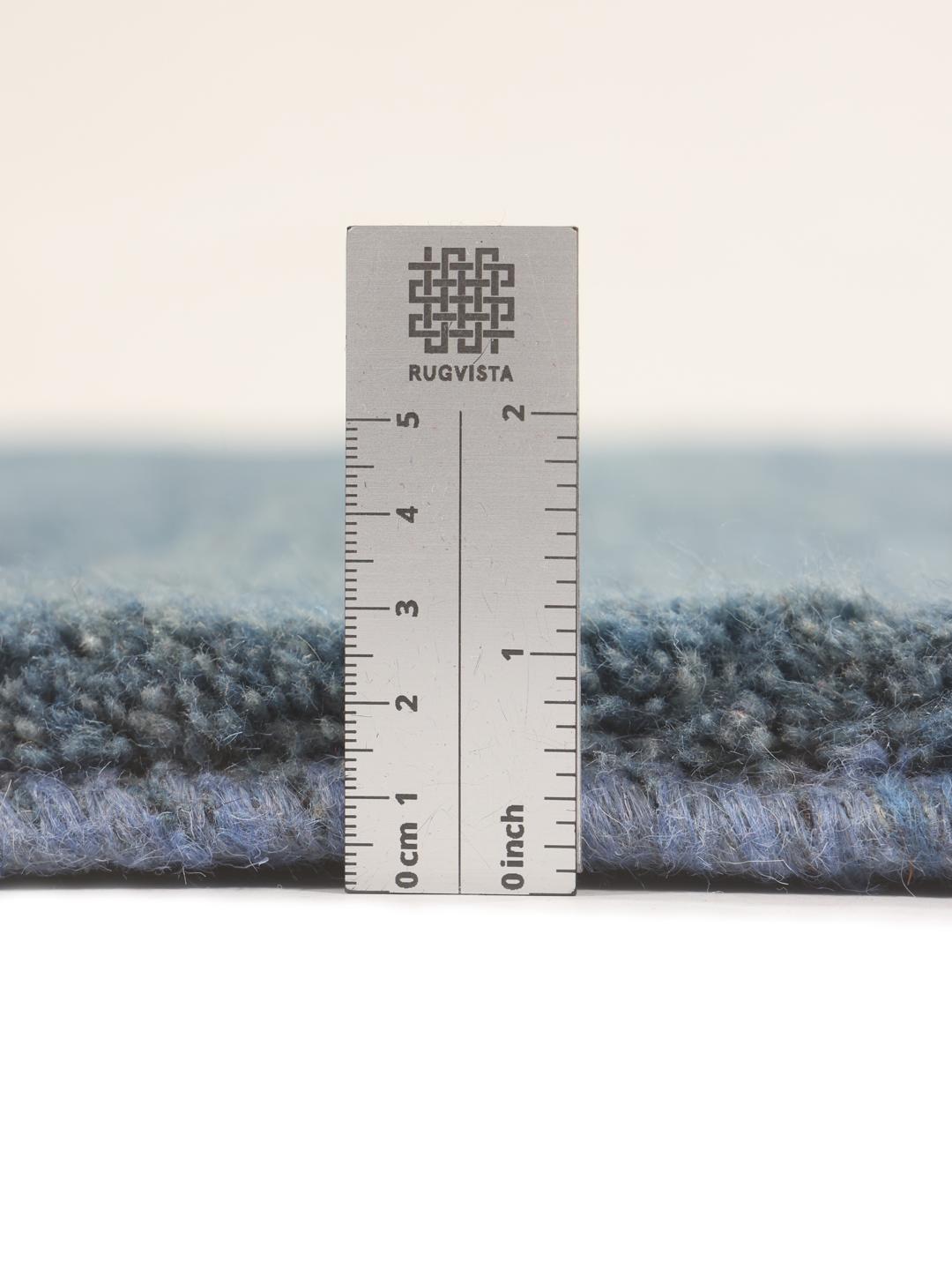
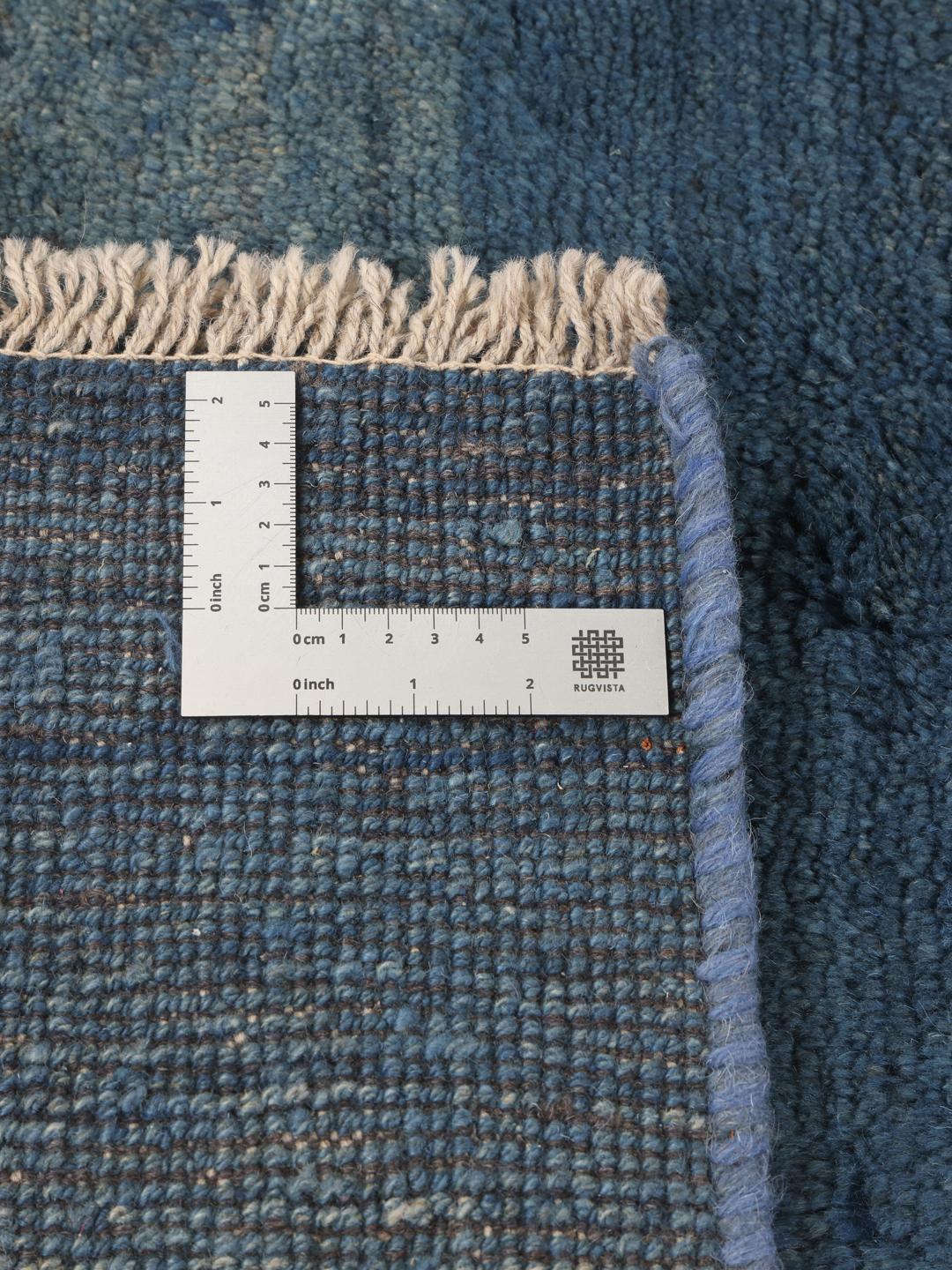
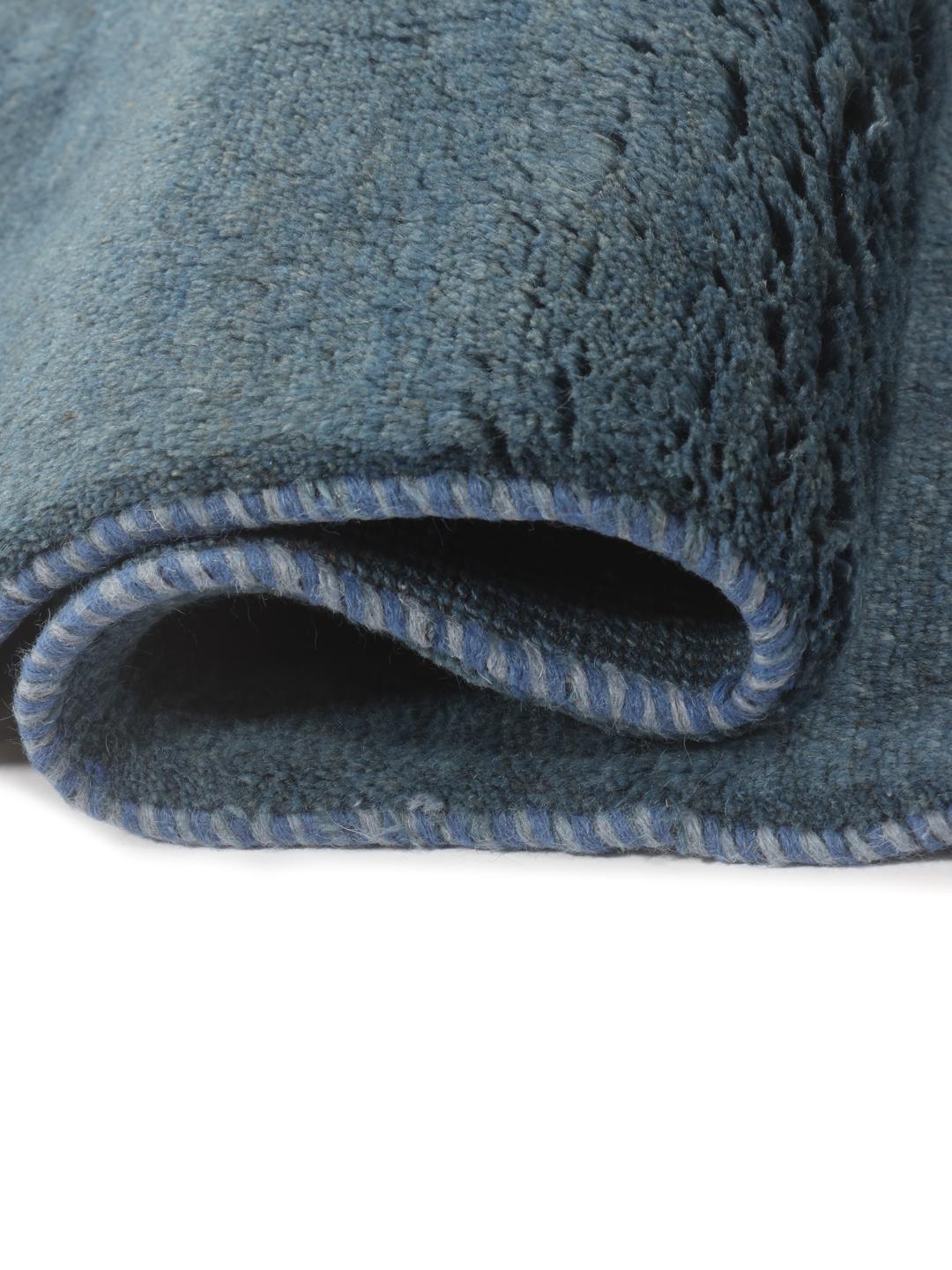
The term Gabbeh itself implies something raw, natural, or unclipped, which speaks to the thicker pile and less intricate knotting compared to refined urban carpets. This traditional approach prioritises the quality of the wool and the depth of the colour, allowing the natural character of the fibre to shine. The result is a piece that feels both grounded and incredibly durable, designed to withstand the wear of a nomadic life.
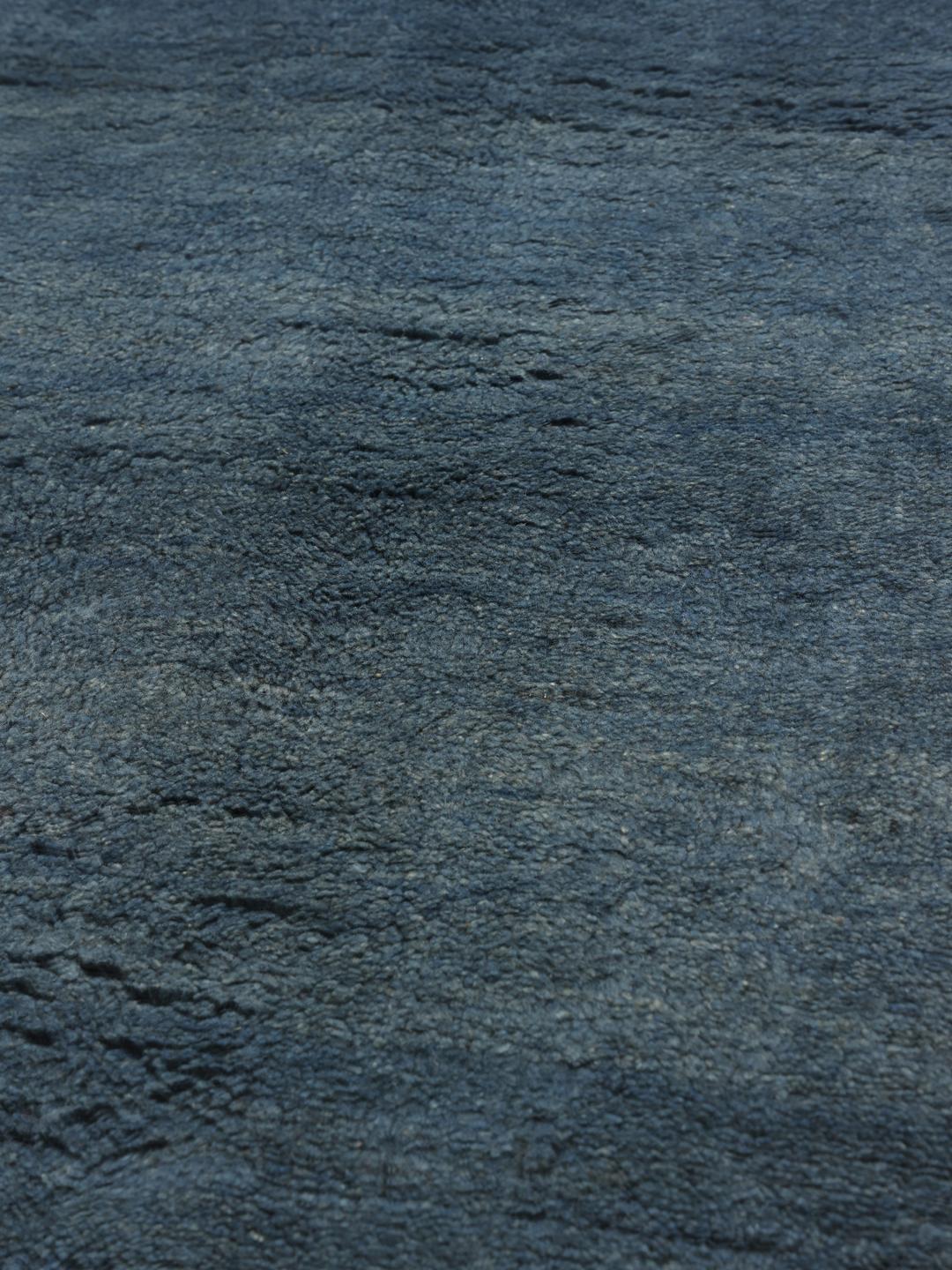
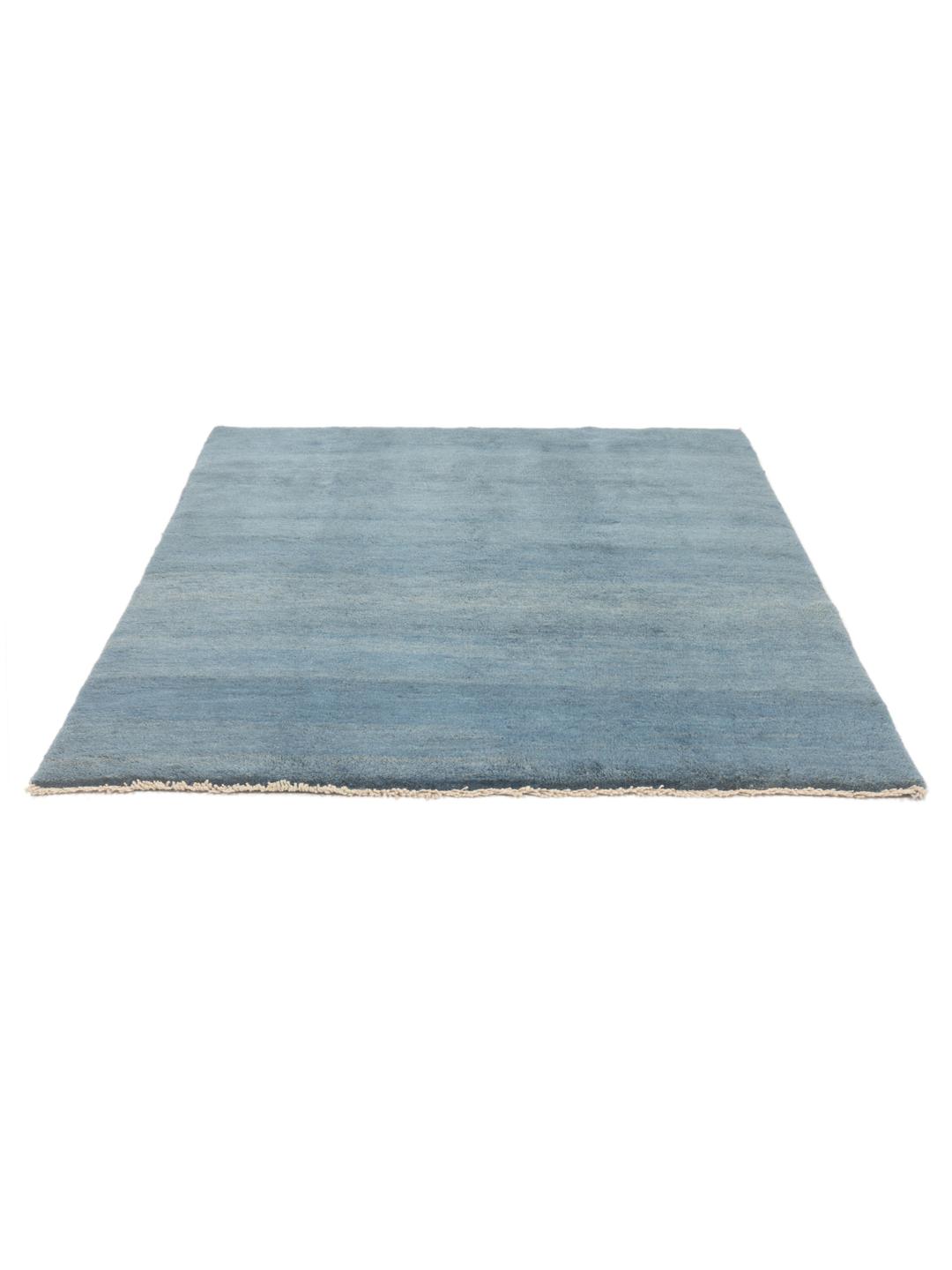
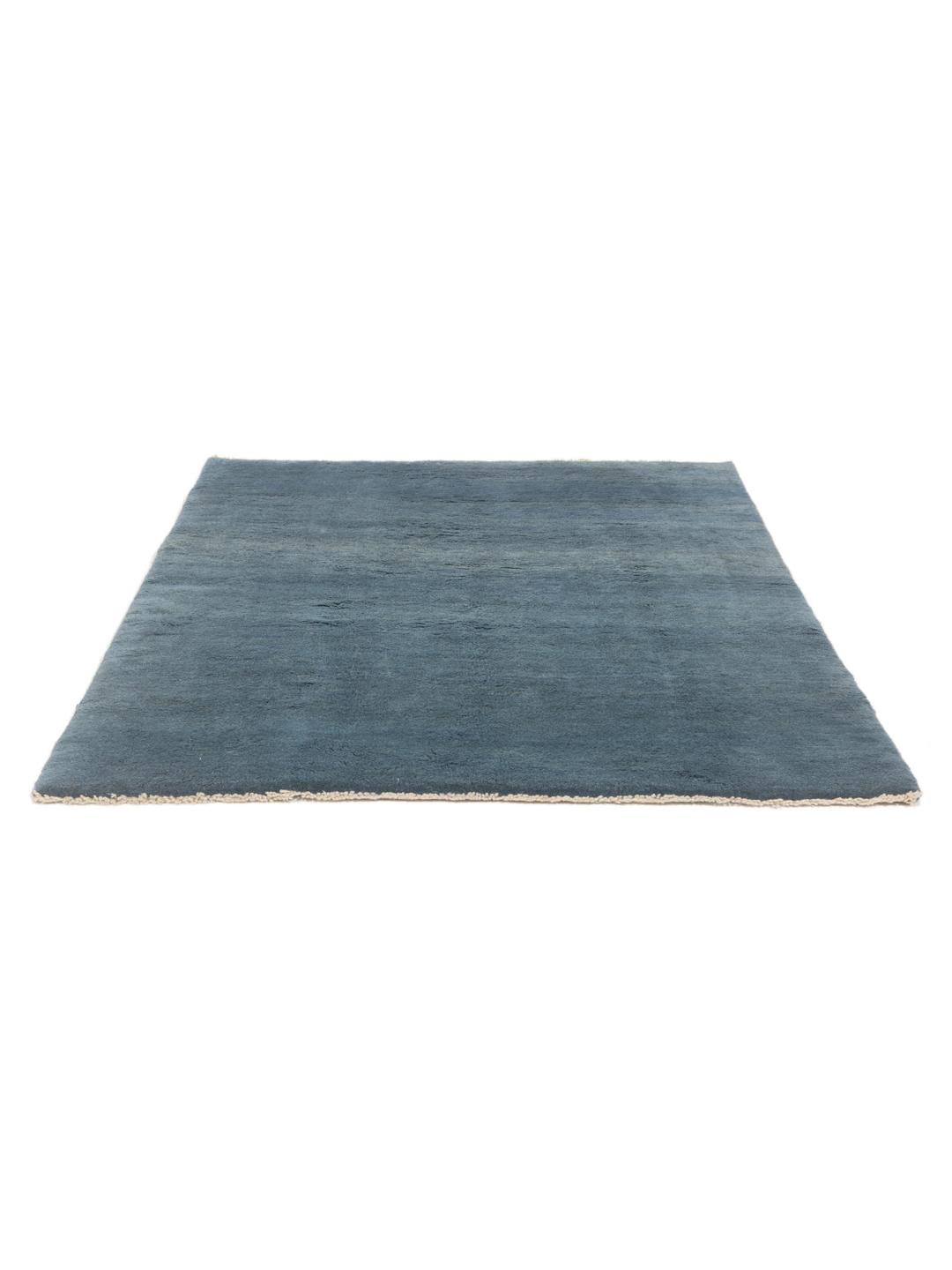
Visually, these rugs are often defined by their minimalist and artistic approach to colour and form. While they can feature geometric motifs, the most prized examples are those that focus on solid or subtly shifting fields of colour, as seen in this piece. This aesthetic choice highlights the beauty of the wool and the variations inherent in the natural dyeing process, making every rug a canvas of deep, evocative hues.
Today, these rugs are highly valued by collectors who appreciate the blend of historical function and modern artistic sensibility. Owning a piece from this tradition is an invitation to bring a piece of nomadic history into your home. It represents a connection to a way of life that values individual skill, patience, and the honest beauty of materials crafted by hand.