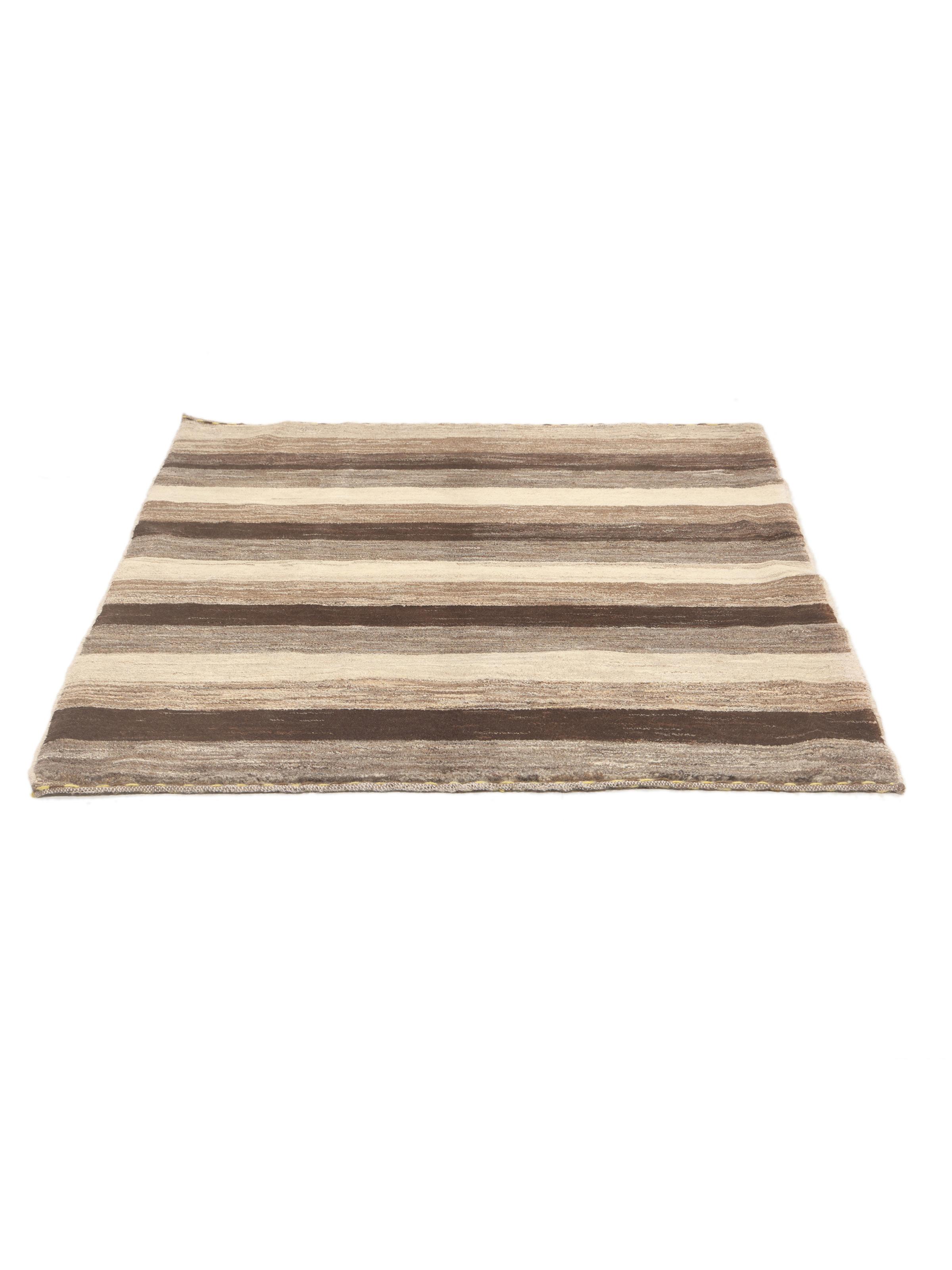
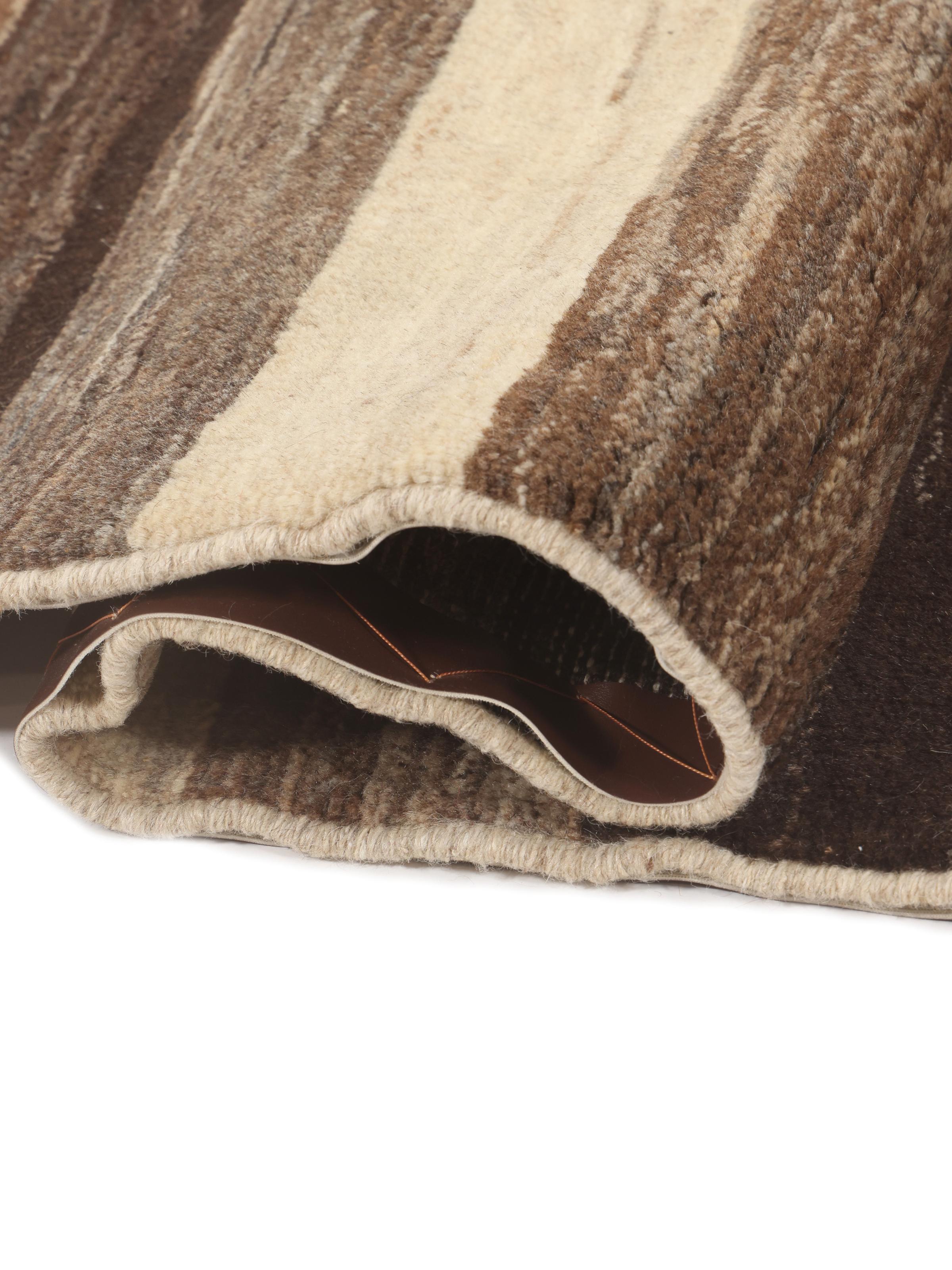
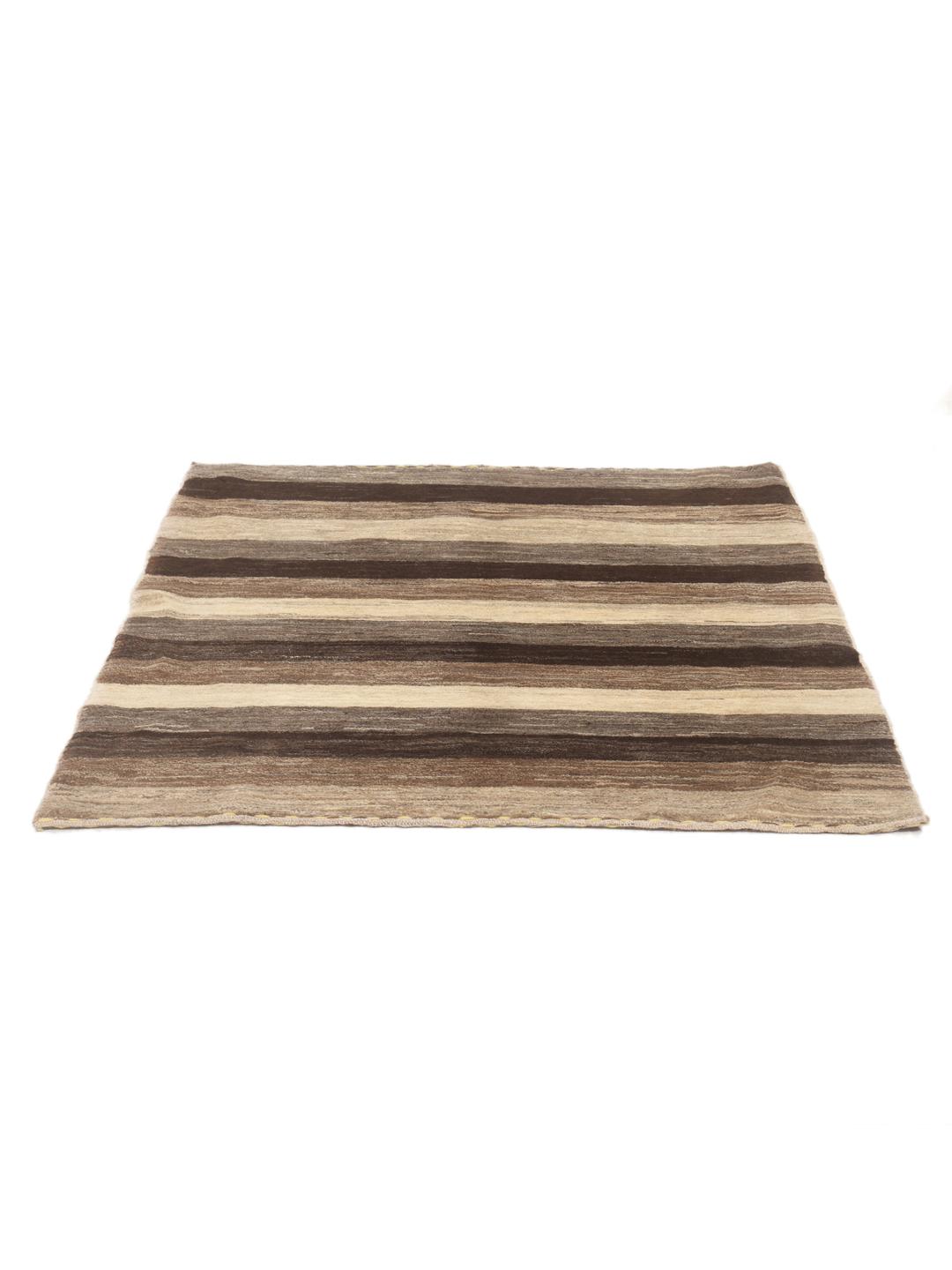
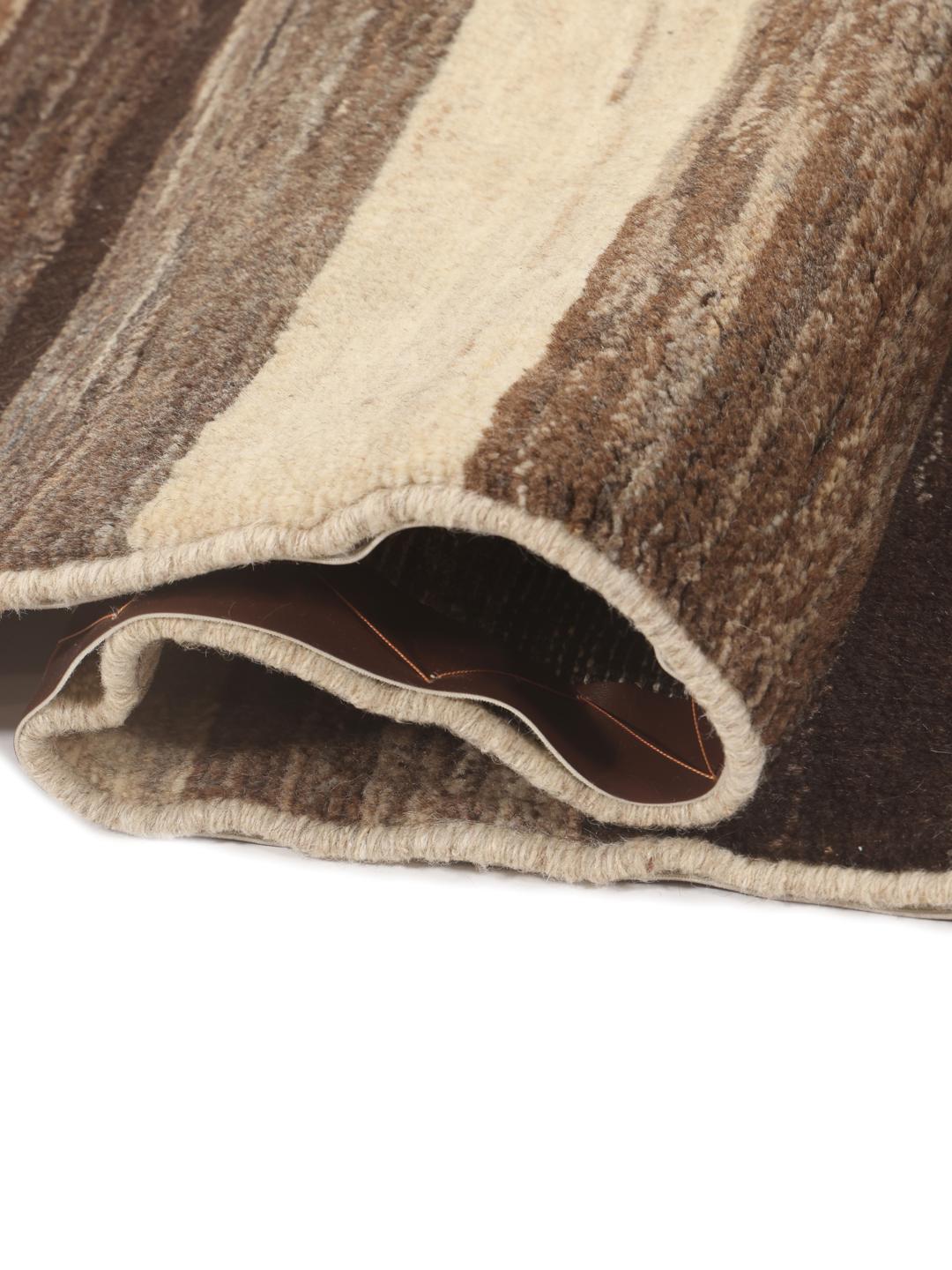
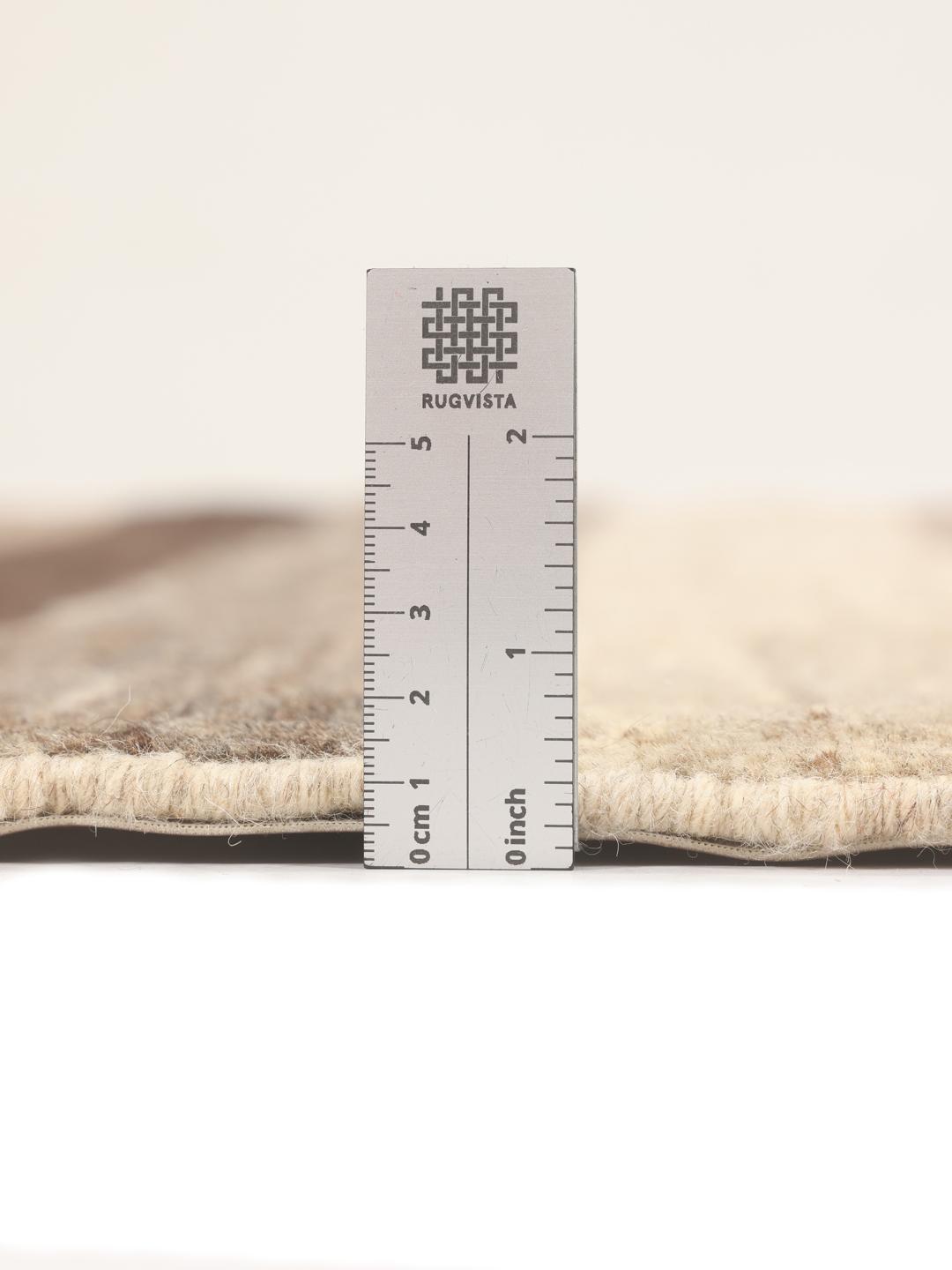
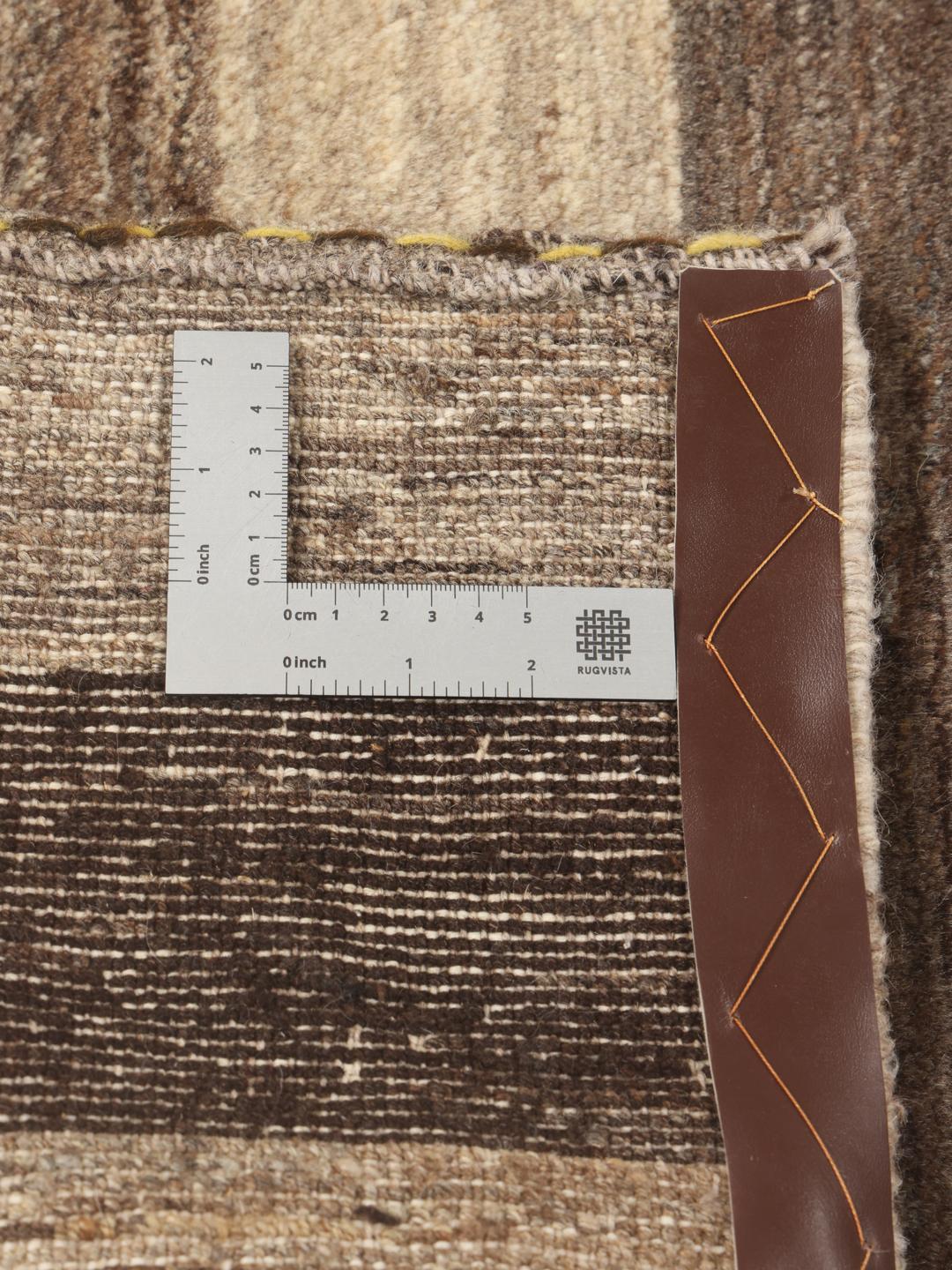
The Gabbeh rug finds its roots in the nomadic traditions of the Middle East, where weavers historically created these pieces for their own personal use. Unlike formal carpets, these rugs were designed for comfort, serving as warm bedding or floor coverings in harsh climates, which is why they are often characterised by a thicker, softer pile.
The term 'Gabbeh' itself translates to 'raw' or 'natural,' reflecting the minimalist, unpretentious aesthetic that defines this category. These rugs are often woven with a focus on simplicity, allowing the natural quality of the wool and the depth of the dye to take centre stage rather than overly complex or rigid patterns.
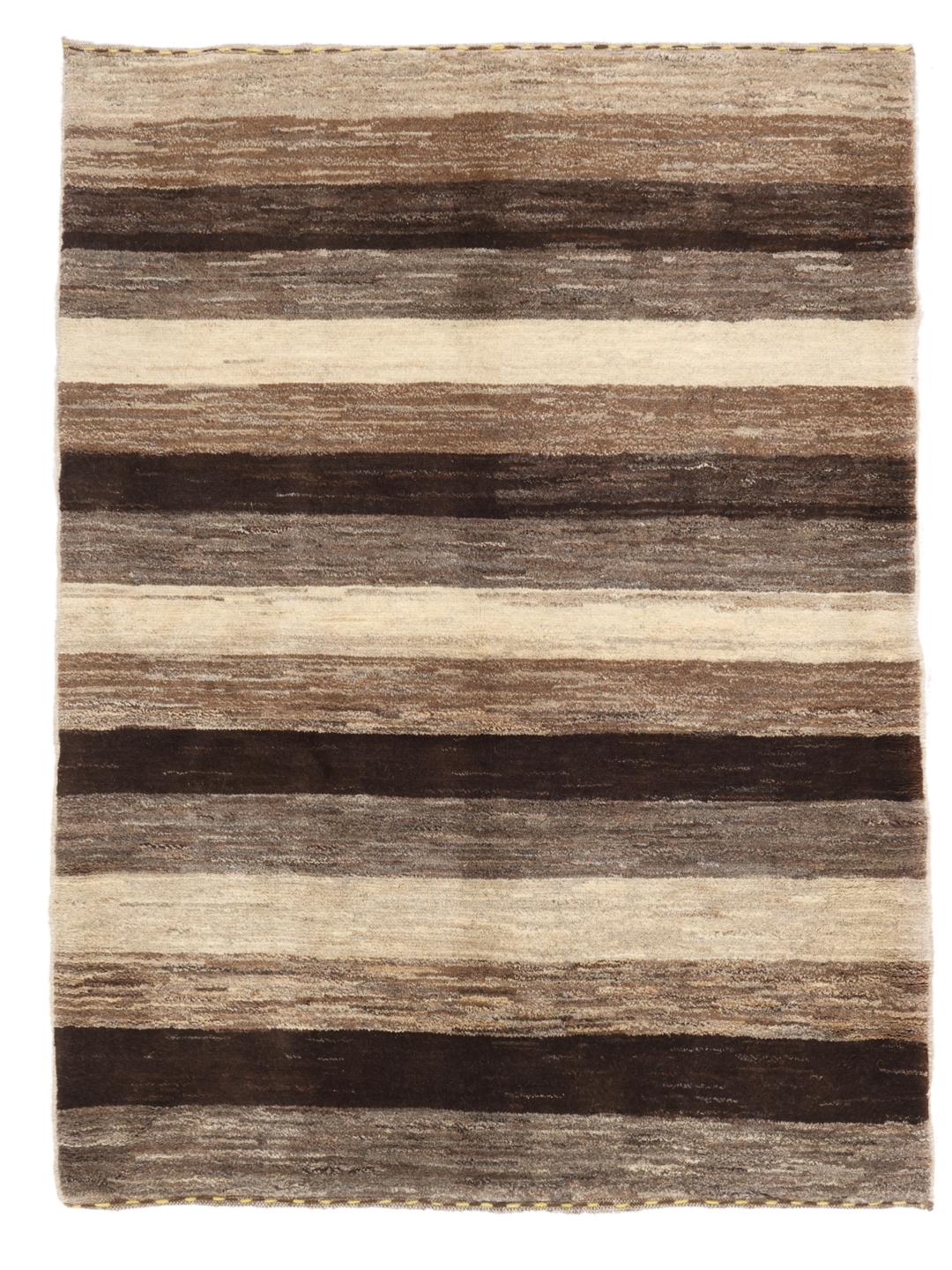
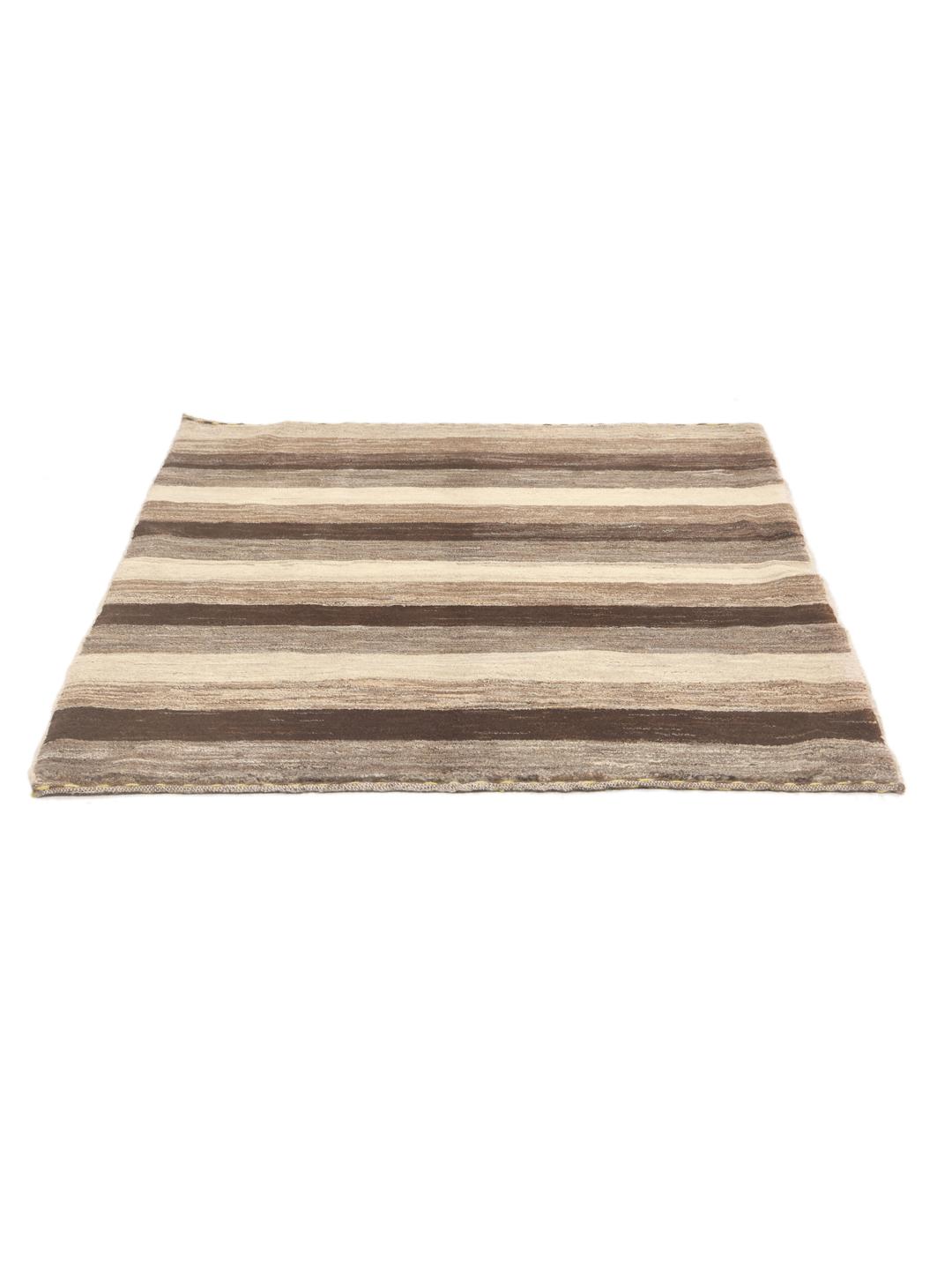
Visually, these rugs are known for their bold, often abstract or geometric motifs, though they are just as frequently celebrated for their solid or subtly striped fields. The use of natural, earth-toned dyes remains a hallmark of the tradition, resulting in a colour palette that feels organic and connected to the landscape from which these rugs emerge.
Today, these rugs are highly prized by collectors for their authenticity and the human story woven into every thread. Owning a piece from this tradition is an investment in a craft that has survived for centuries, representing a bridge between ancient nomadic life and the modern, comfortable home.