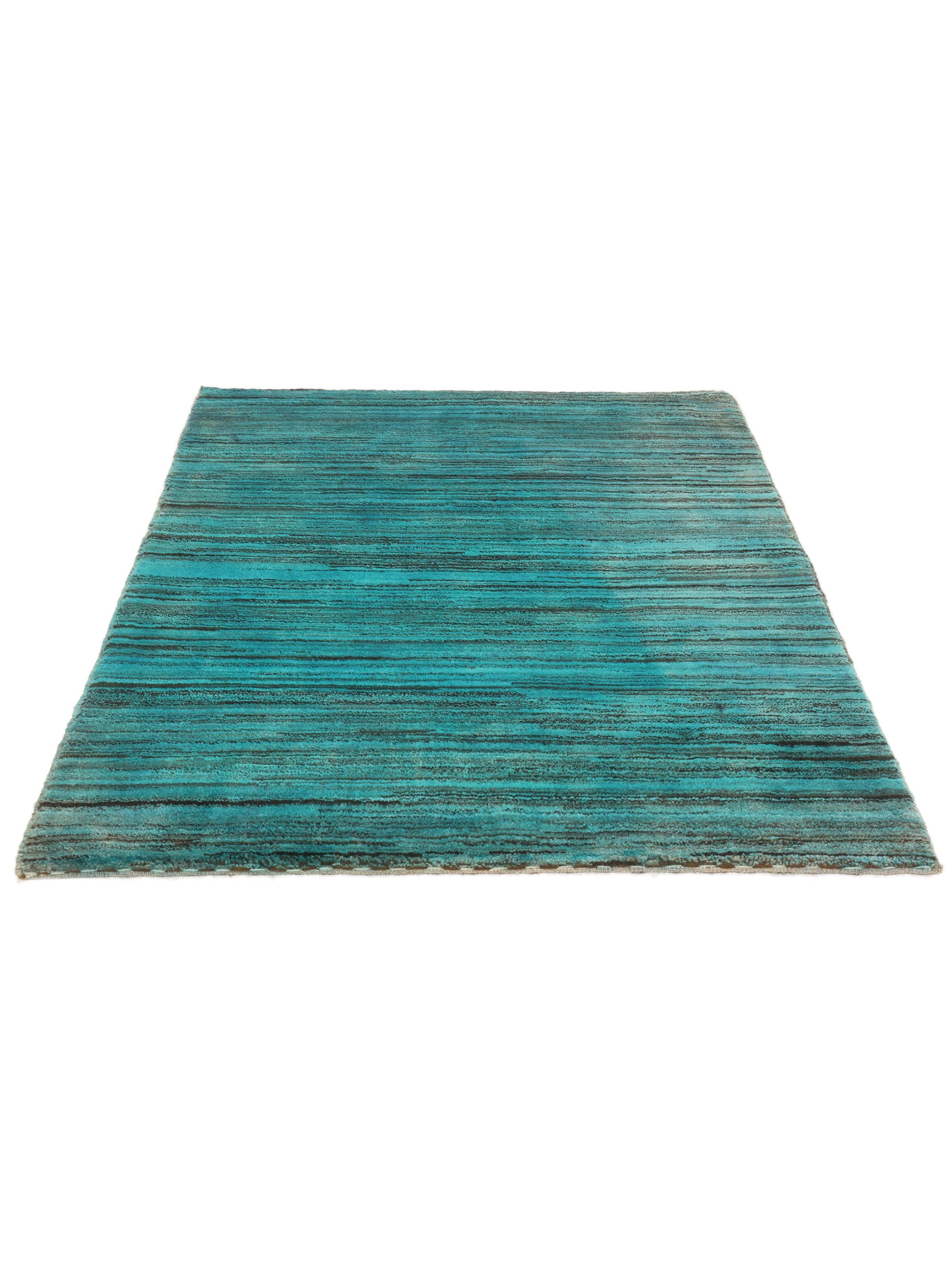
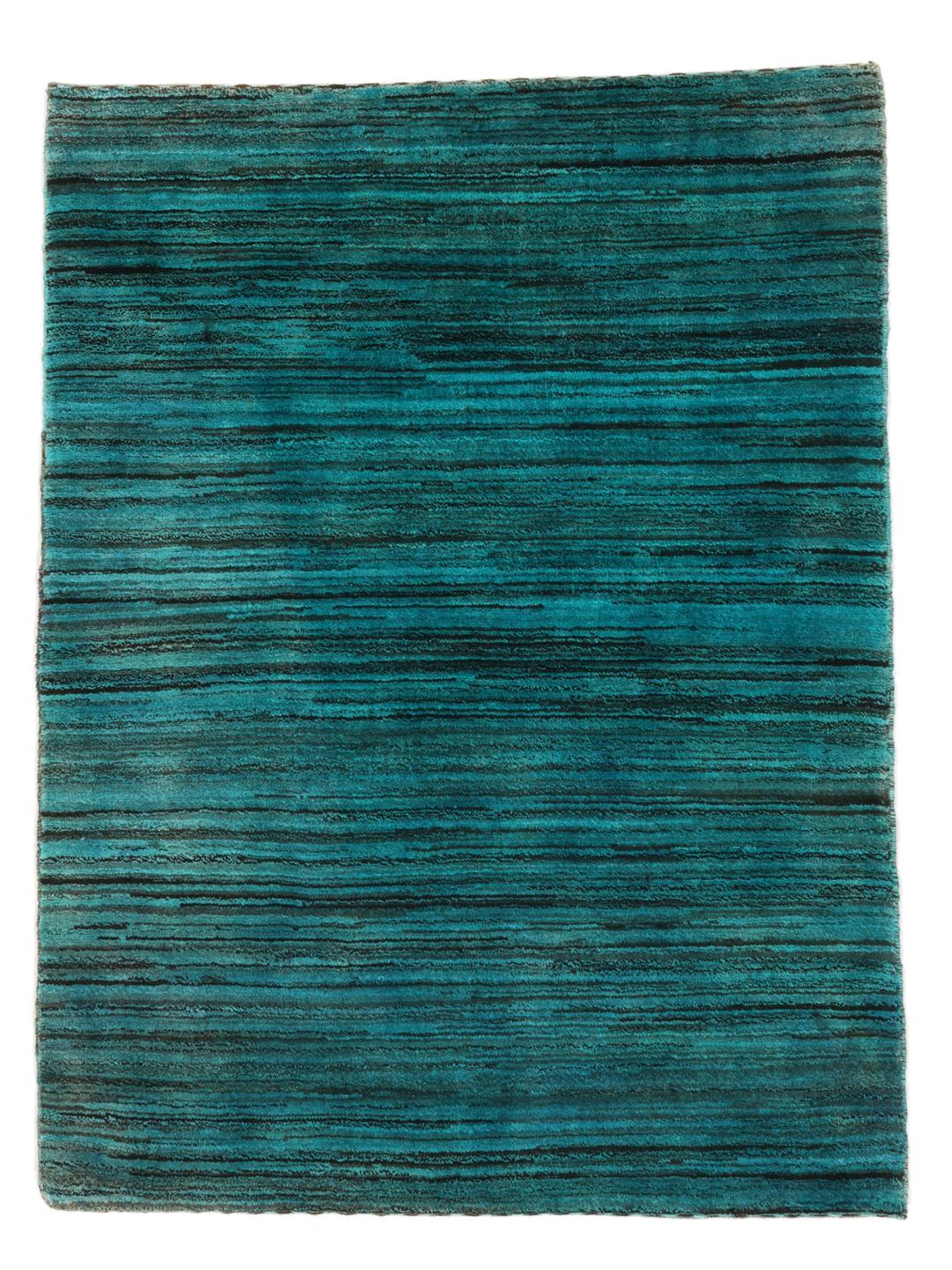
Gabbeh rugs trace their origins to the nomadic tribes of the Middle East, where they were traditionally crafted for personal use rather than for trade. These rugs served as essential, practical items that provided warmth and comfort in the harsh, varied climates of the region, evolving into a distinct art form celebrated for its simplicity and bold, expressive nature.
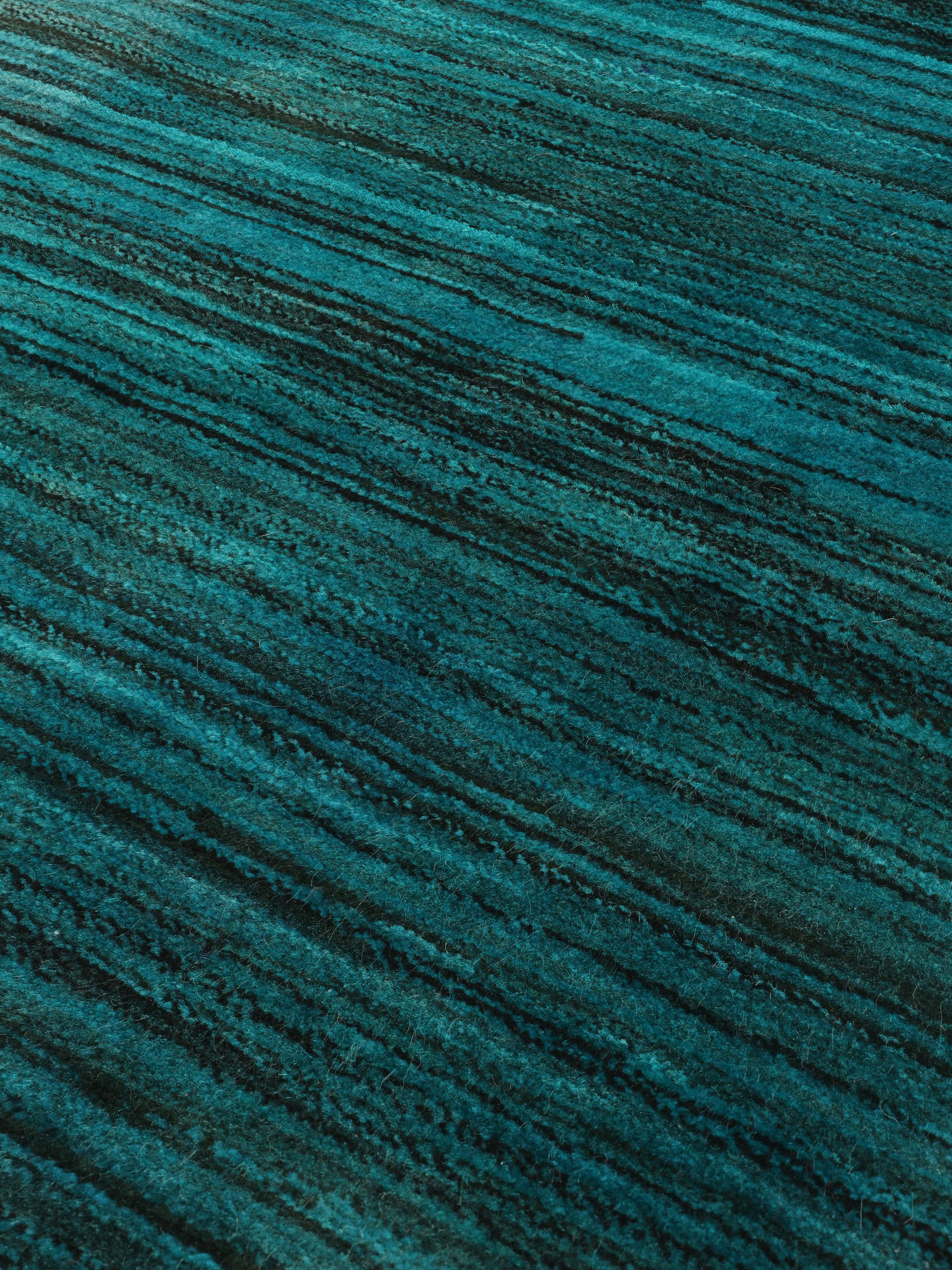
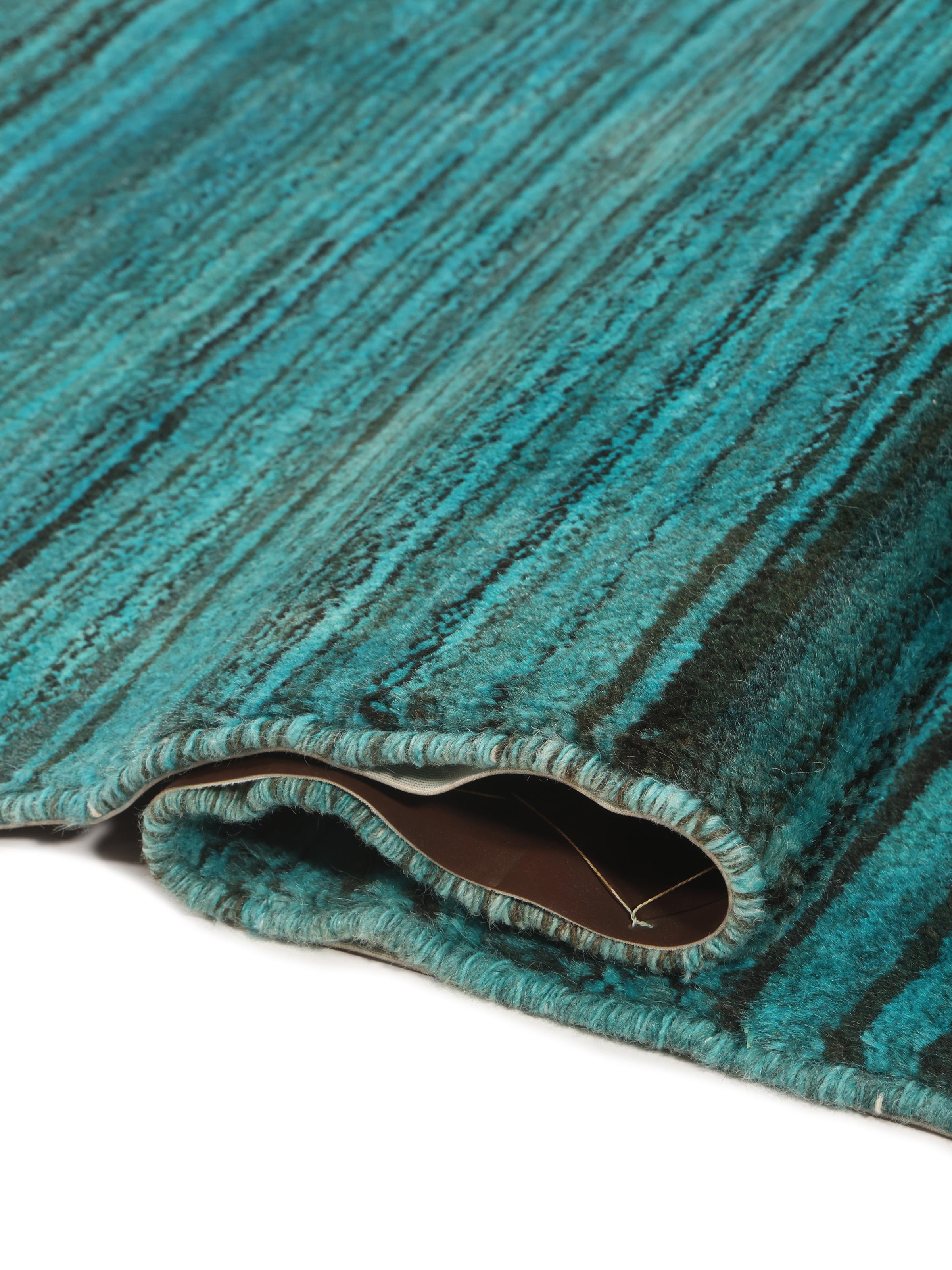
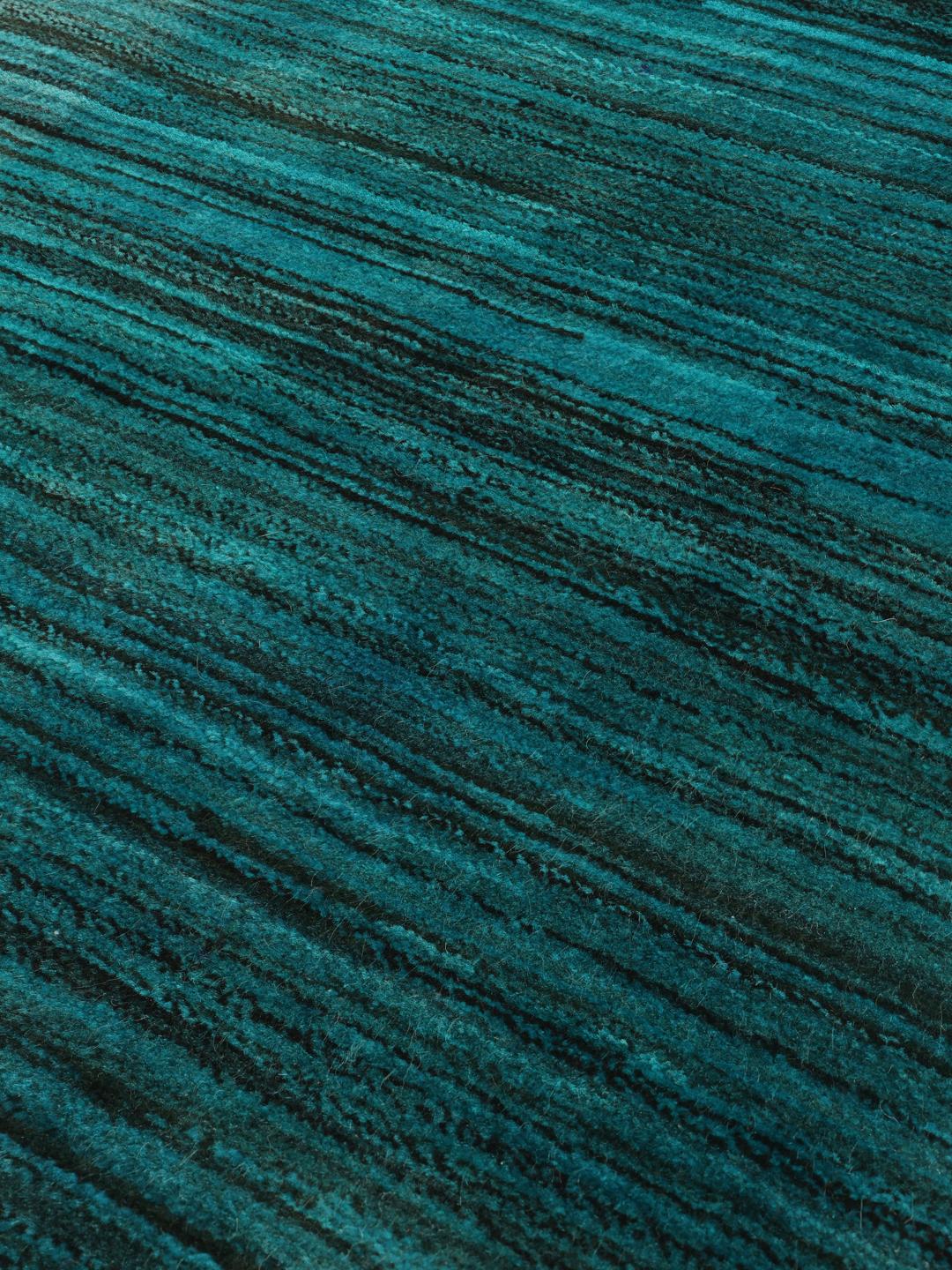
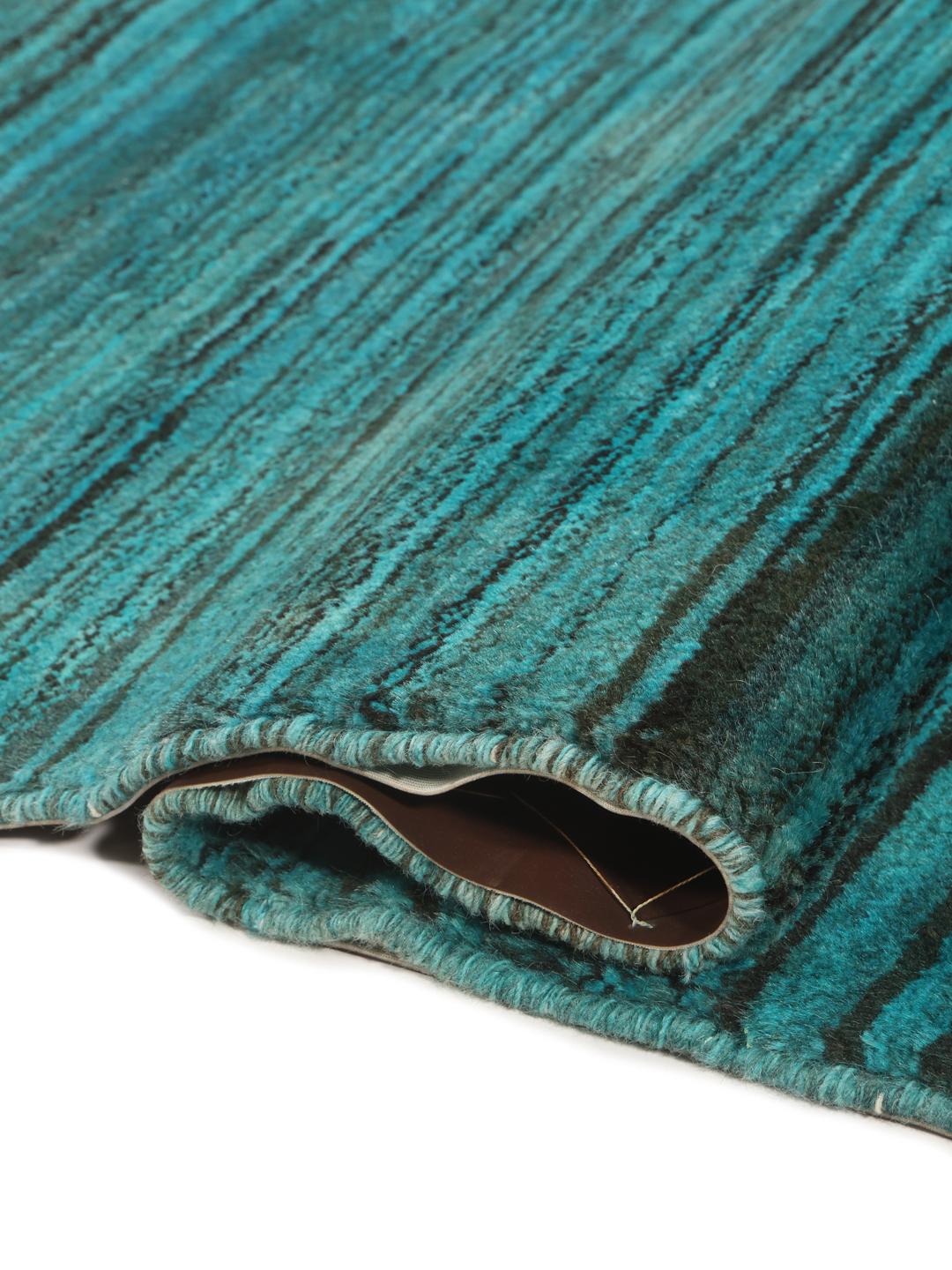
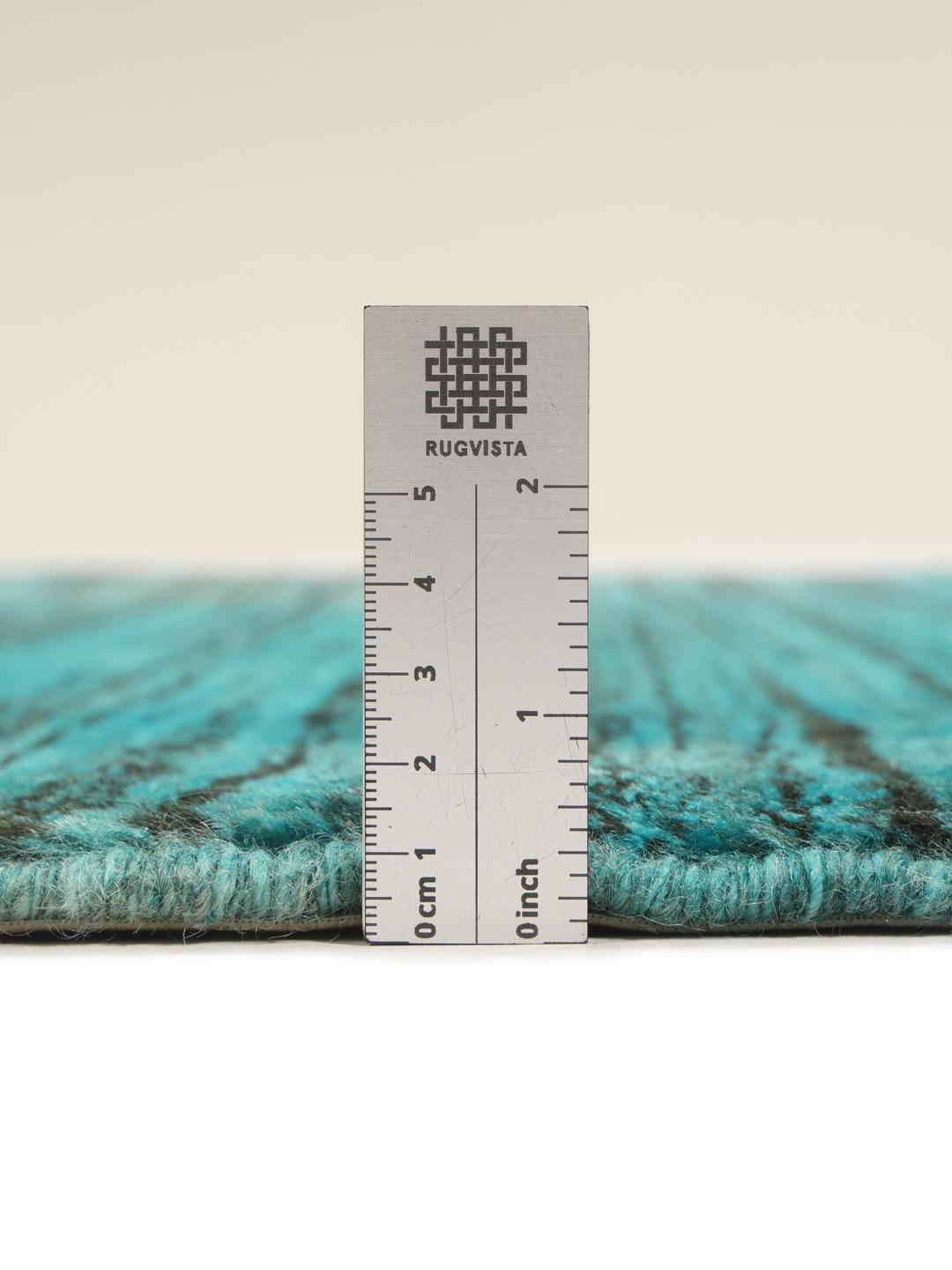
The term Gabbeh refers to a specific style of weaving that emphasises a thicker, more plush pile compared to other varieties. This construction technique is vital because it creates a resilient, long-lasting surface that can withstand the demands of daily life, making these pieces as functional as they are beautiful.
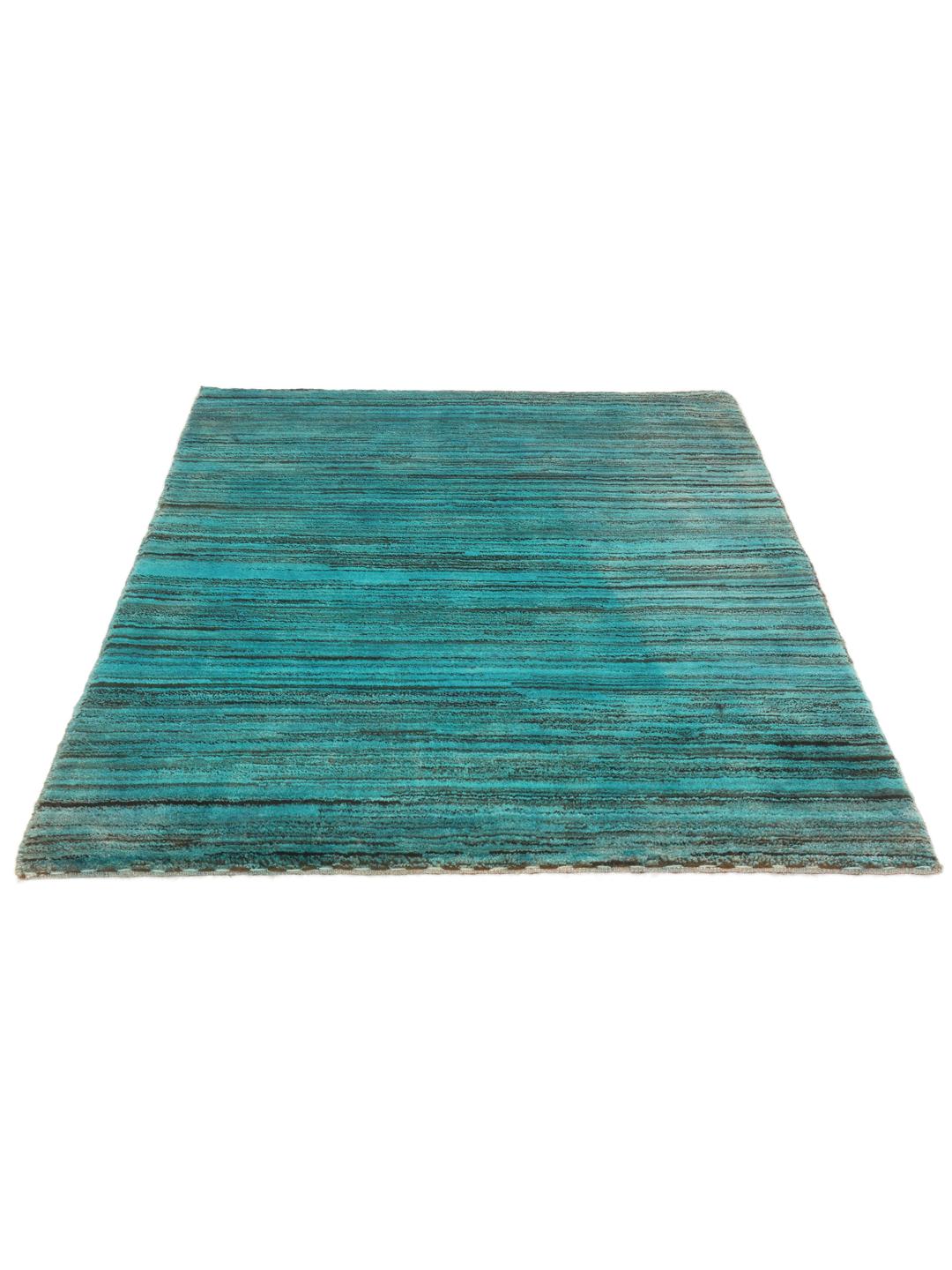
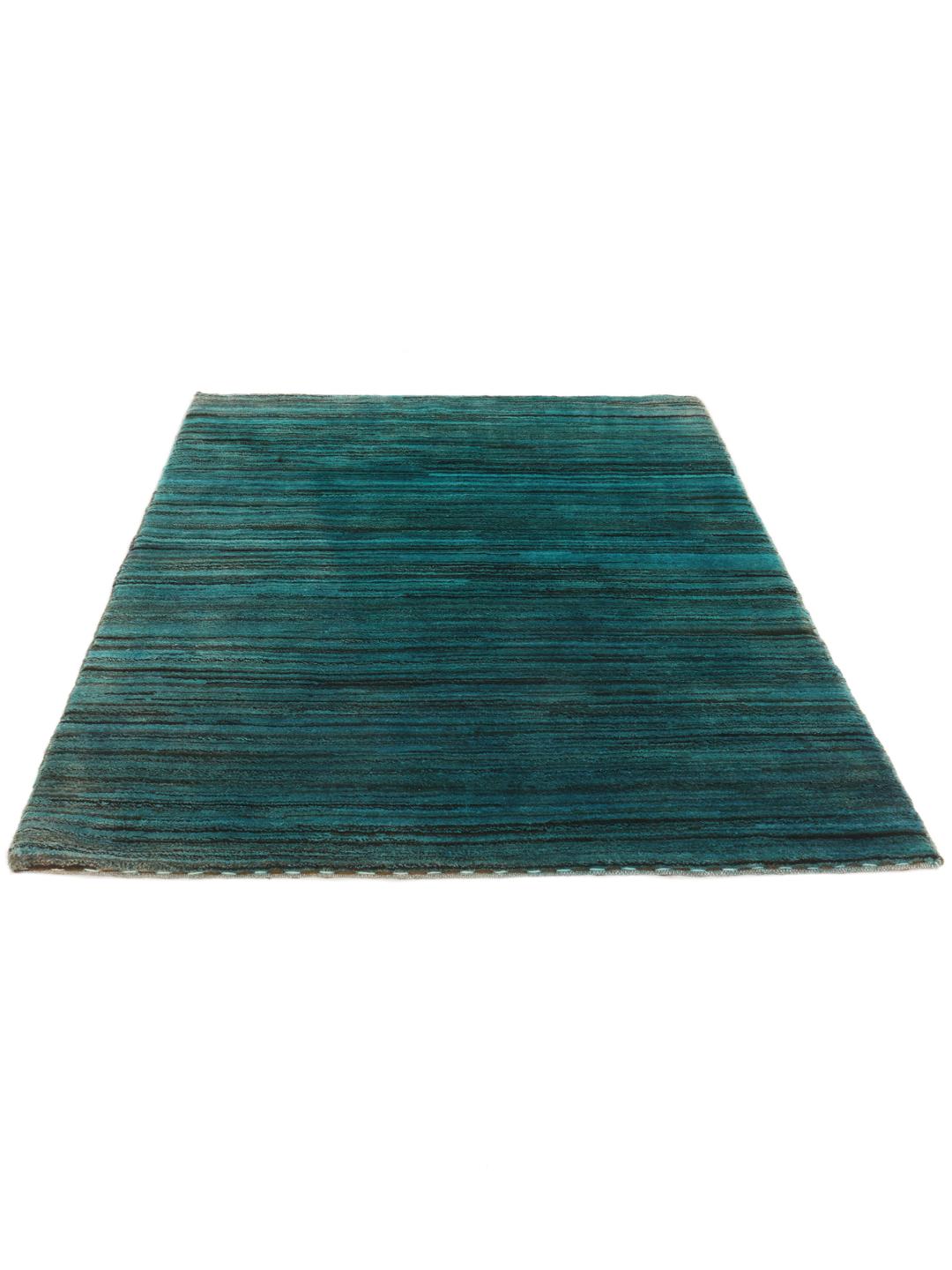
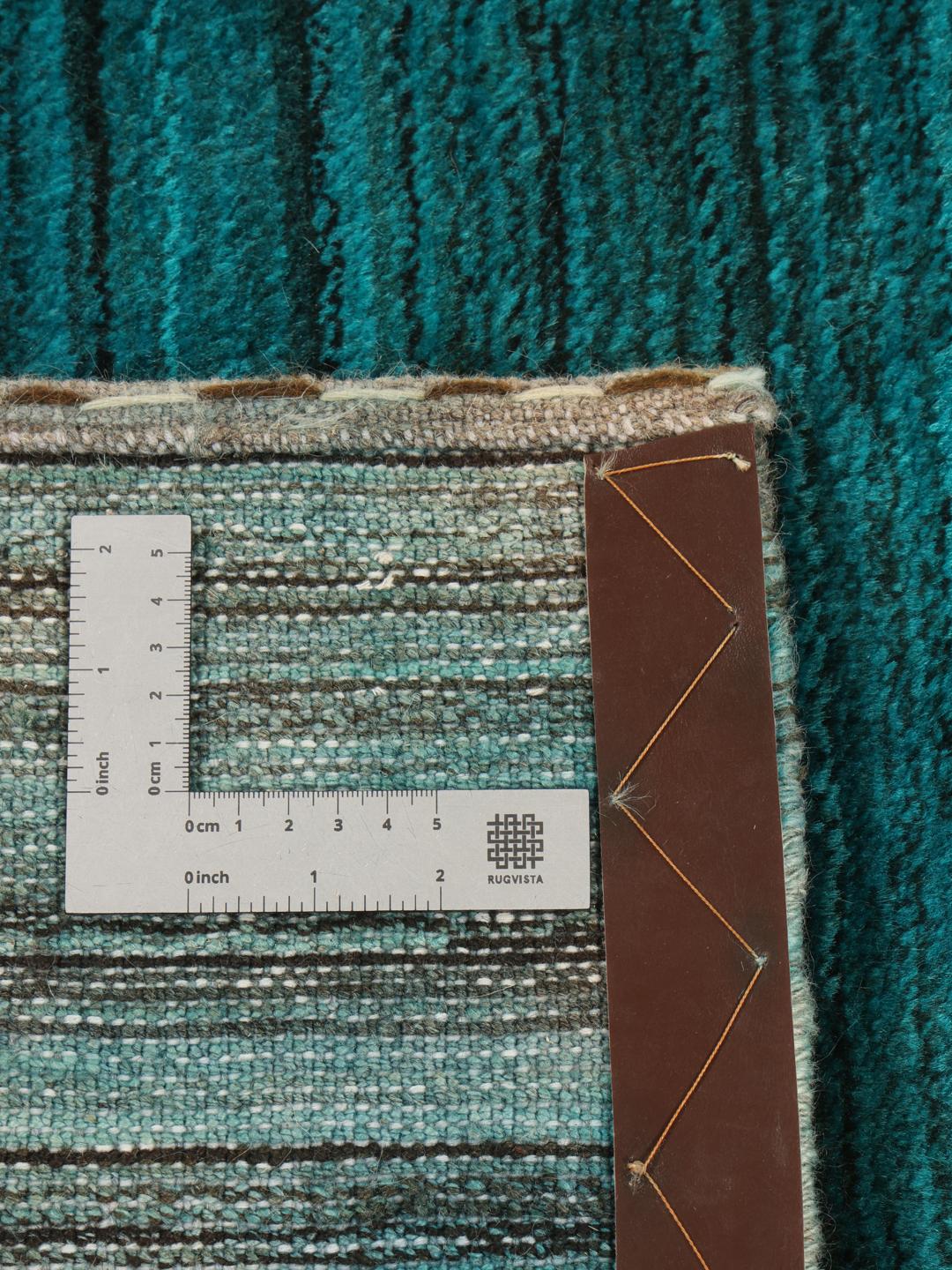
Visually, these rugs are defined by their minimalist yet powerful aesthetic. While traditional designs often feature abstract motifs or simple geometric shapes, this particular piece highlights the beauty of natural colour variations. The focus is on the interplay of light and shadow across the Wool, creating a sense of movement that feels modern yet deeply connected to its ancient roots.
Collecting a piece from this tradition is an investment in cultural heritage. Because they are traditionally made by hand without the use of pre-planned patterns, each rug is an expression of the weaver's mood, environment, and personal creativity. Owning one is a way to honour a living craft that has been passed down through generations of skilled artisans.