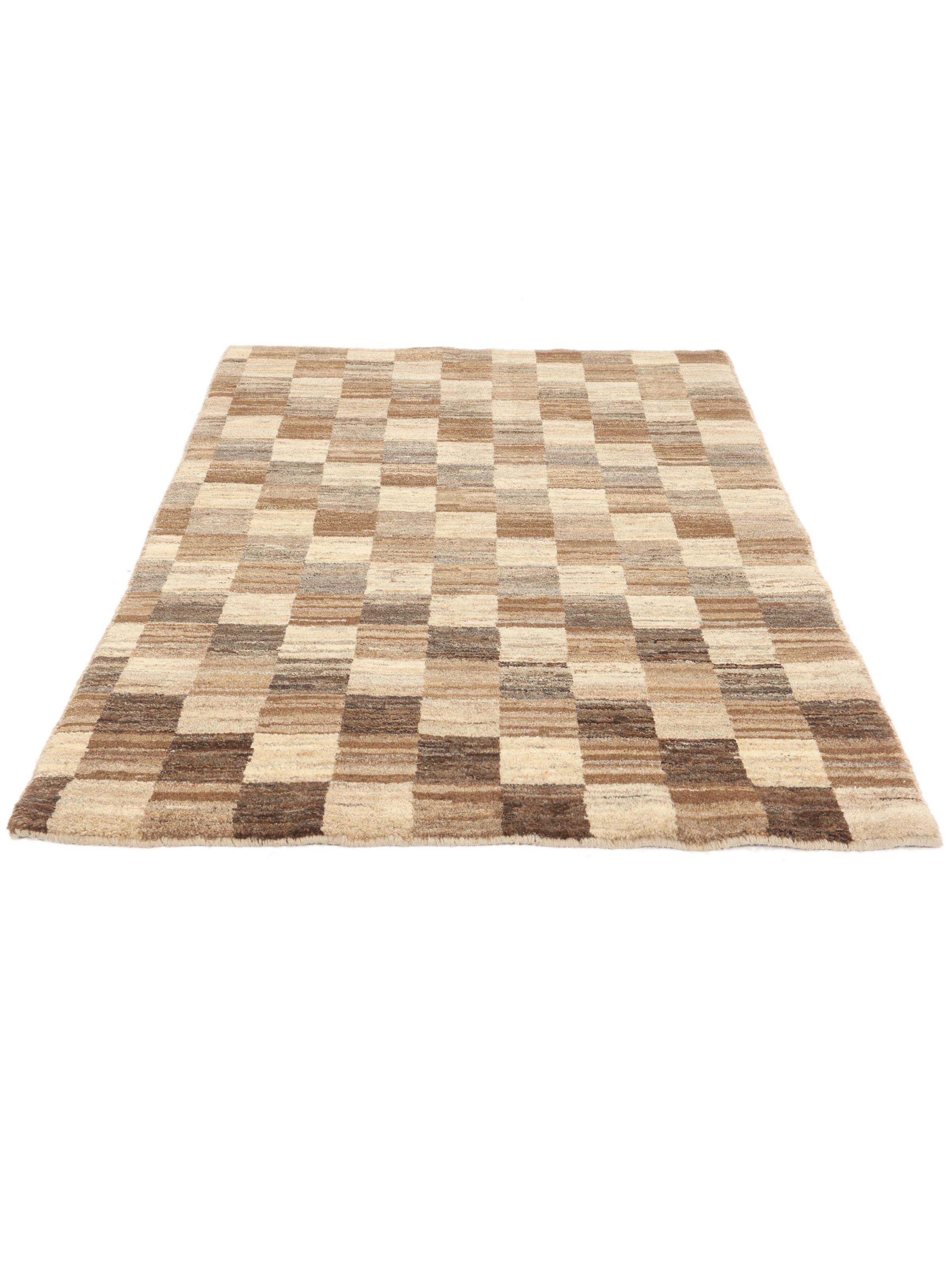
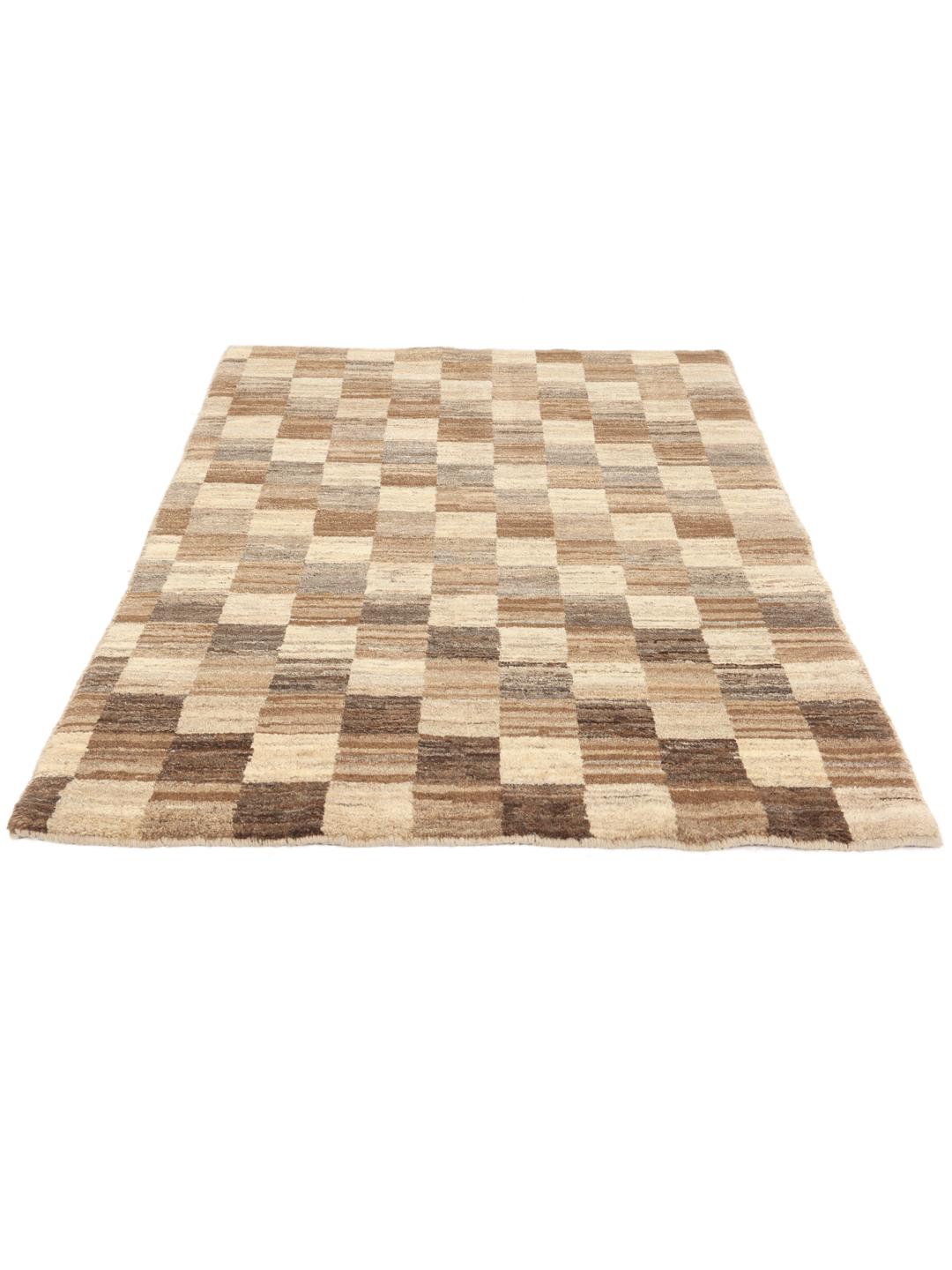
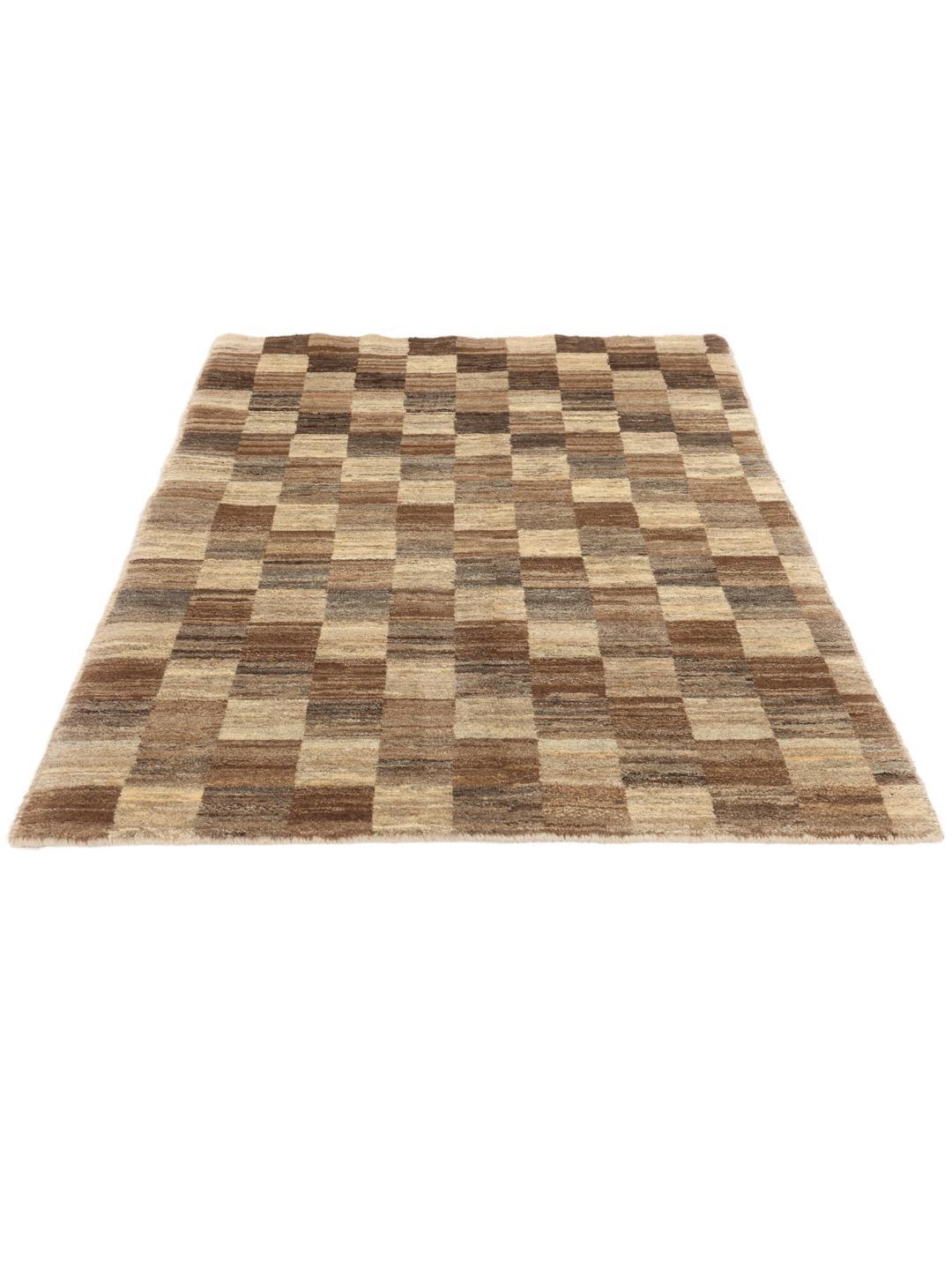
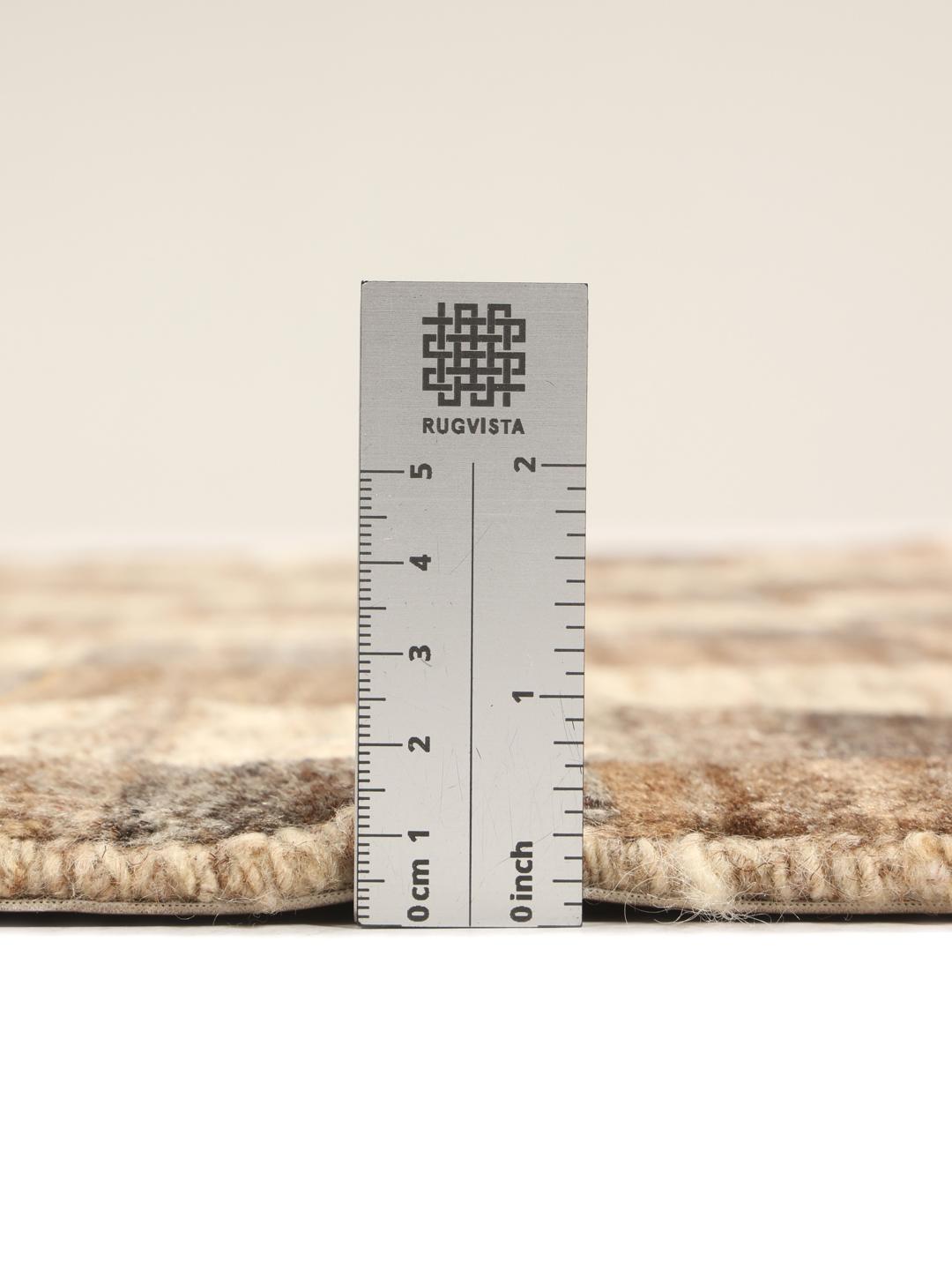
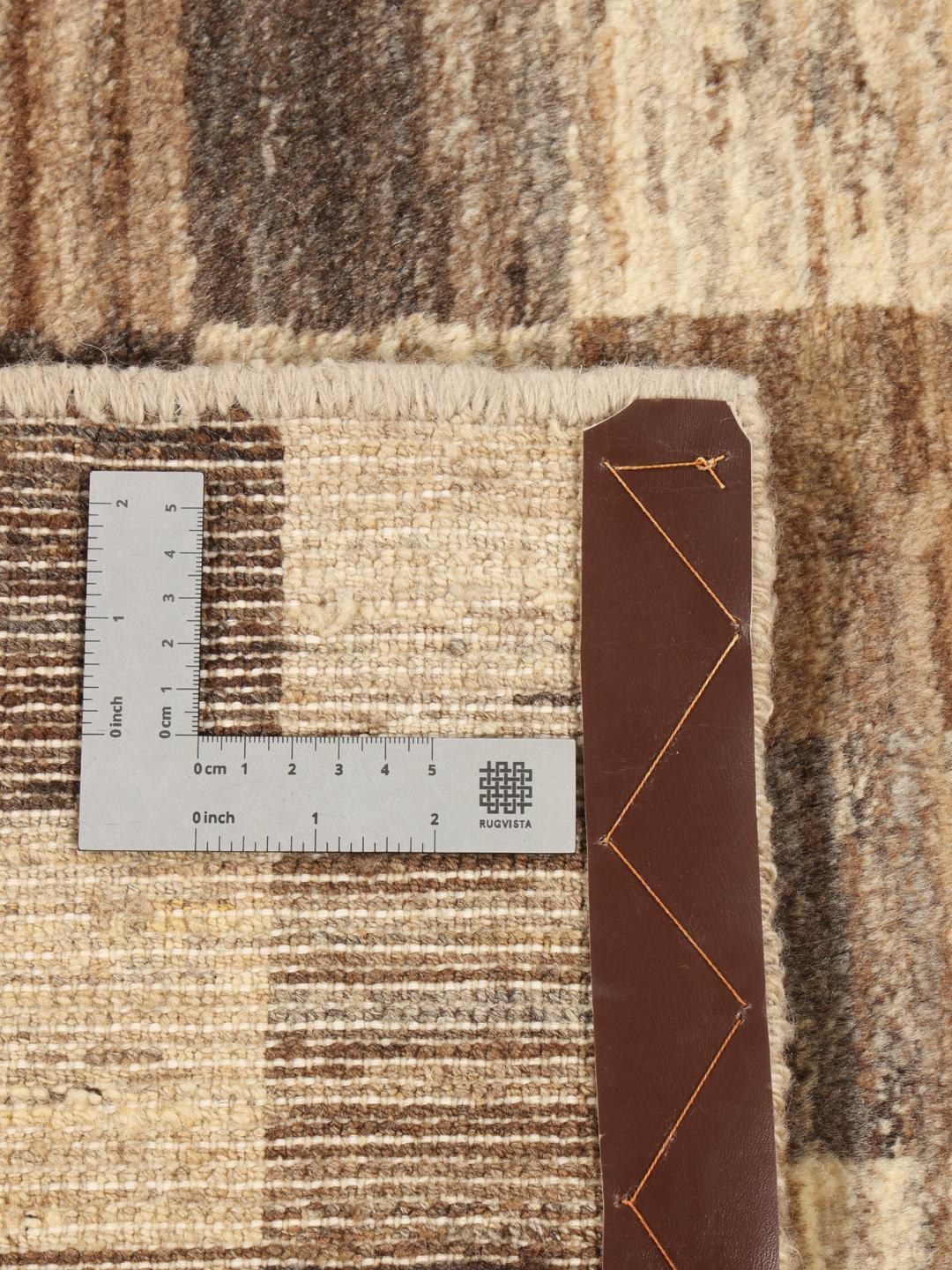
Gabbeh rugs originate from the nomadic tribes of the Middle East, primarily woven by the Ghashghai people. Traditionally, these rugs were created for personal use within the home, serving as thick, protective floor coverings that provided warmth against the harsh desert climate. Unlike more formal urban rugs, the Gabbeh was never intended for commercial sale, which allowed weavers complete artistic freedom.
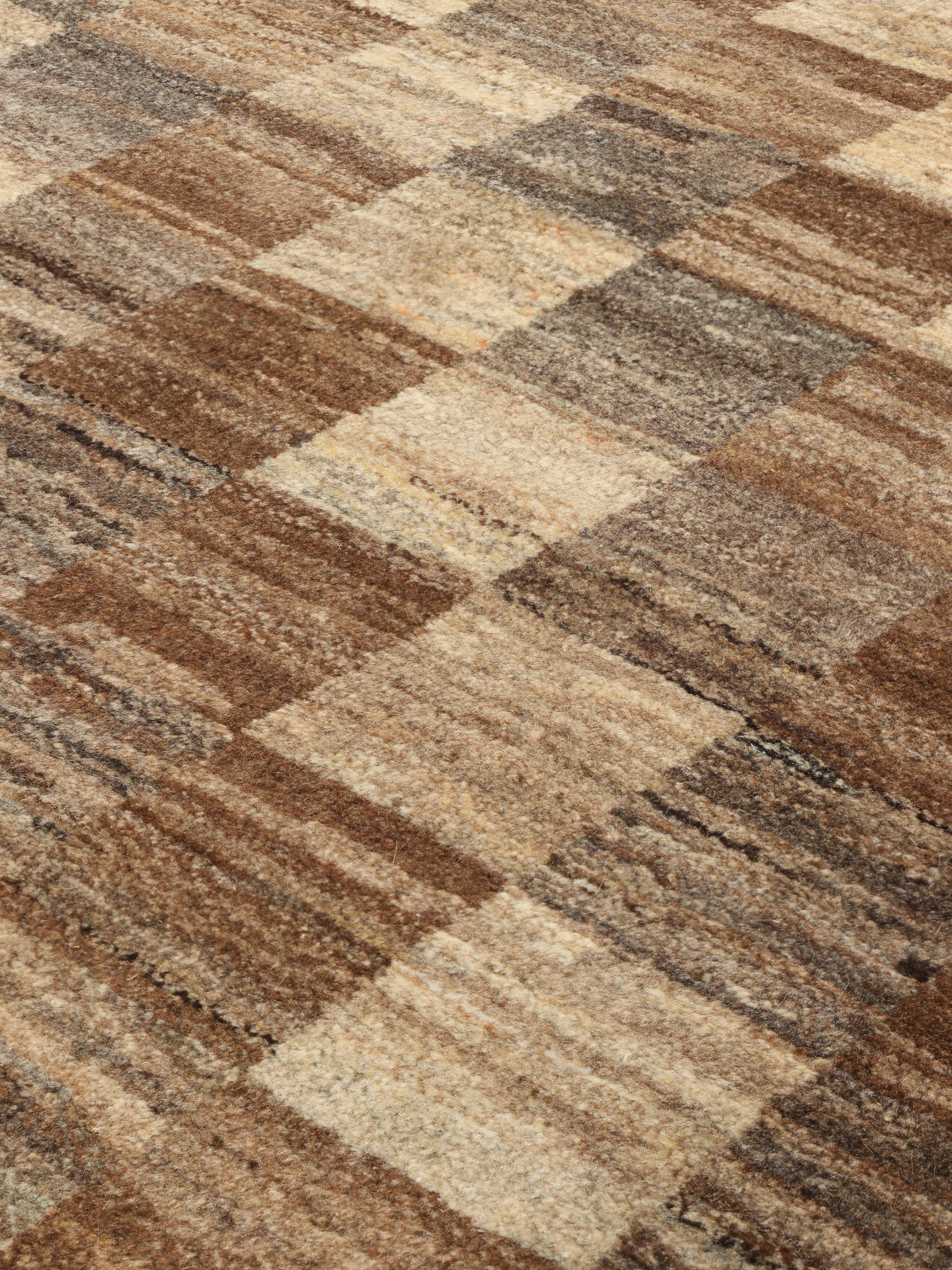
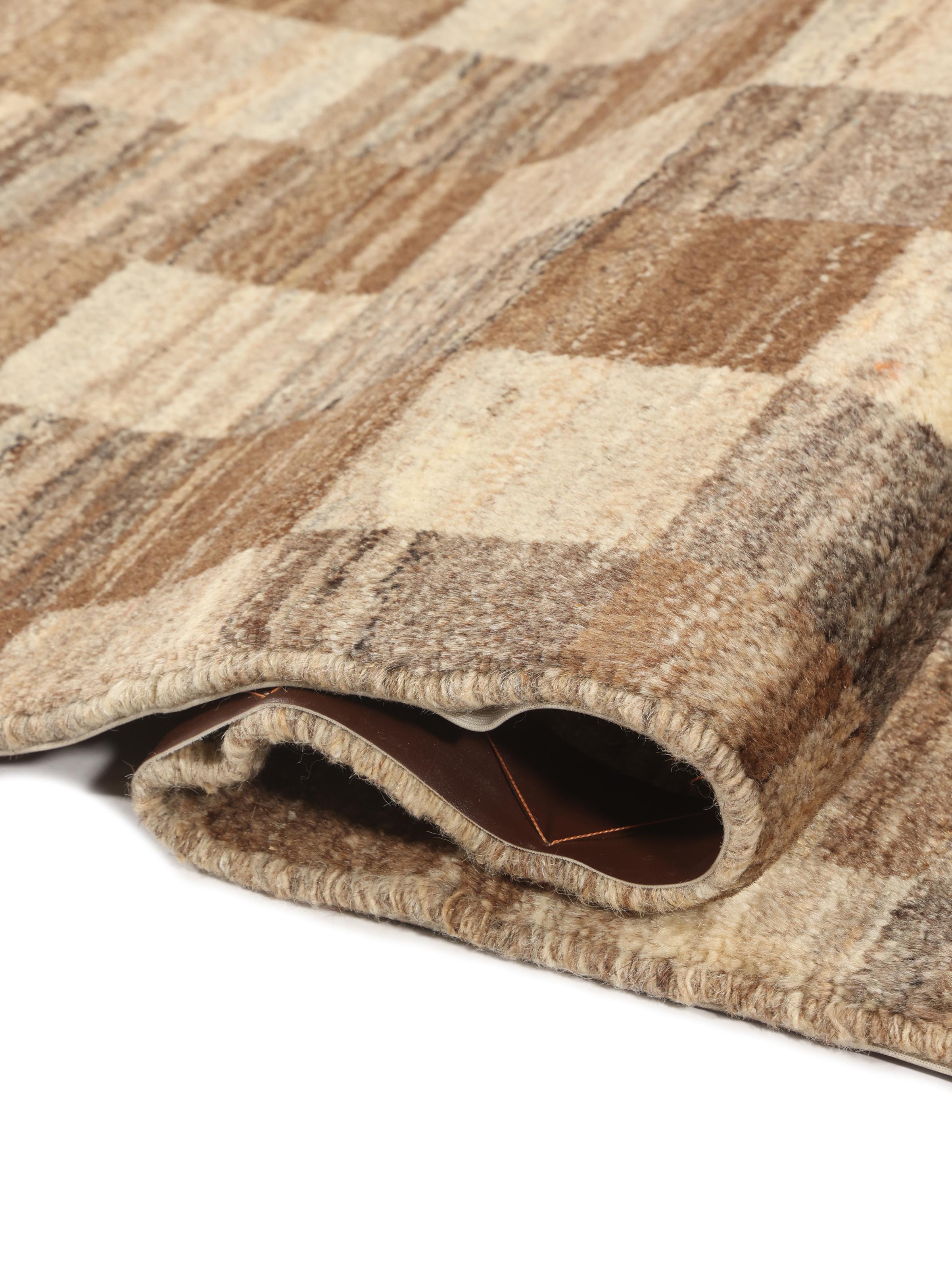
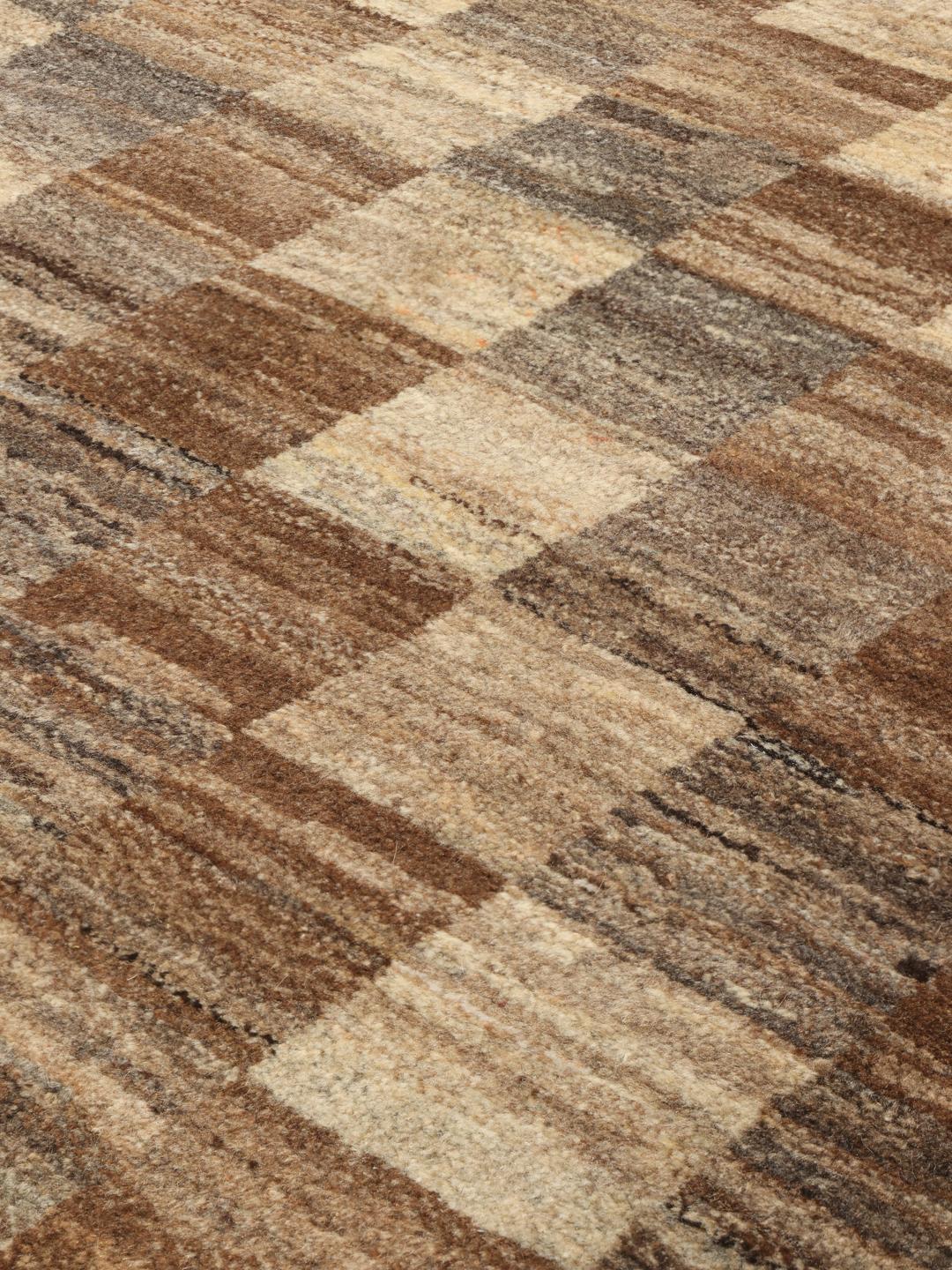
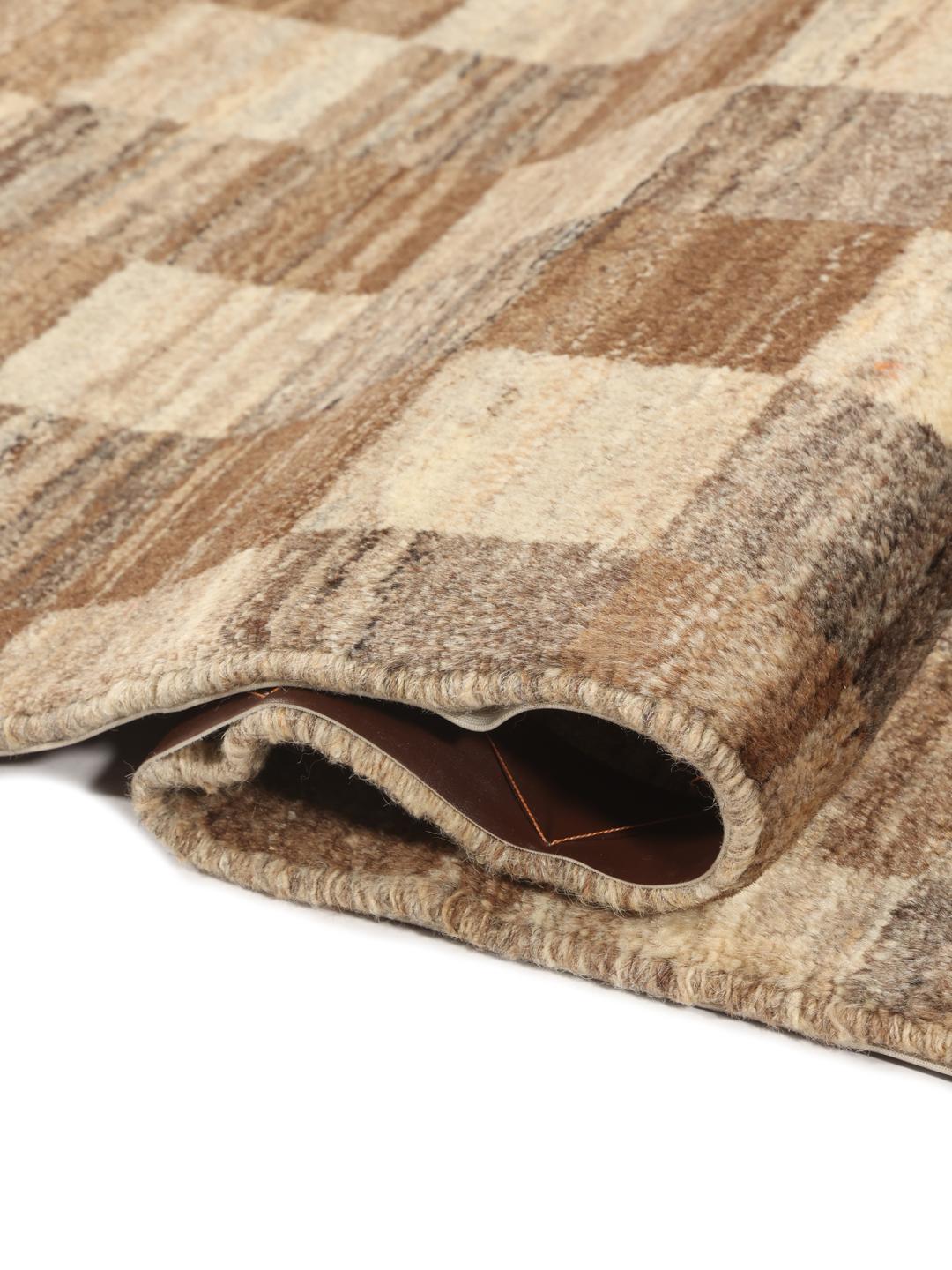
The term 'Gabbeh' itself translates to 'raw' or 'natural', reflecting the unrefined and primitive beauty of these pieces. They are known for their thick, chunky pile, which is achieved through a simpler knotting technique that emphasizes the texture and quality of the wool. This approach results in a rug that feels incredibly soft and substantial underfoot, embodying the nomadic spirit of living close to nature.
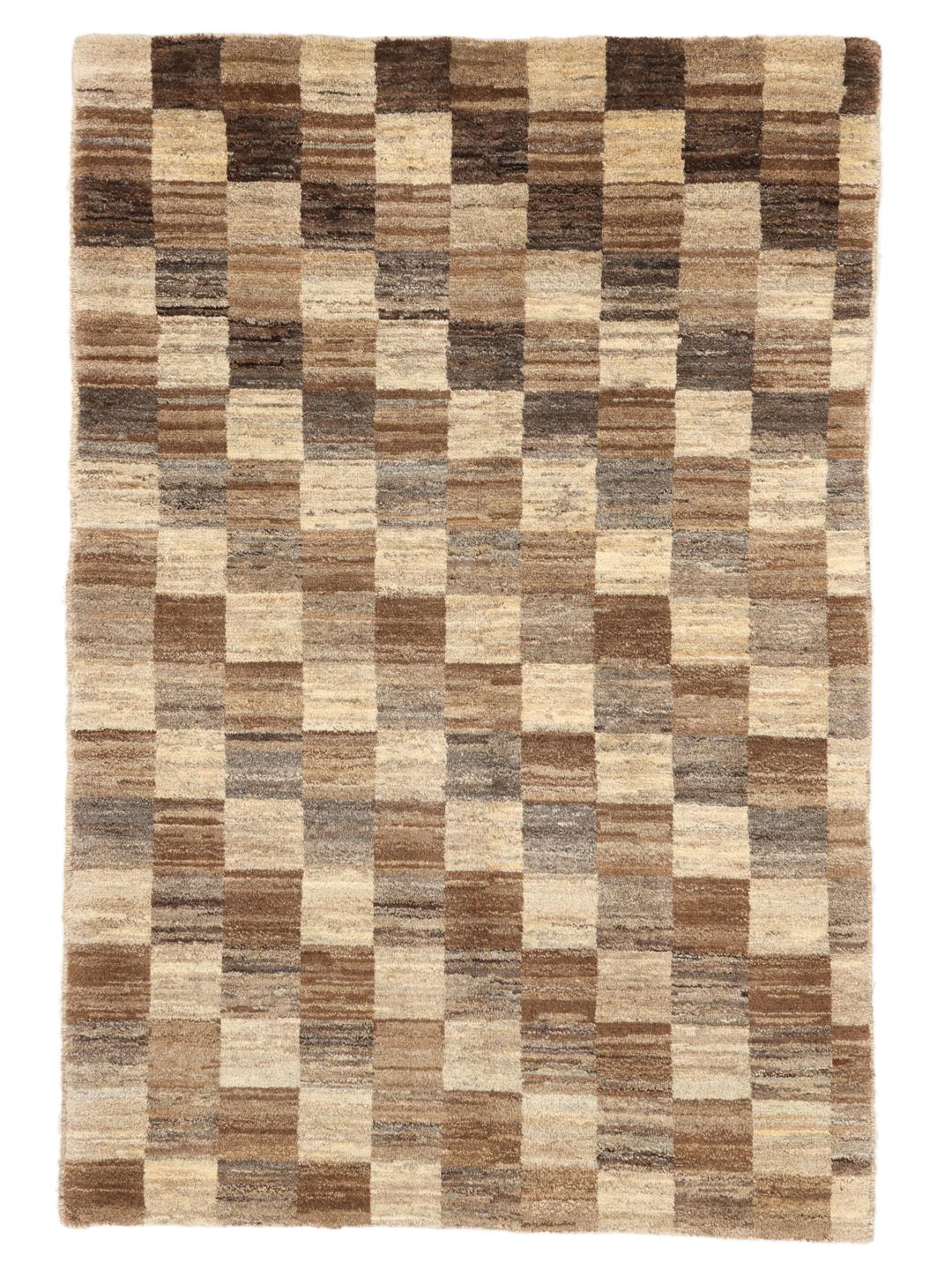
Visually, these rugs are celebrated for their bold, minimalist aesthetic. While traditional designs often featured simple geometric shapes or representations of the natural world, the modern Gabbeh has evolved to include more varied patterns while retaining its signature earthy, hand-dyed color palette. The use of natural dyes derived from plants and minerals gives each rug a subtle, variegated look that is impossible to achieve with synthetic colours.
Owning a Gabbeh is a connection to a long-standing tradition of nomadic artistry. These rugs are highly valued for their authenticity and the human story behind every knot. By choosing this piece, you are not only adding a beautiful, durable item to your home but also preserving the heritage of a craft tradition that has been passed down through generations.