The tradition of hand-knotted rug weaving in India has evolved over centuries, blending indigenous techniques with influences that travelled along ancient trade routes. Today, India is celebrated for its ability to reinterpret these historical methods, producing contemporary rugs that bridge the gap between ancient artistry and modern design sensibilities.
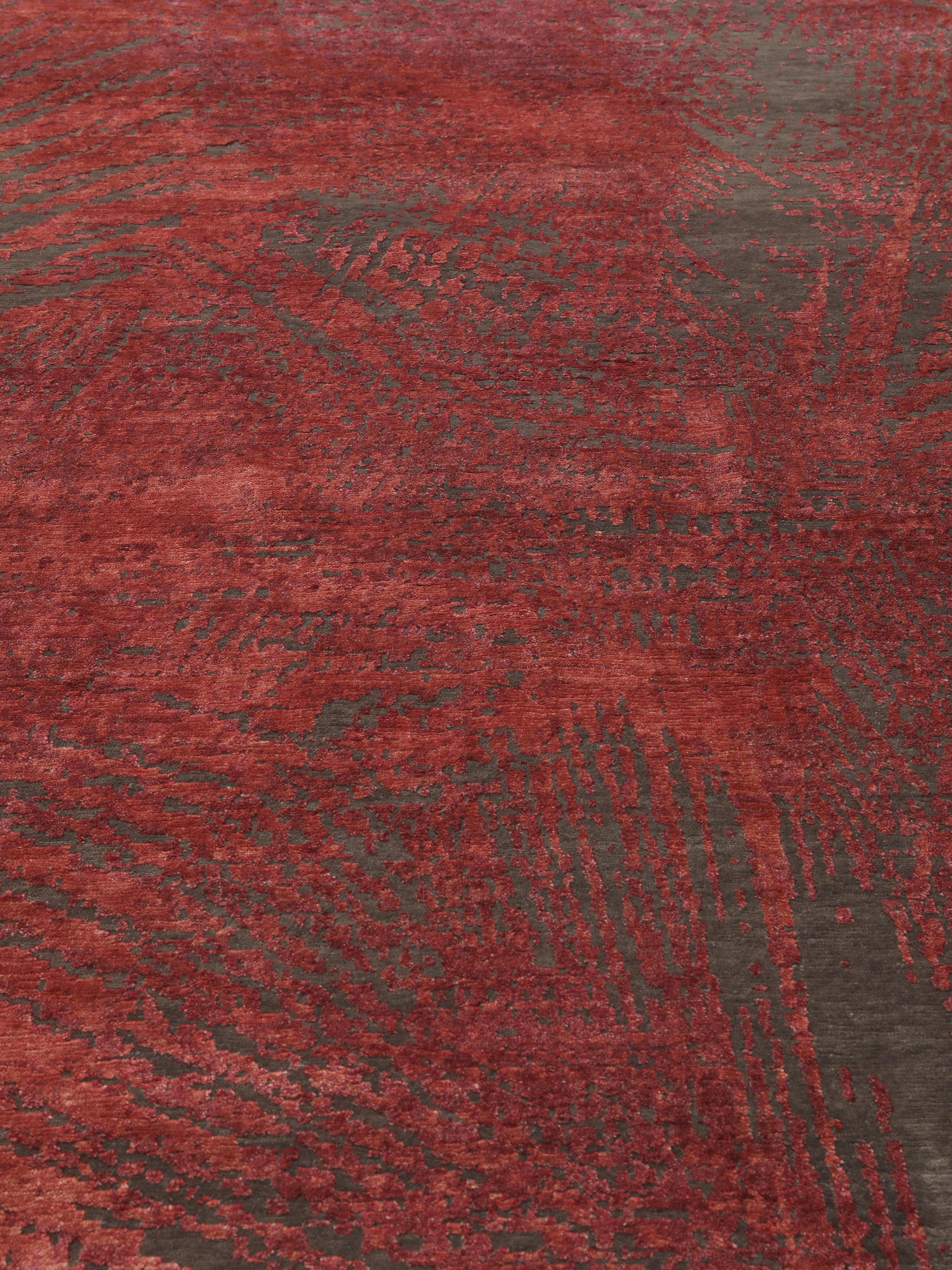
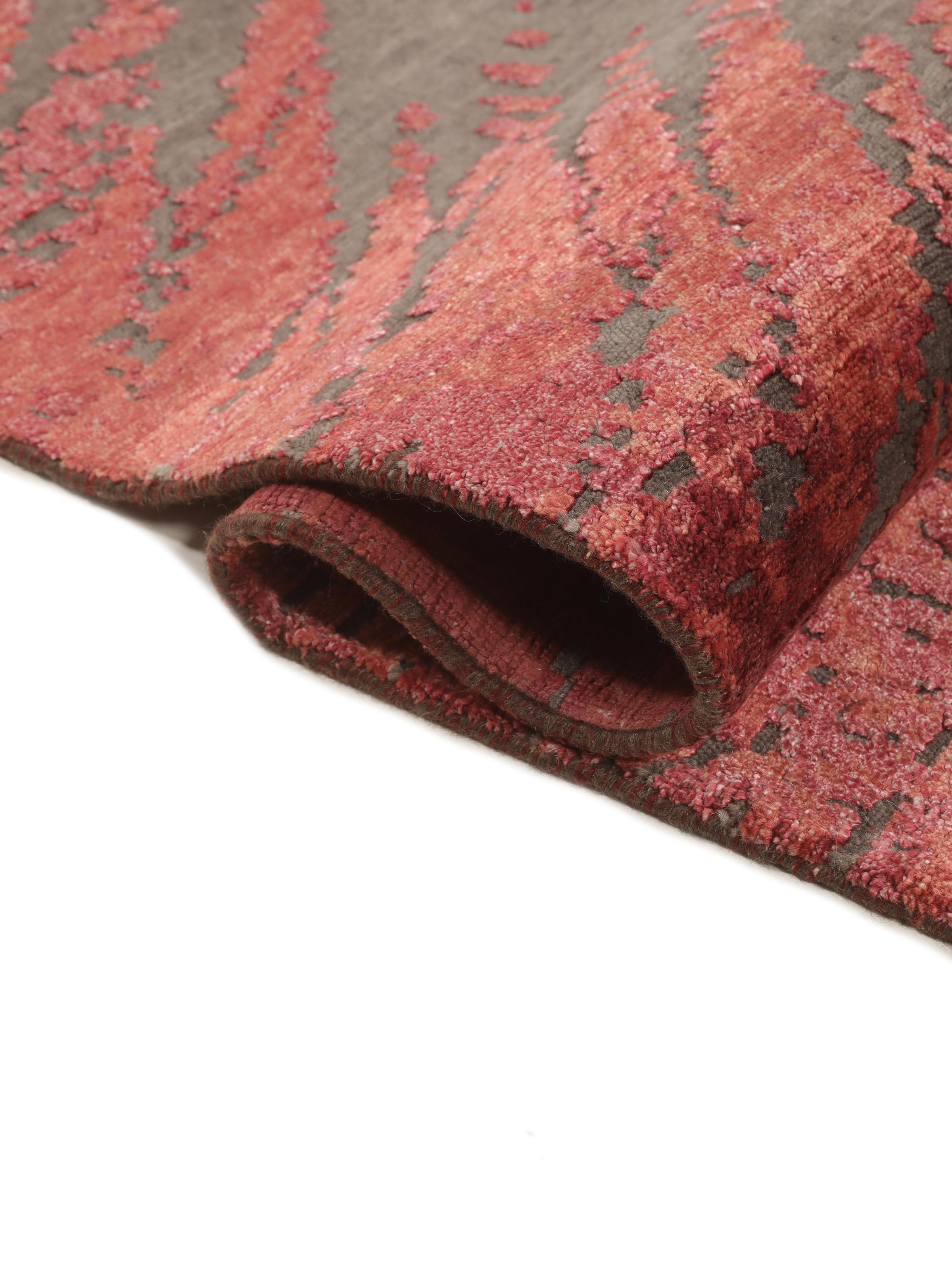
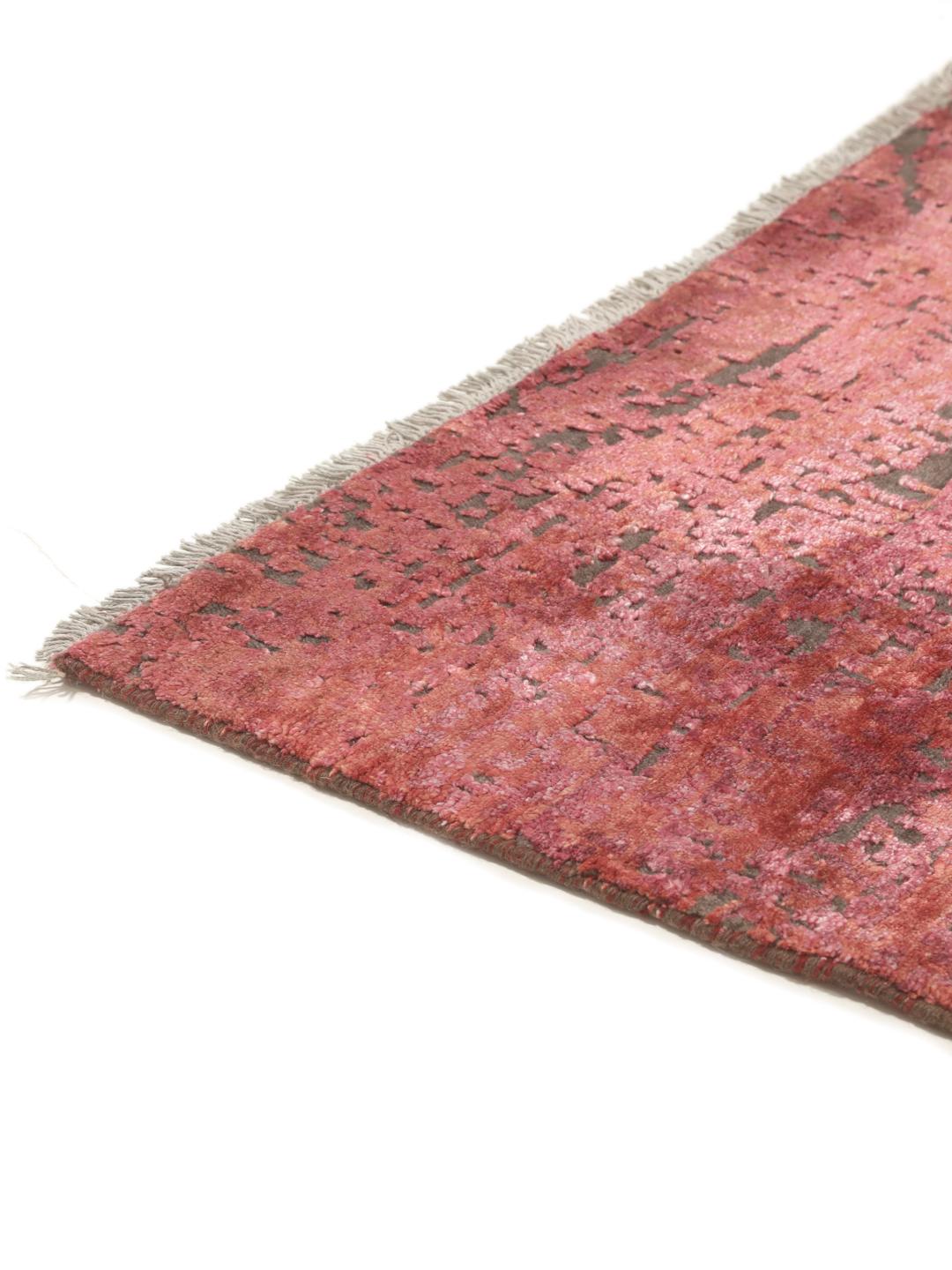
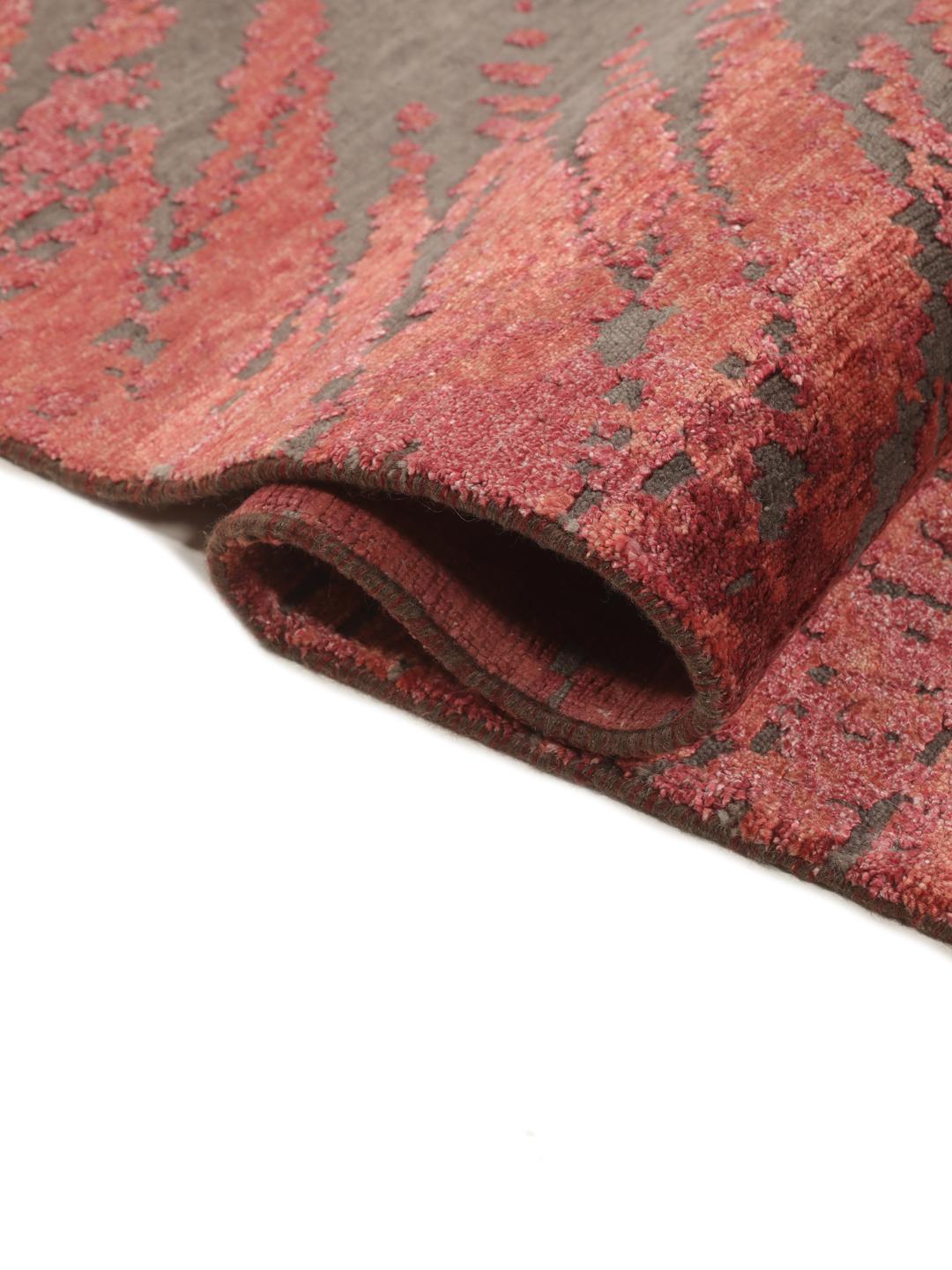
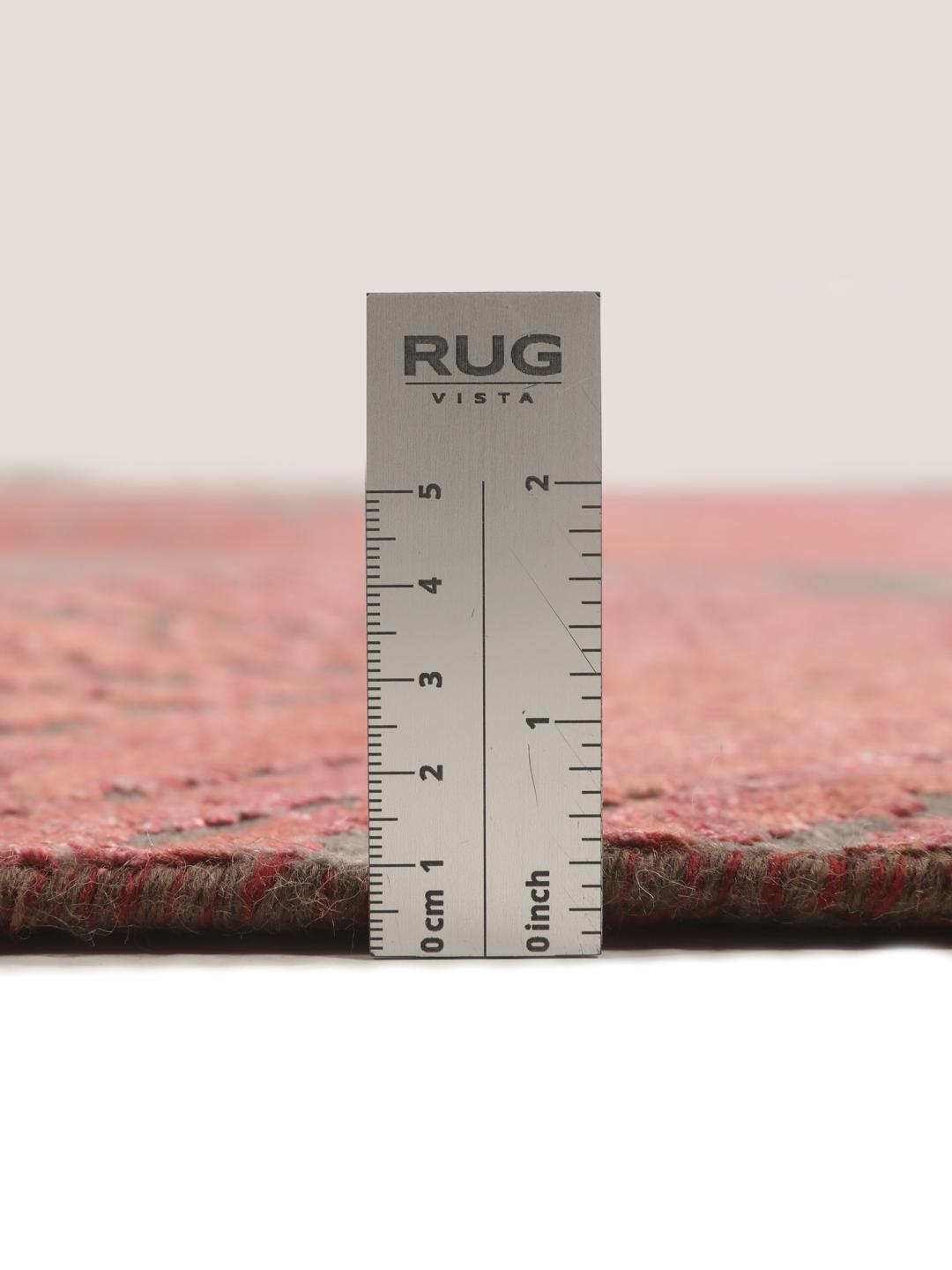
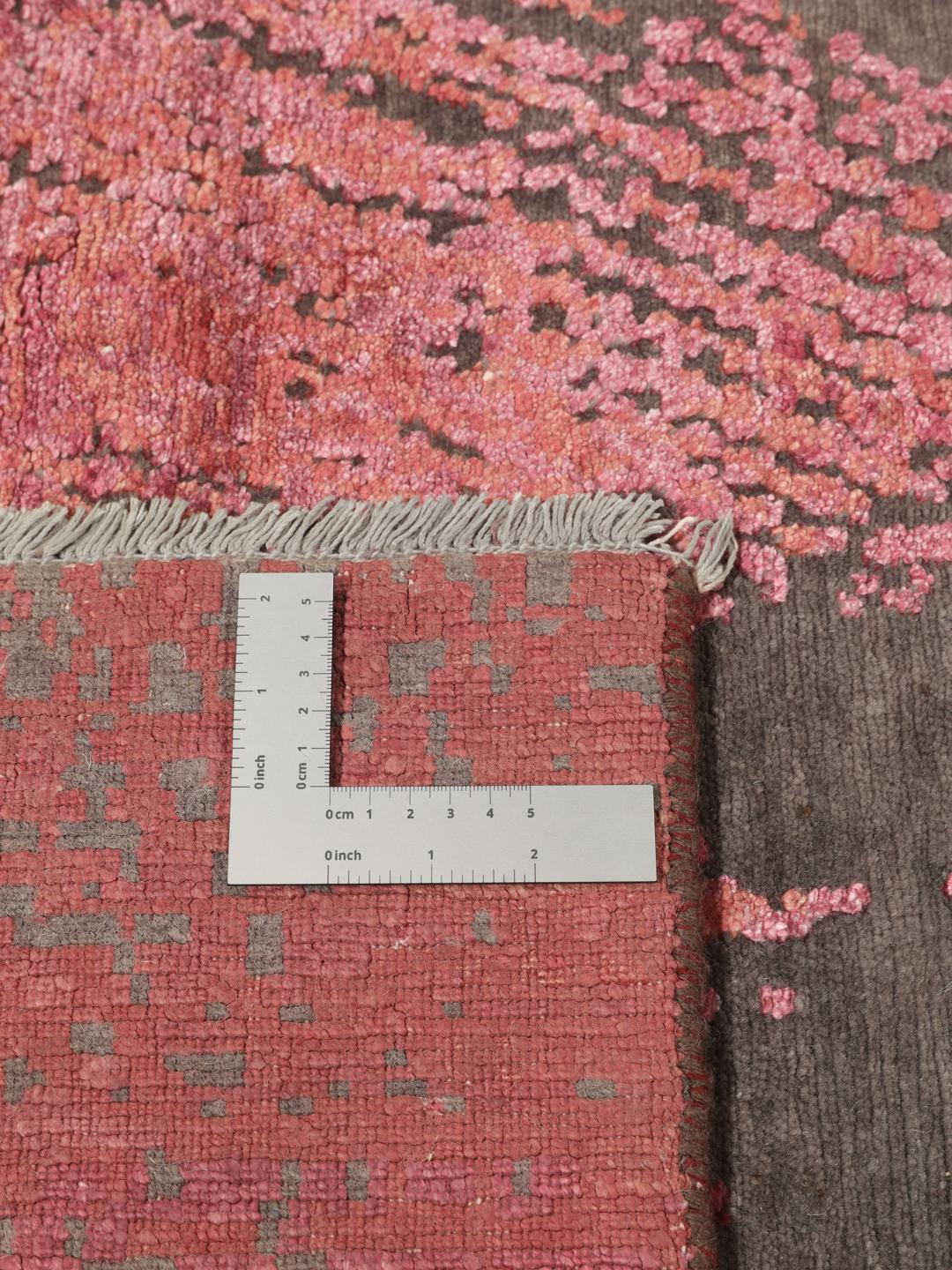
Understanding the quality of a hand-knotted rug begins with the construction of its foundation. The process involves interlacing individual yarns to form the pile, a labour-intensive method that creates a more resilient and luxurious finished product compared to woven or tufted alternatives. This commitment to traditional construction ensures that every rug is not just a floor covering, but a durable piece of textile engineering.
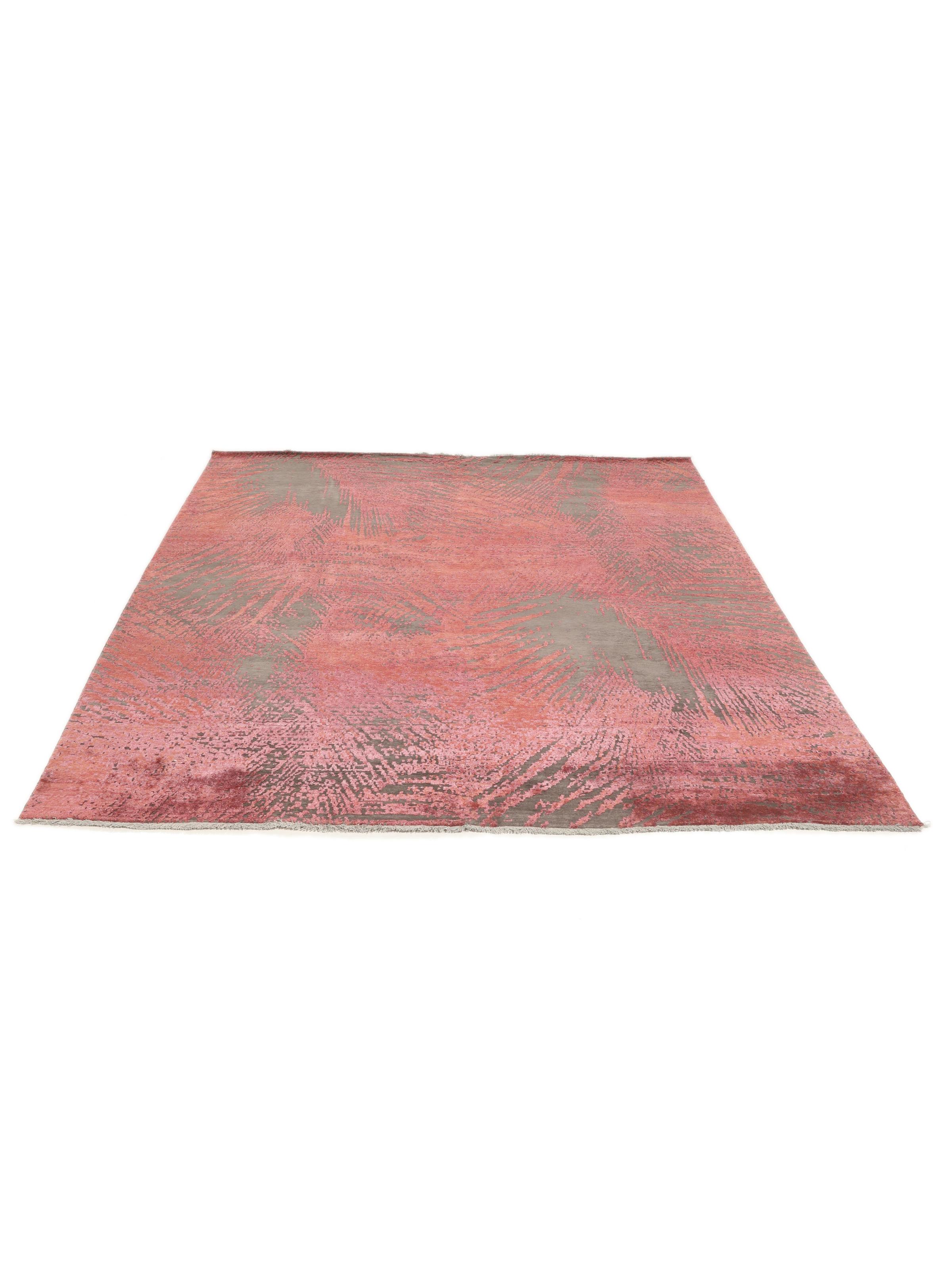
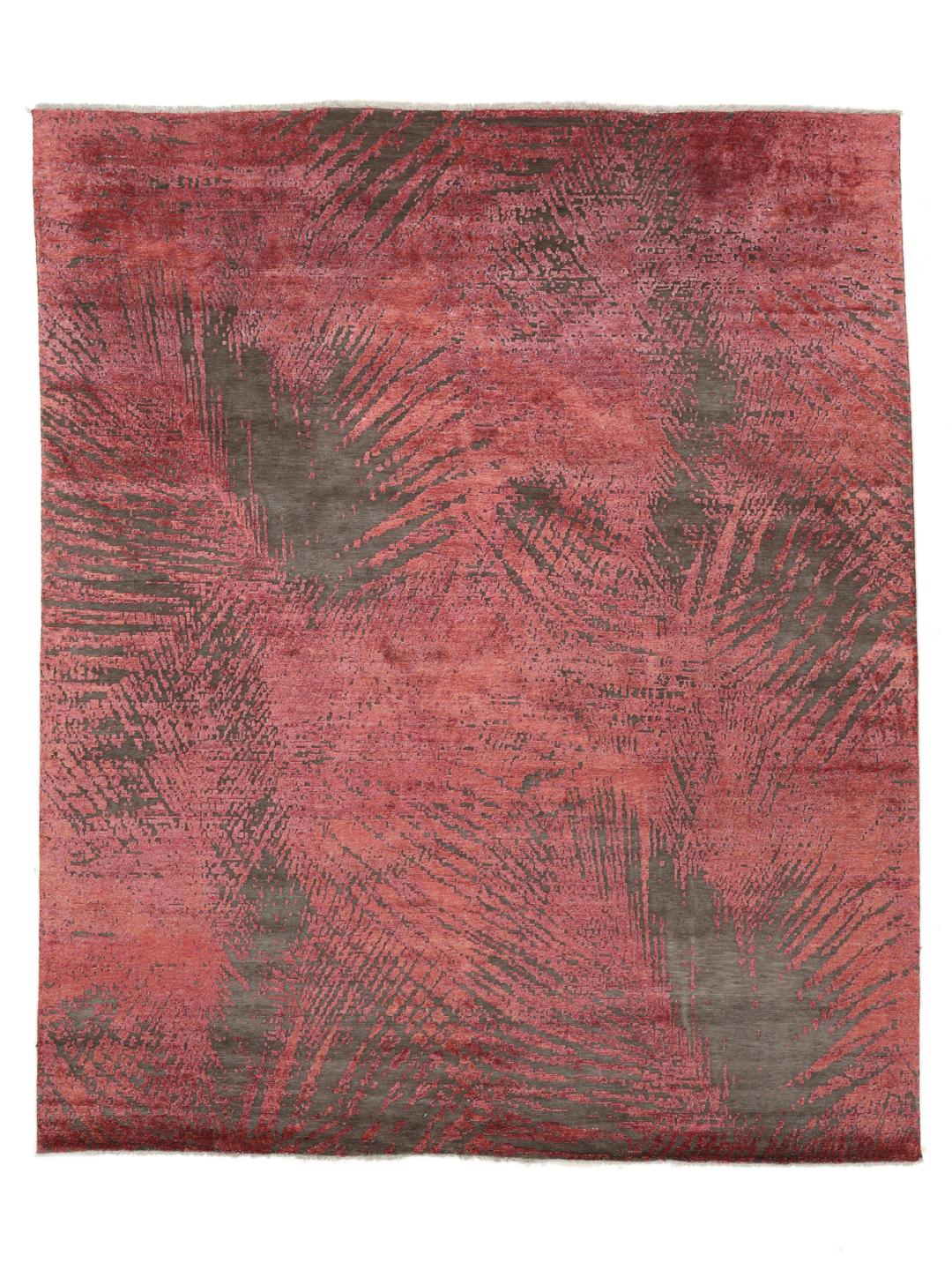
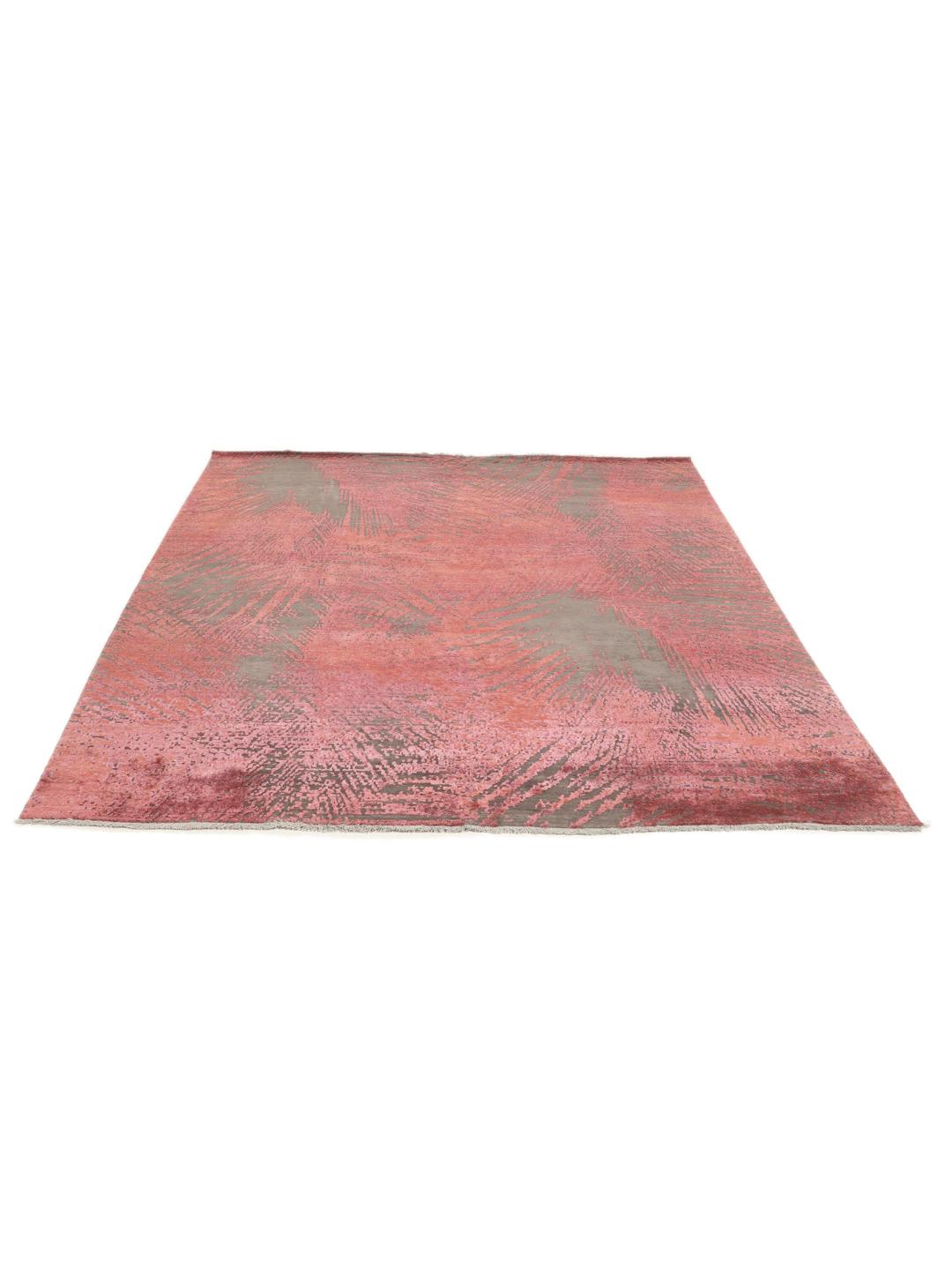
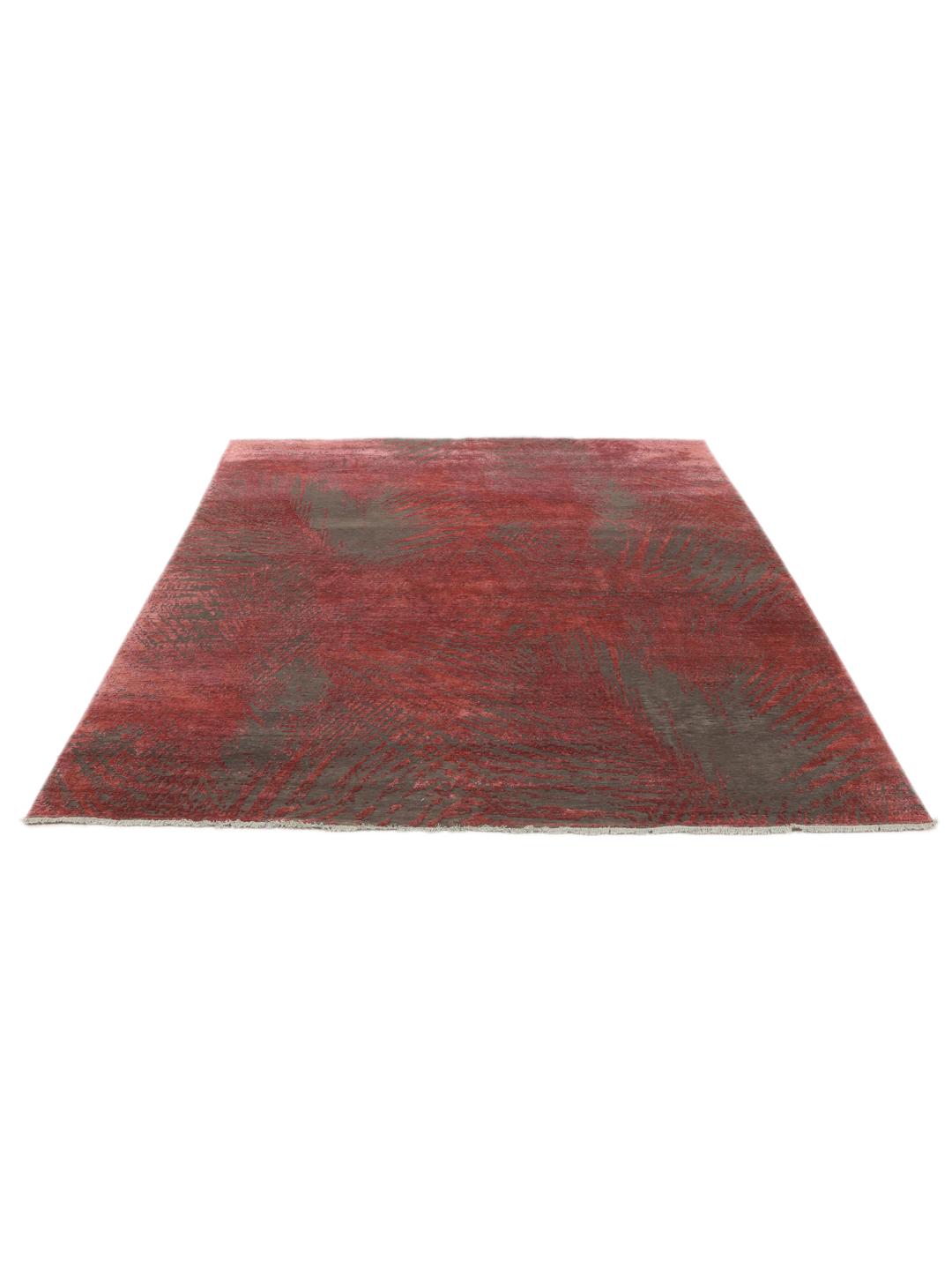
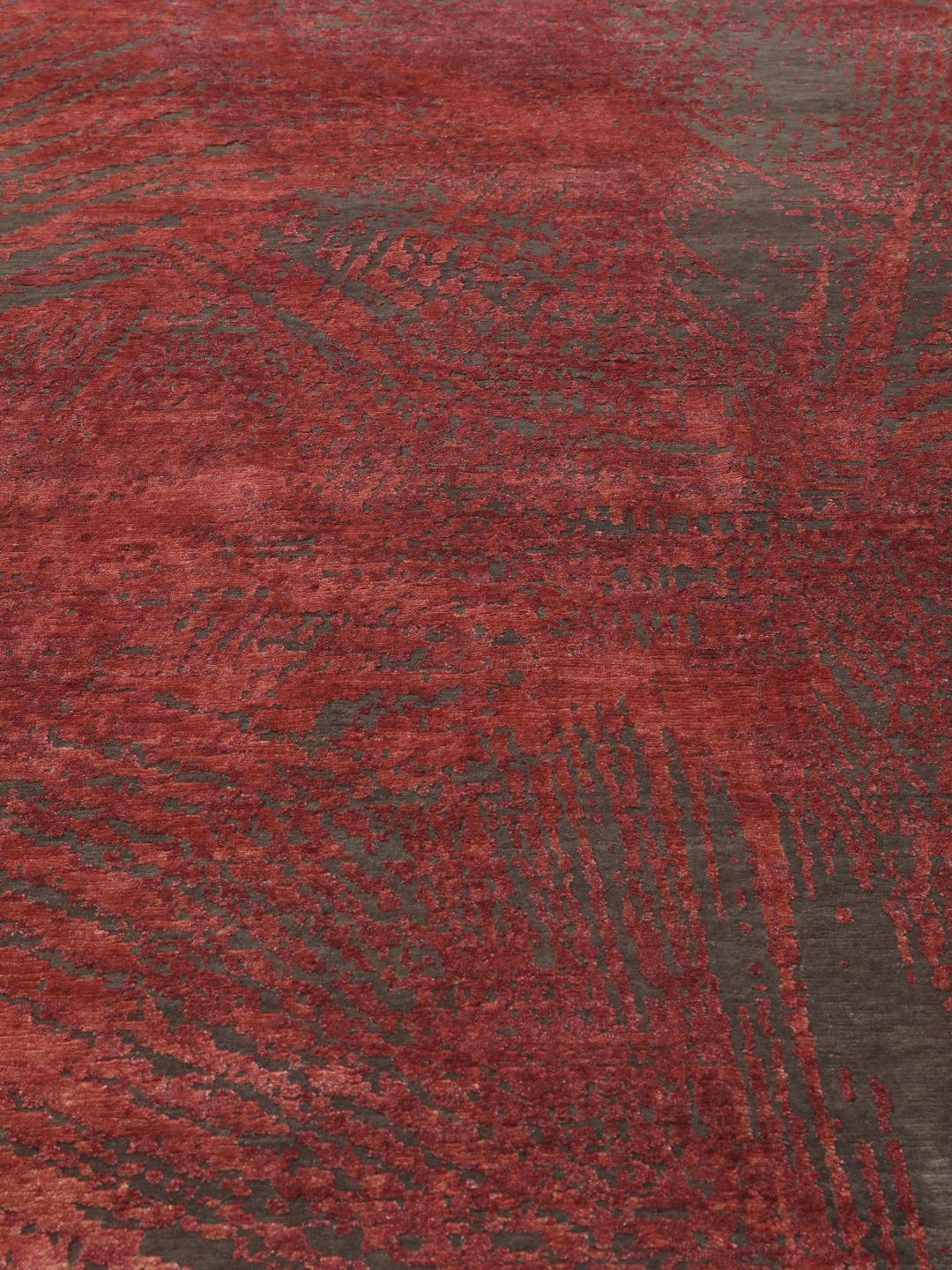
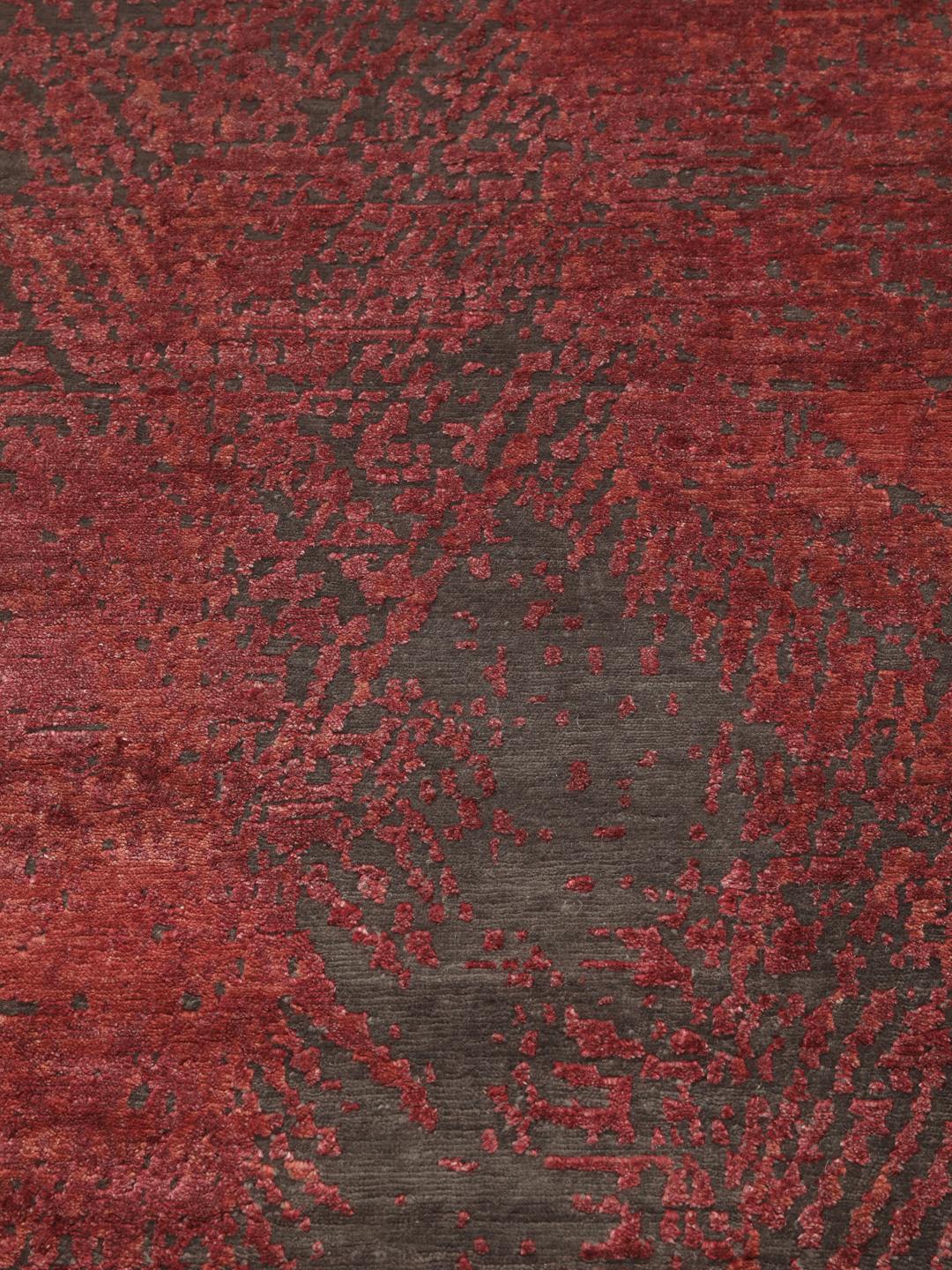
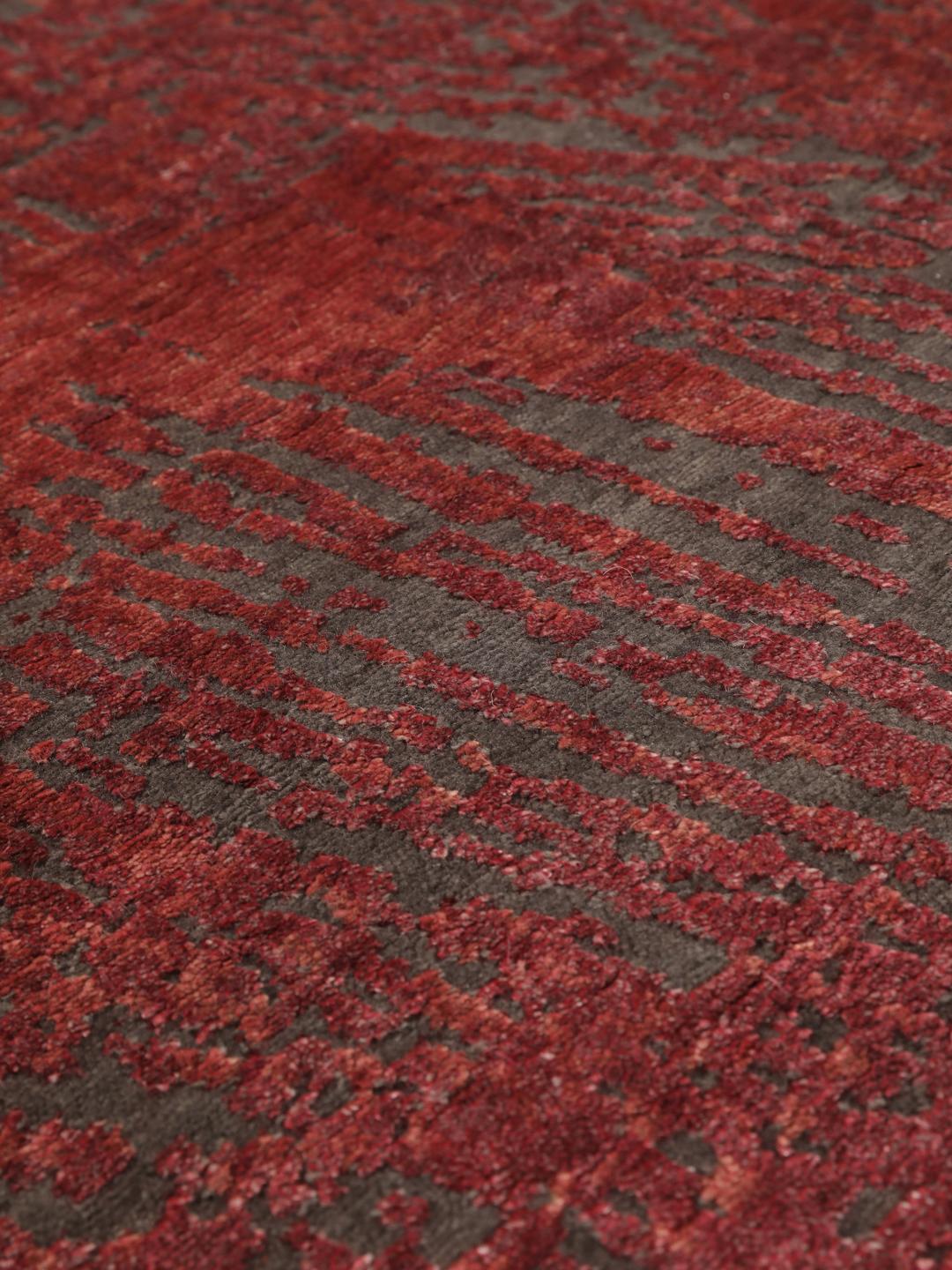
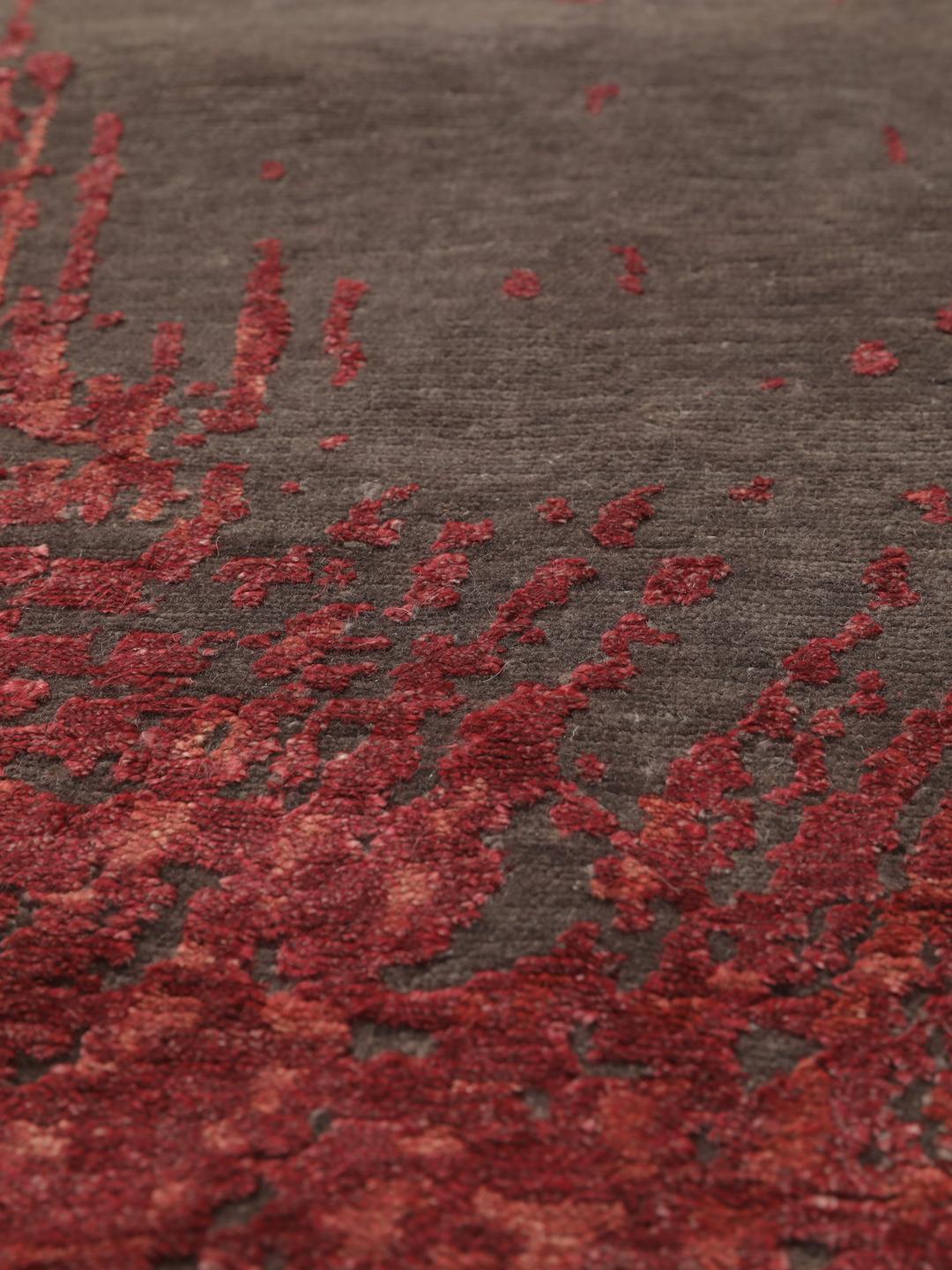
Modern design traditions often emphasise the beauty of negative space and abstract expression, which is clearly reflected in the motifs found on this rug. By moving away from rigid, symmetrical patterns, this style allows for a more fluid and artistic interpretation of colour and form, making it a perfect match for contemporary interiors that value individual expression.
Owning a hand-knotted rug is a commitment to preserving a legacy of skill and patience. Collectors and design enthusiasts value these pieces because they carry the mark of the individual who made them, representing a cultural heritage that prioritises substance and longevity over fleeting trends. When you choose a piece like this, you are participating in a long history of craft that values the human touch above all else.