The tradition of hand-knotted rugs in India has evolved over centuries, blending indigenous techniques with influences brought from across the Middle East. Historically, these workshops were established to support royal courts, but today, they have become centres of contemporary innovation where weavers push the boundaries of classic design to suit modern tastes.
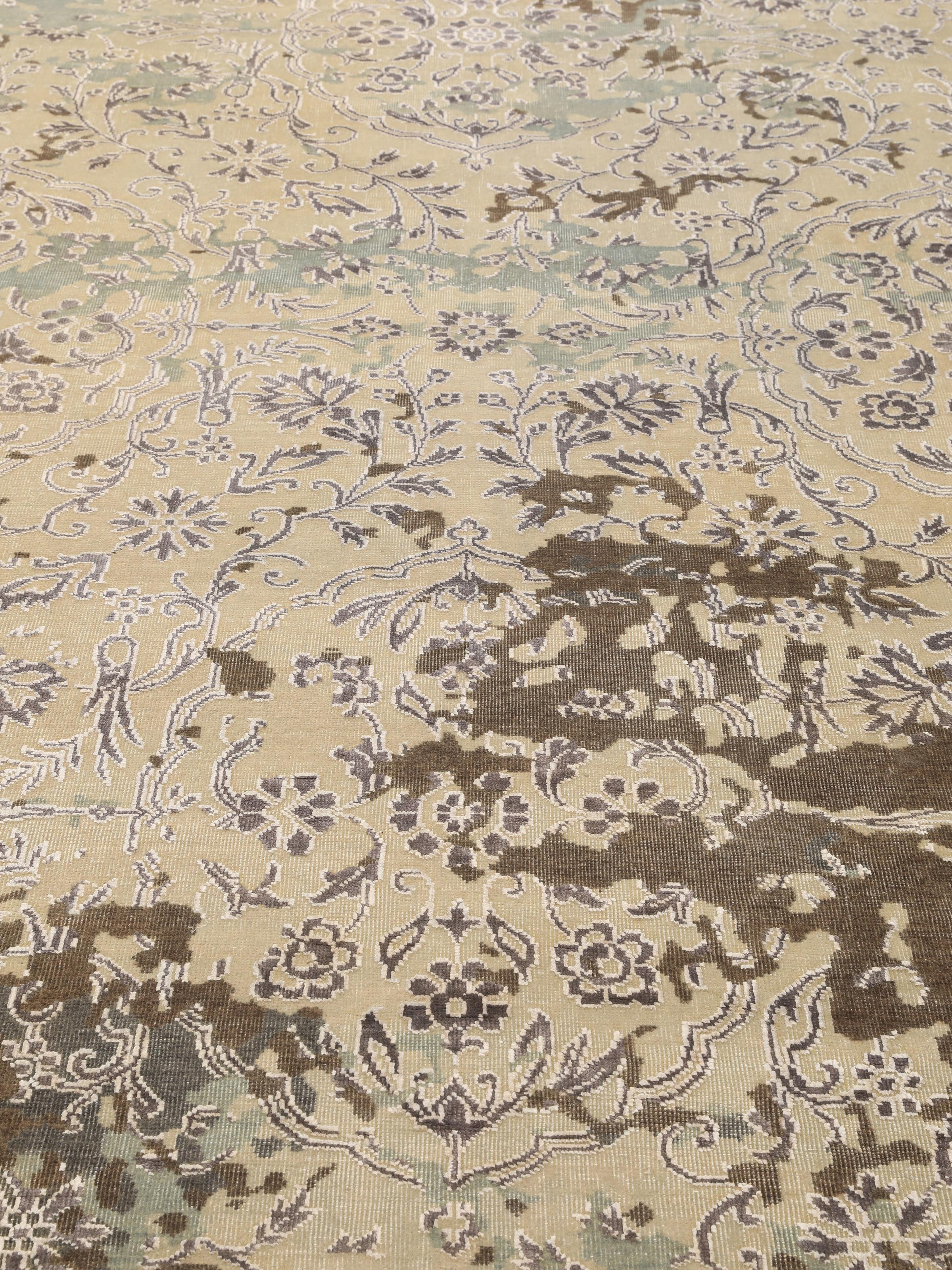
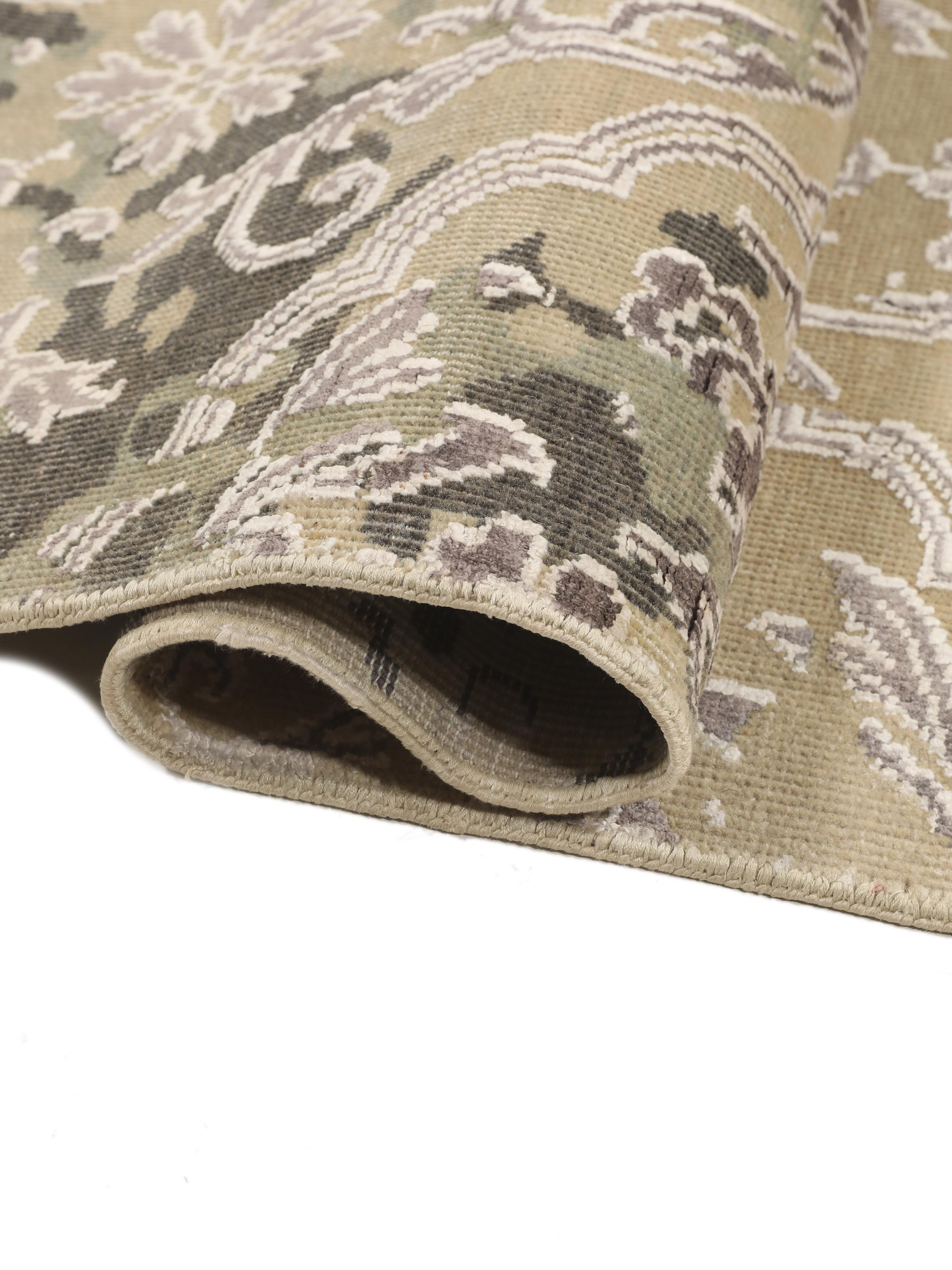
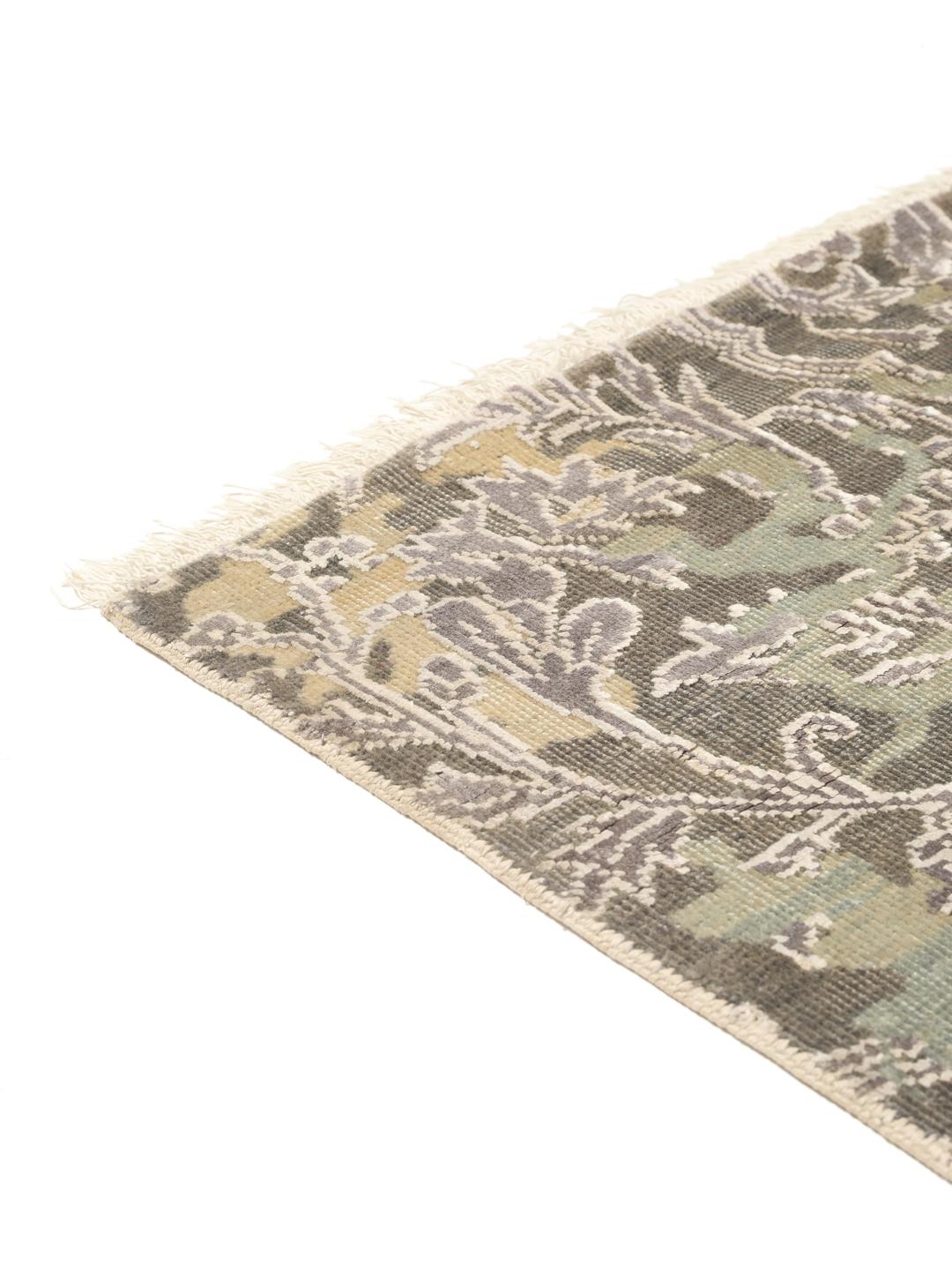
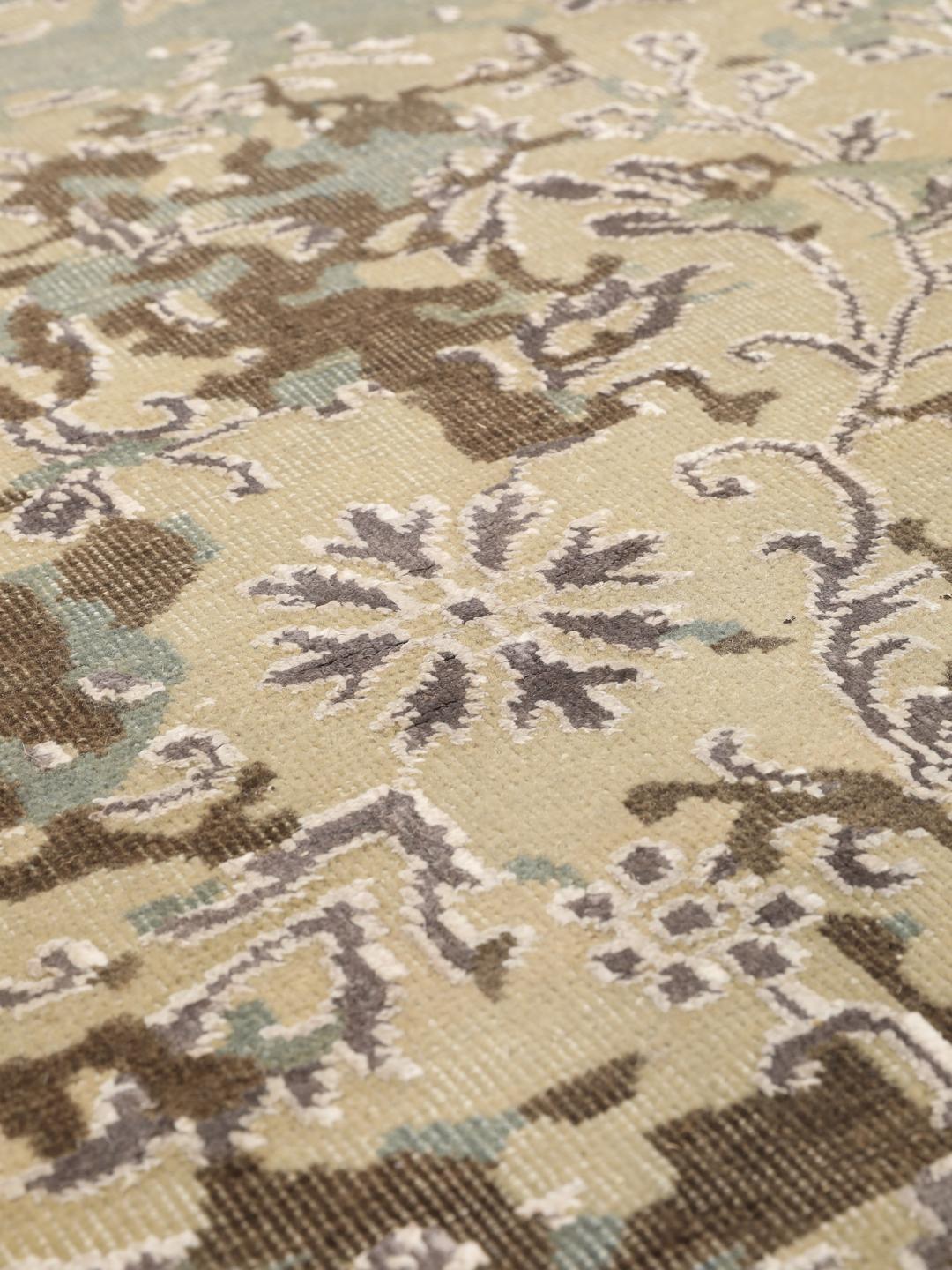
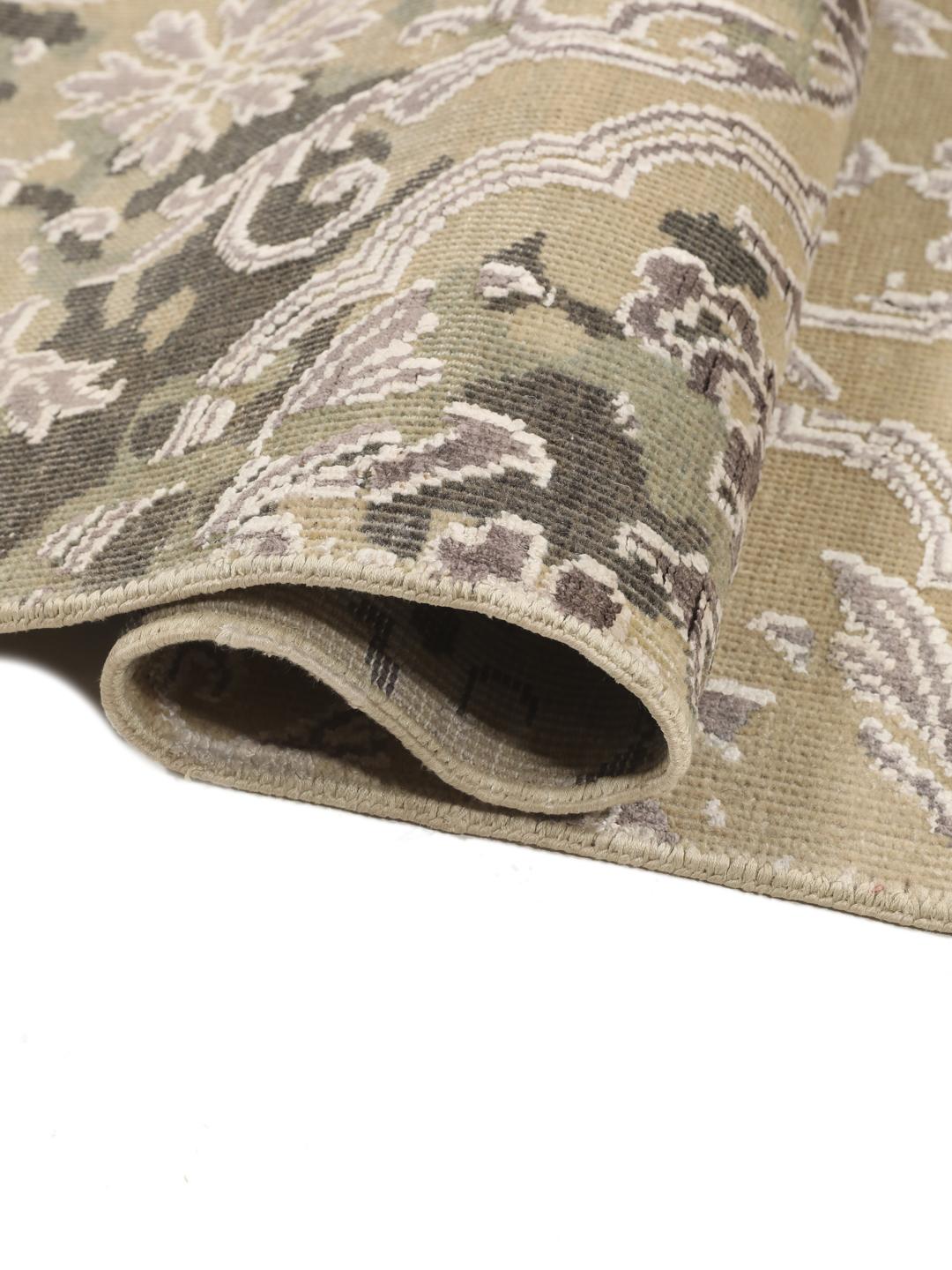
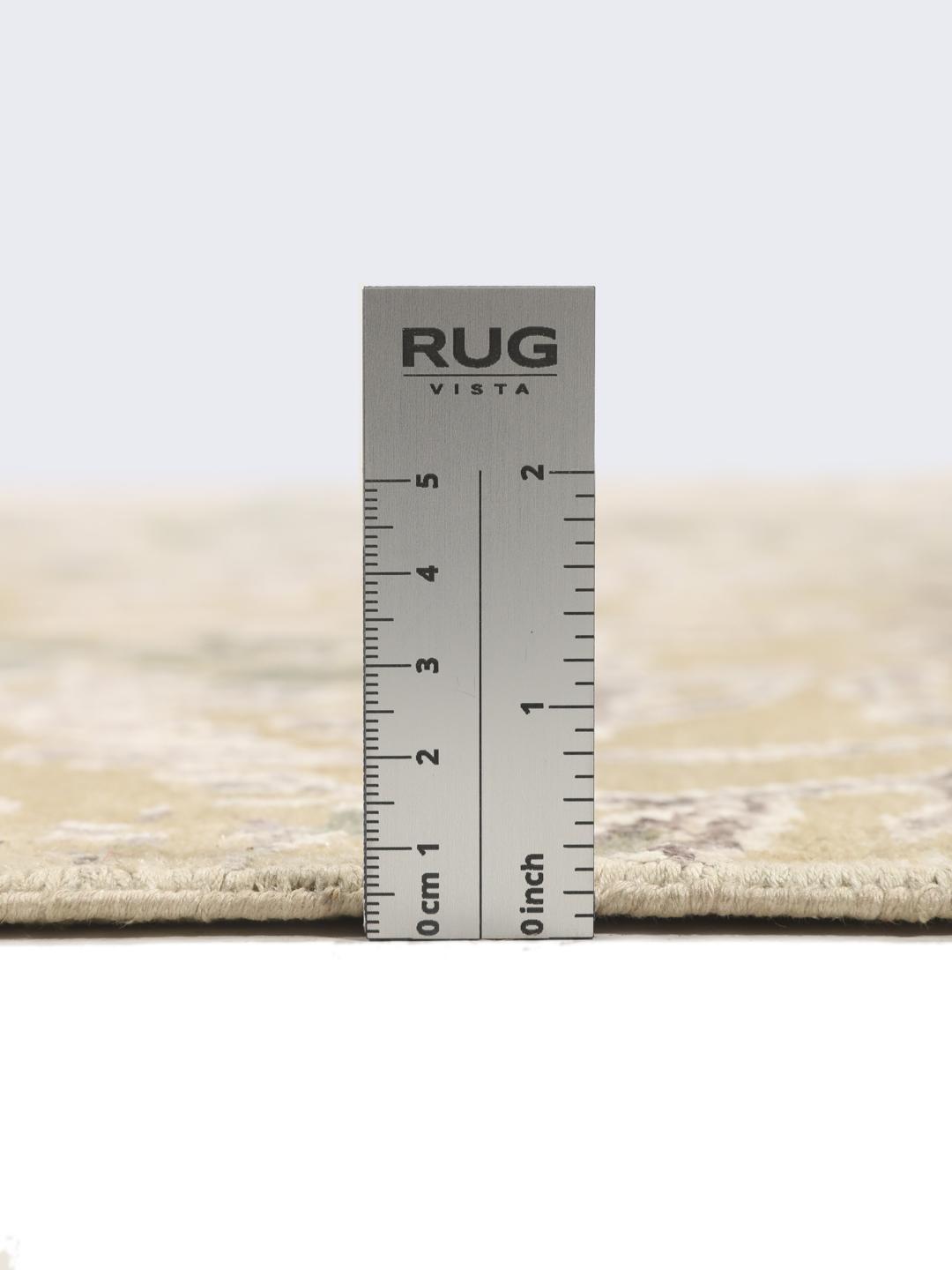
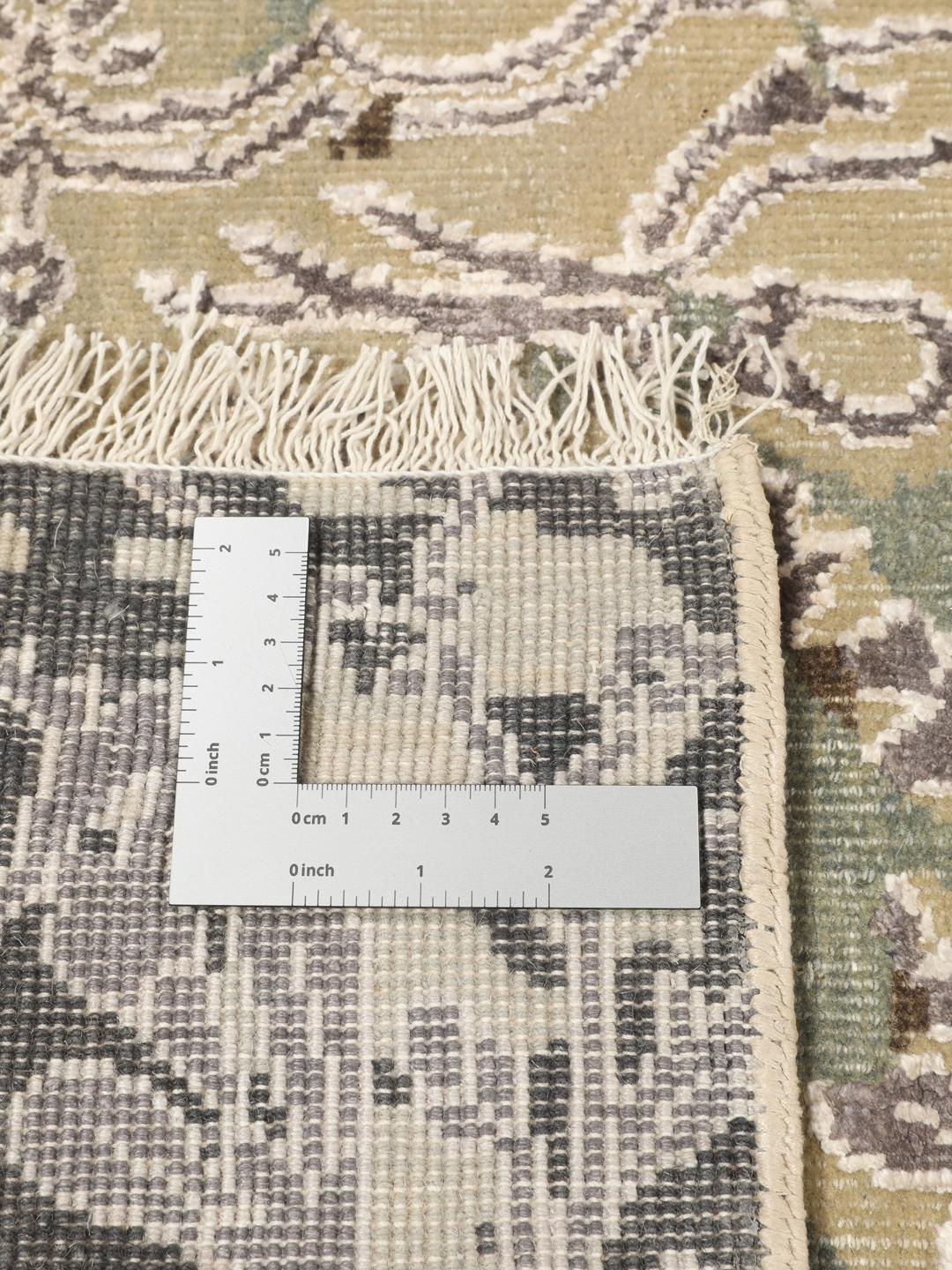
The term hand-knotted refers to the precise technique where individual yarns are looped around the foundation threads. This creates a durable structure that allows for intricate patterns and a pile that feels dense and plush. Unlike other methods, this craft requires immense patience and skill, as each knot is a testament to the artisan's dedication to quality.
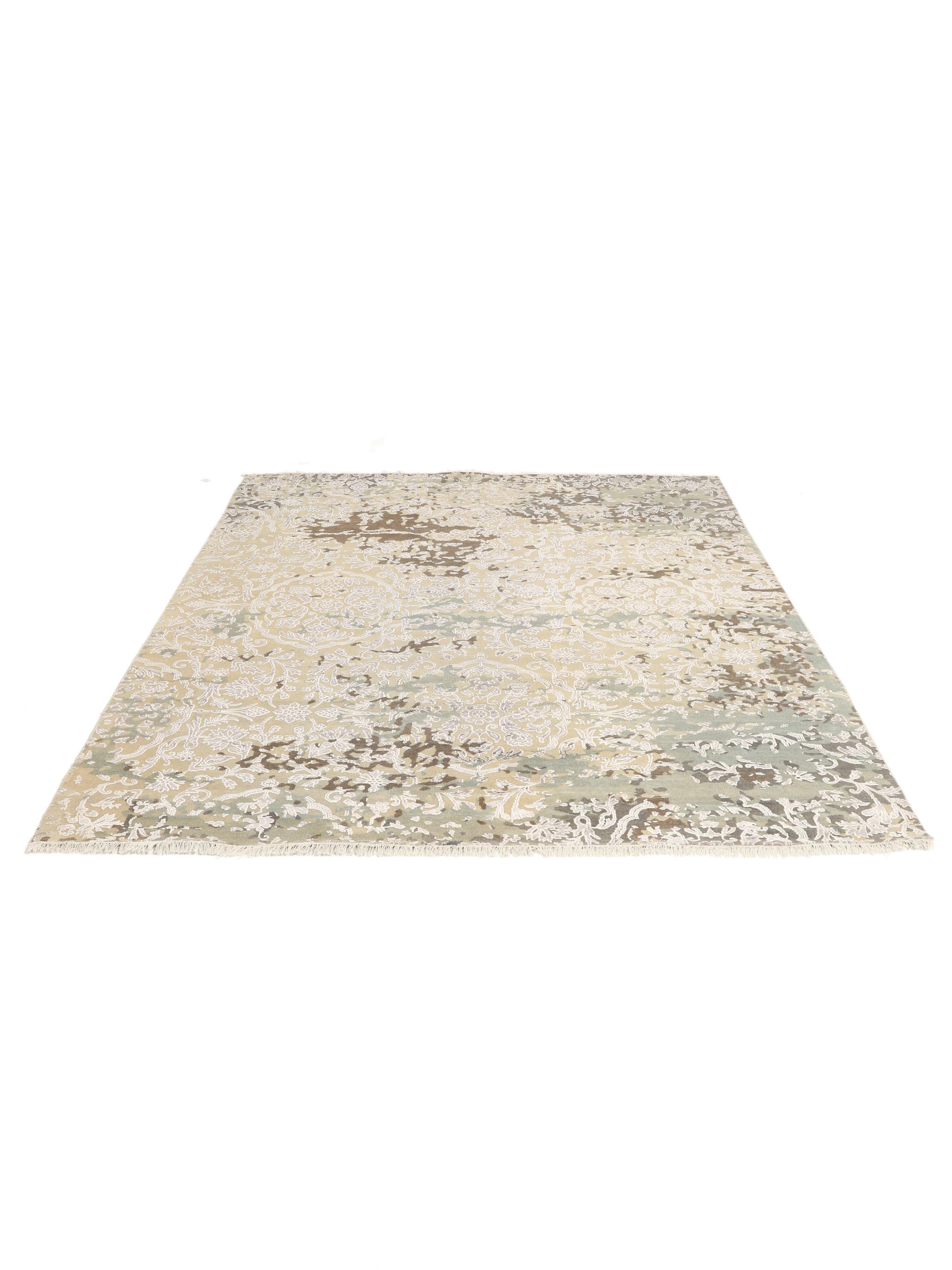
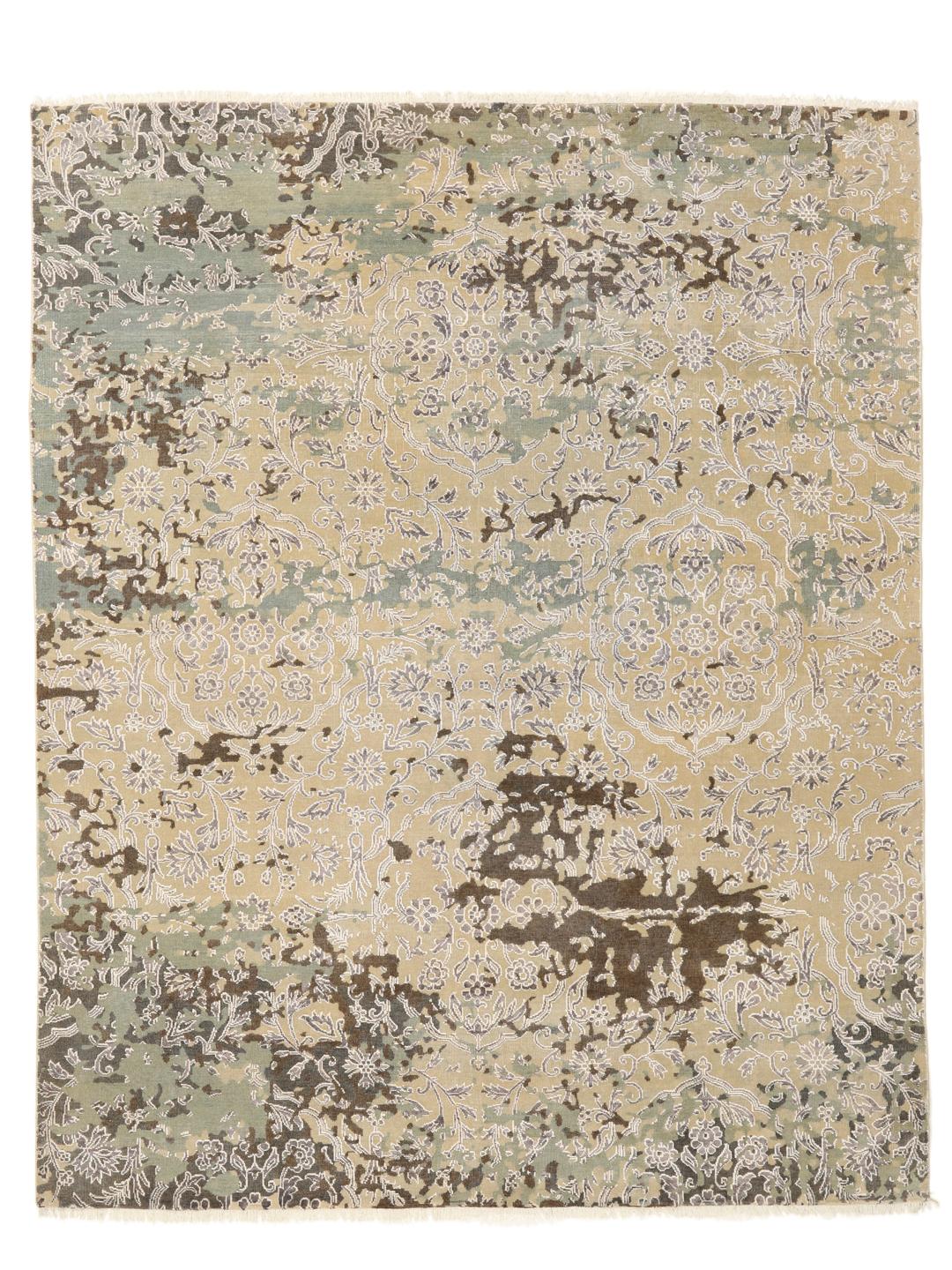
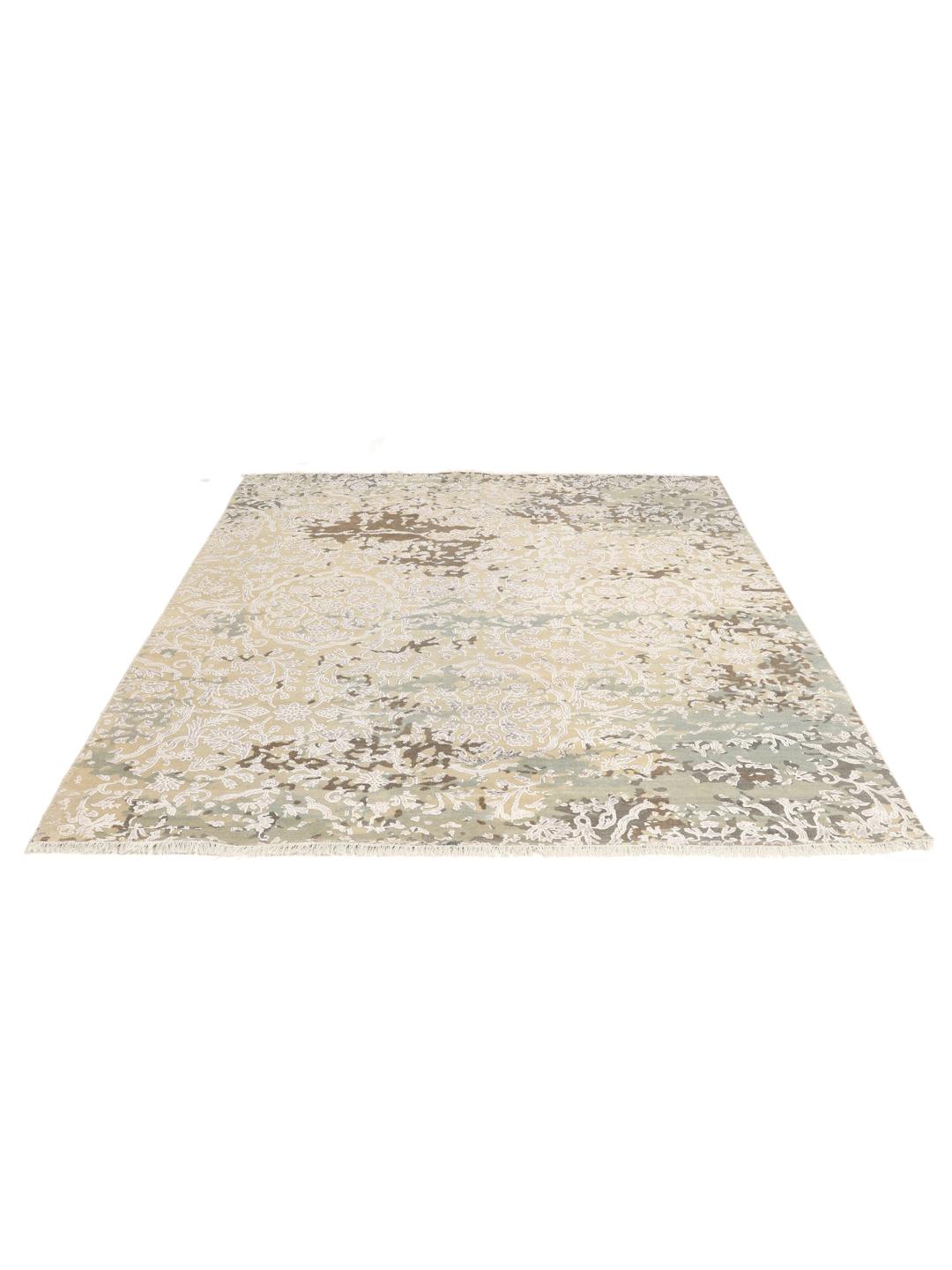
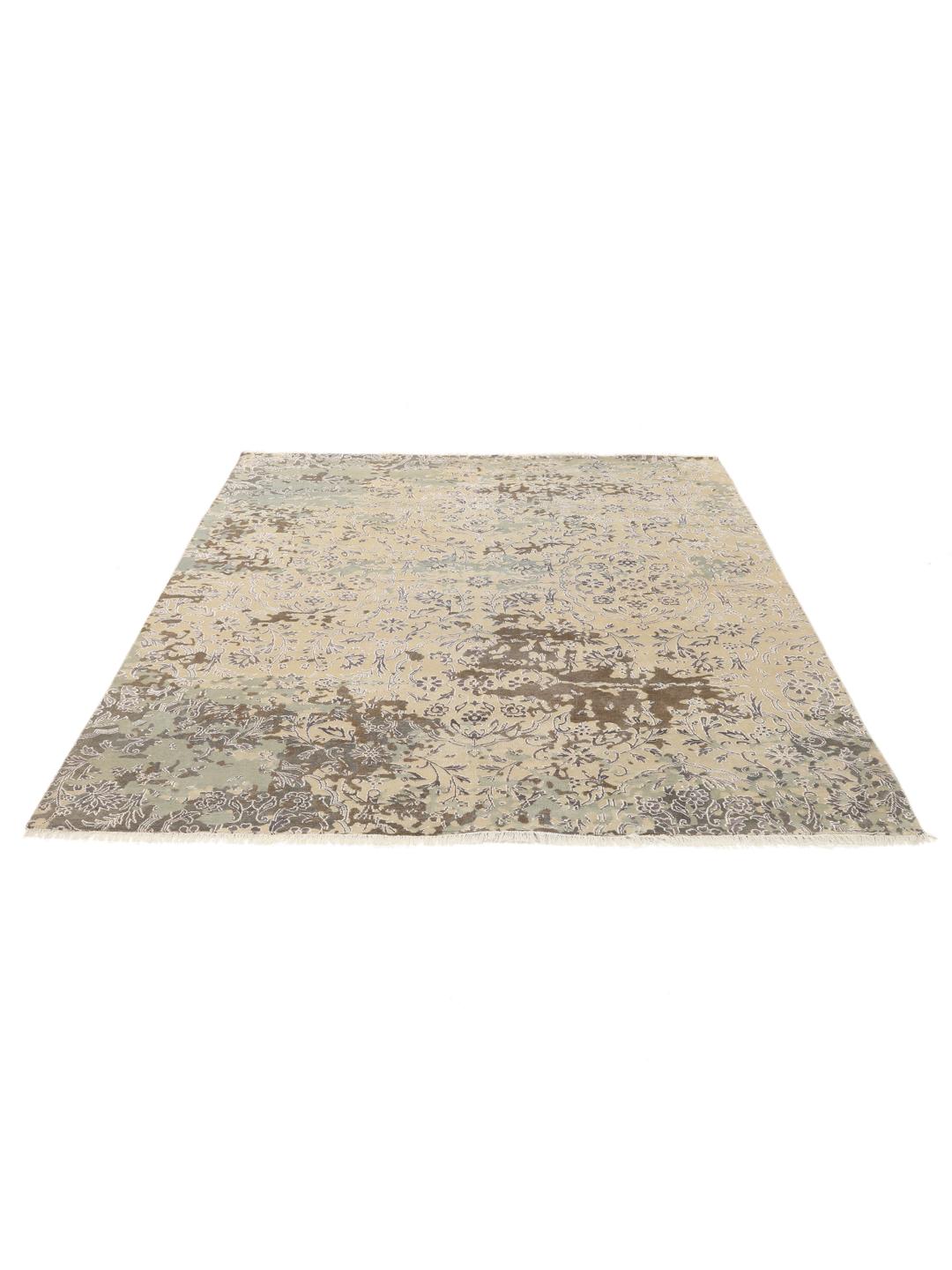
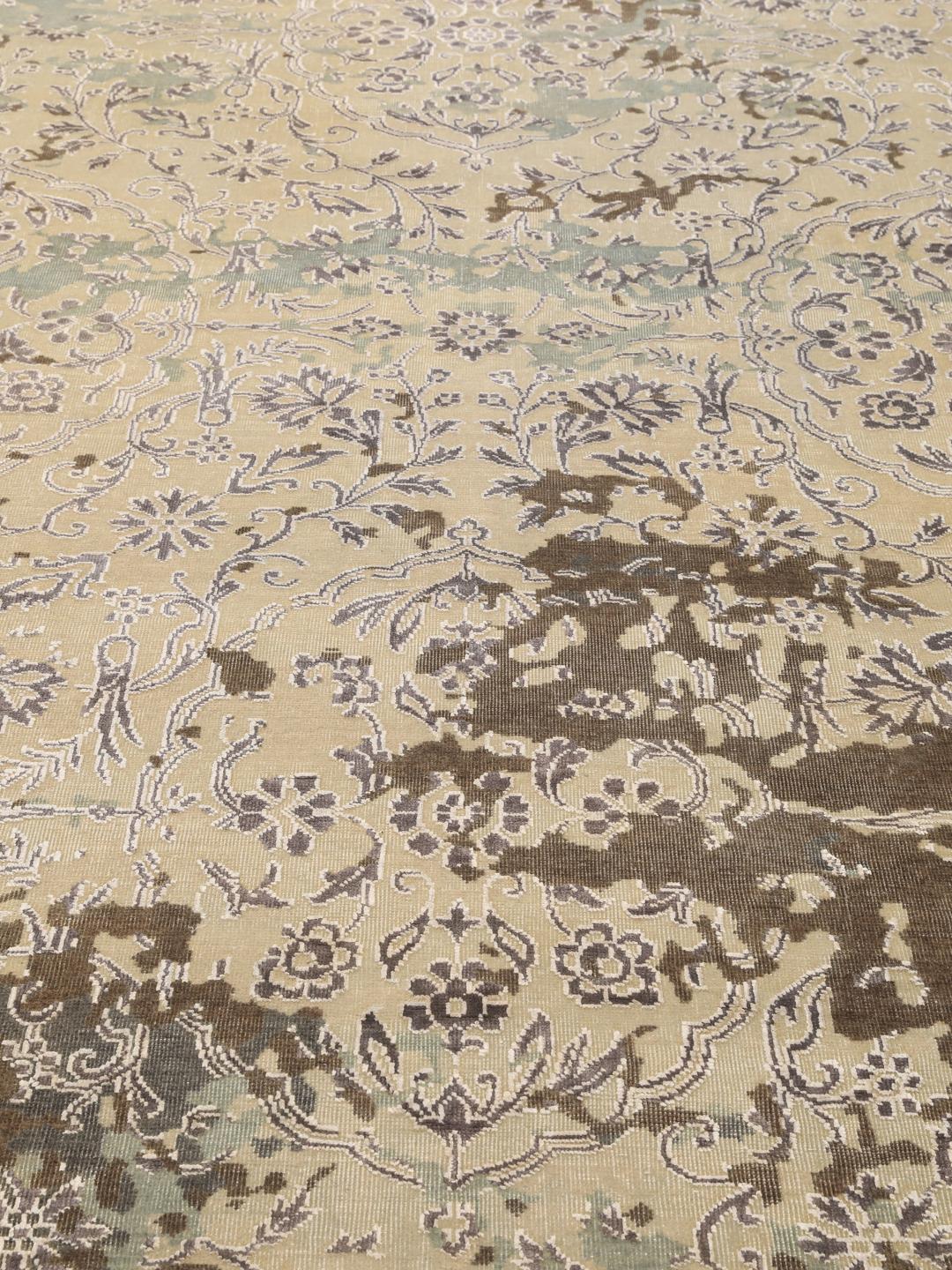
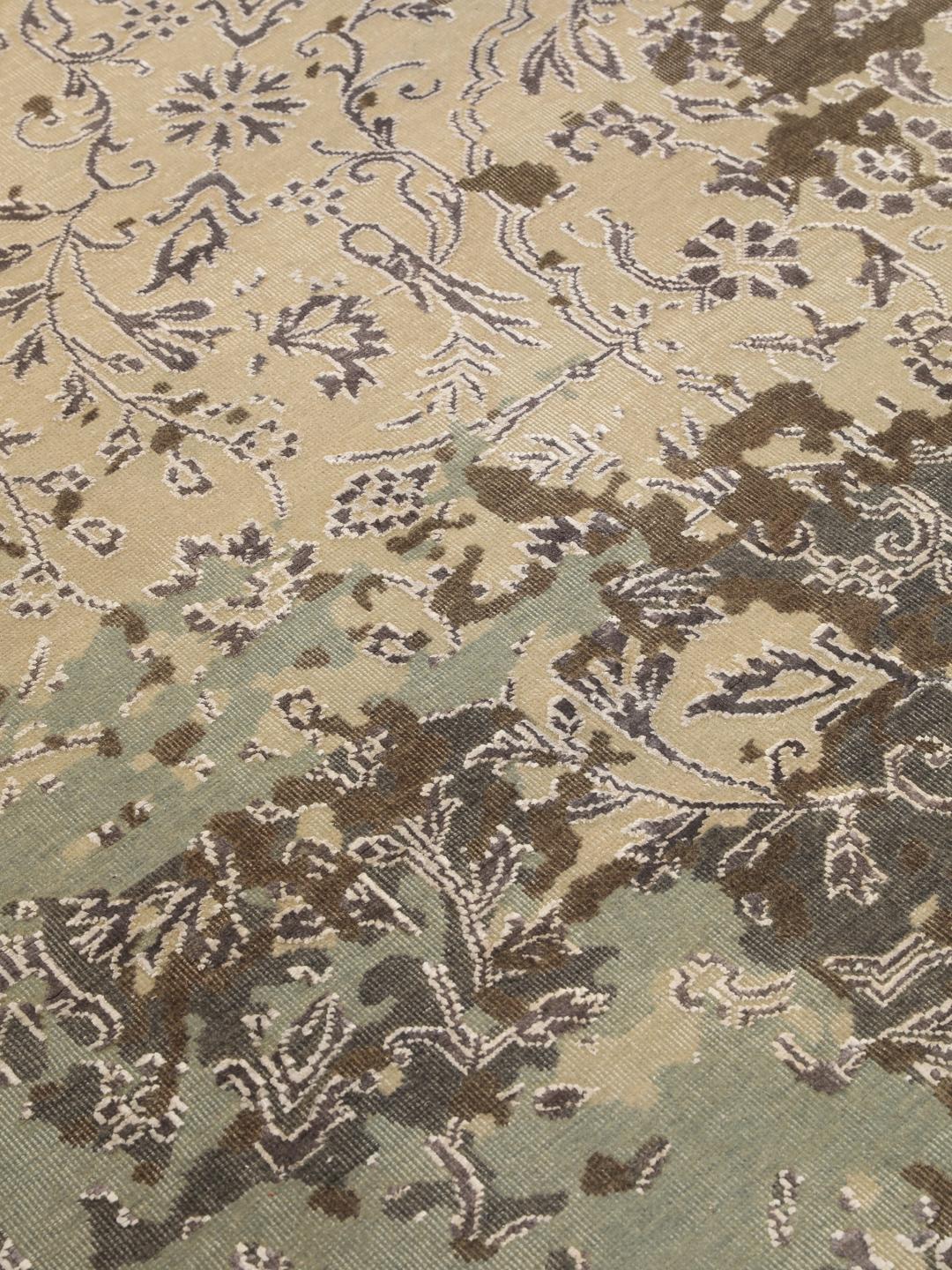
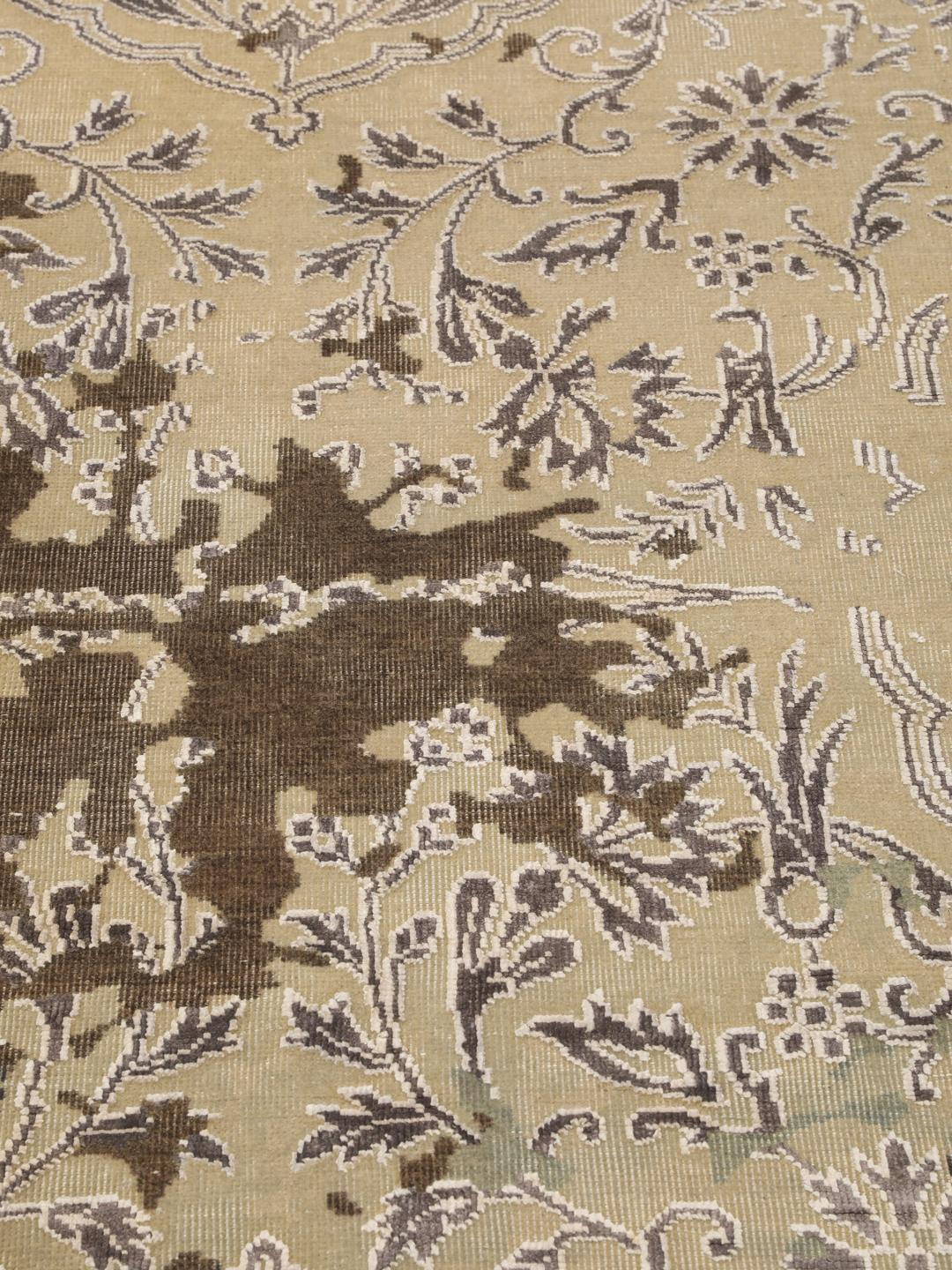
Visually, this rug draws on a rich vocabulary of floral motifs often found in classic regional designs, yet it reinterprets them through a contemporary lens. The distressed, layered effect seen here is a hallmark of modern artistic expression, where traditional symmetry is softened by abstract, weathered textures that create a sense of history and lived-in comfort.
Collecting a rug from this tradition is an investment in cultural heritage and human skill. Each piece serves as a link to an ancient craft that values slow, deliberate work over rapid production. Owning such a rug means more than just covering a floor; it is about preserving a legacy of beauty and functionality that is increasingly rare in our modern world.