India has a long and storied history of rug-making that dates back to the Mughal era, when traditional techniques were introduced to the region. Over centuries, these methods evolved, blending local artistic expressions with classic weaving traditions. Today, India is celebrated globally for its ability to combine these historical techniques with contemporary design, creating pieces that bridge the gap between ancient artistry and modern living.
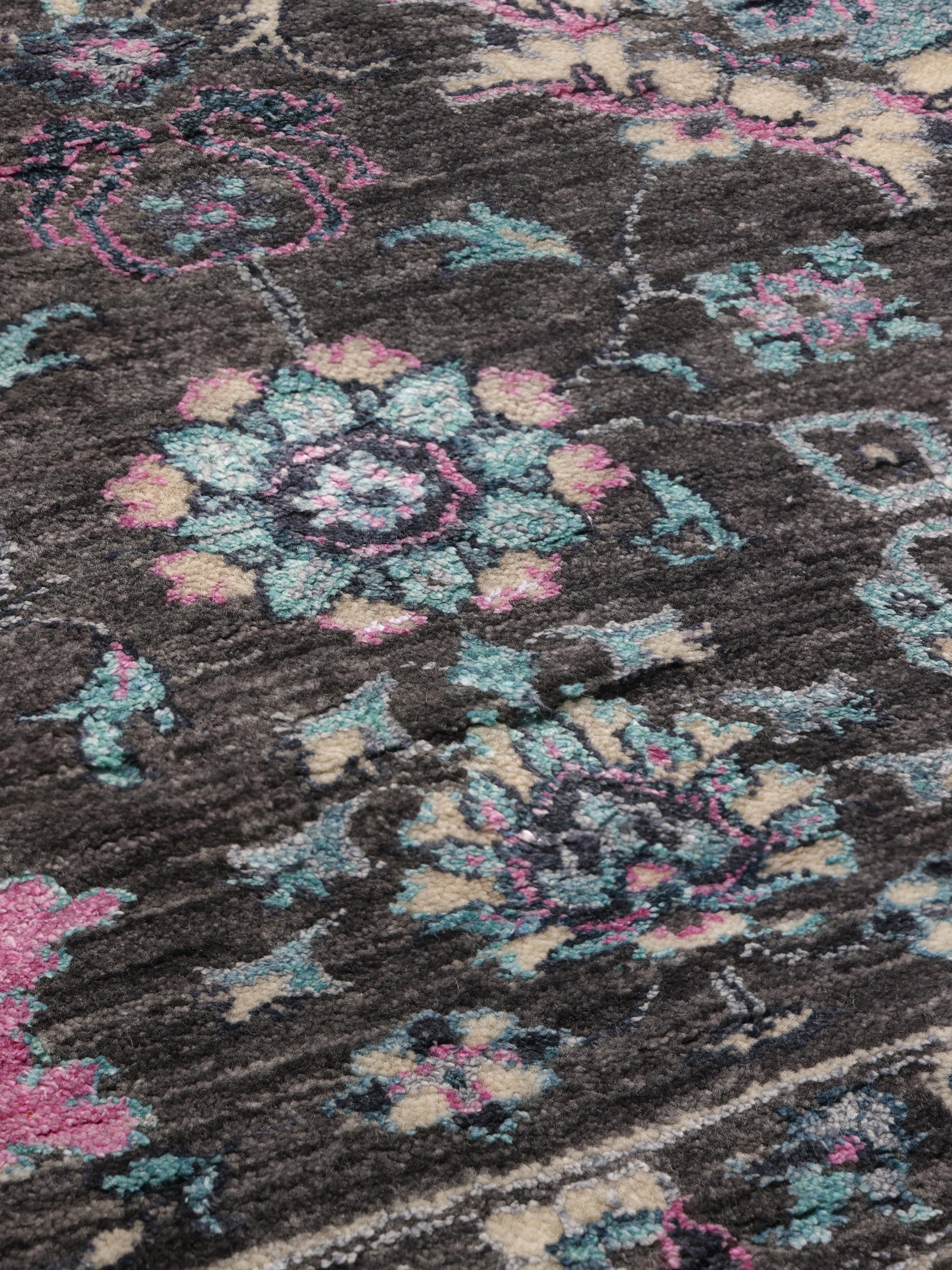
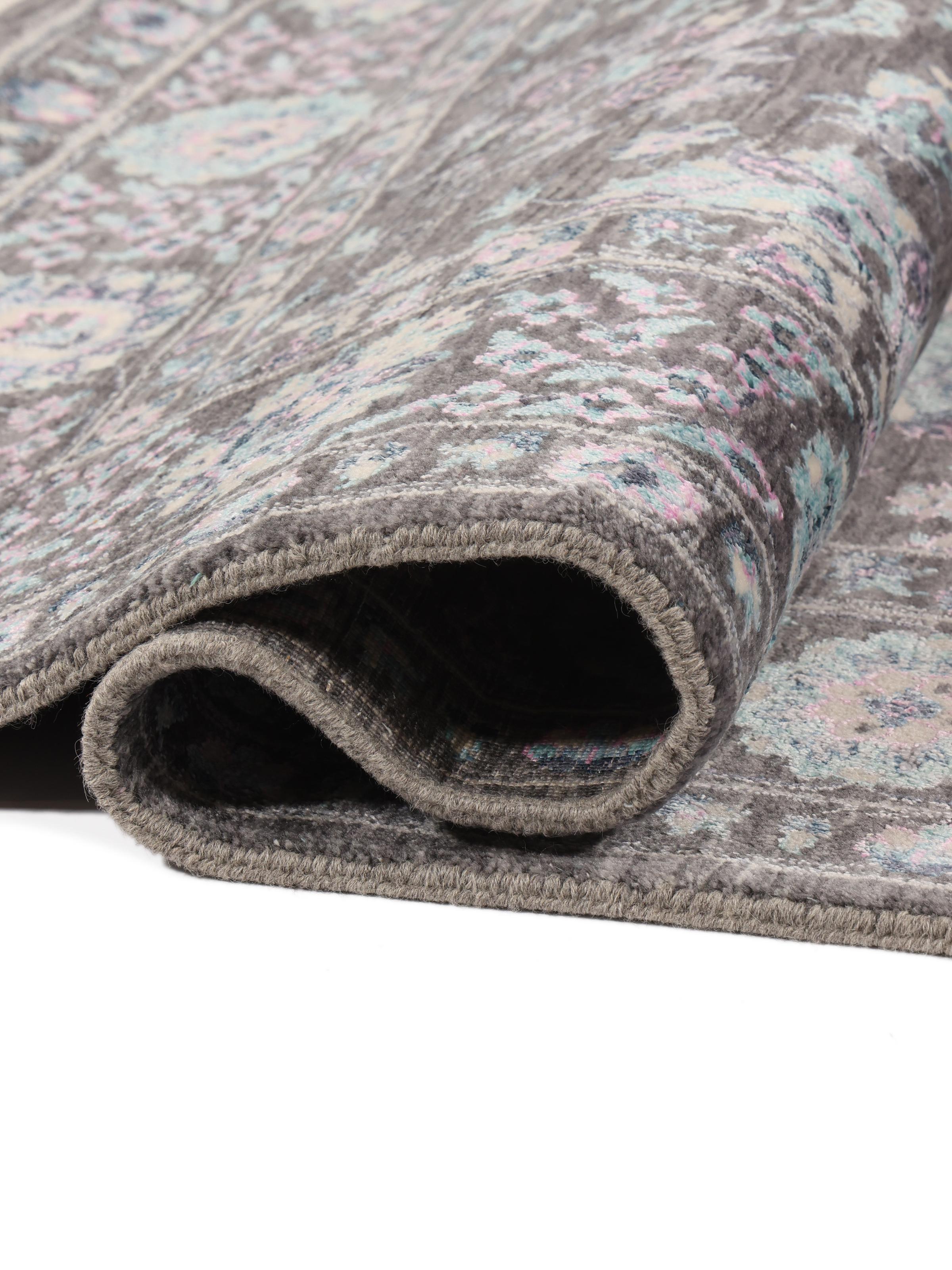
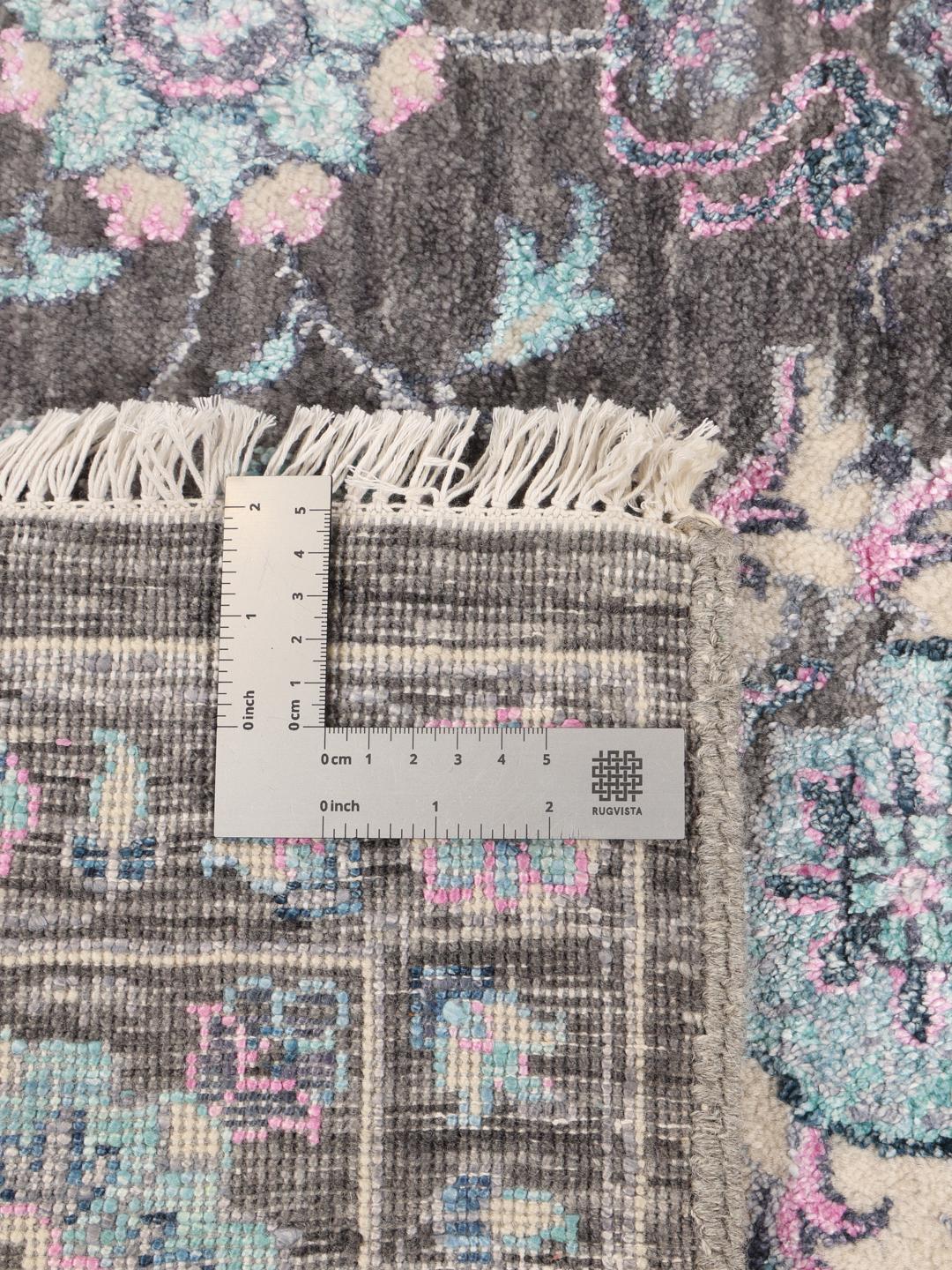
The term hand-knotted refers to the most traditional and labour-intensive method of rug construction. In this process, each knot is tied by hand around the warp threads, creating a pile that is exceptionally strong and dense. This construction is highly valued because it allows for intricate pattern work and ensures the rug can withstand the wear of daily life without losing its shape or softness.
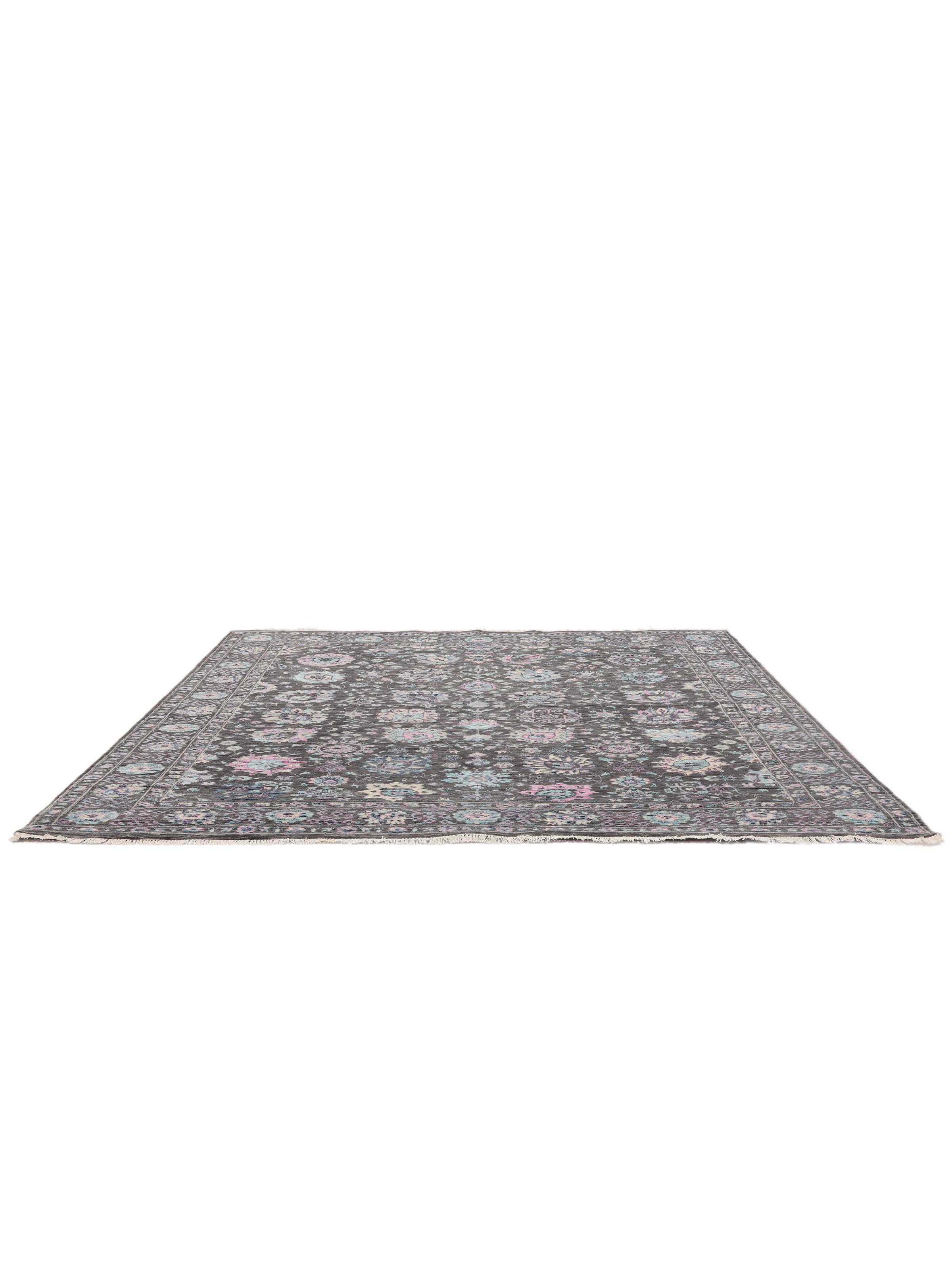
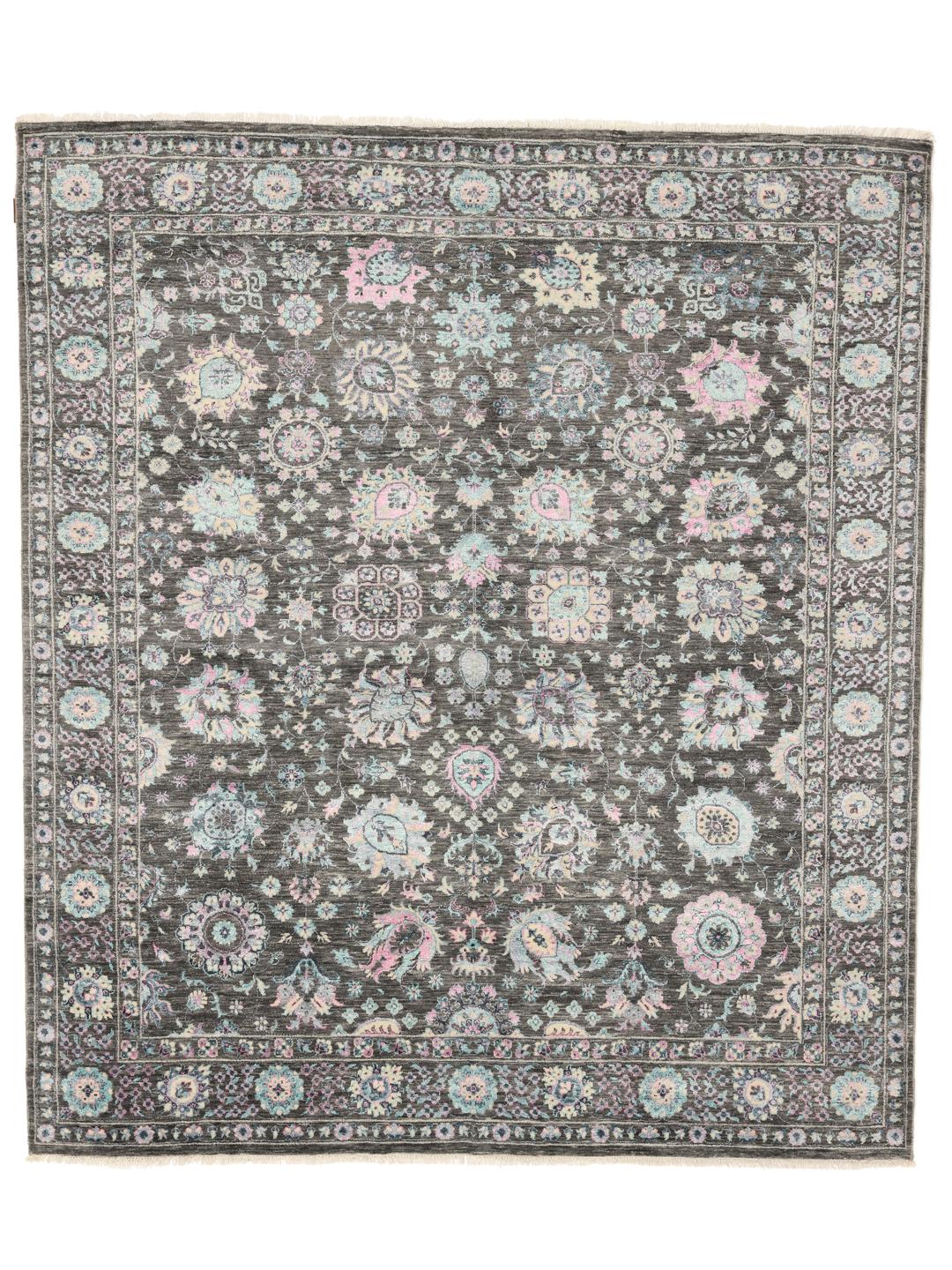
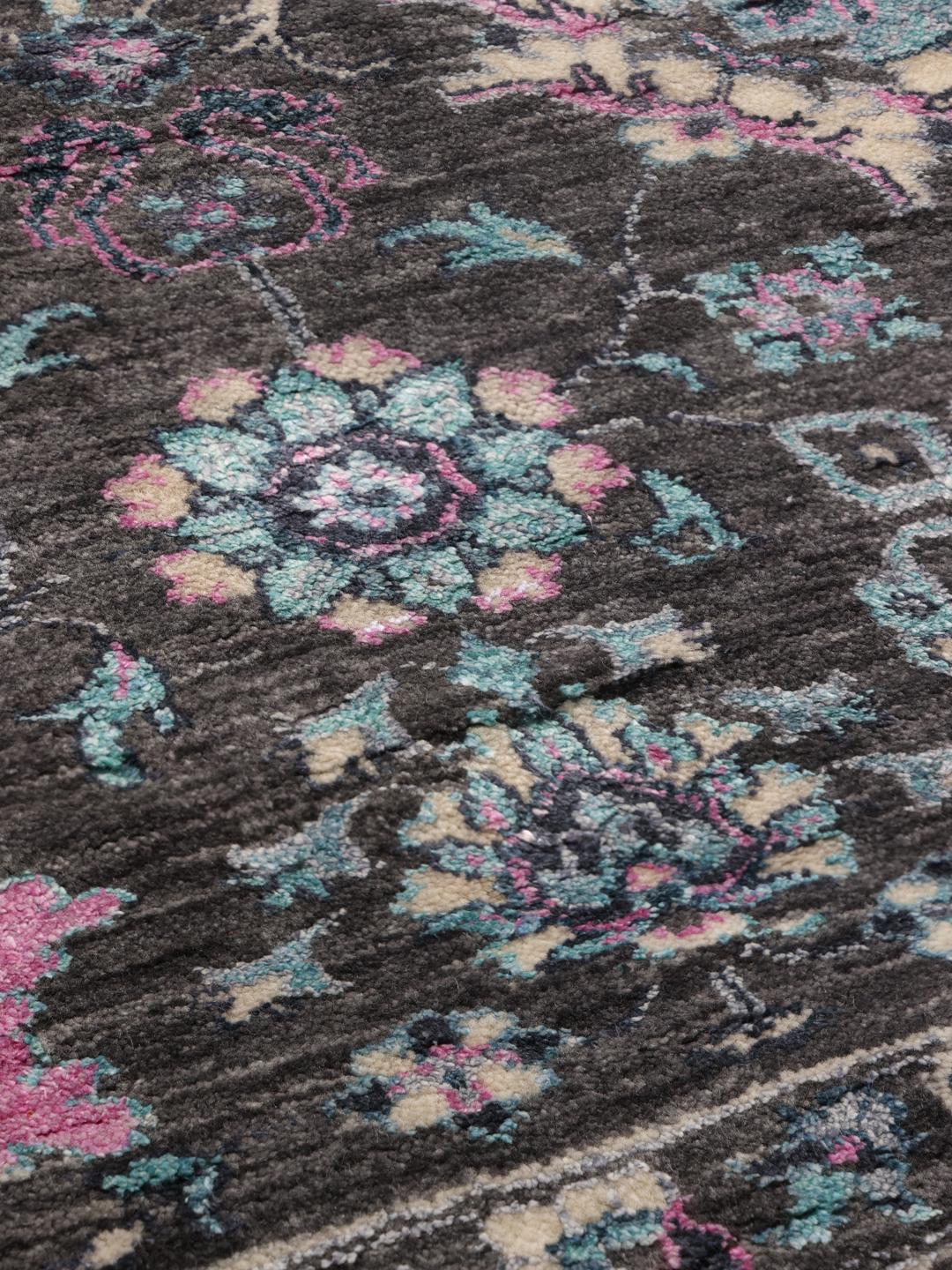
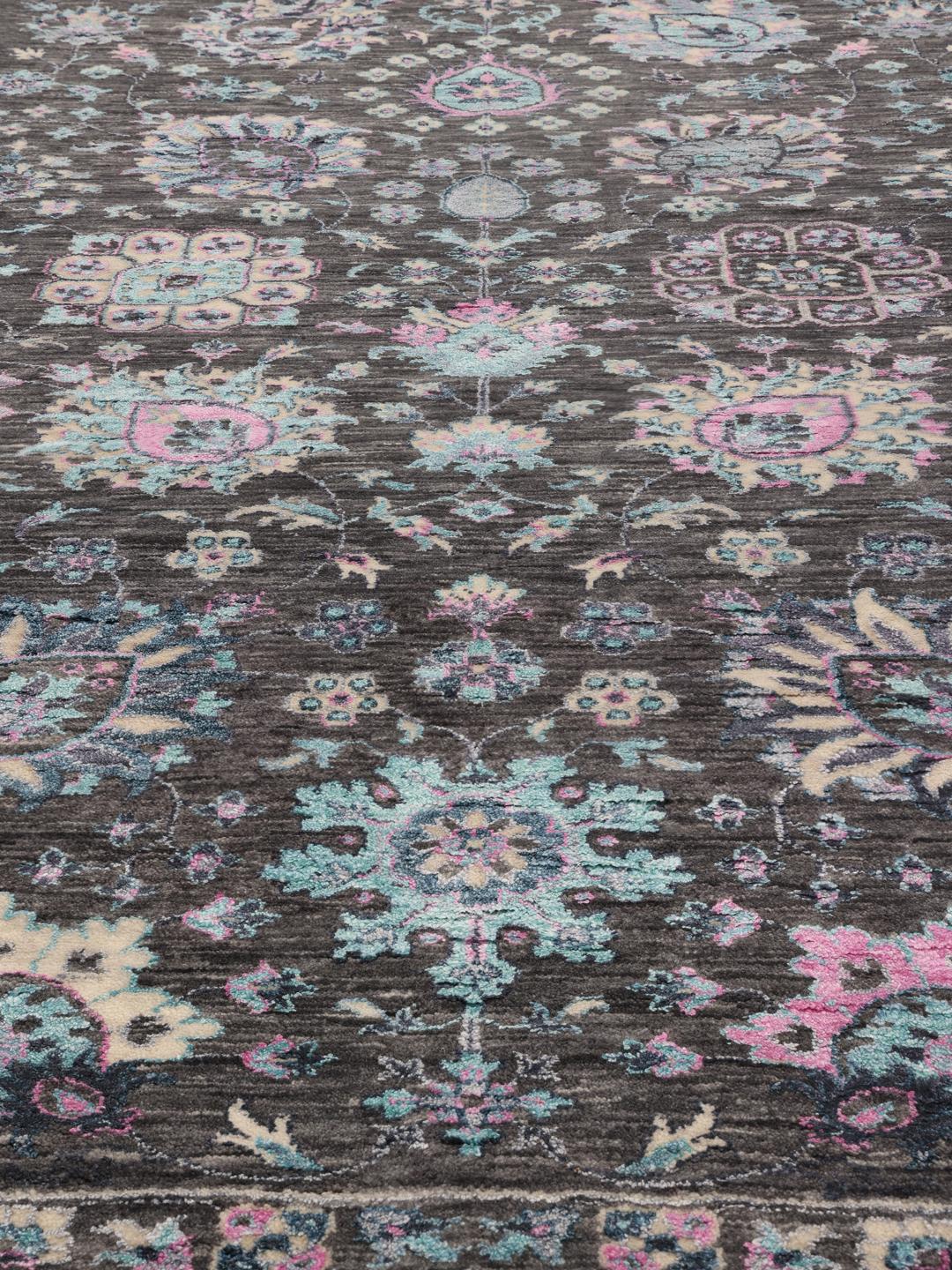
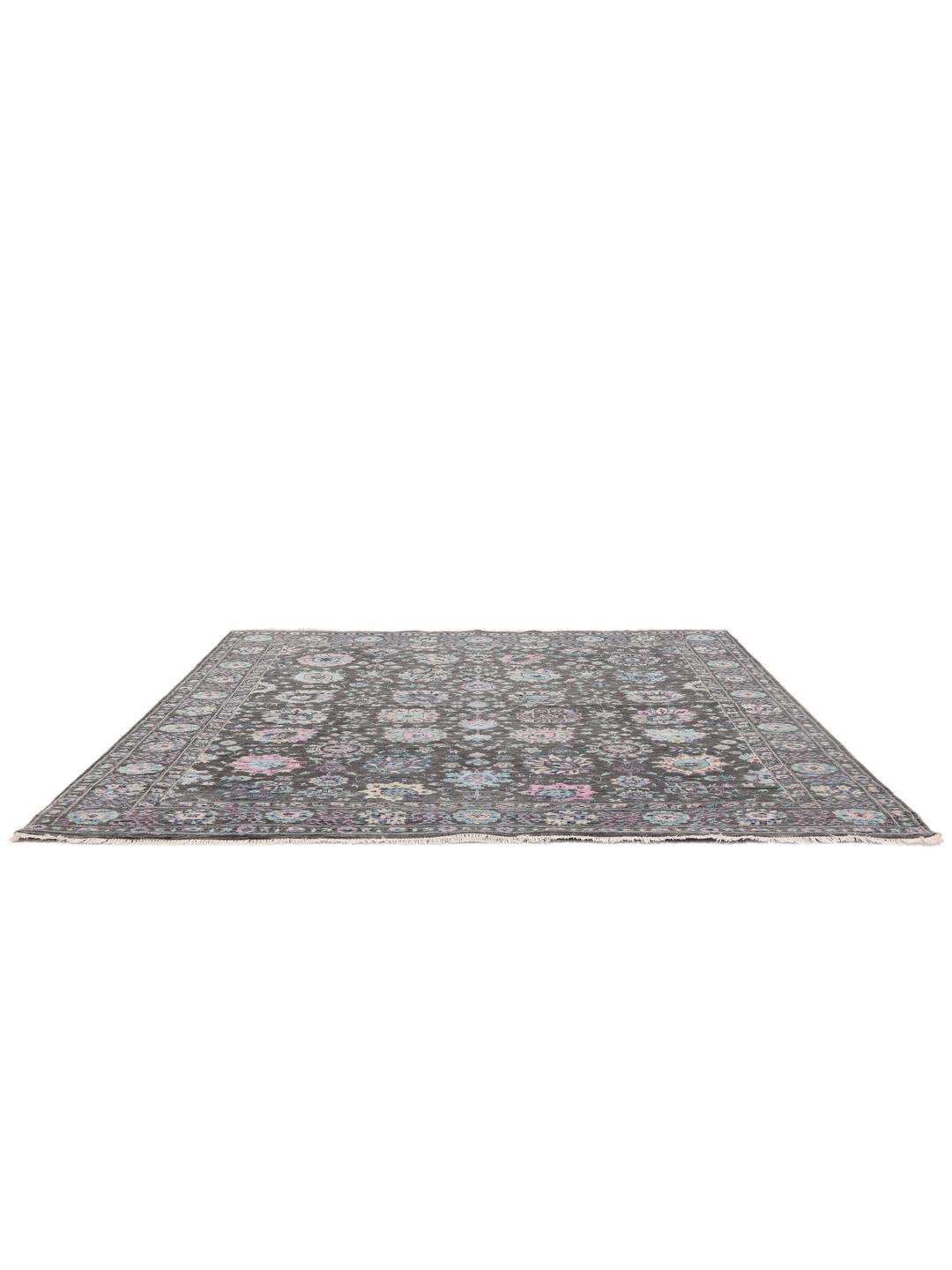
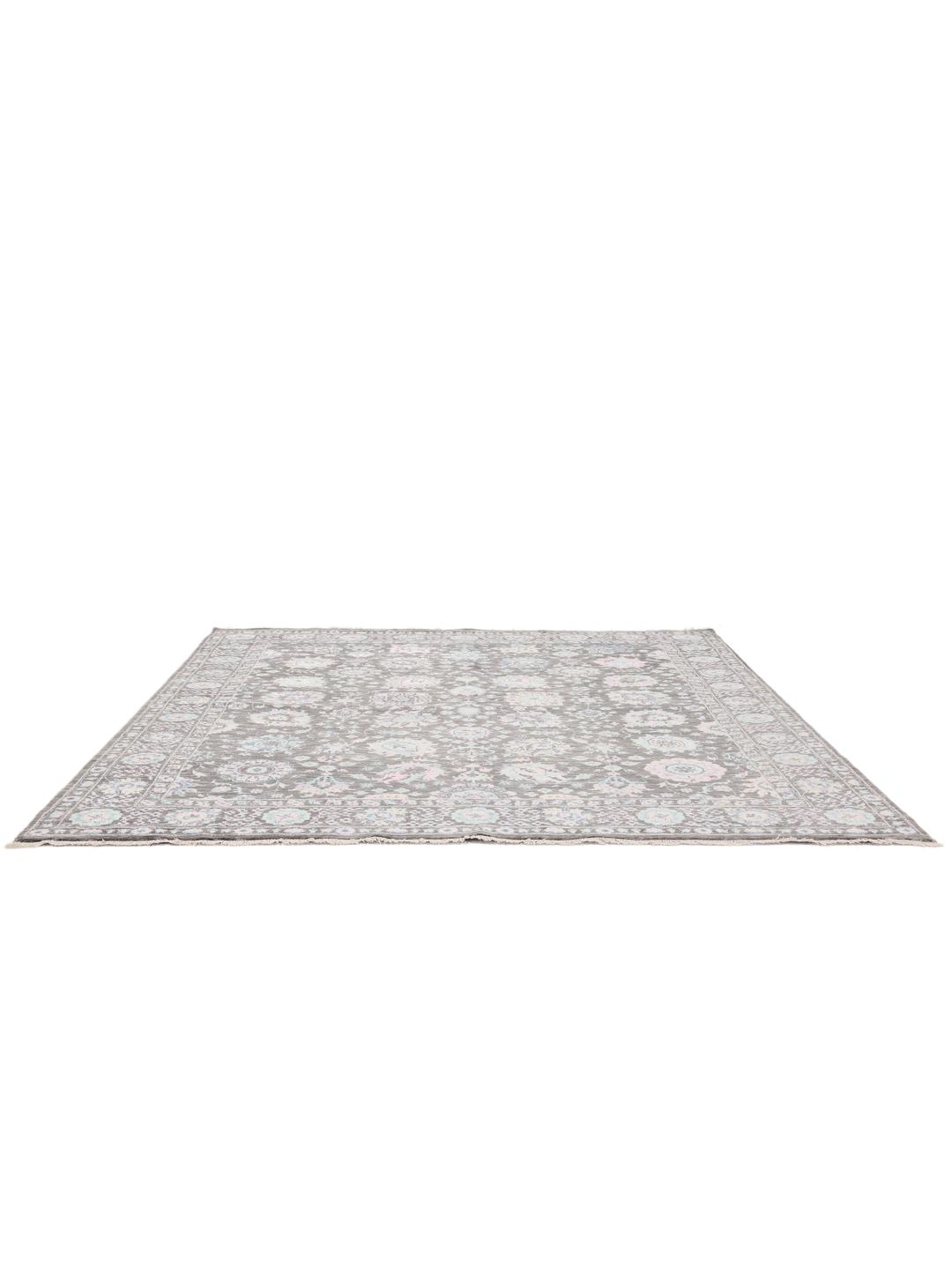
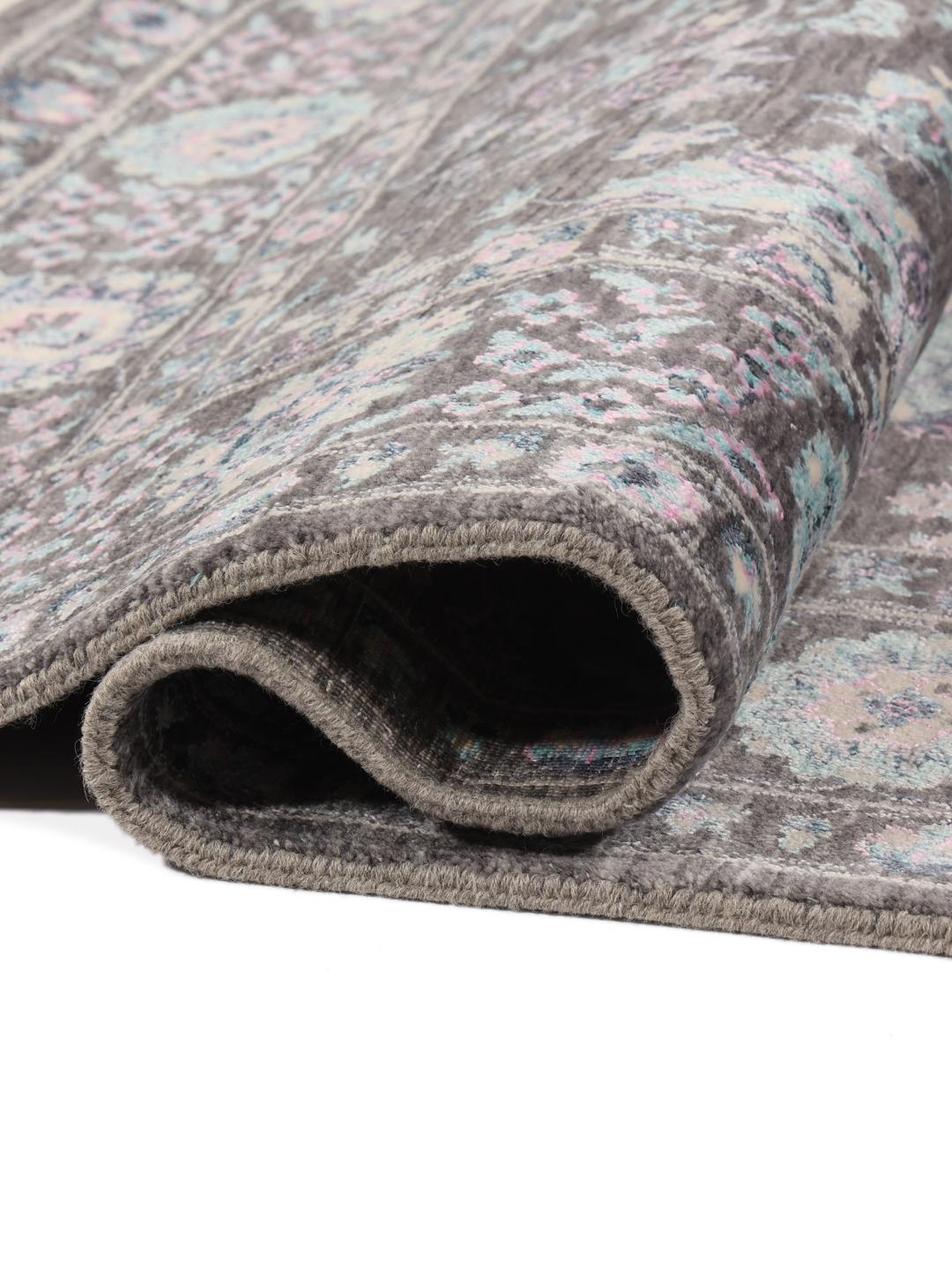
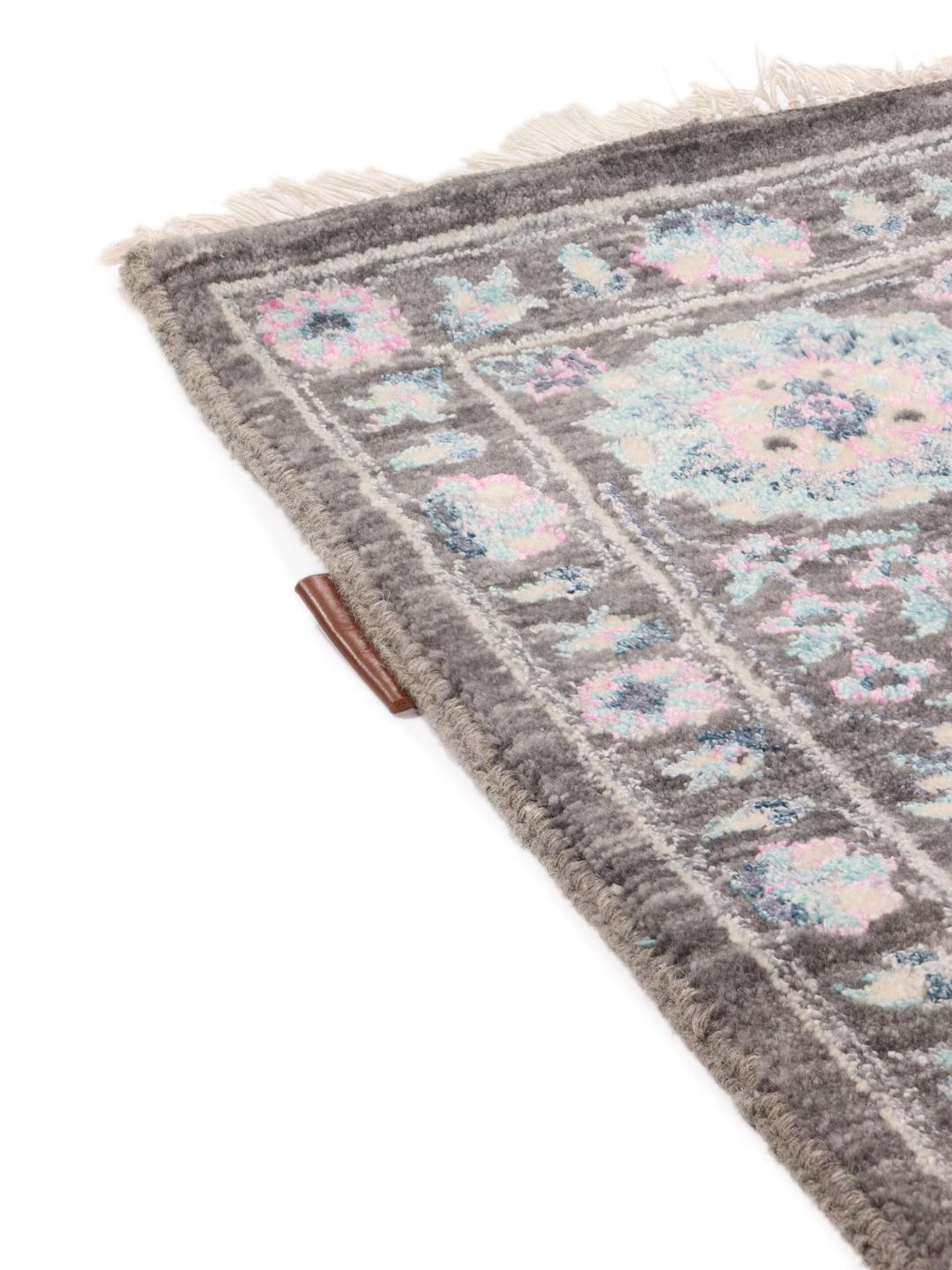
The design of this rug features a sophisticated floral motif set against a dark background. Floral patterns have been a staple in the region's rug-making tradition for centuries, often symbolising beauty, growth, and nature. By using a contemporary colour palette of soft, muted tones, this piece reinterprets these classic elements, making them feel fresh and relevant for modern interiors while maintaining the depth of traditional design.
Owning a hand-knotted rug from India is about more than just decor; it is about appreciating the heritage of the craft. Collectors and design enthusiasts value these pieces for the human story behind every knot and the enduring quality of the materials. By choosing such a piece, you are supporting a legacy of skill that has been passed down through generations, ensuring that this art form continues to thrive in the modern world.