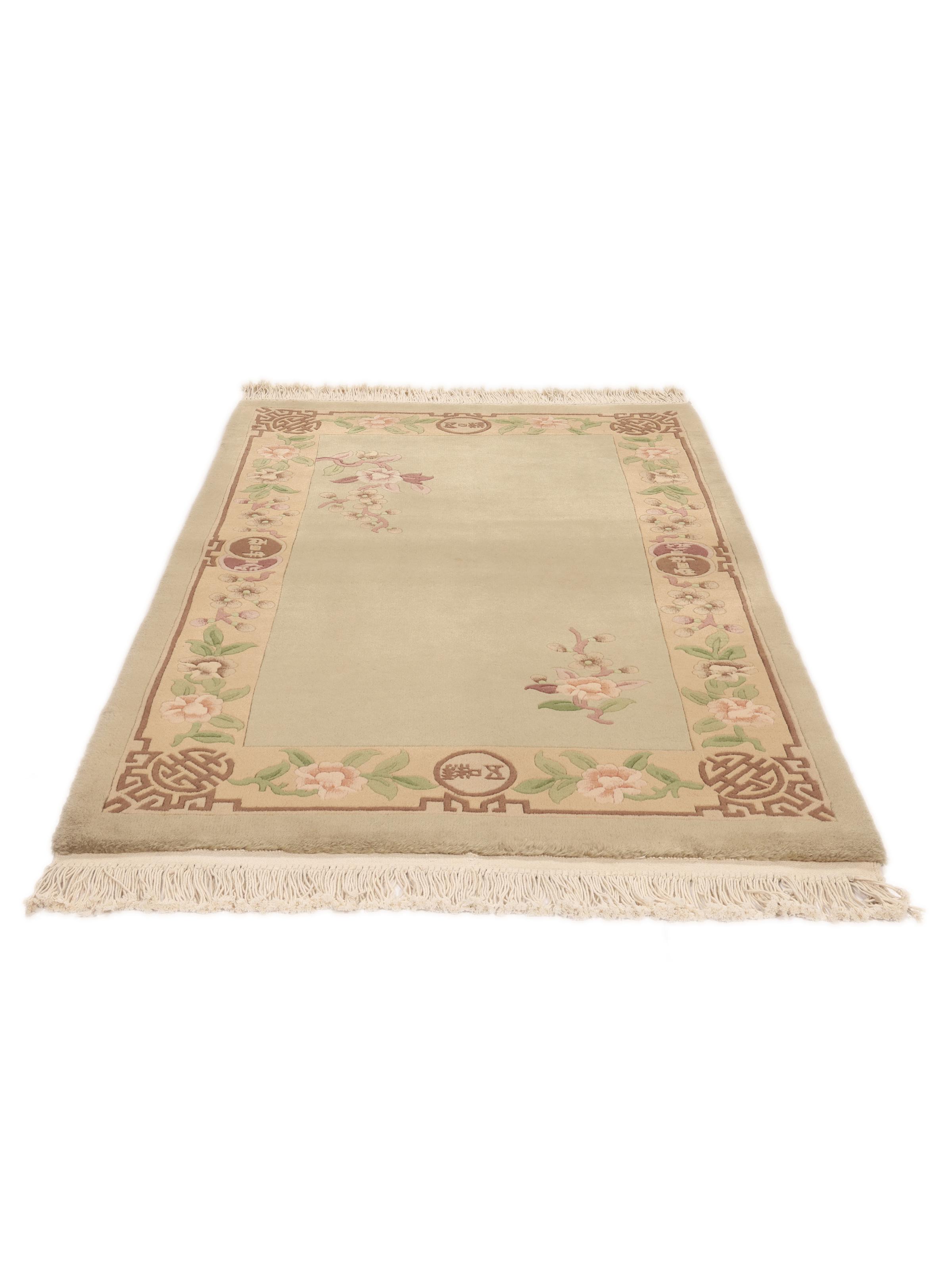
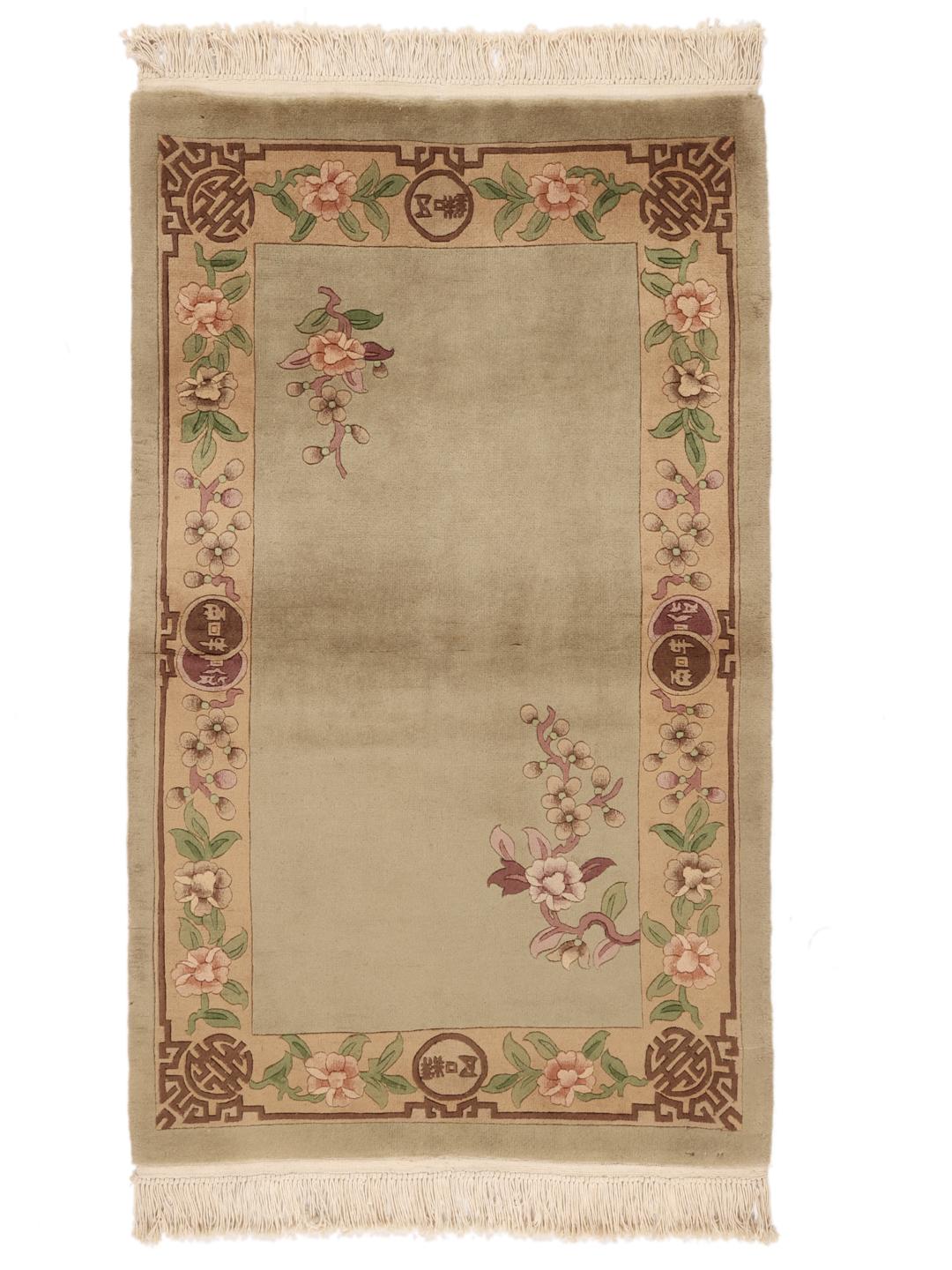
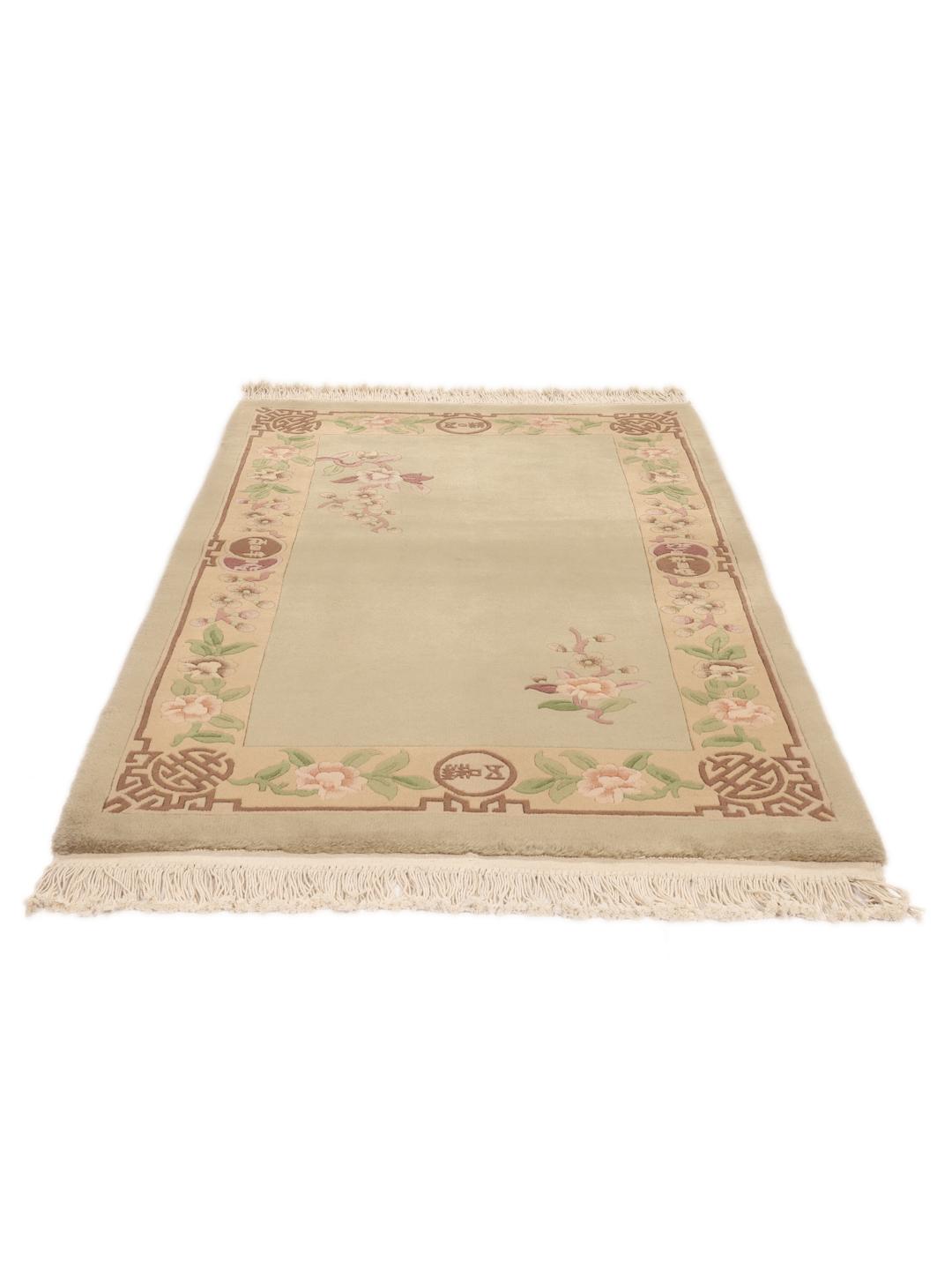
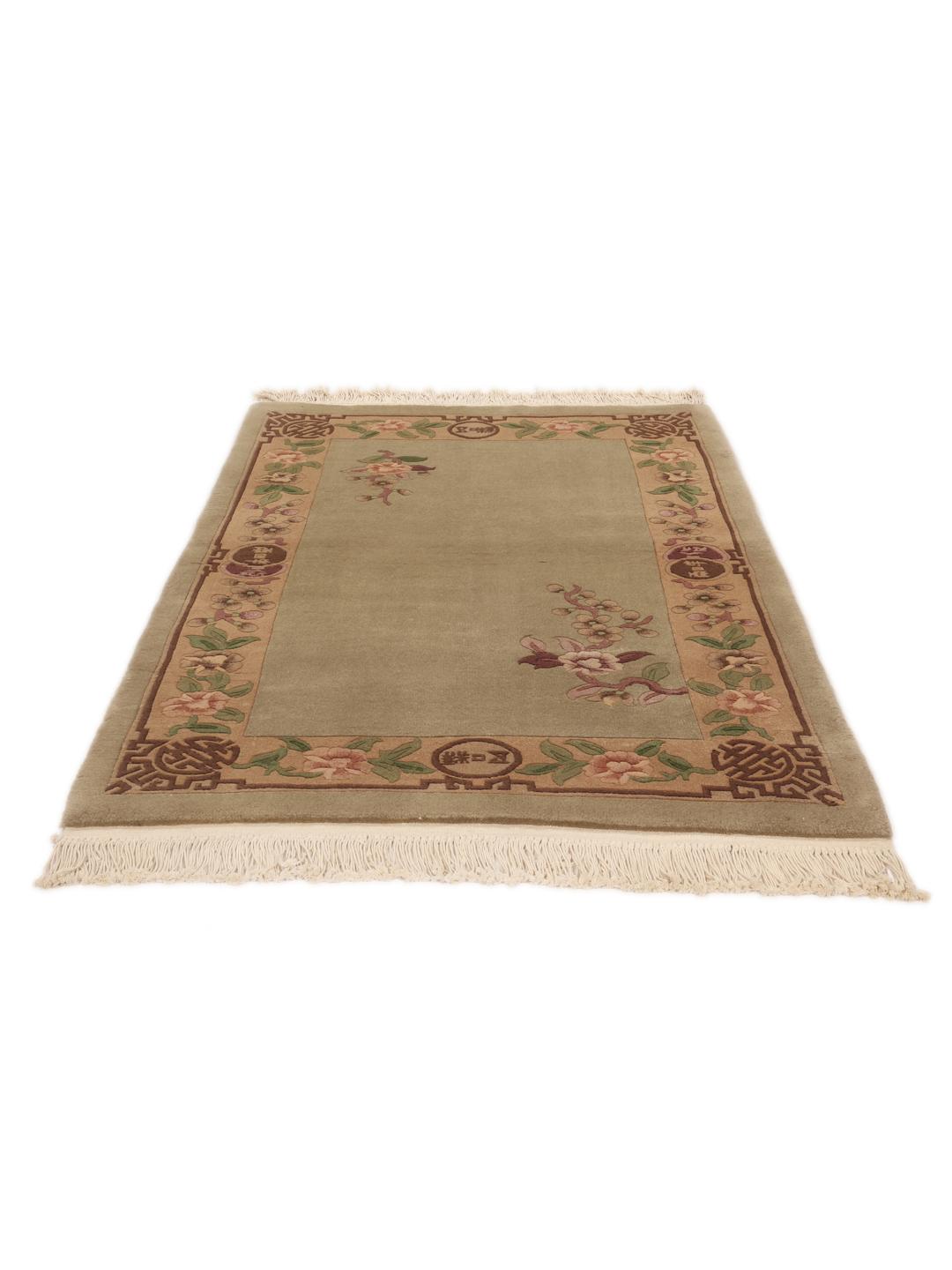
Chinese rug making is an ancient craft with a history that spans centuries, deeply rooted in the artistic and cultural traditions of the region. Historically, these rugs were often commissioned for imperial palaces or temples, featuring symbolic motifs that represented prosperity, longevity, and harmony.
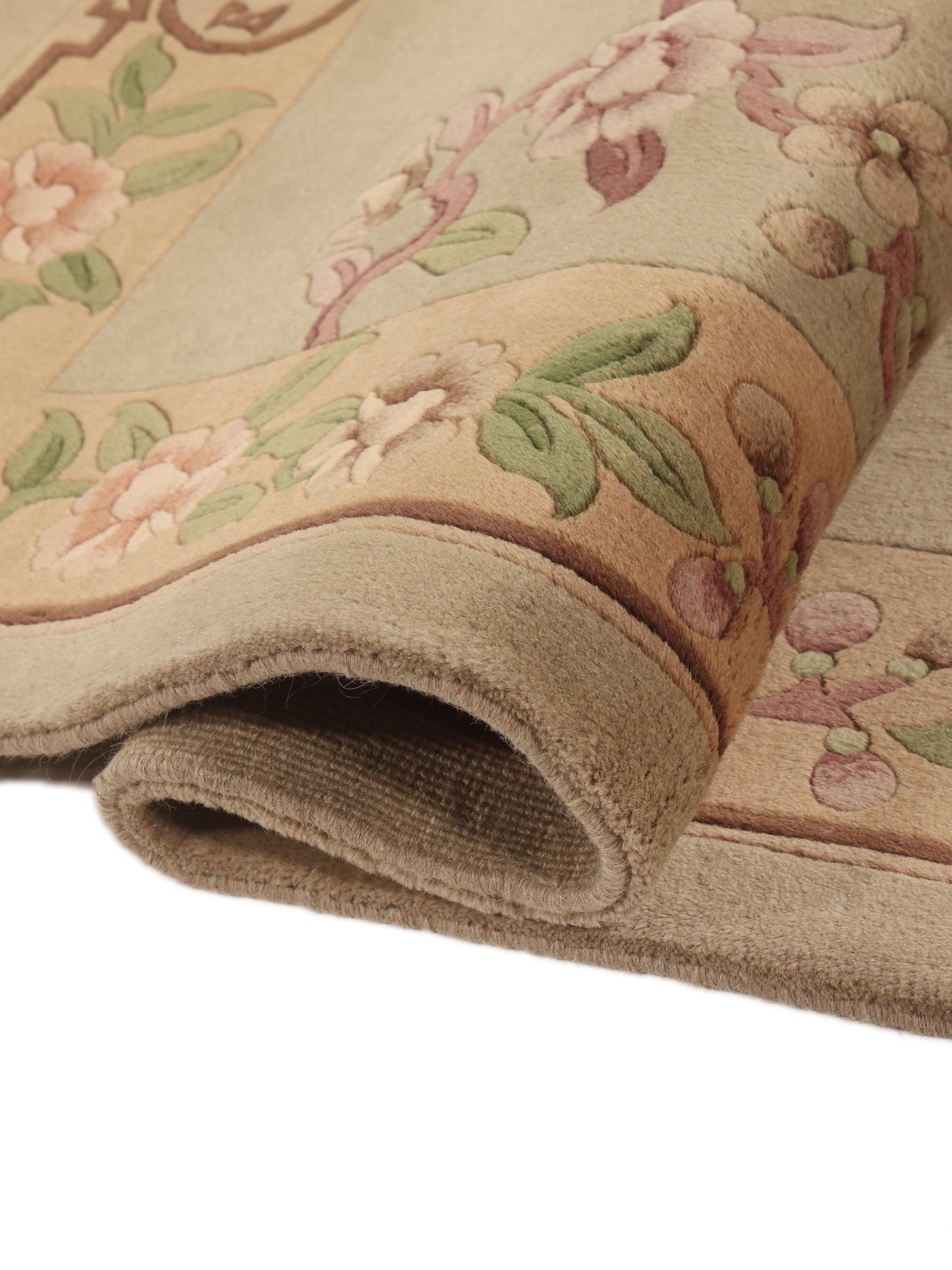
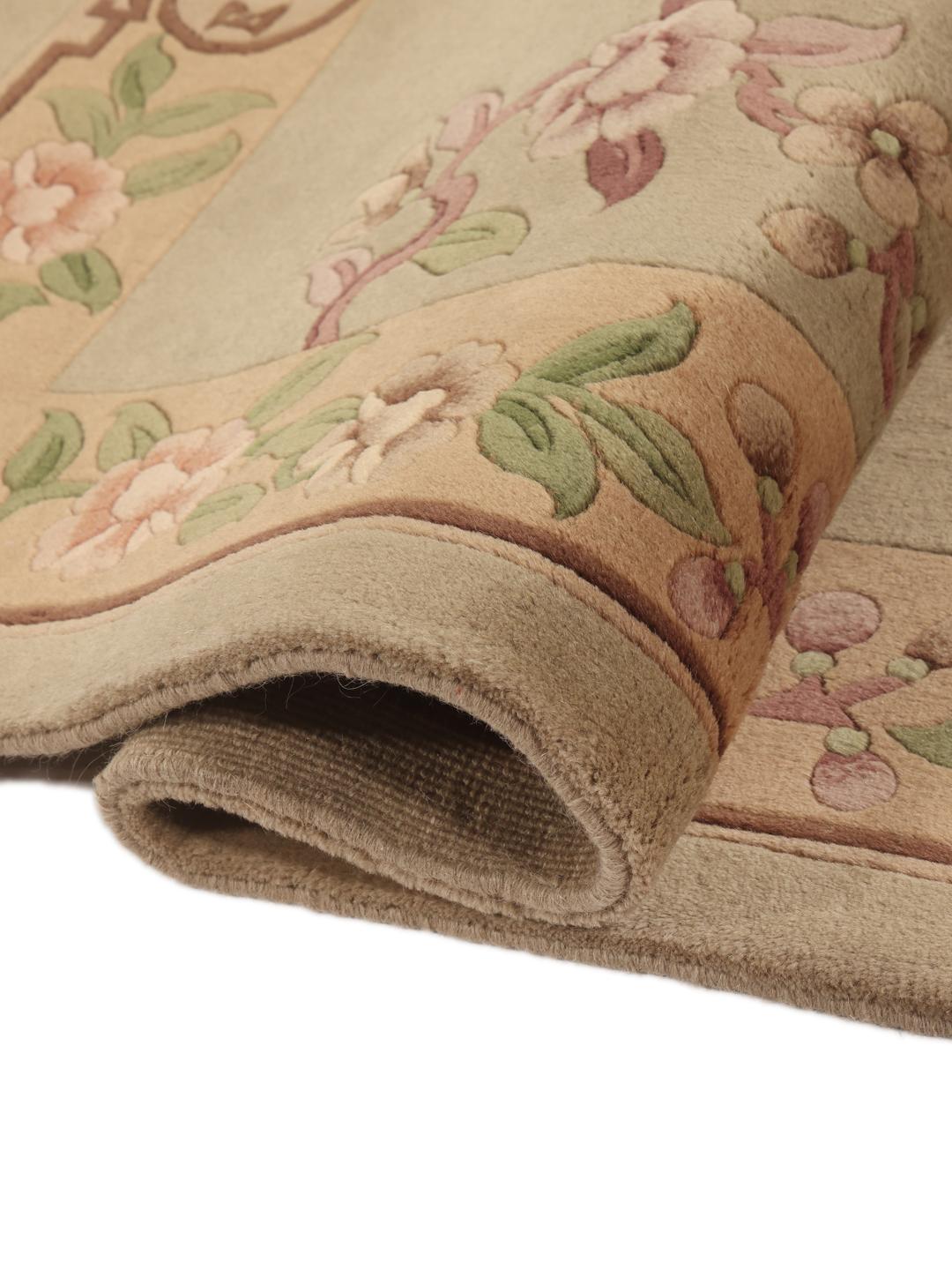
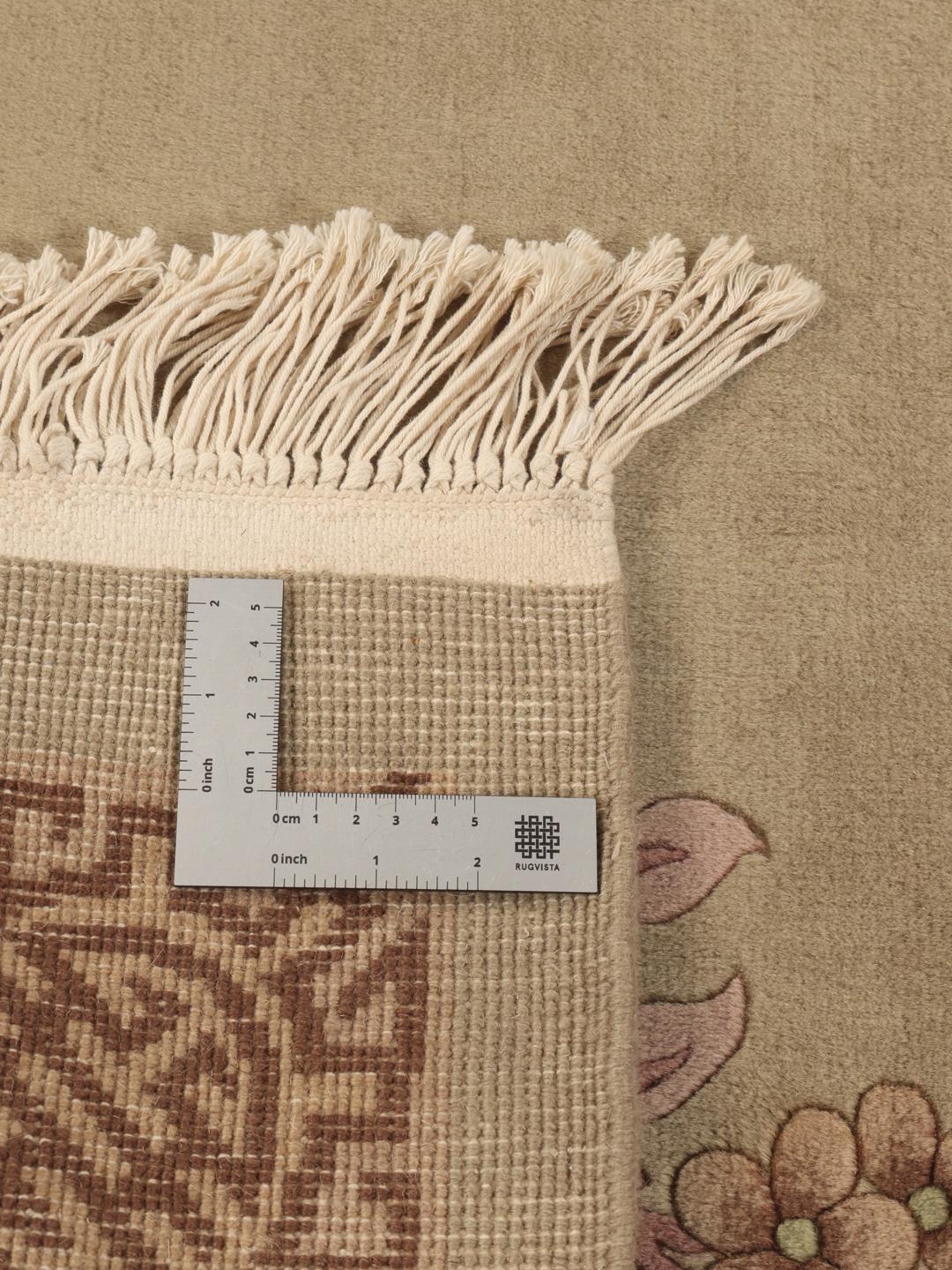
The term 90 Line refers to a traditional method of measuring the fineness of the weave, based on the number of knots per linear foot. This system has been used for generations to ensure consistent quality and structure, providing a reliable standard that allows the weaver to achieve intricate detail in the final design.
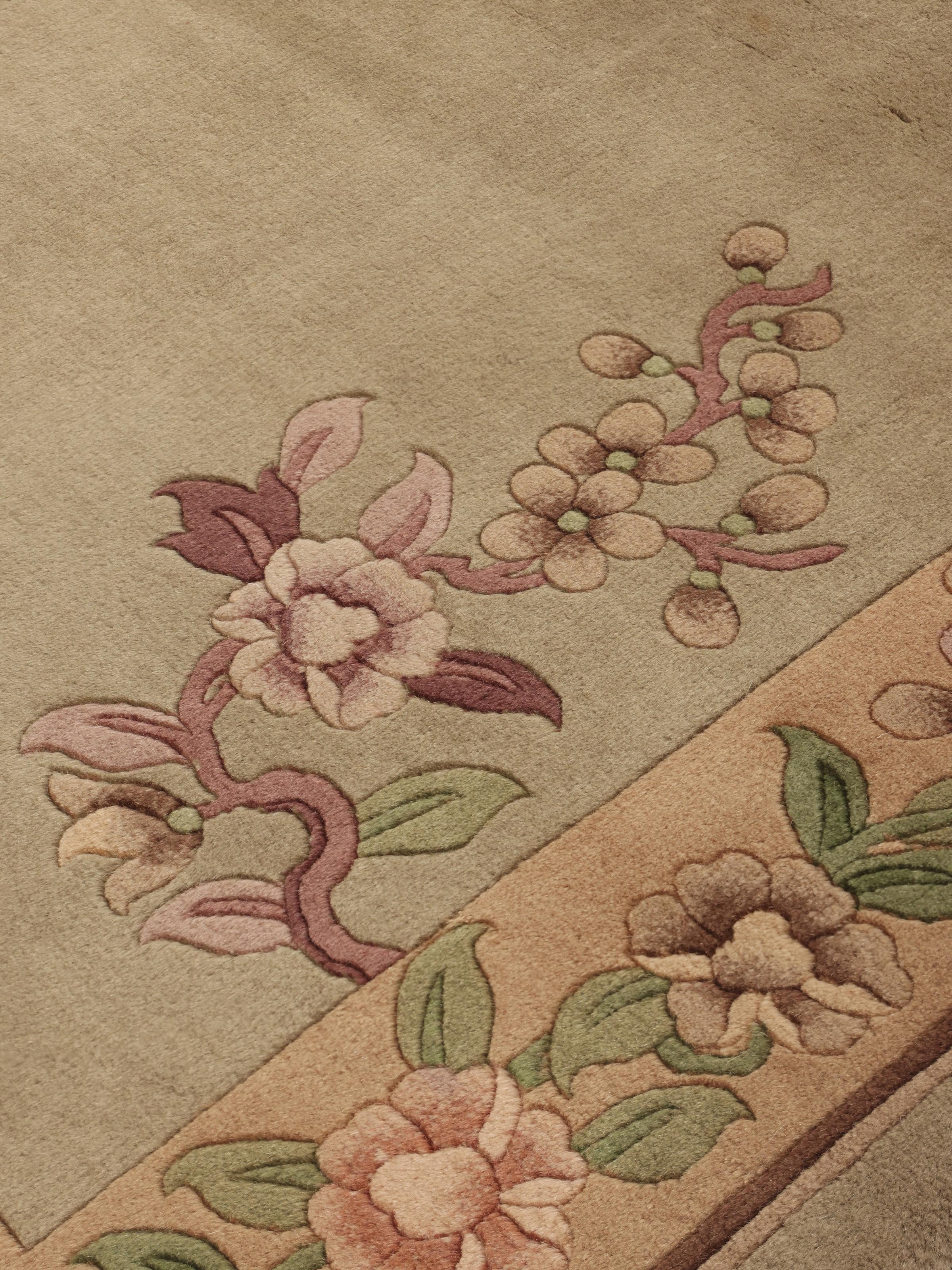
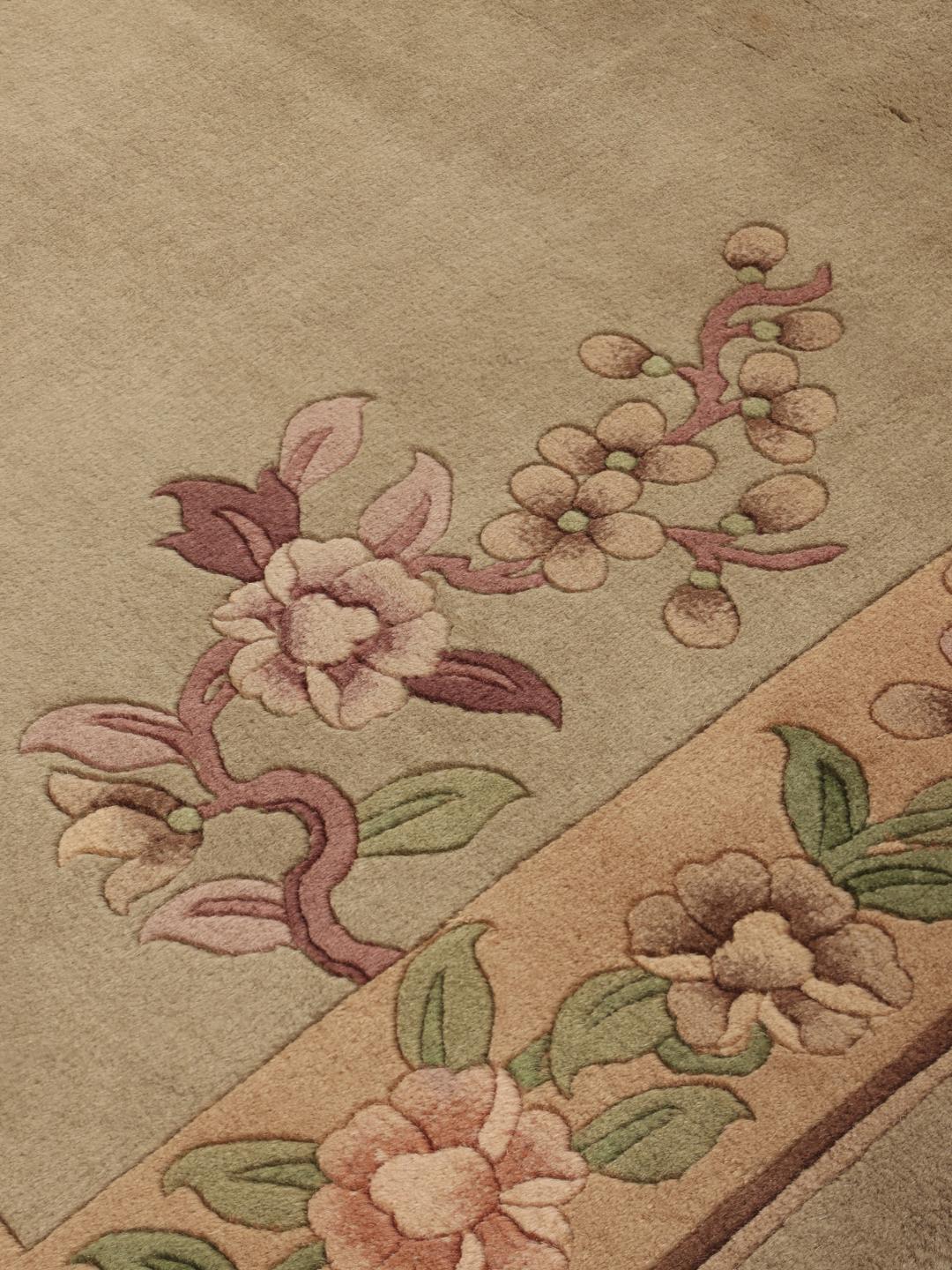
Floral motifs are a hallmark of this tradition, often drawing inspiration from nature and classical Chinese painting. The inclusion of delicate blossoms and stylised borders is designed to evoke a sense of calm and beauty, with every element carefully placed to maintain a balanced, harmonious composition.
Collecting these pieces is a way to preserve a legacy of skill and heritage. Each rug serves as a bridge to the past, reflecting the dedication of artisans who have refined their craft over lifetimes. Owning such a rug is not just about floor decor but about appreciating the cultural narrative woven into every thread.