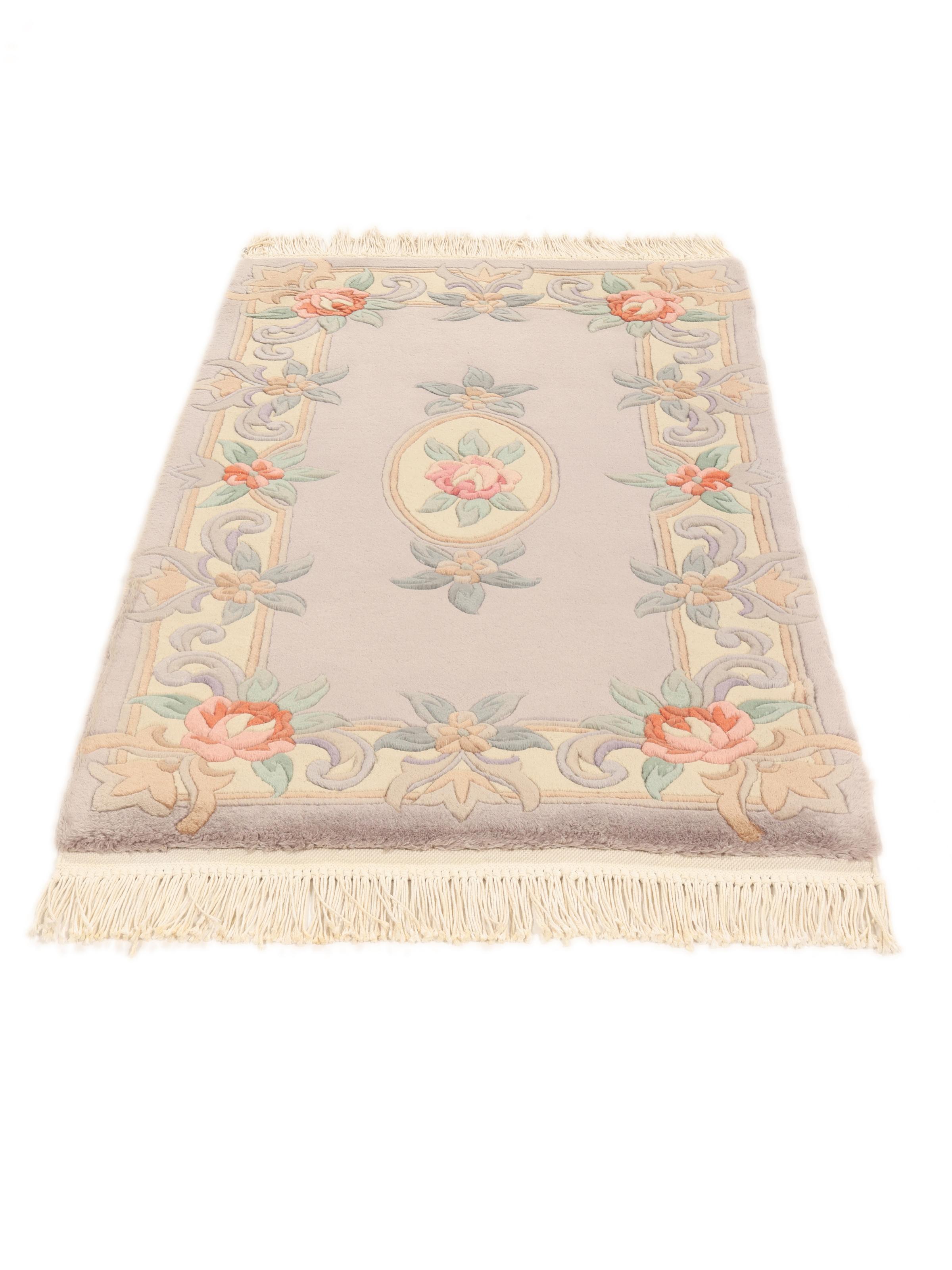
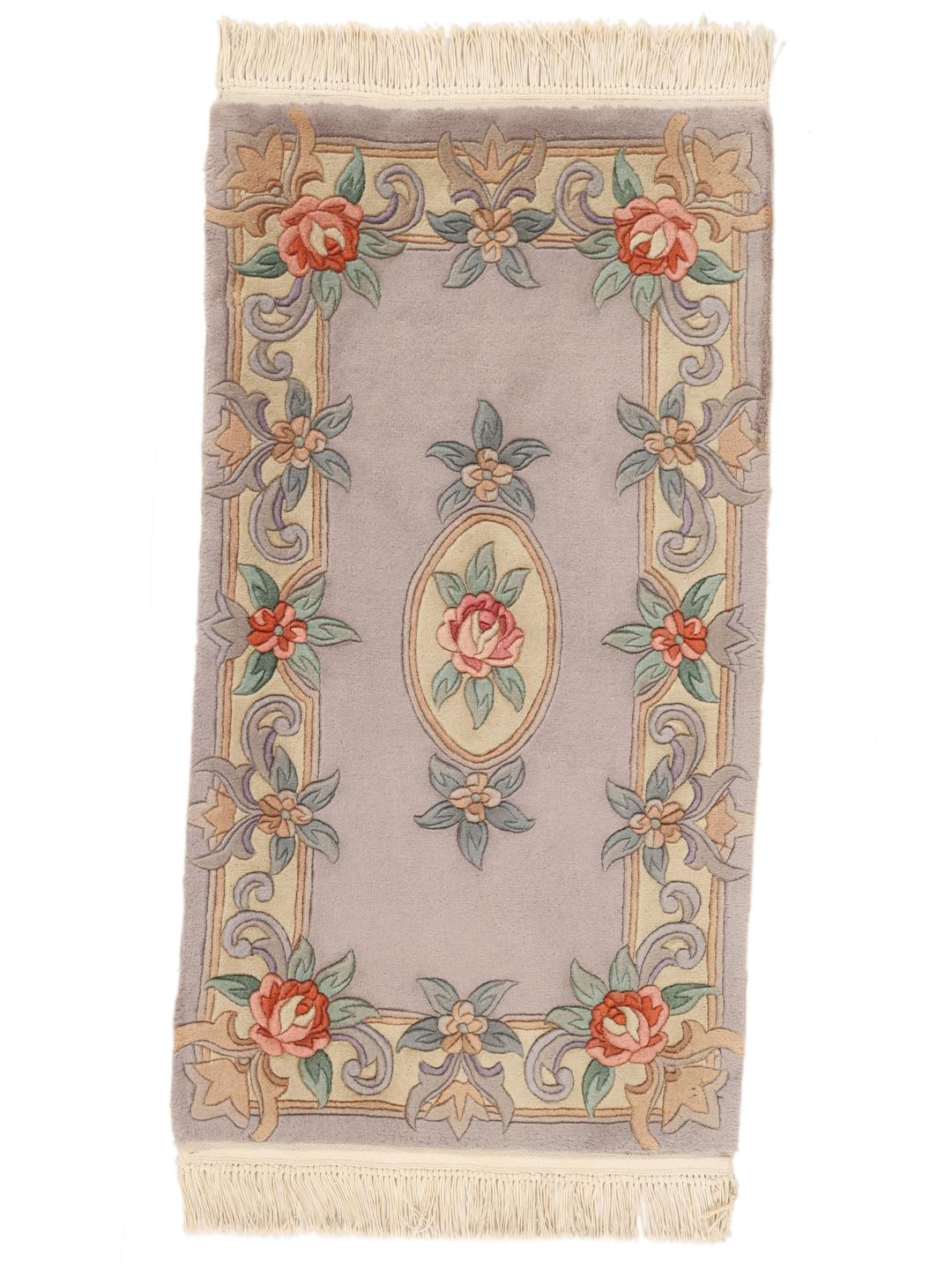
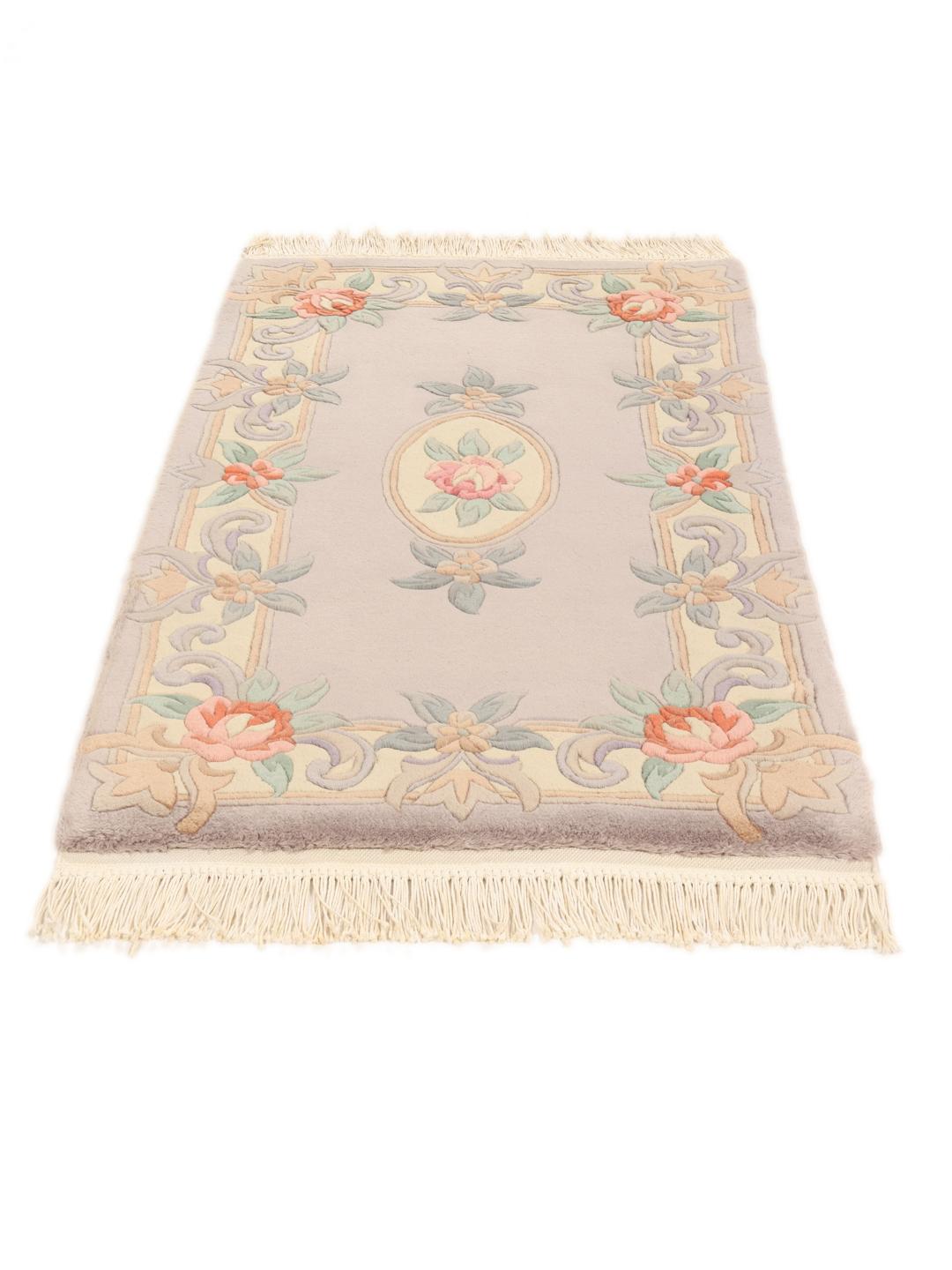
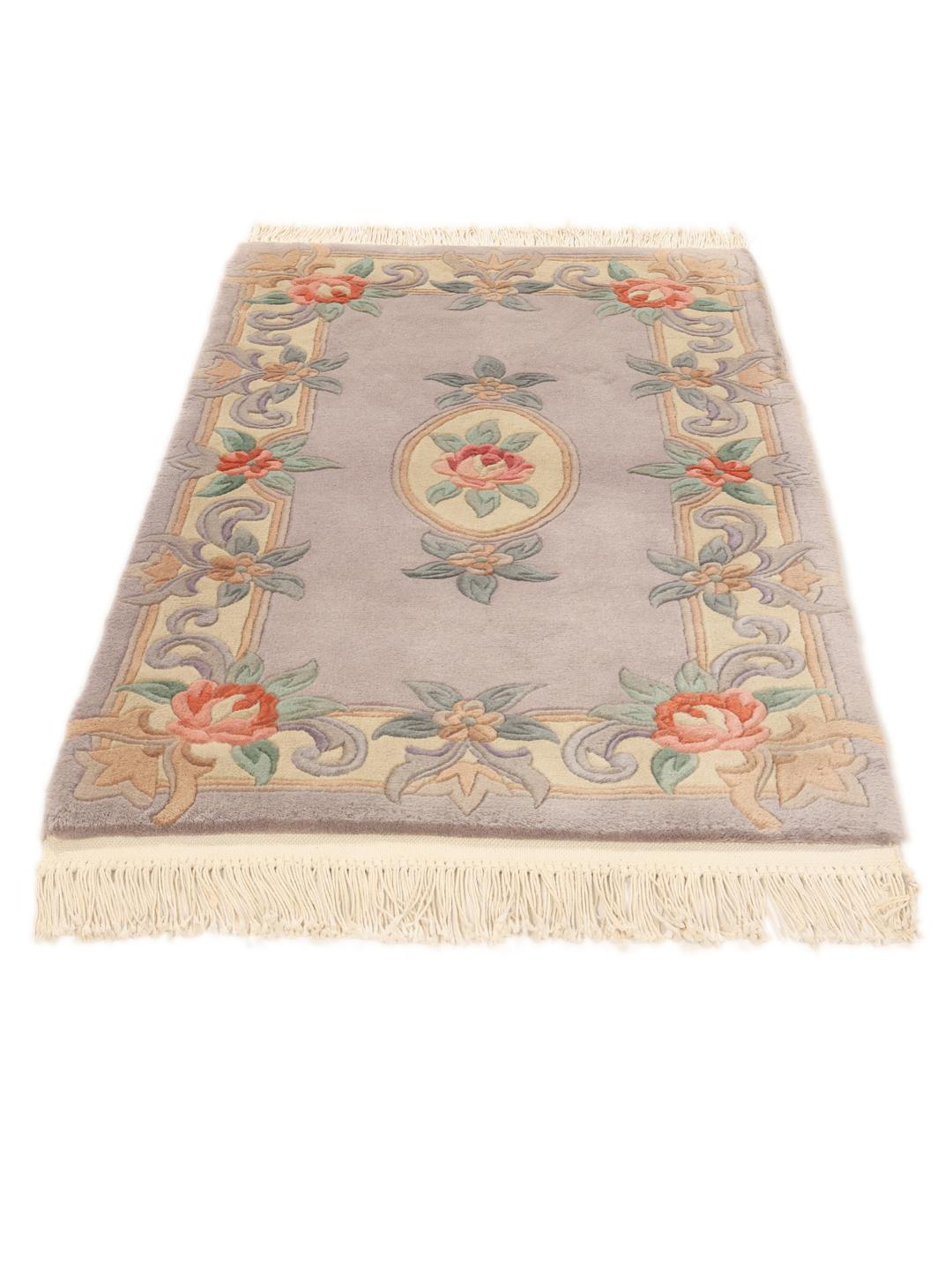
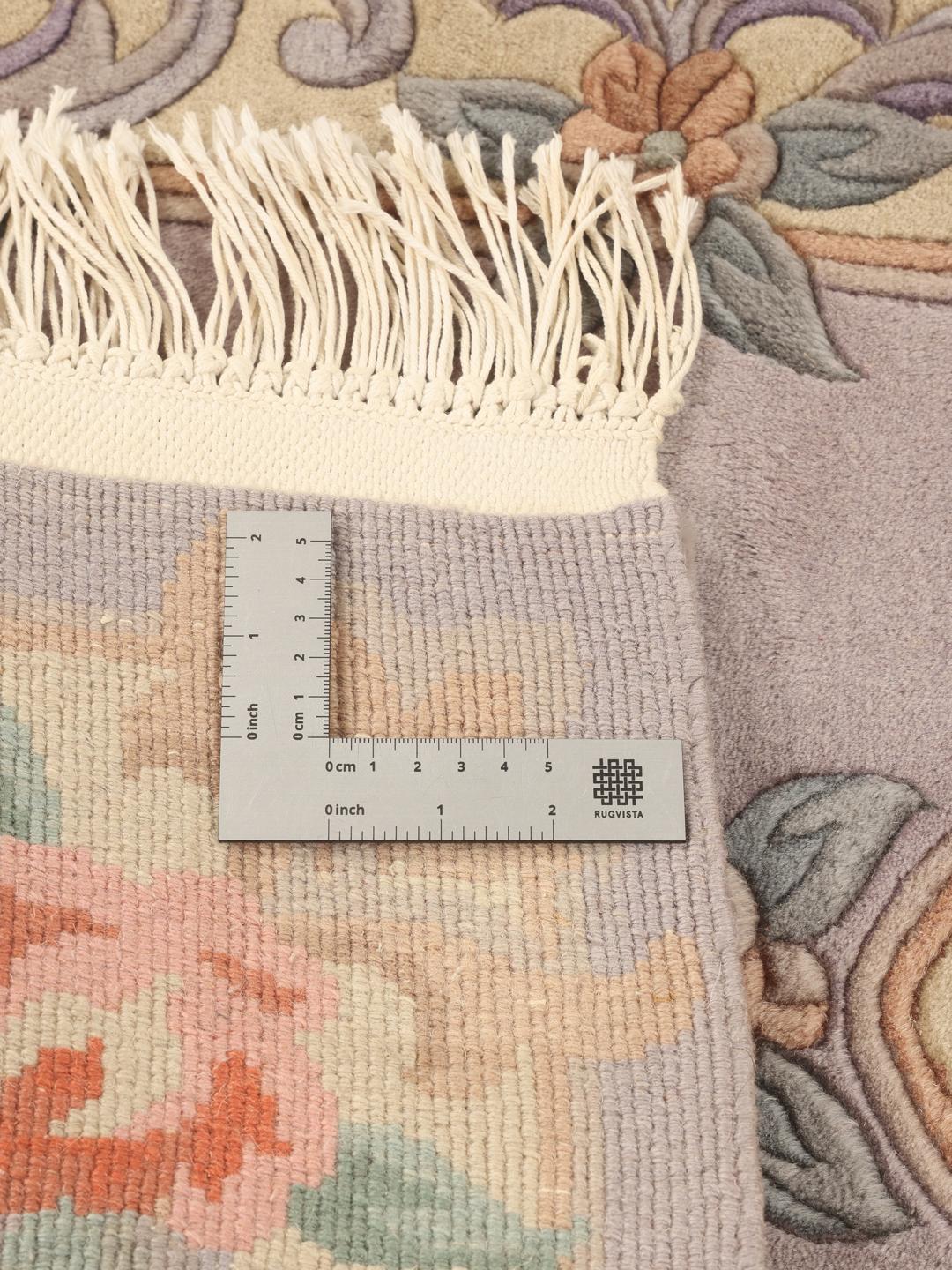
Chinese rugs have a storied past that stretches back centuries, evolving from functional floor coverings into highly refined artistic expressions. The tradition in China is famous for its distinct aesthetic, which often incorporates symbolic motifs from nature, such as the floral patterns seen here, reflecting a deep-seated cultural appreciation for balance and harmony.
The 90 line designation refers to a traditional system of measuring knot density in Chinese rug making. This specific technique ensures a consistent, medium-pile surface that is both durable and comfortable. By maintaining these established methods, artisans preserve a legacy of quality that has been refined through generations of practice.
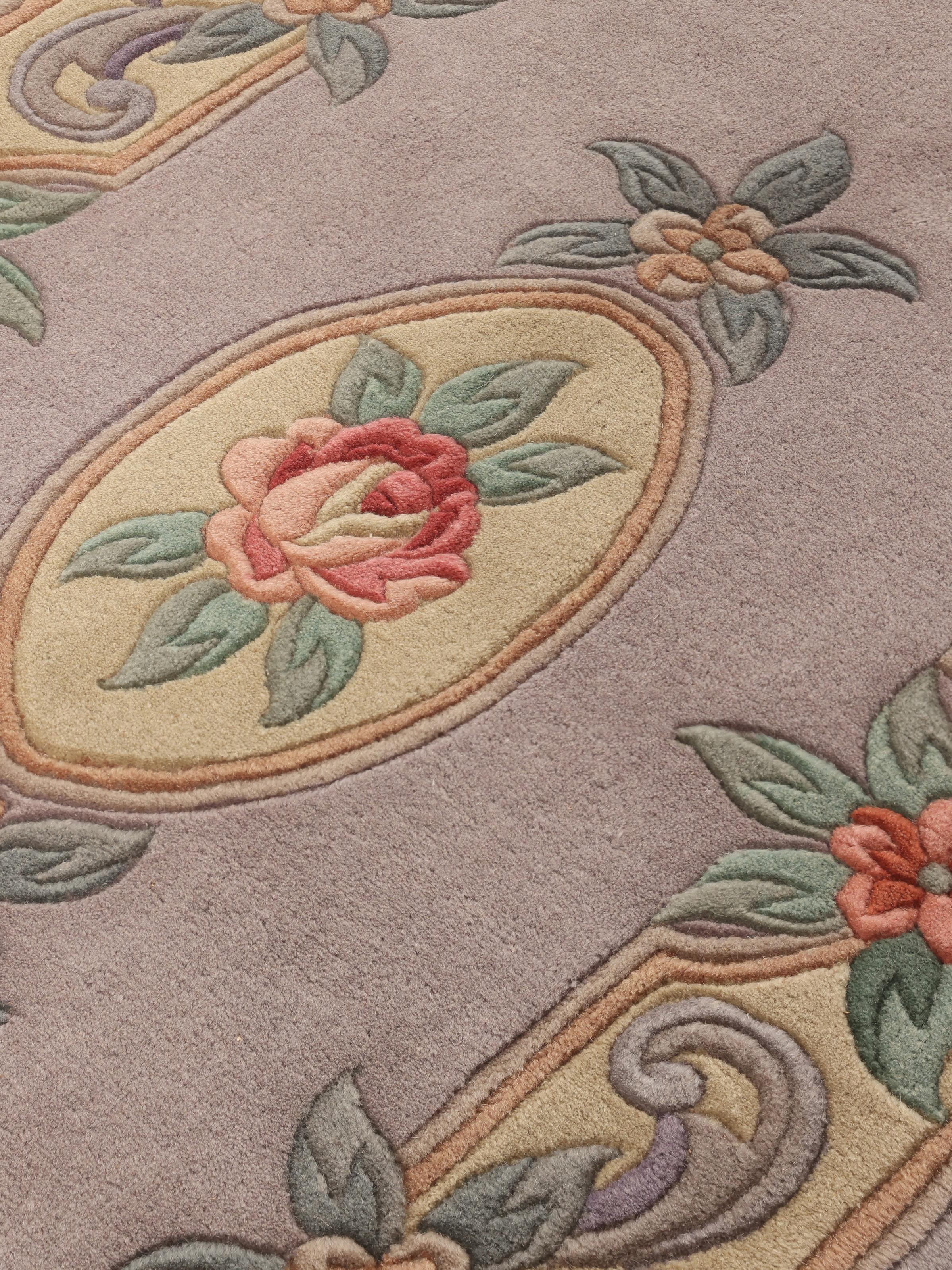
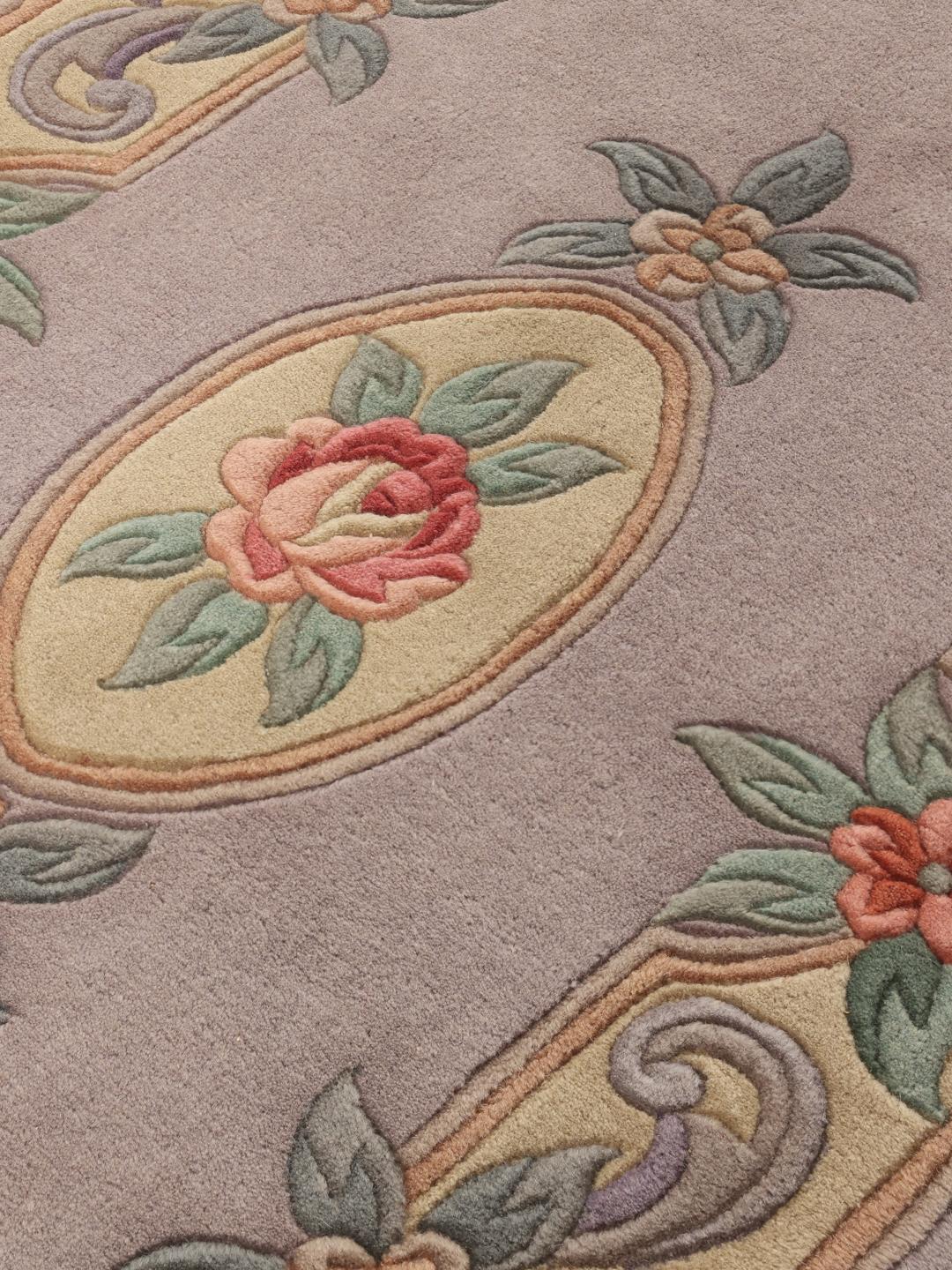
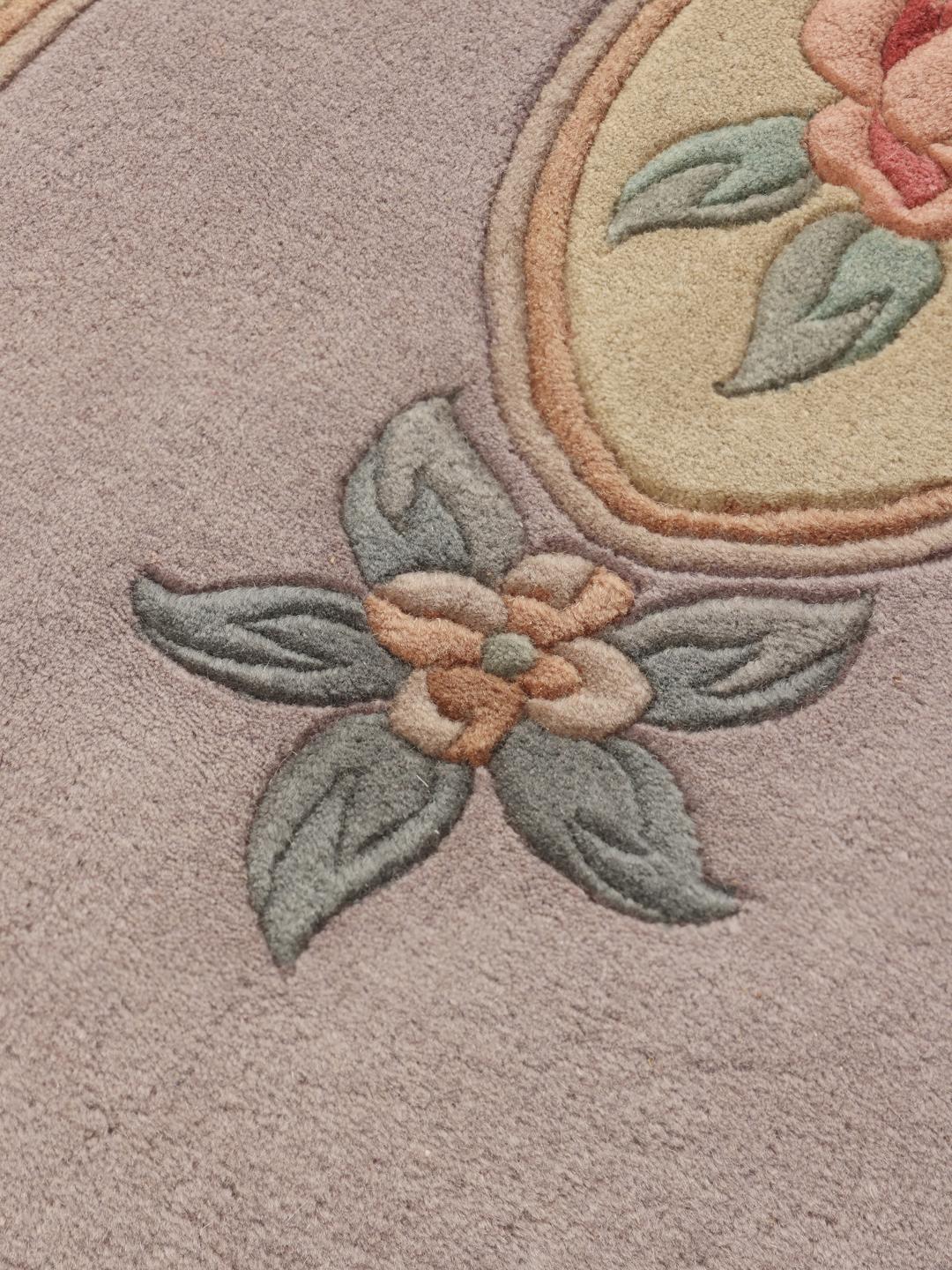
Visually, these rugs are defined by their elegant, often sculptural approach to floral design. The use of carved or layered pile heights—where certain elements are trimmed shorter to create a relief effect—is a hallmark of this tradition. It gives the motifs a three-dimensional quality that catches the light and adds depth to the overall pattern.
Collecting a piece from this tradition is an opportunity to own a fragment of a vast cultural history. These rugs are valued not only for their aesthetic grace but for the immense skill required to execute such precise, flowing designs by hand. They remain a staple for those who value heritage, artistry, and the quiet beauty of traditional craft.