Chinese rug weaving has a storied past that stretches back centuries, evolving from functional floor coverings into highly prized artistic expressions. The tradition is deeply rooted in the cultural heritage of the region, where symbolic motifs and specific colour palettes were often used to convey wishes for prosperity, longevity, and harmony within the home.
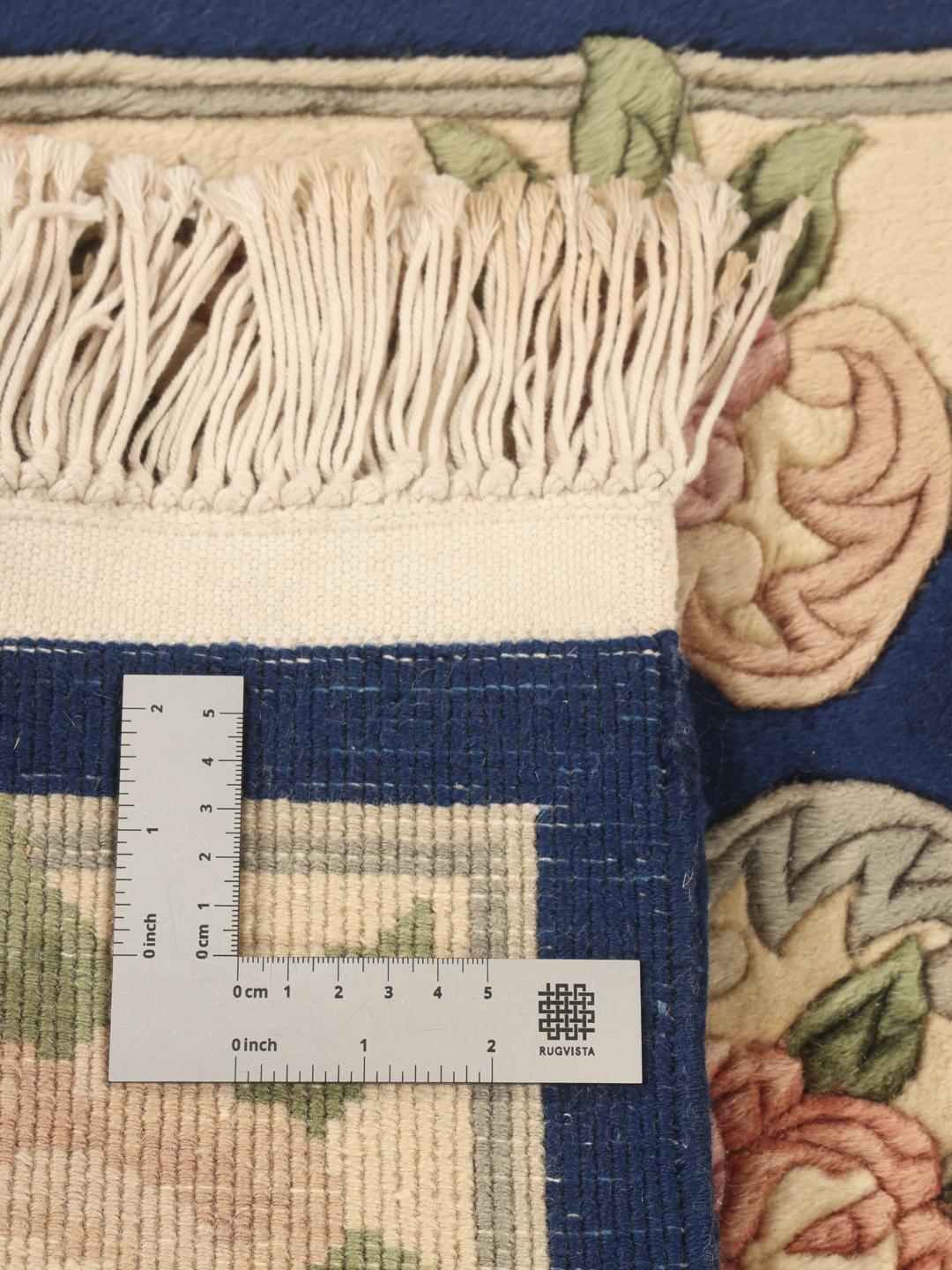
The term 'line' in the context of Chinese rug construction refers to the density of the weave, which serves as a traditional indicator of the rug's refinement. A higher line count typically corresponds to a more delicate and intricate pattern, as the artisan has more individual points of colour to work with across the surface of the rug.
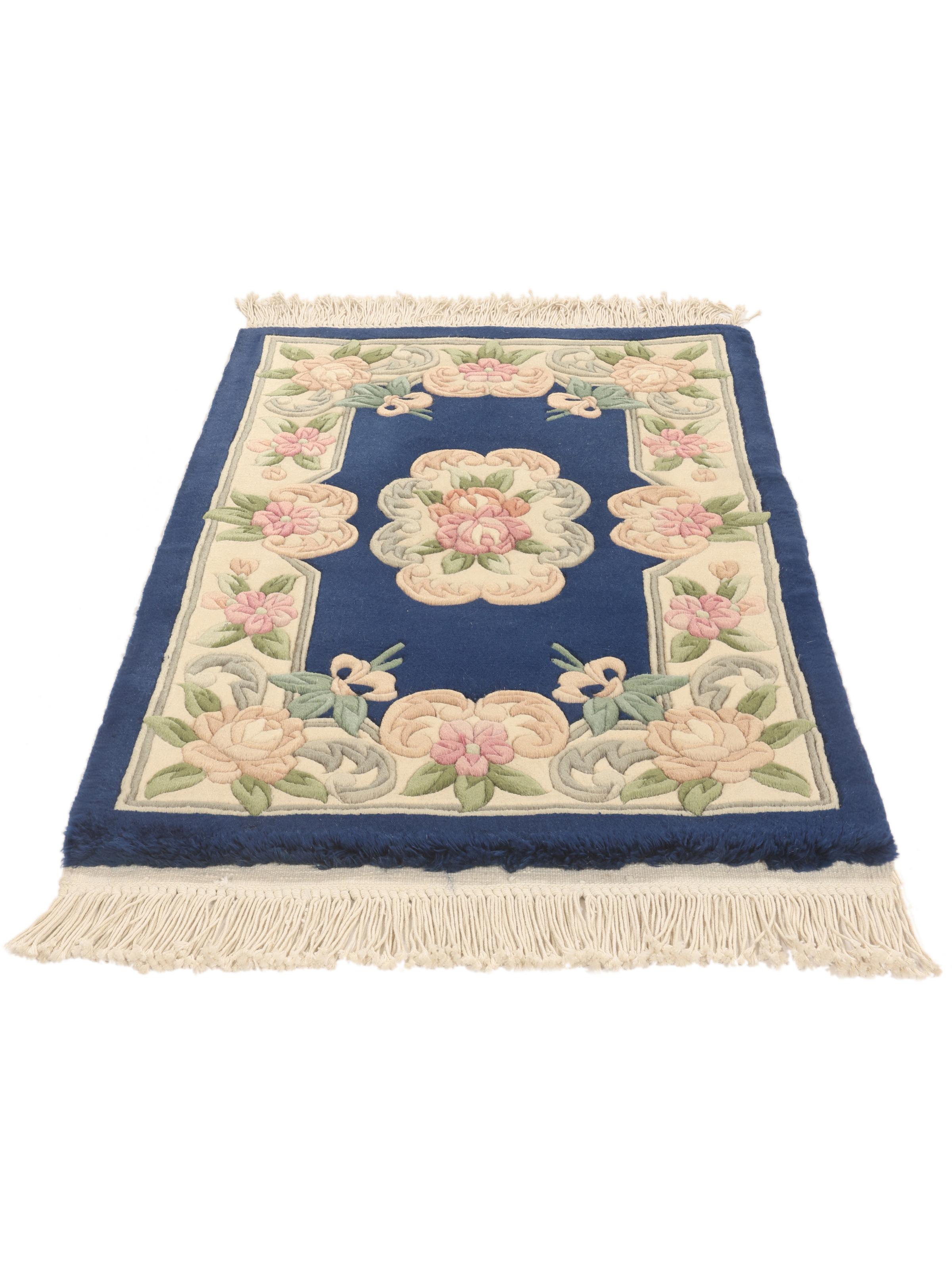
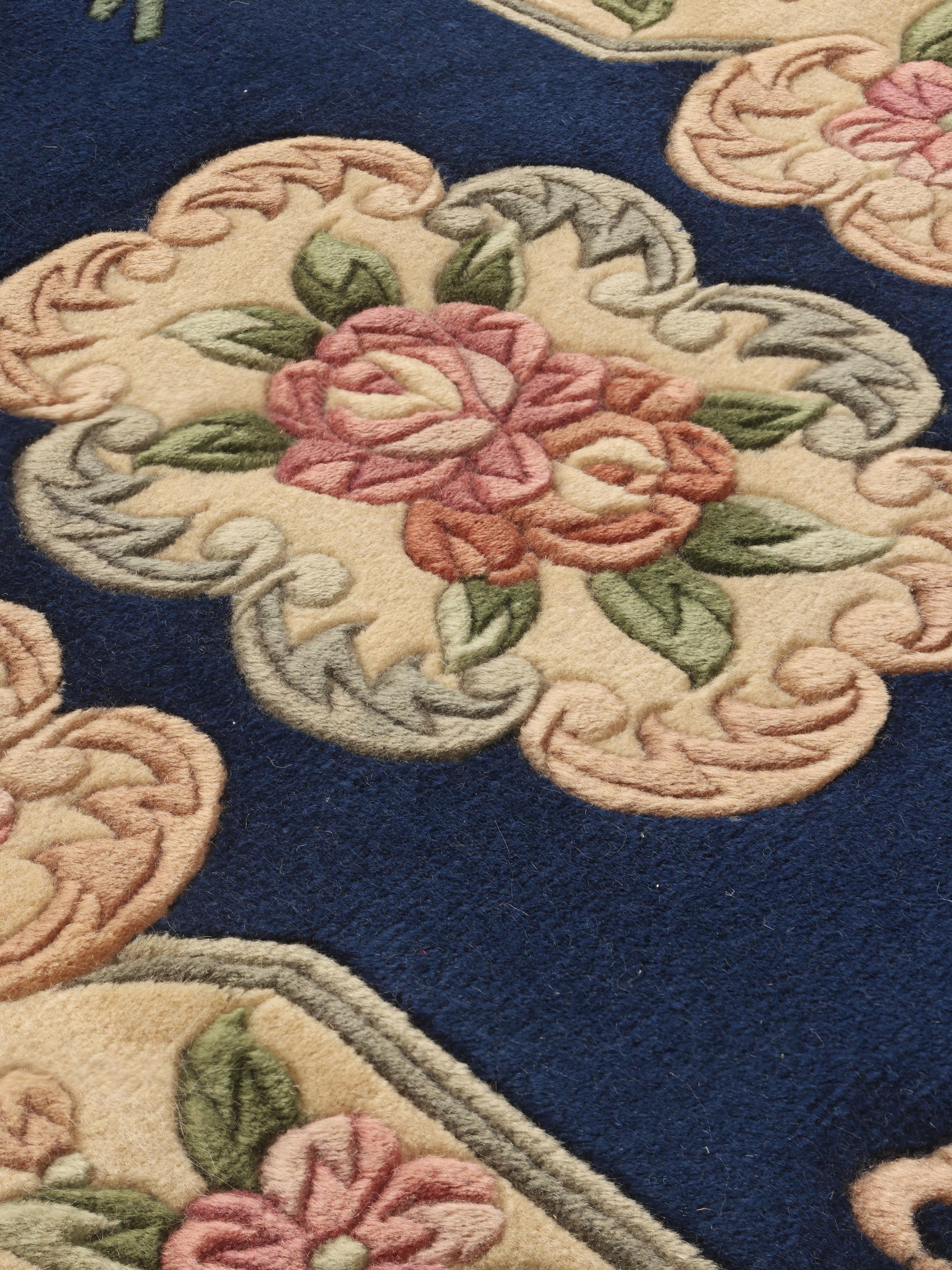
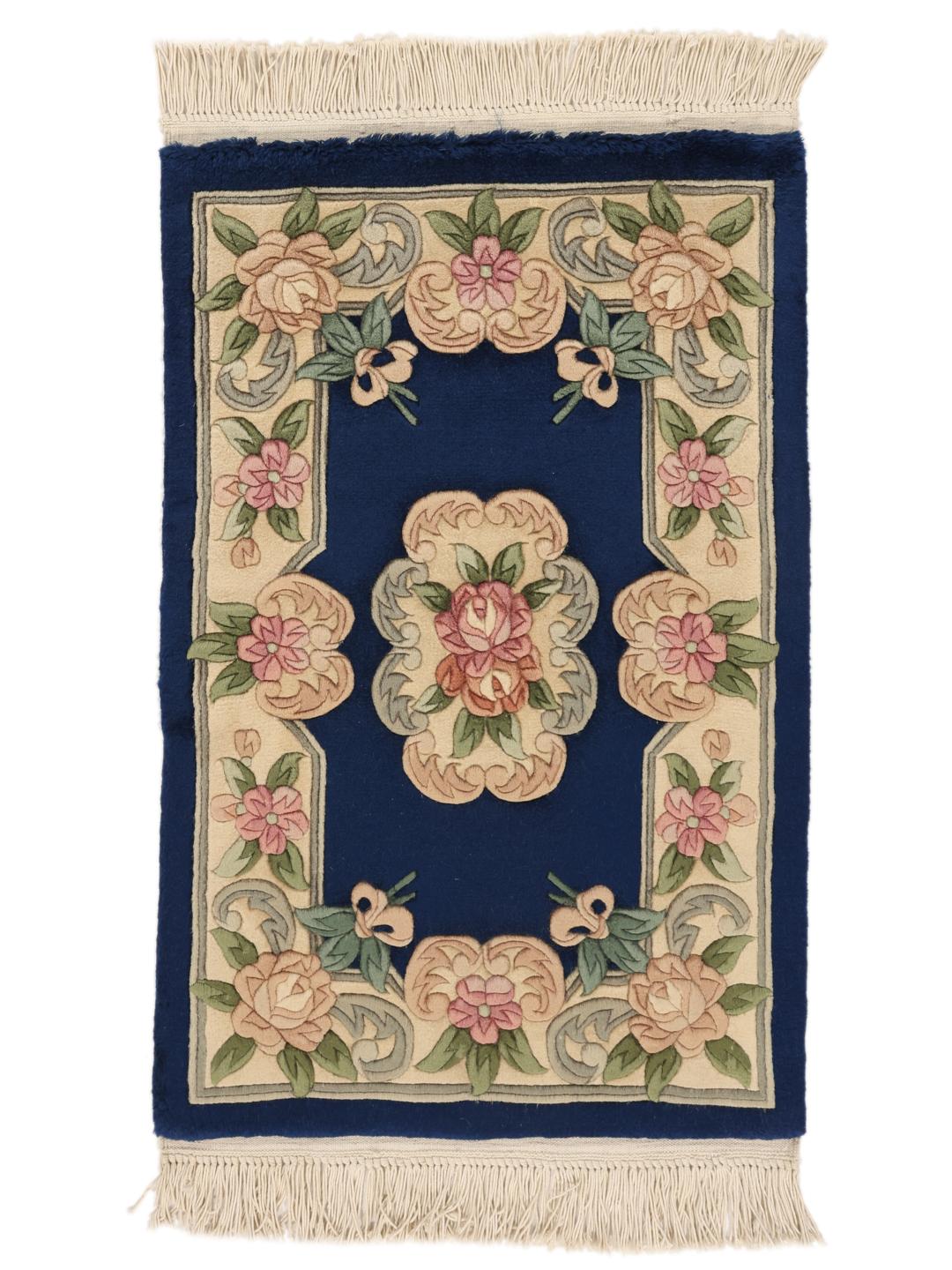
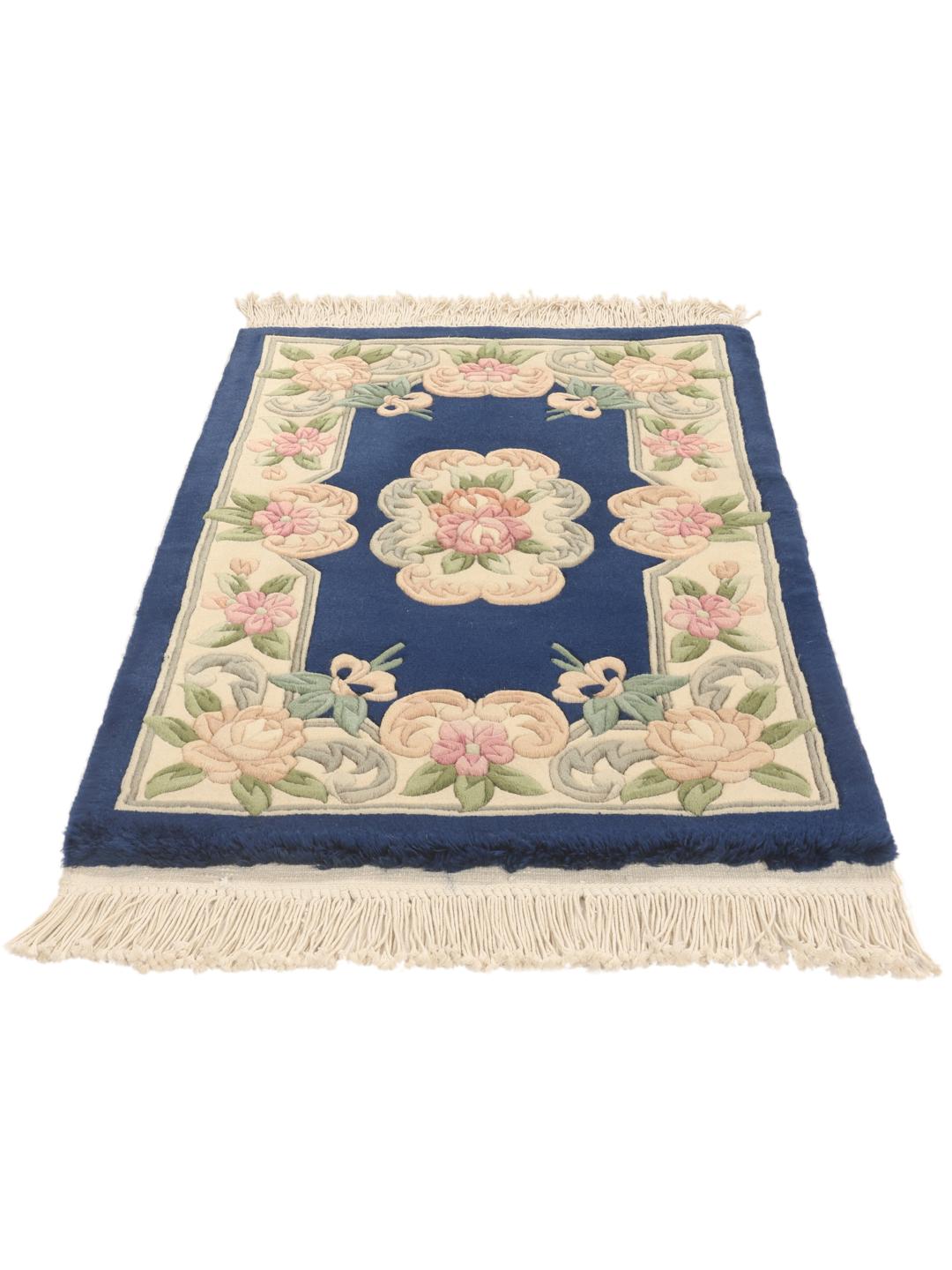
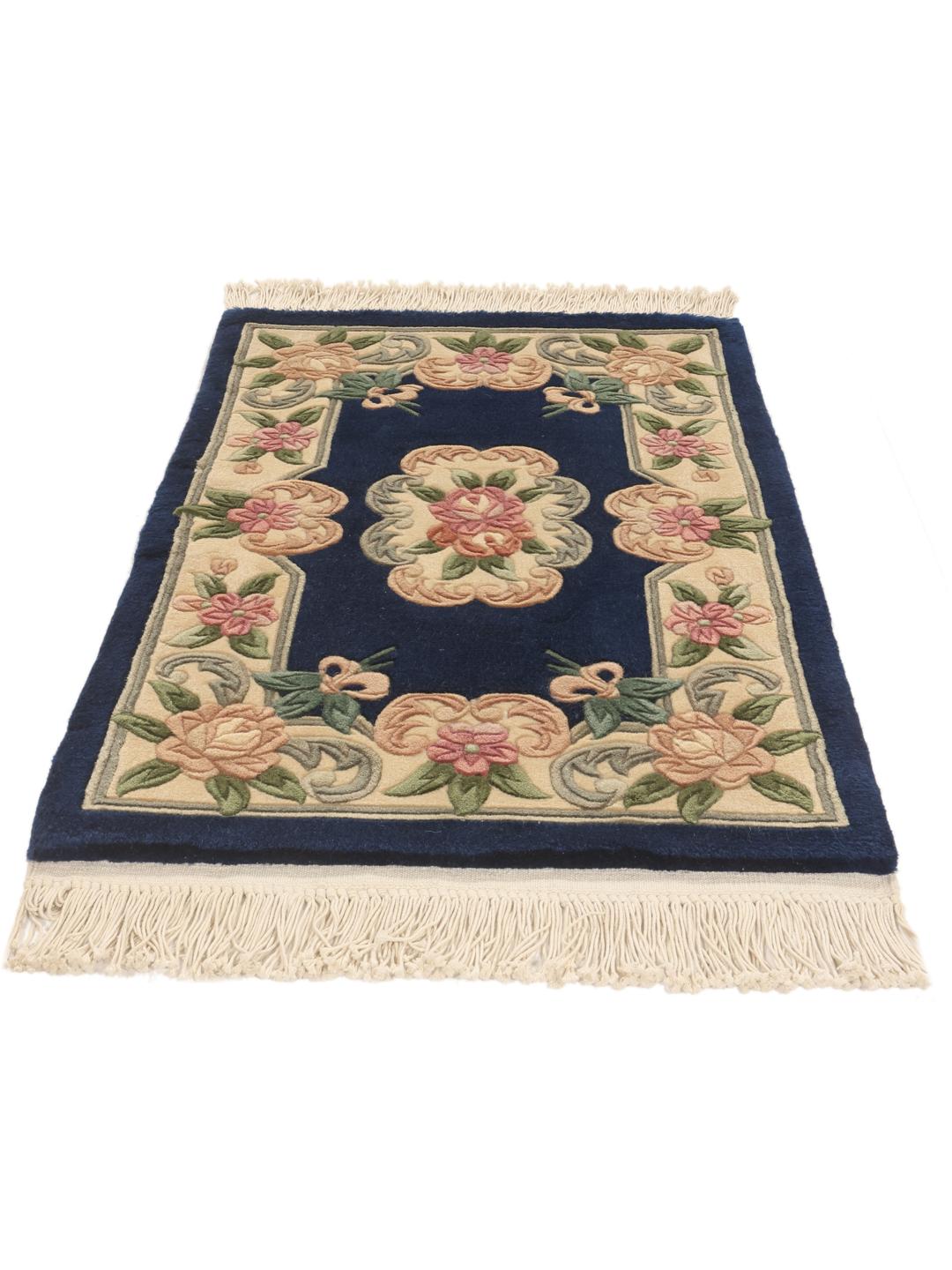
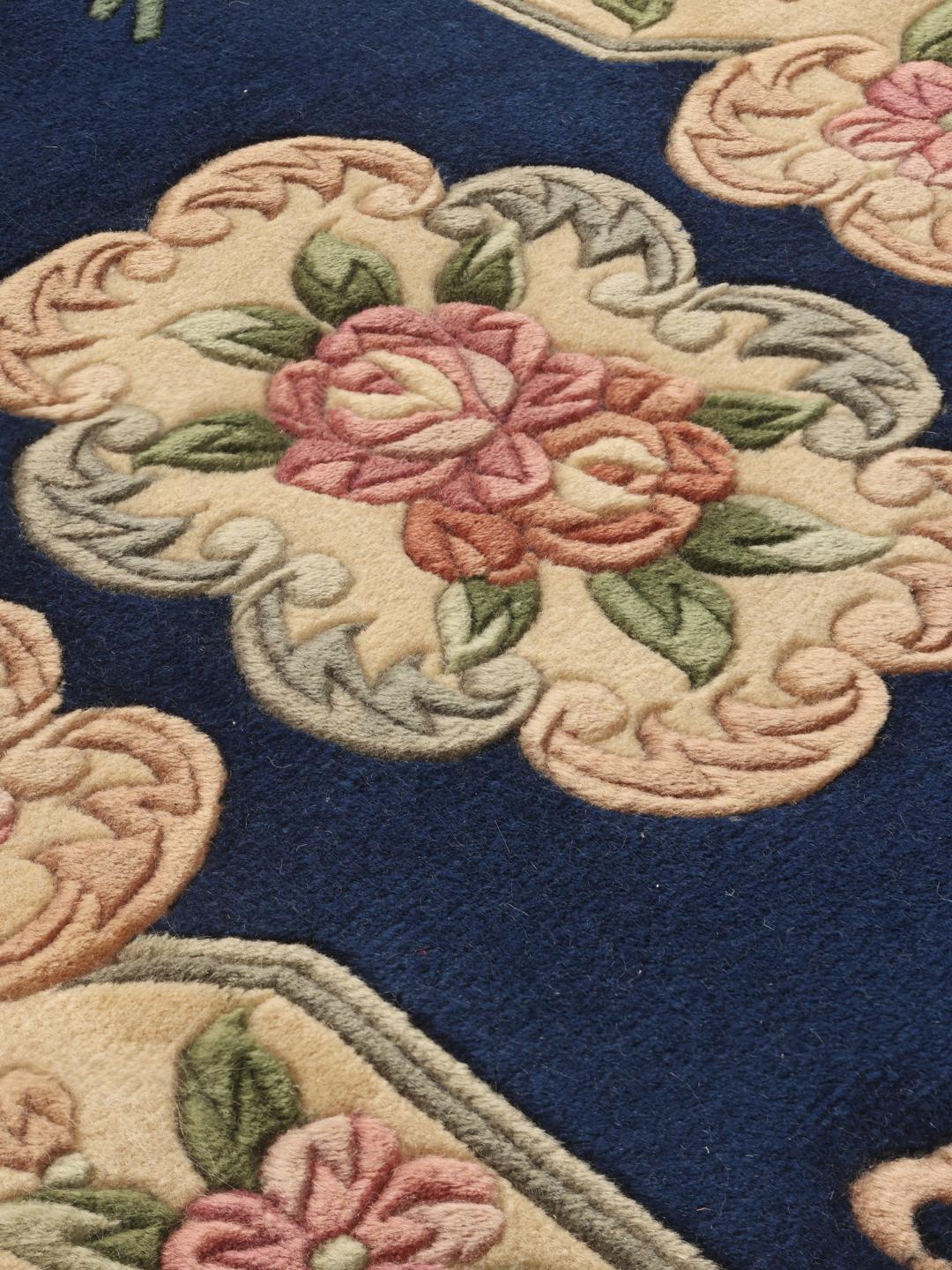
This specific piece features traditional floral motifs, a hallmark of Chinese design that often draws inspiration from nature and classical gardens. The use of a central medallion surrounded by floral borders is a classic arrangement, designed to create a sense of balanced symmetry and focus within the room's overall layout.
Today, these rugs are collected not just for their utility, but for the immense skill and cultural history they represent. Owning a rug from this tradition is an opportunity to connect with a legacy of craftsmanship that has survived and adapted over generations, bringing a sense of timeless elegance to the modern interior.