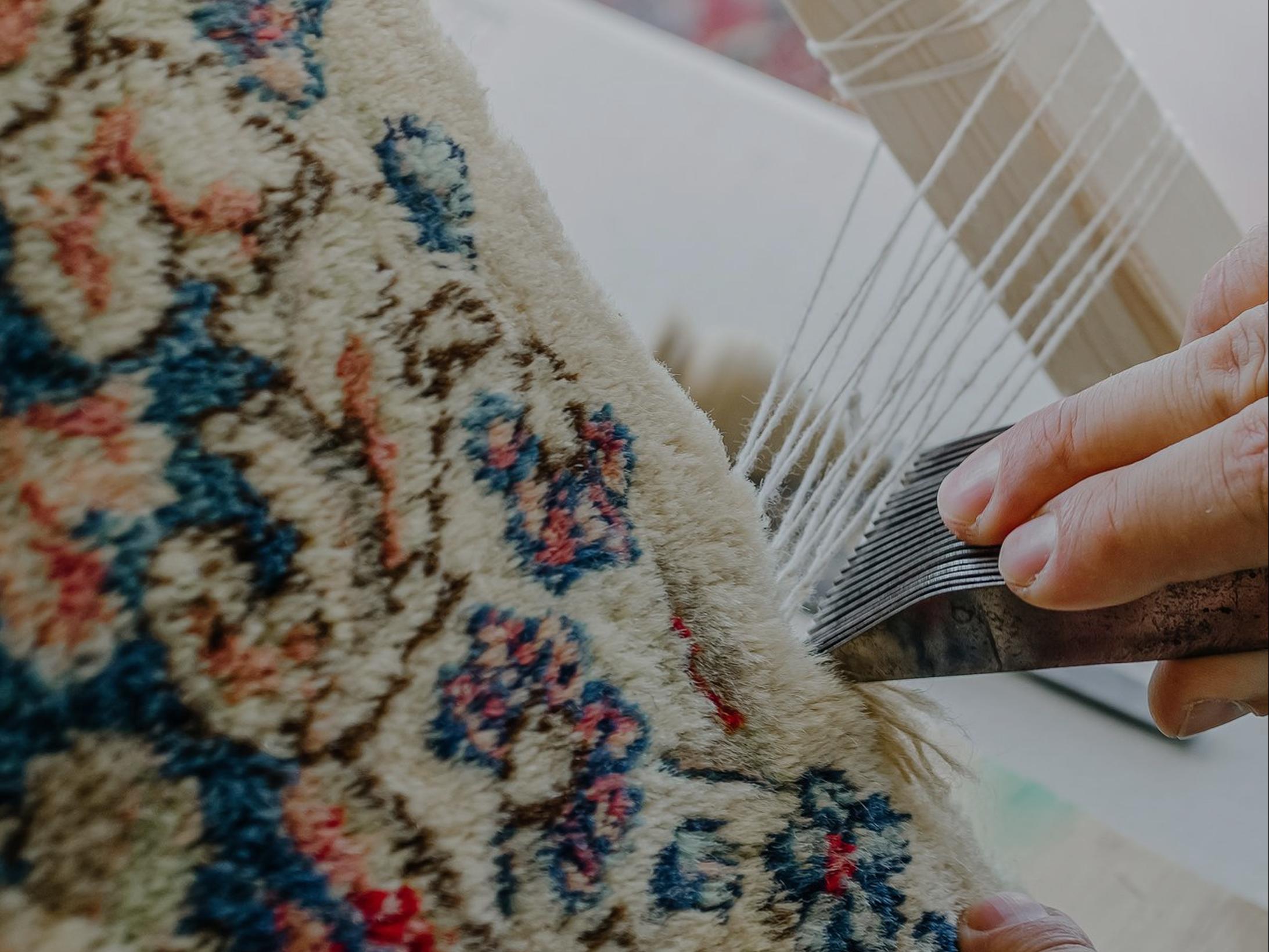
Chinese rug weaving has a storied past that spans centuries, evolving from functional floor coverings into celebrated works of fine art. While early traditions were deeply rooted in domestic utility, the craft flourished by incorporating symbols from Chinese philosophy and nature, creating a distinct visual language that is recognised globally.
The terminology used to describe these rugs, such as the line count, refers to the number of knots per linear foot. This technical measurement is essential for determining the intricacy of the design and the density of the pile. A higher line count allows for more sophisticated, rounded motifs and a smoother, more lustrous texture that defines the quality of the finished piece.
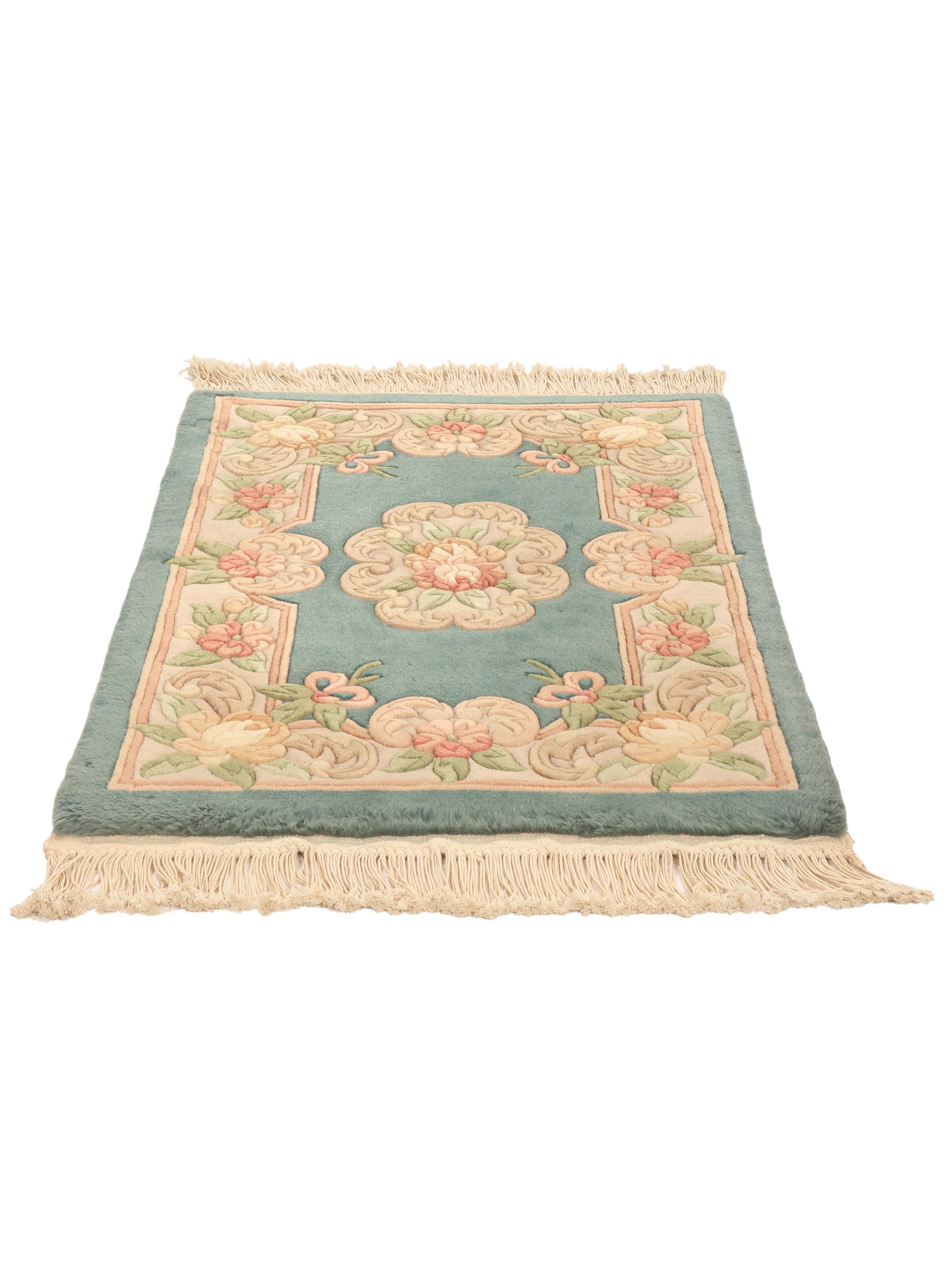
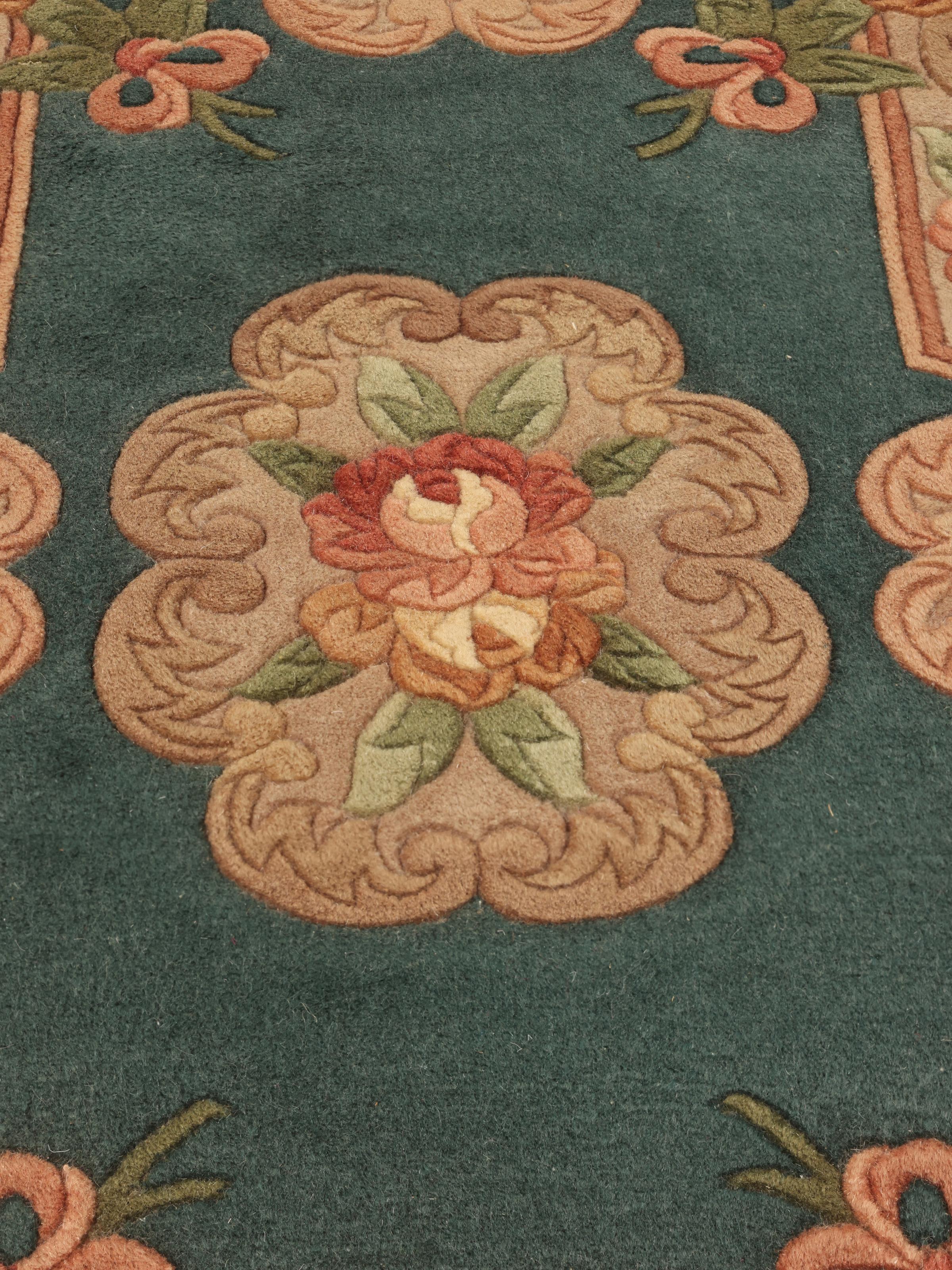
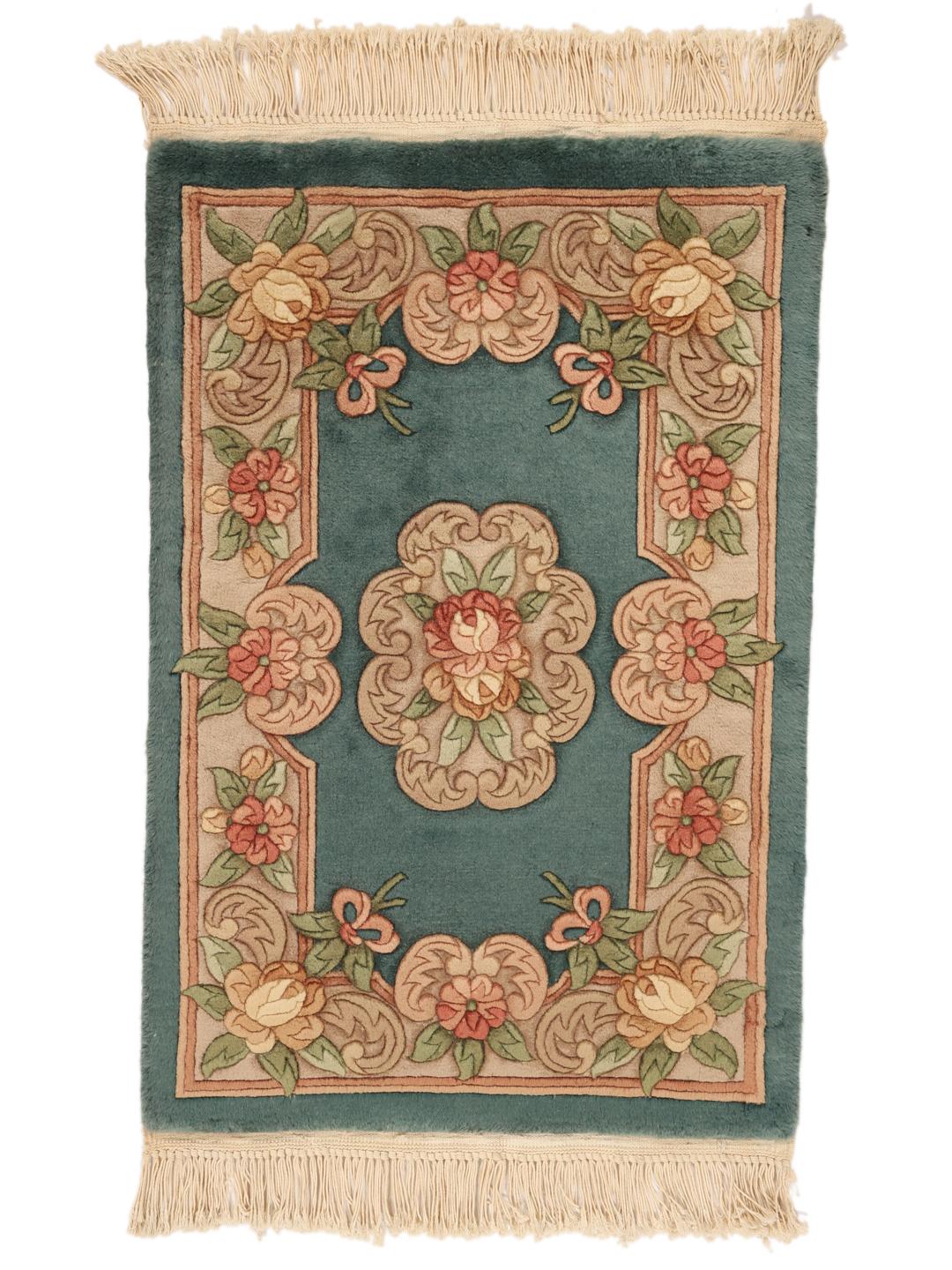
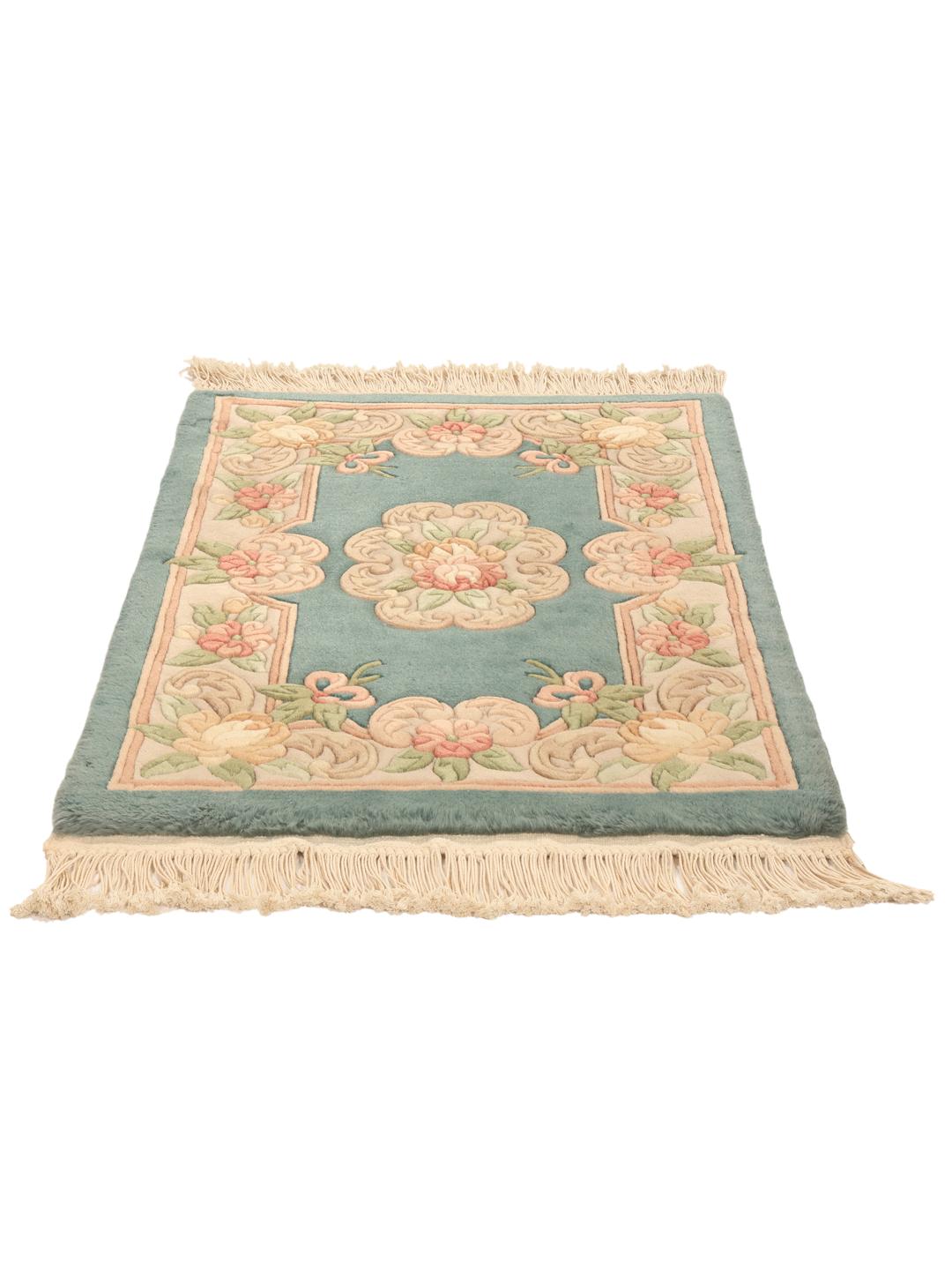
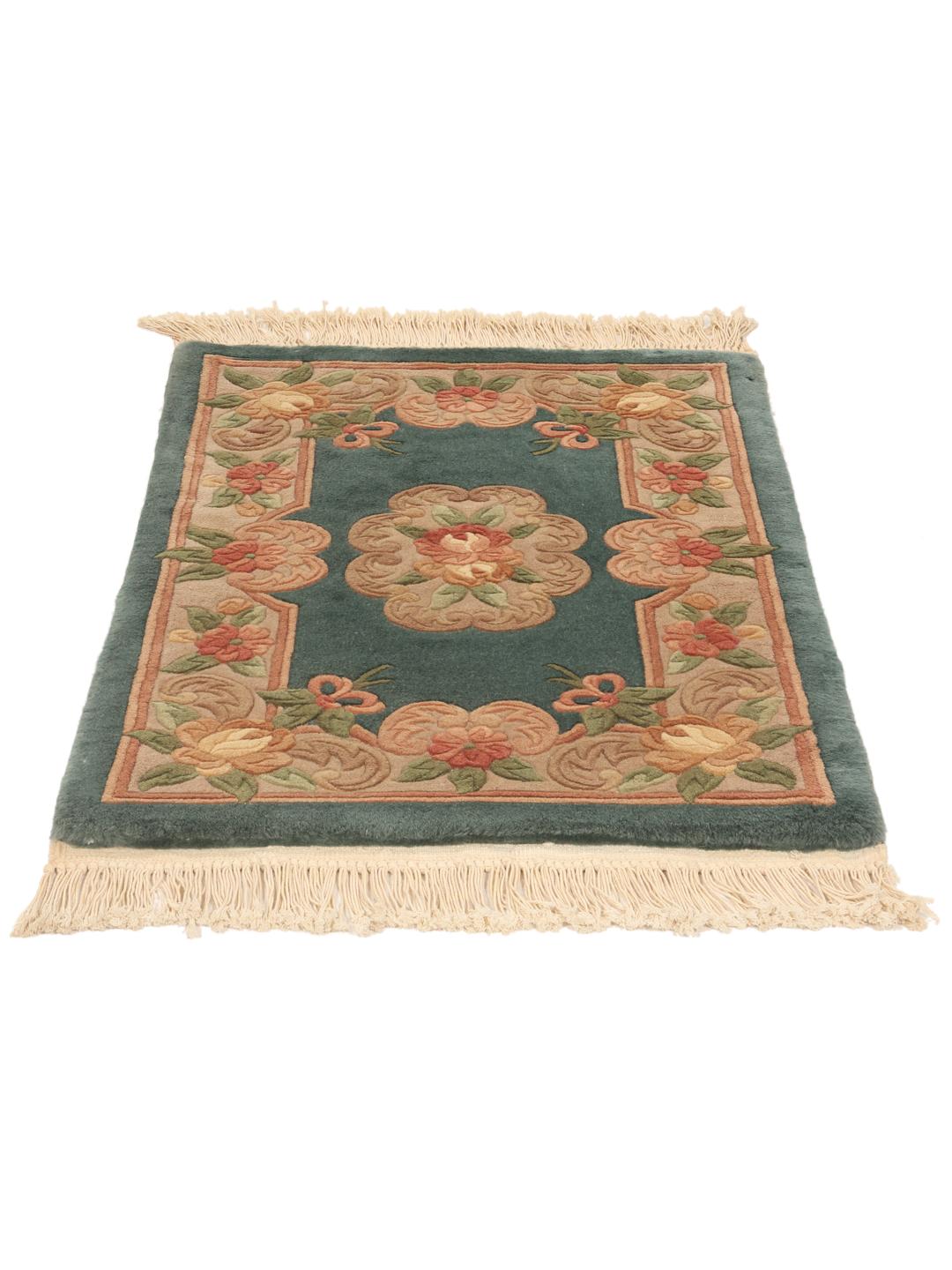
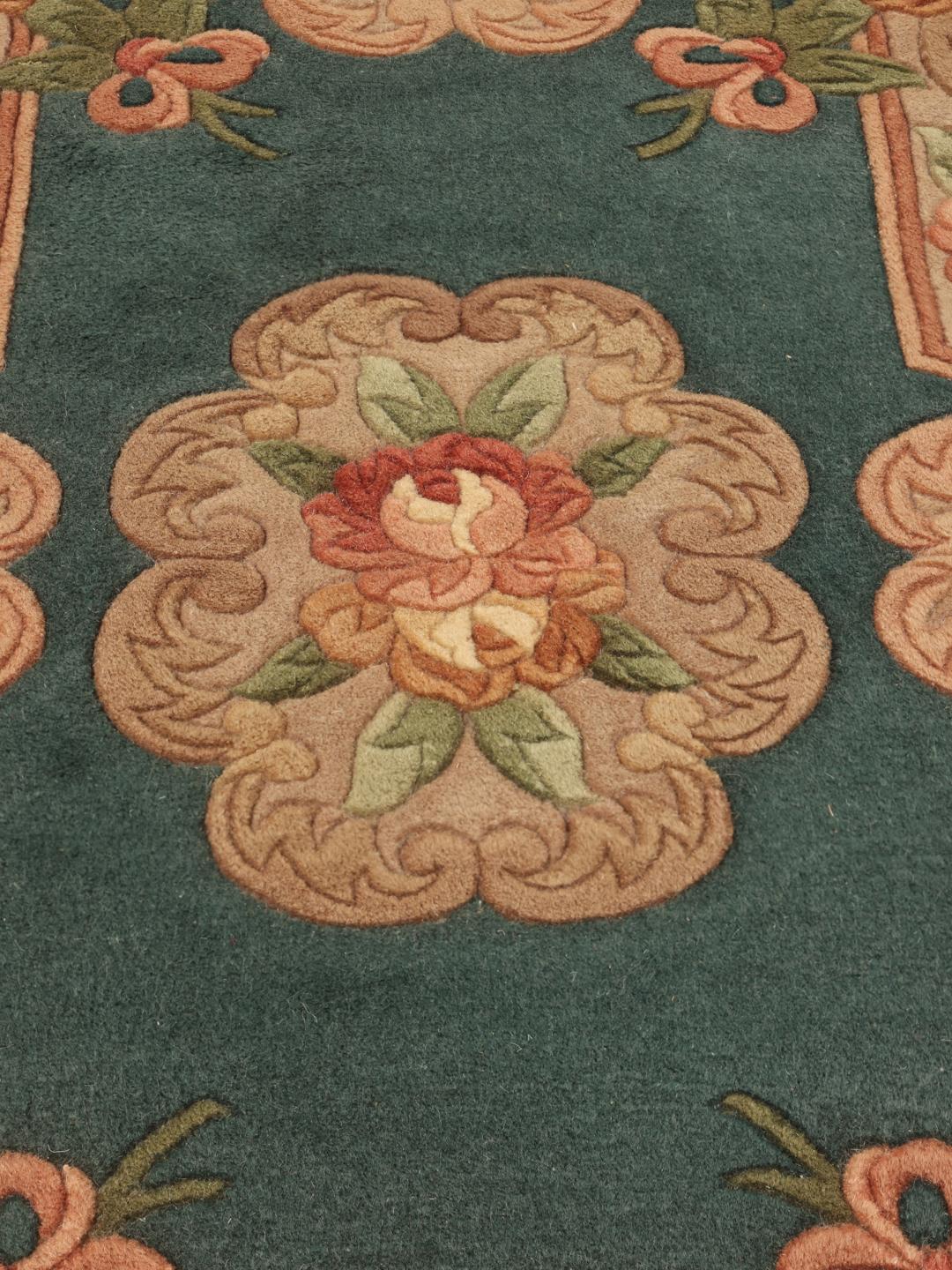
Signature design elements of this tradition often include balanced floral arrangements, swirling cloud bands, and ornate borders. These rugs frequently favour a central medallion or a symmetrical layout, using a palette that highlights the depth of the Wool. The inclusion of soft, natural tones alongside more vibrant hues creates a harmonious contrast that is characteristic of the regional style.
Owning a hand-knotted piece from this tradition is an investment in cultural heritage and skilled labour. These rugs are highly valued by collectors for their consistency, artistic depth, and the resilience of their construction. By choosing such a piece, you are supporting a legacy of craft that prioritises beauty, precision, and the lasting value of slow, intentional production.