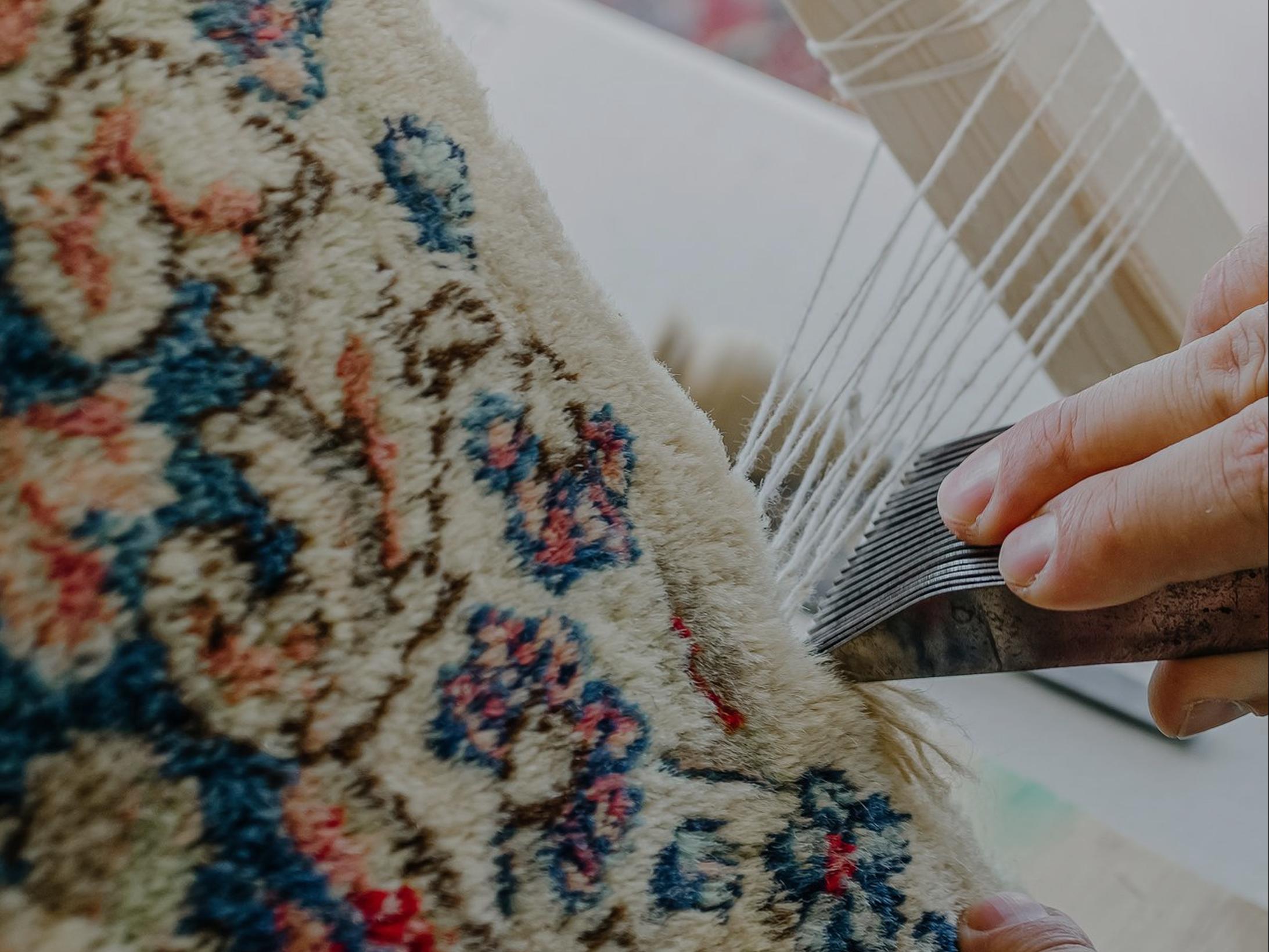
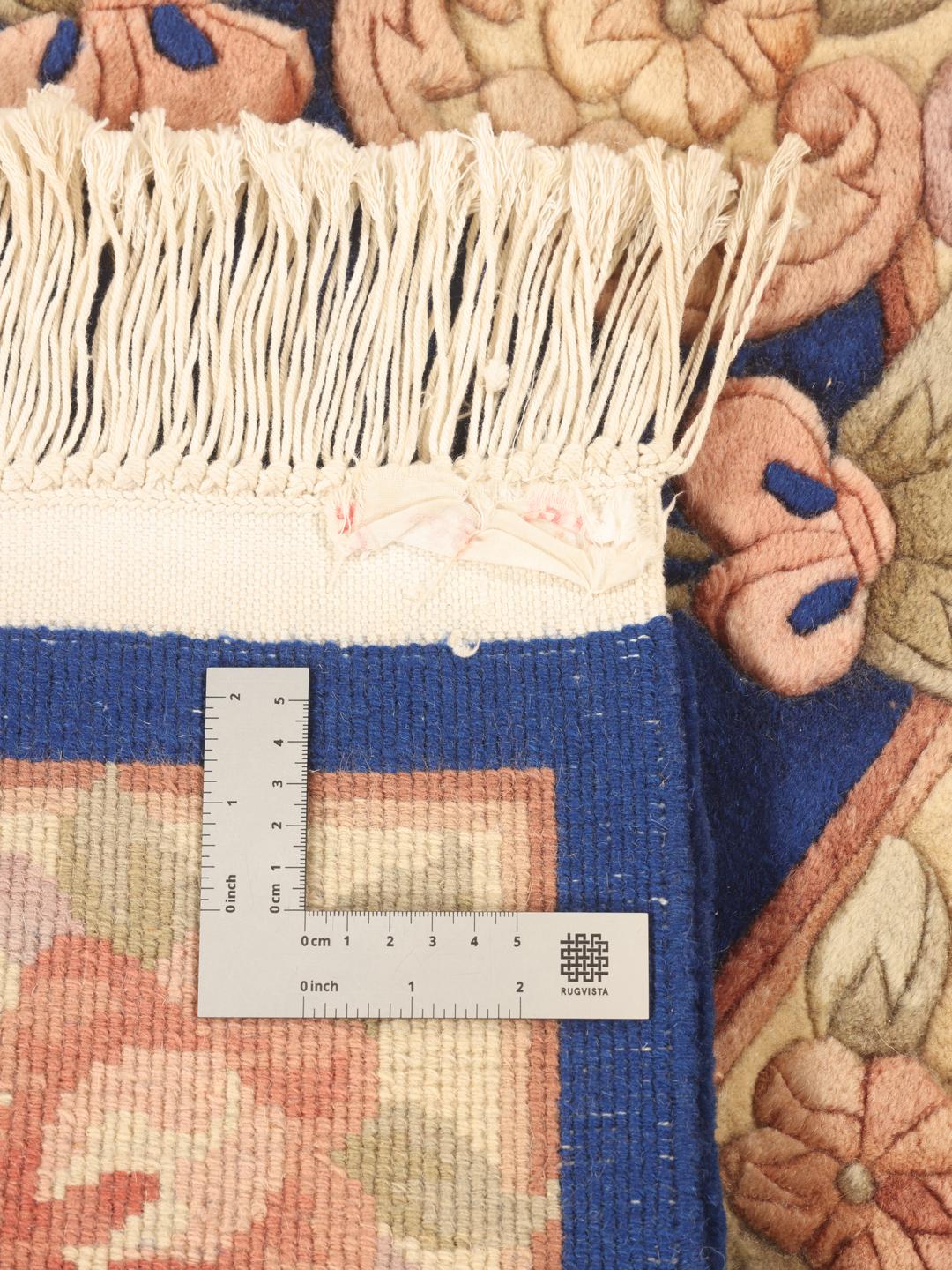
Chinese rug weaving has a long and storied tradition that dates back centuries, evolving from the creation of functional floor coverings for palaces and temples to the sophisticated artistry we see today. The 90 line designation refers to a traditional system of measuring the density of the knots, which has historically been a hallmark of Chinese rug production. This classification helps define the fineness of the weave, ensuring a standard of quality that has been refined through generations of practice.
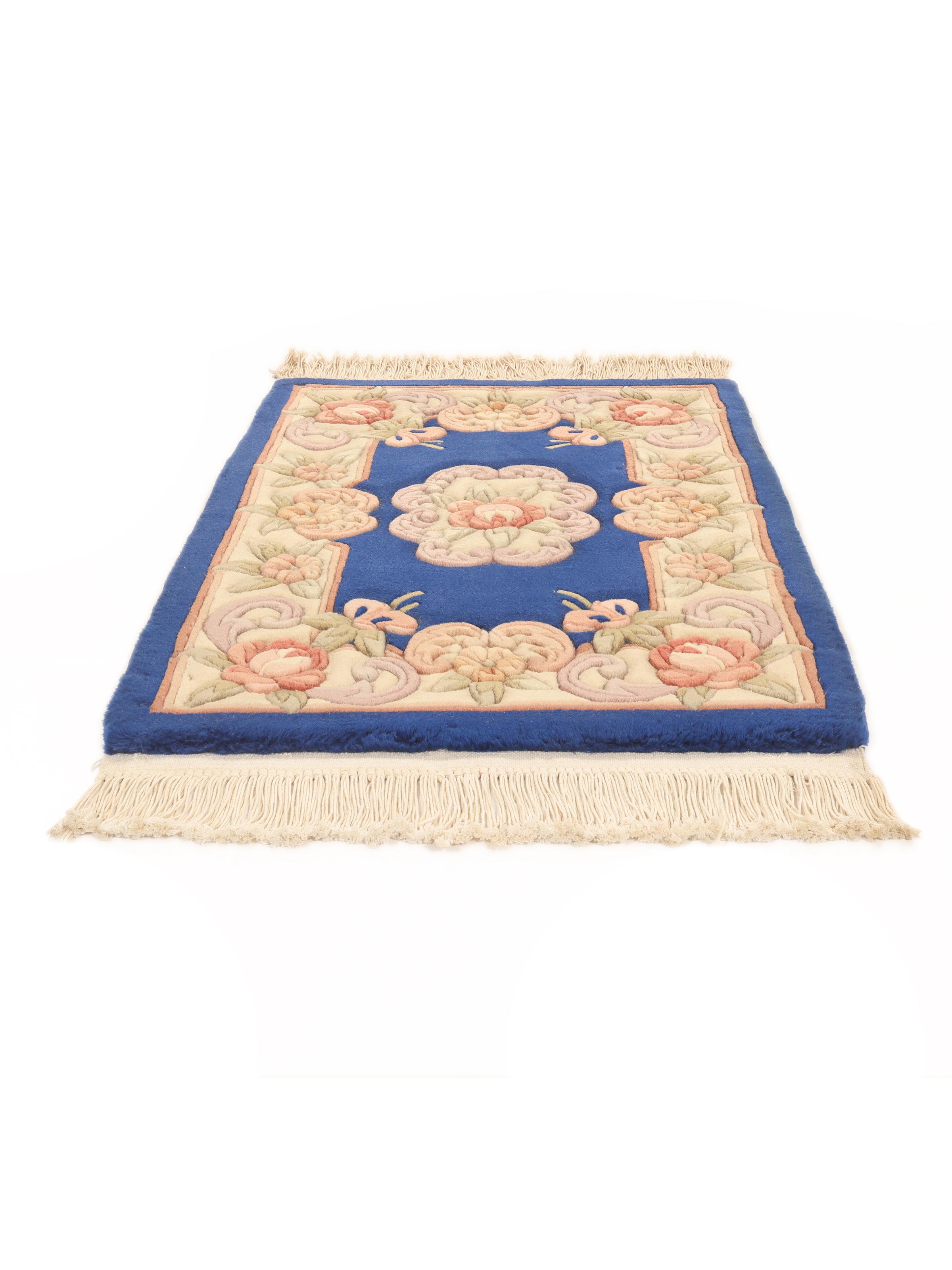
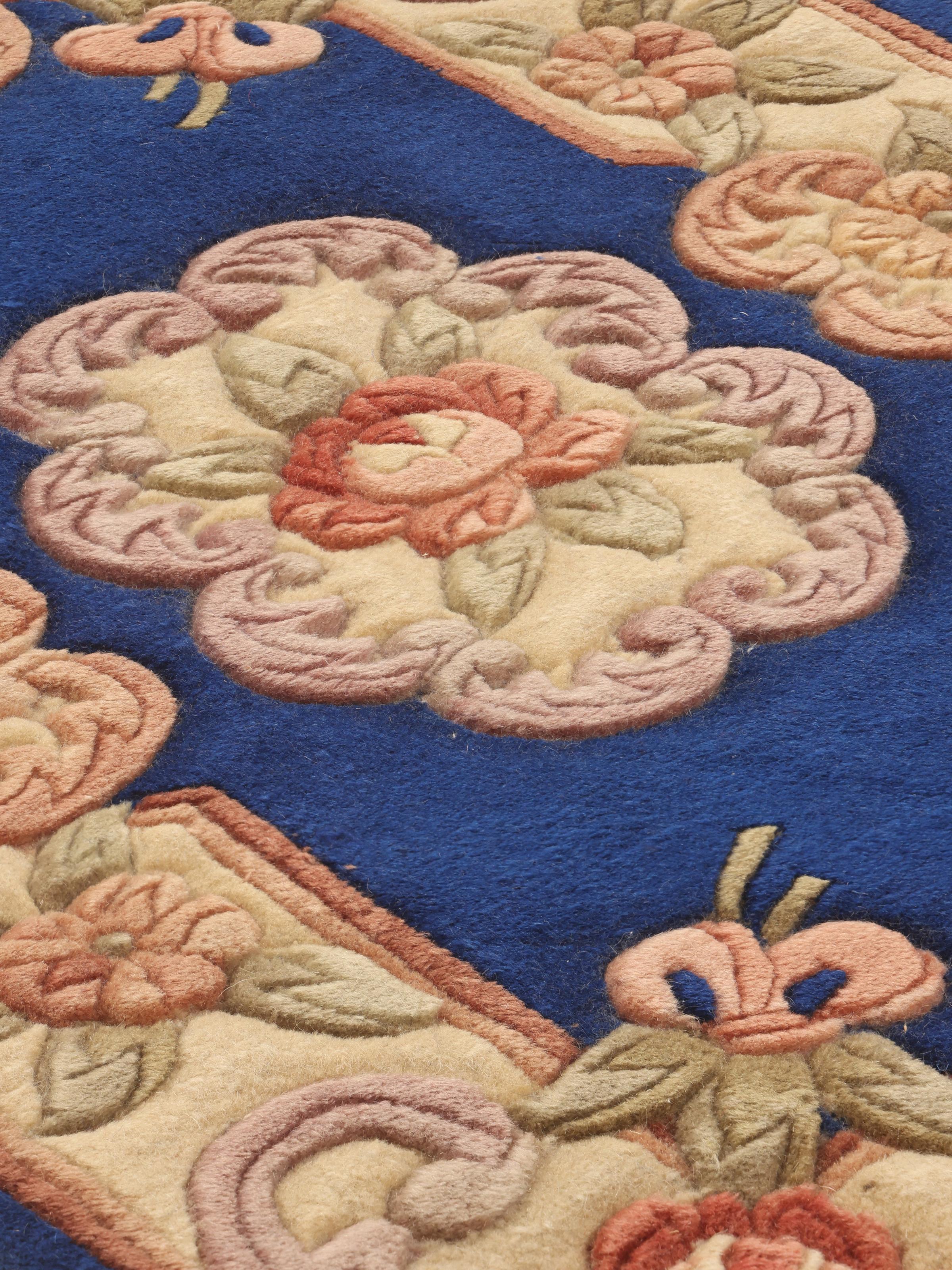
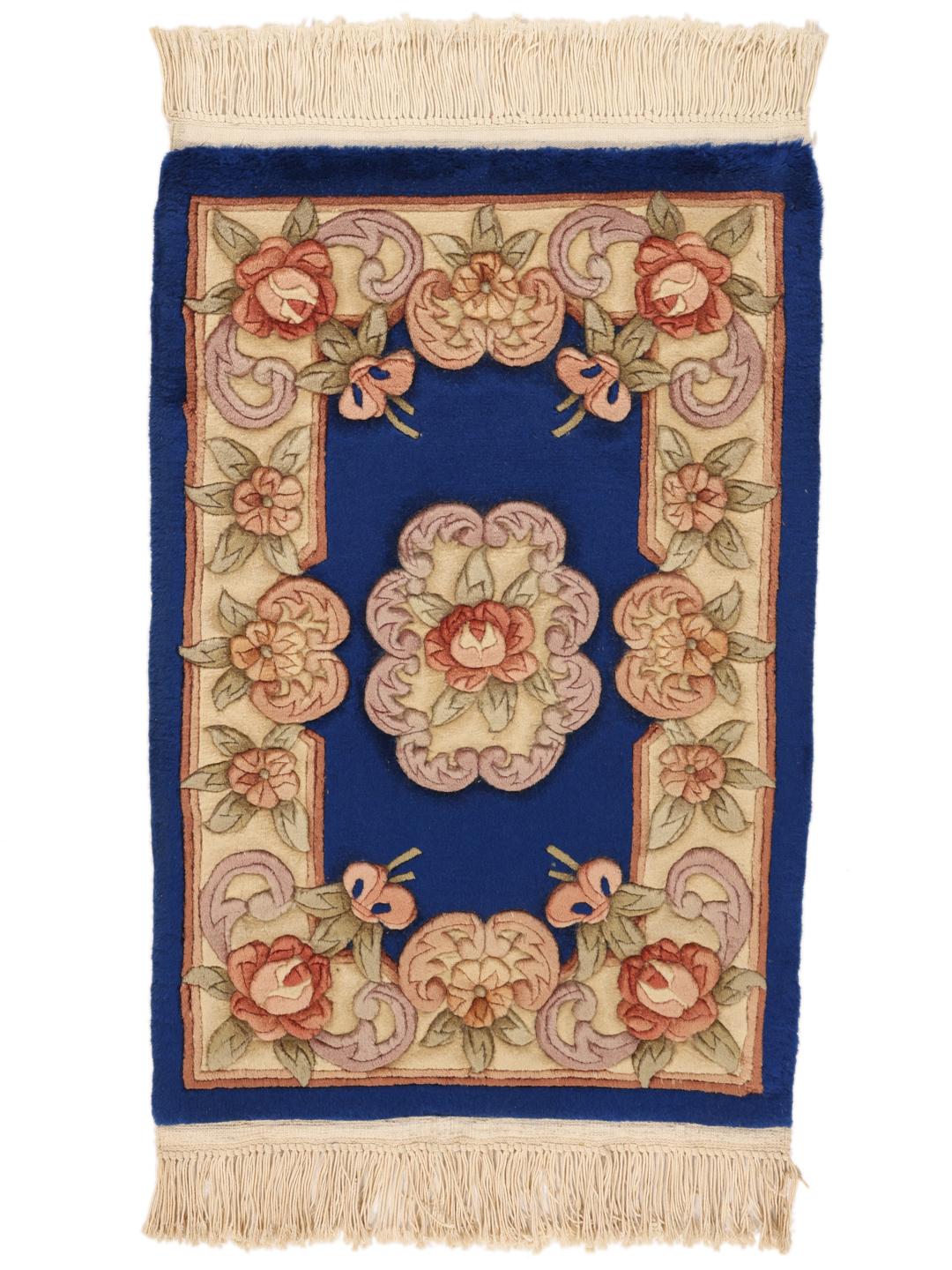
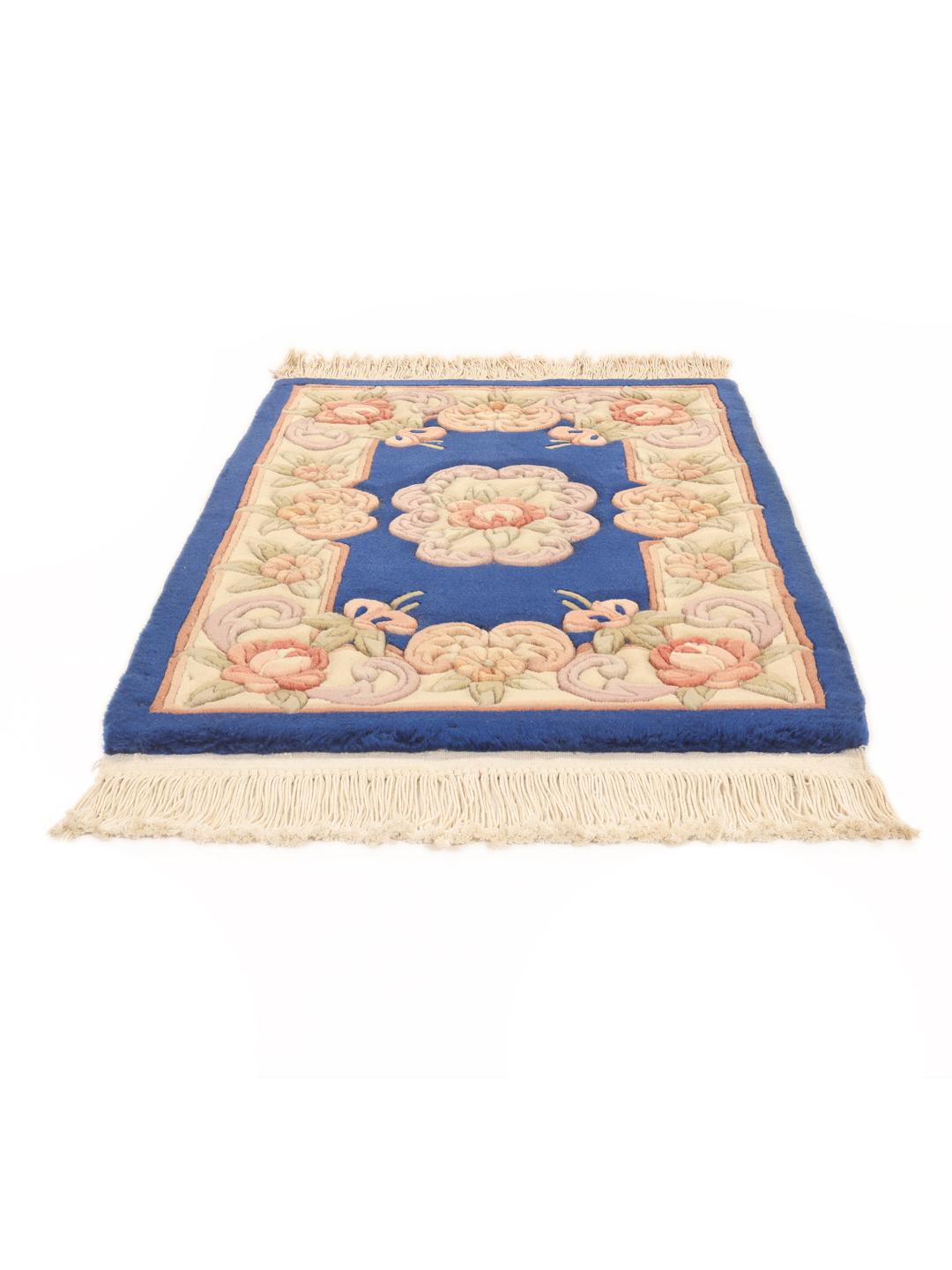
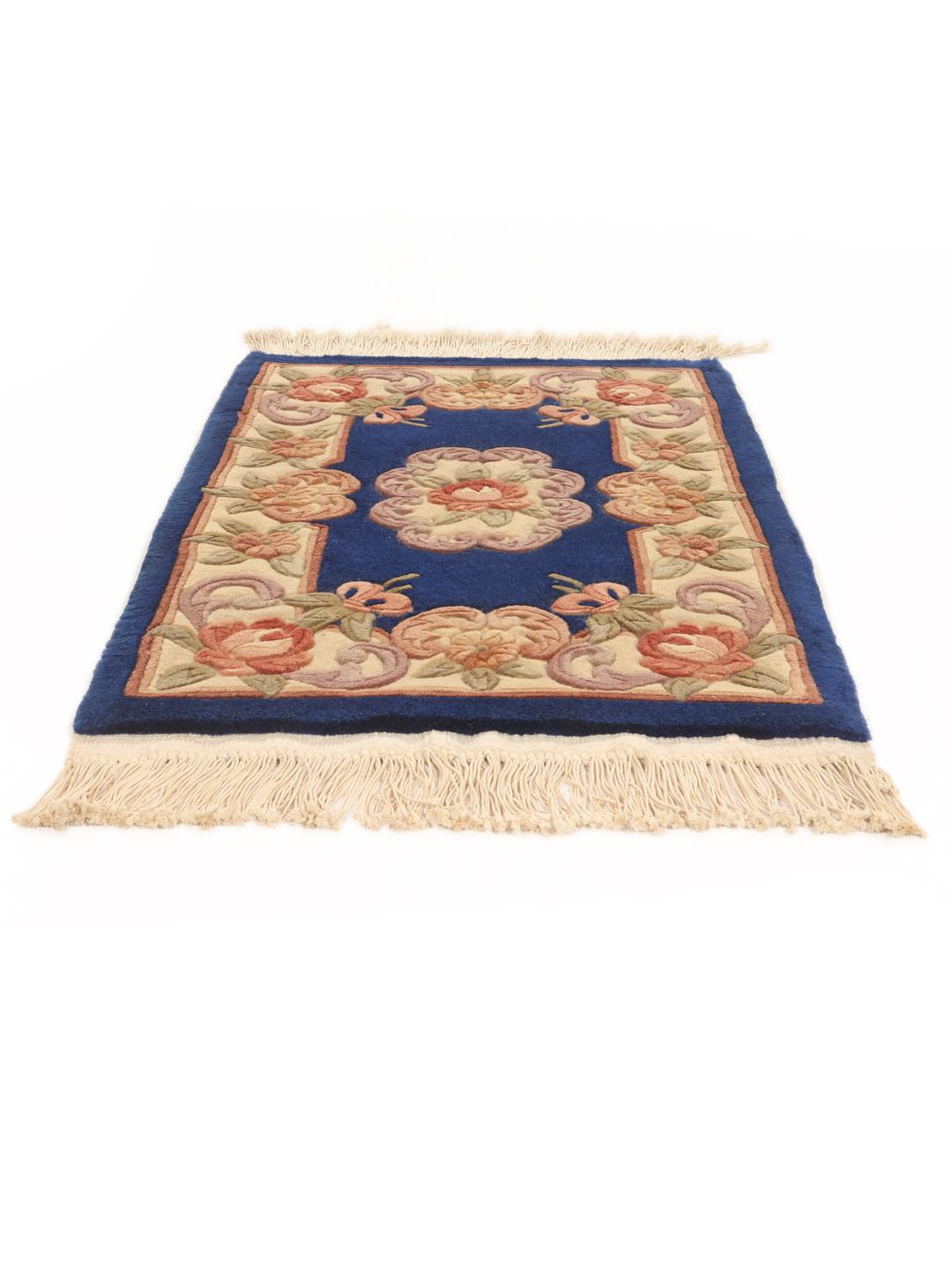
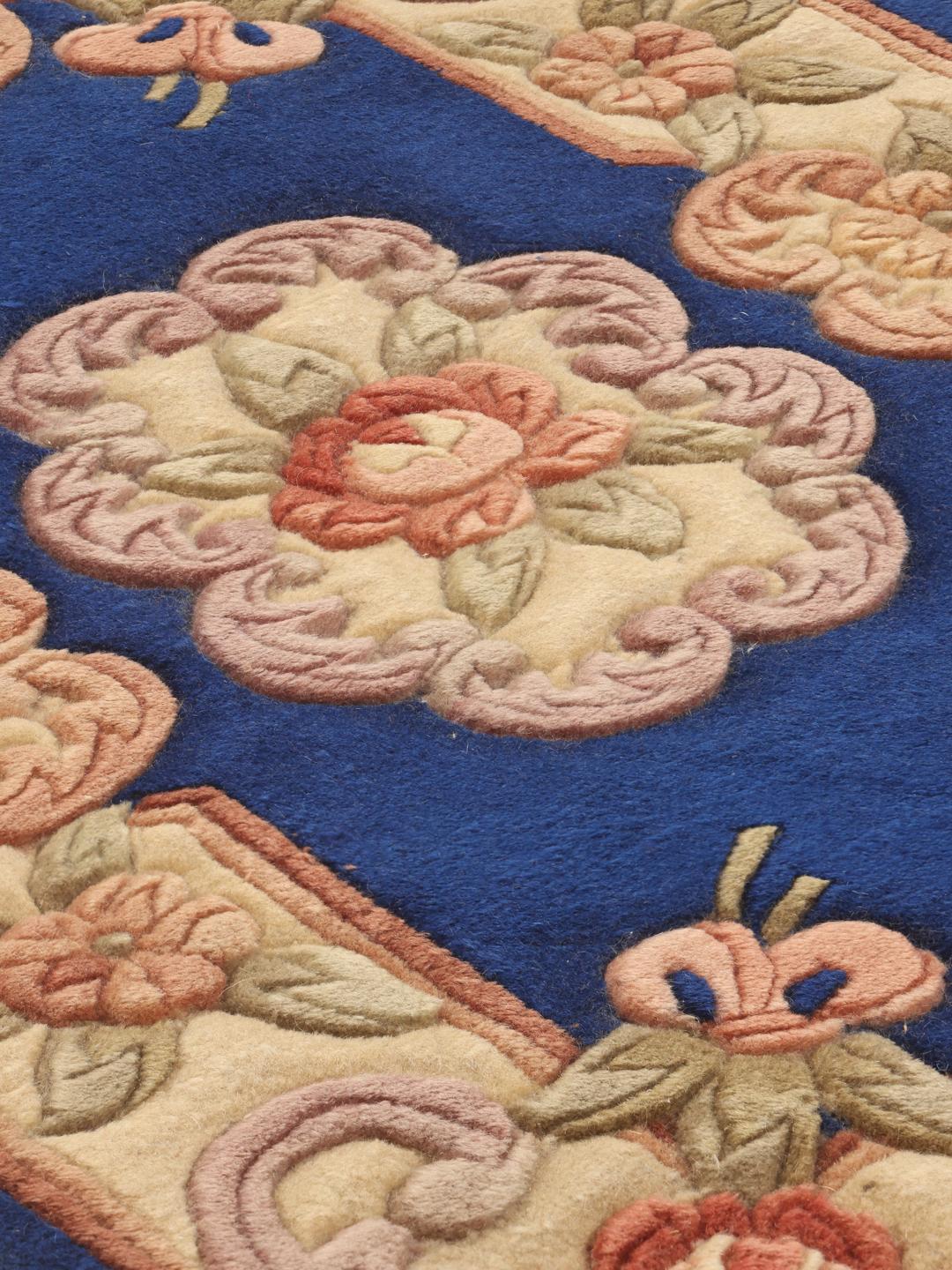
The craftsmanship behind Chinese rugs is defined by their unique approach to pile height and sculptural relief. Unlike many other traditions that focus solely on flat patterns, Chinese artisans often shear the wool at different depths to create a three-dimensional effect around the motifs. This technical choice adds depth and texture to the floral designs, making the patterns appear to lift off the surface of the rug.
Floral motifs are a cornerstone of this regional tradition, often drawing inspiration from nature and classical Chinese painting. You will frequently see peonies, chrysanthemums, and lotus flowers rendered in a stylised, elegant fashion. These designs are not merely decorative but are deeply rooted in cultural symbolism, representing prosperity, longevity, and beauty, which makes these rugs highly sought after by collectors.
Owning a hand-knotted rug from China is an opportunity to connect with a legacy of skill and cultural expression. These pieces are valued for their durability and their ability to bring a sense of harmony to an interior. By choosing this rug, you are preserving a craft tradition that prioritises patience, detail, and a deep appreciation for the natural world.