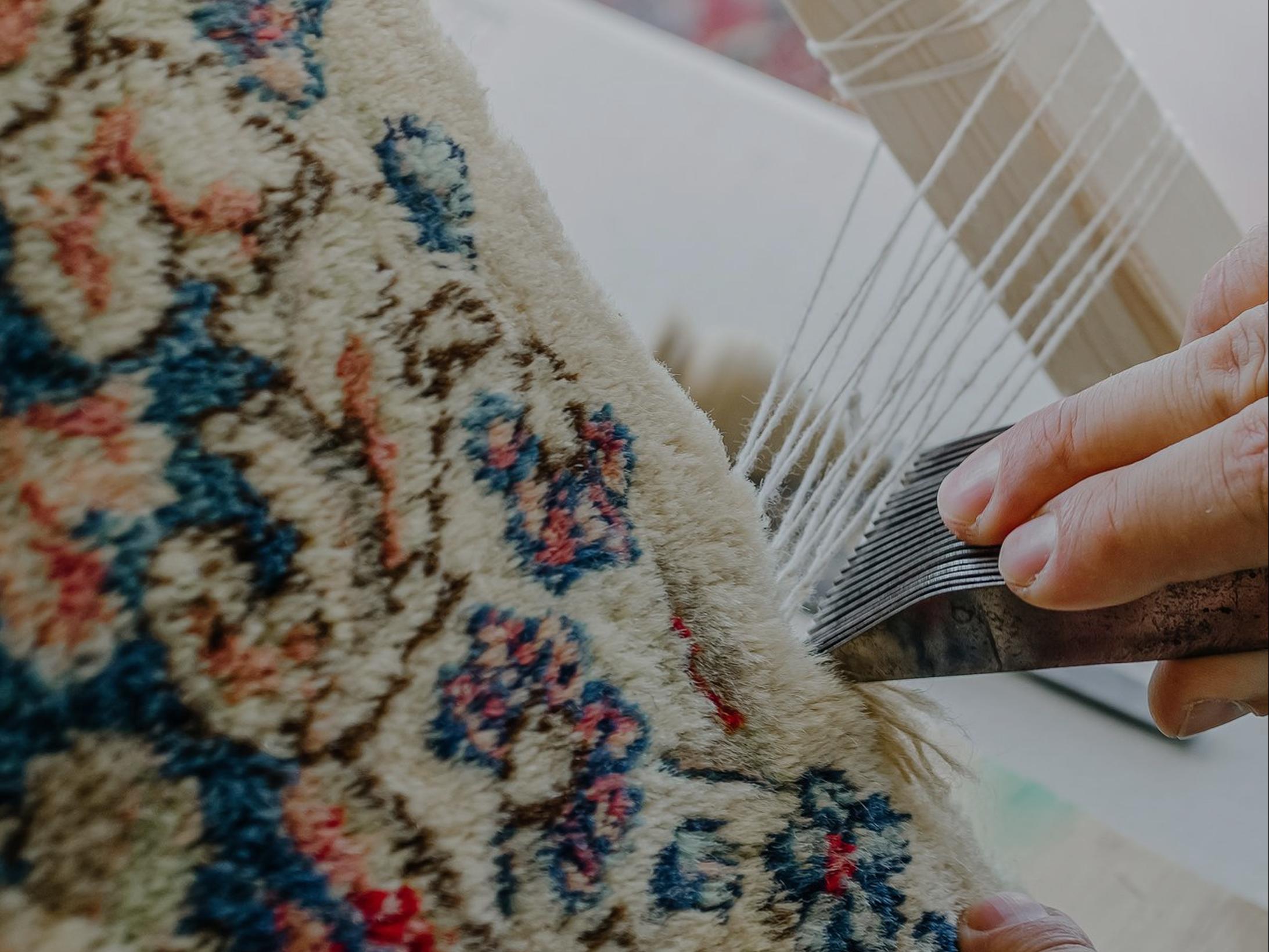
Chinese rug weaving is a storied tradition that has evolved over centuries, blending artistic expression with functional interior design. Historically, these rugs were often commissioned for imperial palaces and temples, utilising symbols and motifs that carried deep cultural significance. Today, the tradition continues to thrive, with modern weavers drawing upon these ancient design languages while incorporating new colour palettes to suit contemporary homes.
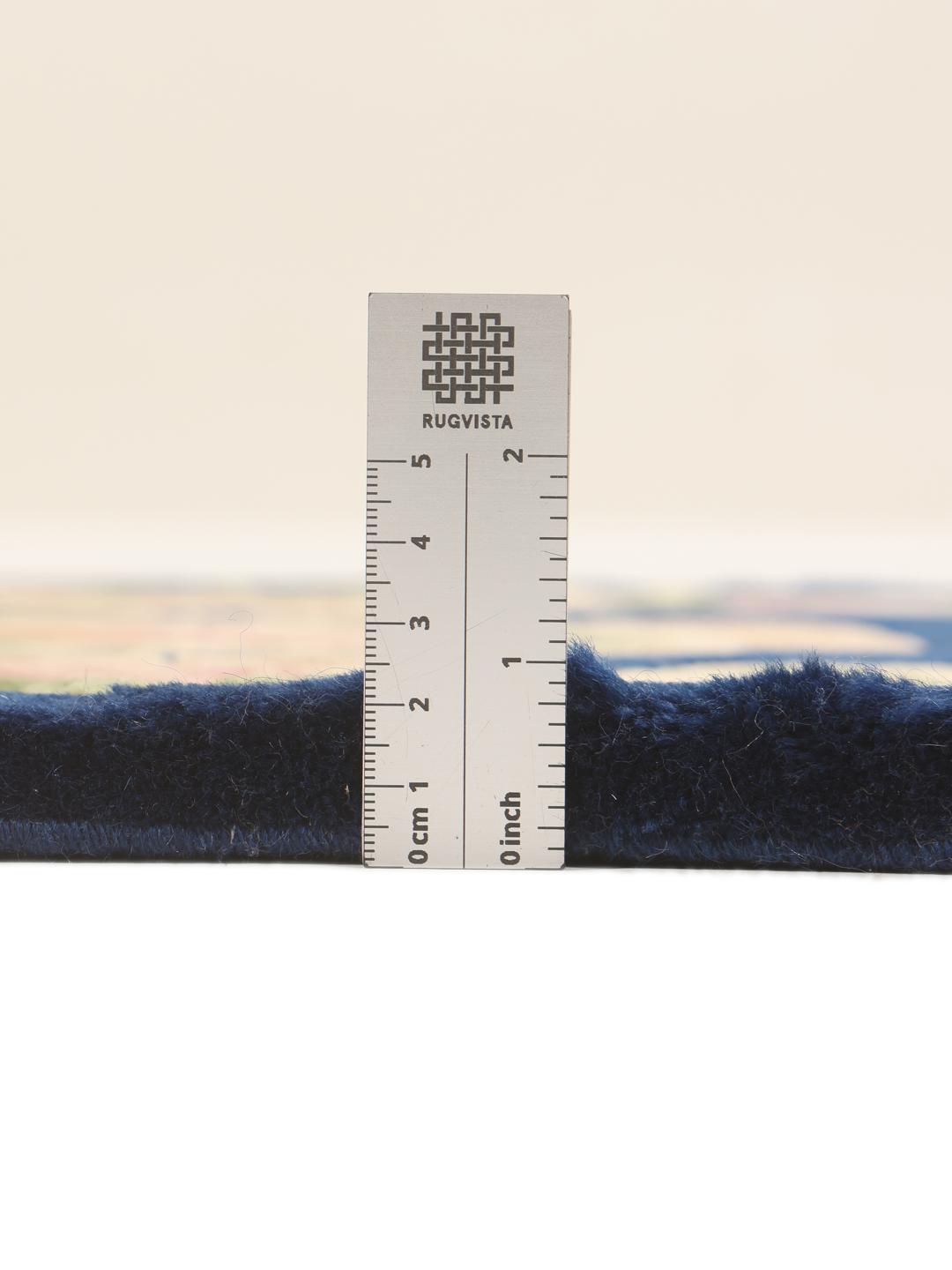
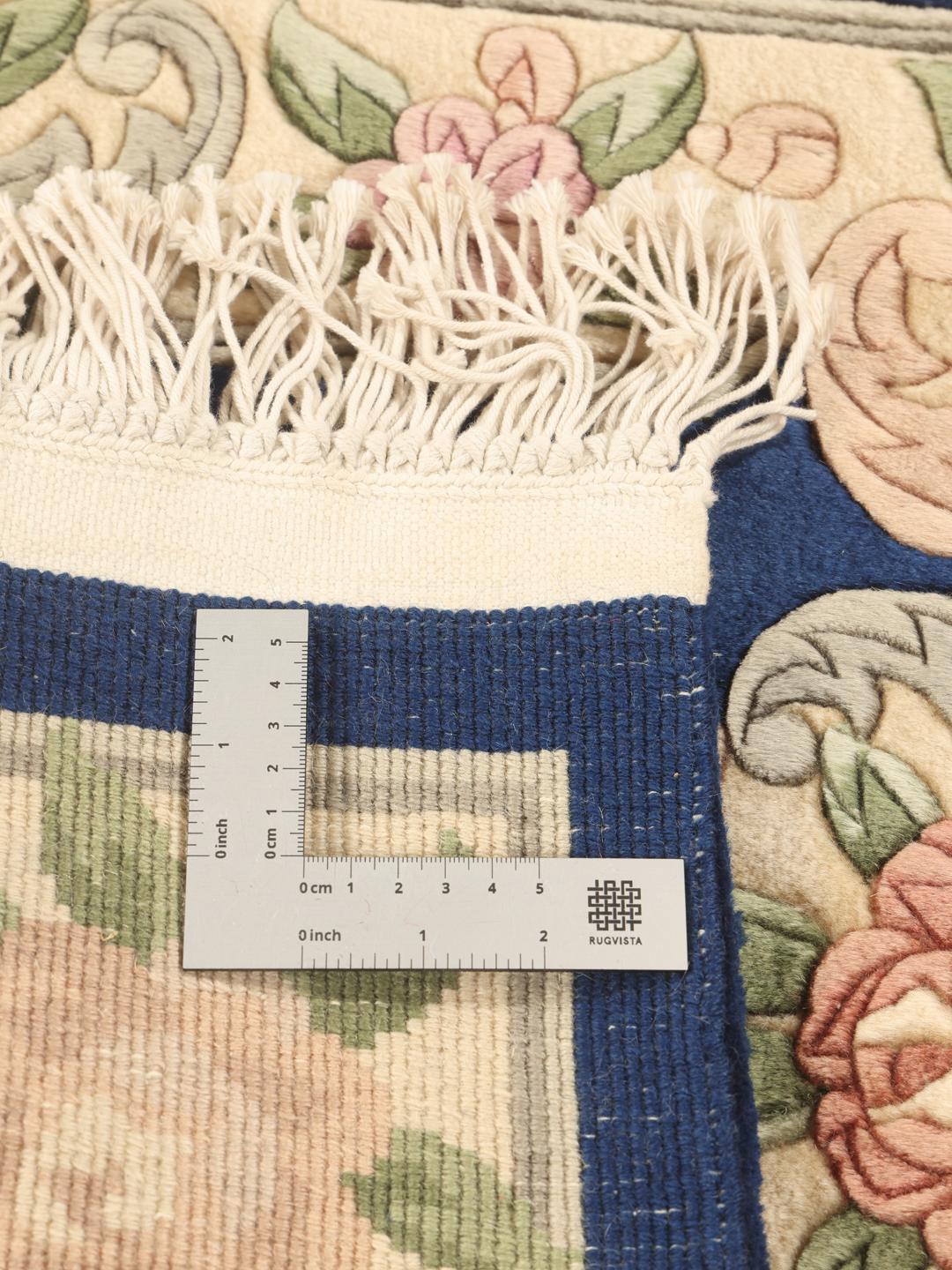
The term '90 Line' refers to a traditional system of measuring knot density in Chinese rug making, which denotes the number of knots per linear foot. This specific density is chosen to balance the thickness of the pile with the clarity of the design. A 90-line construction provides a substantial and durable foundation, ensuring that the rug can withstand regular use while retaining the soft, inviting texture that is characteristic of high-quality Wool.
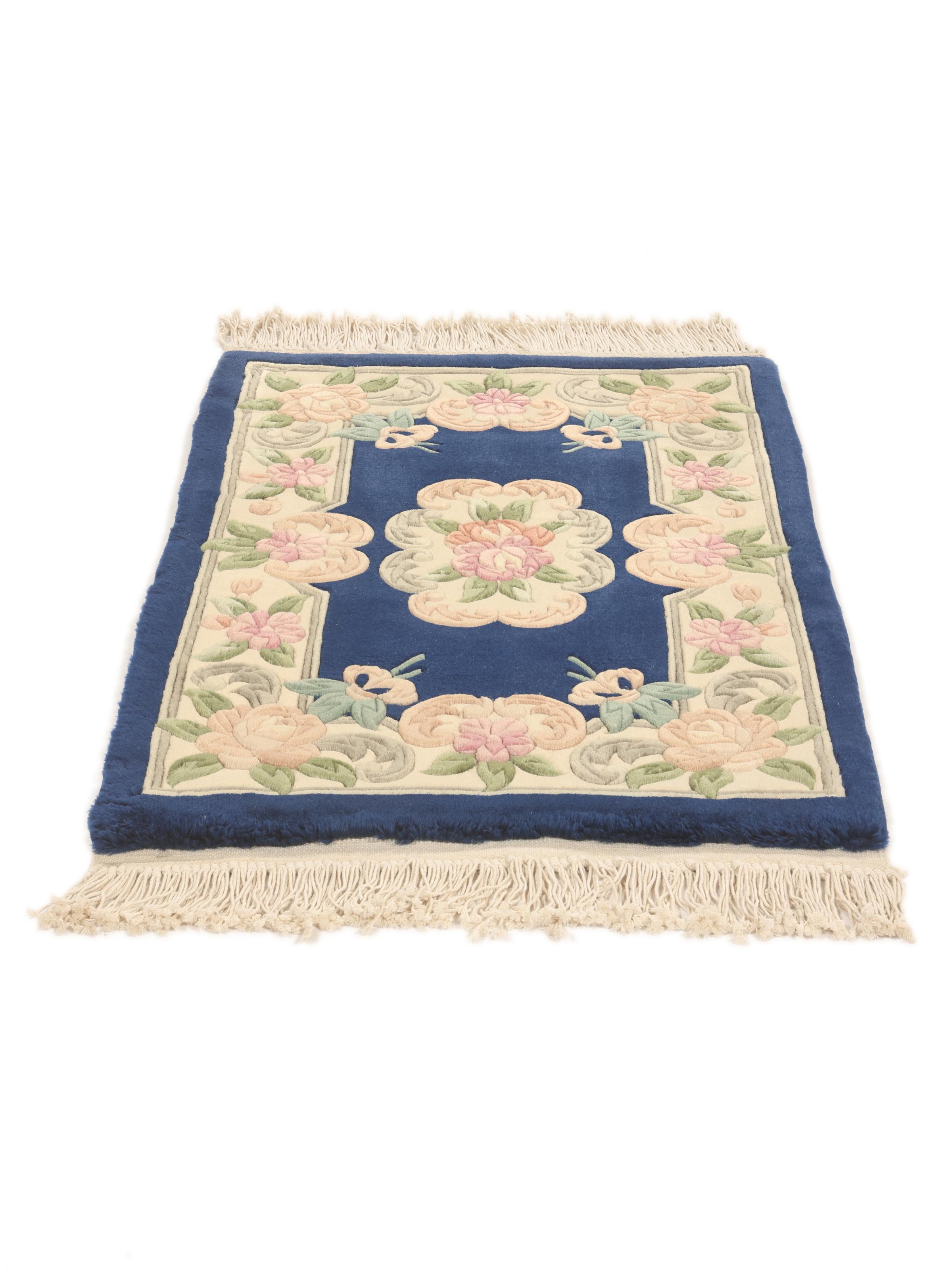
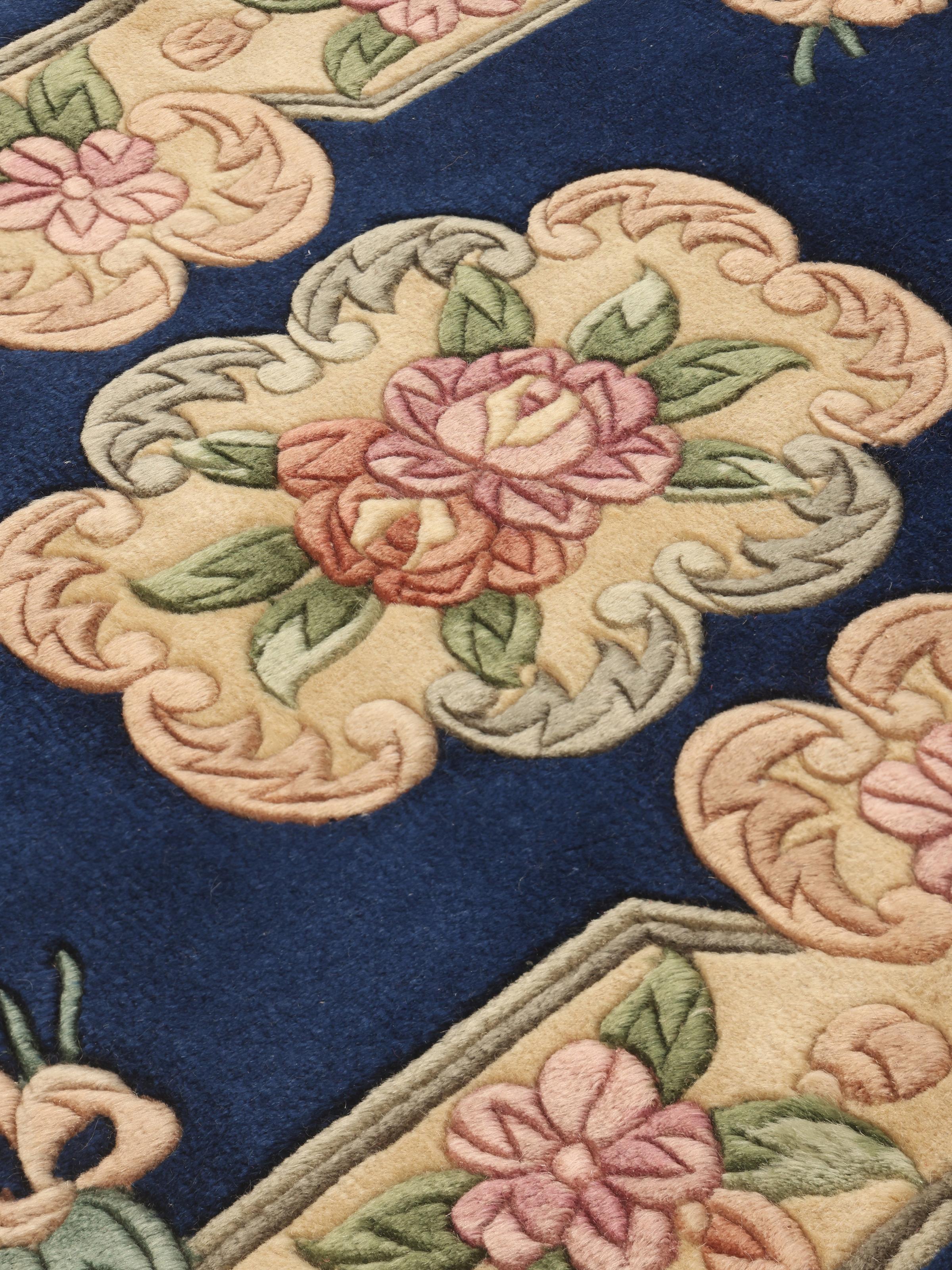
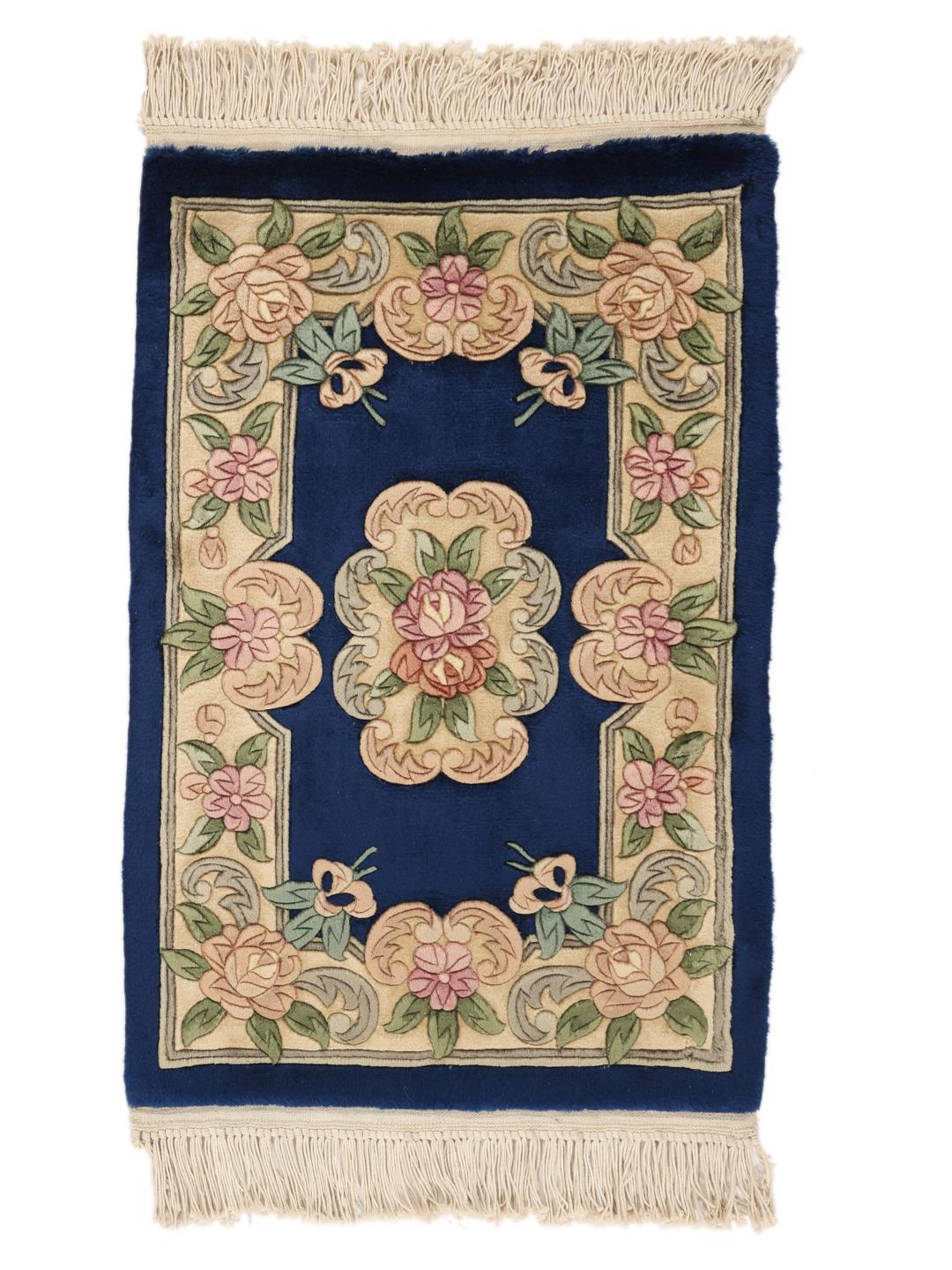
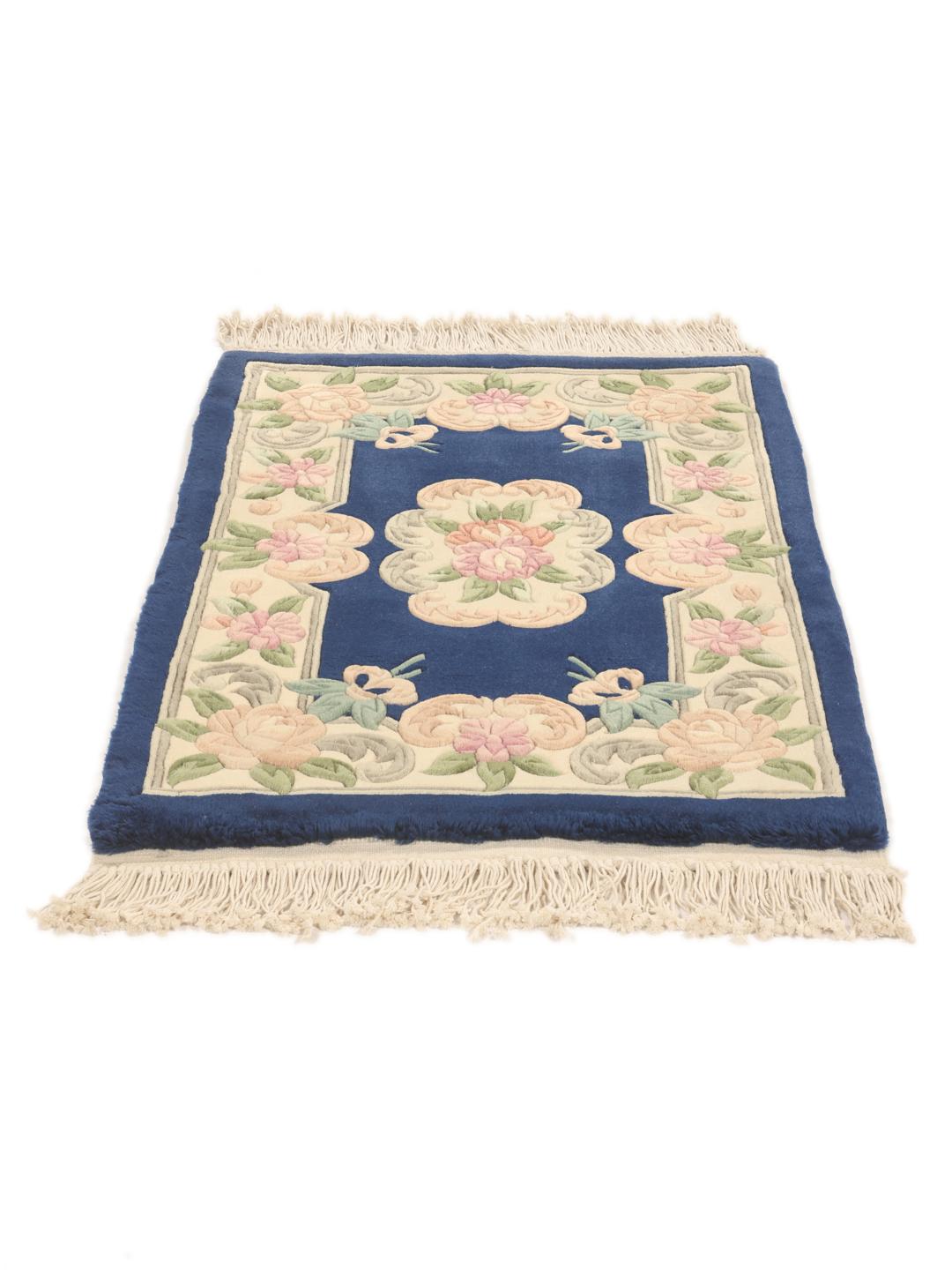
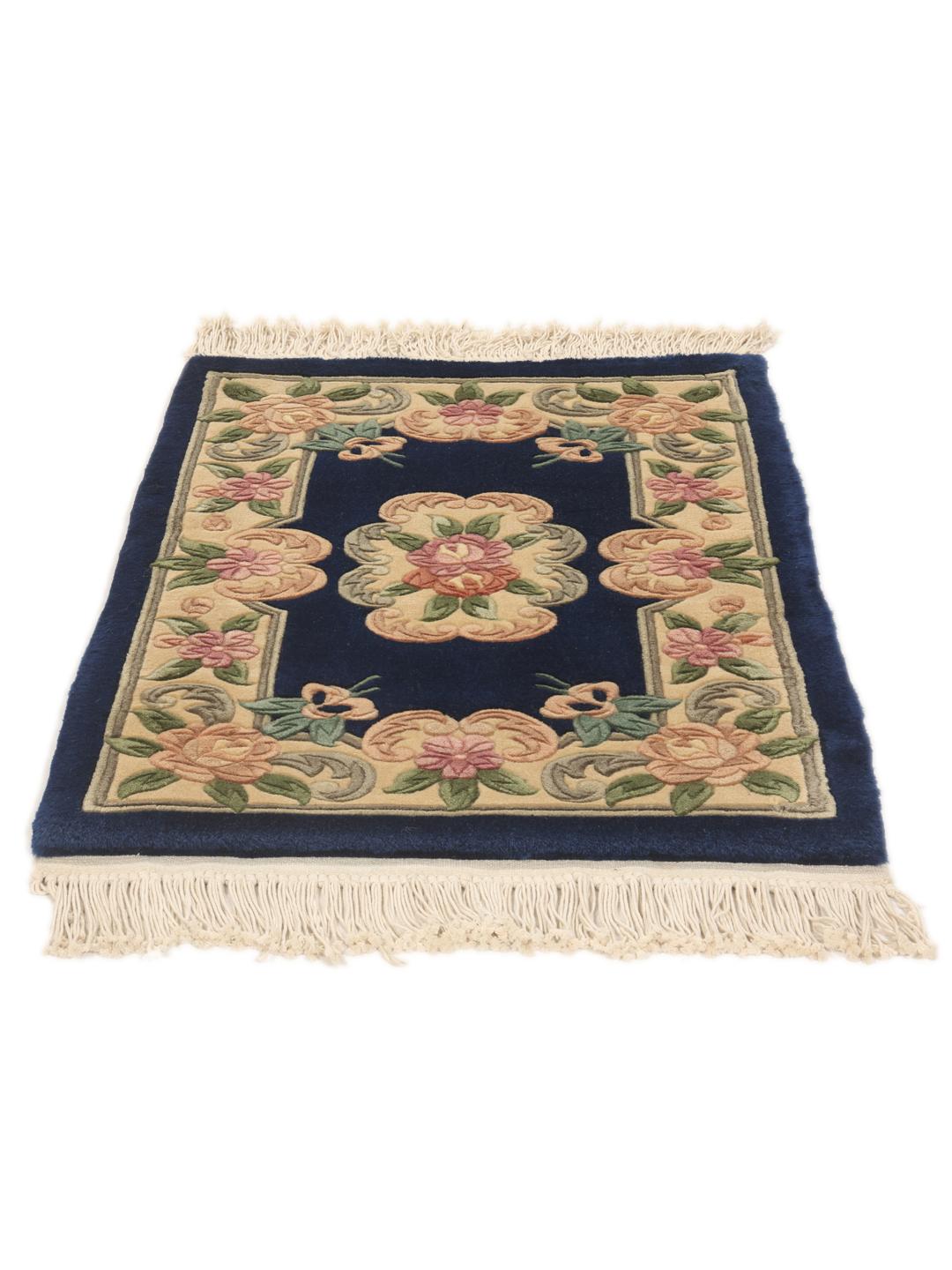
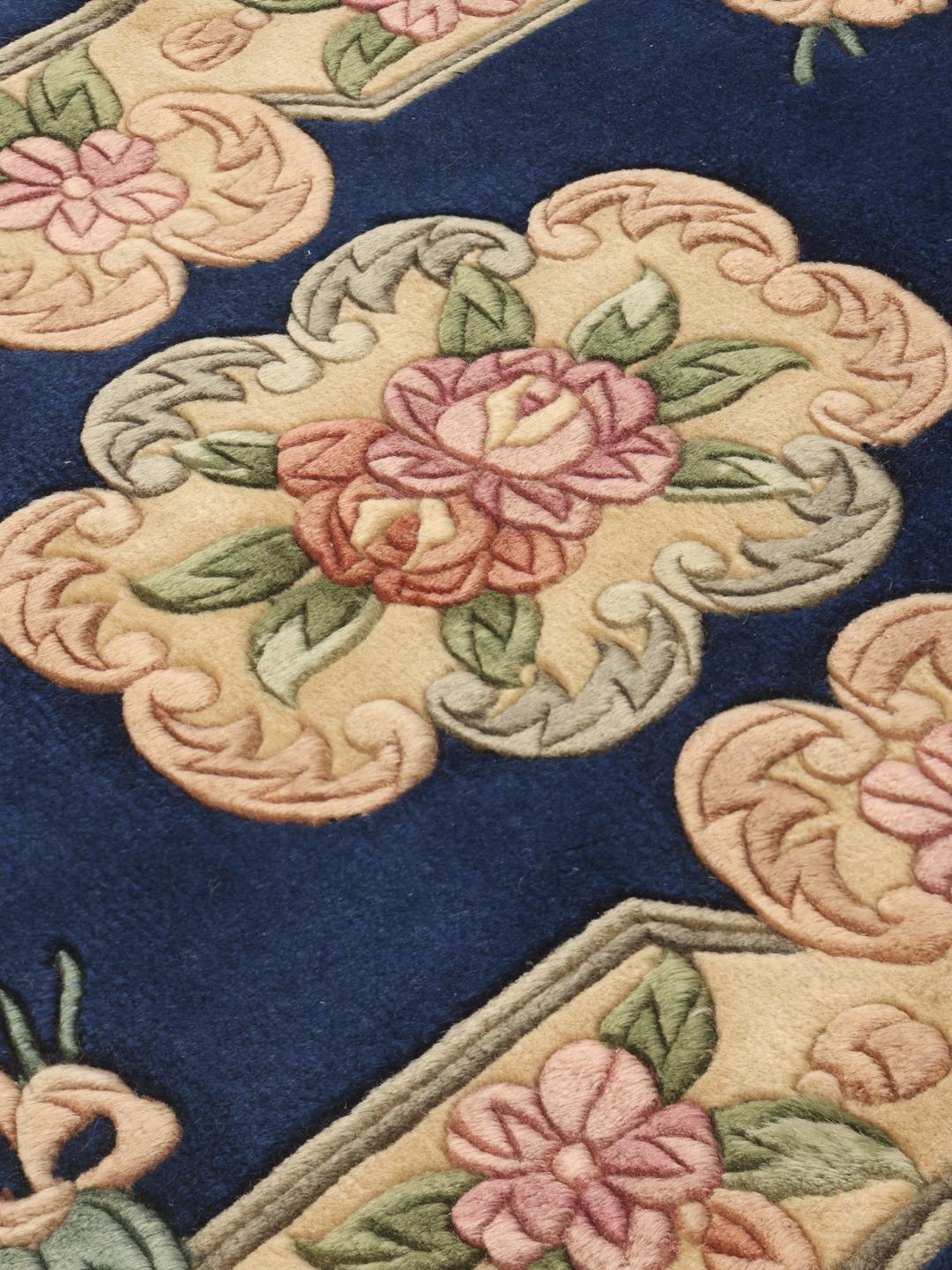
Floral motifs are a cornerstone of this tradition, often representing prosperity, longevity, and natural beauty. These designs are typically rendered with a sense of balance and harmony, using flowing lines and soft transitions between colours. The deep blue field seen here is a classic choice, offering a sophisticated contrast to the lighter, more delicate floral elements, and highlighting the skill required to achieve such crisp detail.
Collecting a hand-knotted rug from this region is an investment in both history and human skill. Each piece tells the story of the artisan who spent weeks at the loom, carefully building the design knot by knot. By choosing such a rug, you are preserving a cultural heritage that values patience, precision, and the creation of objects that are meant to be cherished for many years.