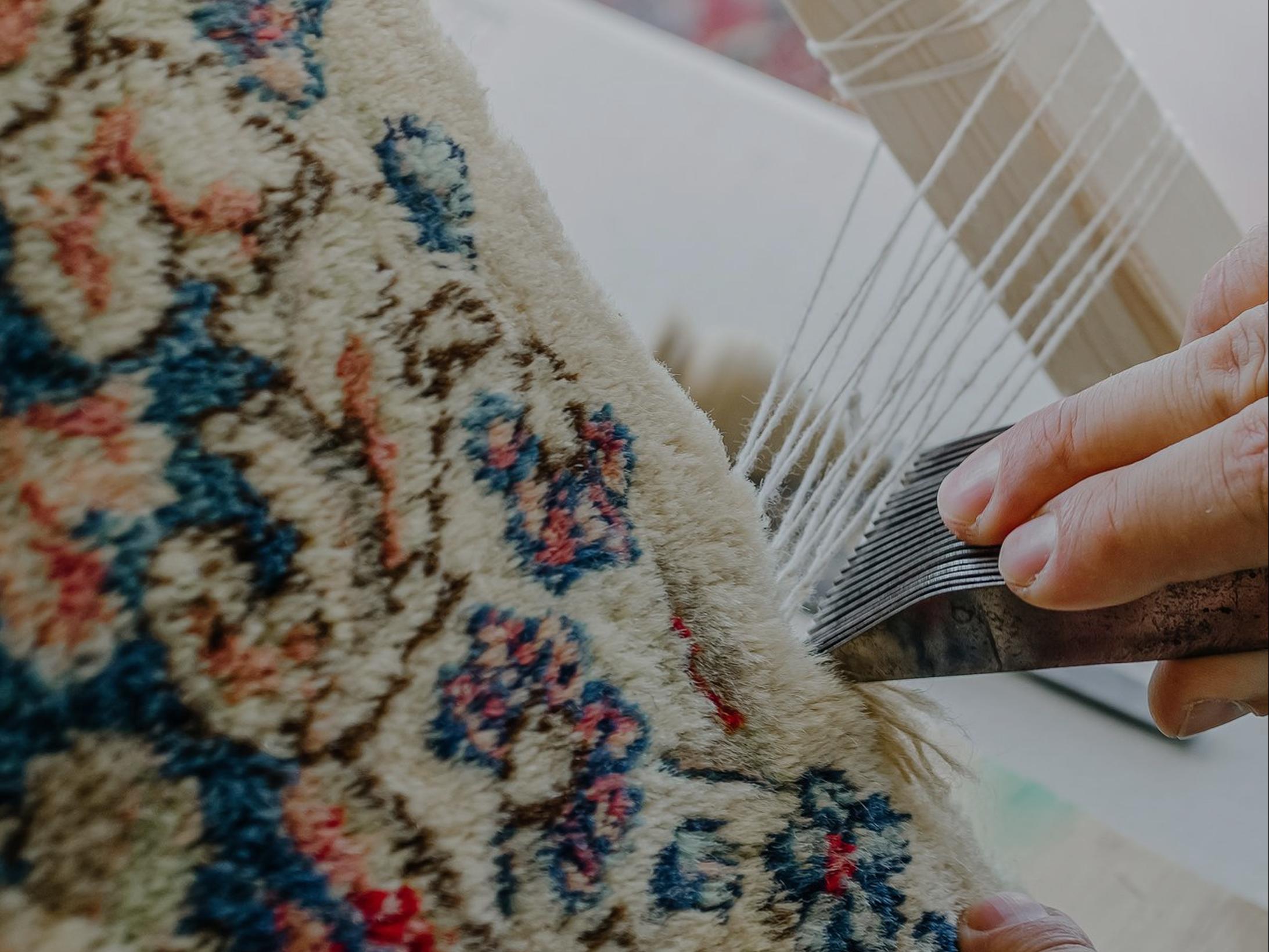
Chinese rug weaving is a tradition that spans centuries, deeply intertwined with the country's rich history of textile arts. While these rugs were historically crafted for imperial courts and temples, the craft has evolved to incorporate artistic influences from across the globe while maintaining its distinct regional character. Today, these rugs are celebrated for their ability to blend traditional motifs with a refined, understated elegance.
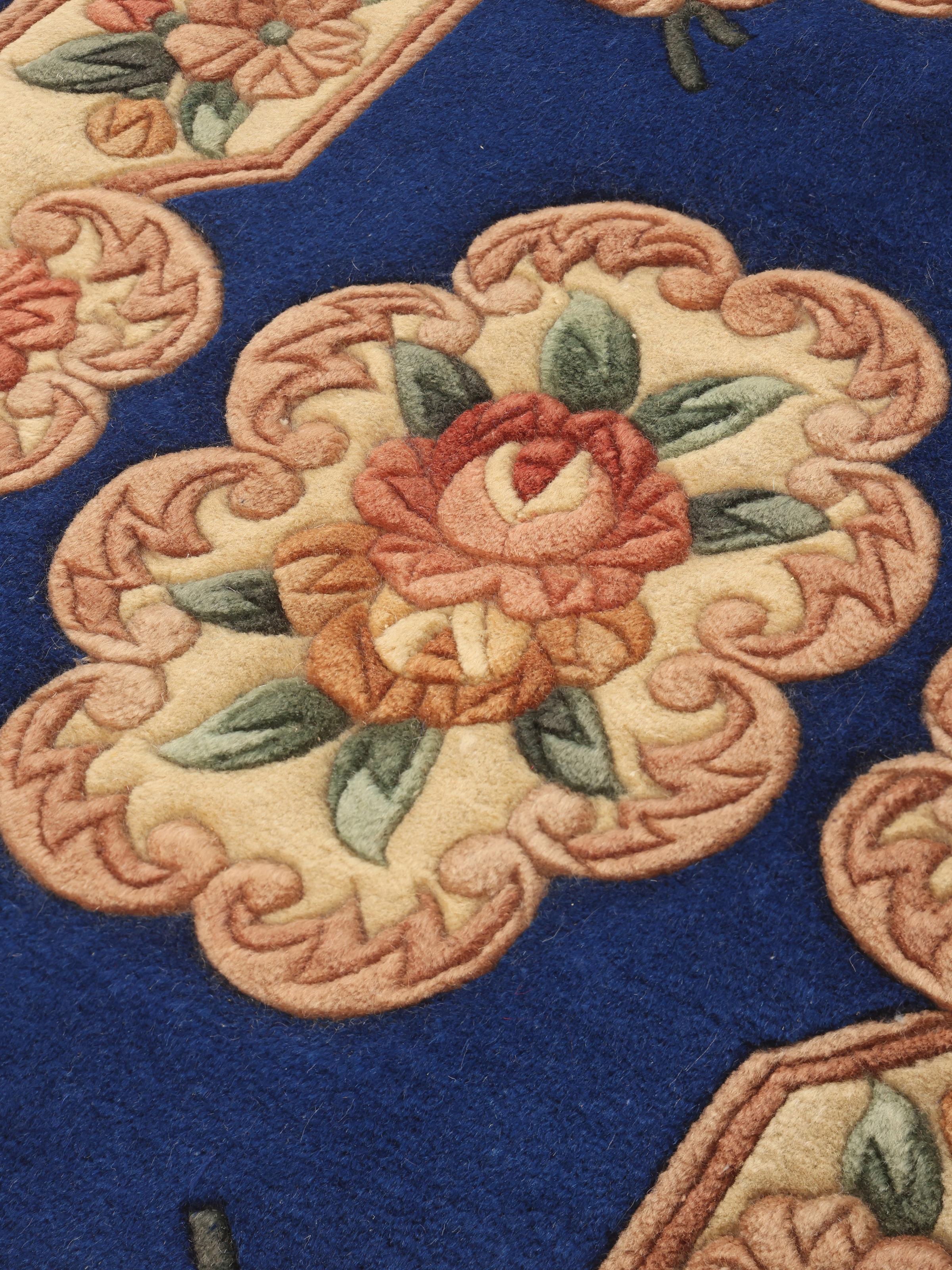
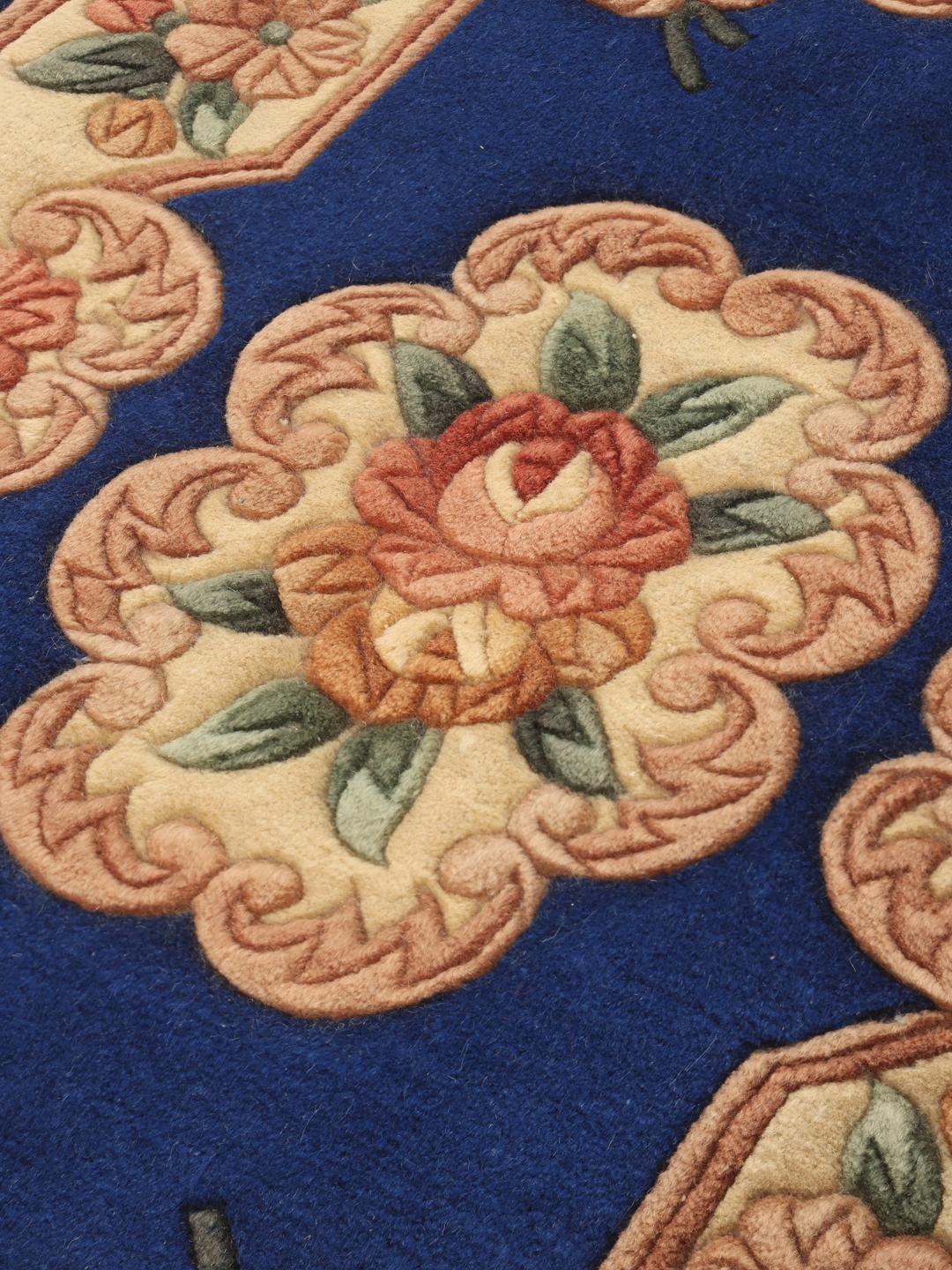
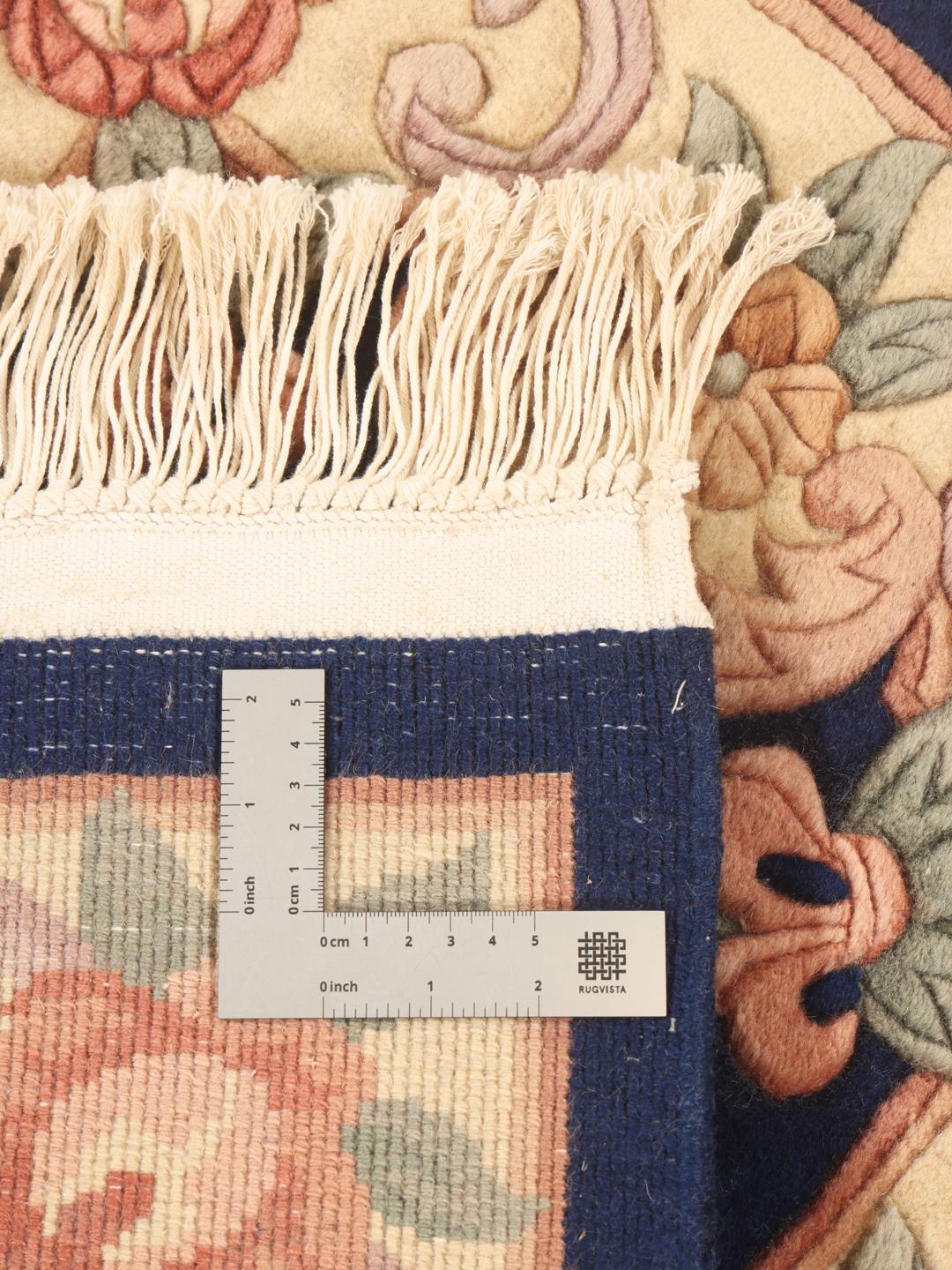
The term '90 line' refers to a traditional measurement system used in Chinese rug production to denote the density of the weave. It signifies the number of knots per linear foot, a standard that ensures a consistent and durable pile. This technical precision is what allows for the clear, sharp definition of the floral designs, providing both visual beauty and a robust structure that holds up well to regular use.
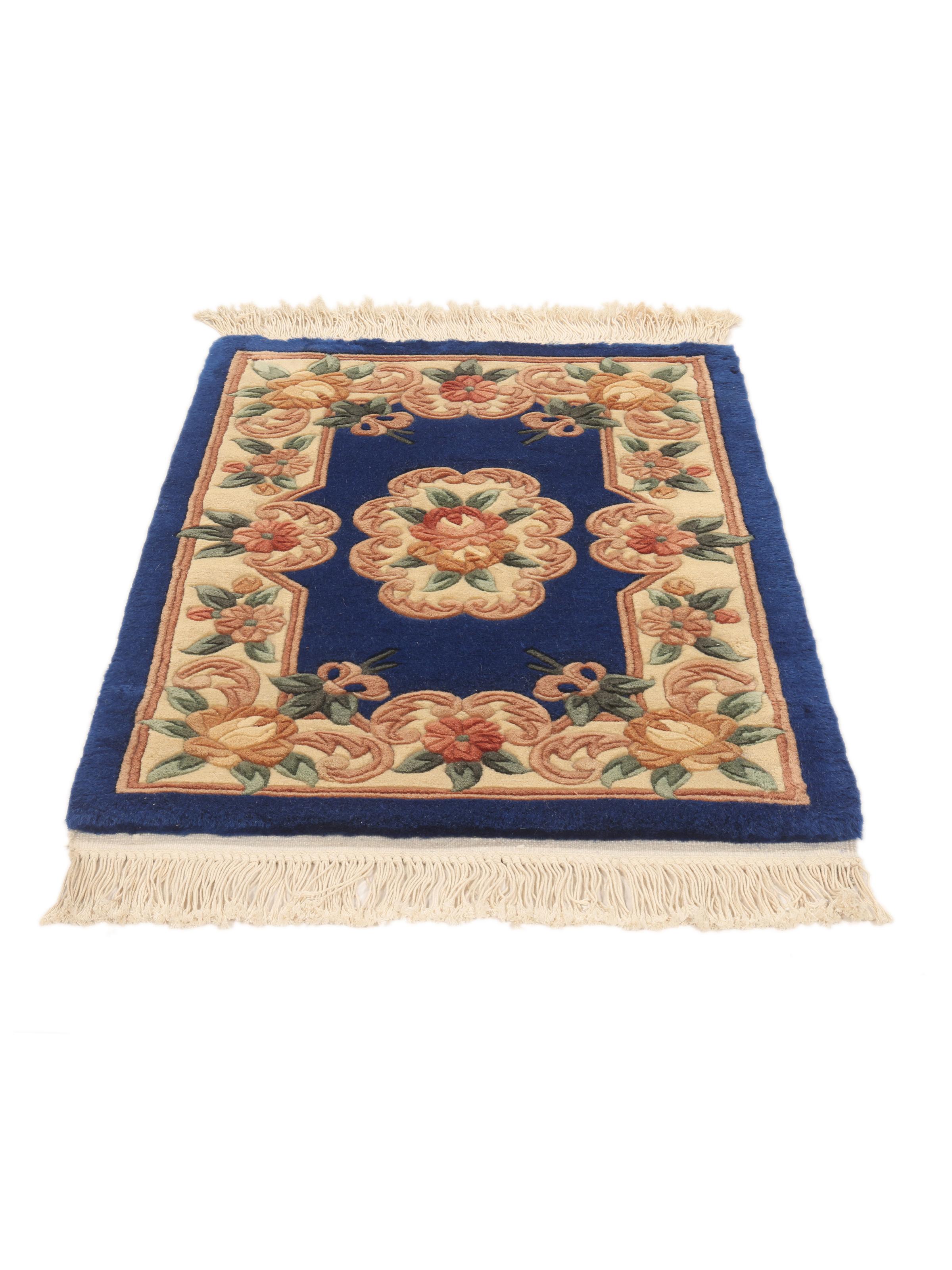
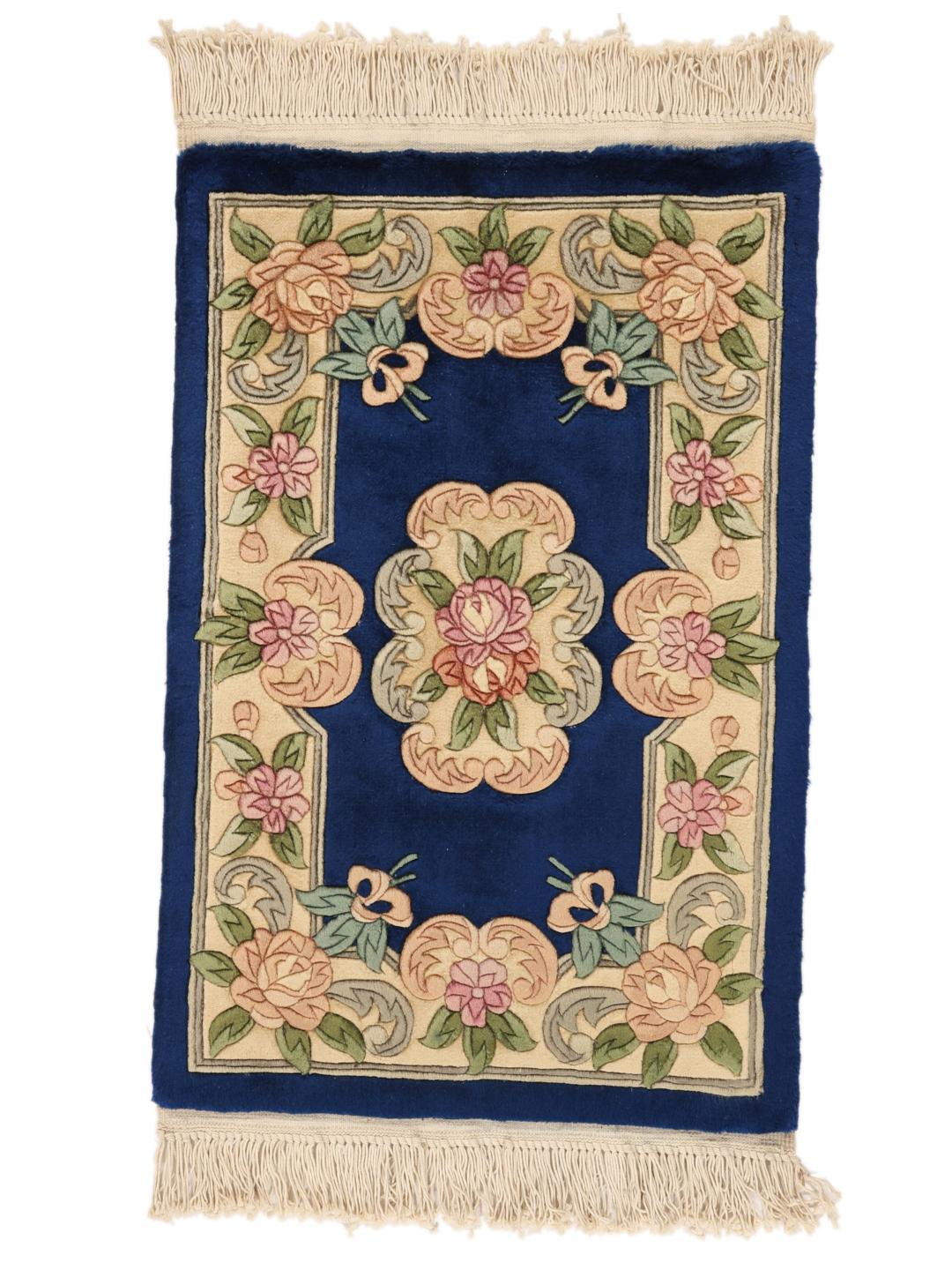
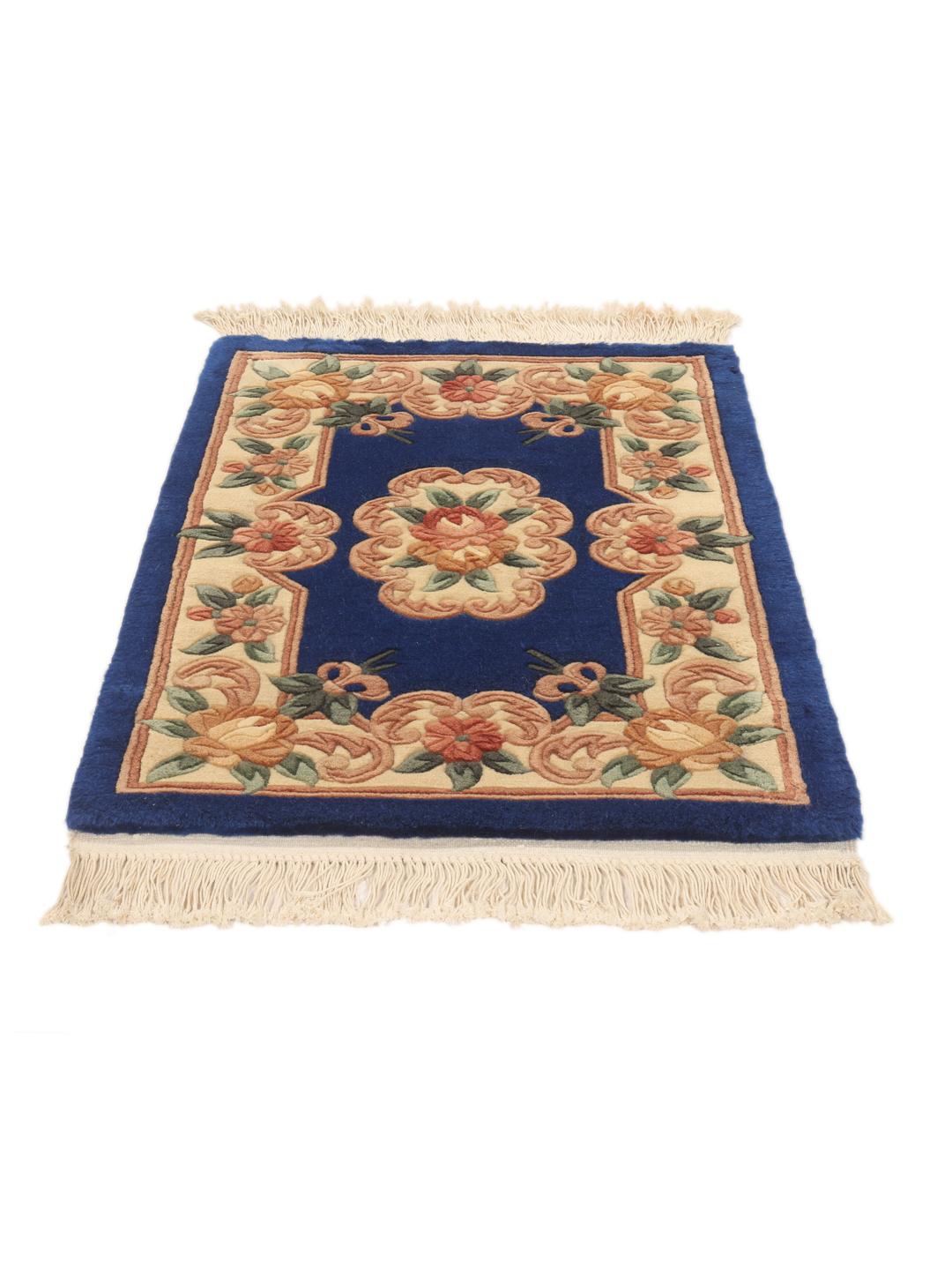
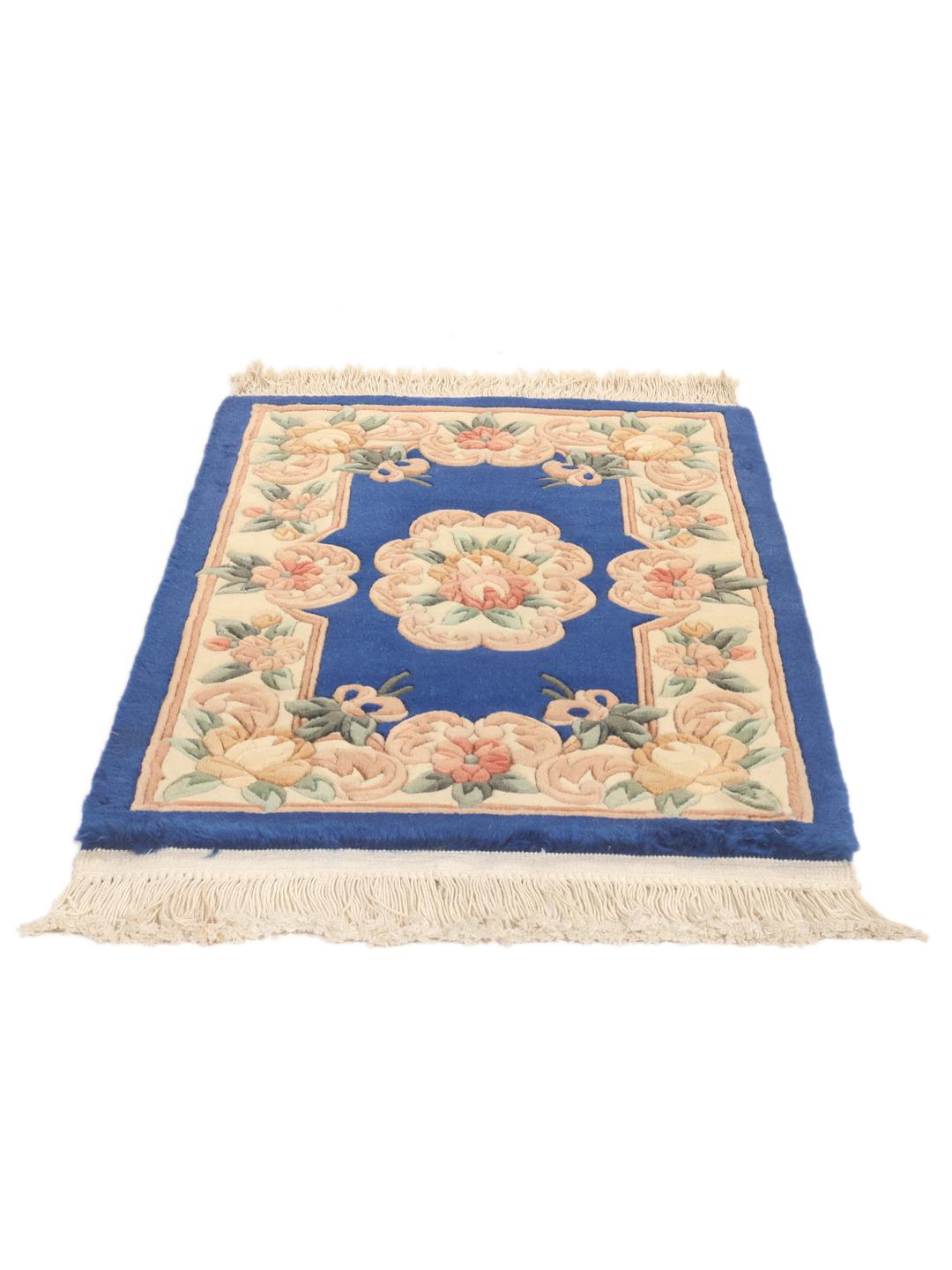
Floral motifs are a hallmark of this tradition, often symbolising prosperity, beauty, and harmony. The use of clear, defined borders and central medallions is a classic design choice that provides balance and symmetry. In this particular piece, the floral elements are rendered with a soft, naturalistic grace, showcasing the artisan’s skill in creating organic, flowing shapes within a structured frame.
Collecting a hand-knotted rug from this tradition is an investment in human skill and cultural history. These rugs are valued not only for their aesthetic appeal but for the dedication required to produce them. By choosing such a piece, you are supporting a craft that has been passed down through generations, ensuring that this storied legacy continues to flourish in homes around the world.