Chinese rug weaving is a tradition that spans centuries, deeply rooted in the cultural history of the region. Originally, these rugs were often created for imperial use or for temples, featuring symbolic motifs that reflected the harmony between nature and humanity. Over time, these designs evolved to incorporate the exquisite floral patterns that have become a hallmark of the style.
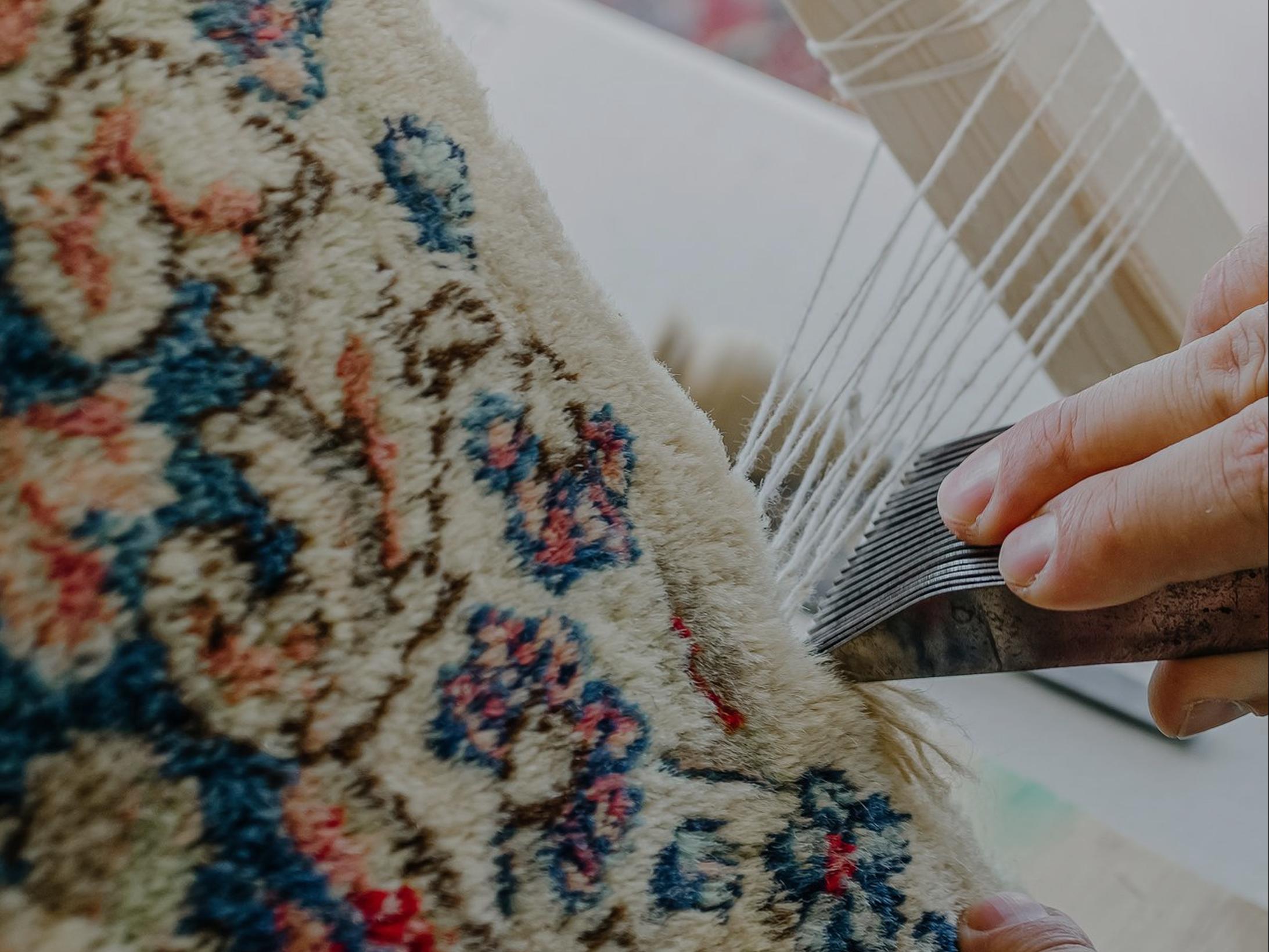
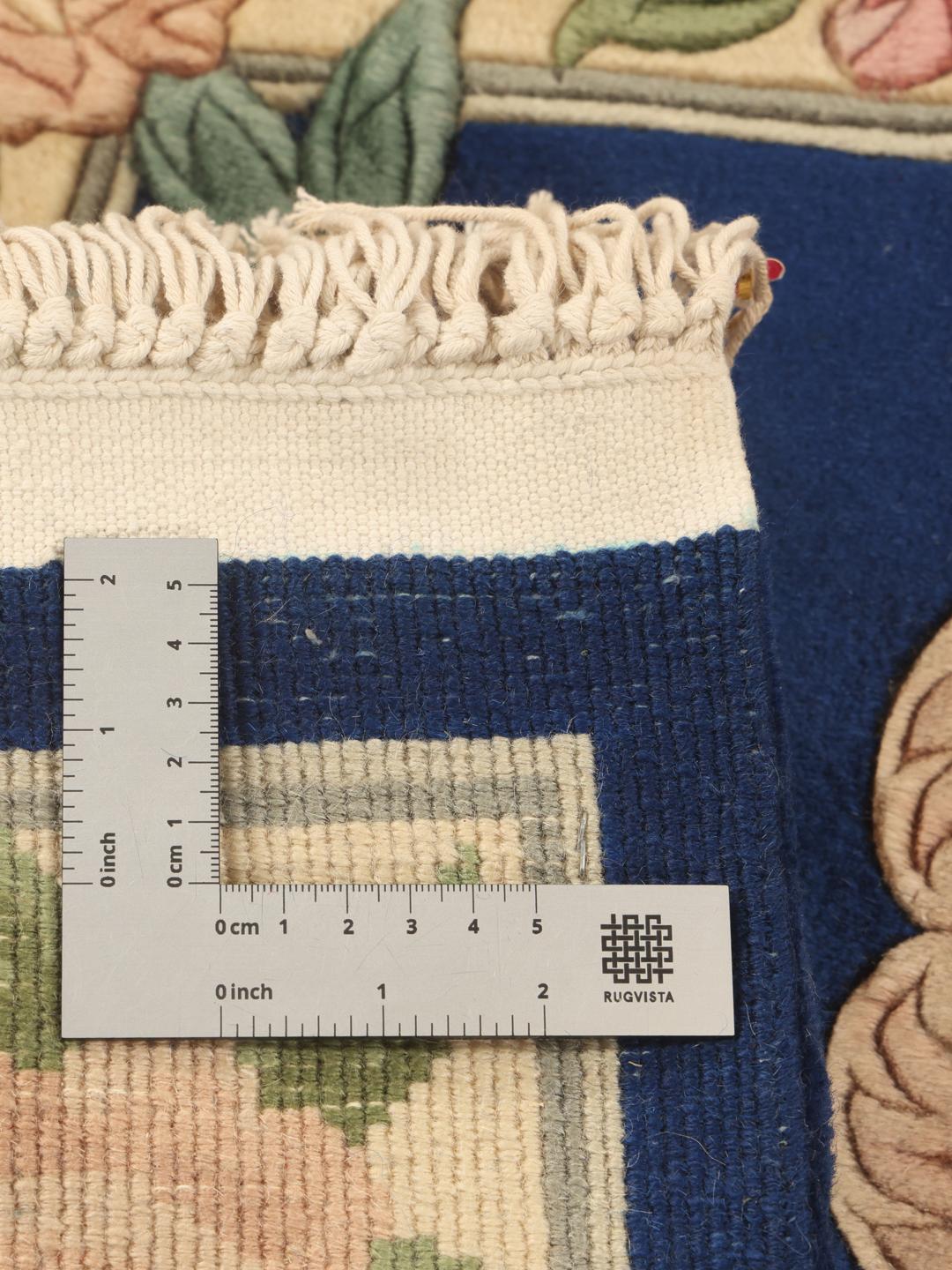
The term 90 line refers to the traditional method of measuring density in Chinese rug production. This classification system tells us about the number of knots along a specific length, which directly impacts the clarity of the design and the density of the Wool pile. Understanding this terminology helps you appreciate the skill required to maintain such precise patterns during the knotting process.
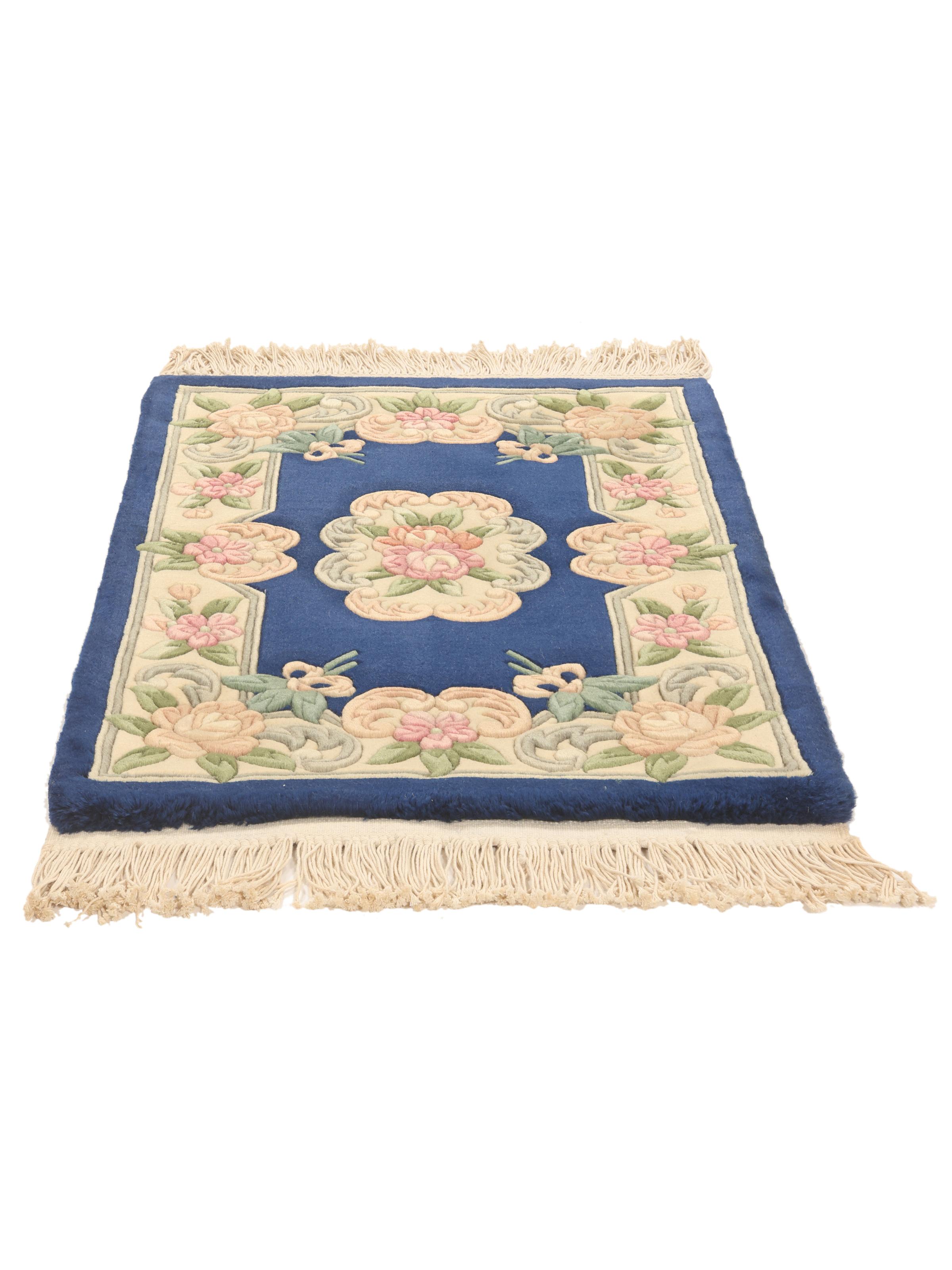
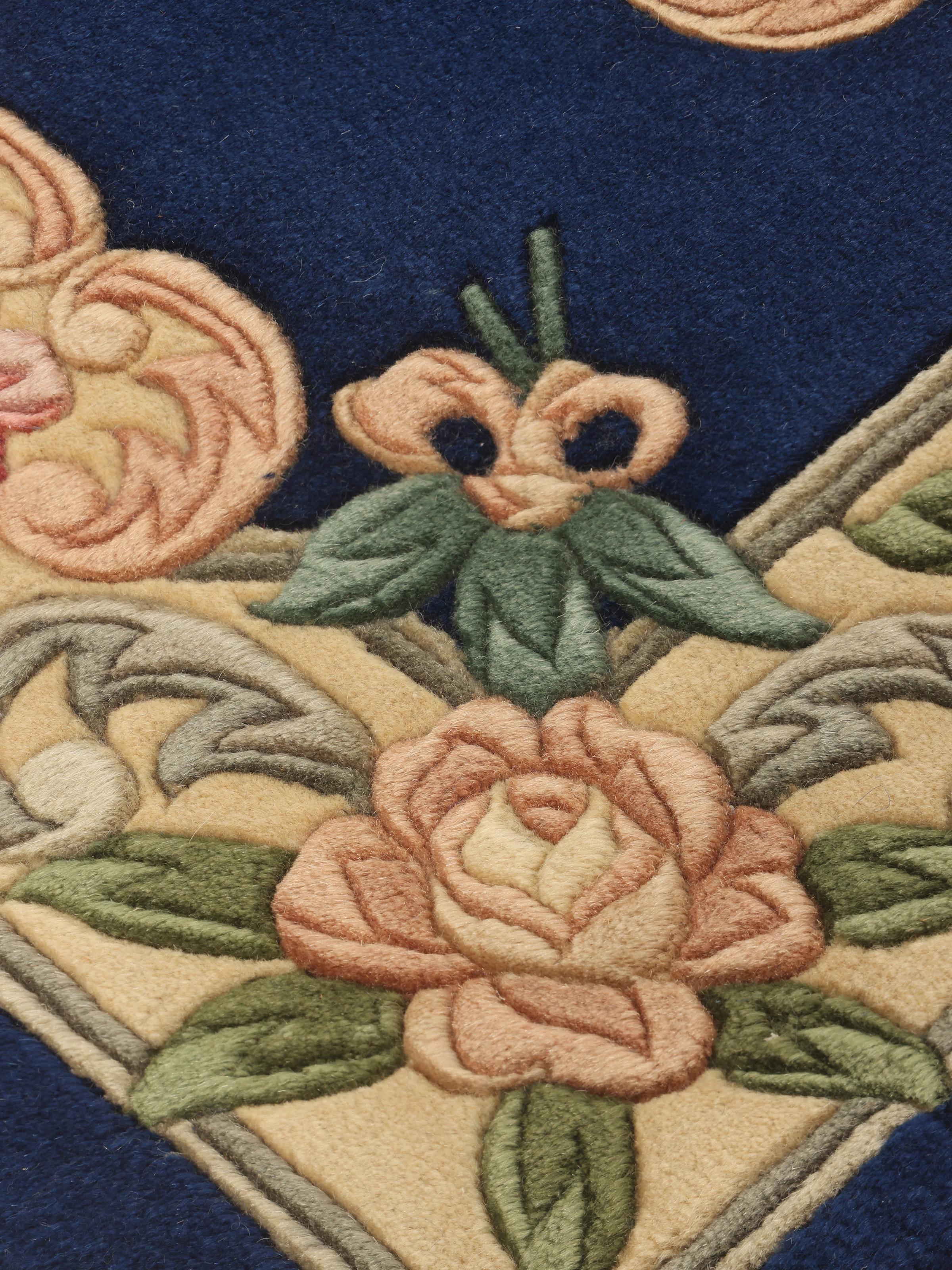
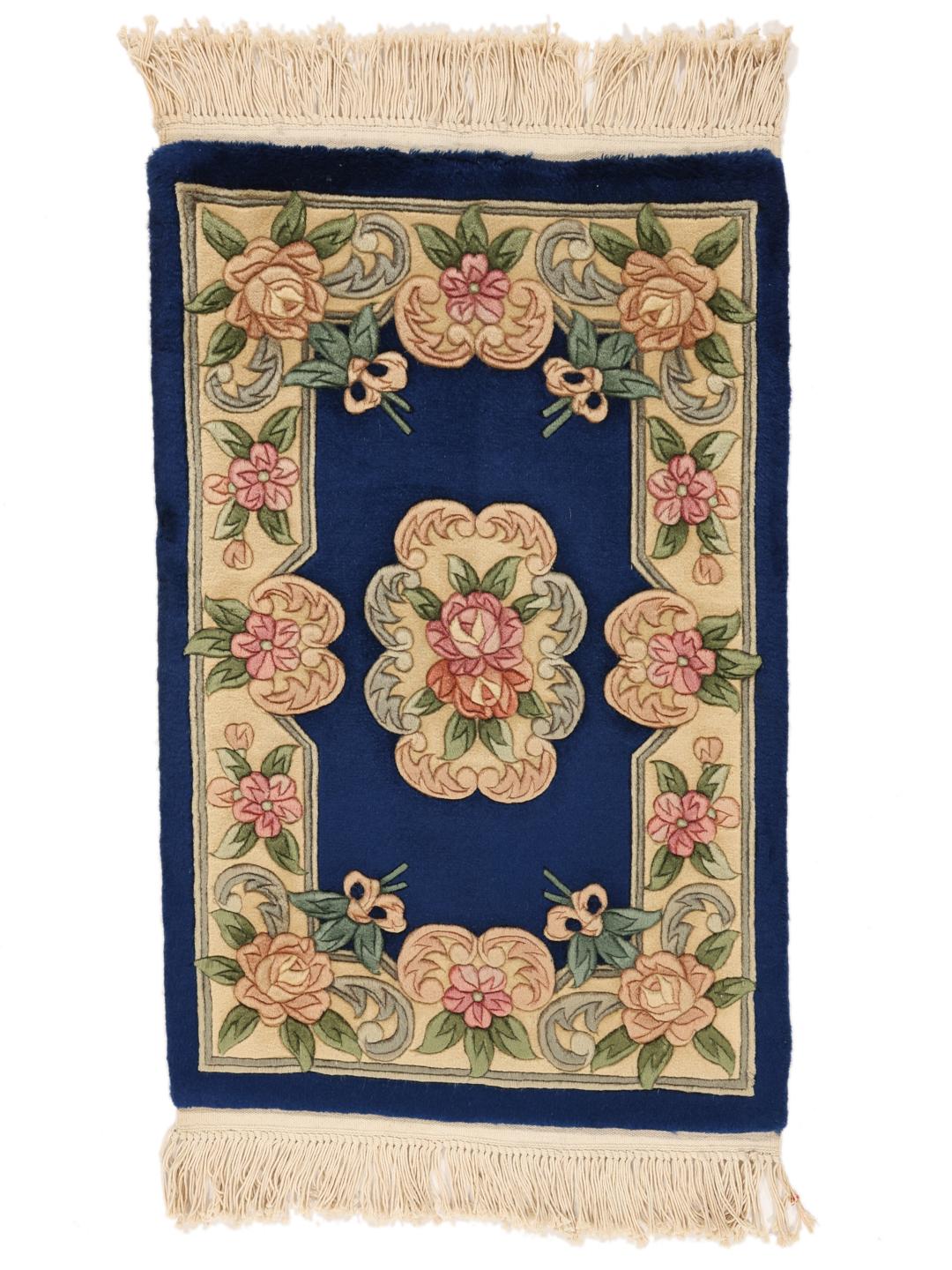
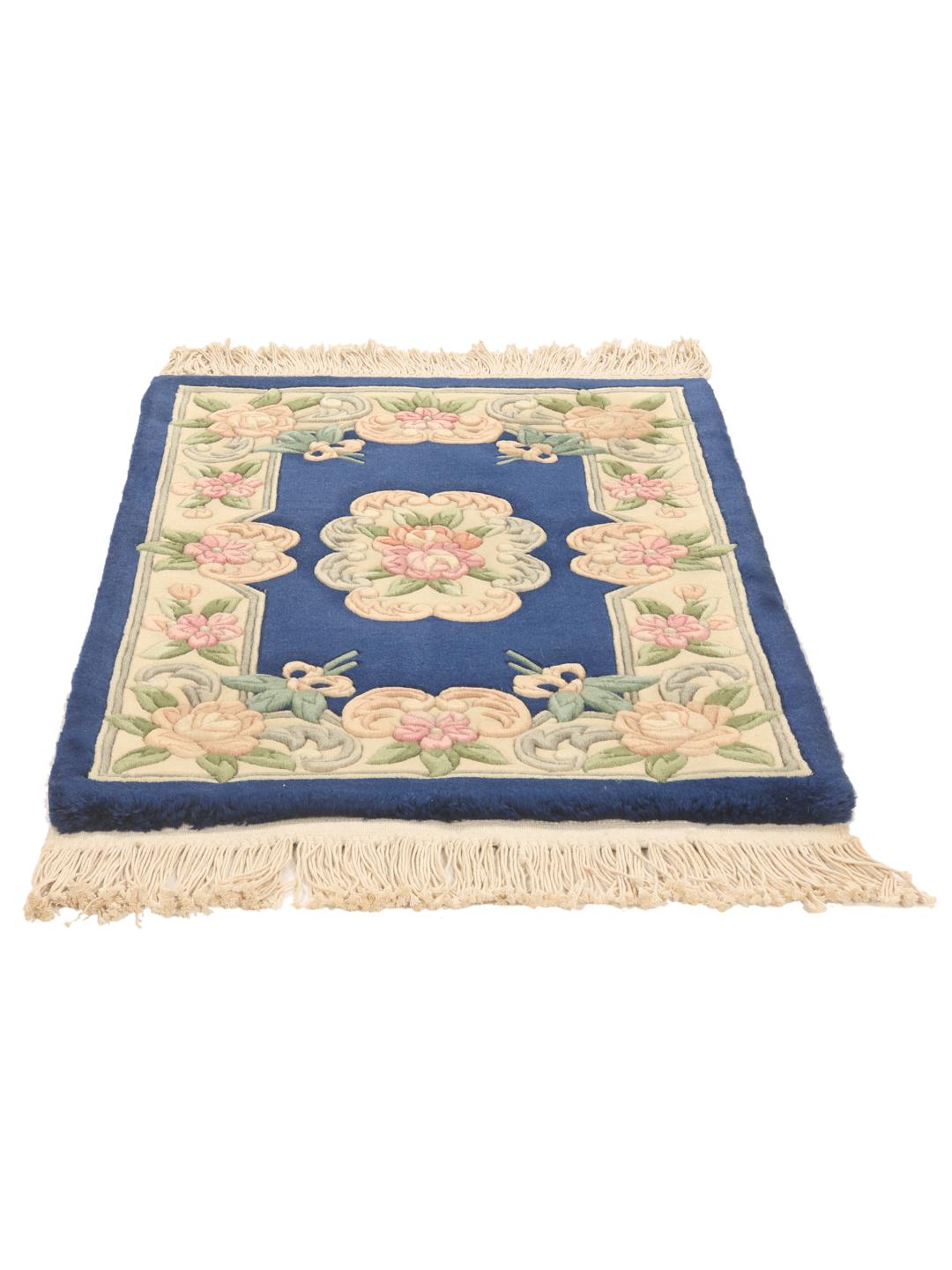
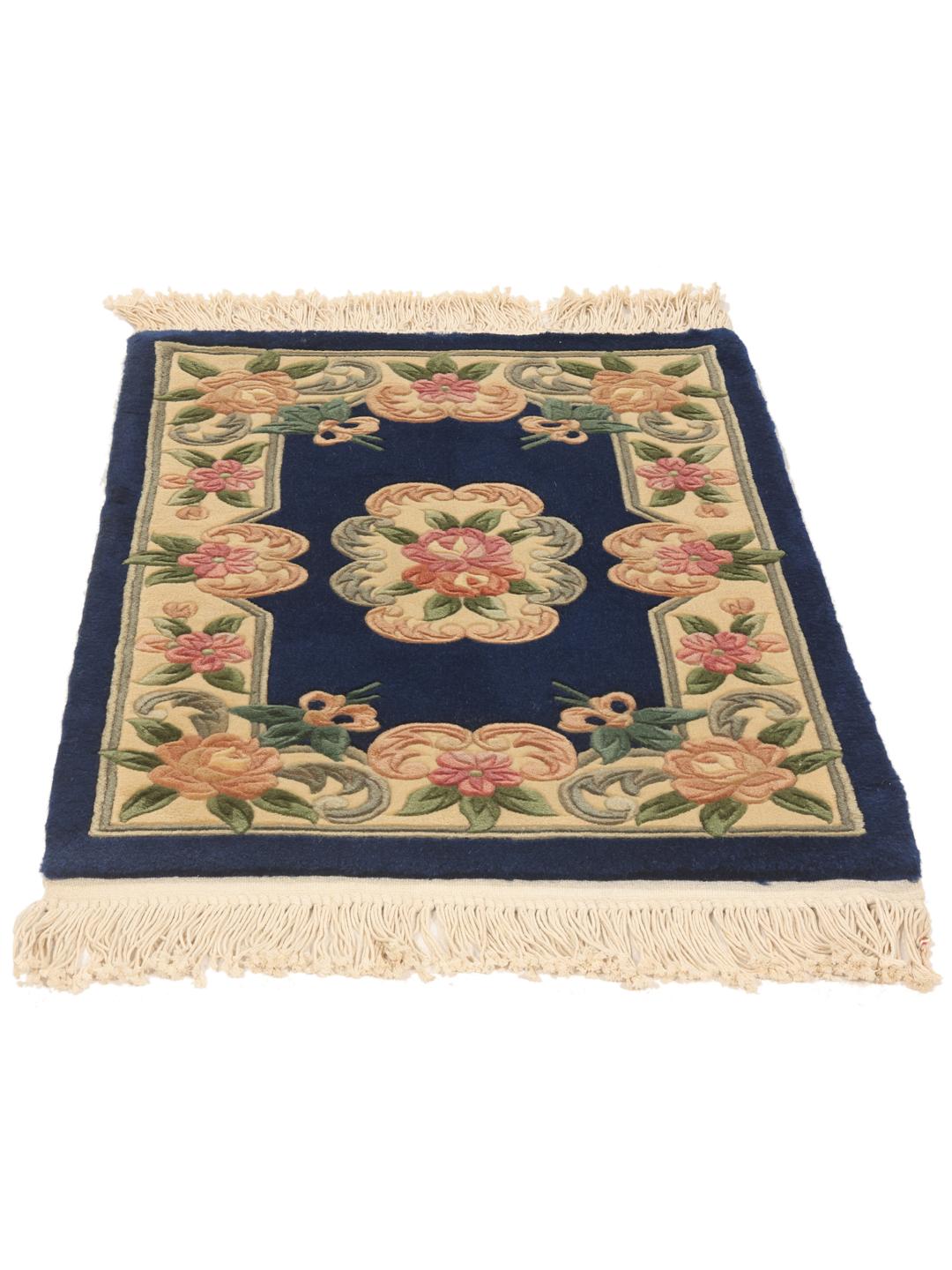
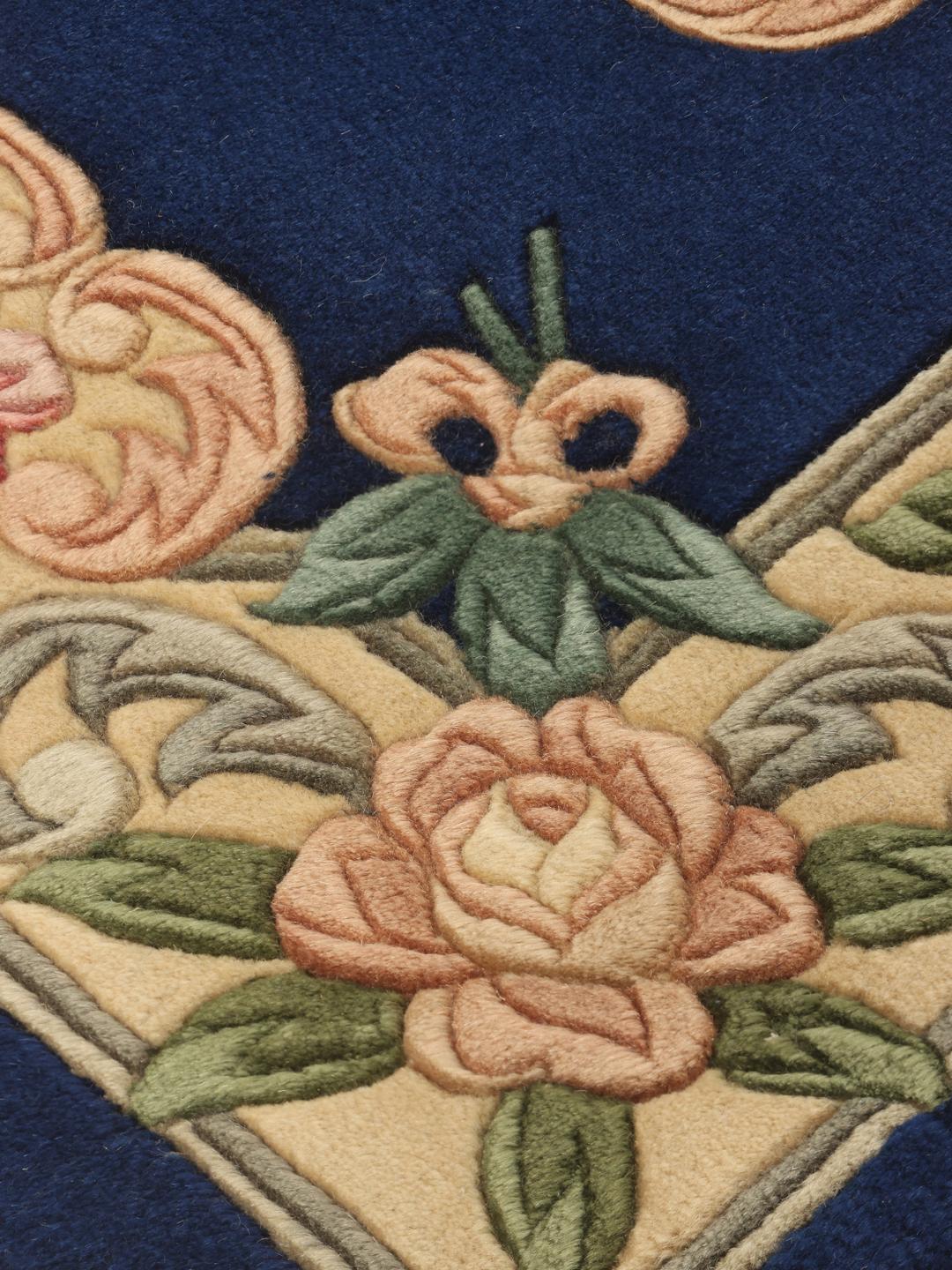
Floral motifs in this tradition are more than just decorative elements. They often draw inspiration from classical silk paintings, with roses and other botanical forms arranged in balanced, symmetrical compositions. The use of a bold blue field is a classic choice, chosen to provide a high-contrast foundation that makes the softer, neutral tones of the floral details pop with vibrancy.
Owning a hand-knotted rug from China is an invitation to connect with a rich legacy of craft. These rugs are highly valued by collectors for their blend of historical design language and the sheer human effort required to bring them to life. By choosing this piece, you are preserving a tradition of excellence that values patience, precision, and the enduring nature of fine textiles.