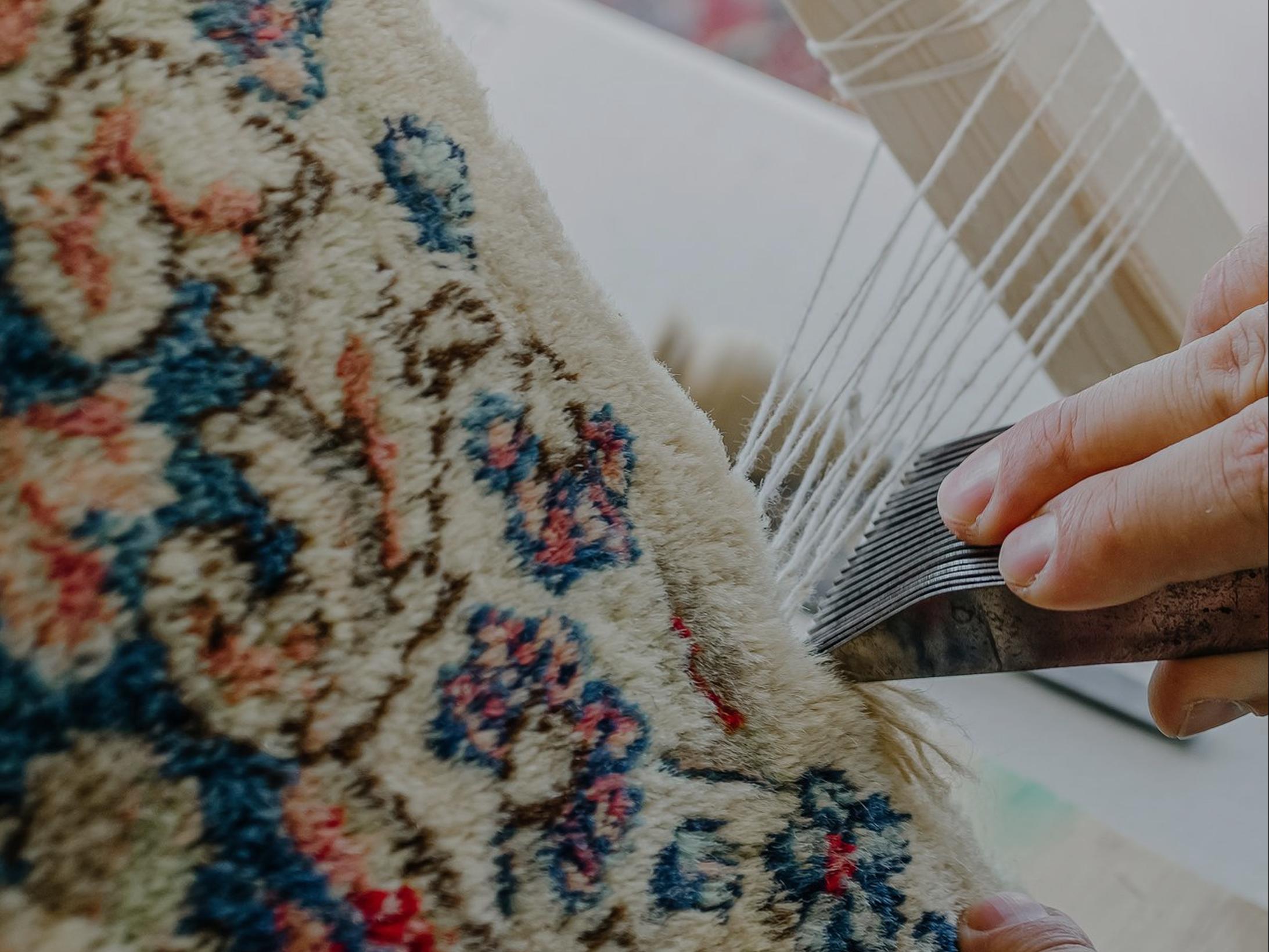
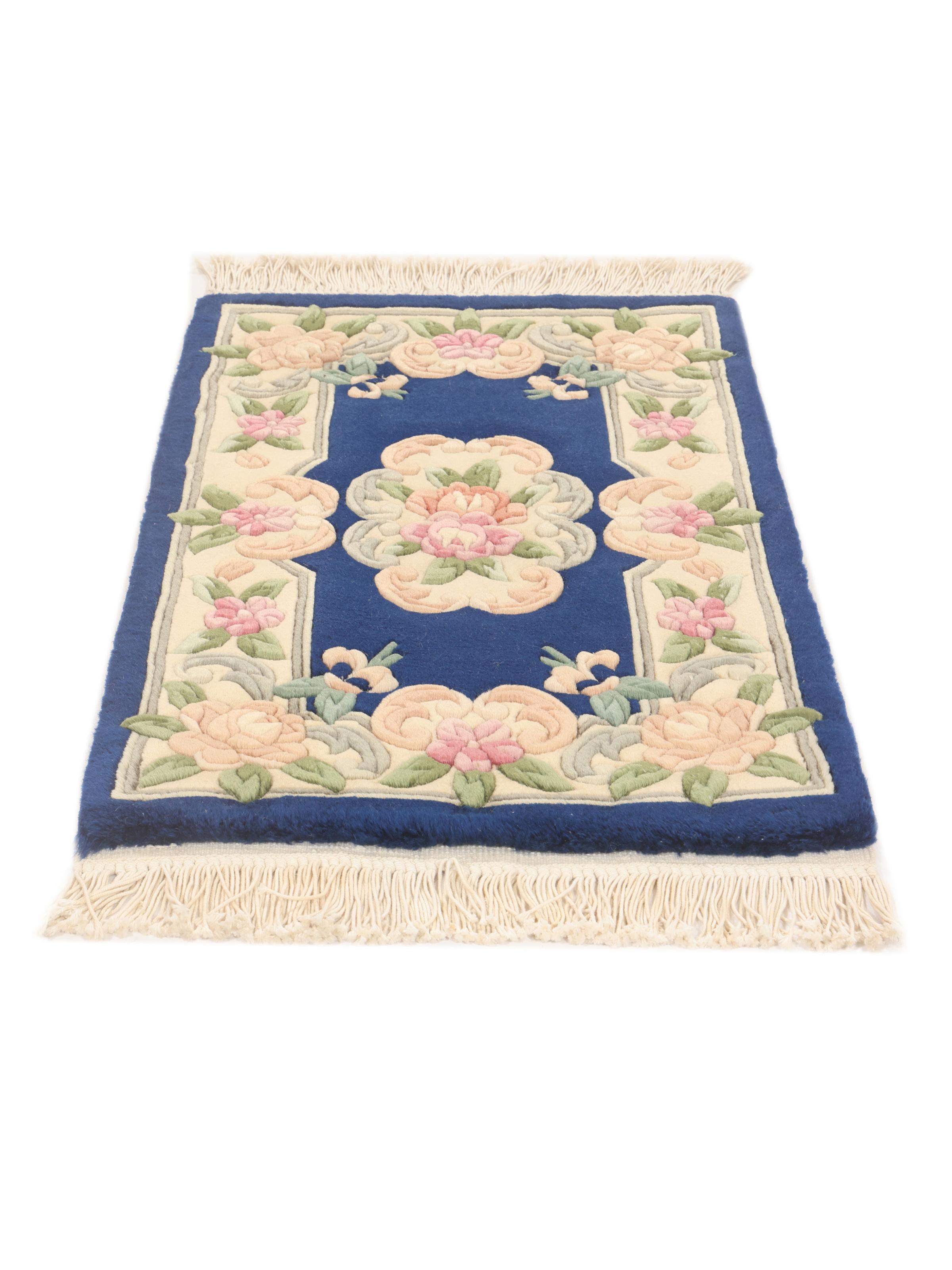
Chinese rug-making is an ancient art form that has evolved over centuries, blending deep cultural symbolism with technical mastery. Historically, these rugs were influenced by a variety of artistic traditions, including traditional painting and porcelain designs, which is evident in the harmonious balance of the floral patterns seen here. The region has long been celebrated for its ability to transform raw, natural materials into sophisticated floor coverings that serve as both functional items and artistic statements.
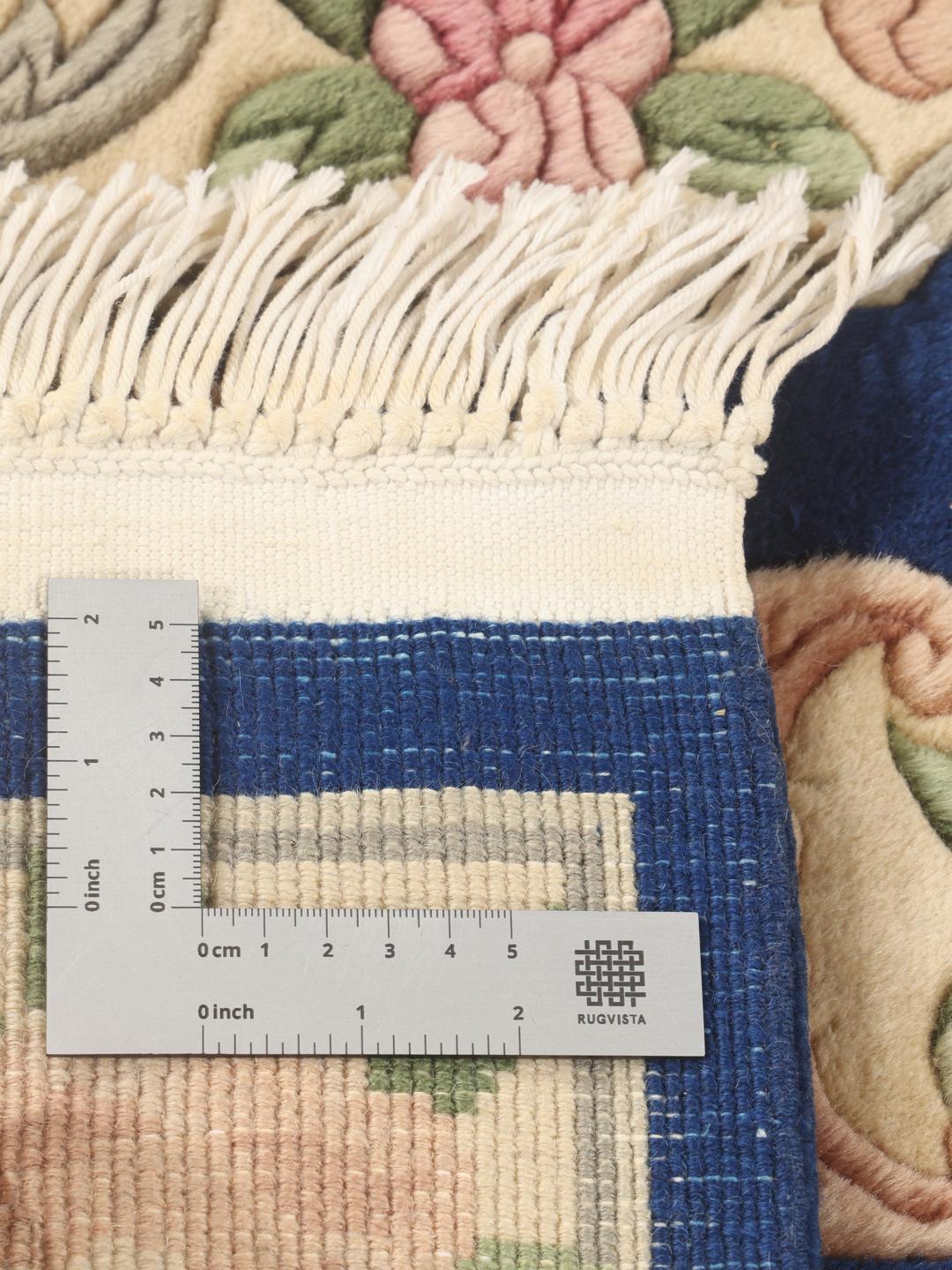
The terminology used to describe these rugs, such as the 90 Line, refers to the density of the knots across the width of the rug, a traditional measurement that has defined Chinese rug production for decades. This system is crucial for determining the fineness of the design and the durability of the pile. By using specific counts, artisans are able to achieve the smooth, sculptural quality that makes these pieces so recognisable and cherished by collectors worldwide.
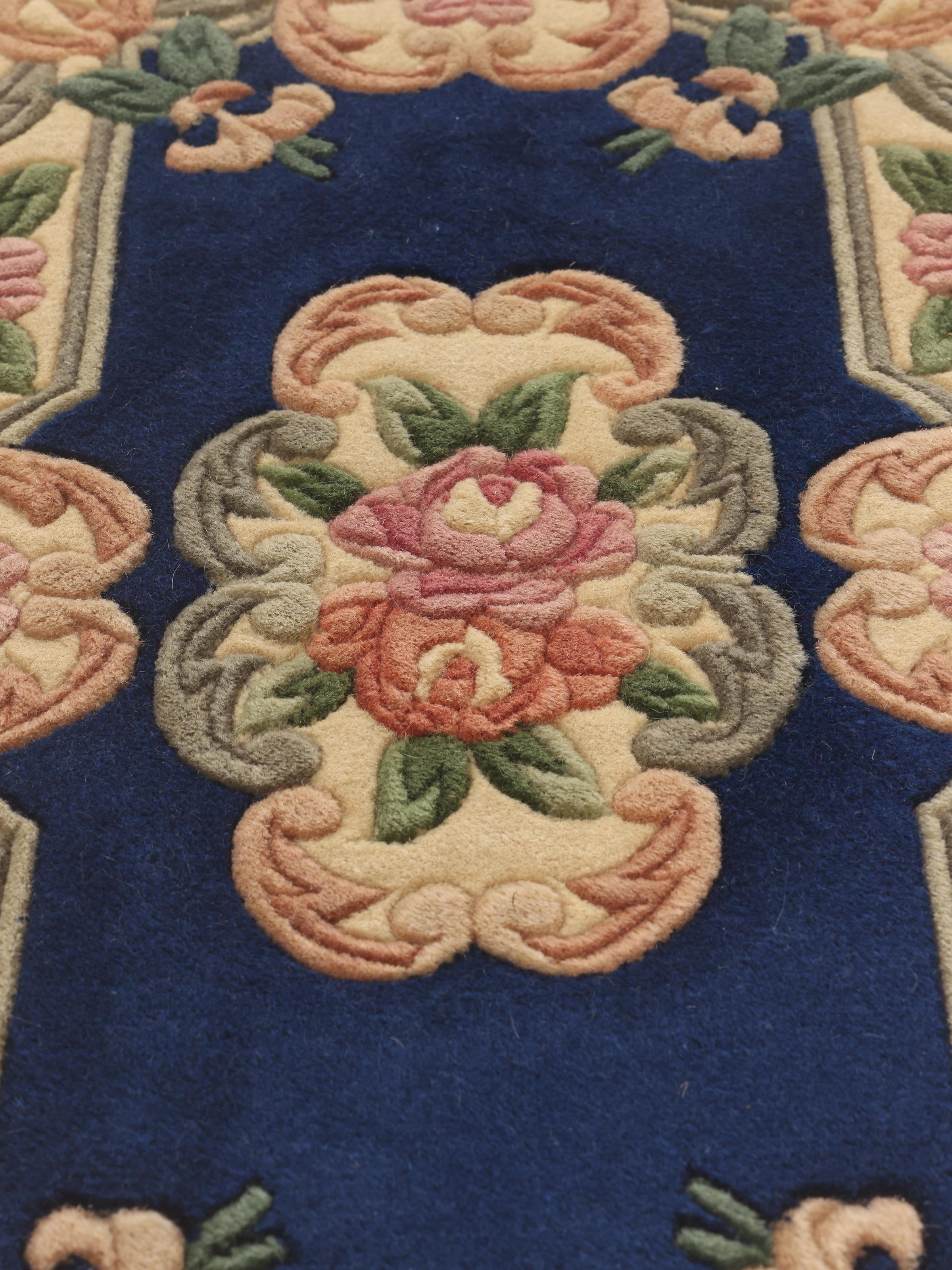
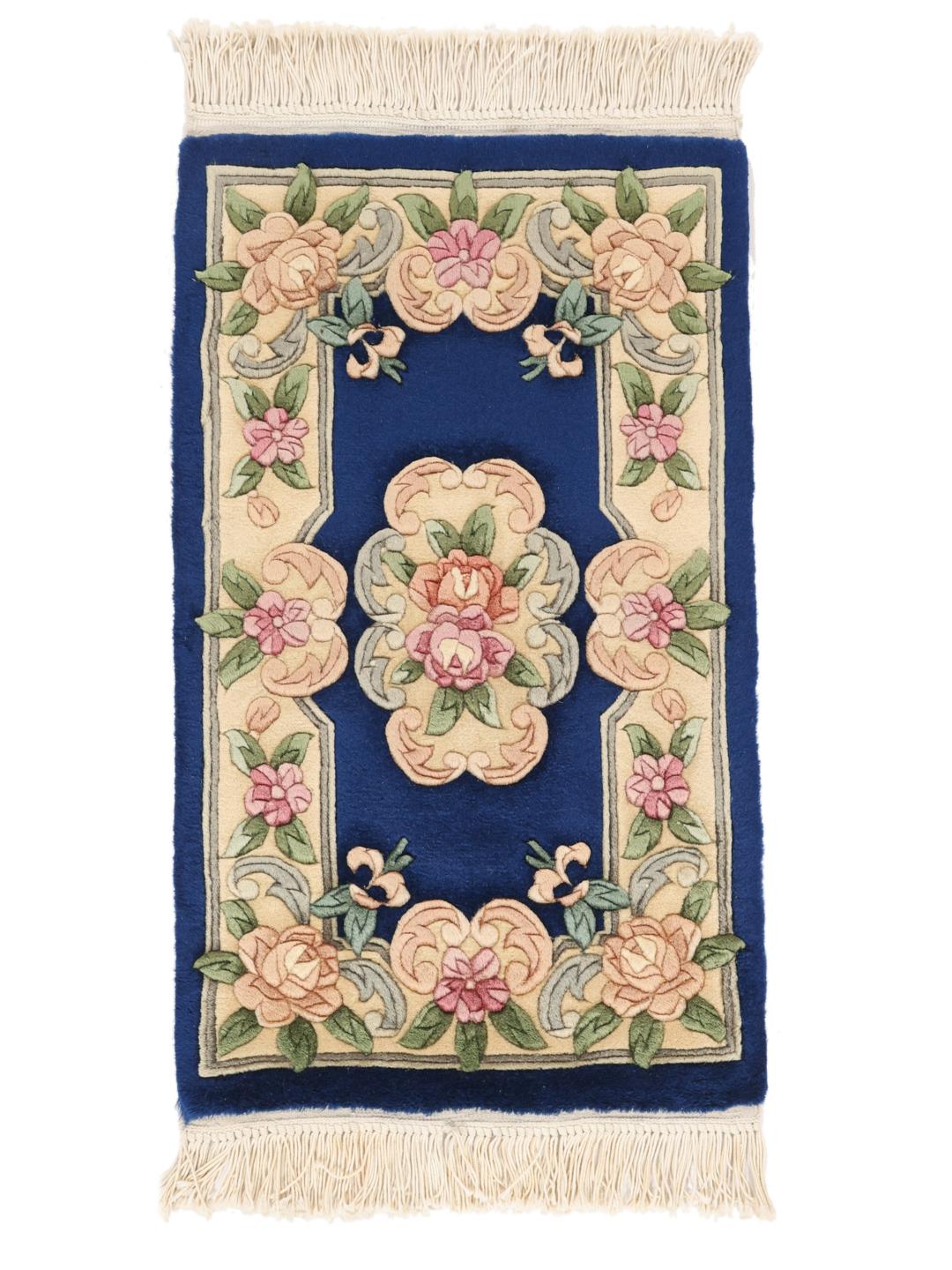
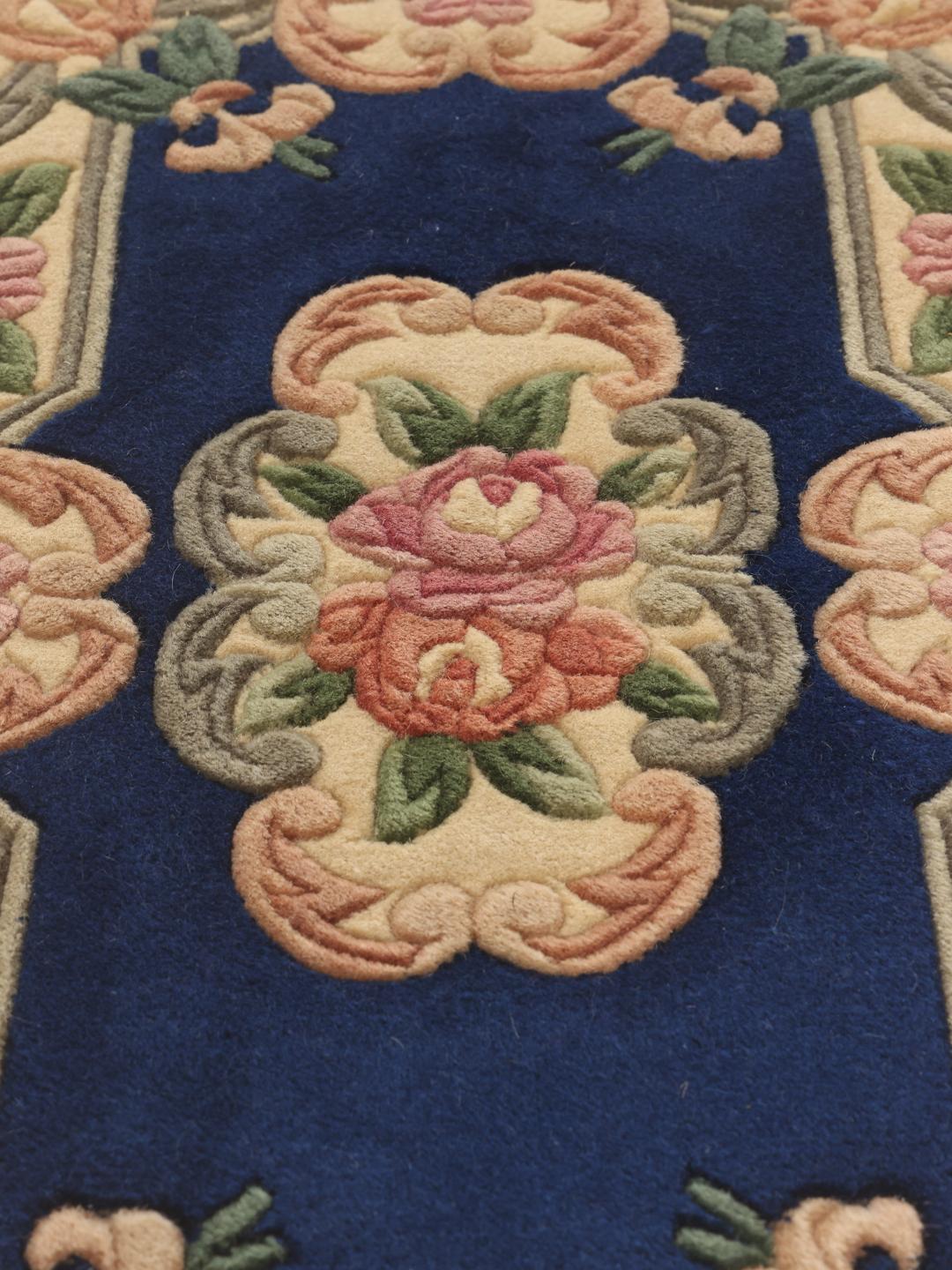
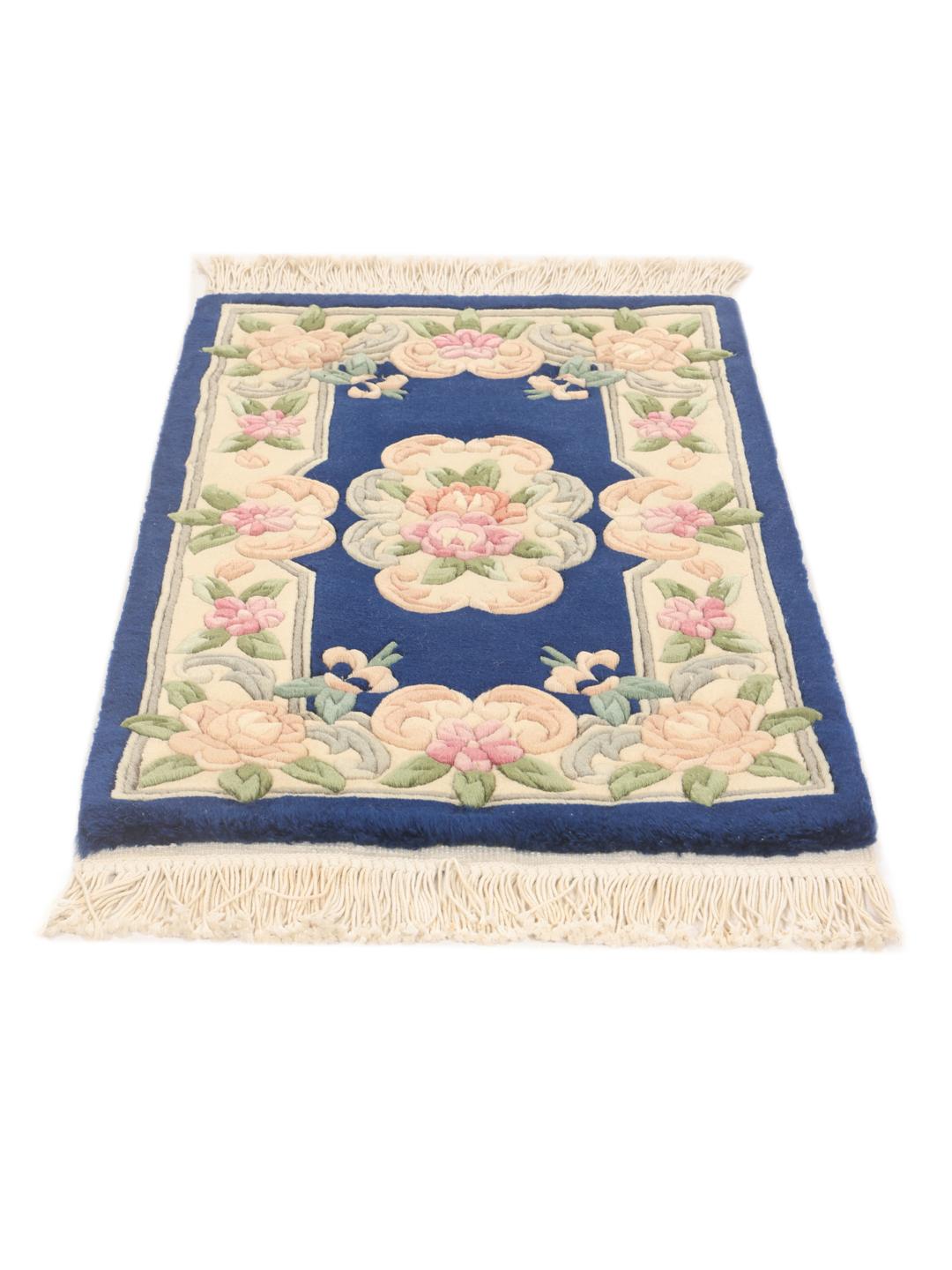
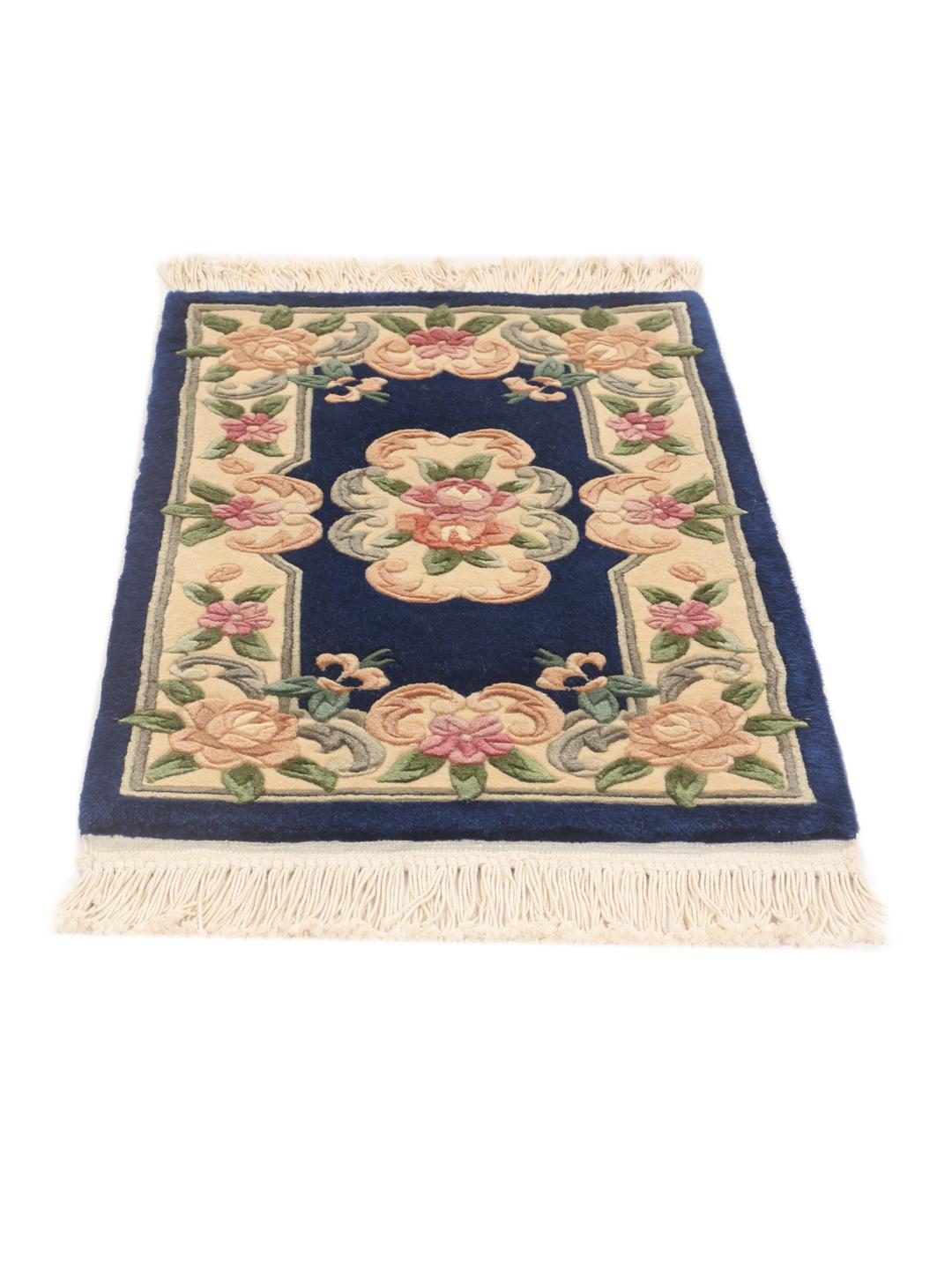
Signature design elements in this tradition often include balanced, symmetrical compositions, where floral medallions and delicate, flowing borders play a central role. The use of blue as a primary colour is a classic choice, often symbolising depth and serenity, while the floral motifs draw upon a rich lexicon of botanical imagery that has been perfected by generations of weavers. This specific piece captures that tradition beautifully, using colour and form to create a sense of harmony.
Owning a hand-knotted rug from this tradition is an investment in cultural heritage and human skill. These pieces are valued not only for their aesthetic beauty but for the stories they carry and the longevity they offer. Collectors prize them because they represent a commitment to quality that transcends fast-paced trends, ensuring that your home is furnished with something that has real weight, history, and lasting value.