Rug weaving in China has a storied history that stretches back centuries, deeply influenced by the country's rich artistic heritage and its role in global trade. While ancient techniques focused on silk, the tradition evolved to incorporate Wool, allowing for more durable and functional pieces that retained the intricate aesthetic sensibilities of traditional Chinese art.
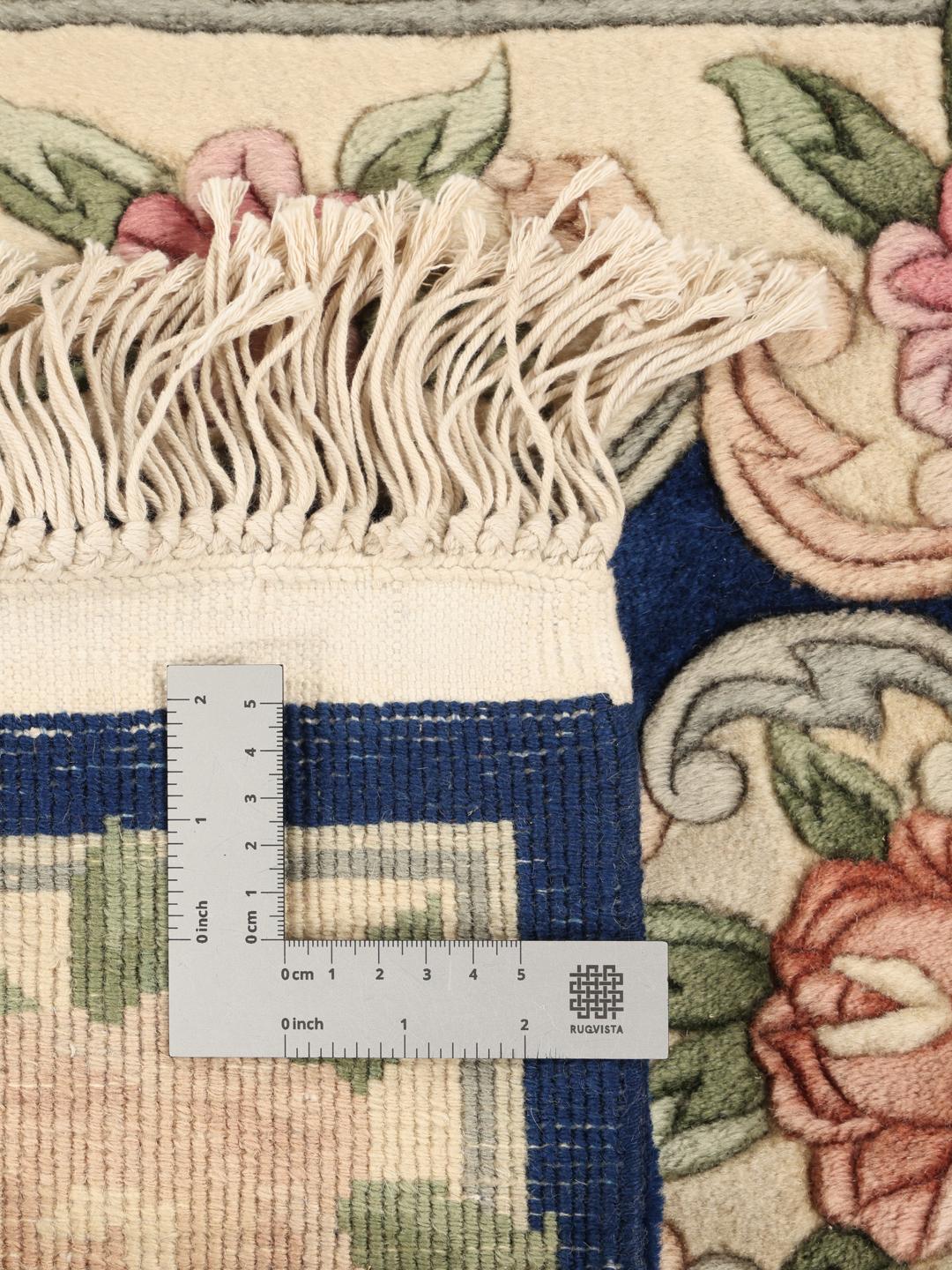
The '90 line' terminology refers to a specific traditional method of measurement used to define the fineness of the weave. This technical standard dictates how many knots are placed along the width of the rug, which directly impacts the clarity of the design and the density of the finished product. By adhering to these time-honoured metrics, weavers ensure that each piece maintains the quality and structure expected of this specific regional tradition.
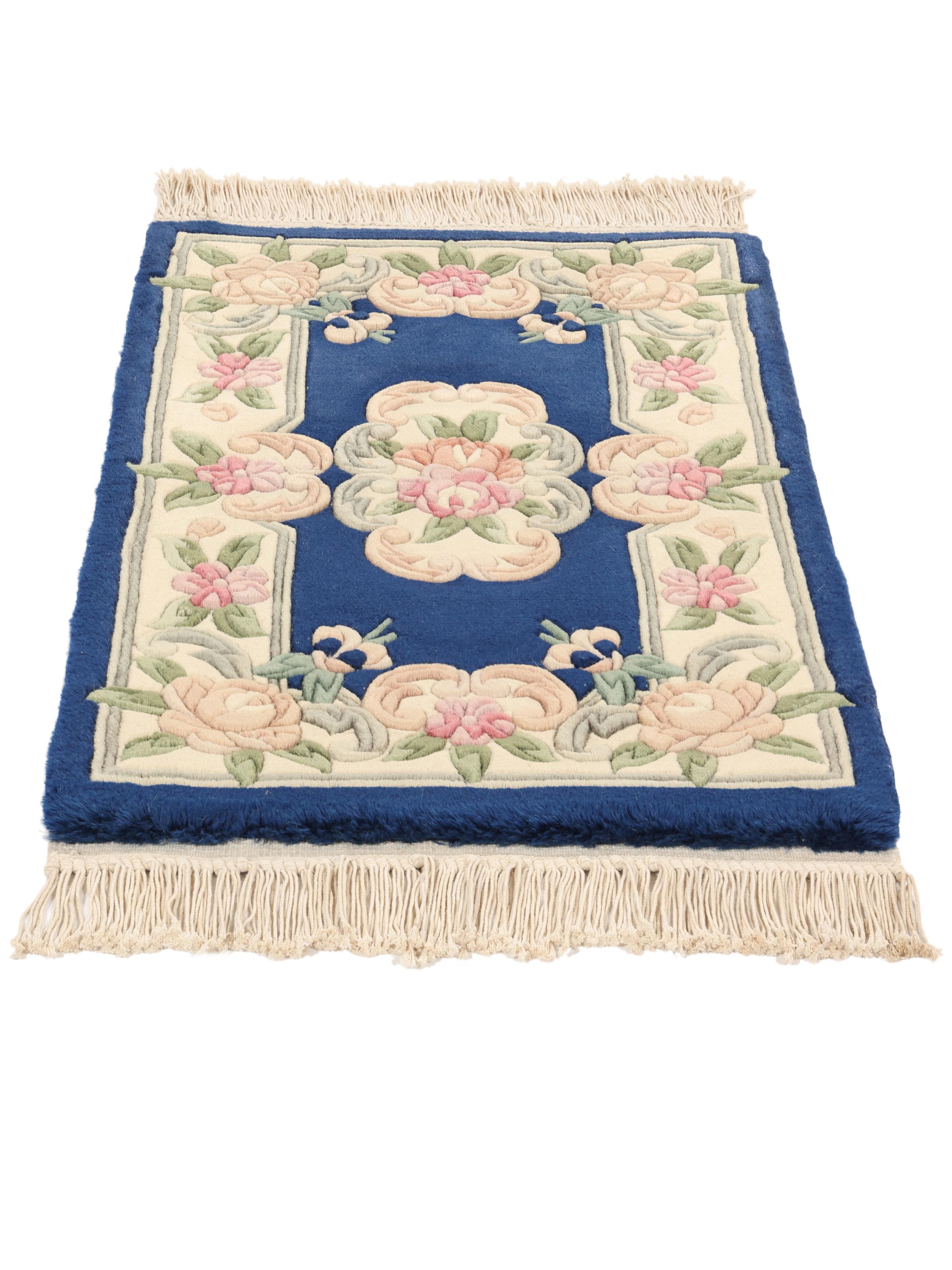
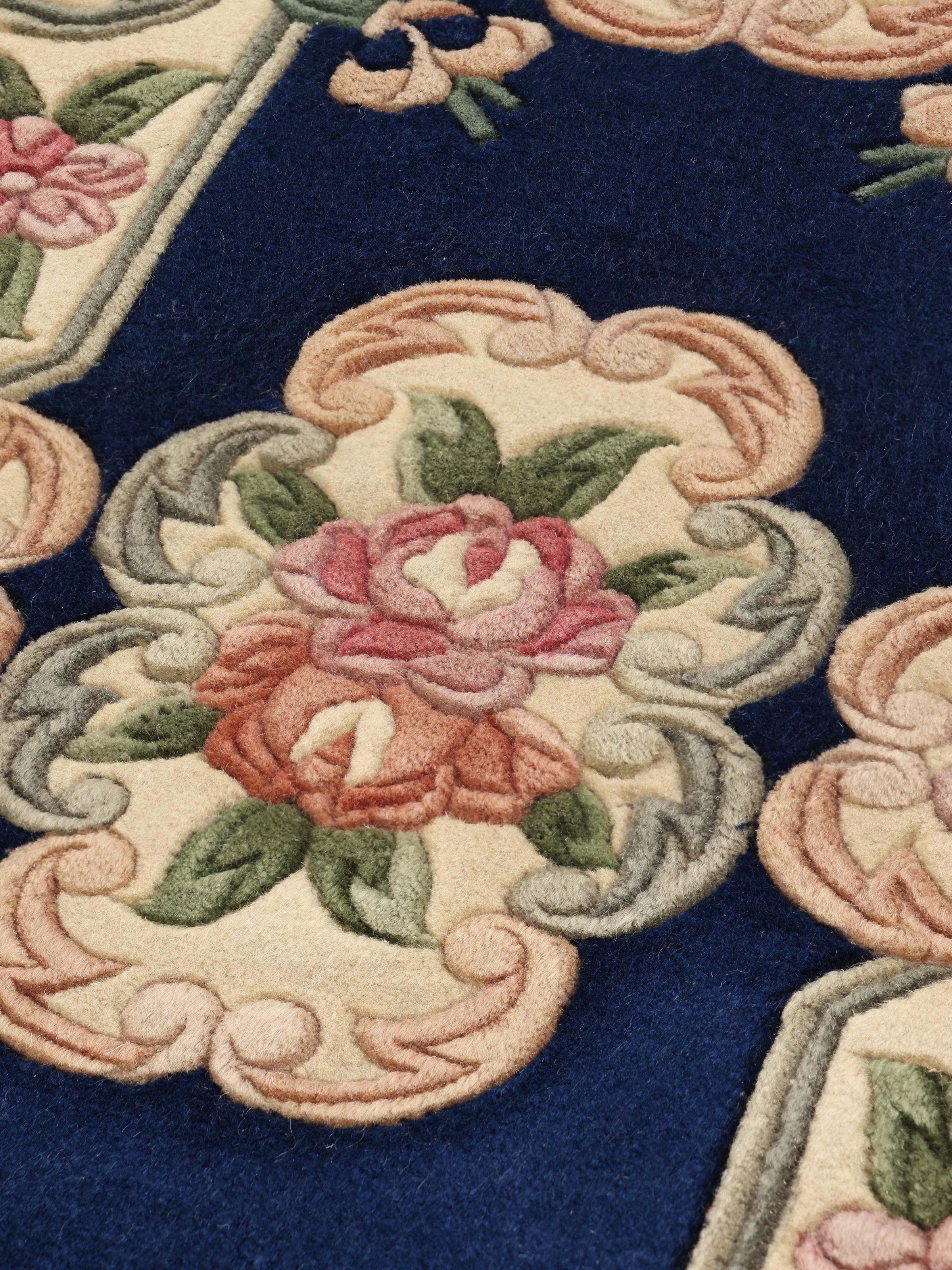
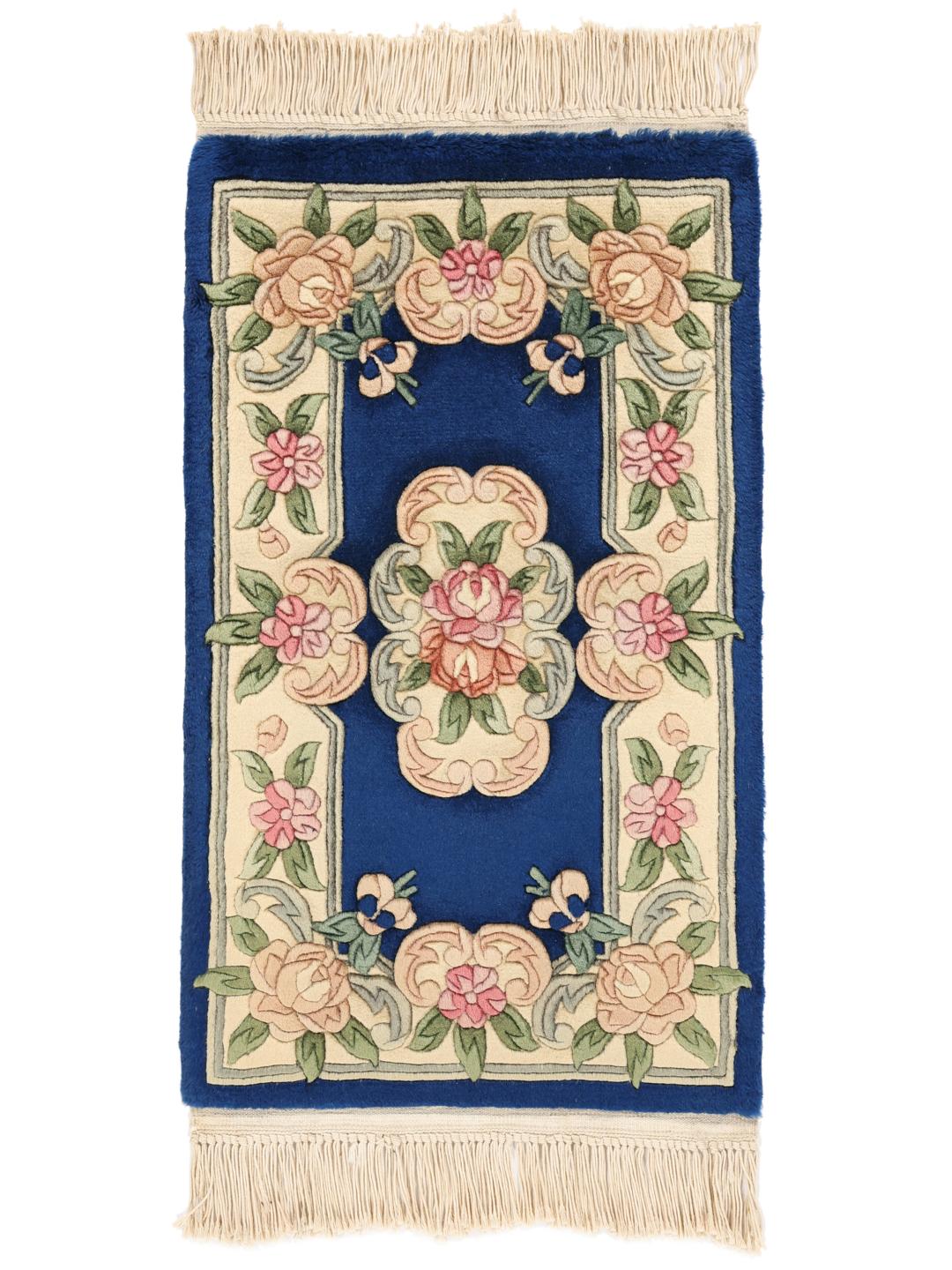
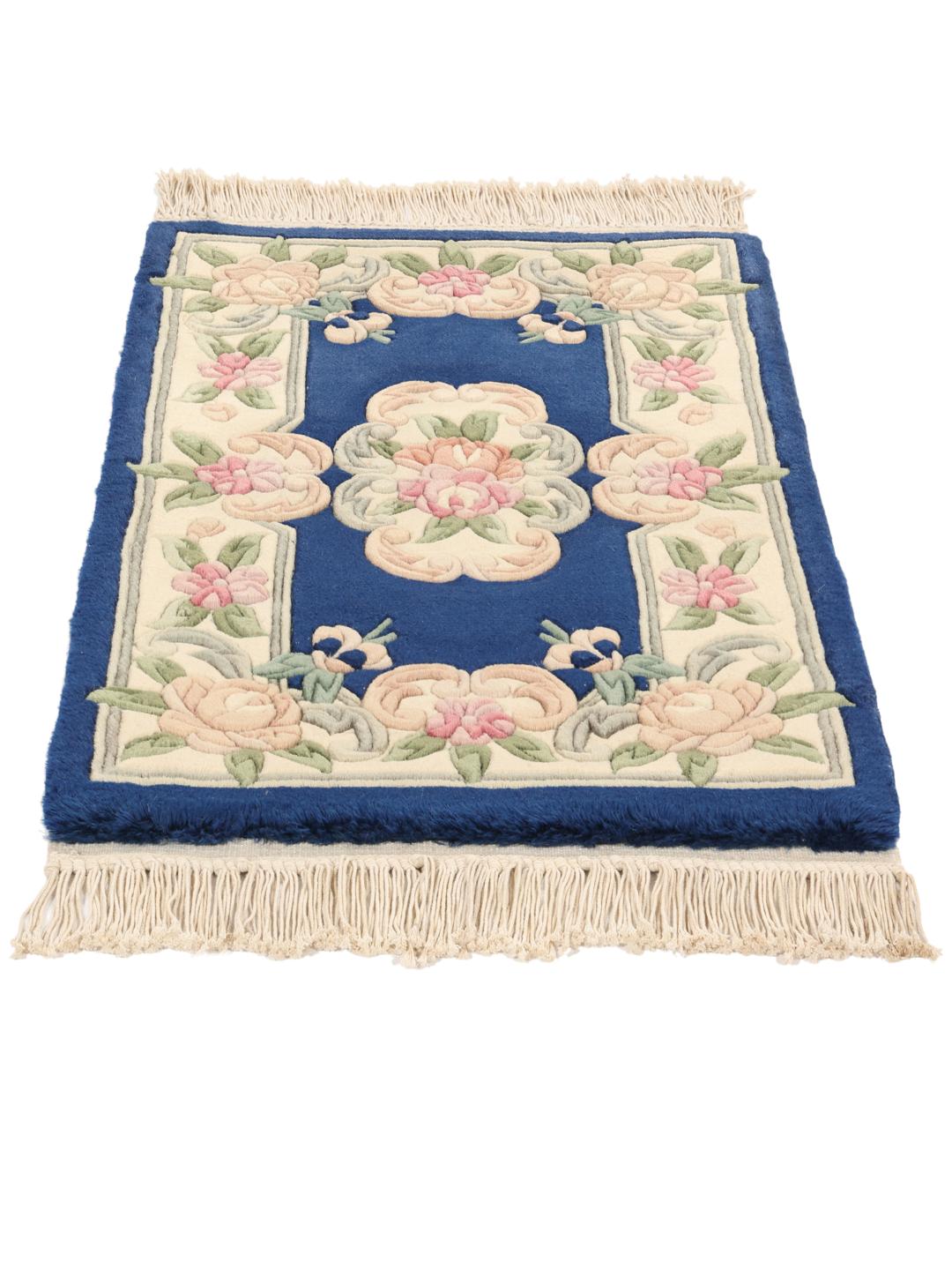
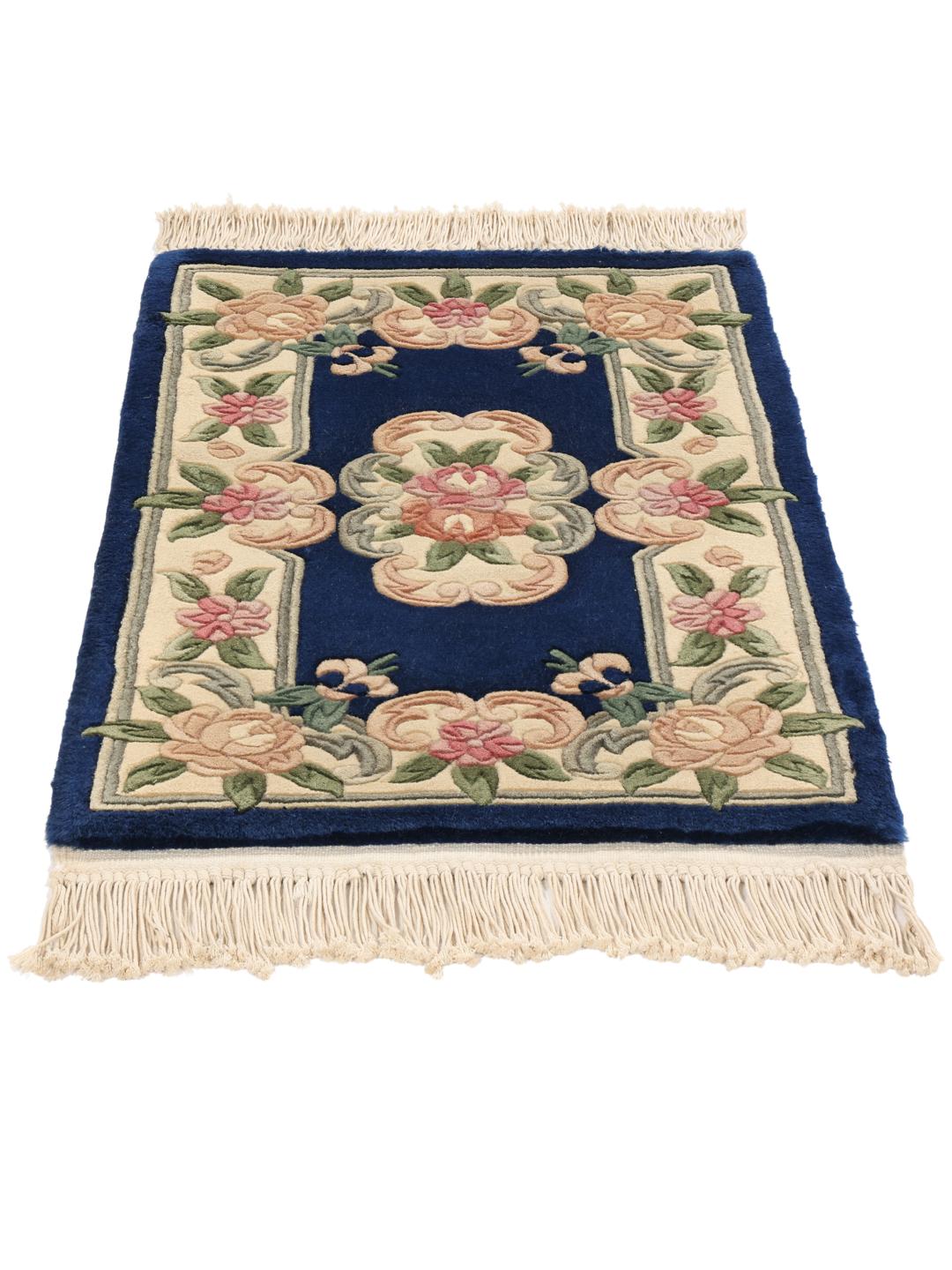
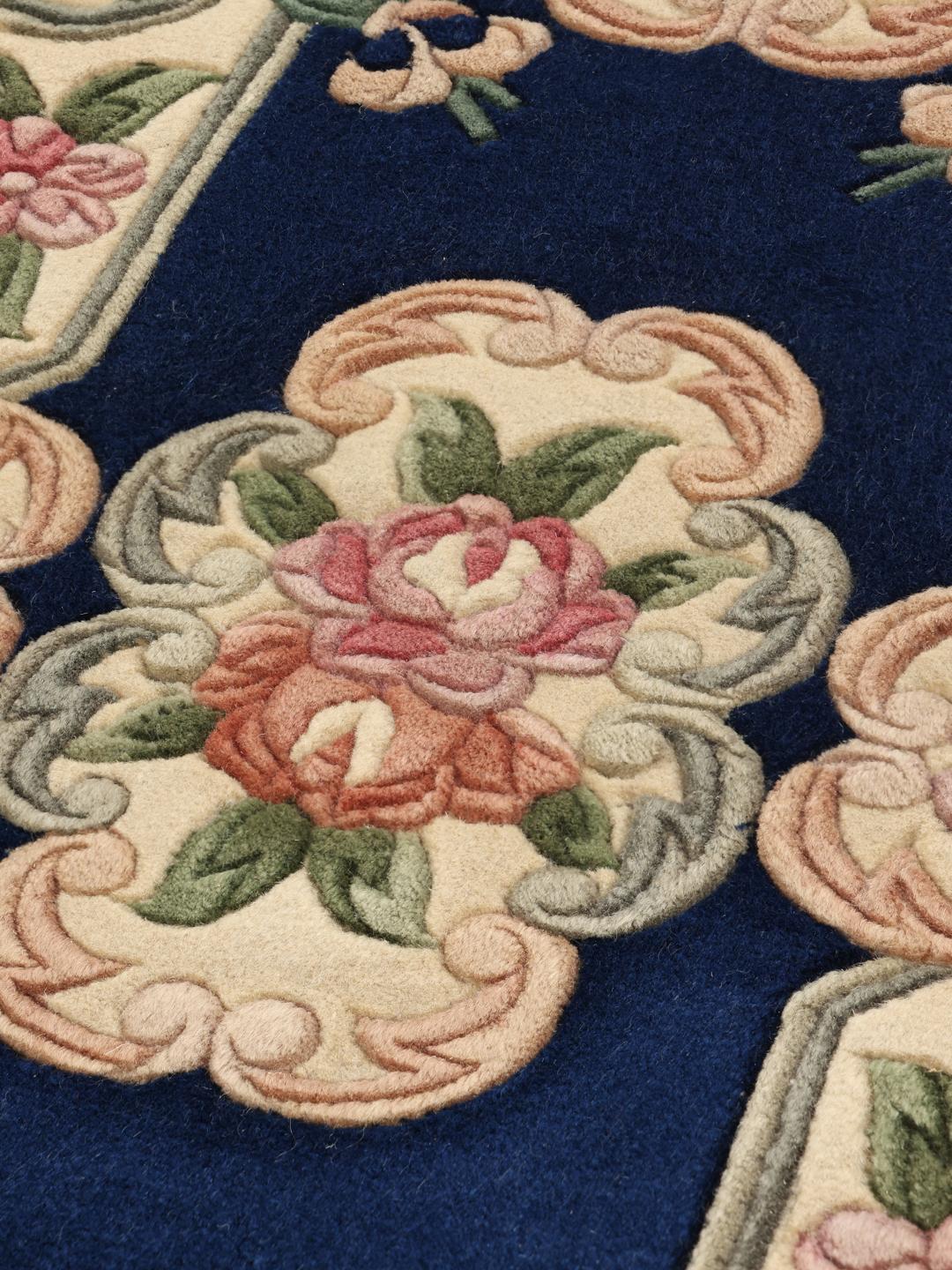
Visually, these rugs are often defined by their bold use of colour and symbolic motifs. Floral elements, such as the blossoms seen here, are central to the Chinese decorative vocabulary, often representing prosperity and natural beauty. The deliberate placement of these motifs against solid, contrasting fields is a hallmark of the style, creating a harmonious balance that is both striking and serene.
Owning a piece from this tradition is a way to connect with a legacy of patience and precision. These rugs are highly valued for their ability to merge functional floor covering with high-level craftsmanship. By bringing one into your home, you are preserving a bridge to a long-standing artistic lineage that prioritises both aesthetic grace and lasting durability.