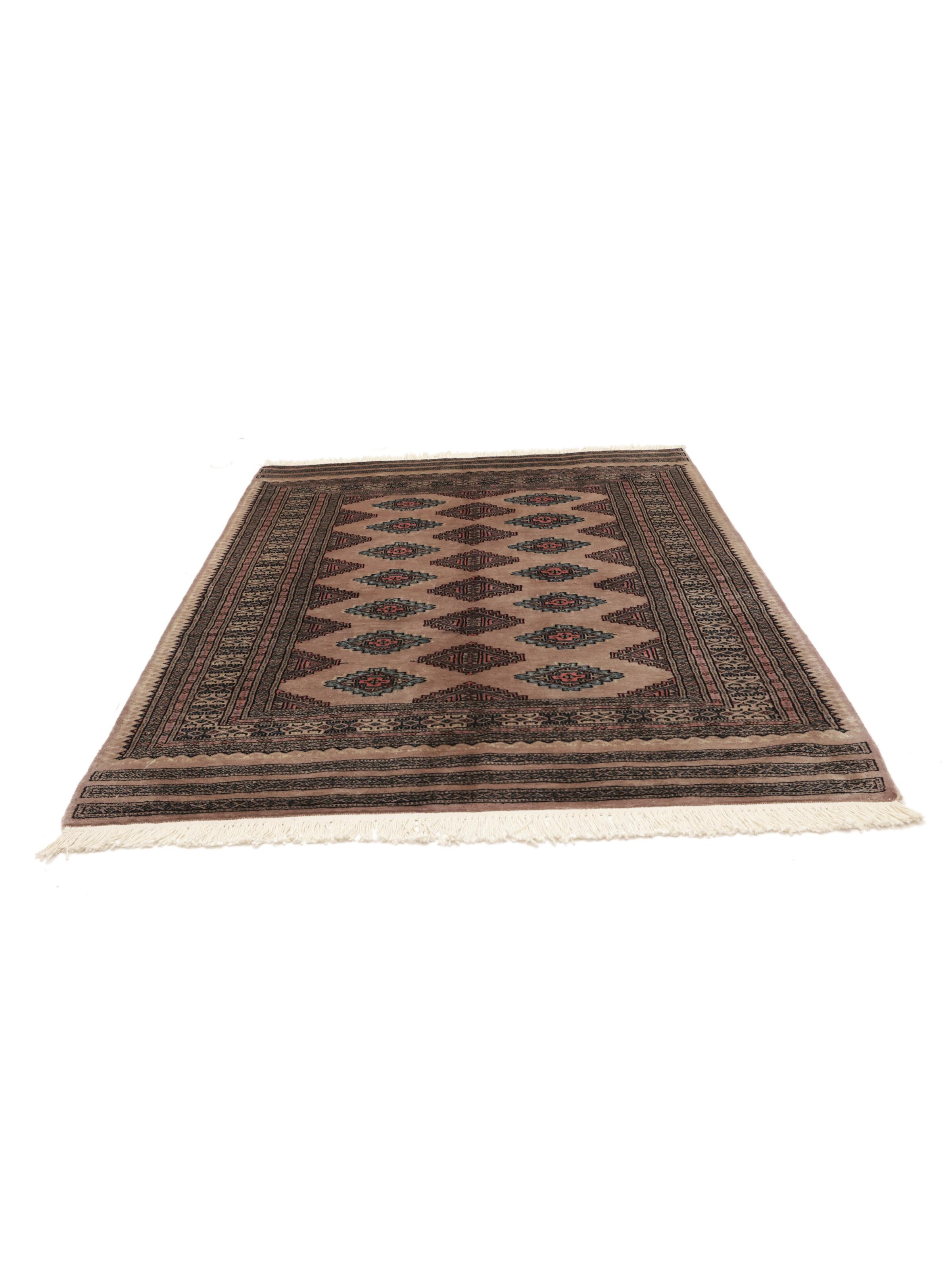
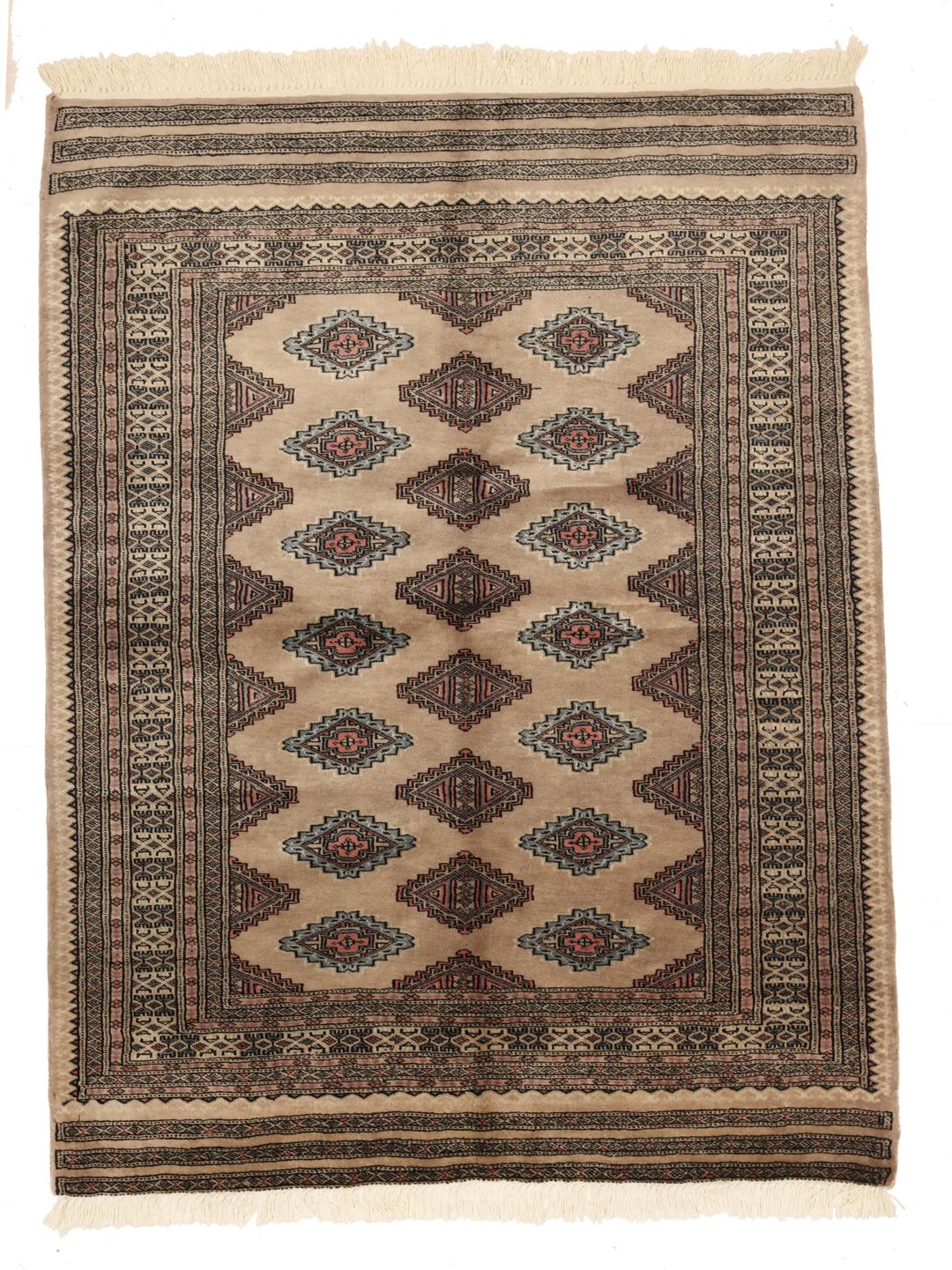
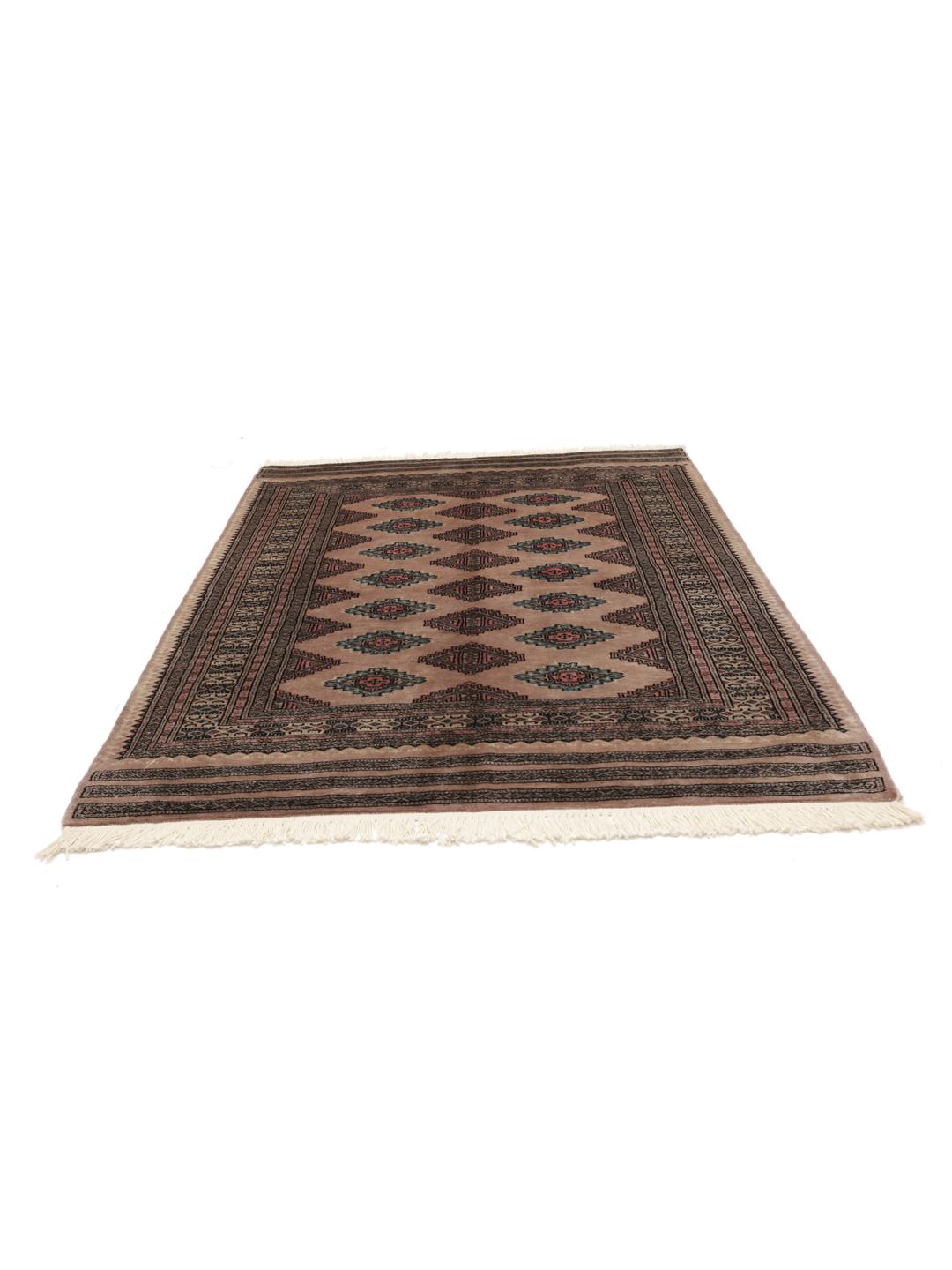
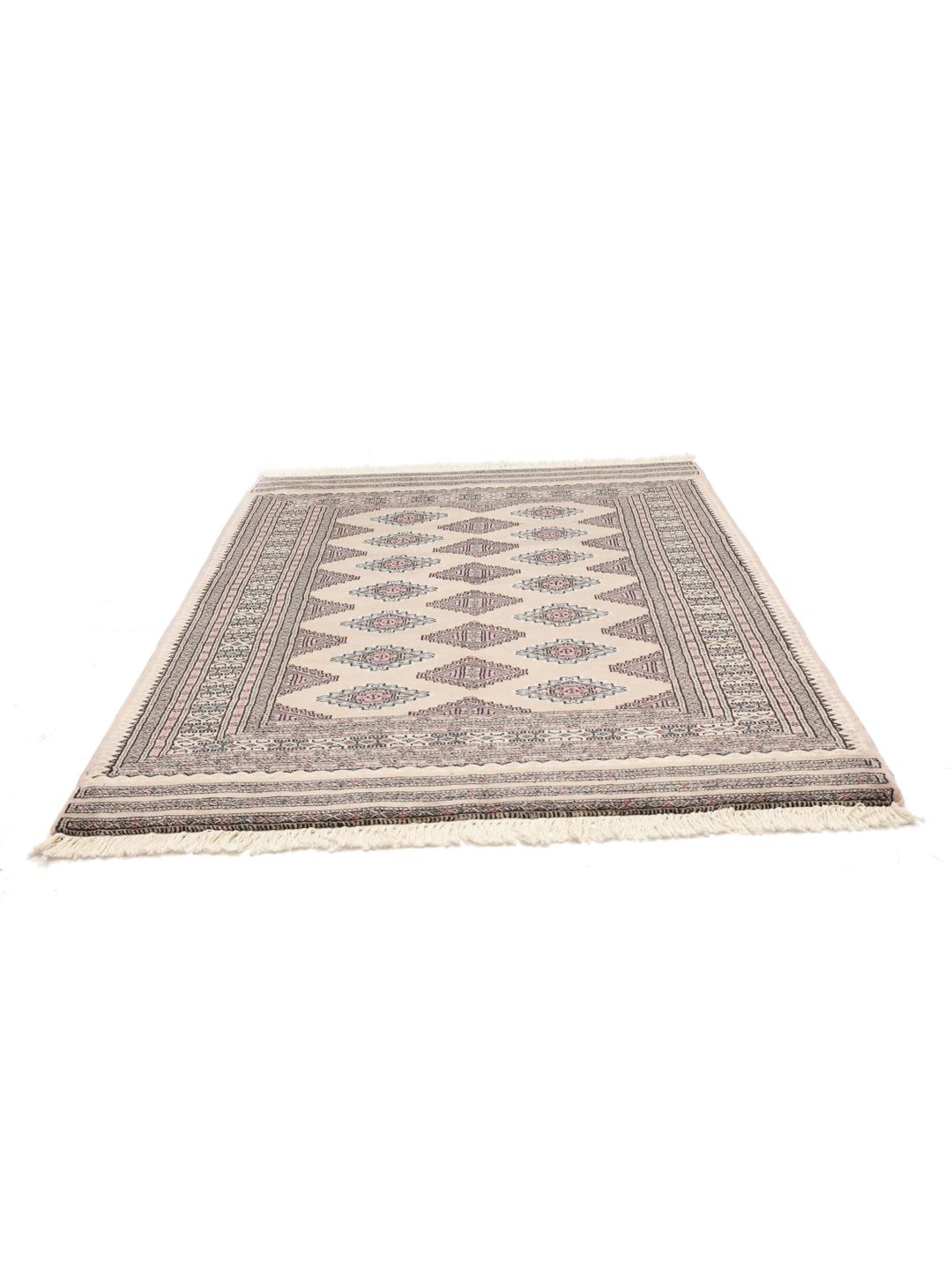
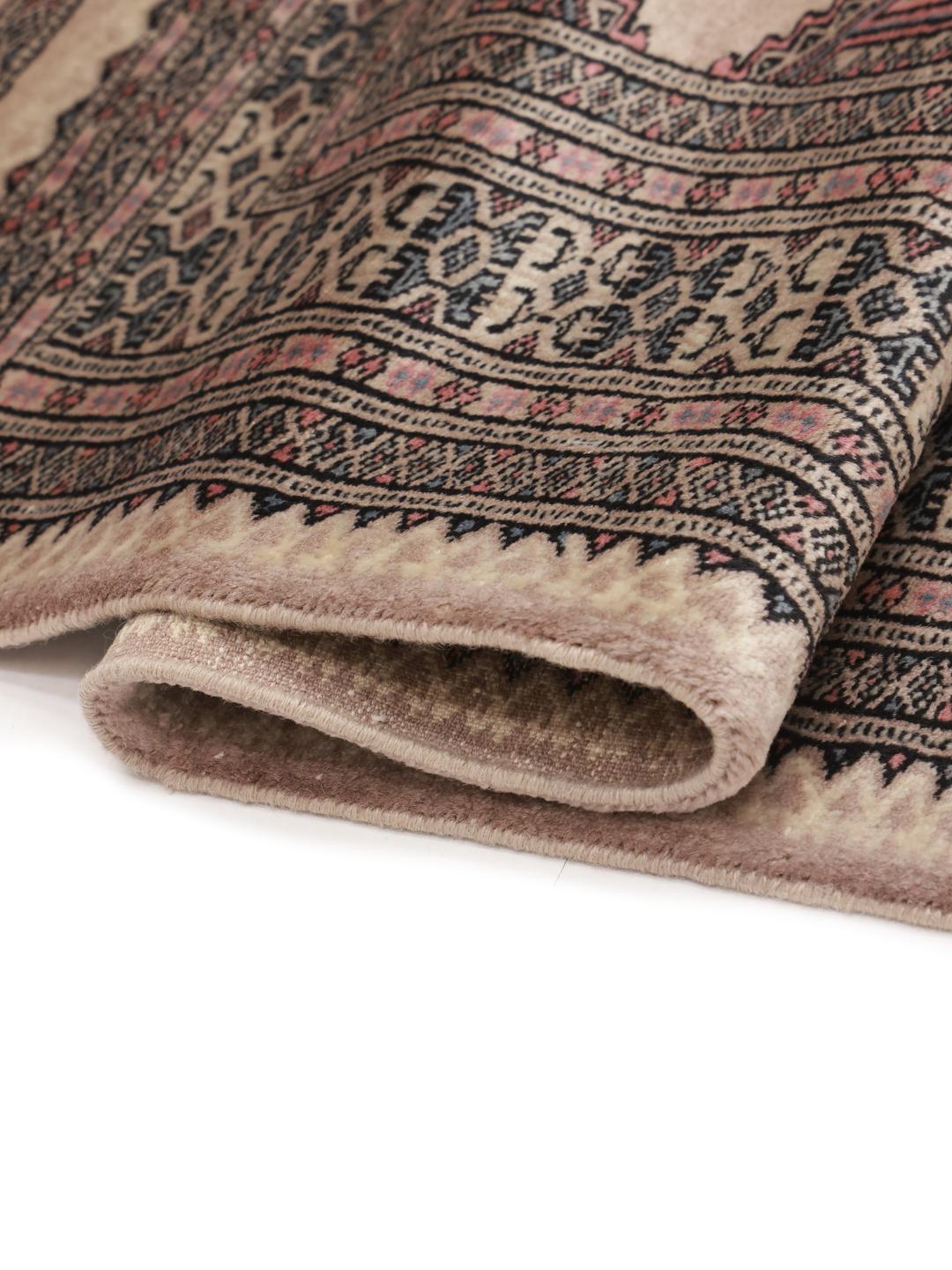
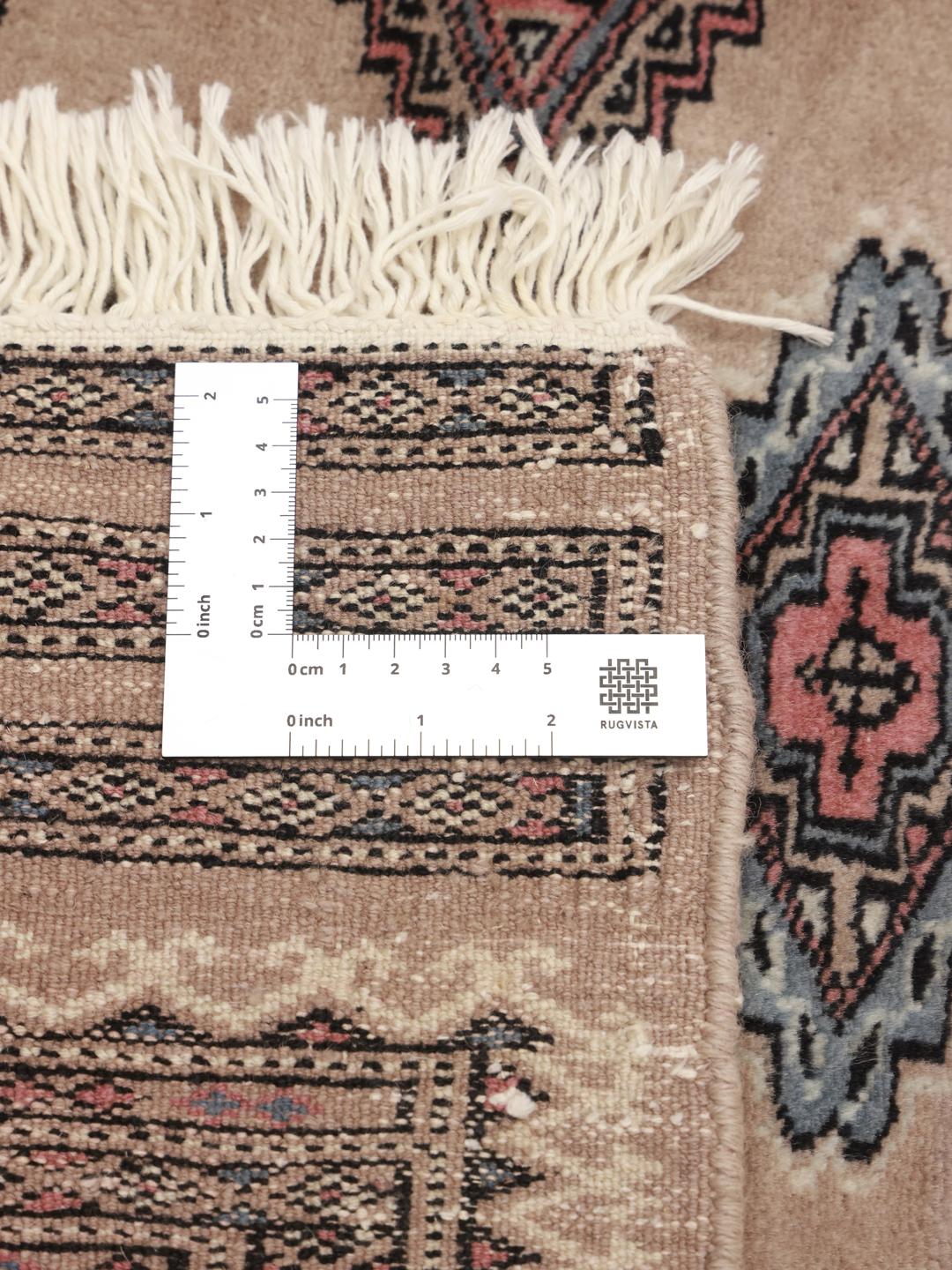
Bokhara rugs are deeply rooted in the history of the Silk Road, taking their name from the legendary city of Bukhara in Central Asia. Historically, these designs were associated with nomadic tribes who developed distinct geometric languages. Today, the tradition of weaving these rugs has flourished in Pakistan, where artisans have refined the techniques to produce some of the finest examples available.
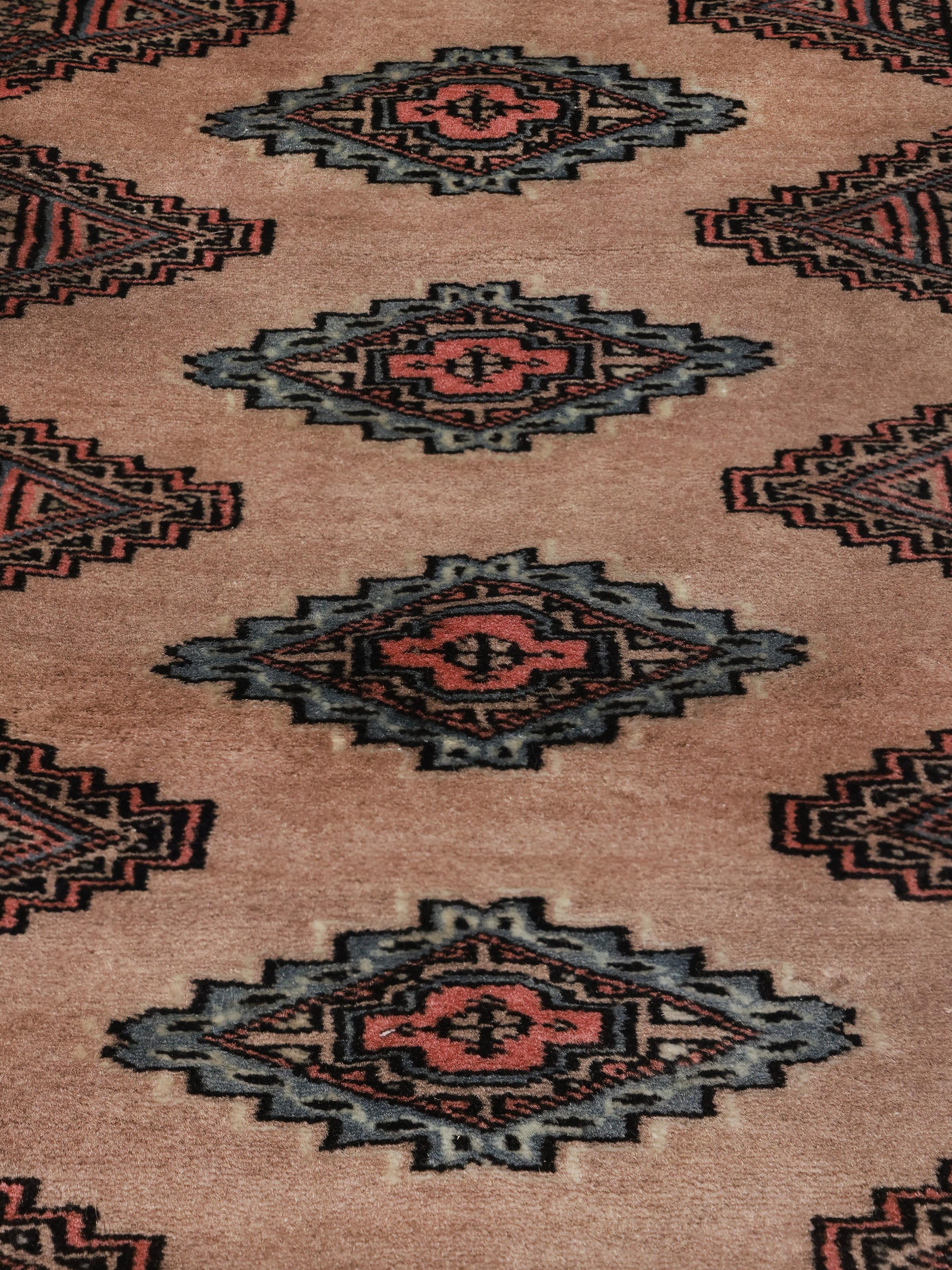
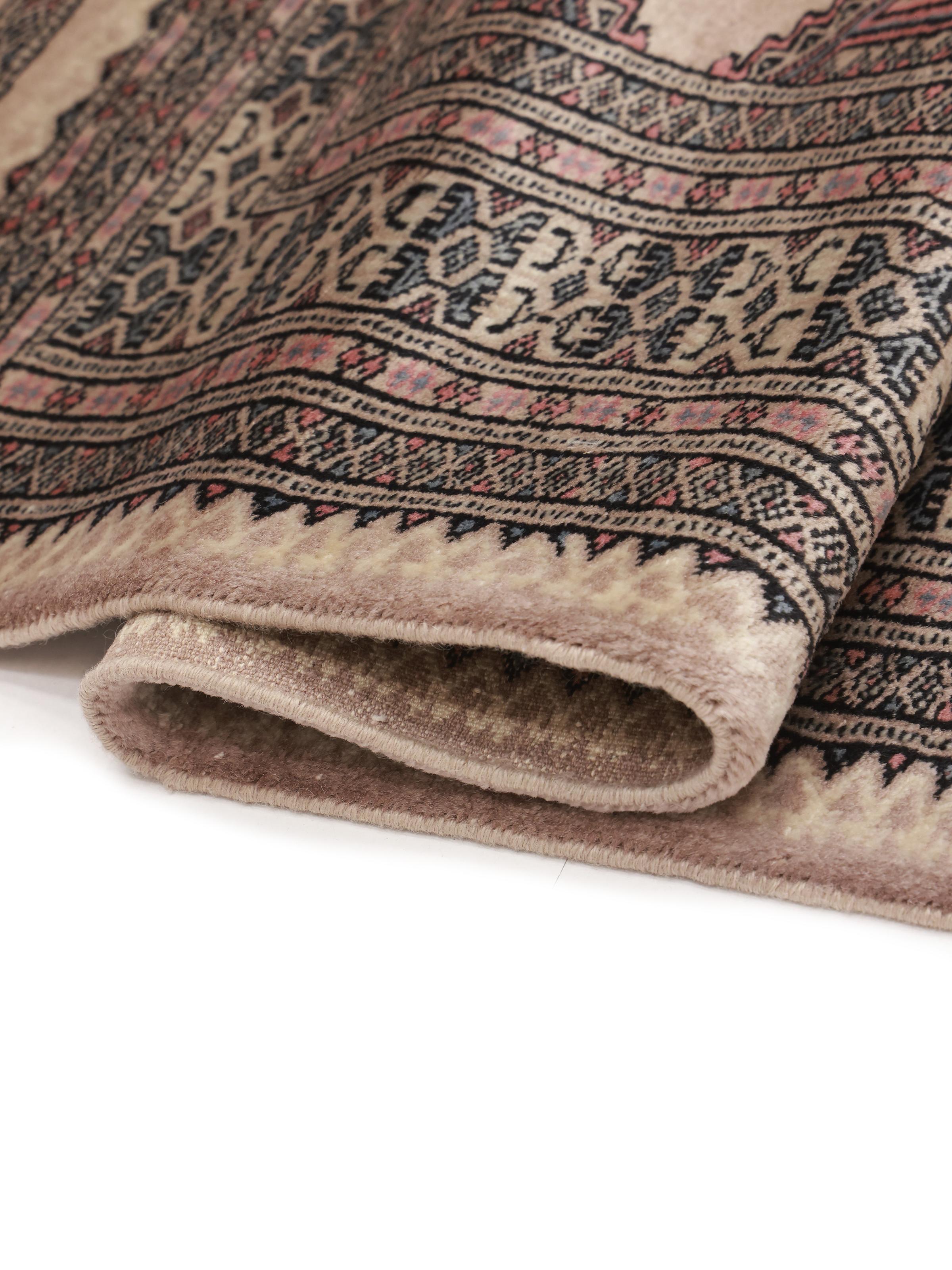
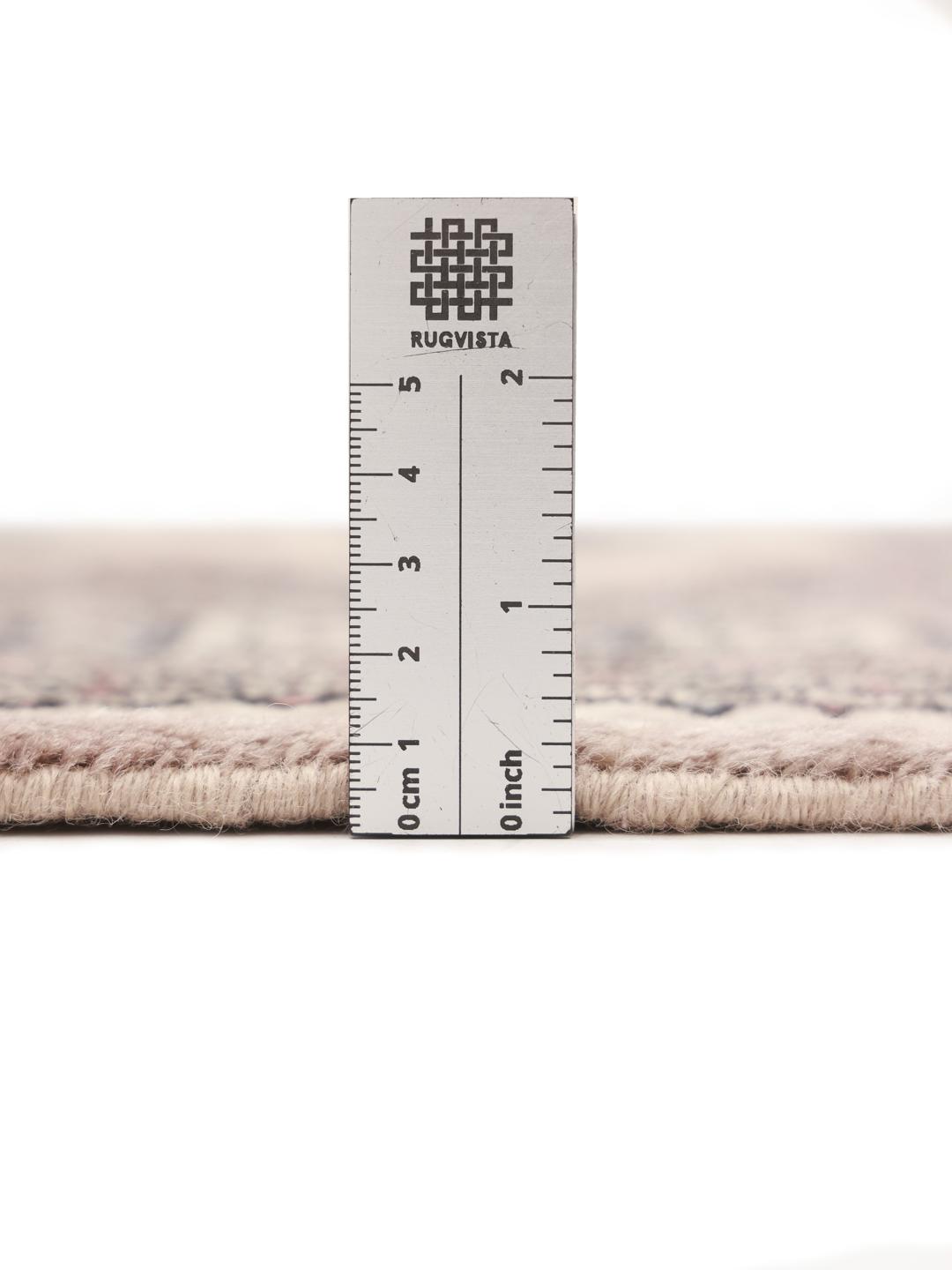
The term 3ply refers to the construction of the wool yarn, which consists of three individual strands twisted together to form a single, stronger thread. This method is significant because it results in a thicker, more lustrous, and exceptionally durable pile. This construction choice ensures that the rug not only looks beautiful but also possesses the strength to withstand daily wear.
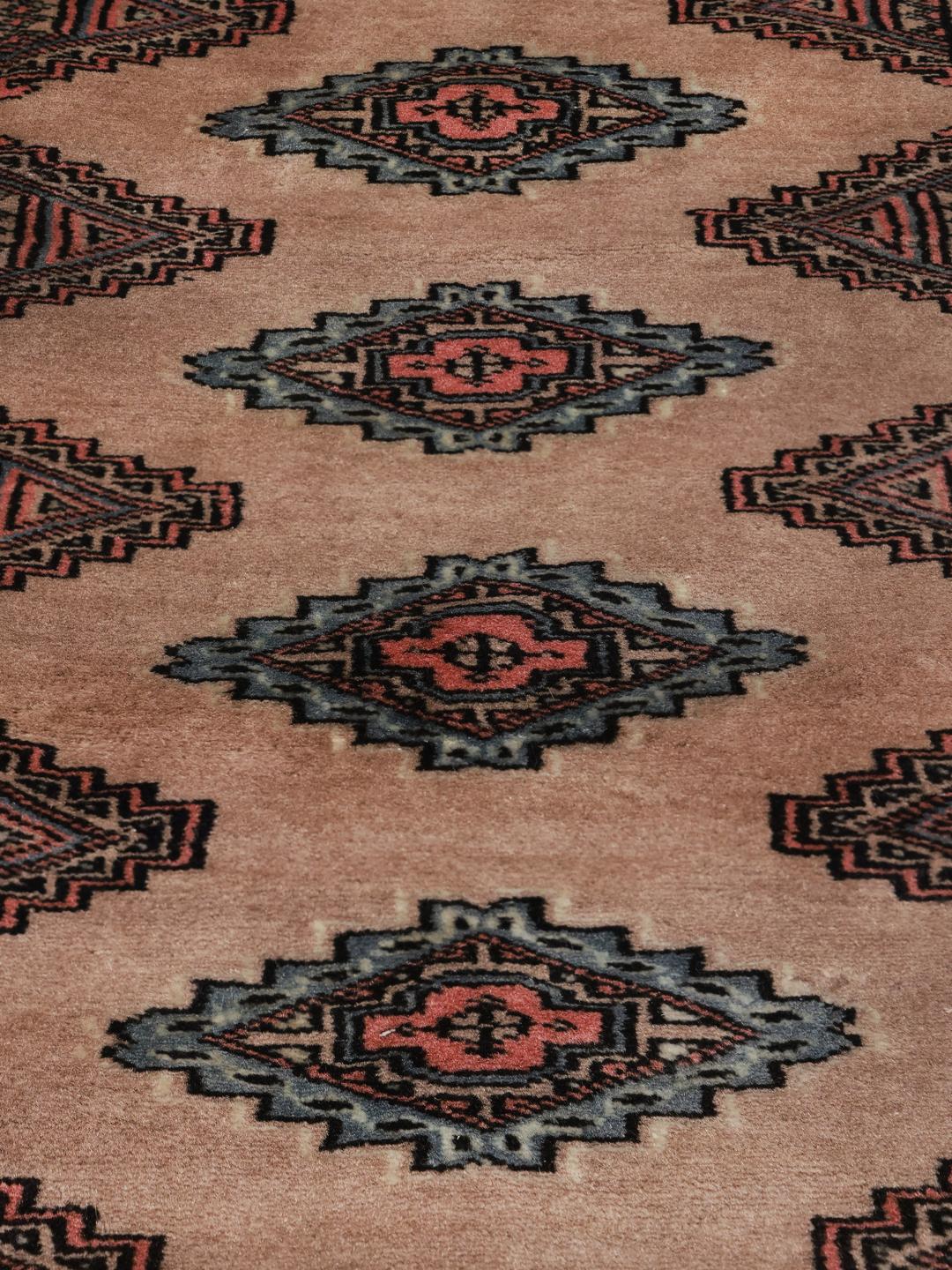
The signature design elements of a Bokhara include repeating gul motifs, which are stylized, octagonal medallions arranged in structured rows across the field. These are typically framed by elaborate, geometric borders that reflect a long heritage of mathematical precision and aesthetic balance, creating a sense of order and harmony.
Collectors value these rugs for their combination of heritage and skill. Owning a traditional Pakistani Bokhara is more than just purchasing a floor covering; it is an acquisition of a cultural legacy. These pieces represent a commitment to quality and a respect for the human talent required to create art that is both functional and enduring.