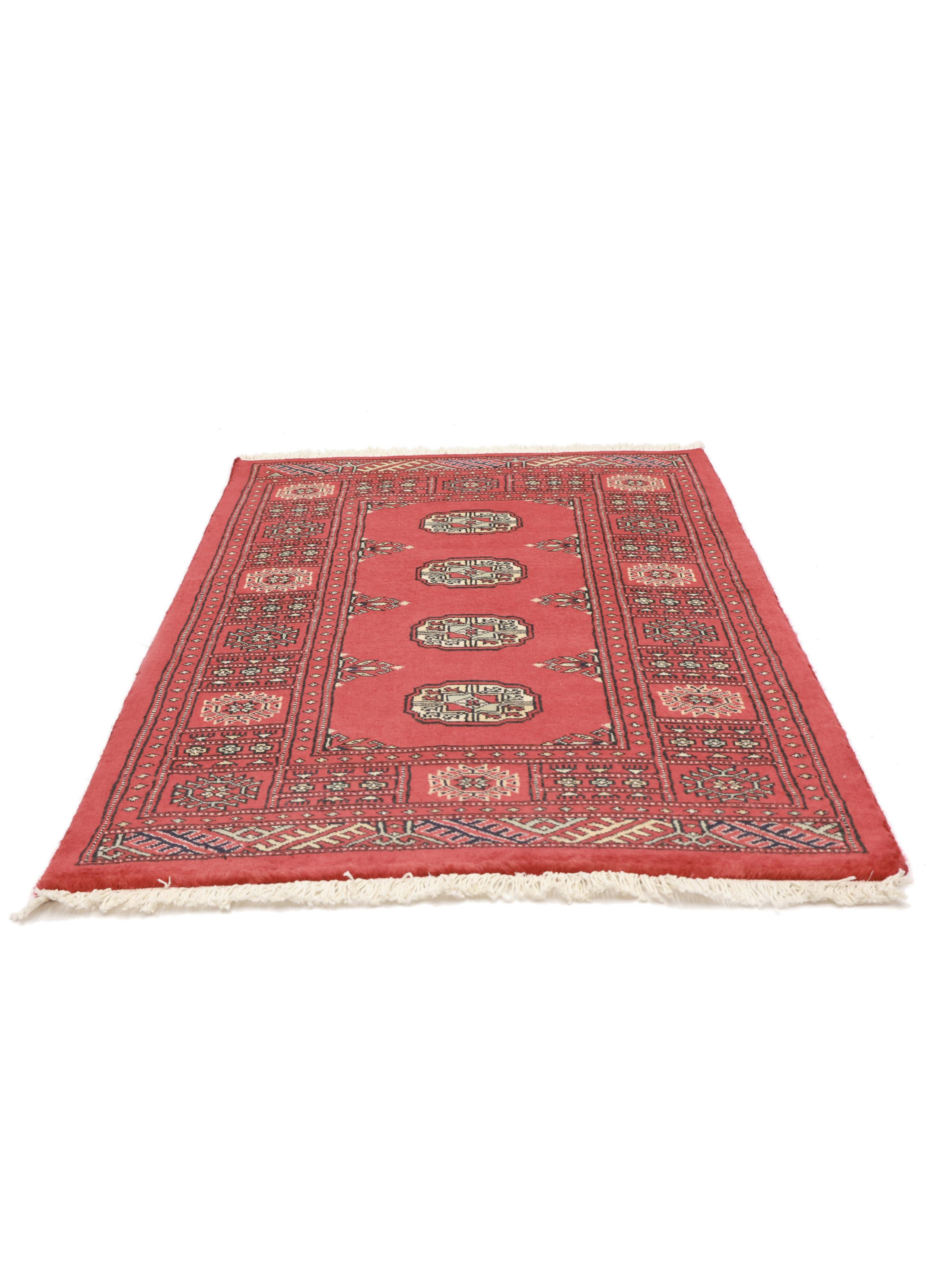
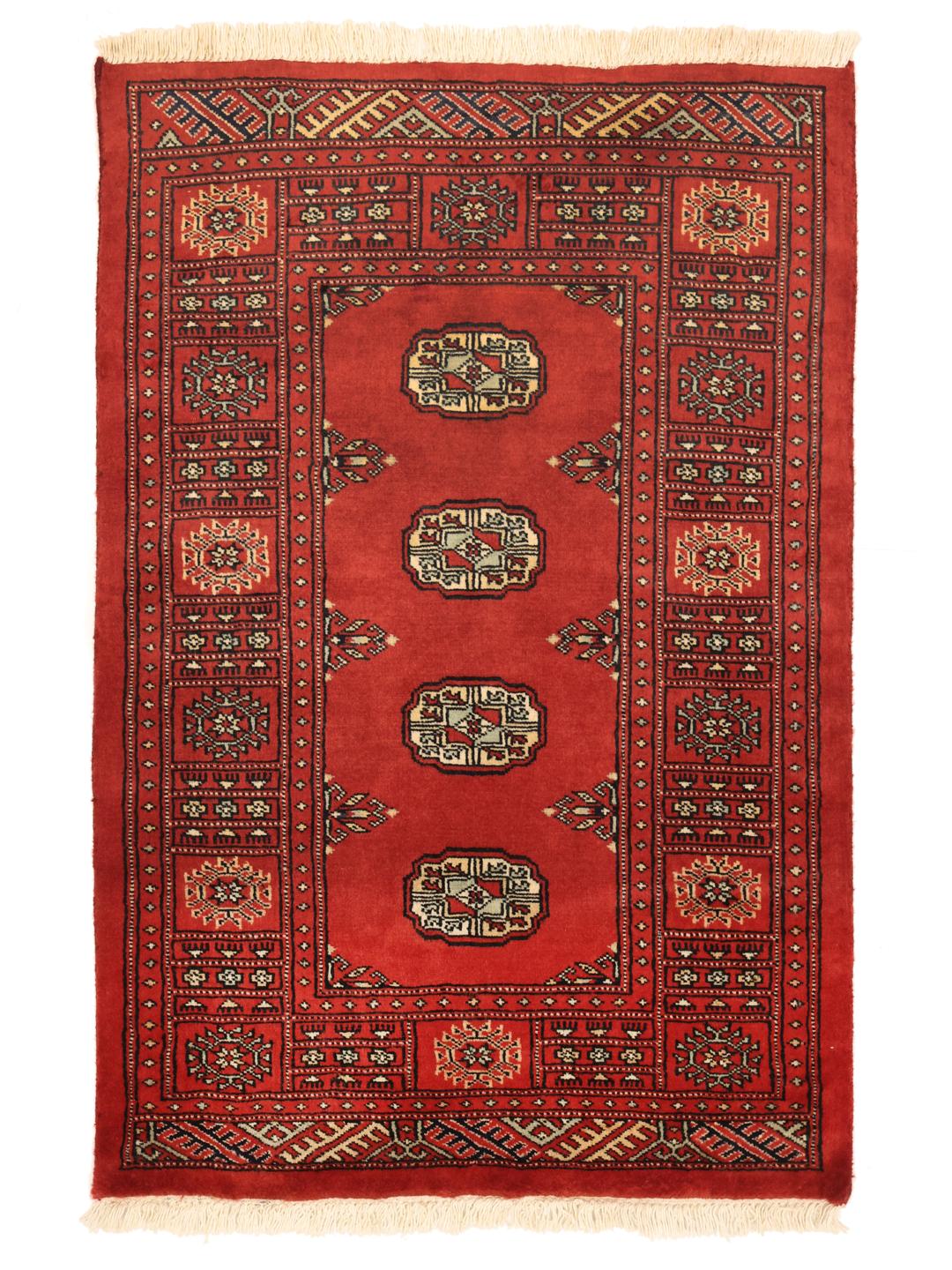
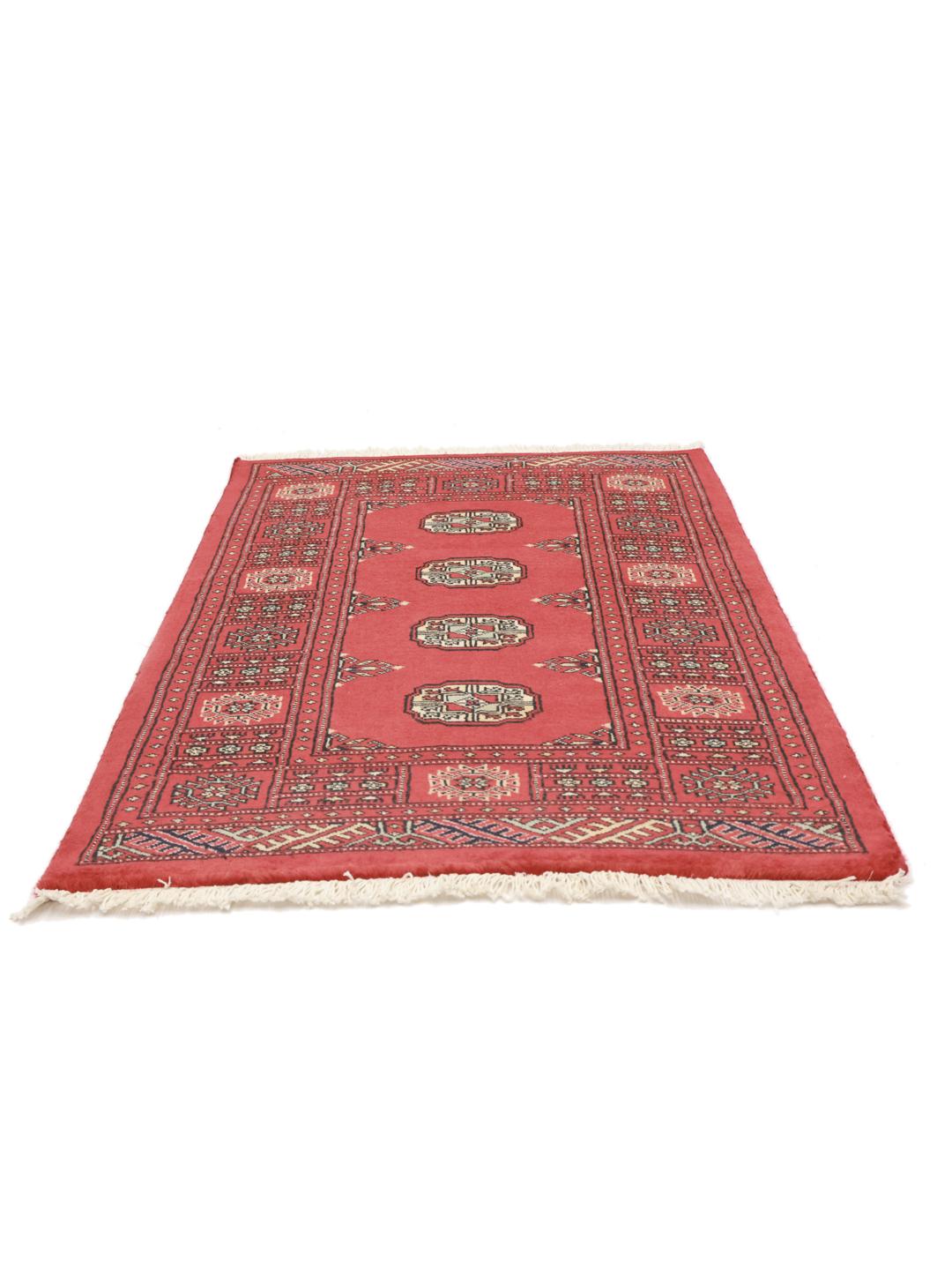
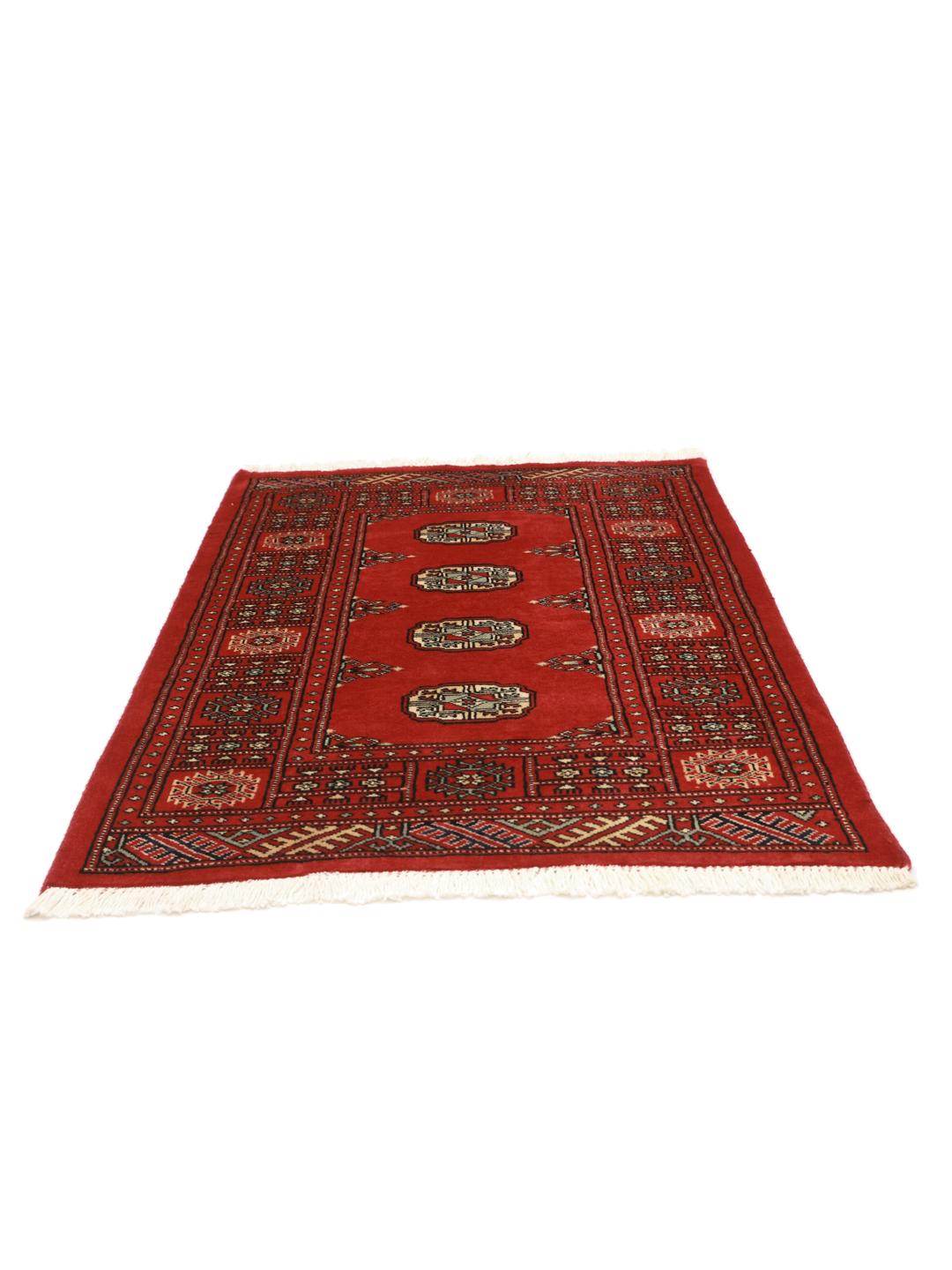
Bokhara rugs trace their design roots back to the ancient Silk Road city of Bukhara in Central Asia, where nomadic and village weavers developed a distinct visual language. Over generations, the tradition migrated southward, and today some of the finest examples are lovingly hand-knotted in Pakistan by skilled artisans who preserve these ancient design traditions.
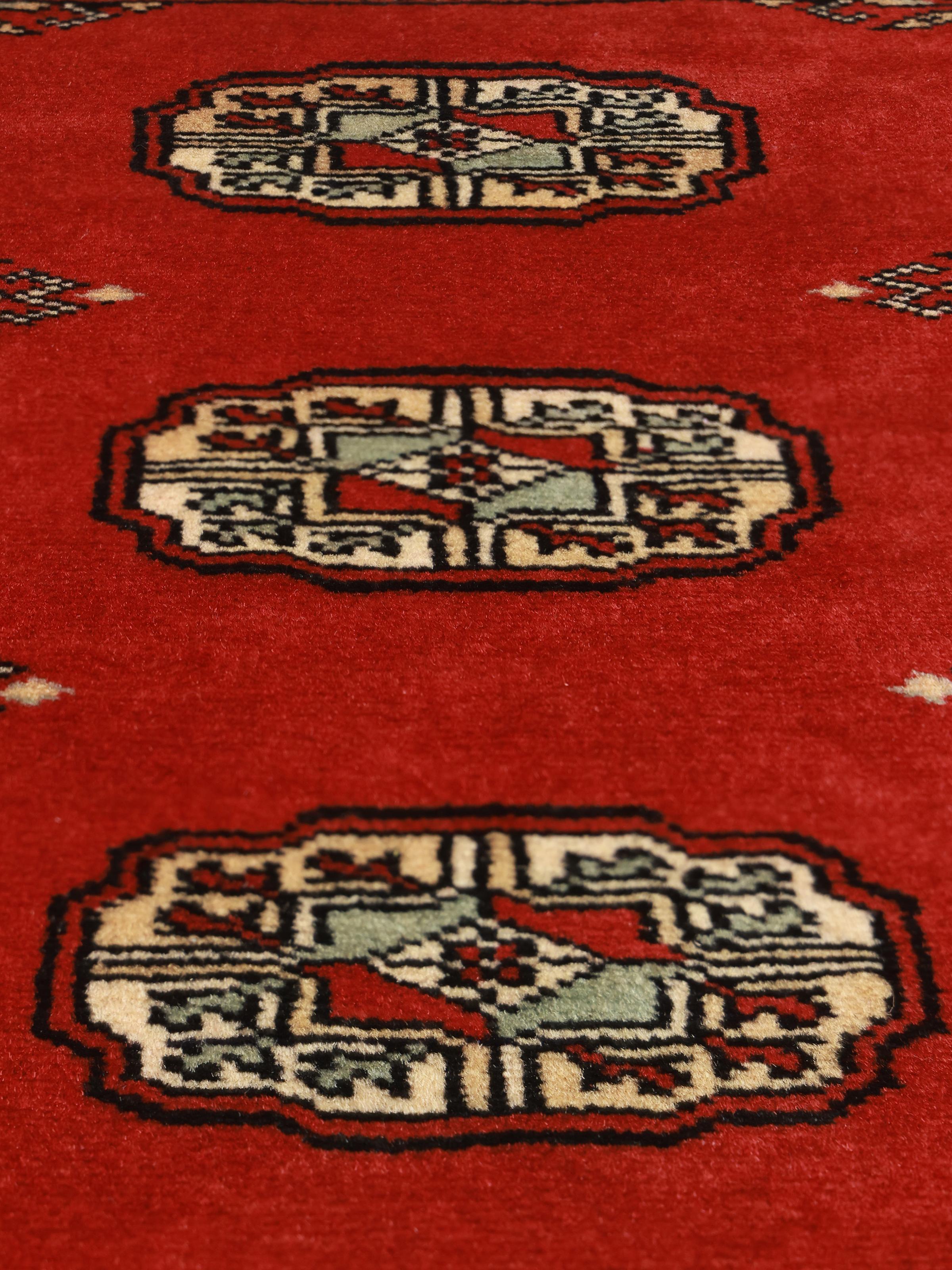
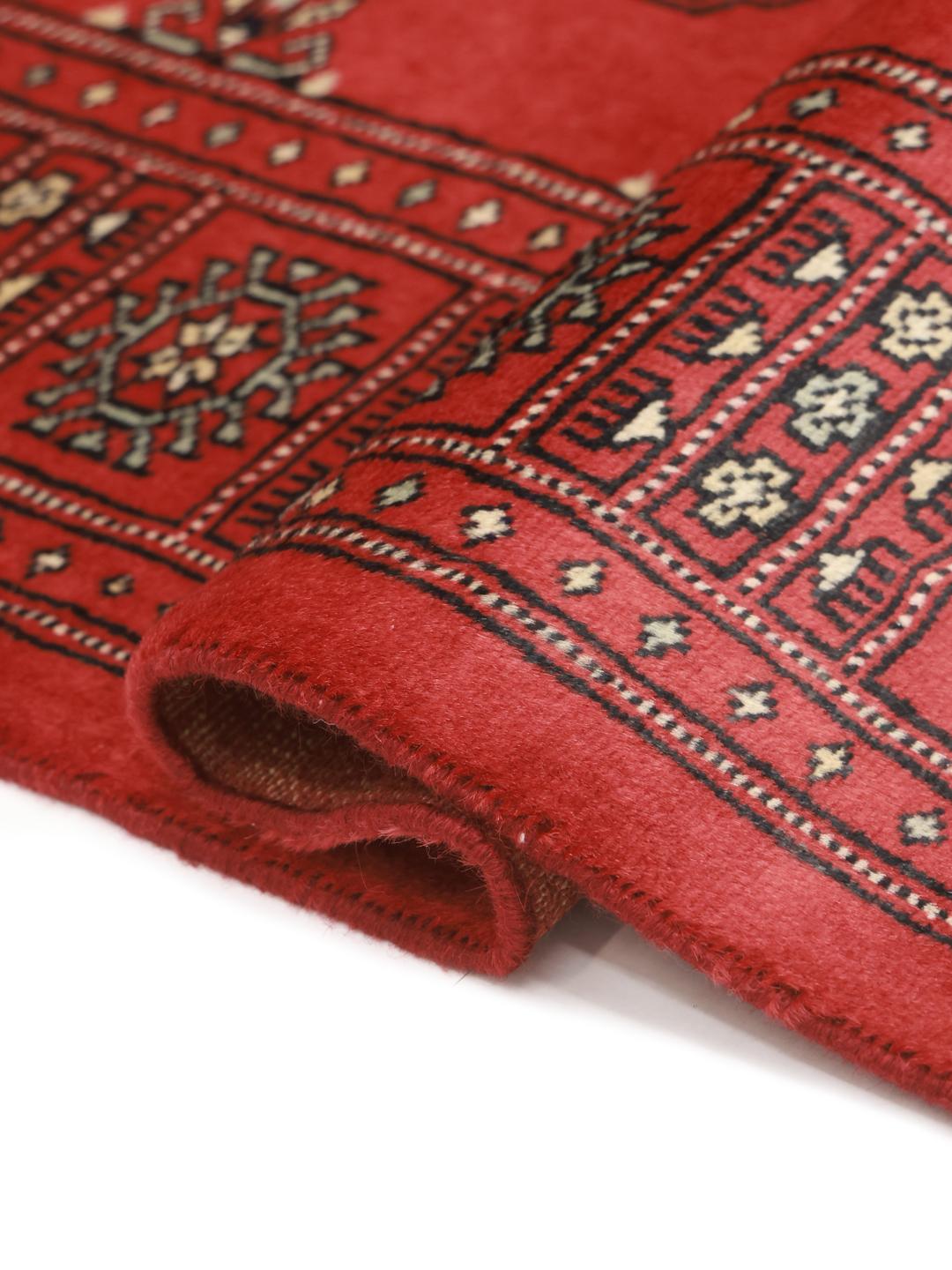
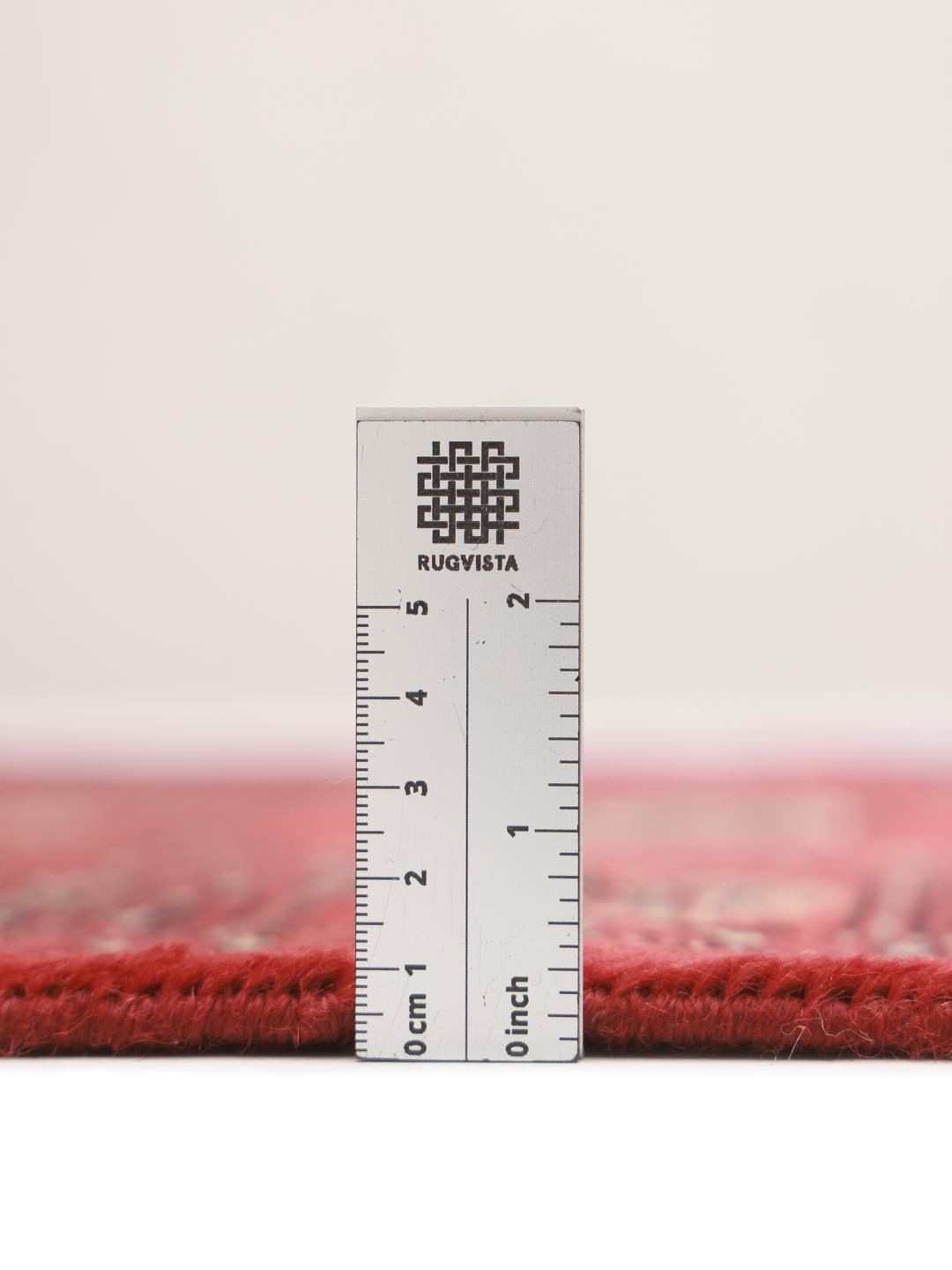
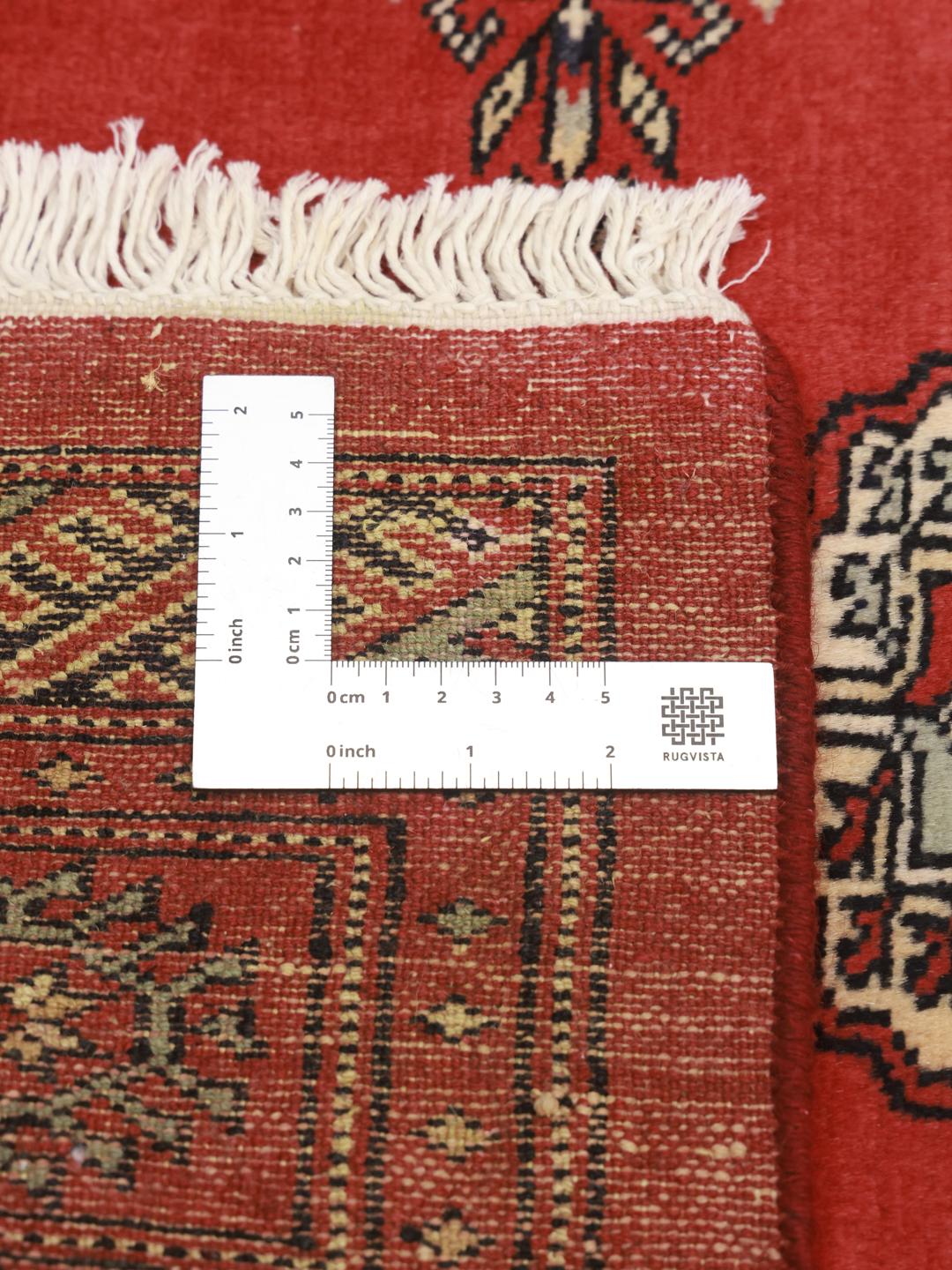
The 2ply designation in this rug means the pile is crafted using two strands of wool twisted together before knotting. This technique produces a significantly denser, more lustrous, and longer-lasting pile compared to single-ply construction, ensuring the surface resists wear while maintaining a soft feel.
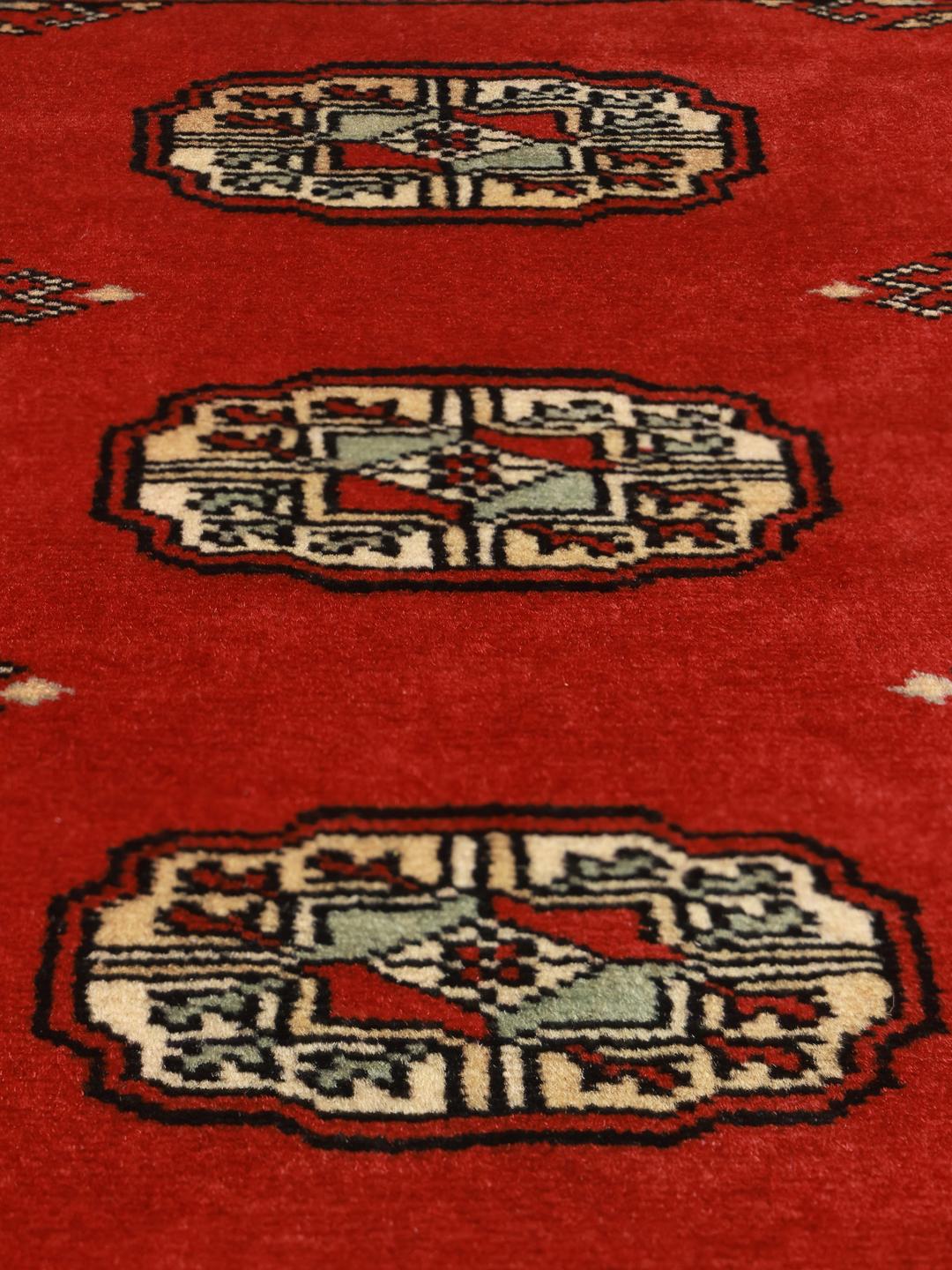
A defining feature of the Bokhara tradition is the repeating gul motif, an octagonal or elephant-foot shaped medallion arranged in orderly rows across the field. Enclosed by a formal geometric border, these motifs carry centuries of symbolic meaning, representing tribal heritage and domestic security.
Collecting a Pakistani Bokhara means acquiring a piece of enduring cultural weight and skilled artistry. These rugs are valued not just for their decorative appeal, but for the remarkable patience, heritage, and human craftsmanship woven into every single thread.